
Used 2020 Conventional Sleeper Trucks For Sale in Mississippi
Shop used 2020 conventional sleeper trucks in Mississippi. Compare raised-roof sleepers, engine ratings, wheelbases, and drivetrain specs.
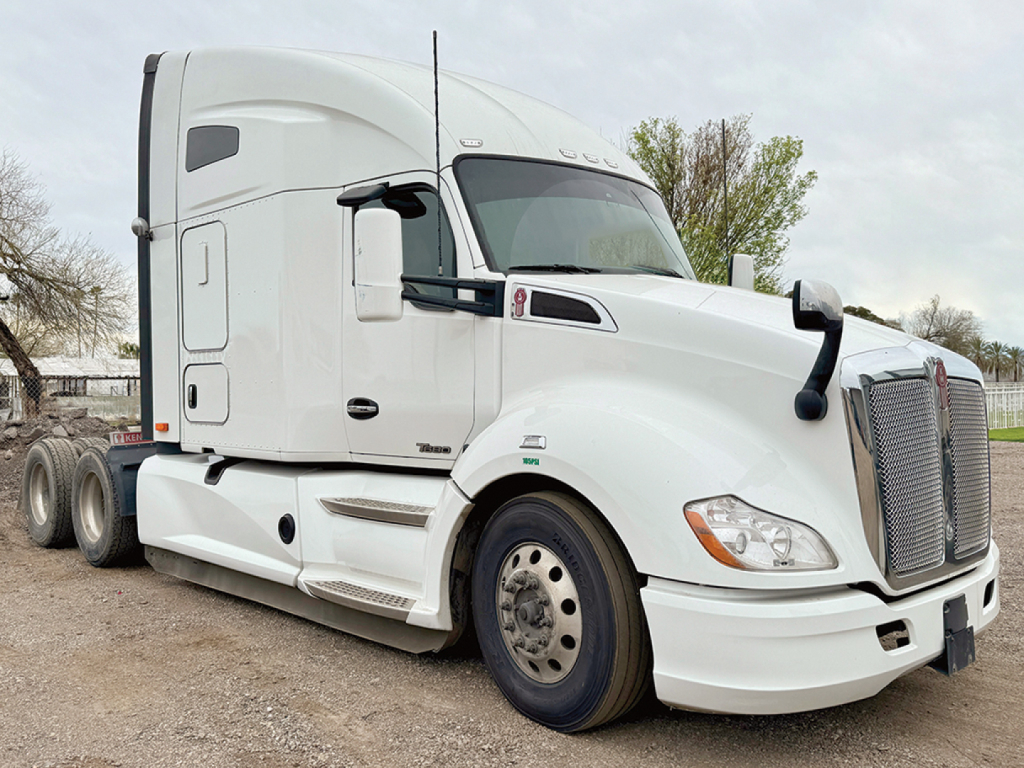
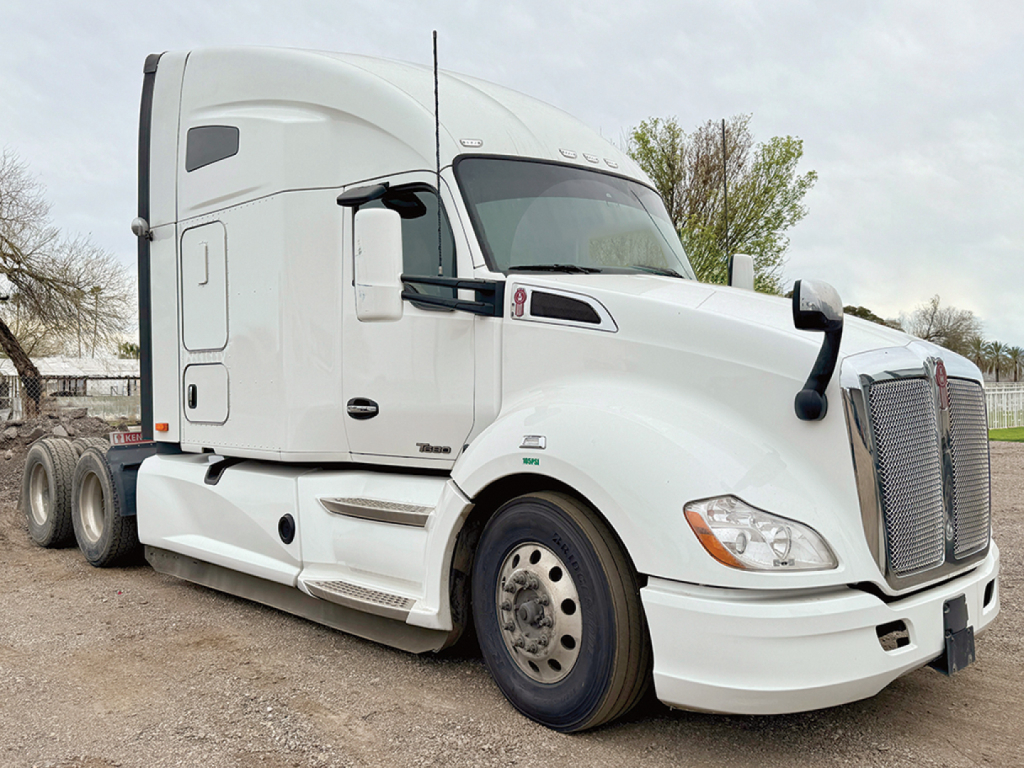
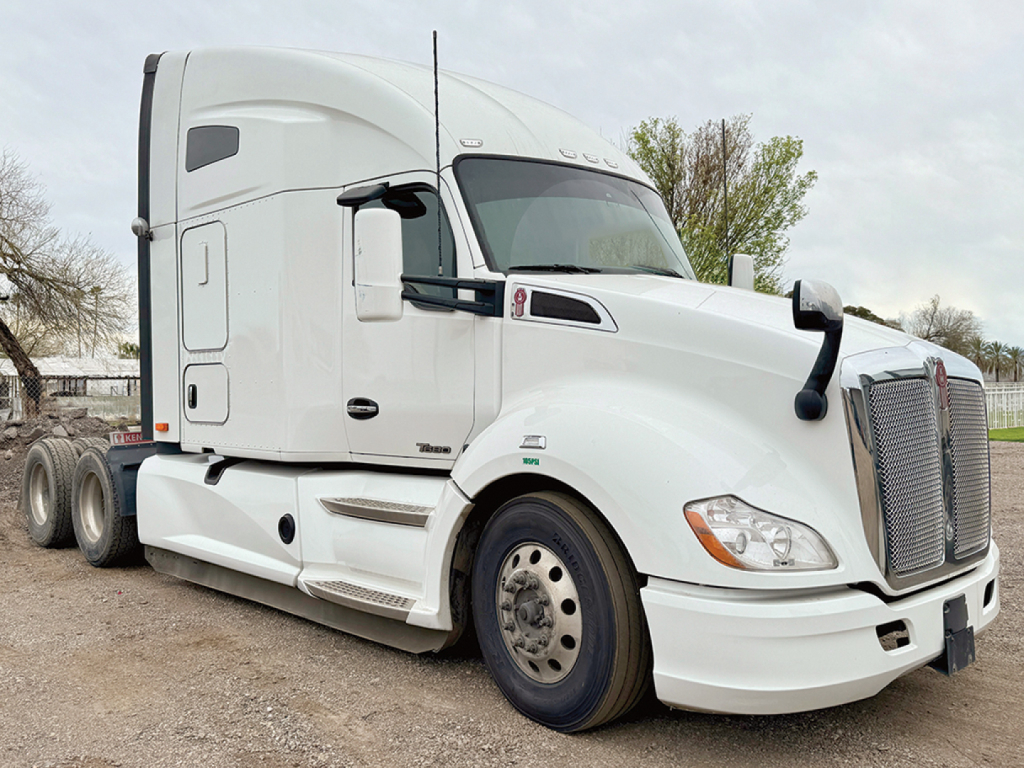
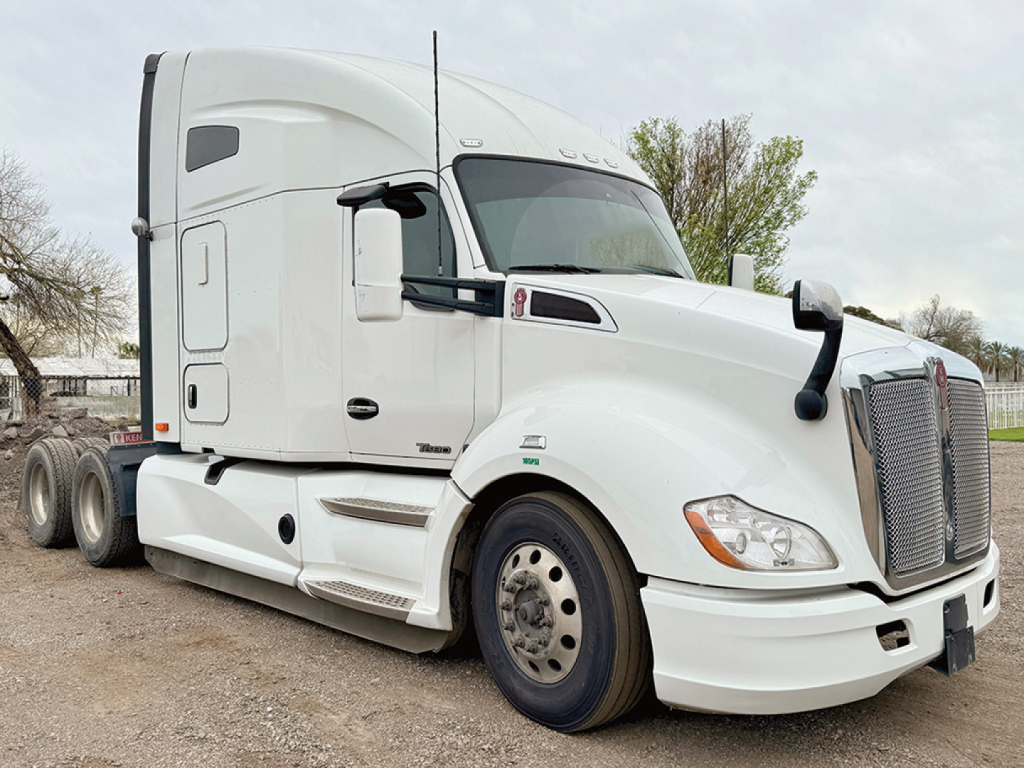
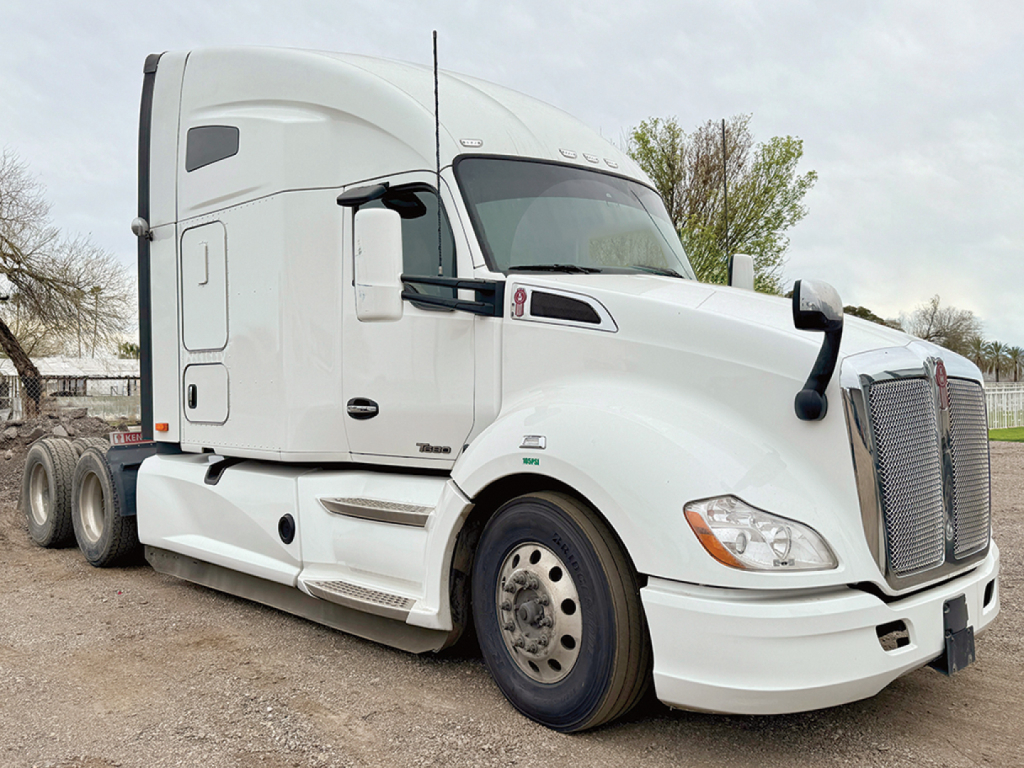
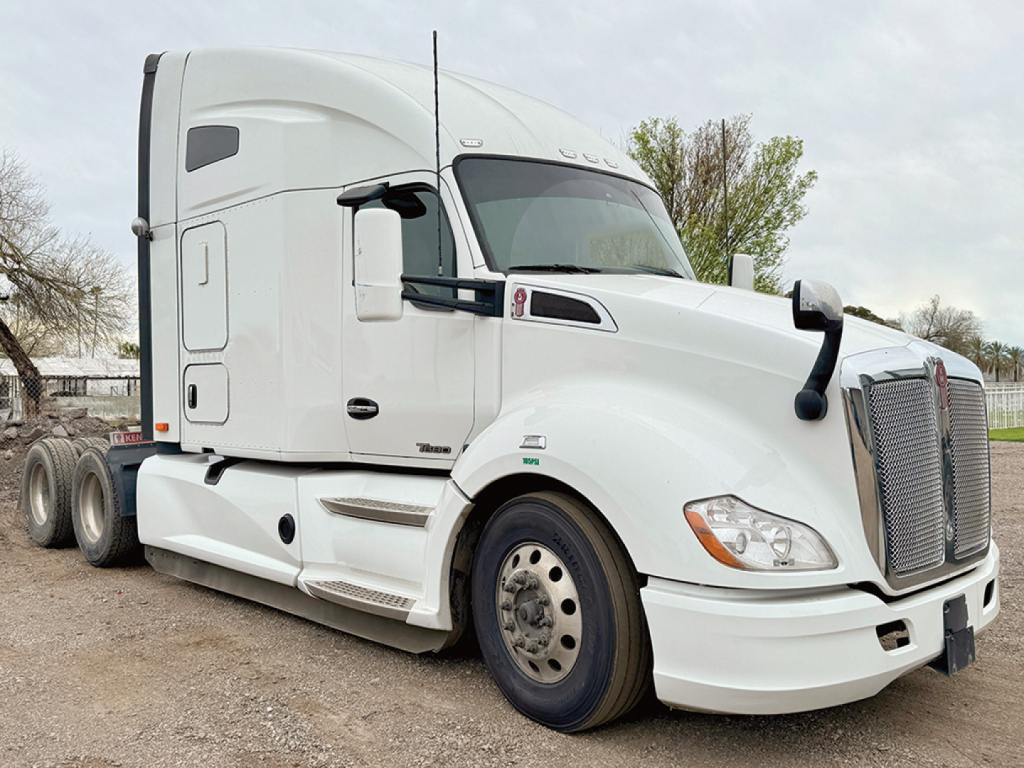
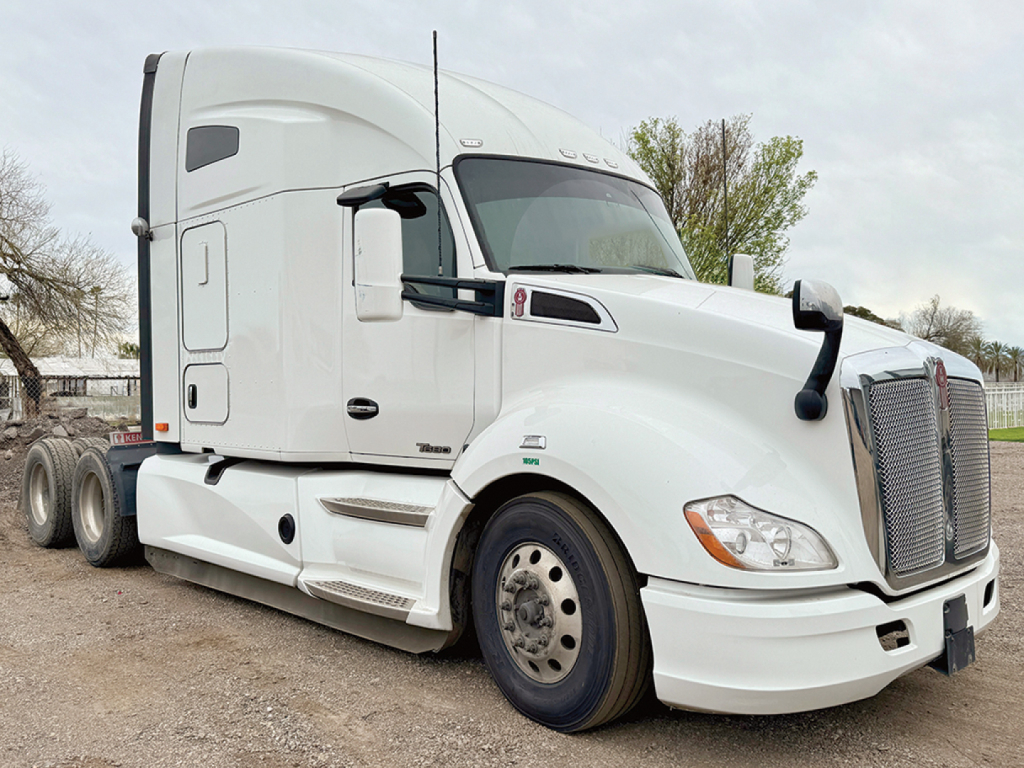
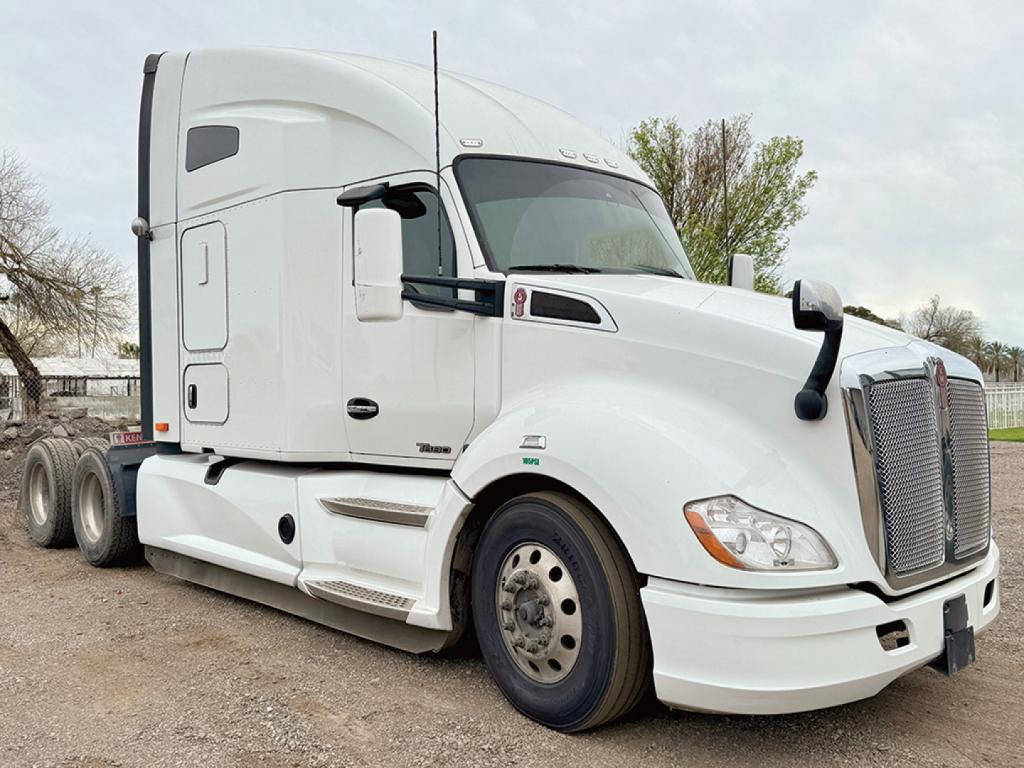
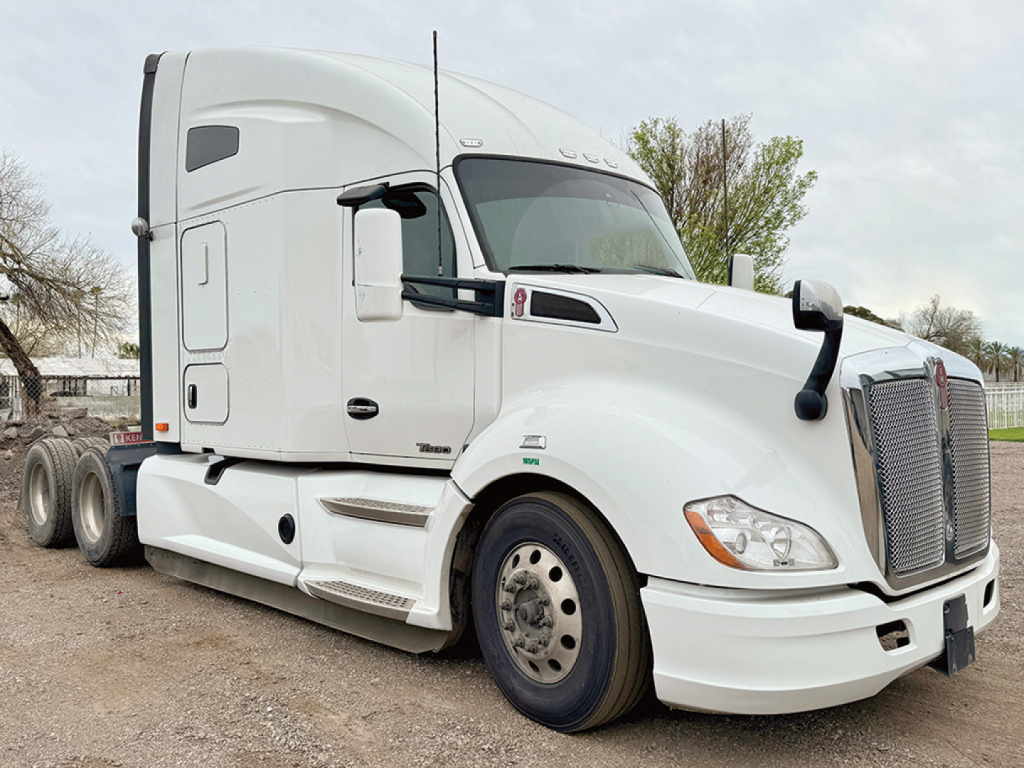
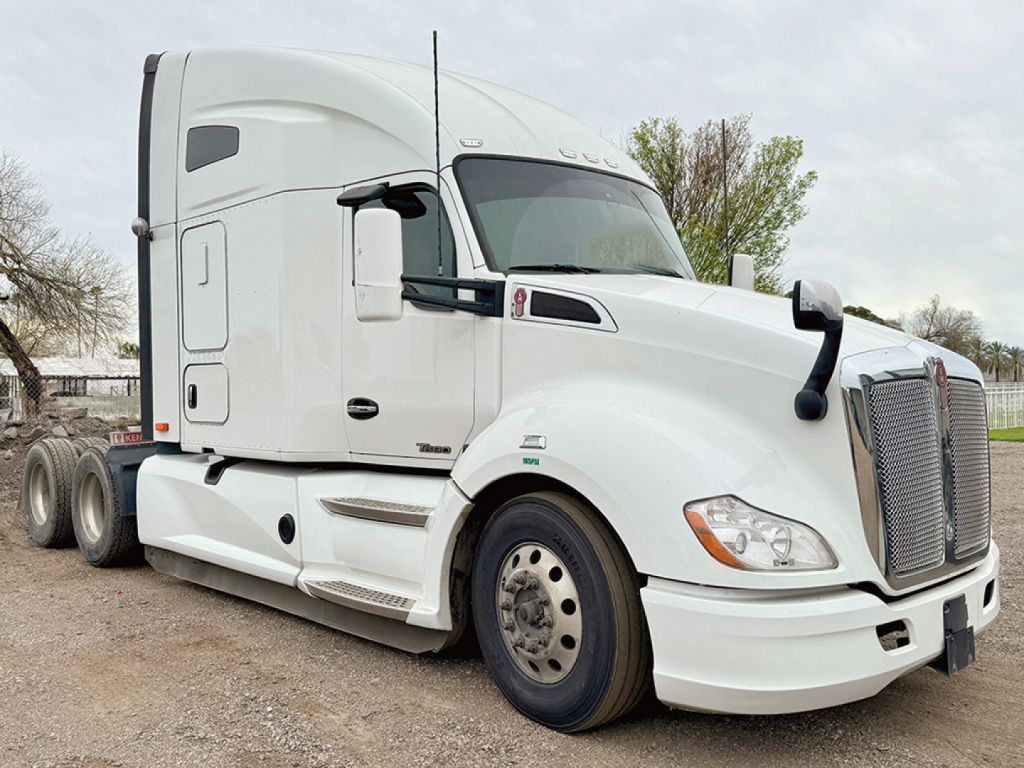
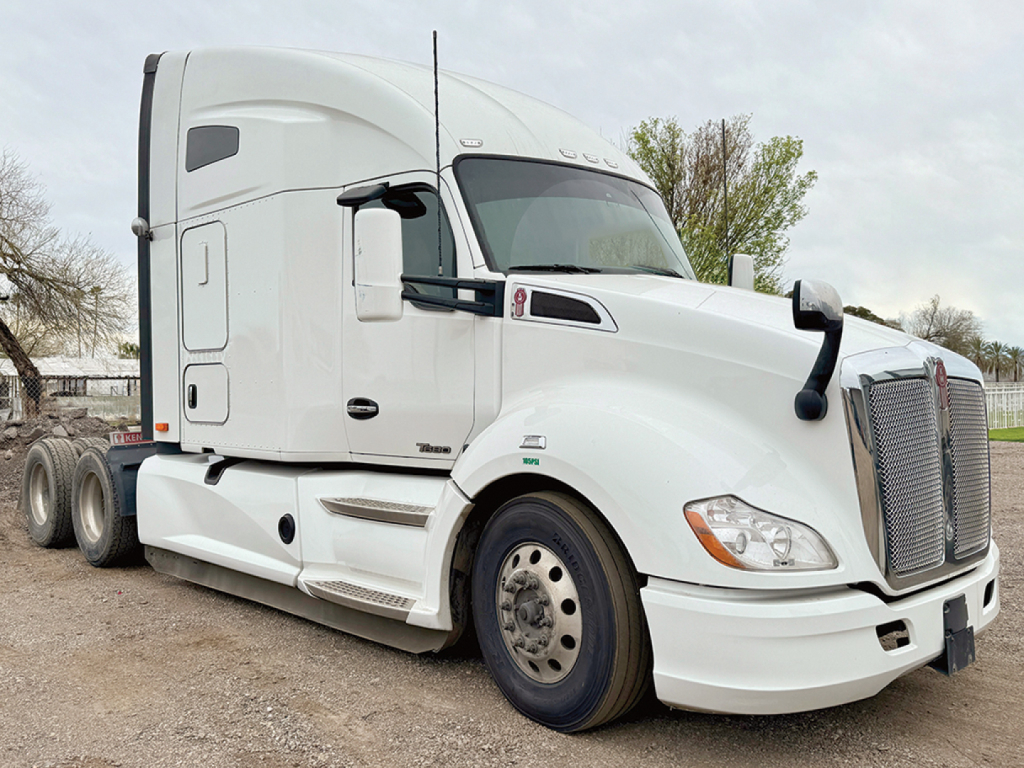
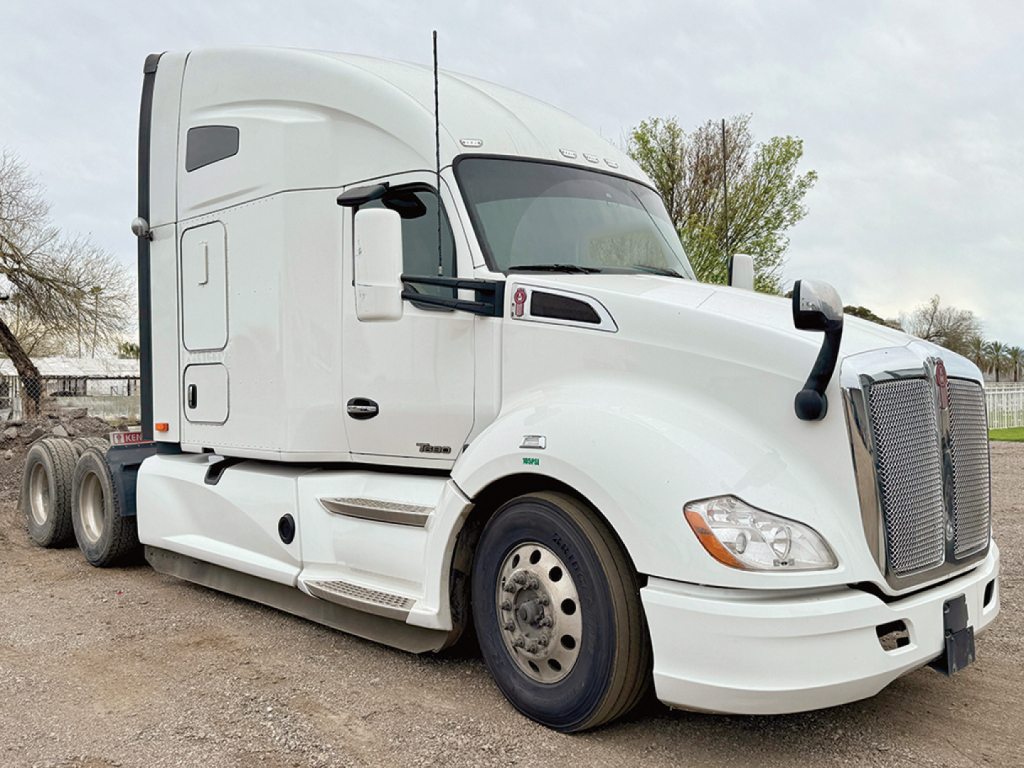
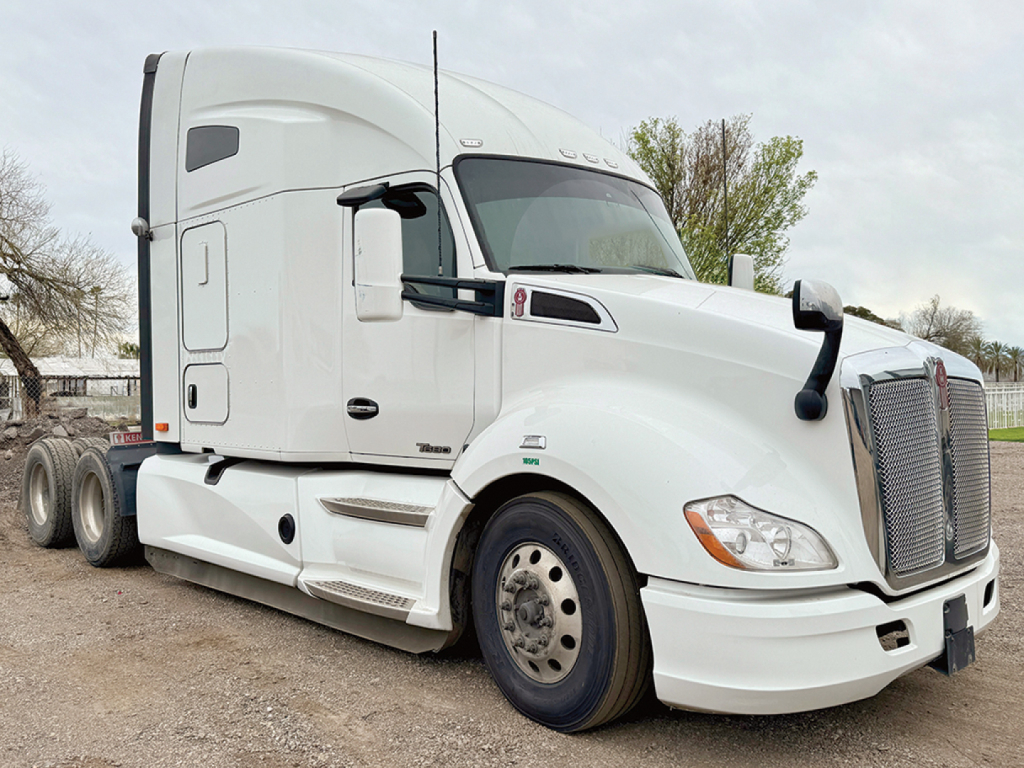
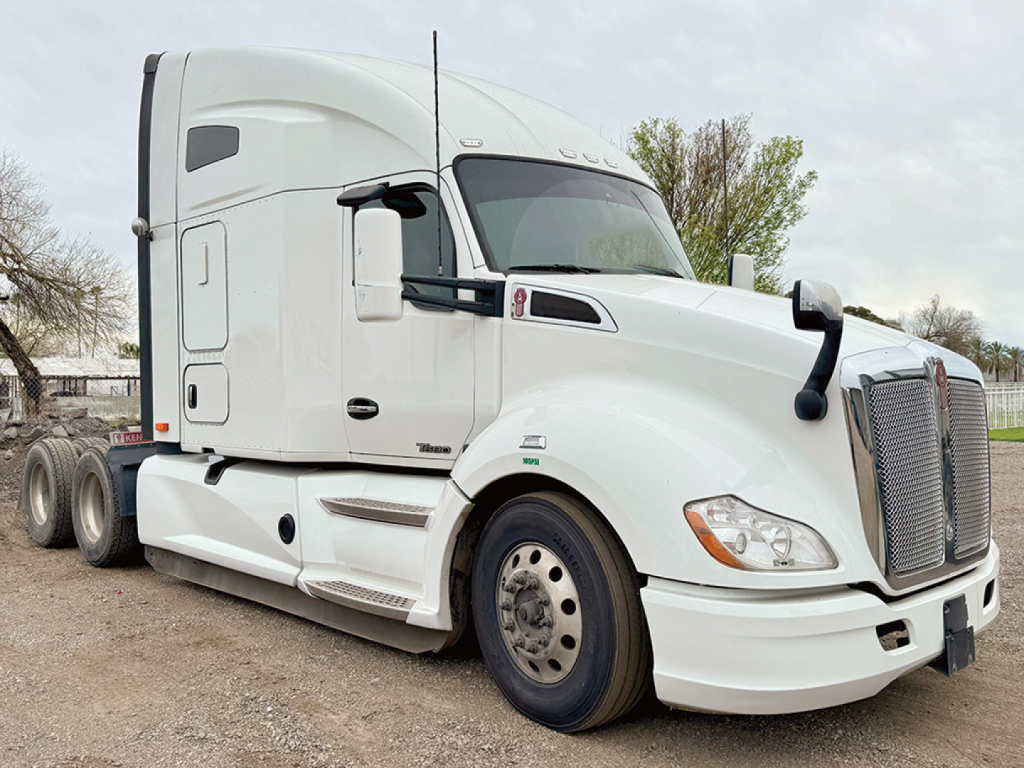
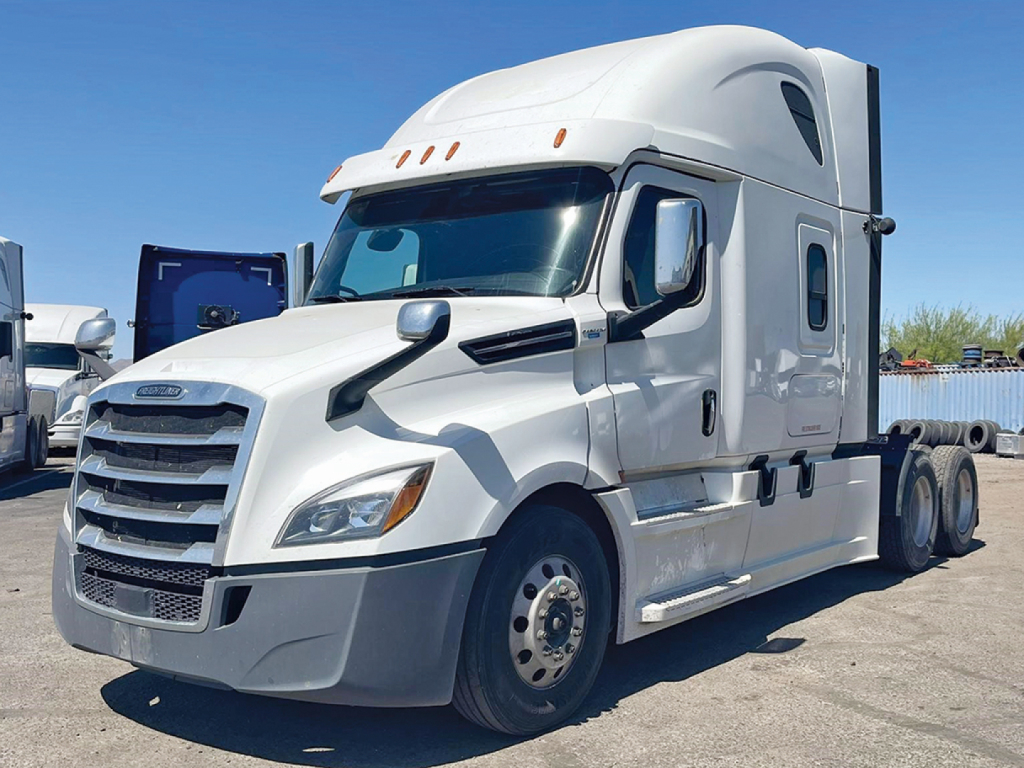
Selling a used 2020 conventional sleeper truck? List your used 2020 conventional sleeper truck for sale and reach thousands of commercial buyers.
Used 2020 Conventional Sleeper Trucks in Mississippi
For a 2020 model, the drivetrain matters more than the badge on the hood. Buyers usually compare engines in the 400 to 505 HP range with torque ratings matched to freight weight and terrain. Common pairings include automated transmissions from Detroit, Mack, Volvo, Eaton, and proprietary OEM systems, plus engine brakes for grade control and reduced service brake wear. Mississippi operators often look closely at cooling system condition, aftertreatment service history, and idle hours because heat, humidity, and extended runtime can affect DPF, SCR, and HVAC performance. A clean maintenance file showing oil sampling, valve adjustments, software updates, and documented emissions work adds real value in this category.
Sleeper configuration is just as important as horsepower. A 2020 conventional sleeper may include a double bunk, bunk heater, idle reduction system, refrigerator prep, and driver comfort features that matter on multi-day runs. Aerodynamic packages such as roof fairings, cab extenders, side fairings, and quarter fenders help fuel economy on interstate lanes. Dual aluminum fuel tanks, air slide fifth wheels, and low-profile 22.5 tires are common on fleet-spec trucks, while suspension type, wheel material, and steering setup can signal whether the truck was ordered for fuel economy, driver retention, or heavier regional work. Buyers should also confirm the fifth wheel position, frame length, and kingpin setting compatibility with the trailers they plan to pull.
The best used 2020 conventional sleeper truck is the one spec'd for your freight, not just the one with the lowest mileage. Look at rear axle ratio versus cruise speed, sleeper size versus time away from home, and horsepower versus average gross weight. Check for uneven tire wear, excessive fifth wheel movement, cab mount wear, and signs of deferred maintenance around the DEF system, air dryer, and suspension. For Mississippi lanes that mix interstate hauling with regional distribution, a well-maintained 2020 sleeper tractor can still deliver a strong balance of fuel economy, driver comfort, and service life.
Frequently Asked Questions about Used 2020 Conventional Sleeper Trucks in Mississippi
What should I look for first when buying a used 2020 conventional sleeper truck?
Start with the maintenance history and drivetrain spec. On a 2020 sleeper tractor, service records for the engine, transmission, aftertreatment system, and cooling system tell you more than appearance alone. Confirm the engine horsepower, torque rating, rear axle ratio, wheelbase, and sleeper size all fit the type of freight you plan to haul. It is also smart to review idle hours, fault code history, tire wear patterns, and any recent DPF, DEF, SCR, or EGR repairs before making a decision.
What engine and transmission specs are common in 2020 conventional sleeper trucks?
Most used 2020 conventional sleepers were built with engines in the 400 to 505 horsepower range and torque ratings suitable for highway freight, reefer work, and general dry van operations. Automated manual transmissions are very common in this model year because fleets prioritized fuel economy, driver training simplicity, and reduced clutch wear. Tandem rear axles rated at 40,000 lbs and highway gearing such as 2.64 to 3.08 are typical, although exact specs vary based on whether the truck was ordered for regional hauling, heavier loads, or fuel-efficient over-the-road service.
Is a 2020 conventional sleeper truck a good choice for long-haul freight?
Yes, a 2020 conventional sleeper truck is often a strong long-haul choice because it combines modern sleeper amenities with newer aerodynamic and emissions technology than older pre-2020 units. Many have raised-roof sleepers, upper bunks, bunk heaters, air ride suspensions, and fairing packages designed for driver comfort and fuel efficiency on extended highway runs. The key is matching the truck to your operation, especially sleeper size, fuel capacity, axle ratio, and engine rating for the loads and terrain you run most often.
How important is axle ratio on a used 2020 sleeper tractor?
Axle ratio has a direct effect on fuel economy, cruise RPM, gradeability, and launch performance. A faster highway ratio such as 2.64 can reduce engine speed and improve fuel mileage on flat interstate lanes, while a ratio like 3.08 may be better for heavier freight or more demanding terrain. On a used 2020 conventional sleeper, the right ratio should be evaluated with the transmission programming, tire size, and average gross combination weight so the truck performs efficiently in real operating conditions.
What sleeper and chassis features add the most value on a used 2020 conventional sleeper?
The most valuable features depend on the duty cycle, but buyers usually place the highest value on a practical sleeper layout, fuel-efficient aero package, and chassis specs that fit standard trailer operations. Features such as a double bunk, bunk heater, idle reduction system, dual aluminum fuel tanks, air slide fifth wheel, and low-profile 22.5 tires are common value points in this category. Wheelbase, fairings, suspension condition, and kingpin setting compatibility also matter because they affect ride quality, trailer gap, turning radius, and how easily the truck can be put to work.