
Used International Conventional Sleeper Trucks For Sale in Mississippi
Shop used International conventional sleeper trucks in Mississippi. Compare LT625 specs, sleeper sizes, engines, wheelbases, and fleet features.
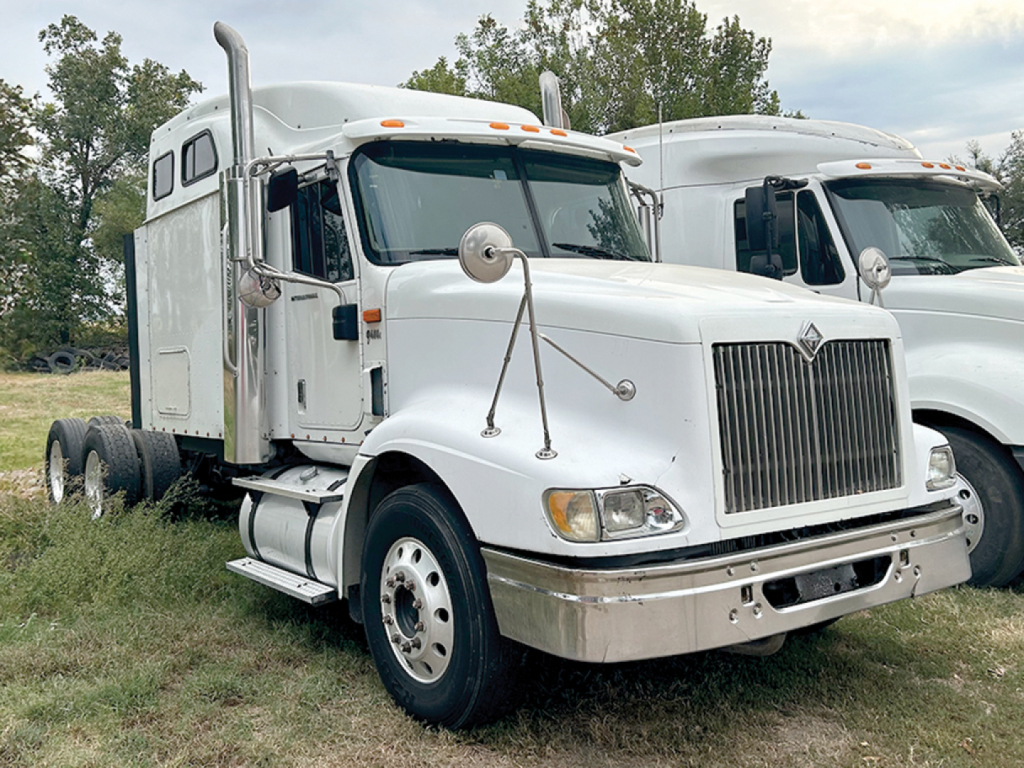
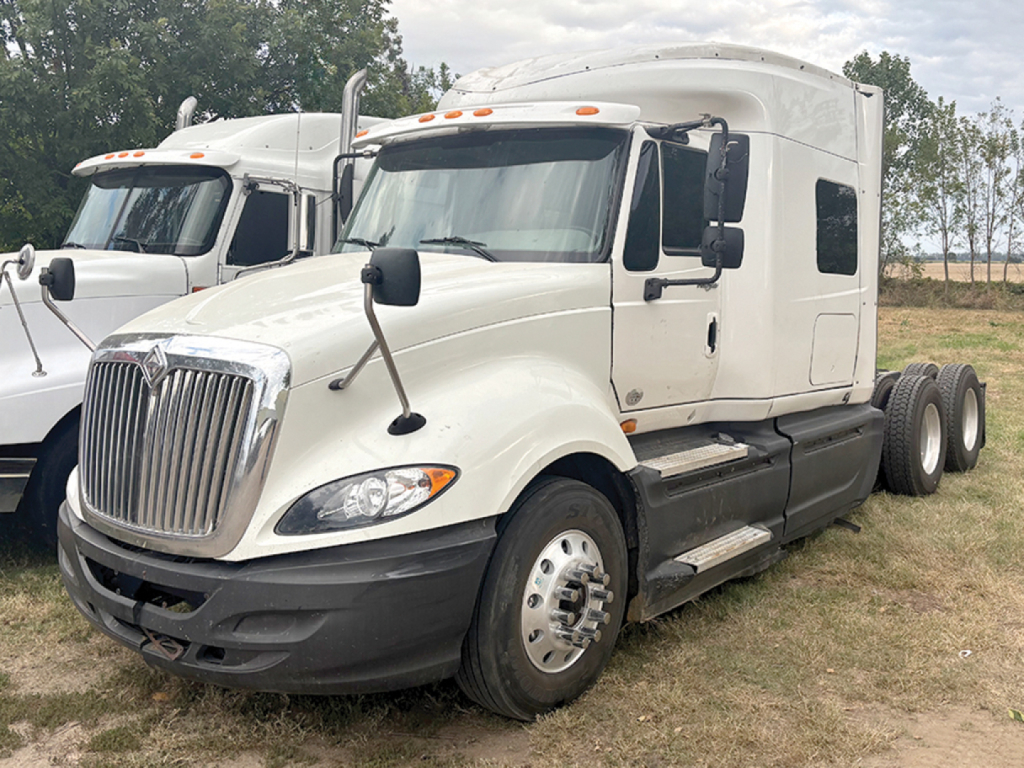

Selling a used international conventional sleeper truck? List your used international conventional sleeper truck for sale and reach thousands of commercial buyers.
Used International Conventional Sleeper Trucks in Mississippi
A typical used International sleeper in this class is set up with a 73-inch sleeper, raised-roof or Sky-Rise design, dual fuel tanks, side fairings, cab extenders, air ride suspension, and an air slide fifth wheel. Power commonly comes from either the Cummins X15 or the International A26, generally in the 400 to 450 horsepower range, paired with an automated manual transmission. Rear axle ratings around 40,000 pounds are standard, with ratios such as 2.64 or 3.08 showing up often. A 2.64 ratio usually points to a fuel-economy highway spec, while a 3.08 ratio can offer a little more flexibility in mixed-route work or heavier gross combinations. Buyers should also pay attention to wheelbase, often around 228 to 230 inches on fleet sleepers, because it affects trailer swing clearance, fifth wheel travel, and maneuverability at tight docks.
For Mississippi operations, used International conventional sleepers make sense for carriers running I-55, I-20, I-22, US-49, port-related freight, and Southeast regional lanes where a balance of aerodynamic efficiency and driver comfort matters. Many are equipped with engine brakes, bunk heaters, idle reduction systems, power windows, and tilt-telescoping steering columns, which are not just comfort items but indicators of a fleet-oriented spec intended to control idle time and improve driver retention. Low-profile 22.5 tires and aluminum wheels are also common on highway tractors in this category. Buyers comparing trucks should look closely at emissions system history, transmission calibration, suspension condition, and signs of uneven tire wear that may point to alignment, kingpin, or axle tracking issues.
The strongest used International sleeper trucks are usually the ones with a clean maintenance record and a spec that matches the intended lane. A long-haul buyer may prioritize a higher-roof sleeper, bunk heater, and taller overdrive gearing for fuel economy. A regional operator may care more about axle ratio, service history, and a practical wheelbase for frequent yard moves. International sleepers remain popular because parts support is broad, driver ergonomics are familiar, and the LT platform is widely recognized in fleet service. When comparing listings, focus less on appearance and more on drivetrain spec, sleeper layout, idle management equipment, and how the truck was originally ordered for its duty cycle.
Frequently Asked Questions about Used International Conventional Sleeper Trucks in Mississippi
What is the most common International conventional sleeper truck model on the used market?
The International LT625 is one of the most common conventional sleeper trucks on the used market. It is a highway tractor designed for fuel-efficient linehaul and regional applications, and it is frequently found in fleet configurations with a 73-inch sleeper, automated manual transmission, and aerodynamic fairings. Its popularity means buyers usually have a wider range of engine ratings, axle ratios, and wheelbases to compare.
Which engine is better in a used International sleeper, the Cummins X15 or the International A26?
The right choice depends on your operation and maintenance preferences. The Cummins X15 is widely known across the industry, with broad parts and technician familiarity, and it is often favored by buyers who want a proven long-haul engine platform. The International A26 is lighter and commonly spec'd for fuel-conscious fleet use, especially in later-model LT sleepers. A buyer should compare horsepower, torque rating, emissions history, and local service support before deciding that one is automatically better than the other.
What rear axle ratio should I look for in a used International LT sleeper?
A 2.64 rear axle ratio is common in fuel-economy highway tractors and usually fits steady-speed over-the-road work with lighter rolling resistance and lower cruise rpm. A 3.08 ratio can be a better fit for mixed terrain, heavier gross weights, or operations with more starts, stops, and slower secondary-road running. The axle ratio should be matched with transmission gearing, tire size, and the loads the truck will actually pull.
What sleeper size is typical on an International conventional sleeper truck?
A 73-inch sleeper is a very common configuration in this category, especially on the LT series. This size gives enough room for an upper bunk or storage layout and supports teams, solo long-haul drivers, and dedicated regional operators who spend regular nights in the truck. Buyers should still verify interior layout, storage, HVAC performance, and idle management equipment because sleeper dimensions alone do not tell the full story about driver comfort.
What should I inspect first on a used International sleeper truck?
Start with the maintenance records, engine hours, mileage, and any documentation tied to emissions system repairs. Then inspect transmission operation, clutch calibration on automated manuals, suspension wear, fifth wheel movement, tire wear patterns, and signs of frame or cab corrosion. On a sleeper tractor, it is also smart to test the bunk heater, HVAC, electrical accessories, and idle reduction system because those features affect daily operating cost and driver usability.