
Used 2023 Conventional Sleeper Trucks For Sale in Mississippi
Browse used 2023 conventional sleeper trucks for sale in Mississippi. Compare raised-roof sleepers, horsepower, wheelbase, axle ratios, and specs.
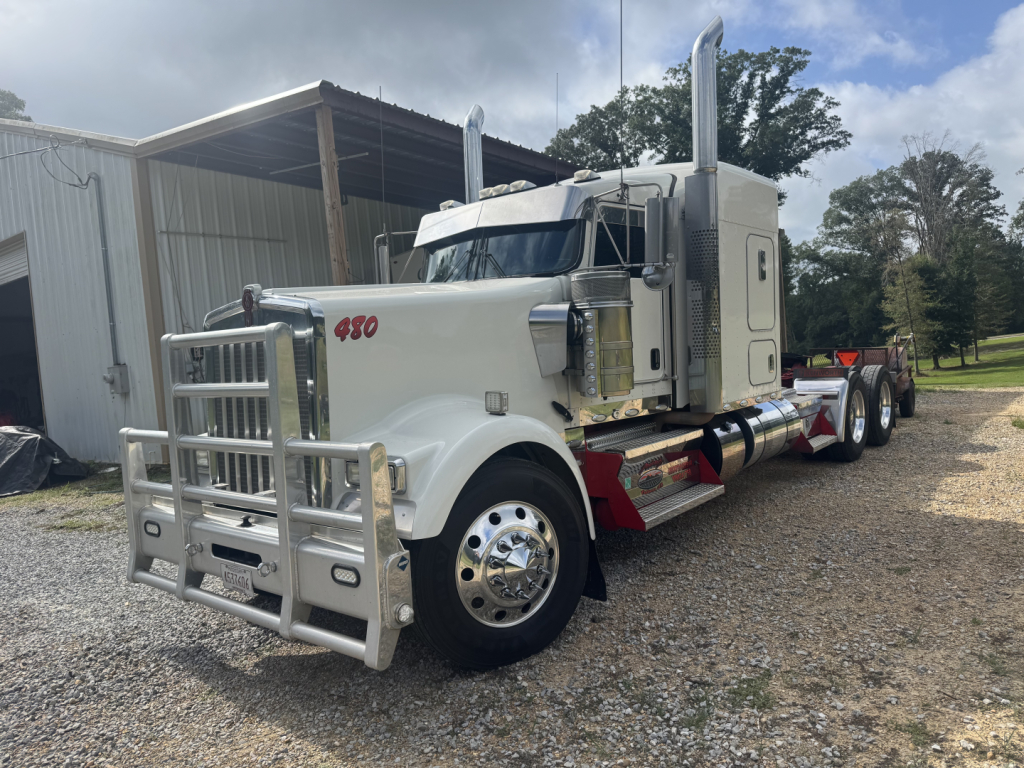
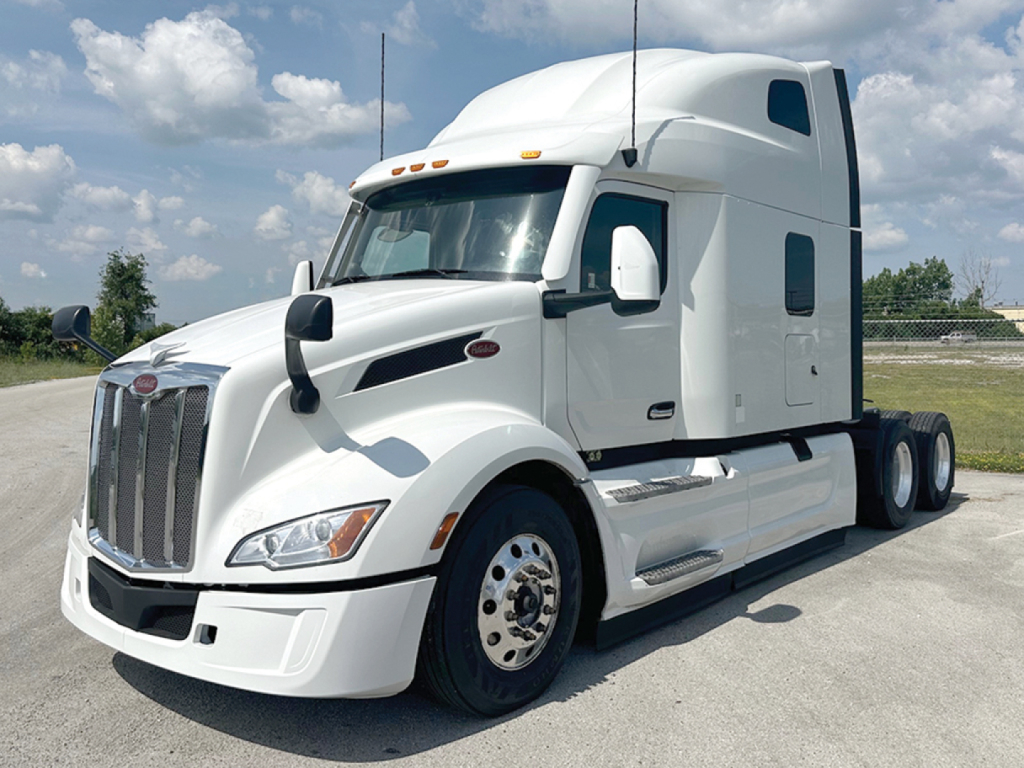
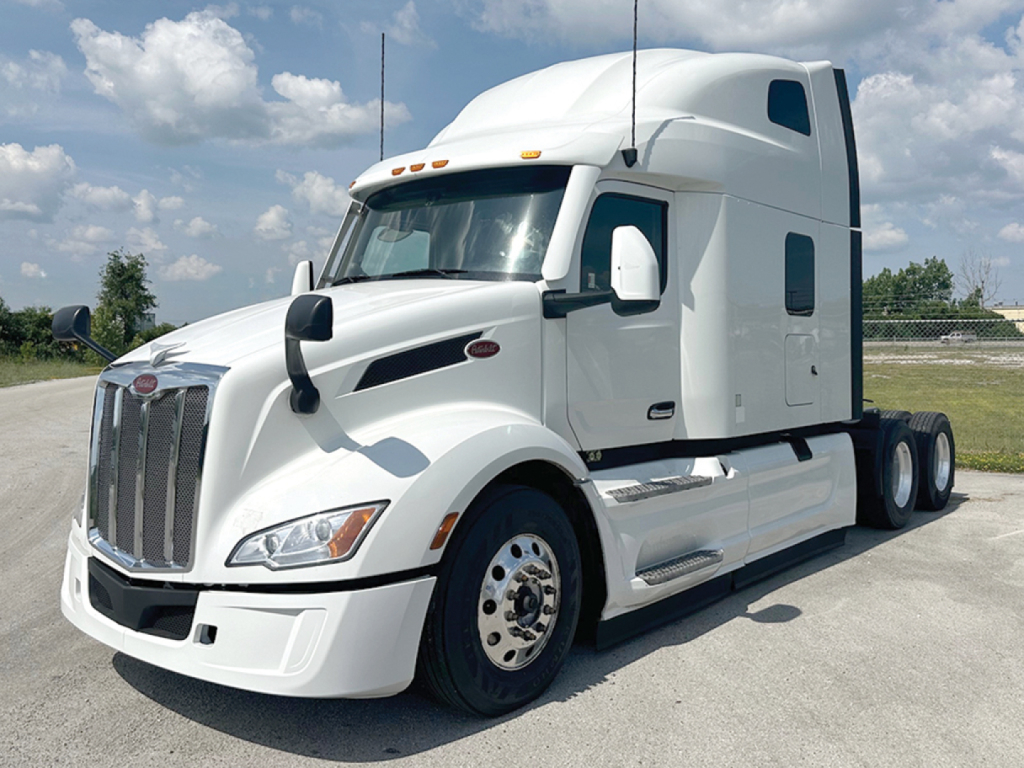
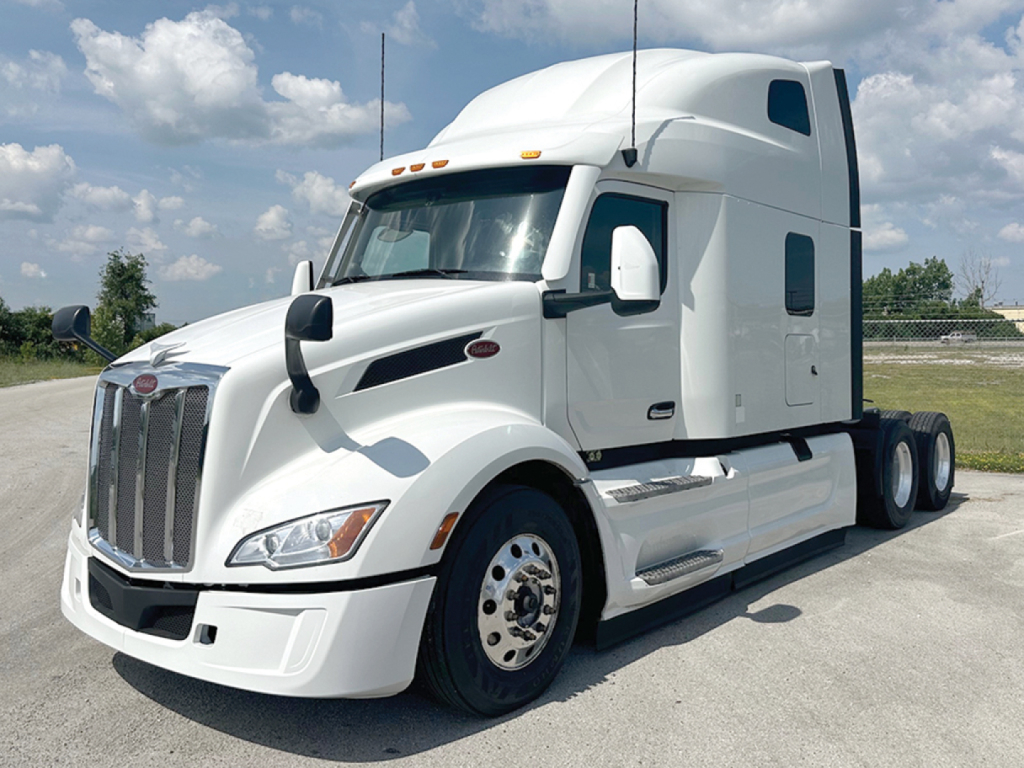
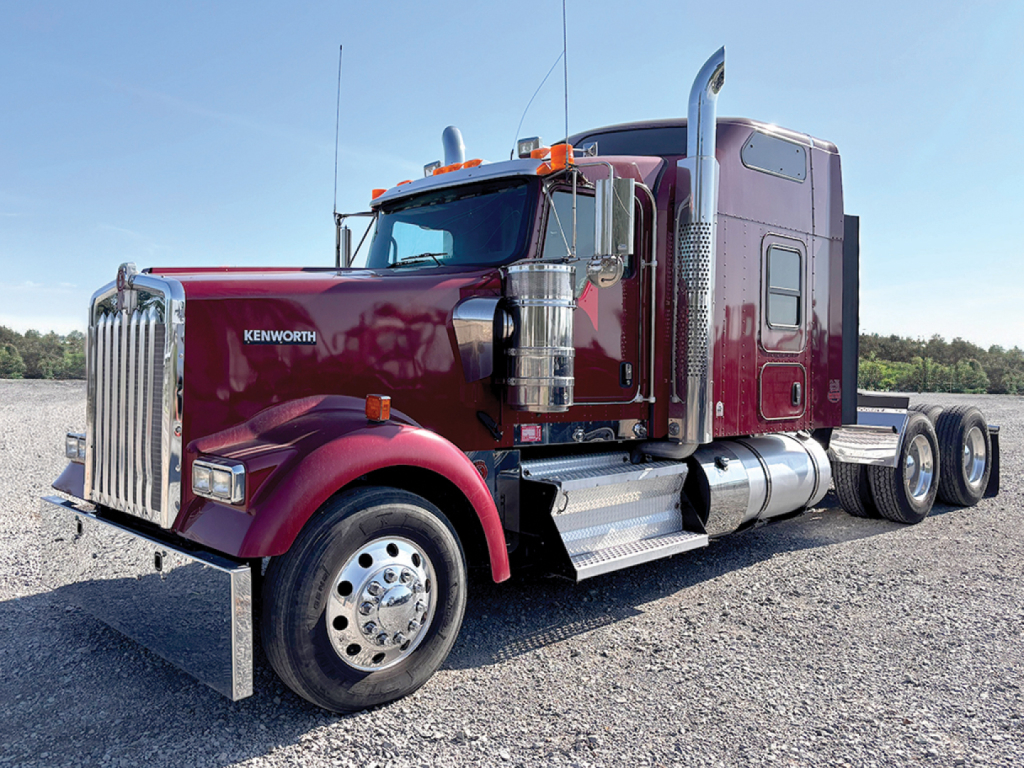
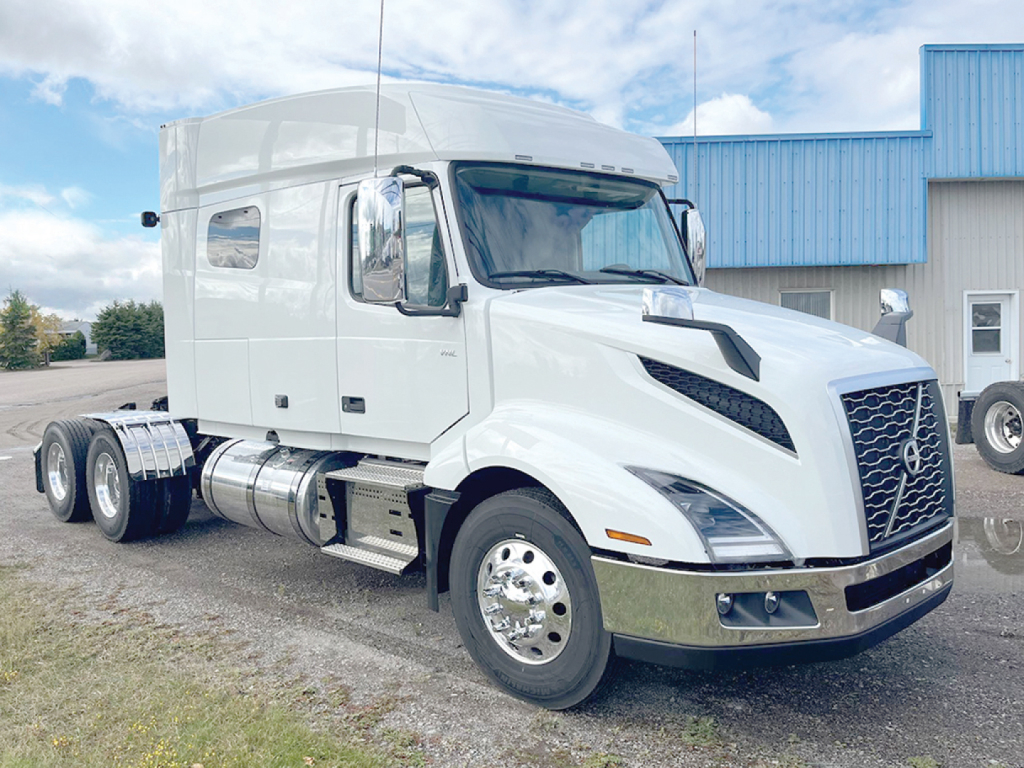
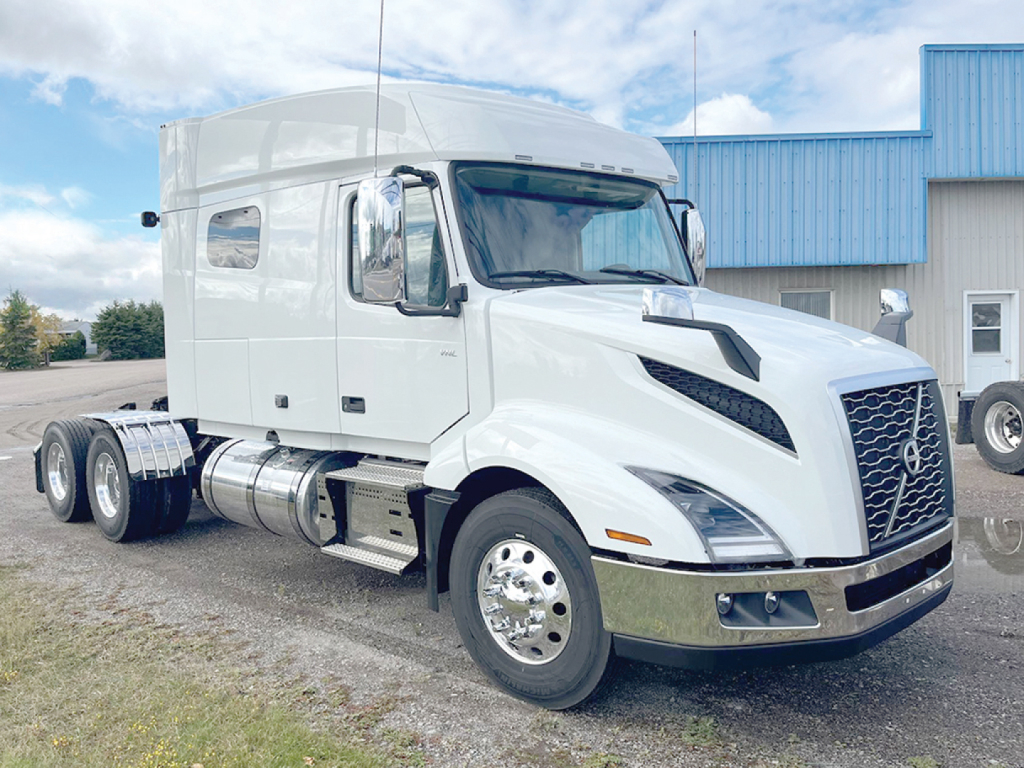
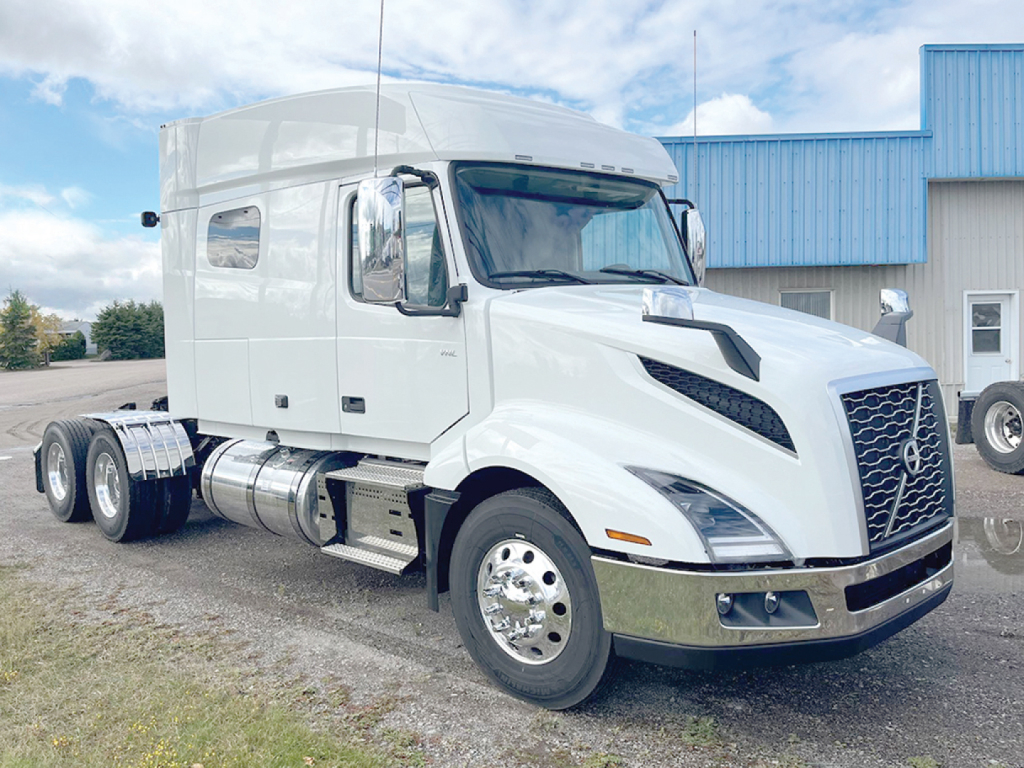
Have used 2023 conventional sleeper truck to sell? List it here to reach thousands of buyers.
Used 2023 Conventional Sleeper Trucks in Mississippi
The most important buying decision is how the powertrain matches the lane. Many 2023-era sleeper tractors are spec'd with automated manual transmissions, engine brakes, 40,000 lb rear axles, and highway-friendly axle ratios such as 2.64 or 3.08. That combination is aimed at fuel-efficient cruising with modern downsped engines from platforms like the Detroit DD13 or Mack MP8. A buyer running flat interstate freight through Mississippi and the Southeast may prefer a taller ratio for lower RPM at speed, while heavier loads or more rolling terrain can justify a shorter ratio or higher horsepower rating. Wheelbase also matters because it affects trailer gap, ride quality, turning radius, and how the truck balances fuel capacity with maneuverability.
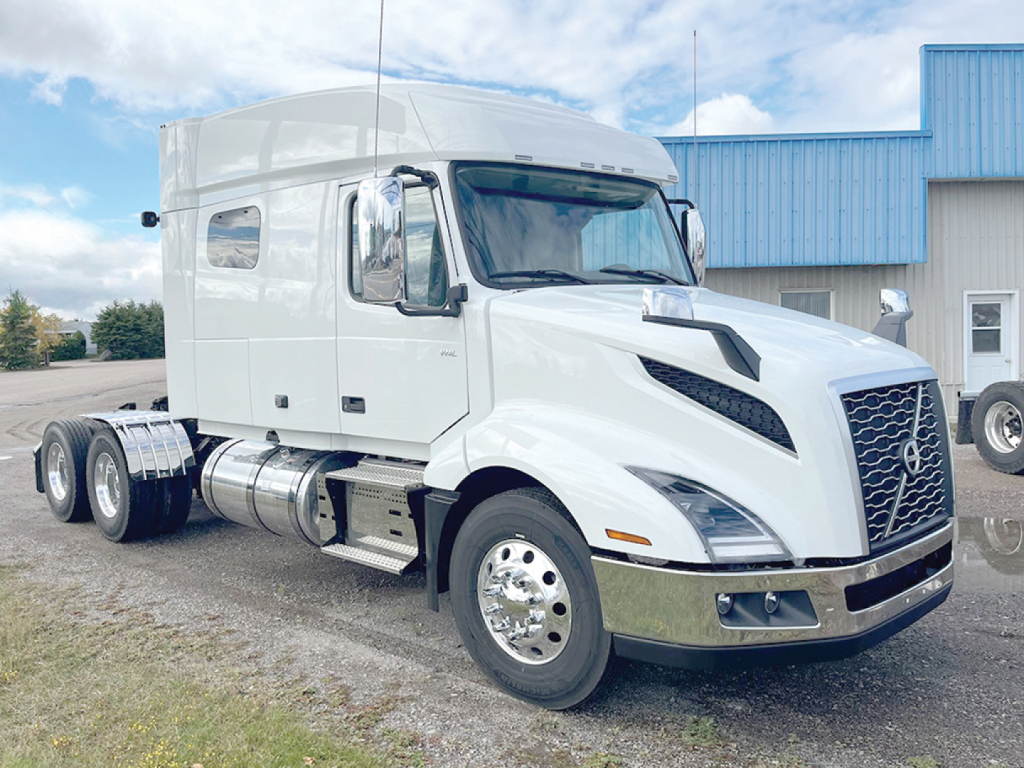
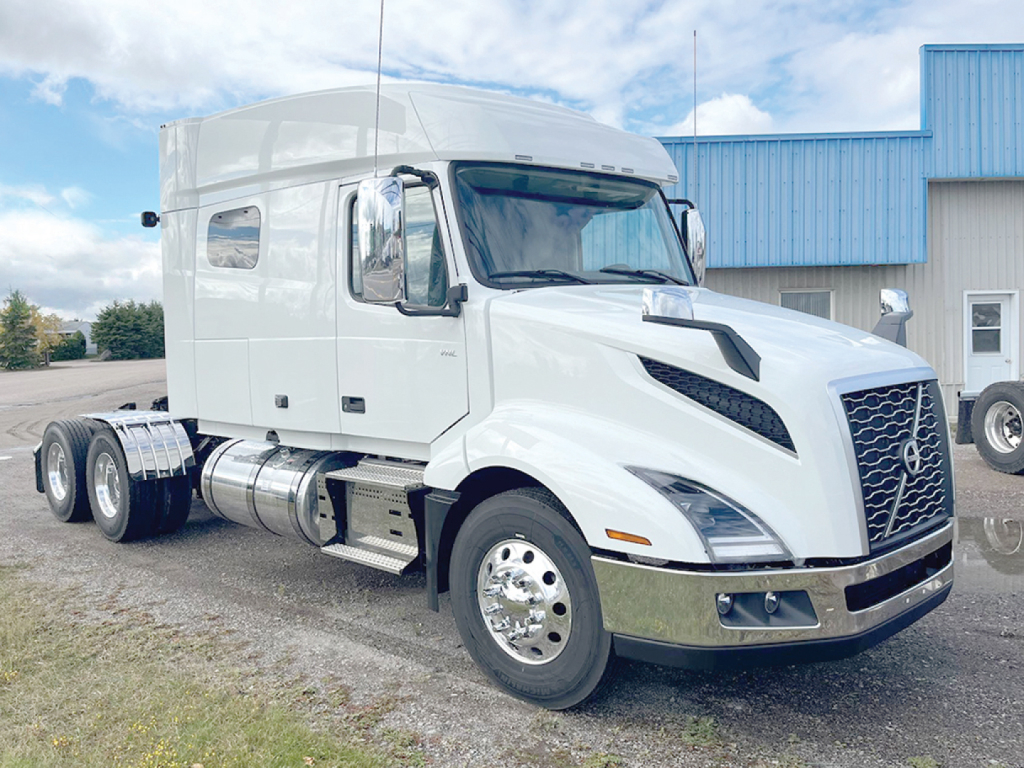
Cab and chassis spec should be reviewed with the same attention as the engine. Air ride suspension, air slide fifth wheel, dual aluminum fuel tanks, low-profile 22.5 tires, and aerodynamic fairings are all common on this category because they support linehaul efficiency. Features like cab extenders, side fairings, quarter fenders, and horizontal exhaust are not cosmetic details alone. They influence aero performance, trailer compatibility, and service access. Inside the cab, buyers should pay attention to upper bunk availability, bunk heater, steering column adjustment, power convenience features, and the overall sleeper layout if driver retention is a priority. Late-model sleepers often deliver a quieter cab, better HVAC performance, and improved driver assistance integration compared with older road tractors.
For a used 2023 conventional sleeper truck in Mississippi, condition and prior application are just as important as the badge on the hood. Review engine hours versus miles, emissions system service history, tire and brake wear, transmission calibration records, and any signs of uneven loading or excessive idle time. In the Southeast, a highway truck with a clean frame, straight fairings, and documented PM history can be a strong fit for dry van, reefer, or dedicated contract freight. Buyers looking at this category should focus on sleeper size, axle ratio, horsepower, wheelbase, and maintenance records first, then narrow by brand-specific preferences such as cab layout, dealer support, and powertrain familiarity.
Frequently Asked Questions about Used 2023 Conventional Sleeper Trucks in Mississippi
What is a conventional sleeper truck used for?
A conventional sleeper truck is a road tractor with a long hood and an integrated sleeper compartment behind the cab. It is primarily used for long-haul and regional freight where the driver needs a sleeping area and added cab storage between runs. This category is most common in dry van, reefer, and general freight operations because it balances highway comfort, fuel economy, and serviceability.
What sleeper size is common on a 2023 conventional sleeper tractor?
A common sleeper size in this category is around 70 to 72 inches, often in a raised-roof or stand-up configuration. That size gives enough room for a main bunk, and many trucks also include an upper bunk for team use or extra storage. The right sleeper size depends on the route structure, driver schedule, and whether the truck will be used for solo or team operation.
Is a 2.64 or 3.08 axle ratio better for a used conventional sleeper truck?
Neither ratio is universally better because the right choice depends on the freight and terrain. A 2.64 ratio is generally aimed at fuel-efficient highway cruising with lighter average loads and steady interstate speeds. A 3.08 ratio usually gives the truck a bit more mechanical advantage for heavier freight, varied terrain, or applications where startability and drivability matter more than peak fuel economy.
What should I check first on a used 2023 sleeper truck?
Start with maintenance records, engine hours, emissions system history, and the relationship between miles and idle time. Then review tire wear, brake condition, suspension components, fifth wheel operation, and any stored fault codes. On a late-model highway tractor, documented PM intervals and emissions repairs are often more valuable than cosmetic appearance because they tell you how the truck was managed in service.
Why do wheelbase and fairings matter on a conventional sleeper?
Wheelbase affects ride quality, trailer gap, fuel tank capacity, and turning radius. Fairings, cab extenders, and related aerodynamic equipment help reduce drag and can improve fuel economy on highway lanes. Together, those specs influence how efficiently the truck runs, how it handles with different trailer lengths, and how well it fits a particular fleet's operating profile.