
Used Peterbilt Conventional Sleeper Trucks For Sale in Mississippi
Browse used Peterbilt conventional sleeper trucks in Mississippi, including 579 and 567 models with high-roof sleepers for regional and OTR hauling.
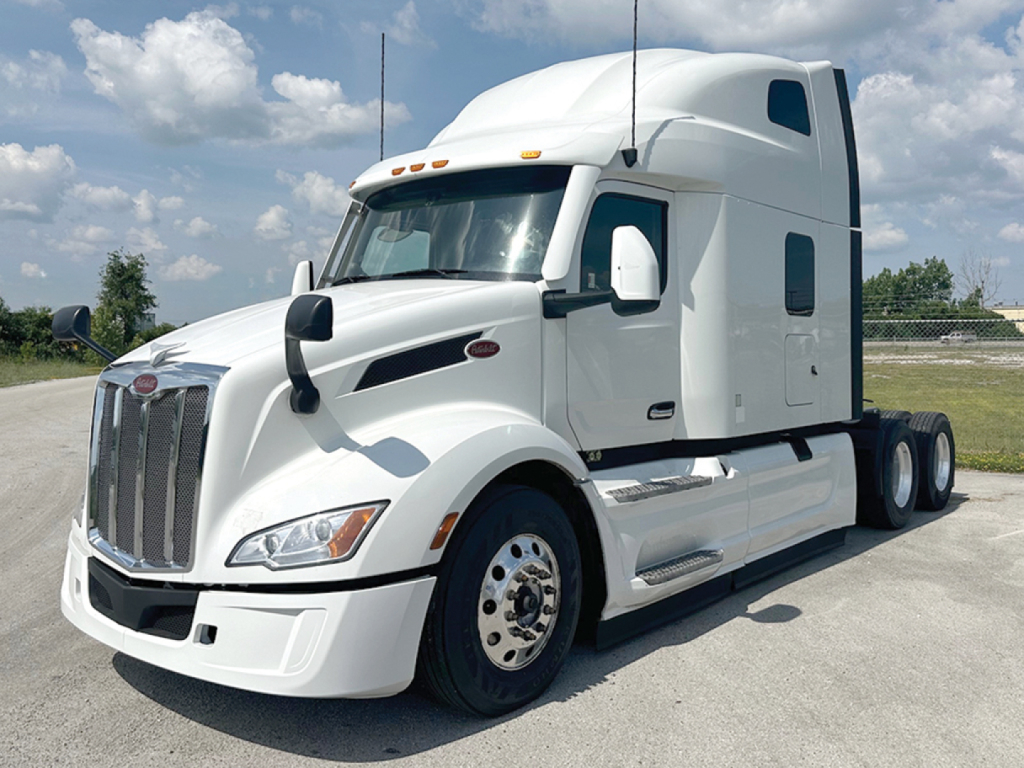
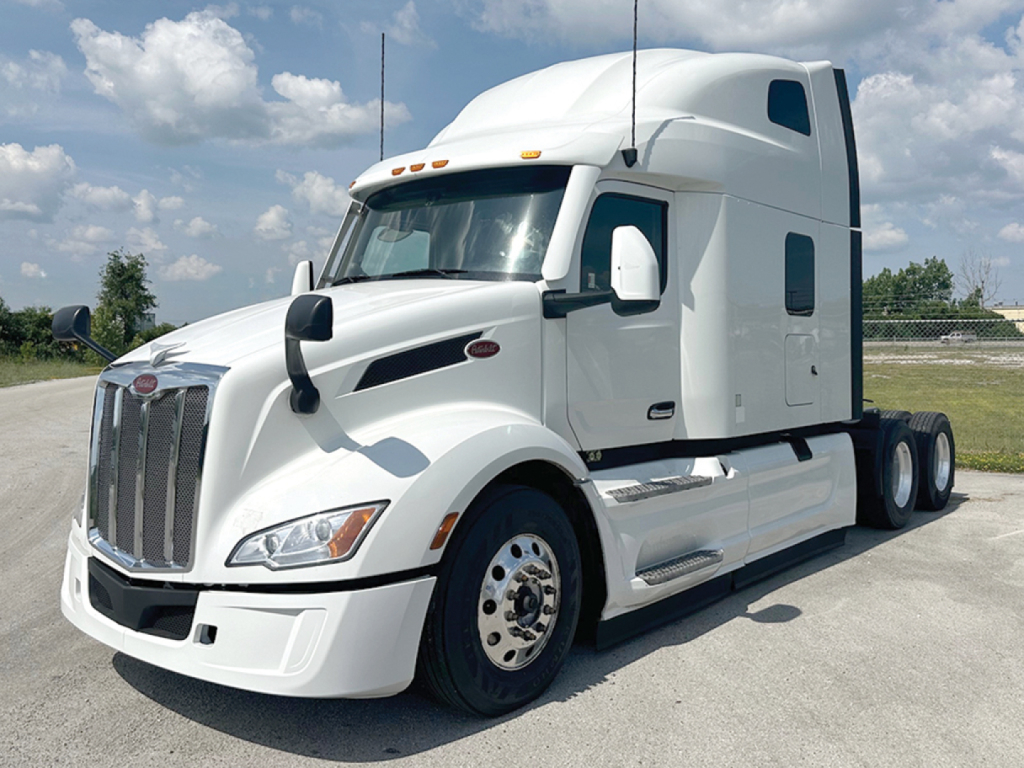
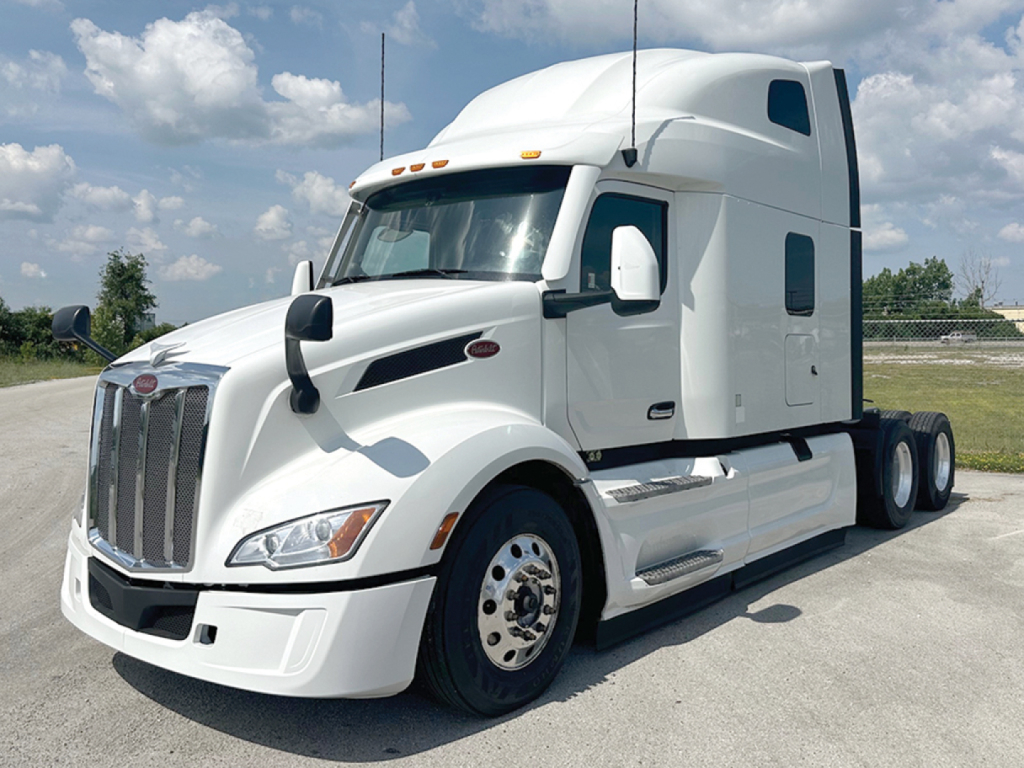
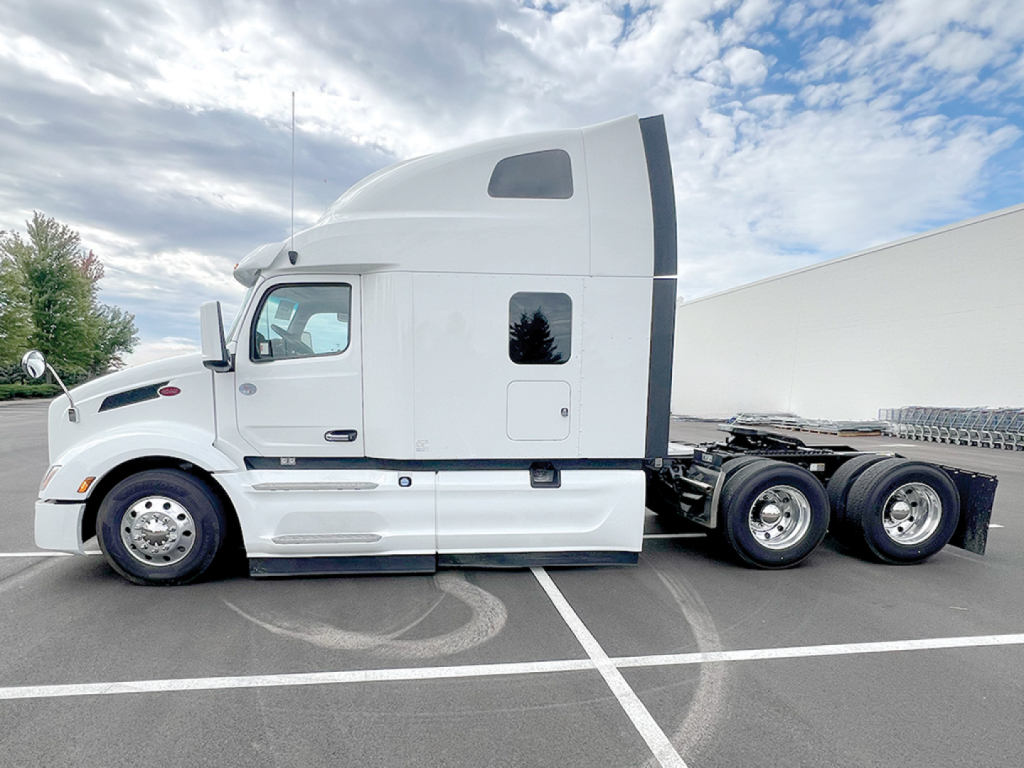

Have used peterbilt conventional sleeper truck to sell? List it here to reach thousands of buyers.
Used Peterbilt Conventional Sleeper Trucks in Mississippi
The biggest buying decisions usually come down to sleeper size, engine choice, transmission spec, and rear axle ratio. Common Peterbilt sleeper setups include 72-inch to 80-inch high-roof sleepers such as the UltraLoft or Unibilt configurations, often with an upper bunk for team or occasional second-driver use. Late-model used units commonly carry PACCAR MX-13 or Cummins X15 engines in the 450 to 455 horsepower range, paired with automated transmissions. For highway freight, 2.64, 2.79, or 2.85 rear axle ratios are common because they help keep cruise RPM down and support fuel economy. A 3.70 ratio, more common in a 567, is better suited to heavier starts, mixed terrain, or operations that need stronger low-speed pulling power.
A buyer comparing used Peterbilt conventional sleepers should pay close attention to wheelbase, fifth wheel type, and aero package. Wheelbases around 238 to 240 inches are common on fleet-spec highway tractors and can affect trailer swing clearance, bridge law flexibility, and ride quality. Air slide fifth wheels add versatility if trailer lengths and kingpin settings vary across the operation. Fairings, cab extenders, horizontal exhaust, quarter fenders, and low-profile 22.5 tires are all common on fuel-conscious road specs. Disc brakes, air ride suspension, aluminum wheels, and dual aluminum fuel tanks are also desirable features because they can improve stopping consistency, ride comfort, payload efficiency, and corrosion resistance.
In Mississippi, many buyers look for used Peterbilt sleeper trucks that can handle long interstate runs, hot weather, and high annual mileage without giving up driver retention. Air conditioning performance, bunk HVAC operation, interior wear, and idle management features deserve a close look on any used sleeper. Service history matters, especially for emissions components, automated transmission calibration, and engine brake performance. Peterbilt remains a strong choice in the used sleeper market because the brand holds value well, offers a driver-friendly cab, and has broad appeal for fleets and owner-operators who want a highway tractor with premium fit and finish.
Frequently Asked Questions about Used Peterbilt Conventional Sleeper Trucks in Mississippi
What is the difference between a Peterbilt 579 sleeper and a Peterbilt 567 sleeper?
The Peterbilt 579 is primarily a highway-focused aerodynamic sleeper tractor designed for fuel-efficient regional and long-haul service. The Peterbilt 567 sleeper is a more rugged platform that can be spec'd for highway work but is often preferred for mixed-service applications, heavier-duty assignments, or operations that need a more vocational chassis. Buyers choosing between them should compare axle ratio, suspension, wheelbase, and cab configuration against the actual freight and terrain the truck will handle.
What engine and transmission specs are common in used Peterbilt conventional sleeper trucks?
Late-model used Peterbilt sleeper trucks commonly feature the PACCAR MX-13 or Cummins X15, usually rated around 450 to 455 horsepower for general highway freight. Most fleet-spec units are paired with automated manual or fully automatic-style heavy-duty transmissions because they improve driver consistency and simplify training. Engine brake, 40,000-pound rears, and air ride suspension are also common specs in this category.
What sleeper size is best for over-the-road trucking?
For over-the-road use, 72-inch to 80-inch high-roof sleepers are the most common and practical choices. An 80-inch sleeper usually gives the driver more storage, better stand-up room, and a more comfortable living space for extended trips or team driving. A 72-inch sleeper can still work well for regional and shorter OTR cycles while sometimes reducing overall weight and wheelbase. The best choice depends on how many nights per week the truck will stay out and whether it will run solo or team.
Why do rear axle ratios matter on a used Peterbilt sleeper tractor?
Rear axle ratio has a direct effect on launch feel, cruising RPM, gradeability, and fuel economy. Ratios like 2.64, 2.79, and 2.85 are common in highway Peterbilt 579 specs because they are intended to keep engine speed lower at road speed and improve fuel efficiency. A ratio like 3.70 is better when the truck needs stronger startability, heavier haul capability, or more flexibility in hilly terrain. Buyers should match the ratio to trailer weight, route profile, and expected average speed.
What should I inspect first on a used Peterbilt conventional sleeper truck?
Start with maintenance records, engine hours, mileage, and any recent work on the aftertreatment system, cooling system, and transmission. Then inspect the sleeper and cab for HVAC performance, bunk condition, water leaks, switchgear wear, and signs of excessive idle time. On the chassis side, check tire wear patterns, brake condition, suspension components, fifth wheel operation, and any damage around fairings or cab extenders. A used sleeper tractor can look clean and still hide downtime risks if service history and operating condition are not verified carefully.