
Used 2019 Conventional Sleeper Trucks For Sale in Mississippi
Browse used 2019 conventional sleeper trucks in Mississippi. Compare cab specs, sleeper sizes, drivetrain options, and long-haul features.
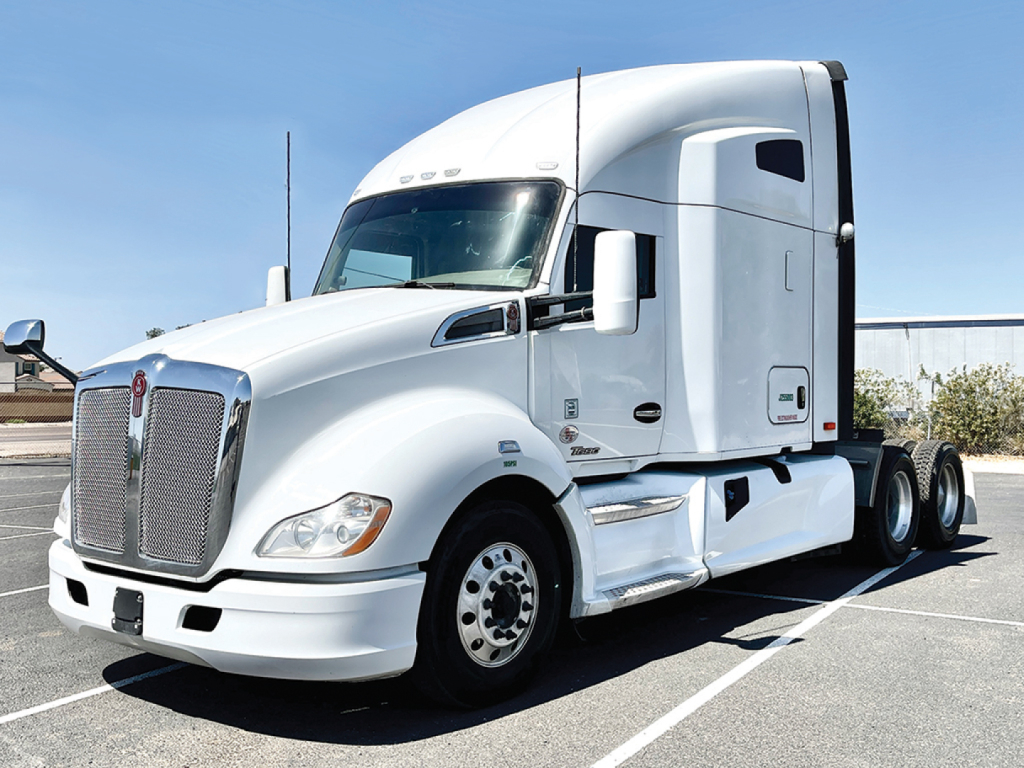
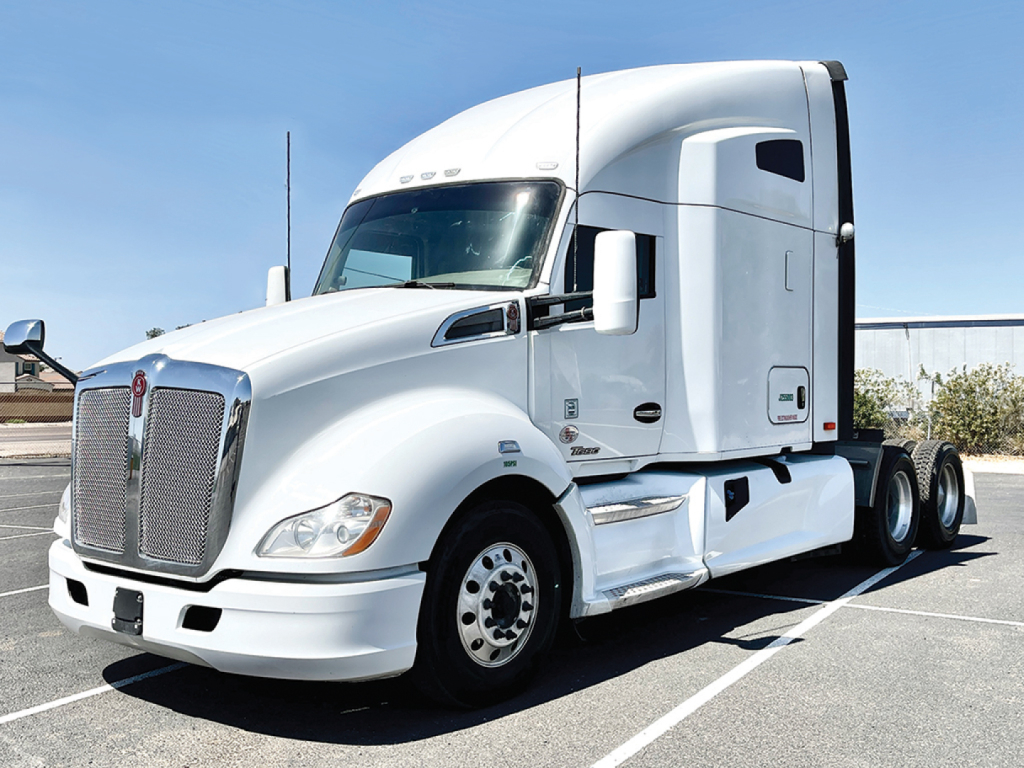

Selling a used 2019 conventional sleeper truck? List your used 2019 conventional sleeper truck for sale and reach thousands of commercial buyers.
Used 2019 Conventional Sleeper Trucks in Mississippi
Frequently Asked Questions about Used 2019 Conventional Sleeper Trucks in Mississippi
What should I look for first on a used 2019 conventional sleeper truck?
Start with the powertrain spec and service history. Engine make, horsepower, torque rating, transmission type, rear axle ratio, and wheelbase determine how well the truck fits your freight and terrain. After that, review maintenance records for aftertreatment work, clutch or automated manual transmission service, suspension repairs, and cooling system history. A 2019 model can still be a strong value, but deferred maintenance on emissions components, steer axle tires, bunk HVAC, or the fifth wheel assembly can change the true cost quickly.
What sleeper sizes are common on 2019 conventional sleeper trucks?
Most 2019 conventional sleepers fall into the 60-inch to 80-inch range, with flat-top and raised-roof configurations both common. A mid-roof or flat-top sleeper can work well for regional operations and weight-conscious applications, while a raised-roof stand-up sleeper is better suited for long-haul drivers who need more cabinet space, larger bunks, and room for hotel loads or auxiliary power systems. The right sleeper size depends on trip length, driver retention goals, and how much living space matters in your operation.
Are automatic transmissions common in 2019 sleeper trucks?
Yes. By 2019, automated manual transmissions were standard in a large share of conventional sleeper tractors. DT12, mDRIVE, I-Shift, Endurant, and PACCAR automated transmissions are all common in this model year. They help with fuel economy, driver onboarding, and clutch life in mixed-skill fleets. A manual transmission may still appeal in heavy-haul or specialty applications, but most highway sleeper trucks from 2019 were built for efficient linehaul use with an automated setup.
What axle and gearing specs are typical for a 2019 highway sleeper tractor?
Many 2019 conventional sleeper trucks are spec'd with tandem rear axles rated around 40,000 pounds, air ride suspension, and rear axle ratios in the fuel-efficient highway range such as 2.47, 2.64, or similar. That kind of gearing is common on trucks running 12-speed automated transmissions and downsped engines. If you pull heavy loads, run in hill country, or need better startability at lower speeds, pay close attention to torque rating, transmission gearing, and rear ratio instead of shopping by horsepower alone.
Why does Mississippi matter when shopping for a used sleeper truck?
Mississippi can be a solid market for conventional sleeper trucks because many units have seen regional freight, port-related moves, agricultural hauling, and Southeast highway miles. That can mean practical specs for I-55, I-20, and Gulf Coast freight corridors, but condition still depends on maintenance discipline and duty cycle. Buyers should inspect for corrosion, bunk AC performance in hot climates, tire wear patterns, and any signs of prolonged idling or heavy stop-and-go service. Local operating environment affects wear just as much as mileage.