
Used Conventional Sleeper Trucks For Sale in Colorado
Browse used conventional sleeper trucks in Colorado. Compare cab layouts, wheelbase, horsepower, drivetrain, and sleeper specs.
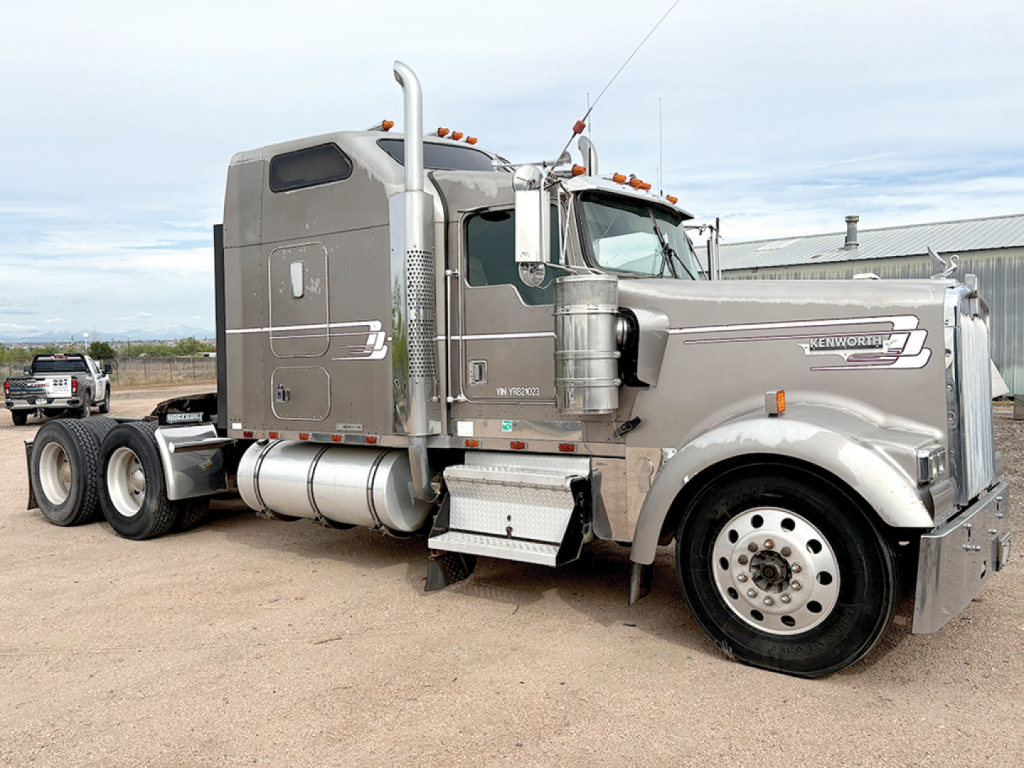
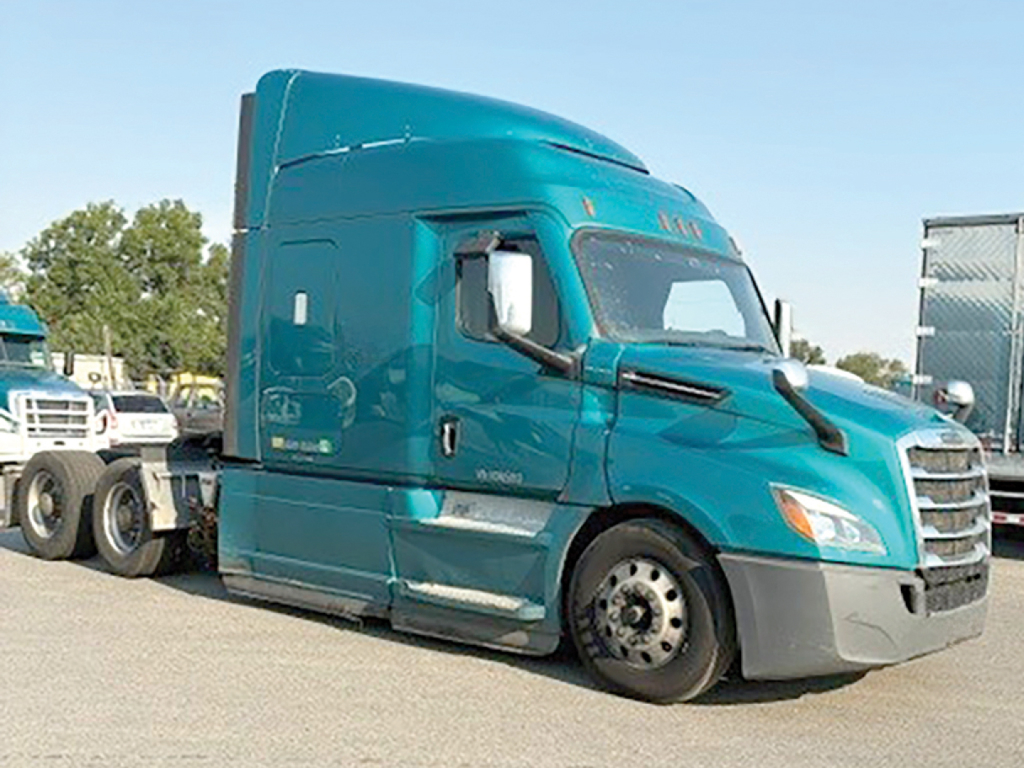
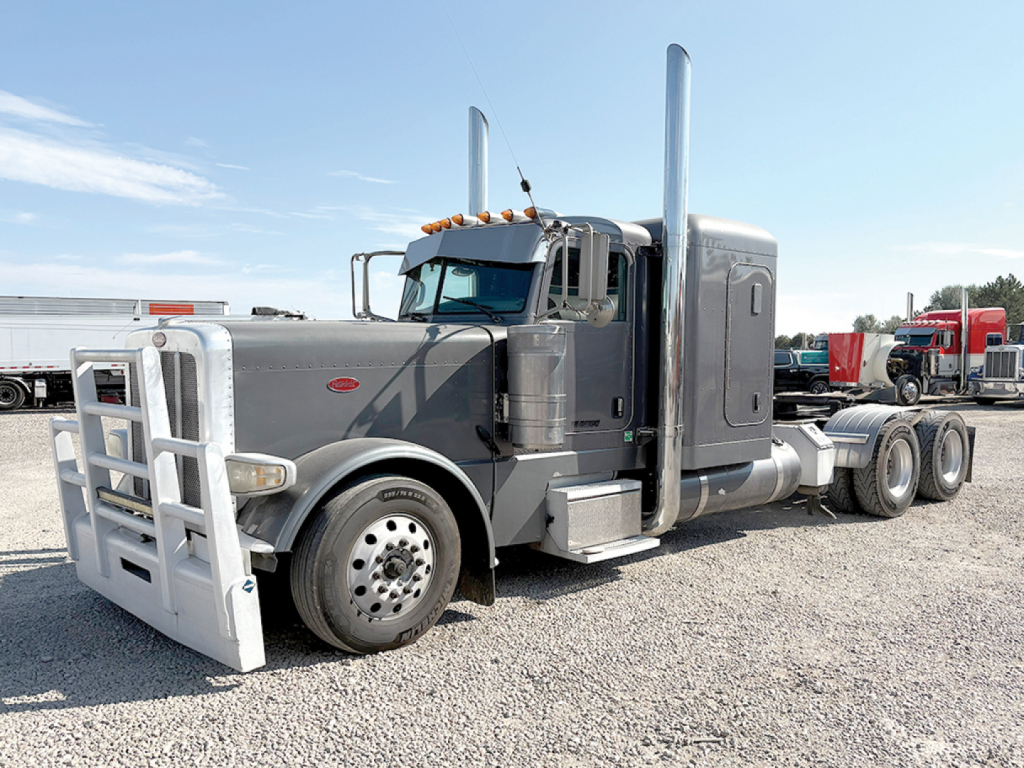
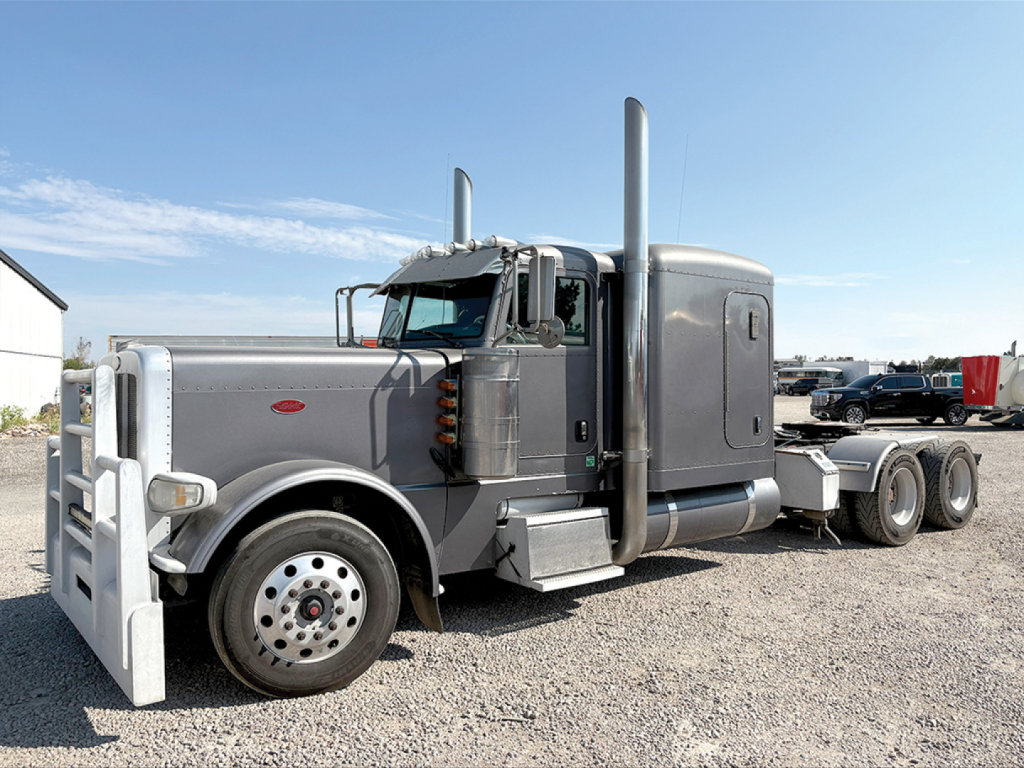
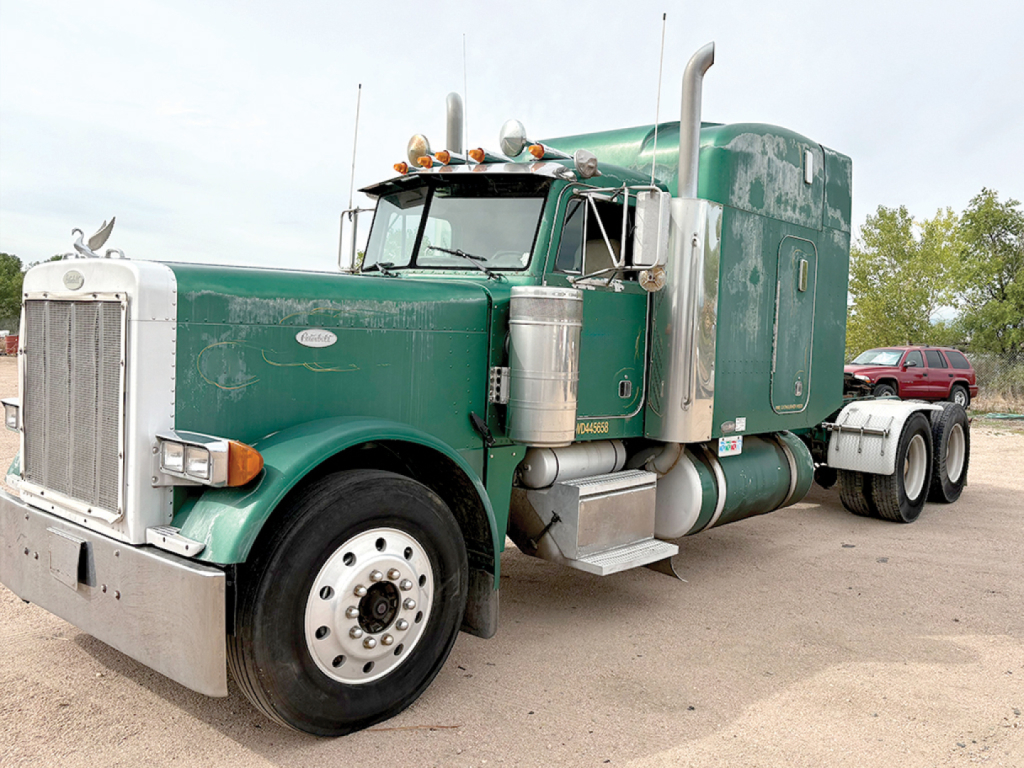
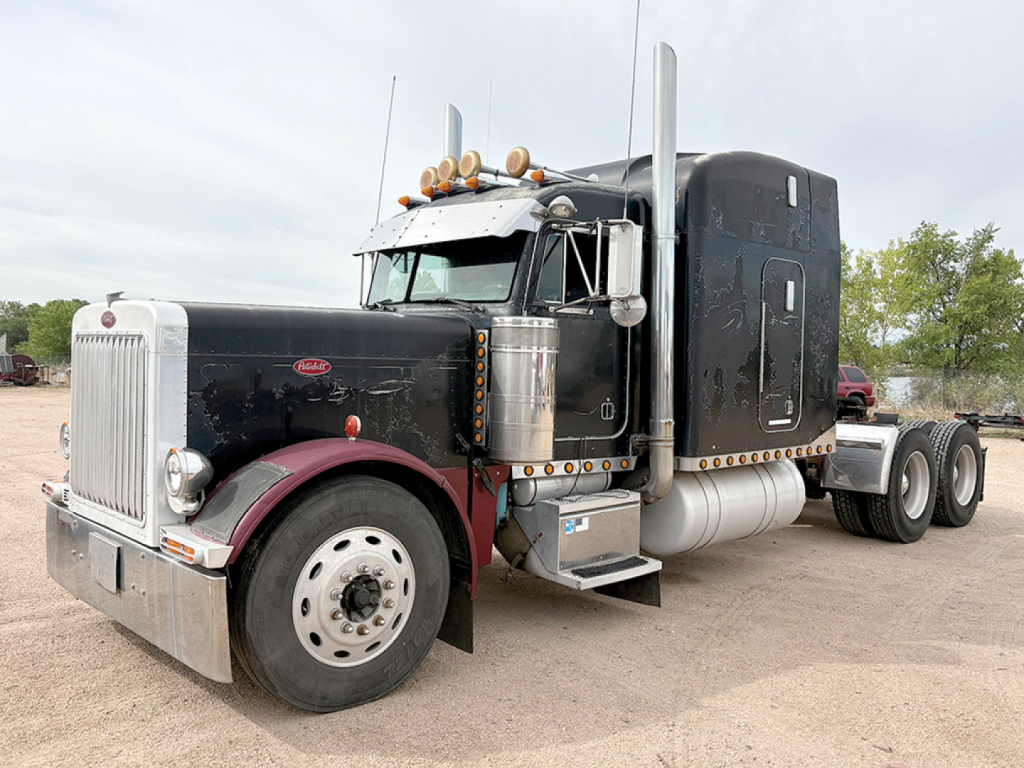
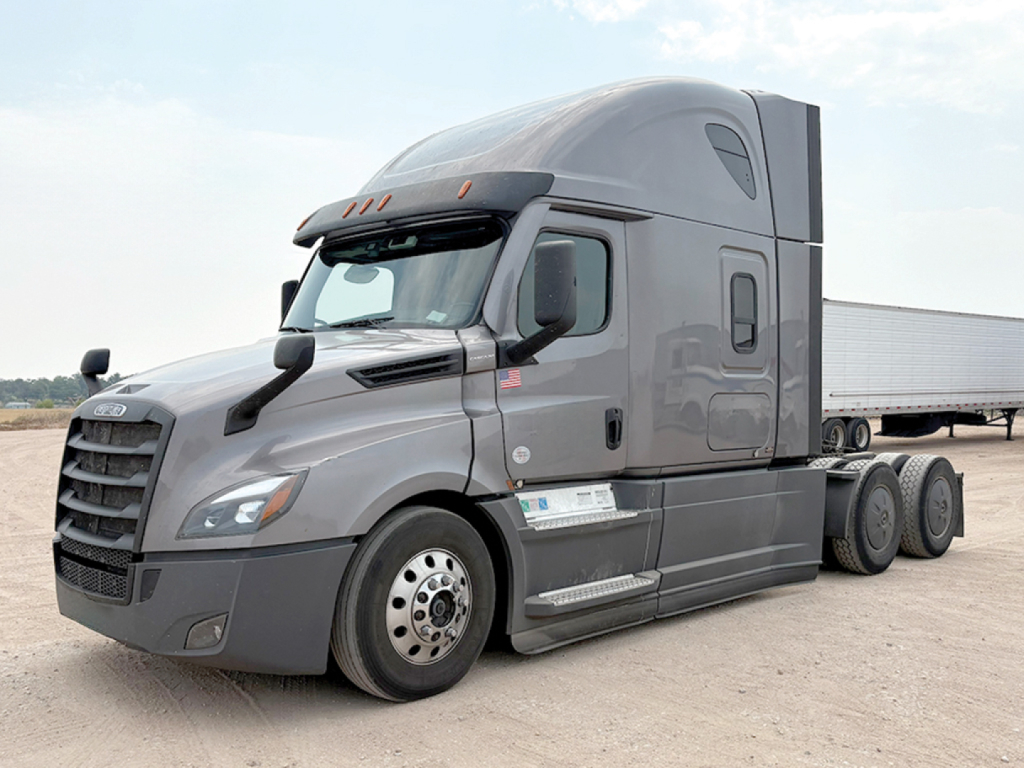
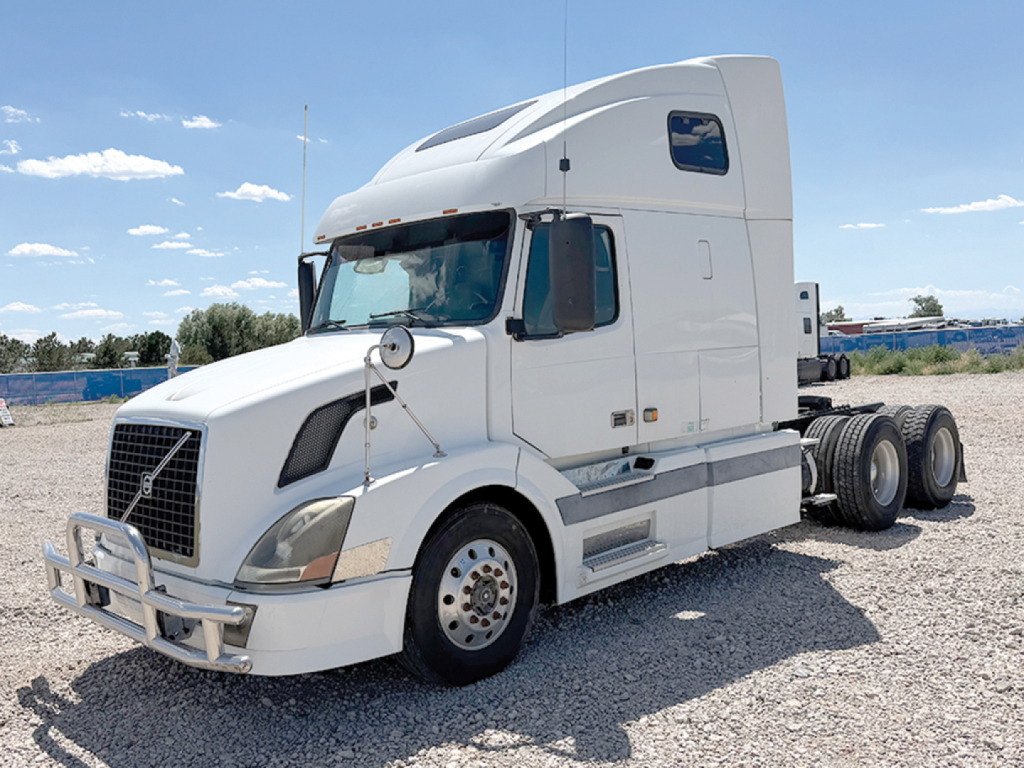
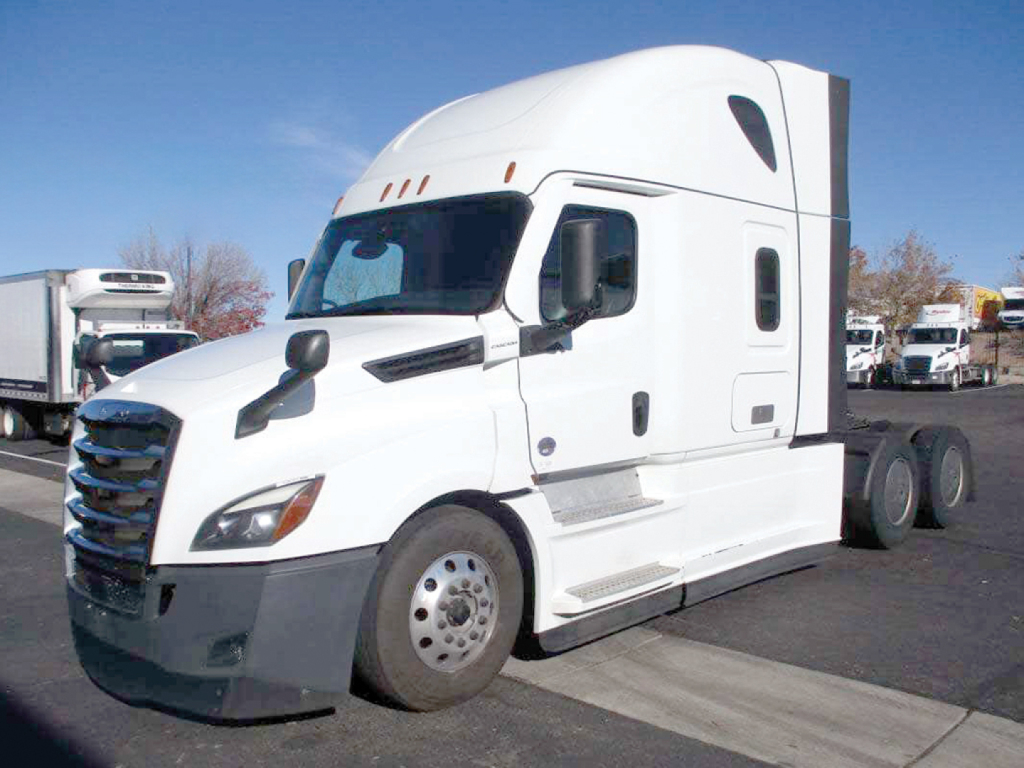
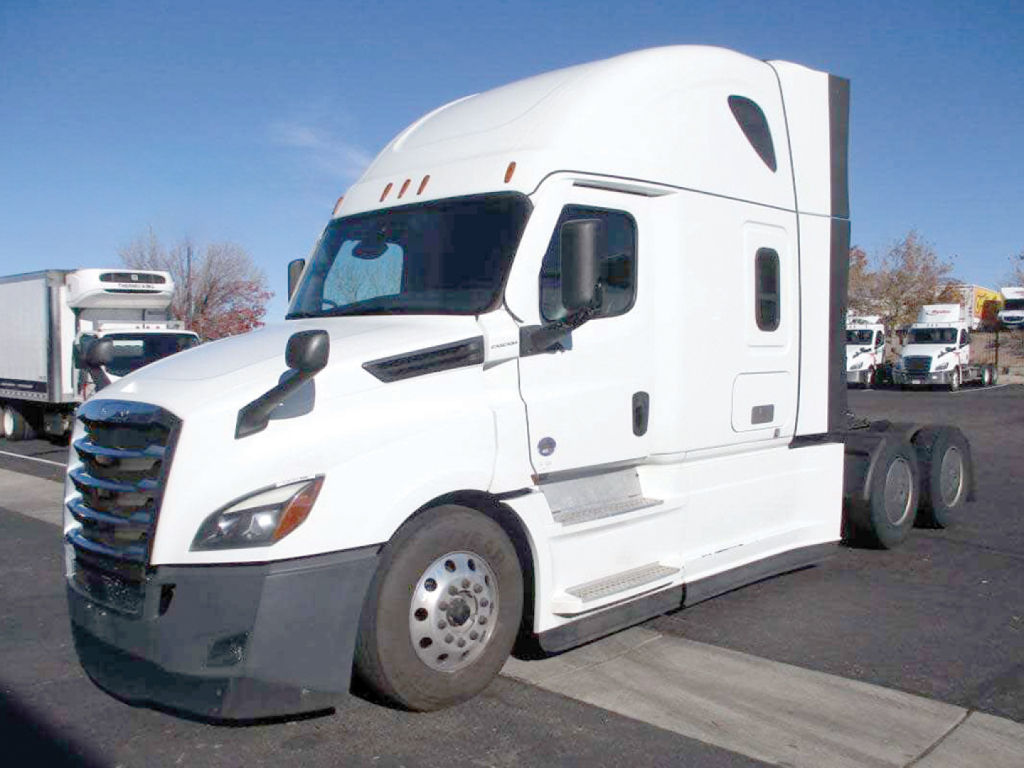
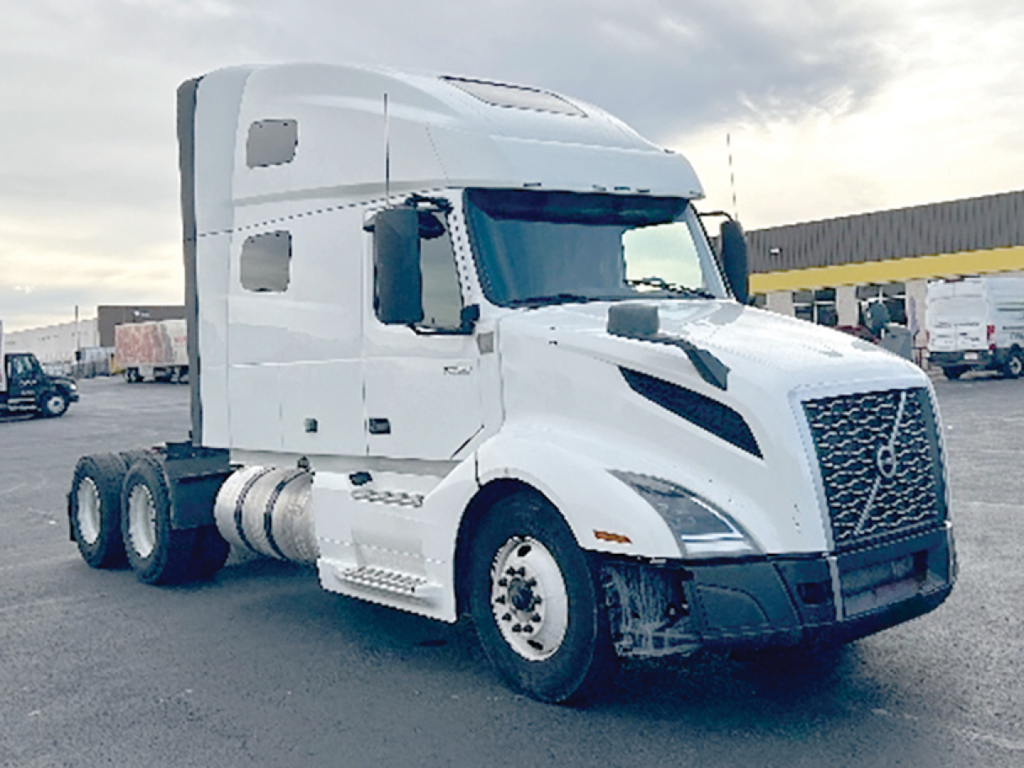
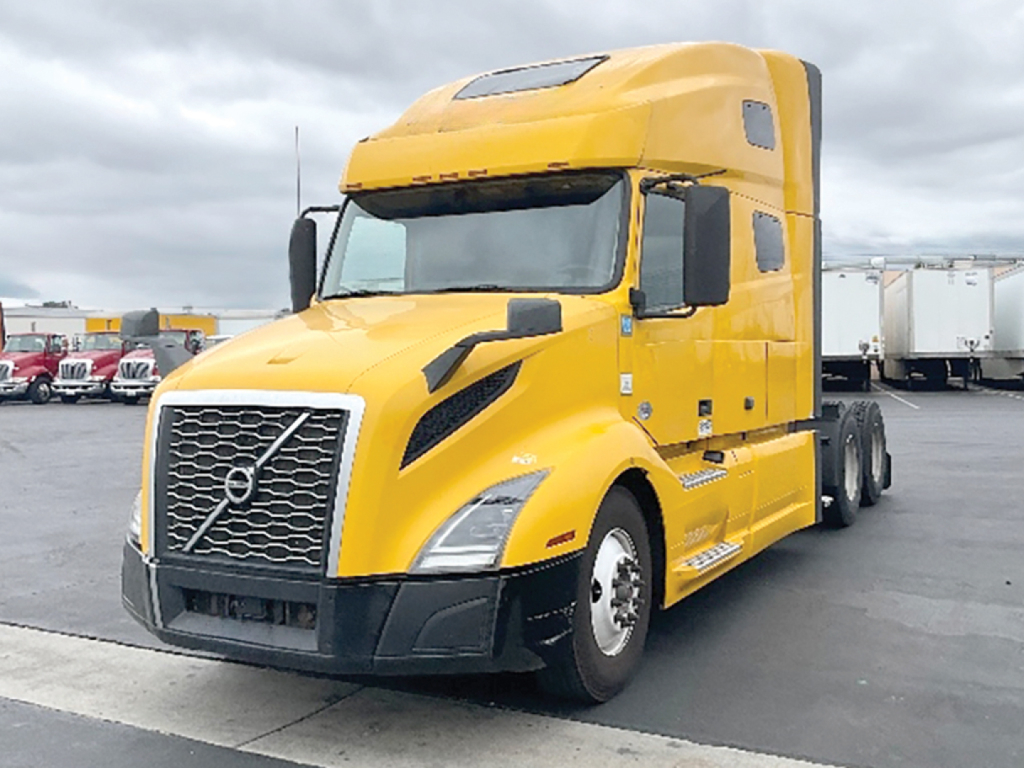
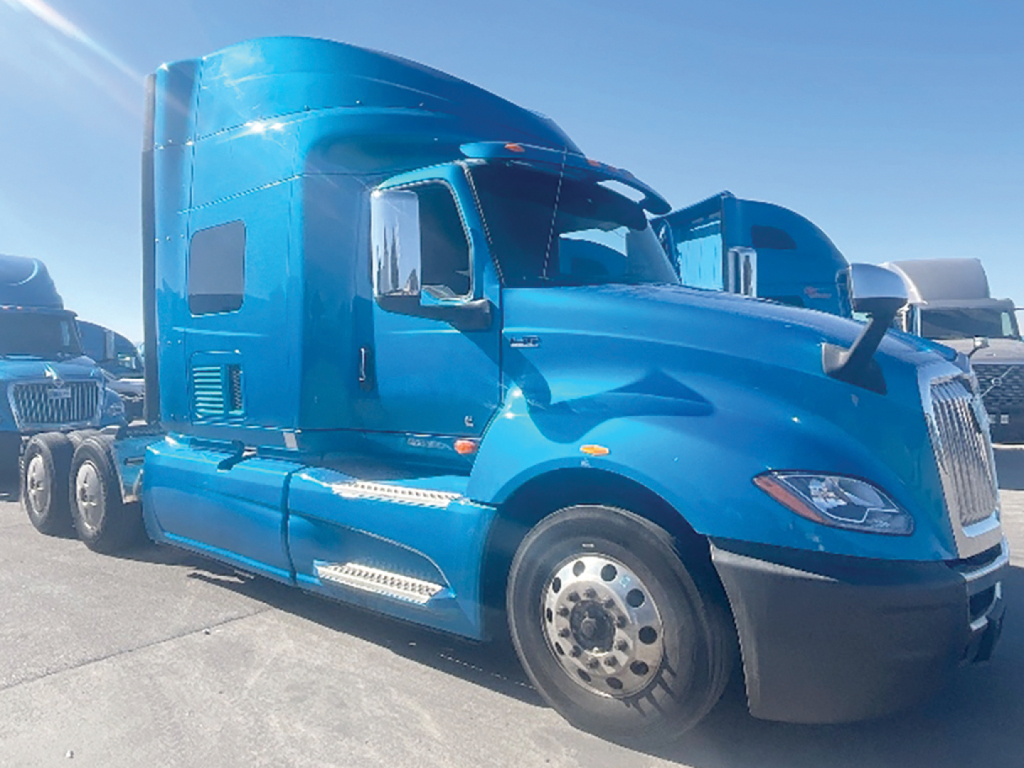
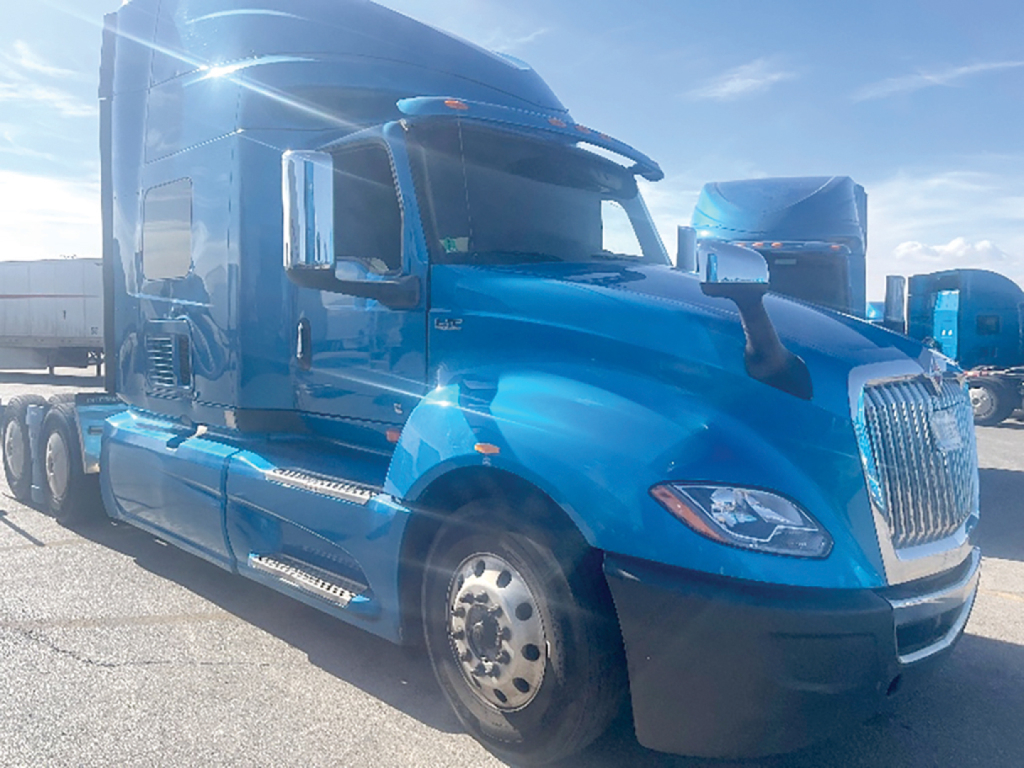
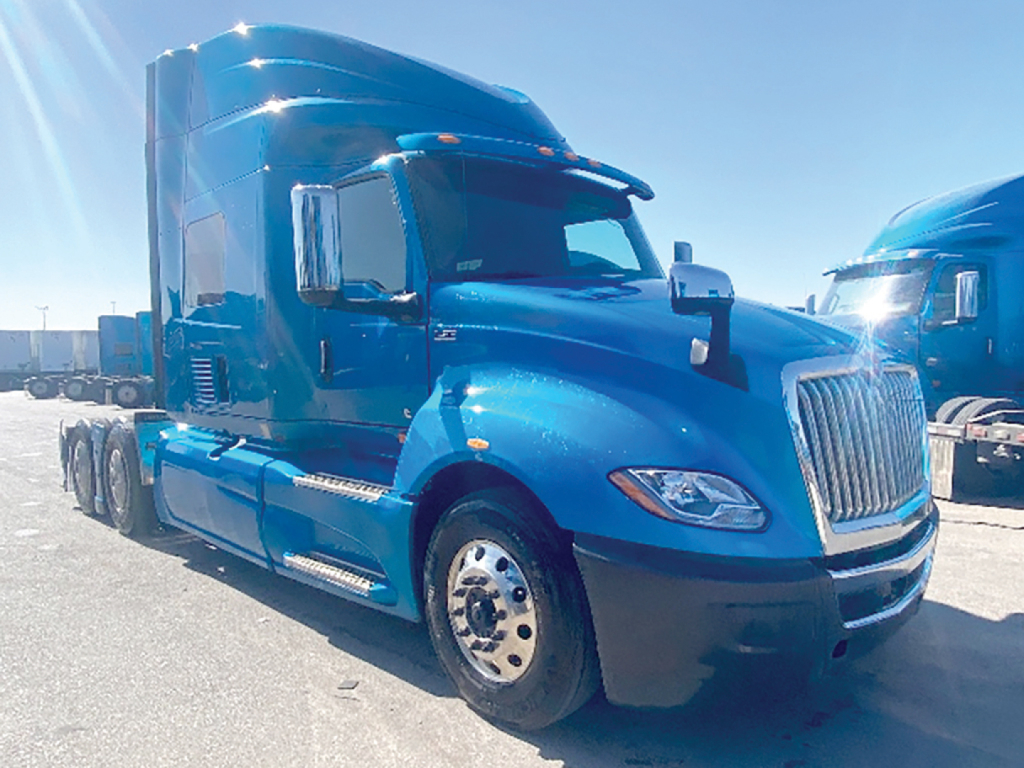
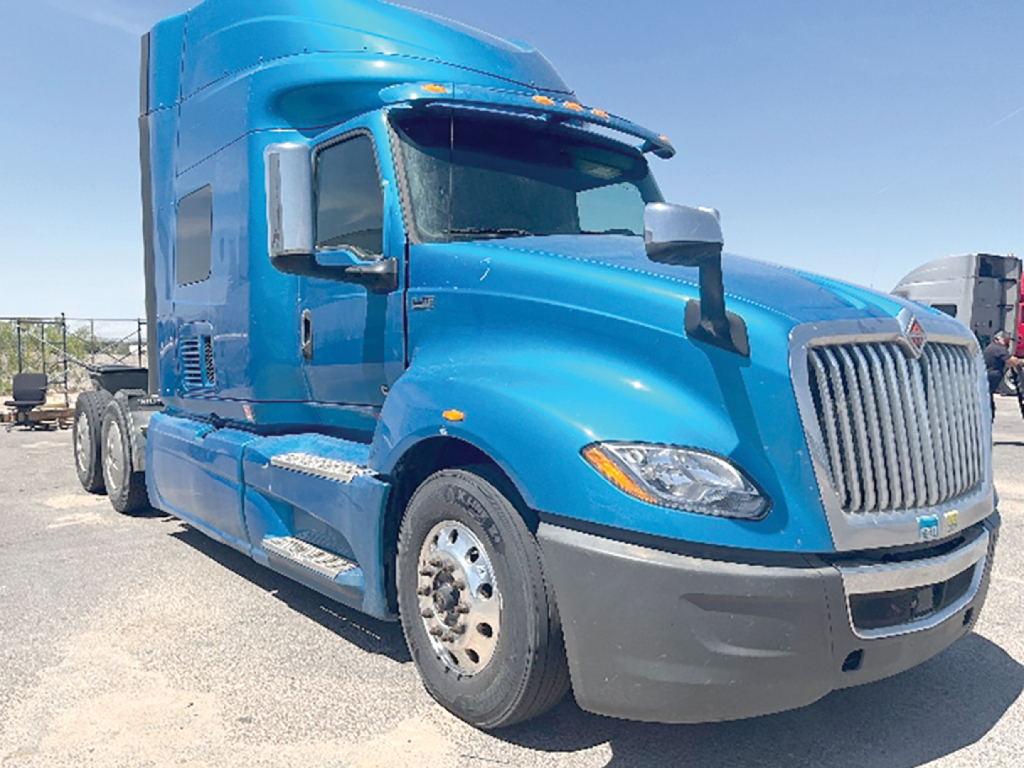
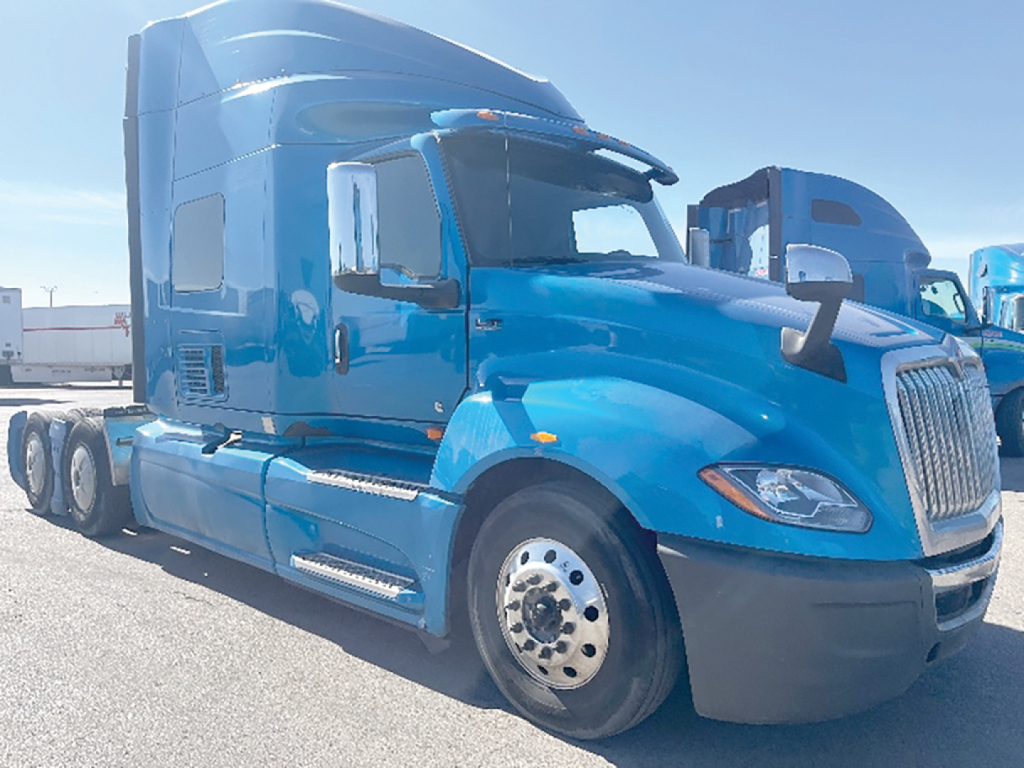
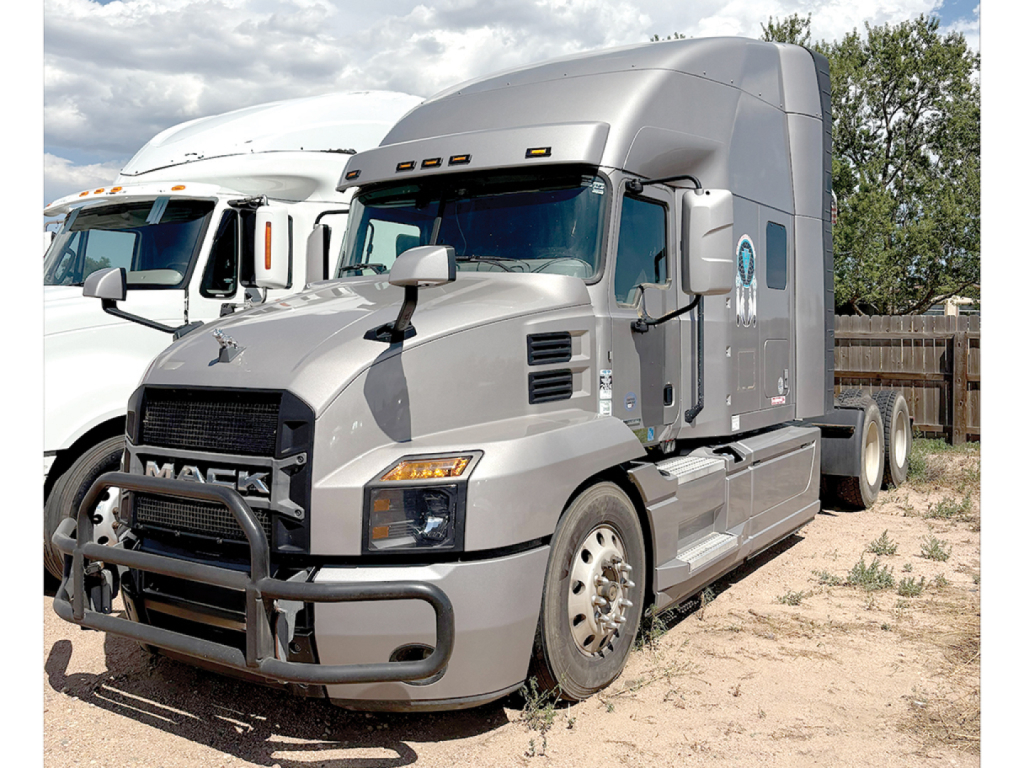
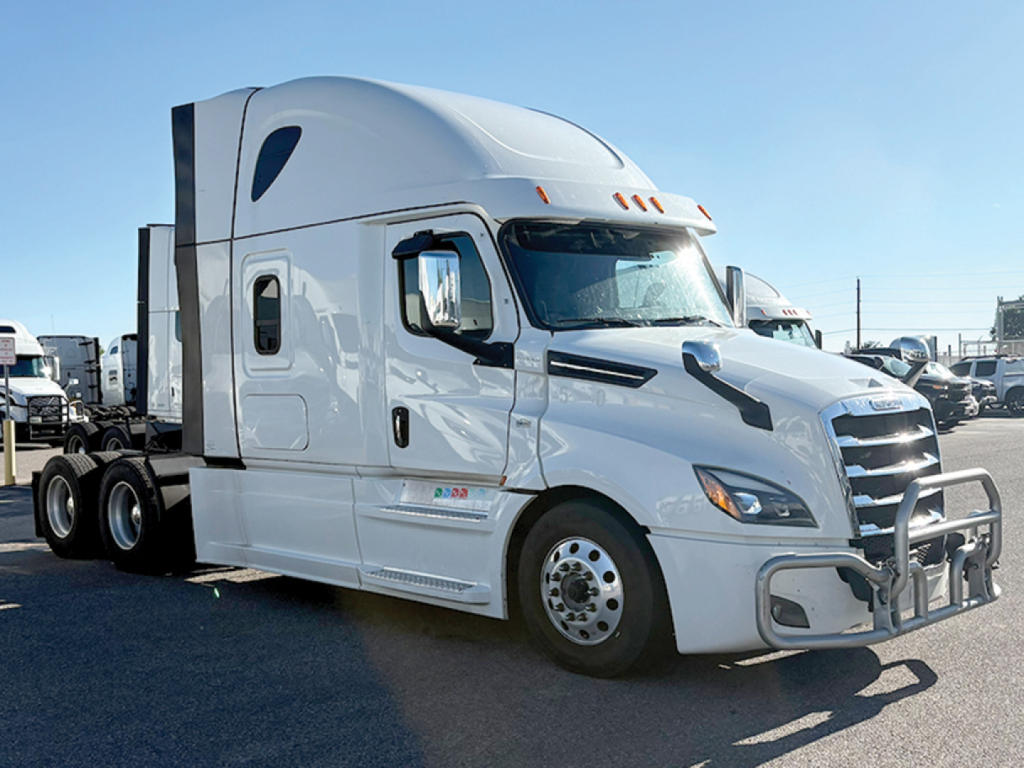
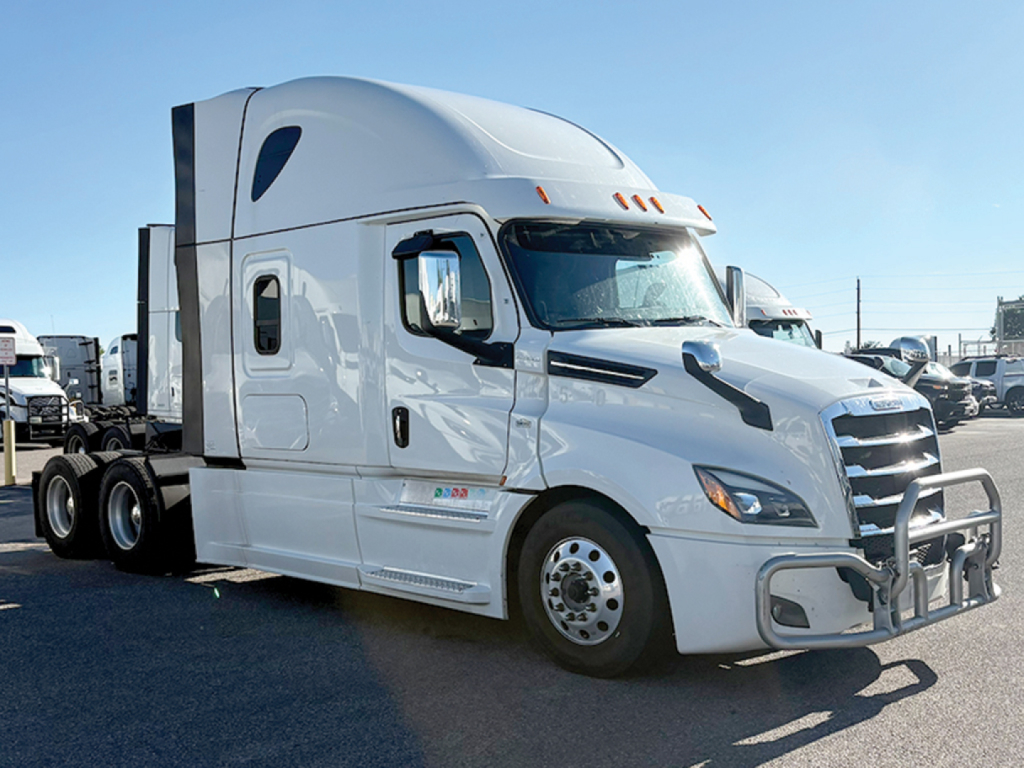
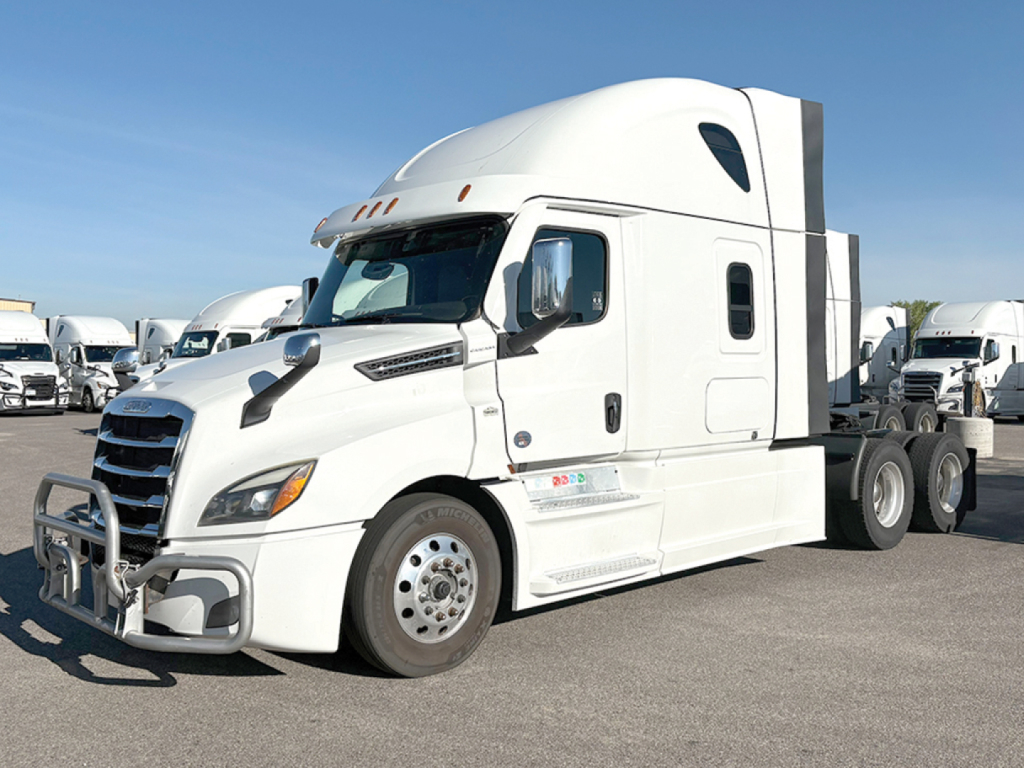
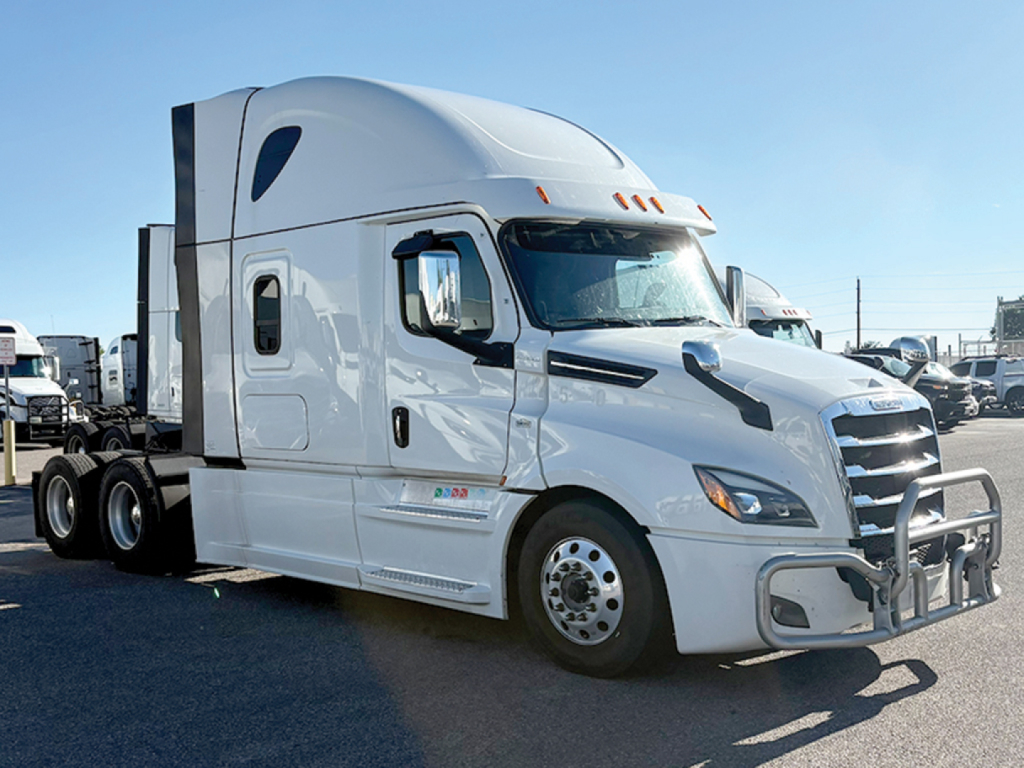
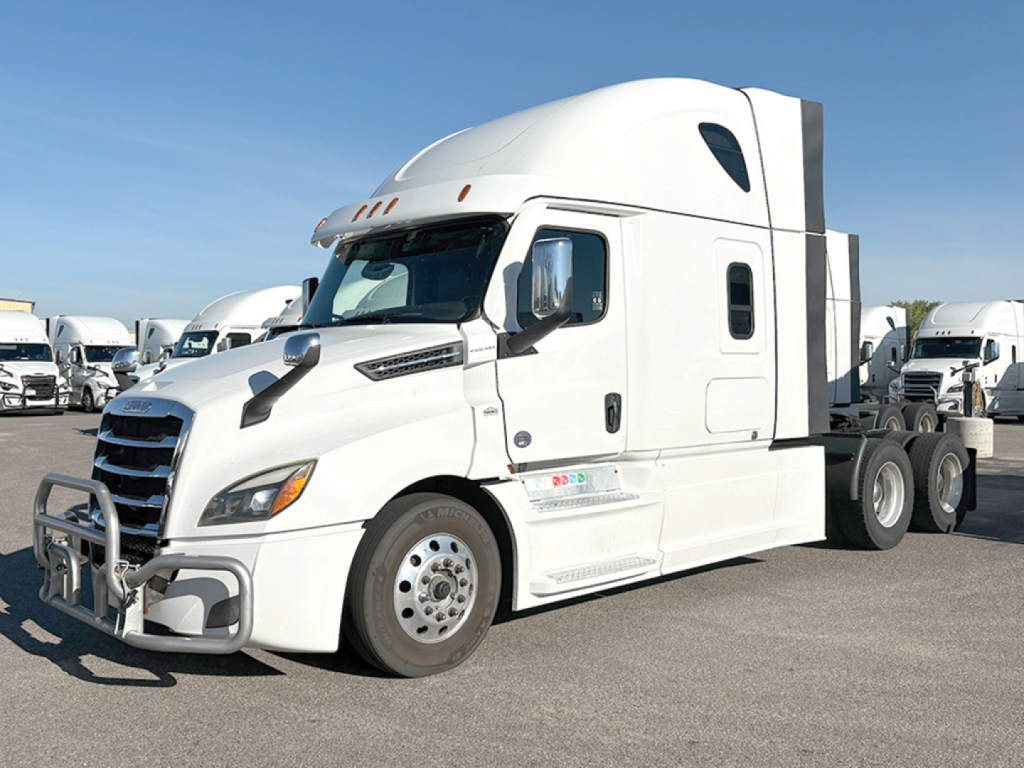
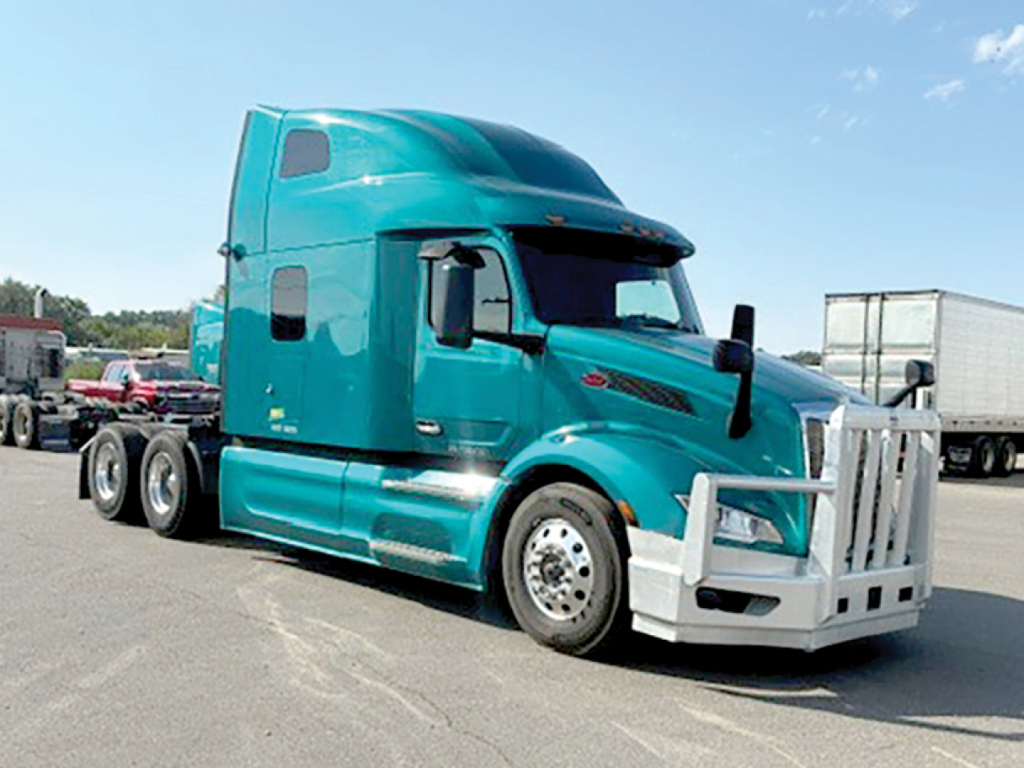
Showing 1 to 24 of 46 results
Have used conventional sleeper truck to sell? List it here to reach thousands of buyers.
Used Conventional Sleeper Trucks in Colorado
The biggest buying decision usually starts with the powertrain. Many used conventional sleepers are equipped with 13-liter or 15-liter diesel engines, often rated from roughly 450 to 565 horsepower, with torque figures in the 1,650 to 1,850 lb-ft range. For Colorado applications, that extra torque can be important when pulling mountain passes at gross weight. Transmission choice also affects daily use. Automated manuals dominate fleet-spec sleepers because they reduce driver fatigue and support fuel economy, while 13-speed and 18-speed manual transmissions still attract buyers hauling in varied terrain or running specialized freight. Rear axle ratios, wheelbase, suspension type, and disc versus drum brakes all deserve a close look because they directly affect gradeability, ride quality, stopping performance, and maneuverability.
Sleeper configuration is the next major separator in this class. Mid-roof sleepers tend to fit regional and lighter long-haul applications where lower overall height and lower tare weight matter. Raised-roof and studio sleepers are better suited for teams, extended over-the-road service, or owner-operators who spend serious time in the cab. Common features include single or double bunks, refrigerators, cabinet packages, power inverters, TV prep, diesel-fired bunk heaters, and upgraded interior trim. On the chassis side, buyers should pay attention to fifth-wheel placement, frame condition, fairings, headache racks, and fuel capacity. A truck spec'd for tanker or flatbed work can look very different from a fleet van tractor, even within the same conventional sleeper category.
When shopping used conventional sleeper trucks, condition history is as important as the original spec. Mileage tells only part of the story. Service records, engine hours, aftertreatment maintenance, clutch or transmission work, suspension wear, tire age, and brake life often matter more than odometer reading alone. In Colorado, corrosion is usually less severe than in heavy road-salt regions, but buyers should still inspect the frame, cab mounts, wiring, air tanks, and crossmembers. A strong used sleeper truck should match the freight, route profile, and driver expectations. The best value usually comes from a truck with the right sleeper size, proven emissions history, and a drivetrain geared for the weight and terrain it will actually run.
Frequently Asked Questions about Used Conventional Sleeper Trucks in Colorado
What is a conventional sleeper truck?
A conventional sleeper truck is a highway tractor with the engine mounted ahead of the cab and a built-in sleeping compartment behind the driver area. It is the standard layout for most over-the-road Class 8 tractors in North America. Compared with a day cab, a sleeper adds living space for overnight or multi-day runs and is commonly used in long-haul van, reefer, flatbed, tanker, and dedicated freight operations.
What engine and transmission specs make sense for Colorado hauling?
For Colorado routes, buyers often prioritize torque, gearing, and braking over peak horsepower alone. A 13-liter or 15-liter engine in the 450 to 565 horsepower range is common, but the more important number is usually torque, especially on steep grades. Automated manual transmissions are popular for fleet and fuel-efficiency reasons, while 13-speed manuals remain attractive for mountain work and specialized loads. Lower rear axle ratios can help cruising economy, but buyers running heavy freight through passes may prefer a spec that balances highway speed with stronger pull and better gradeability.
How do I choose between a mid-roof sleeper and a studio or raised-roof sleeper?
A mid-roof sleeper is often a good fit for regional hauling, weight-sensitive operations, or fleets that want a lighter and simpler truck. A raised-roof or studio sleeper offers more stand-up room, storage, and driver comfort for long stretches on the road. Buyers planning to run team operations, extended over-the-road freight, or owner-operator routes with frequent overnight stays usually benefit from the larger sleeper. The tradeoff is typically more weight, a longer wheelbase in some specs, and a different maneuverability profile.
What should I inspect first on a used conventional sleeper truck?
Start with maintenance records, engine hours, fault history, and evidence of aftertreatment service such as DPF cleaning or replacement intervals. Then inspect the frame, suspension, tires, brakes, kingpins, steering components, driveline, and signs of oil or coolant leaks. Inside the cab and sleeper, check HVAC performance, bunk equipment, wiring for inverters or accessories, and general wear. A pre-purchase inspection should also include ECM data review and a road test to evaluate shift quality, boost, braking feel, vibration, and suspension behavior.
Are aerodynamic sleepers or long-hood conventional sleepers better for most buyers?
Aerodynamic sleepers usually make the most sense for general freight because they are designed for fuel economy, fleet parts support, and efficient highway operation. Long-hood conventionals can be a strong choice for owner-operators, vocational crossover work, or buyers who prefer easier engine access, heavier visual presence, and certain custom specs. The better truck is the one that matches the freight and operating cost target. For a buyer focused on linehaul fuel savings, an aero sleeper often has the advantage. For a buyer focused on image, serviceability, or specialty applications, a long-hood spec may be the better fit.