
Used Freightliner Conventional Sleeper Trucks For Sale in Colorado
Browse used Freightliner conventional sleeper trucks in Colorado, including Cascadia and Columbia models built for regional and long-haul work.
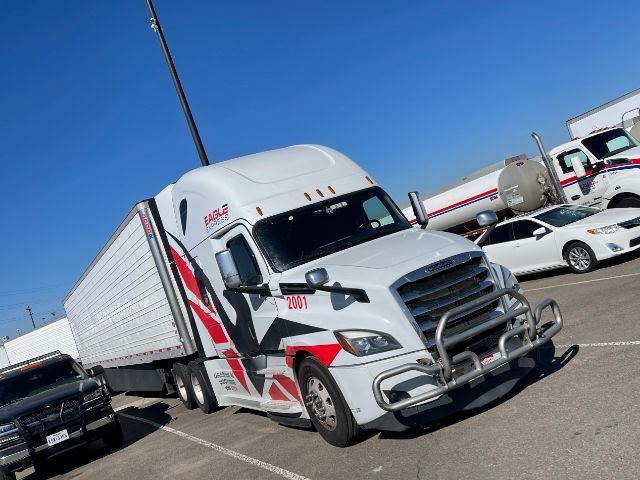
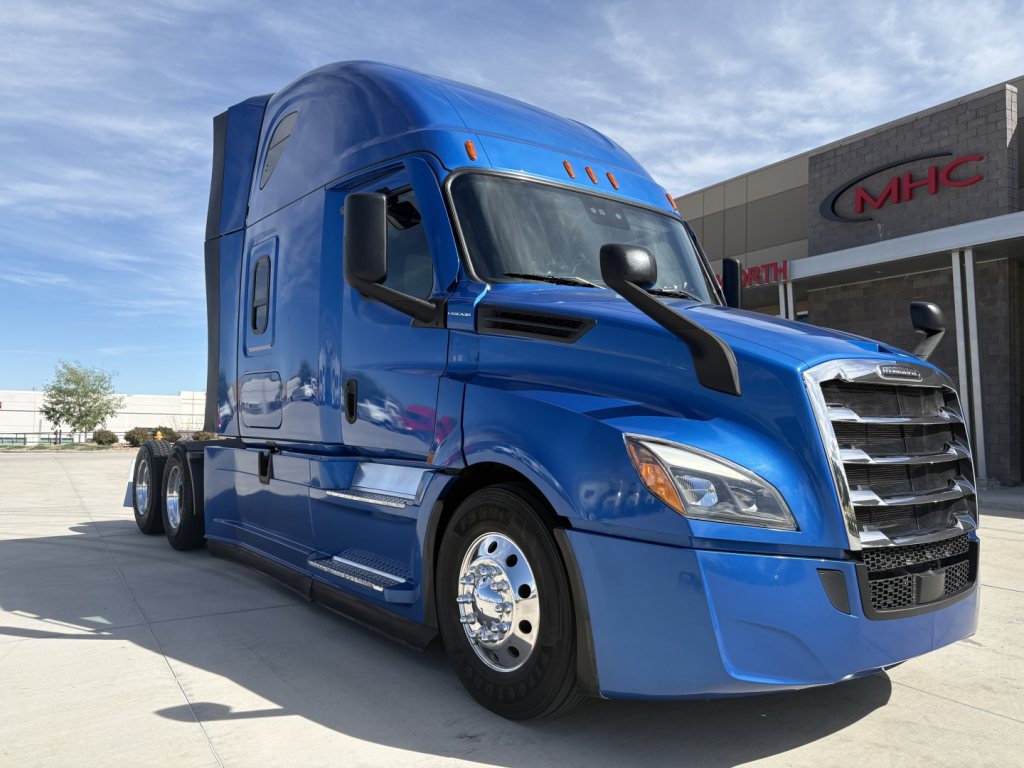
Selling a used freightliner conventional sleeper truck? List your used freightliner conventional sleeper truck for sale to reach thousands of commercial buyers.
Used Freightliner Conventional Sleeper Trucks in Colorado
The first buying decision is usually powertrain. Many used Freightliner sleeper trucks are equipped with Detroit DD13 or DD15 engines, while older units may carry Mercedes-Benz or Cummins power. Transmission choices often include automated manuals like the Detroit DT12, along with some manual configurations in older trucks. For Colorado operation, rear axle ratio, horsepower, and torque deserve close attention because mountain pulling ability and cruise RPM both affect operating cost. A 6x4 tandem axle setup is still the standard for general freight, and wheelbase, fifth wheel placement, and sleeper size should match the trailer length and kingpin setting you plan to run.
Cab and chassis condition matters as much as the badge on the hood. On a used conventional sleeper, buyers should look closely at emissions history, DPF and SCR maintenance, overhead and bottom-end records, transmission calibration updates, and signs of excessive idle time. Tire condition, brake life, suspension wear, and alignment are especially important on trucks that have seen heavy interstate miles. Inside the cab, a practical sleeper layout, HVAC performance, bunk condition, inverter setup, and storage capacity all affect driver acceptance. Freightliner conventional sleepers are also known for relatively straightforward dash layout and good road visibility, which can be a real advantage on mixed urban and mountain routes.
For many buyers, the appeal of a used Freightliner sleeper truck is simple: the platform is proven, easy to source parts for, and available in specs that cover everything from dry van and reefer work to flatbed and dedicated contract freight. A well-maintained Cascadia often stands out for aerodynamic efficiency and newer driver-assist features, while an older Columbia can still make sense as a lower-entry-cost tractor if maintenance records are solid. The right truck comes down to total operating picture, not just model year. Mileage, engine hours, maintenance documentation, axle ratings, sleeper configuration, and intended lane all matter more than a single headline spec.
Frequently Asked Questions about Used Freightliner Conventional Sleeper Trucks in Colorado
What should I look for when buying a used Freightliner conventional sleeper truck in Colorado?
Focus on powertrain spec, maintenance history, and how the truck was used. Colorado buyers should pay extra attention to horsepower, torque, axle ratio, and cooling system condition because elevation and mountain grades expose weak specs quickly. Service records for DPF cleaning or replacement, SCR components, transmission service, and engine repairs are important. It is also smart to compare odometer miles with engine hours to spot excessive idle time, especially on long-haul sleeper tractors.
Which Freightliner sleeper models are most common on the used market?
The Freightliner Cascadia is the most common late-model conventional sleeper on the used market, and it is widely used in long-haul and regional service. Older Freightliner Columbia sleeper tractors are also still seen, usually at a lower acquisition cost. The Cascadia is generally favored for improved aerodynamics, newer safety technology, and fuel efficiency, while the Columbia can appeal to buyers who want a simpler, older platform with broad parts support.
Is a used Freightliner Cascadia a good choice for long-haul work?
A used Freightliner Cascadia is often a strong long-haul choice because it combines aerodynamic design, common Detroit powertrain options, and broad dealer and aftermarket support. Sleeper configurations vary, so buyers should confirm bunk size, storage, and cab amenities based on route length and driver needs. The truck's value depends heavily on maintenance quality, emissions system condition, and whether the original spec matches the weight and trailer type being hauled.
What mileage is too high on a used Freightliner sleeper truck?
High mileage by itself does not determine whether a used sleeper tractor is a good buy. A well-maintained Freightliner with documented service can still be a productive truck at mileage levels that would concern buyers in other vehicle categories. The better measure is total condition: engine hours, maintenance records, drivetrain wear, emissions repairs, suspension condition, and evidence of recent major work. A truck with higher miles and strong documentation can be a better purchase than a lower-mile truck with missing history.
Are Freightliner conventional sleeper trucks expensive to maintain?
Maintenance cost depends on engine type, age, emissions system condition, and prior care, but Freightliner conventional sleepers are generally considered manageable to support because parts are widely available and most heavy-duty shops are familiar with them. Late-model emissions components can add cost if service has been deferred, and mountain operation can increase wear on brakes, cooling systems, and driveline components. Buyers usually get the best cost control from trucks with consistent preventive maintenance and clear repair records.