
Used 2022 Conventional Sleeper Trucks For Sale in Colorado
Browse used 2022 conventional sleeper trucks in Colorado. Compare sleeper sizes, powertrains, wheelbases, axle ratios, and driver comfort specs.
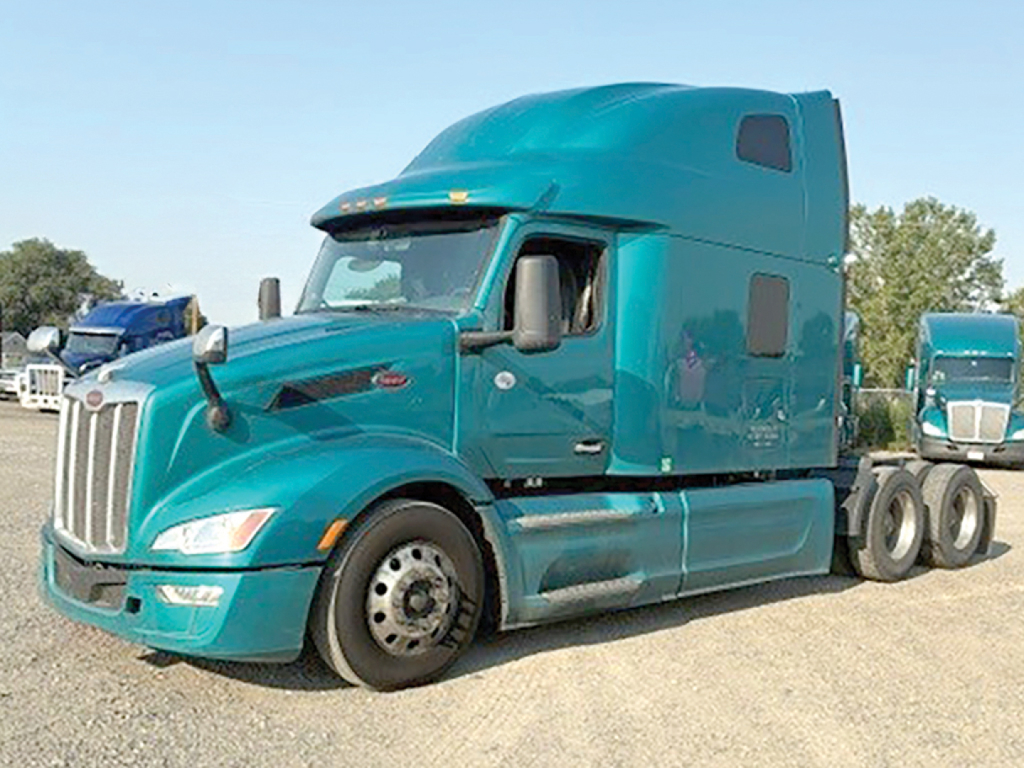
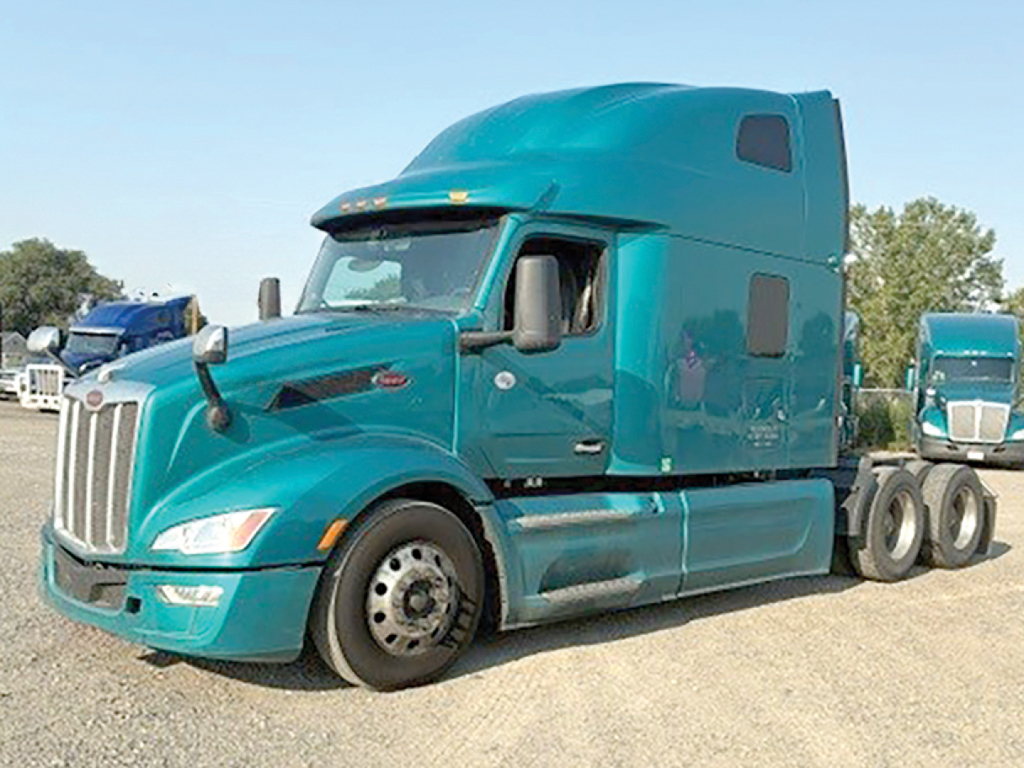
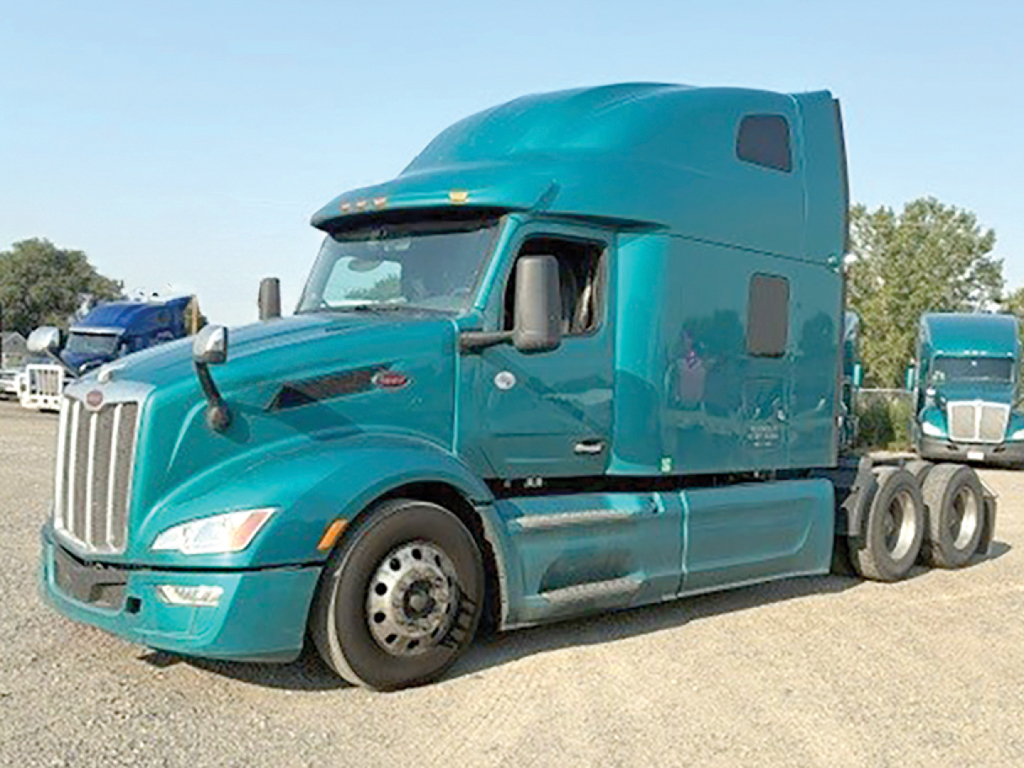
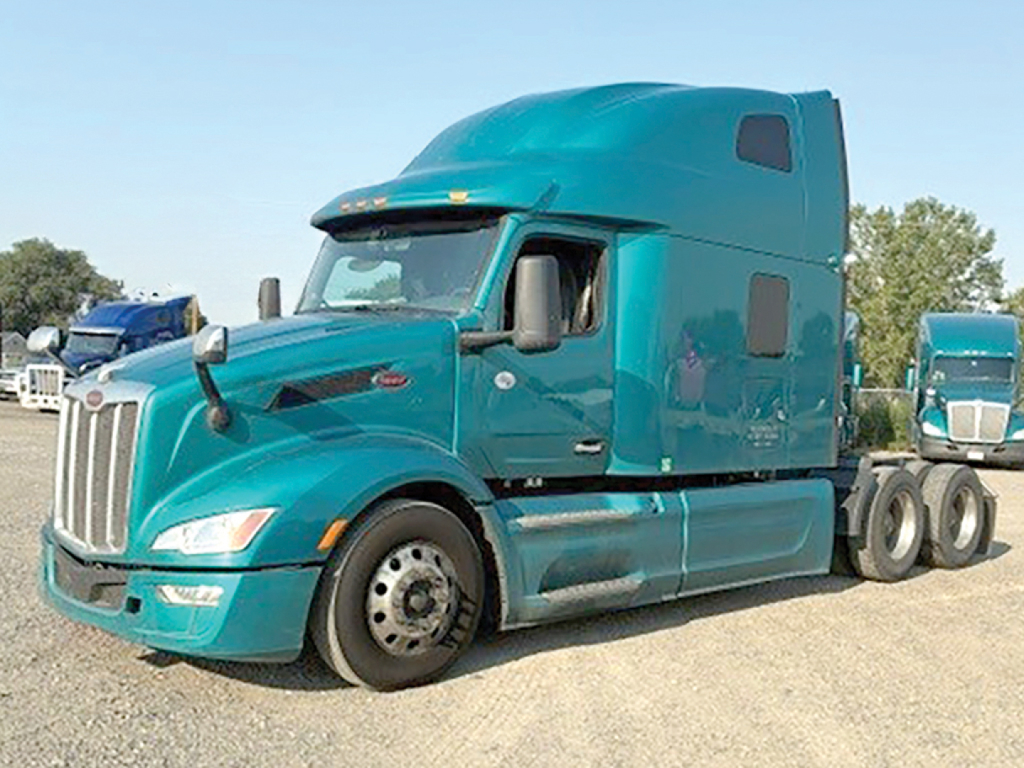
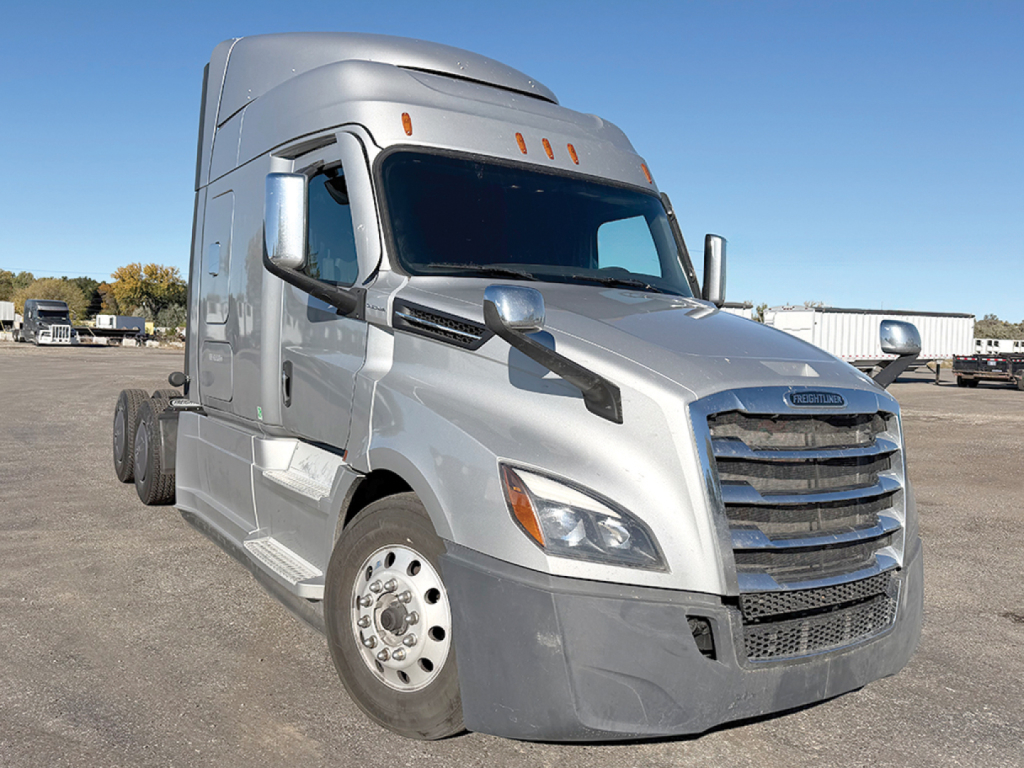
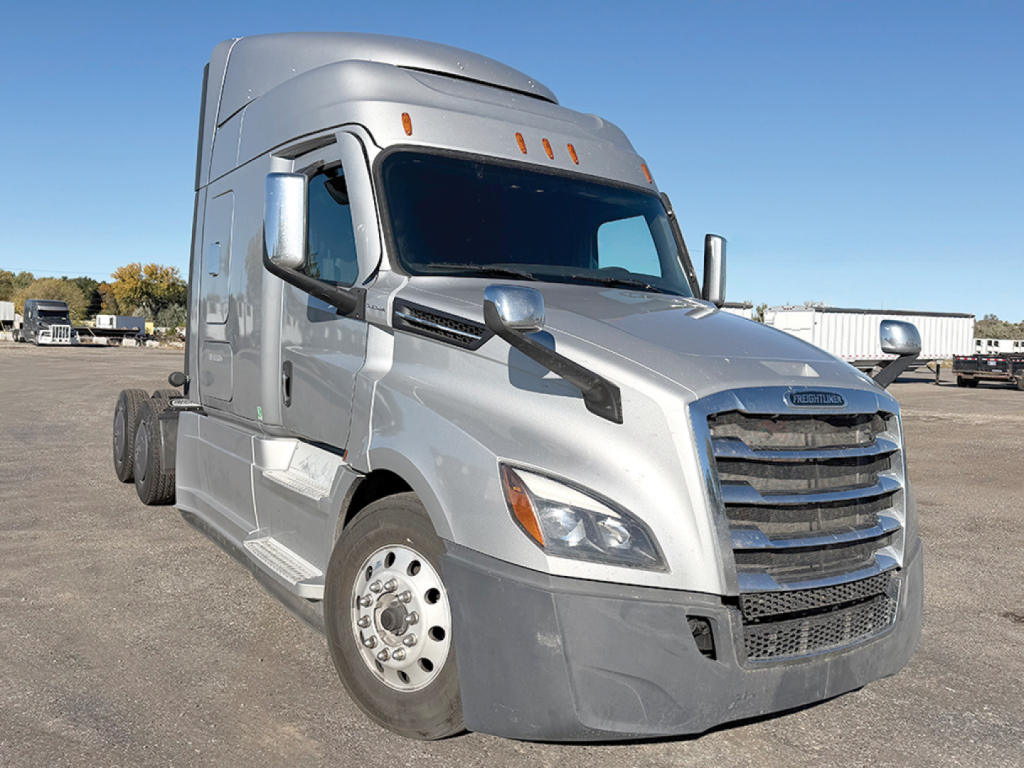
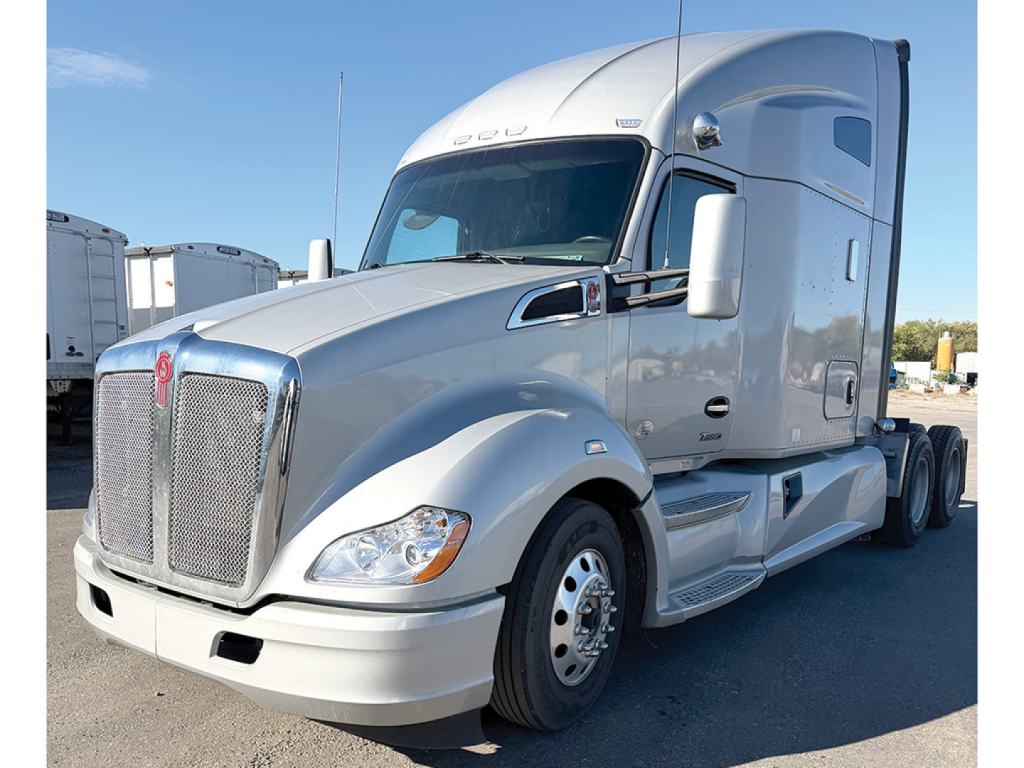
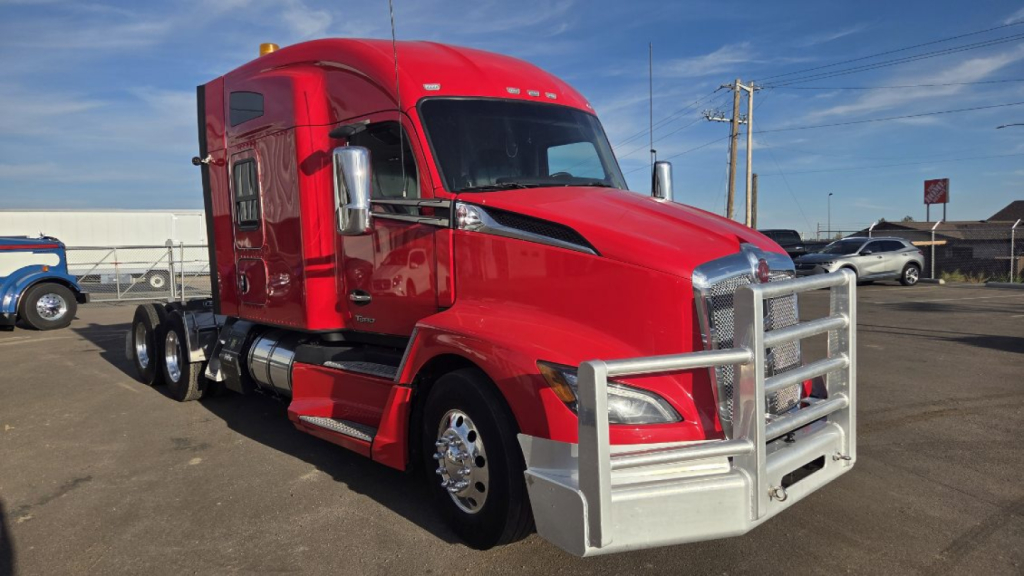
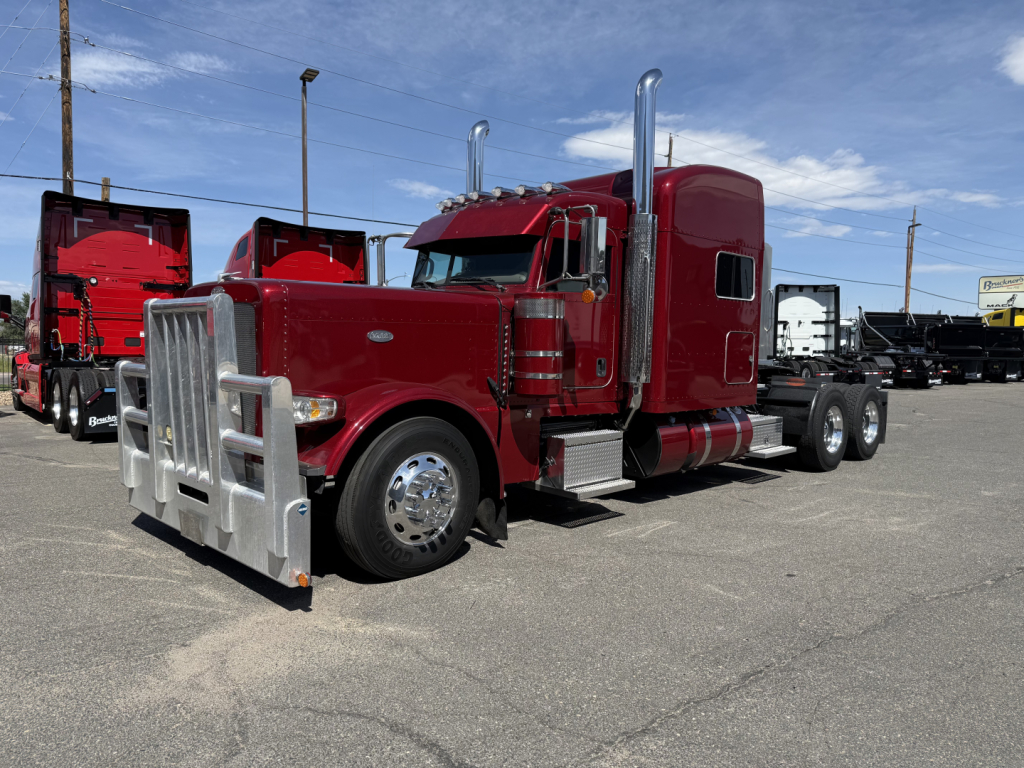

Selling a used 2022 conventional sleeper truck? List your used 2022 conventional sleeper truck for sale and reach thousands of commercial buyers.
Used 2022 Conventional Sleeper Trucks in Colorado
The biggest buying decision is usually the powertrain. Many 2022 conventional sleepers are spec'd with 13-liter to 15-liter diesel engines in the 400 to 500 horsepower range, paired with automated manual transmissions like the Volvo I-Shift, Detroit DT12, Eaton Endurant, or similar units, though some owner-operator trucks still carry 13-speed or 18-speed manuals. Pay close attention to rear axle ratio, wheelbase, and gross combination weight rating, because those details tell you a lot about the truck's intended job. A 2.64 or 2.85 ratio generally points to fuel-efficient linehaul use, while deeper ratios and longer wheelbases often show a heavier haul or owner-operator spec. In Colorado, elevation matters, so torque curve, engine brake performance, cooling system condition, and transmission calibration deserve extra scrutiny if the truck will regularly cross mountain grades.
Sleeper configuration matters as much as horsepower. A basic single-bunk sleeper may be fine for solo regional work, but teams and longhaul operators often want an upper bunk, more cabinet space, auxiliary bunk heater or HVAC prep, and enough headroom for daily living. Aerodynamic trucks typically bring the best fuel economy and easier serviceability for fleet use, while long-hood models appeal to buyers who want traditional styling, more frame room, and a manual transmission option. Common features in this category include air ride suspension, dual fuel tanks, air slide fifth wheels, collision mitigation systems, disc or drum brakes, and fairings or cab extenders that help reduce drag.
A strong used 2022 conventional sleeper should be evaluated like a revenue asset, not just a truck. Look at engine hours versus miles, idle time, maintenance history, aftertreatment repairs, clutch life on manual units, tire wear pattern, and signs of uneven loading or alignment issues. Check the sleeper for HVAC performance, bunk integrity, water leaks, inverter wiring, and overall interior wear, since driver comfort directly affects retention and uptime. If the truck will stay in Colorado or run the western states, suspension condition, brake performance on grades, and emissions system health in variable altitude conditions can have a real impact on operating cost.
Frequently Asked Questions about Used 2022 Conventional Sleeper Trucks in Colorado
What is a conventional sleeper truck?
A conventional sleeper truck is a Class 8 road tractor with the engine mounted ahead of the cab and a built-in sleeping compartment behind the driver area. It is designed for long-distance freight where the driver needs overnight accommodations, extra storage, and a more livable cab than a day cab provides. In the used market, this category includes both aerodynamic fleet tractors and long-hood owner-operator models.
What engine and transmission specs are common in a used 2022 conventional sleeper?
Most used 2022 conventional sleepers are equipped with diesel engines in the 13-liter to 15-liter range, typically rated from about 400 to 500 horsepower. Common pairings include automated manual transmissions for fuel economy and ease of operation, though some trucks still use 13-speed or 18-speed manuals. Buyers should match horsepower, torque, axle ratio, and transmission type to the intended freight, terrain, and expected cruising speed.
What sleeper size should I look for in a 2022 conventional sleeper truck?
Sleeper size depends on route length, driver count, and how much living space is needed. Solo regional or short over-the-road work can often be handled with a smaller sleeper, while longhaul and team operations usually benefit from a 72-inch or 73-inch raised-roof sleeper with upper bunk and added storage. Interior layout, cabinet space, bunk design, and HVAC performance matter more in daily use than the published sleeper length alone.
Are used 2022 conventional sleeper trucks a good fit for Colorado routes?
They can be, but Colorado use puts more importance on gradeability, engine brake strength, cooling system condition, and proper axle ratio selection. Trucks running mountain corridors need a powertrain that can hold speed on climbs and control weight safely on descents. A fuel-efficient highway spec may work well on flatter lanes, but buyers planning regular mountain operation should look closely at torque, gearing, brake condition, and overall maintenance history.
What should I inspect first on a used 2022 conventional sleeper truck?
Start with service records, engine hours, odometer reading, and any history of emissions or aftertreatment repairs. Then inspect the drivetrain, suspension, brakes, tires, and alignment, because those systems drive operating cost quickly. Inside the sleeper, check bunk structure, seals, HVAC, power accessories, and signs of hard use, since interior condition often reflects how the truck was treated overall.