
Used 2018 Conventional Sleeper Trucks For Sale in Colorado
Shop used 2018 conventional sleeper trucks in Colorado. Compare raised-roof highway tractors with proven specs for long-haul and regional freight.
Learn more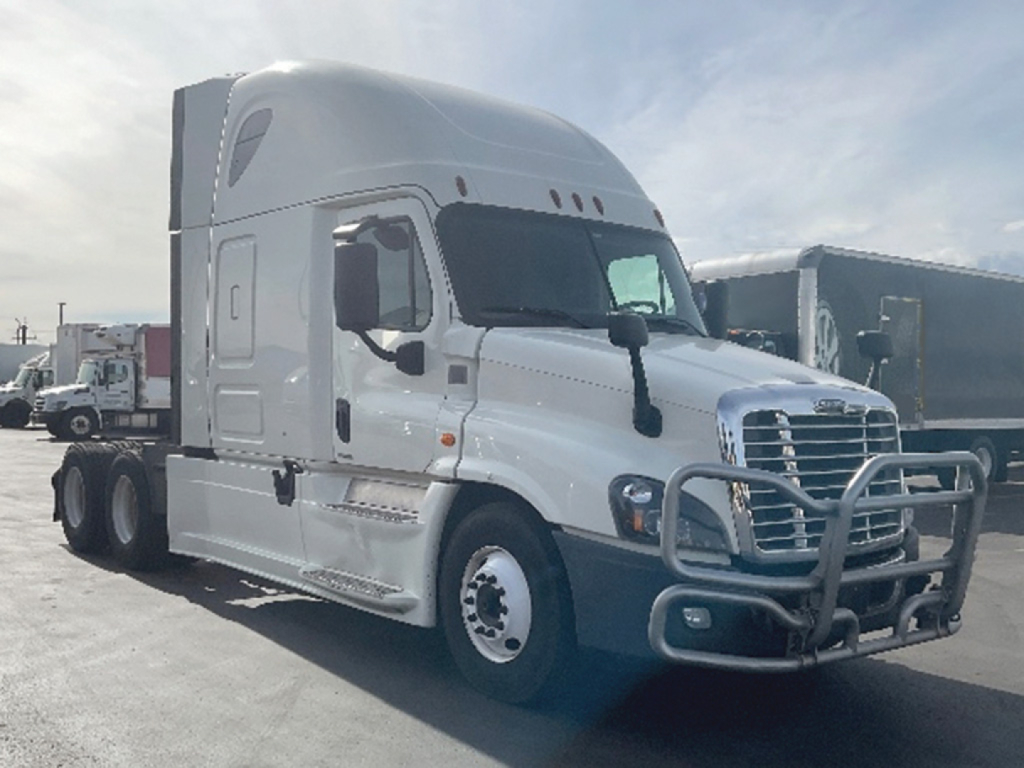
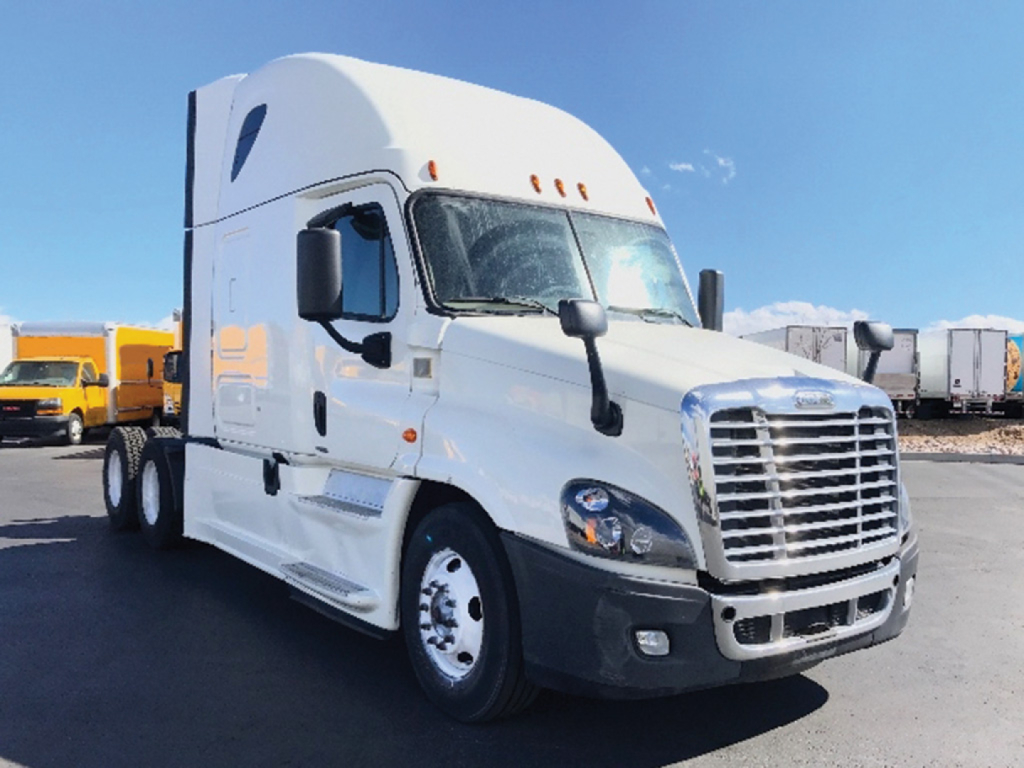
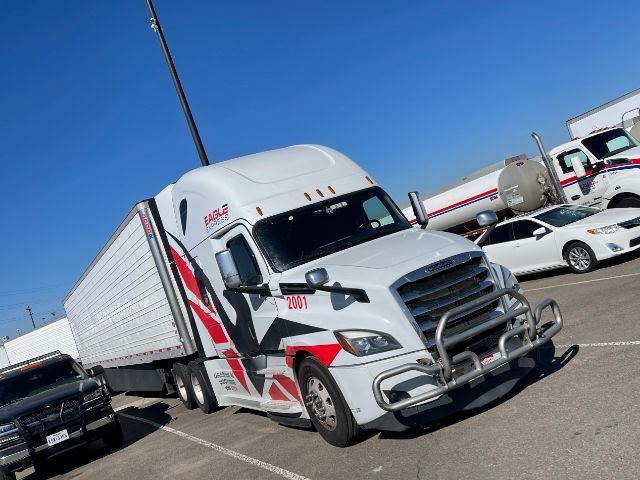
Have used 2018 conventional sleeper truck to sell? List it here to reach thousands of buyers.
About Used 2018 Conventional Sleeper Trucks in Colorado
The biggest buying decisions usually come down to engine, transmission, axle ratio, and sleeper size. Common engines in this segment include the Detroit DD15, Cummins X15, Paccar MX-13, and Volvo D13, typically in the 400 to 505 horsepower range. Automated manual transmissions are very common in 2018 sleepers, including Detroit DT12, Volvo I-Shift, and Eaton Endurant or UltraShift variants, though some trucks still carry manual gearboxes. Rear axle ratings are often 40,000 pounds on tandem-drive units, with ratios like 2.47, 2.64, 2.85, or 3.08 depending on intended cruise speed, terrain, and gross combination weight. Wheelbases around 220 to 240 inches are common, and sleeper configurations often run from about 60 to 80 inches with single-bunk or double-bunk layouts.
For Colorado buyers, emissions condition, cooling system health, and gearing matter. Mountain grades and winter operation can expose weak EGR, DPF, SCR, and turbocharger performance faster than flatland service. A 2018 conventional sleeper should be reviewed for aftertreatment history, regen frequency, fault codes, and evidence of recent DPF cleaning or replacement. It also pays to inspect transmission calibration, clutch wear on AMTs, differential condition, disc or drum brake maintenance, and tire match across the drives. Sleeper features such as bunk heater, idle reduction, inverter prep, cabinet layout, and upper bunk can affect driver retention just as much as horsepower on an over-the-road truck.
Used 2018 conventional sleeper trucks often hit a useful price point for fleets adding capacity without stepping into late-model pricing. The best value is usually found in a truck with documented maintenance, a sensible mileage-to-price ratio, and a specification that matches the lane. Lower numerical axle ratios can favor fuel mileage on lighter, fast-turn highway freight, while deeper ratios may be better for heavier loads or mountain work. Buyers comparing listings should pay close attention to mileage, engine brake spec, suspension type, fifth wheel setup, fuel capacity, and remaining life in tires, brakes, and aftertreatment components. A well-matched 2018 sleeper can still be a strong revenue truck when the spec aligns with the freight.
Frequently Asked Questions
What should I look for first on a used 2018 conventional sleeper truck?
Start with maintenance records, engine hours, mileage, and aftertreatment history. On a 2018 sleeper tractor, the emissions system is one of the most important cost centers, so fault codes, regen history, DPF service records, and SCR performance deserve close attention. After that, verify transmission operation, rear axle ratio, brake condition, tire wear, and sleeper equipment. A truck with a clean service file and a spec that fits the freight is usually a better buy than one with a lower asking price but unclear history.
Are 2018 conventional sleeper trucks good for Colorado and mountain hauling?
They can be, but the right spec matters. Colorado service puts more demand on cooling systems, engine brakes, emissions components, and gearing than flatter regions. A 2018 sleeper with adequate horsepower, a strong engine brake, proper rear axle ratio, and a well-maintained aftertreatment system is generally better suited for mountain grades. Buyers should also check for signs of hard uphill use, including high regen frequency, excessive heat-related repairs, and brake wear.
What engines and transmissions are common in 2018 conventional sleeper trucks?
Common engines include the Detroit DD15, Cummins X15, Volvo D13, and Paccar MX-13, generally rated from about 400 to 505 horsepower. Many 2018 highway sleepers were built with automated manual transmissions such as the Detroit DT12 and Volvo I-Shift, although some manual transmissions are still found in the market. The best choice depends on driver preference, fuel economy goals, service network, and how much weight the truck is expected to pull.
How much sleeper size matters on a 2018 highway tractor?
Sleeper size affects driver comfort, storage, and the kind of work the truck can handle. A mid-roof or smaller sleeper may be enough for regional runs with occasional layovers, while a 72-inch to 80-inch raised-roof sleeper is better for over-the-road applications and team operations. Buyers should look beyond length alone and consider bunk layout, cabinet space, bunk heater, idle reduction setup, and whether the sleeper supports the driver's actual time away from home.
Is high mileage a deal breaker on a used 2018 sleeper truck?
Not by itself. Many 2018 conventional sleepers were designed for heavy annual mileage, so condition and maintenance history matter more than the odometer alone. A higher-mile truck with documented service, recent tire and brake work, and verified emissions maintenance can be a better business decision than a lower-mile truck with neglected repairs. Buyers should weigh mileage against engine hours, idle time, component replacements, and the overall spec of the truck.