
Used 2023 Conventional Sleeper Trucks For Sale in Colorado
Browse used 2023 conventional sleeper trucks in Colorado. Compare sleeper sizes, powertrain specs, axle setups, and long-haul features.
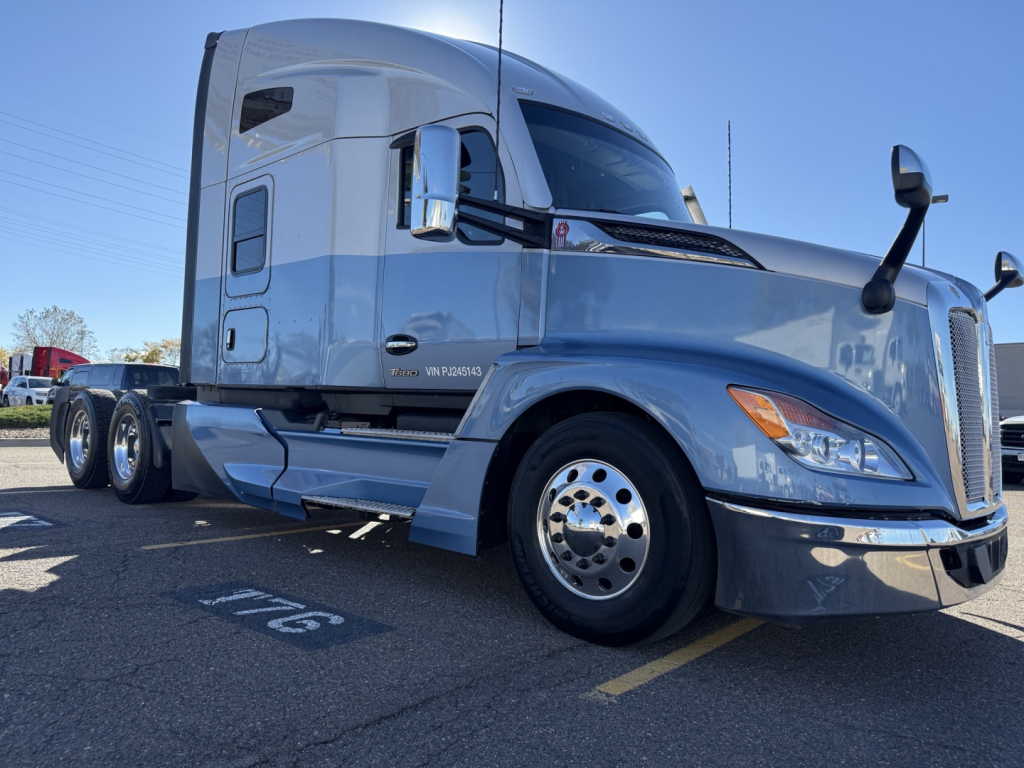
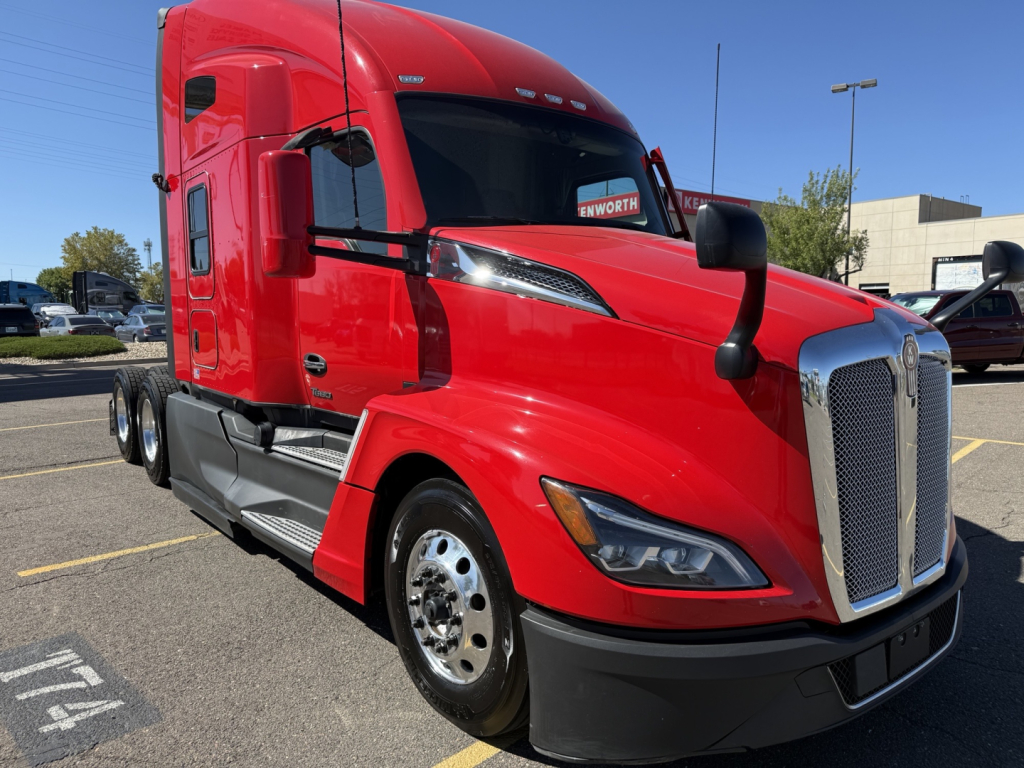
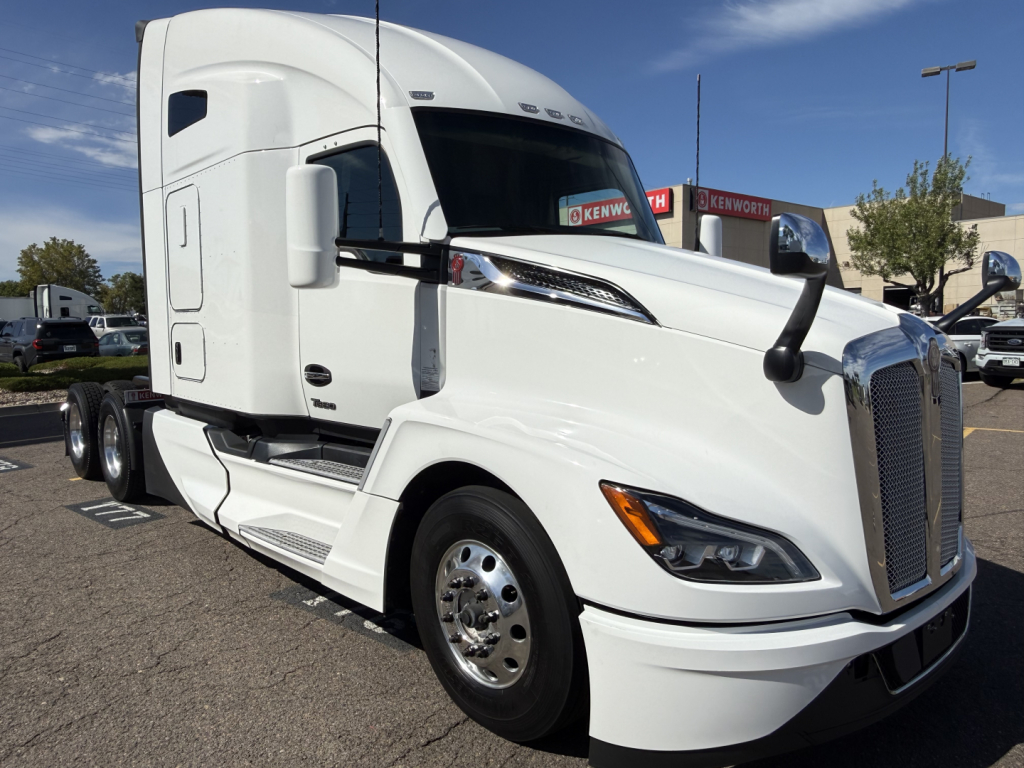
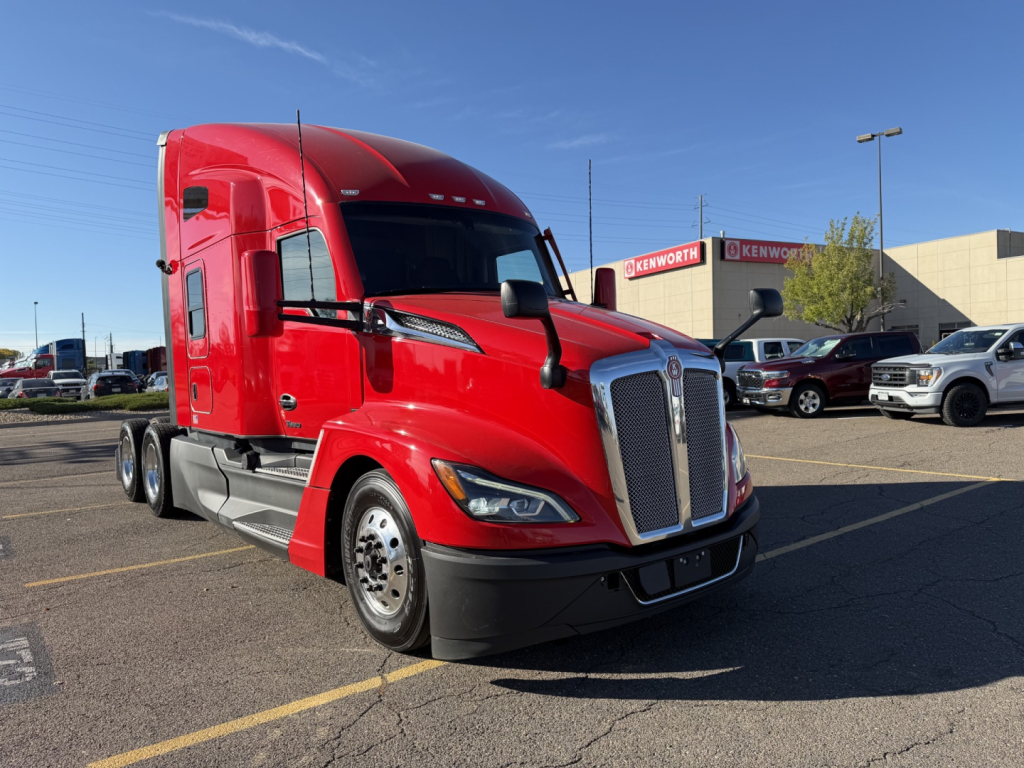

Selling a used 2023 conventional sleeper truck? List your used 2023 conventional sleeper truck for sale and reach thousands of commercial buyers.
Used 2023 Conventional Sleeper Trucks in Colorado
A 2023 conventional sleeper can be configured for very different jobs. Fleet aerodynamic models are usually built around fuel economy, with set-back front axles, roof fairings, side extenders, automated manual or automatic transmissions, and efficient 12 to 15 liter diesel engines from Cummins, PACCAR, Detroit, or Volvo. Owner-operator and vocational-leaning highway specs may lean toward higher horsepower, manual transmissions, longer wheelbases, larger sleepers, dual stacks, and appearance equipment, but the real buying decision still comes down to application. Buyers should compare sleeper size and layout, bunk configuration, idle reduction systems, bunk heaters, inverter setup, refrigerator prep, and cabinet space just as closely as they compare engine ratings.
For Colorado operation, powertrain spec deserves extra scrutiny. Mountain grades and high-altitude operation favor trucks with a strong engine brake, sensible rear axle ratios, and enough torque to hold speed without constantly hunting gears. A 400 to 500 horsepower rating is common in this class, but horsepower alone does not tell the full story. Transmission type, downsped or direct-drive setup, GCWR, tandem versus single-drive axle configuration, suspension type, and fifth wheel adjustability all affect how the truck performs with your trailers and lanes. Late-model used sleepers may also include disc brakes, collision mitigation, lane departure warning, adaptive cruise, tire pressure monitoring, and telematics hardware, which can improve both uptime and resale value.
The best used 2023 conventional sleeper truck is the one that matches freight, terrain, and driver expectations. Check maintenance history, engine hours versus odometer miles, aftertreatment service records, DPF and SCR condition, clutch life on manual units, and any remaining OEM or extended warranty coverage. Pay attention to wheelbase and kingpin-to-rear-axle dimensions if the truck will pull different trailer lengths or operate in tighter terminals. For buyers comparing late-model sleepers in Colorado, a well-matched spec can make a major difference in fuel economy, driver retention, and long-term operating cost.
Frequently Asked Questions about Used 2023 Conventional Sleeper Trucks in Colorado
What is a conventional sleeper truck?
A conventional sleeper truck is a highway tractor with the engine mounted ahead of the cab and a built-in sleeper compartment behind the driver area. It is designed for longer runs that require overnight stays, extra storage, and more driver comfort than a day cab. In the used 2023 market, this category ranges from aerodynamic fleet tractors to long-hood owner-operator specs with larger sleepers and higher horsepower ratings.
What should I look for in a used 2023 conventional sleeper truck in Colorado?
Colorado buyers should focus on grade-climbing performance, braking control, and cold-weather practicality. A strong engine brake, the right rear axle ratio, and a transmission calibrated for mountain terrain are important on western routes. It also makes sense to check tire condition, suspension wear, bunk heater operation, battery health, and service records for the emissions system, since elevation changes and long idle times can affect aftertreatment performance if the truck has not been maintained correctly.
Are 2023 conventional sleeper trucks mostly automatic or manual?
Most 2023 conventional sleeper trucks on the used market are equipped with automated manual or fully automatic transmissions because fleets prioritize fuel economy, driver availability, and consistent shift performance. Manual transmissions still appear in owner-operator and performance-oriented specs, especially in long-hood trucks, but they are less common in mainstream fleet sleepers from this model year. Buyers should choose based on route profile, driver preference, maintenance planning, and resale demand in their region.
How much horsepower is typical for a 2023 conventional sleeper?
A typical 2023 conventional sleeper truck falls in the 400 to 500 horsepower range, usually with torque outputs suited for highway freight and varying gross combined weights. Fuel-economy fleet specs often sit near the lower end with downsped drivetrains, while heavier haul, mountain service, or owner-operator specs may be rated higher. The better comparison is horsepower combined with torque, axle ratio, transmission gearing, and intended load, because those factors determine real-world pulling performance.
What sleeper size is best for long-haul use?
For long-haul work, many buyers look for sleepers in the 70 to 86 inch range because they provide better living space, storage, and rest quality on multi-day trips. A mid-roof or high-roof sleeper with dual bunks, cabinet space, and idle reduction equipment is common for team driving or extended over-the-road use. The best size depends on how many nights the truck stays out, whether one or two drivers use it, and how much weight and wheelbase you can dedicate to cab comfort.