
Used Peterbilt Conventional Sleeper Trucks For Sale
Shop used Peterbilt conventional sleeper trucks with 48-inch to 80-inch sleepers, Cummins or PACCAR power, and specs built for regional or OTR work.
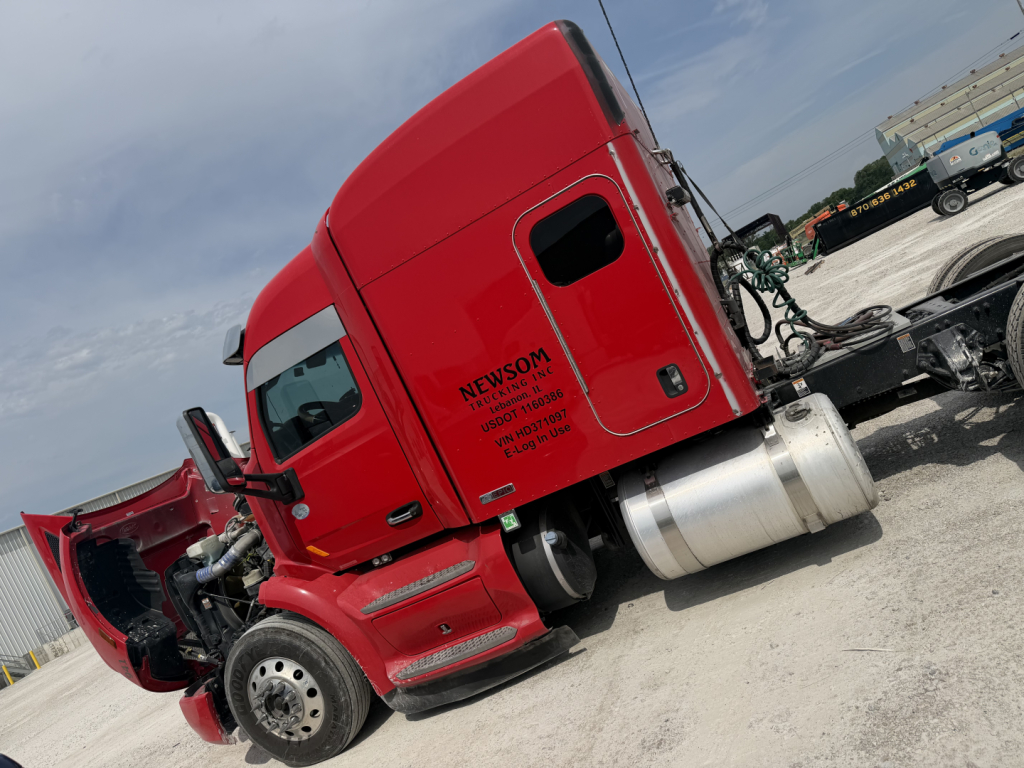
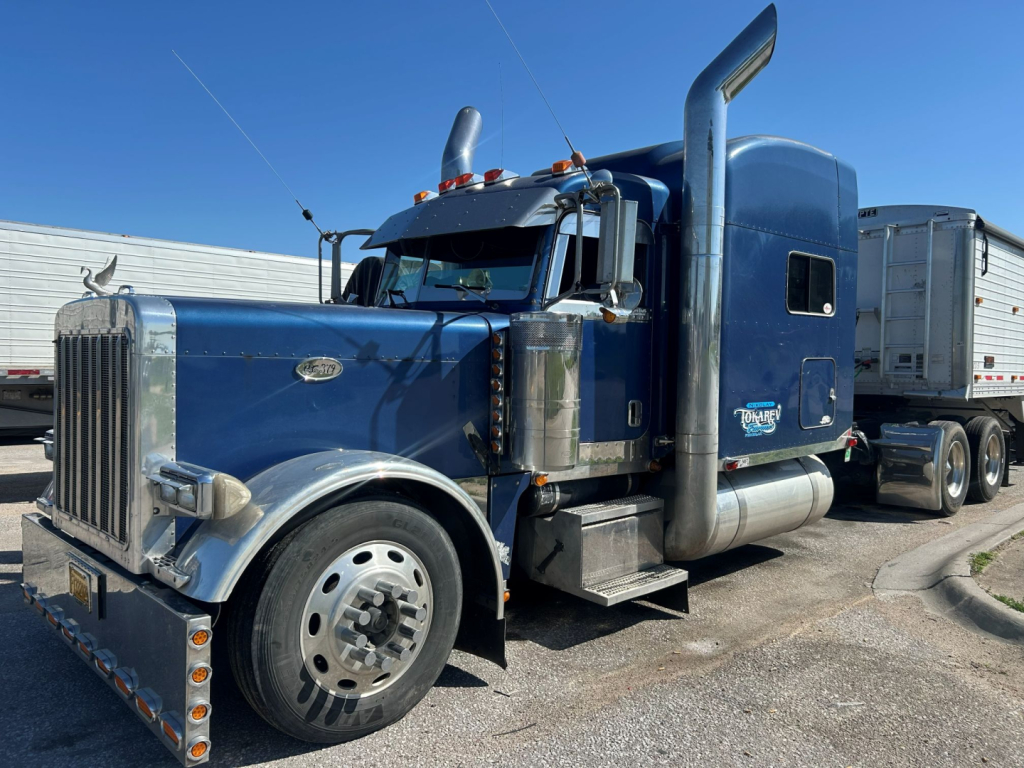
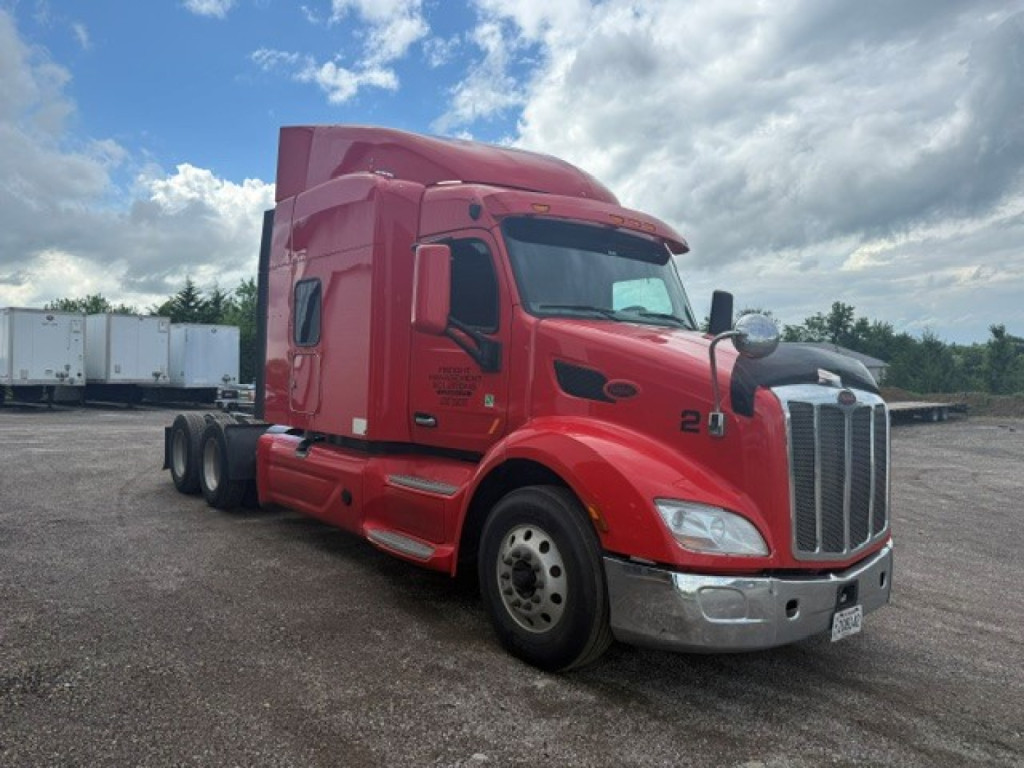
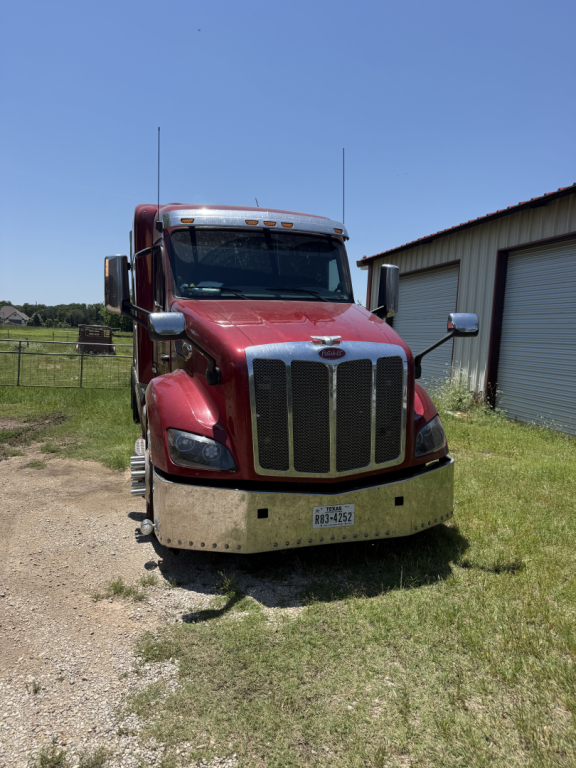
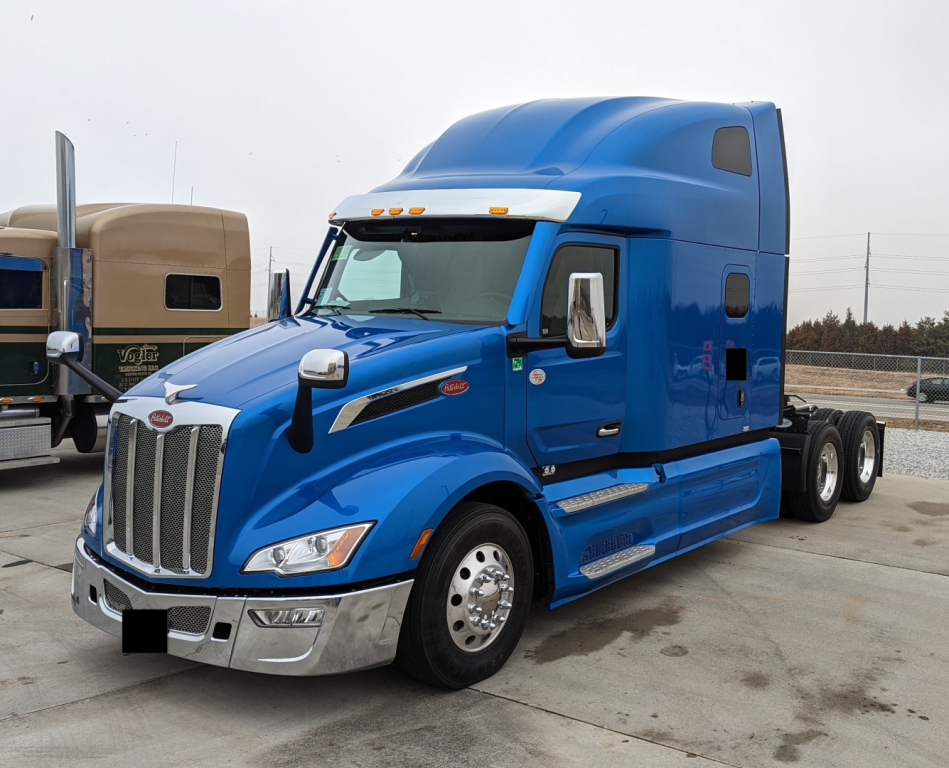
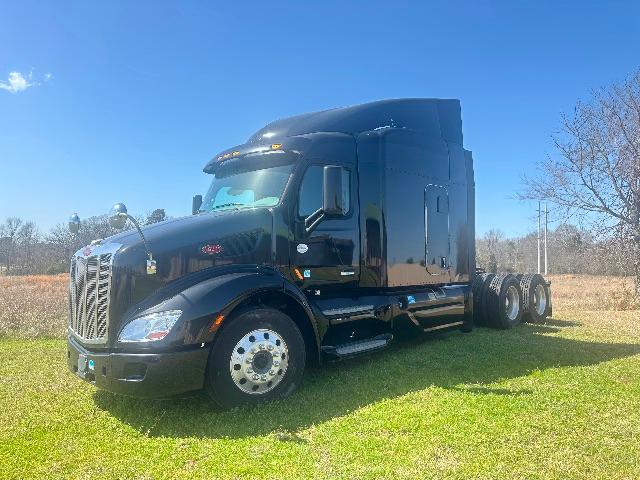
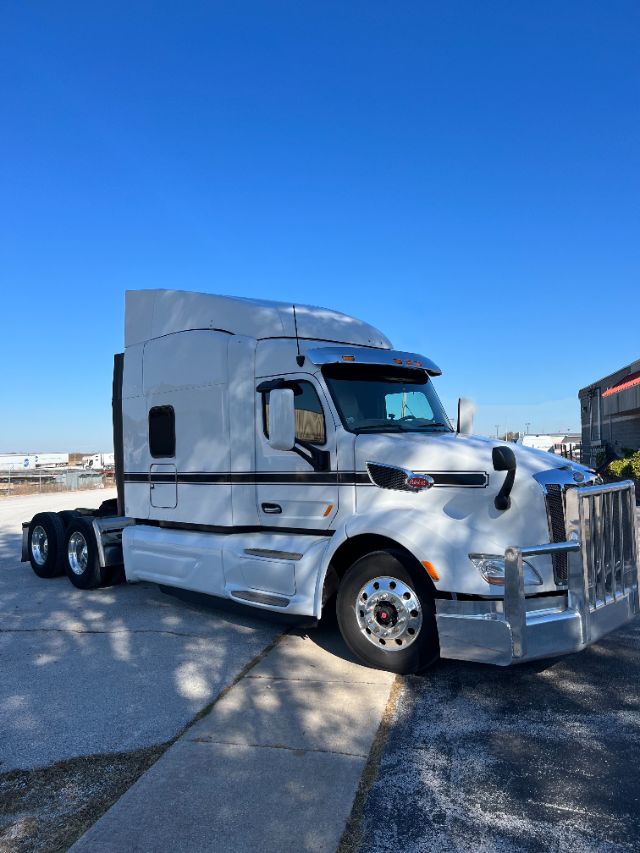

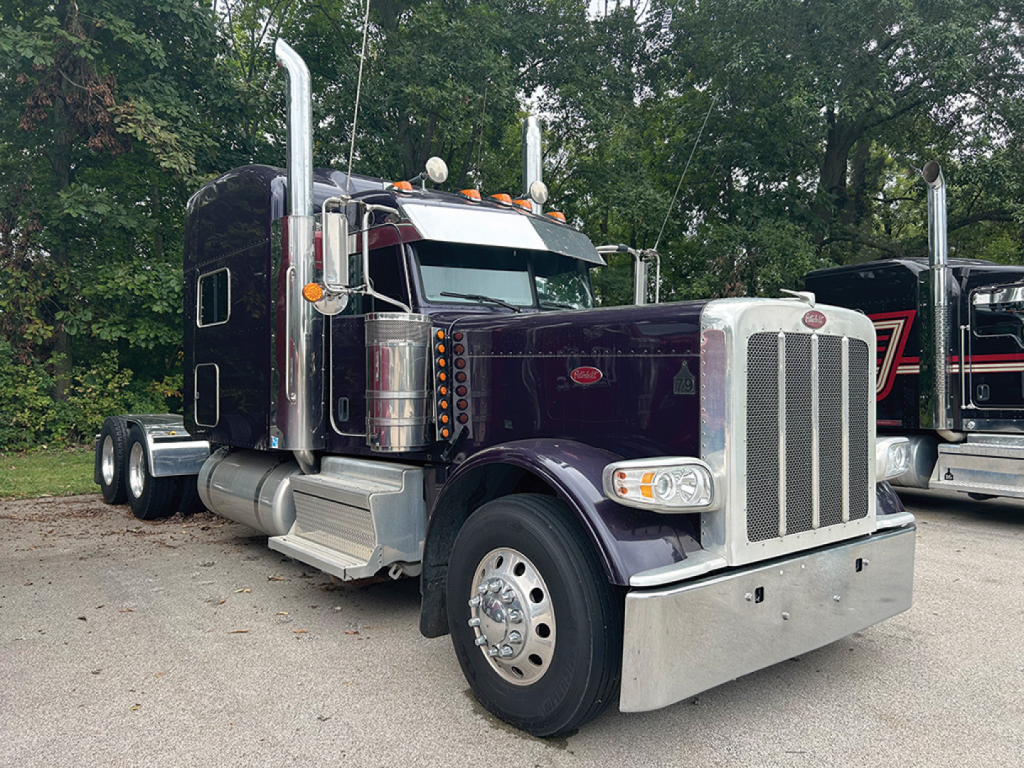
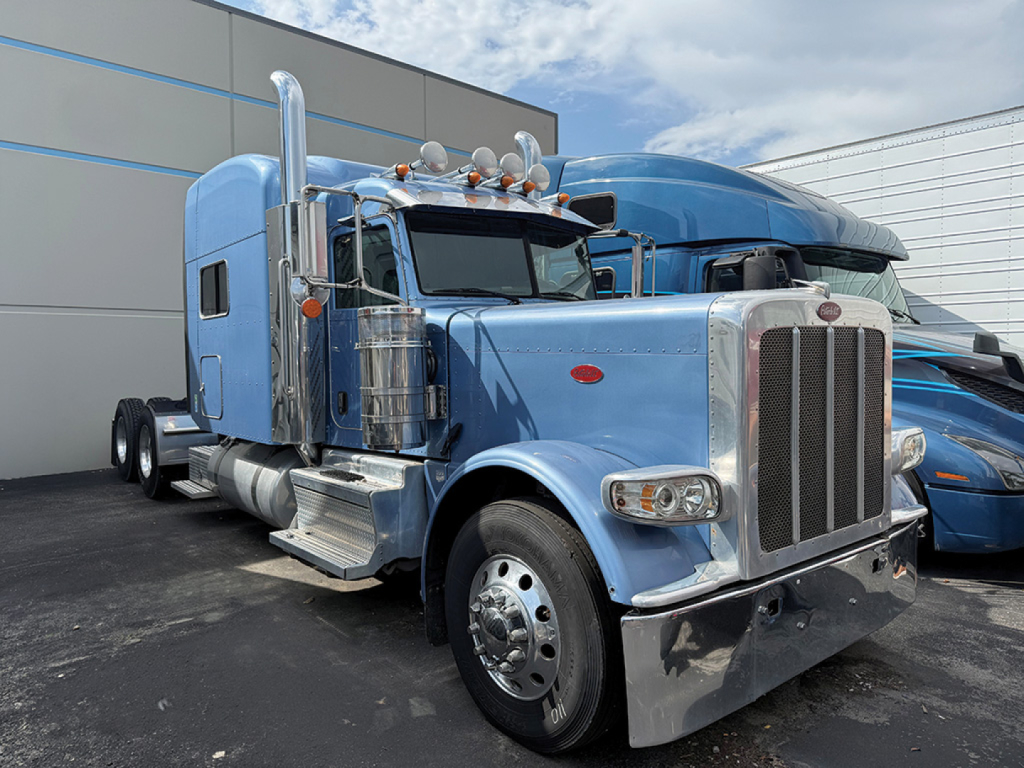
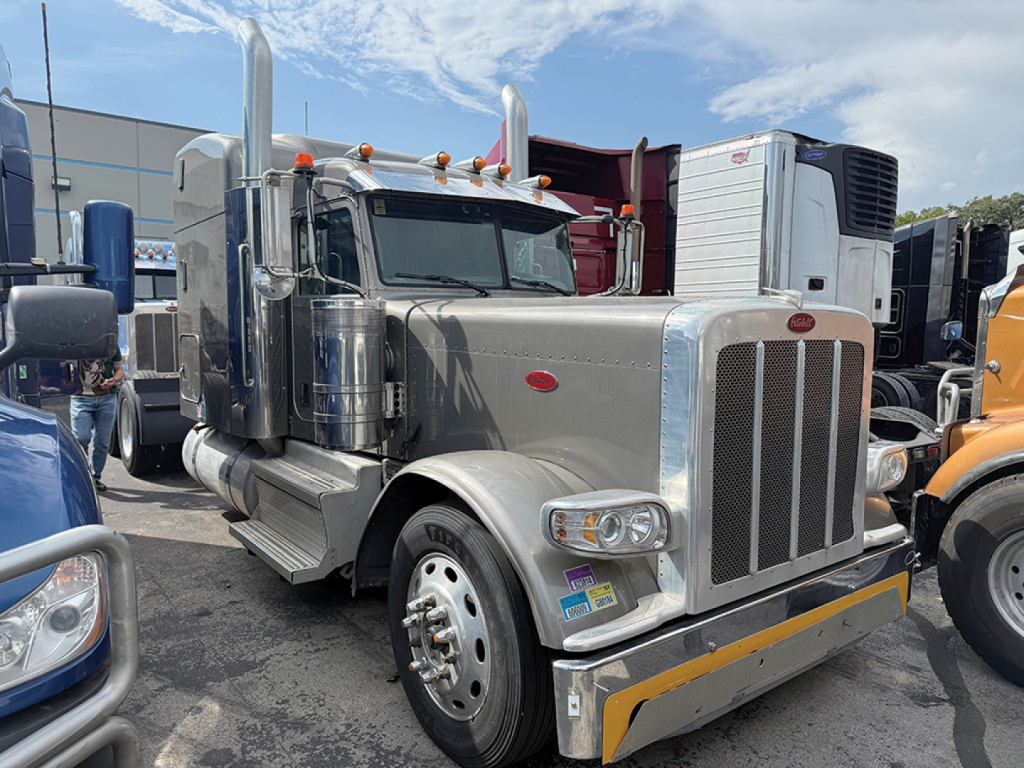
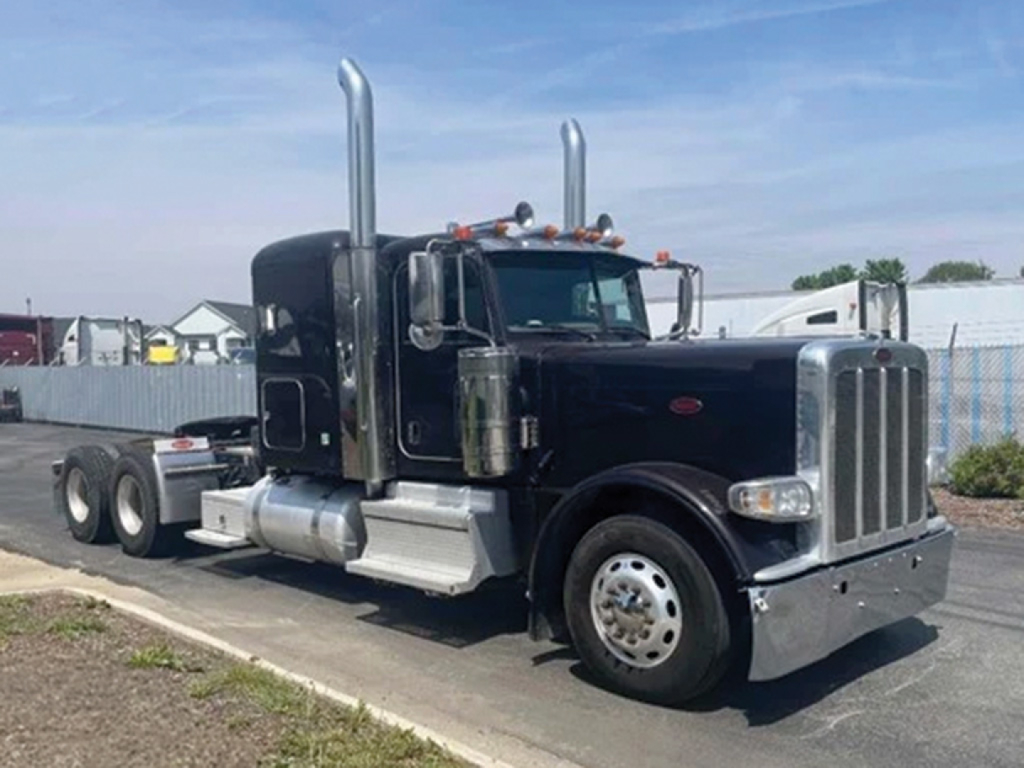
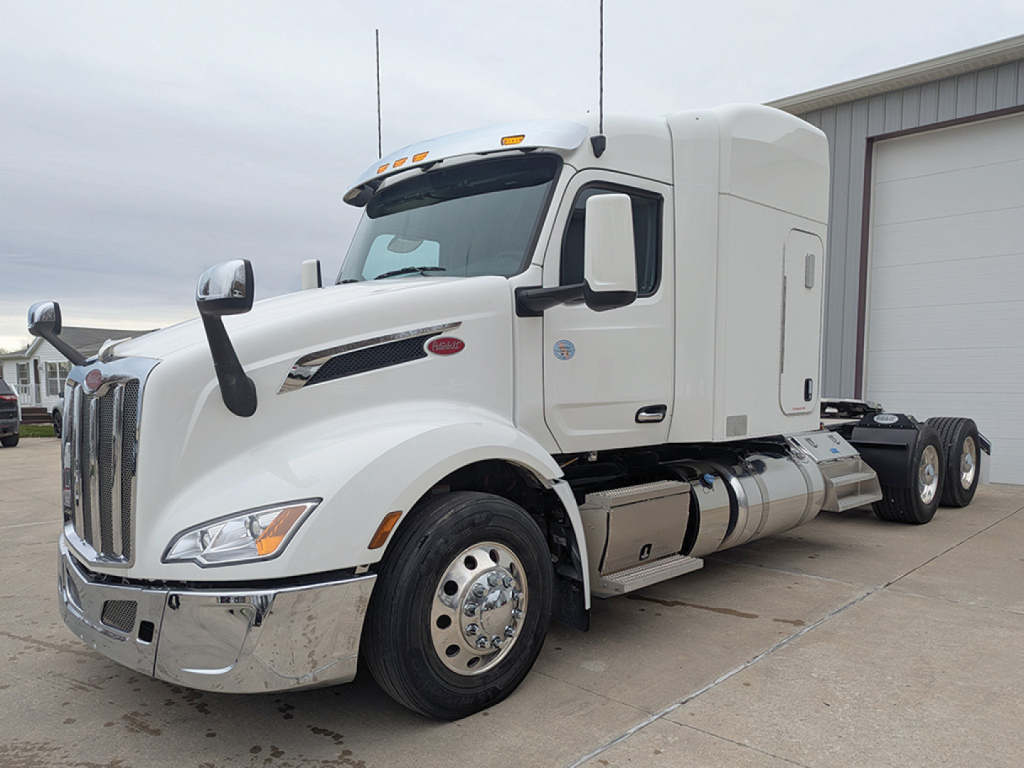
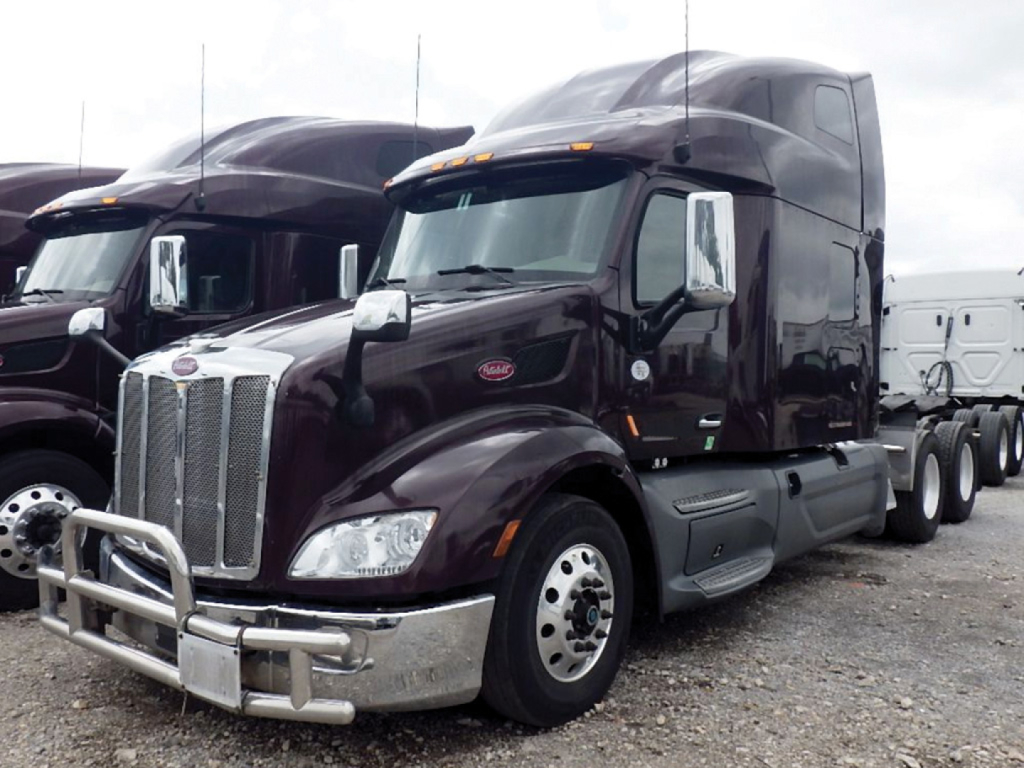
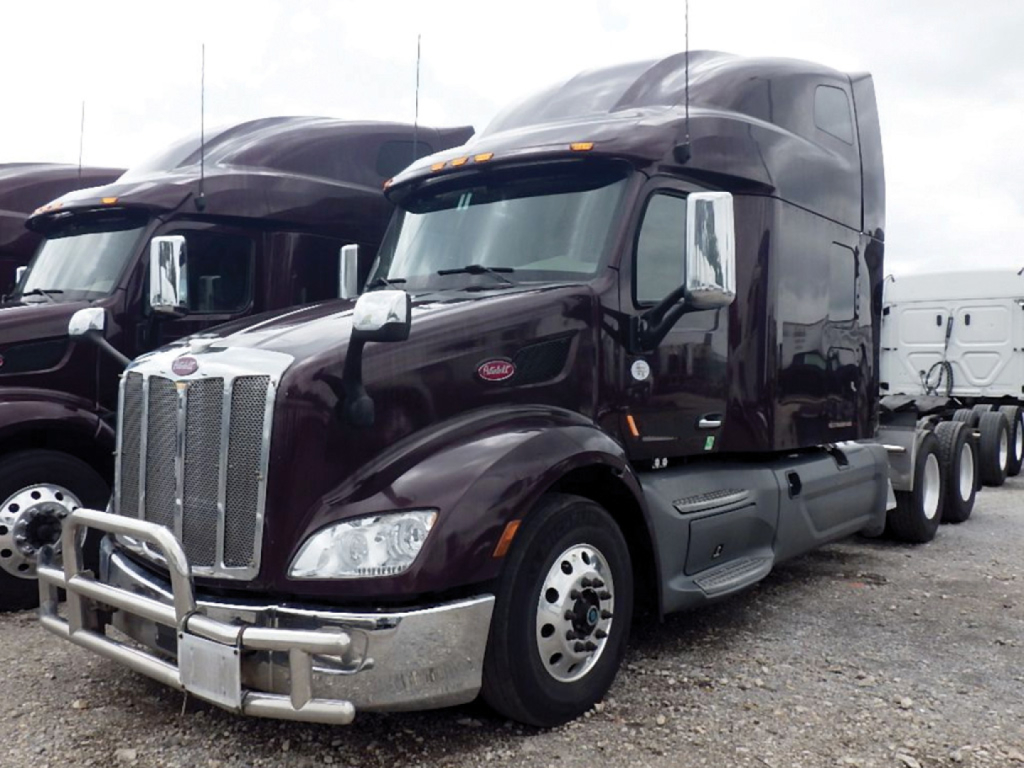
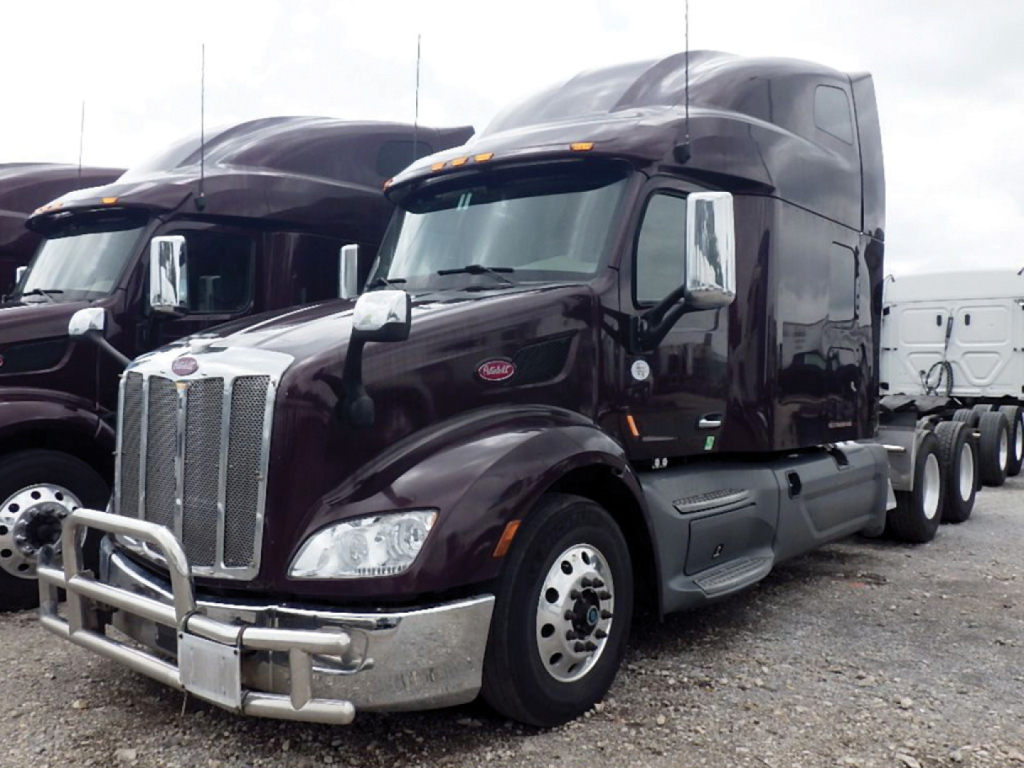
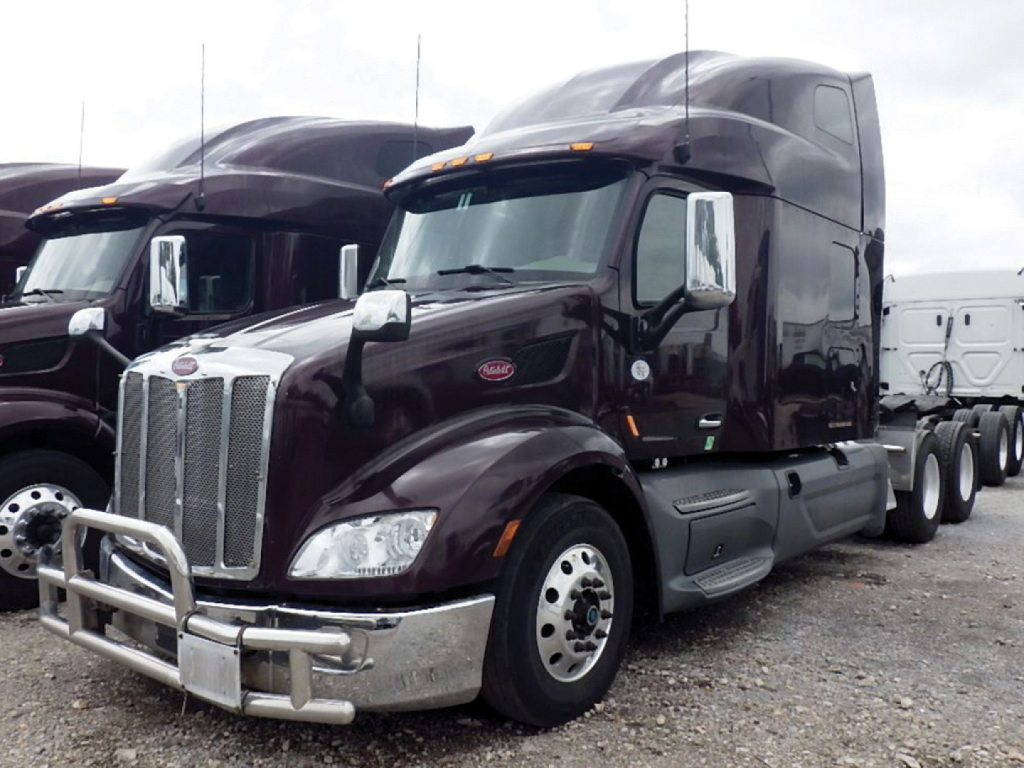
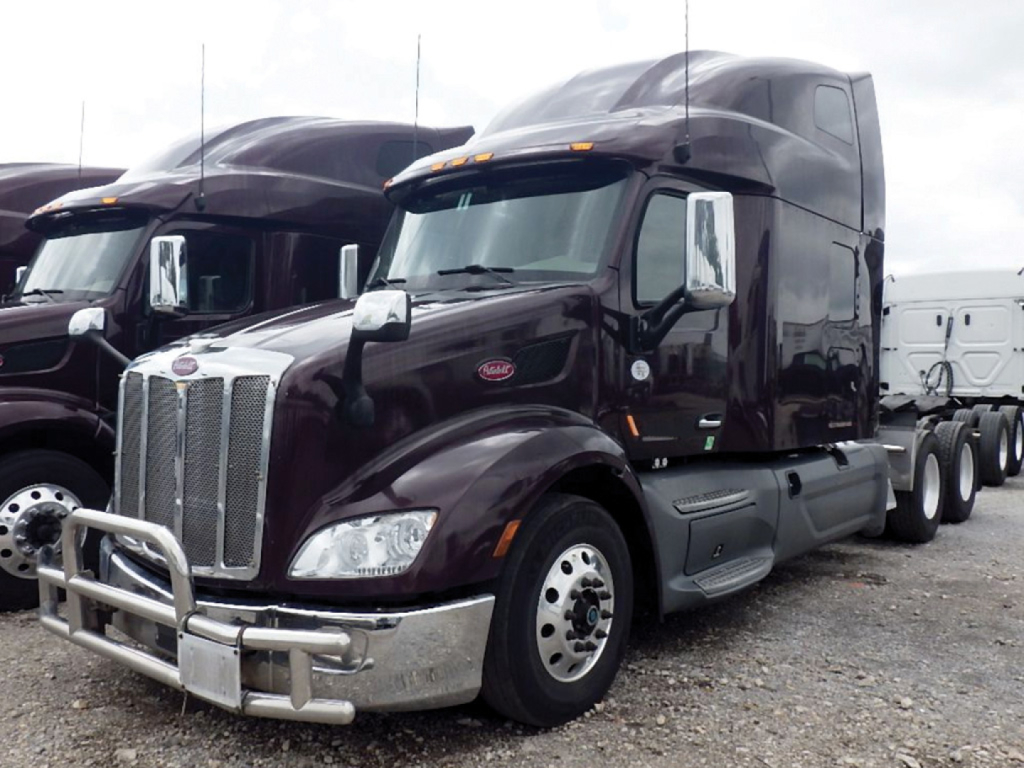
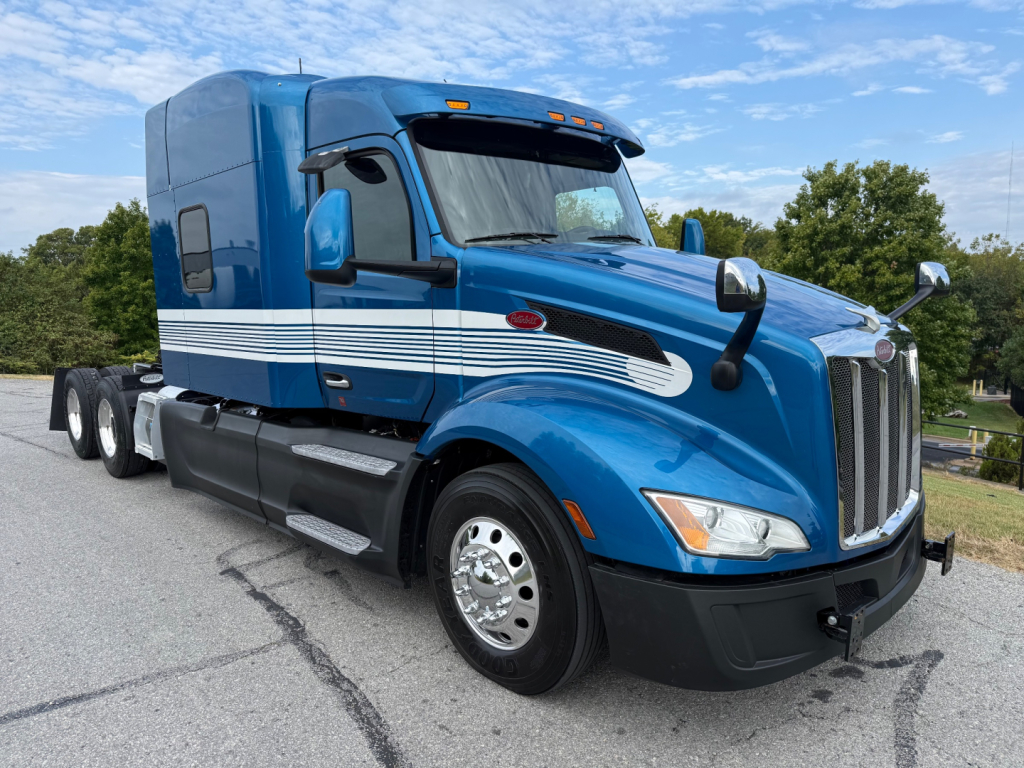
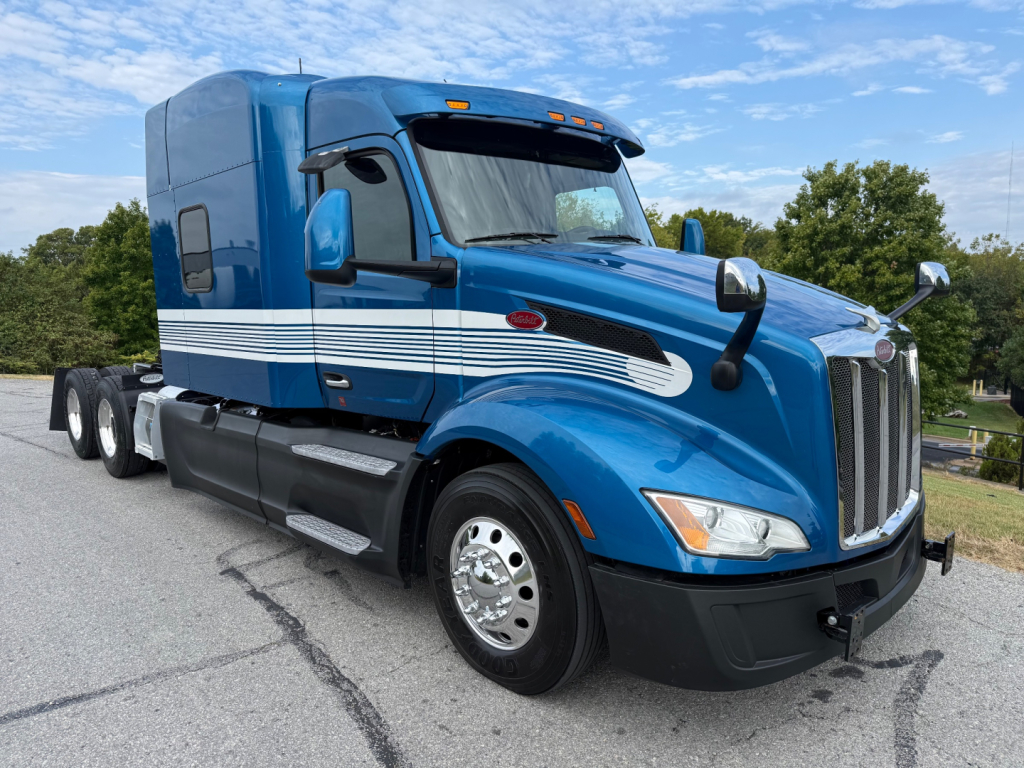
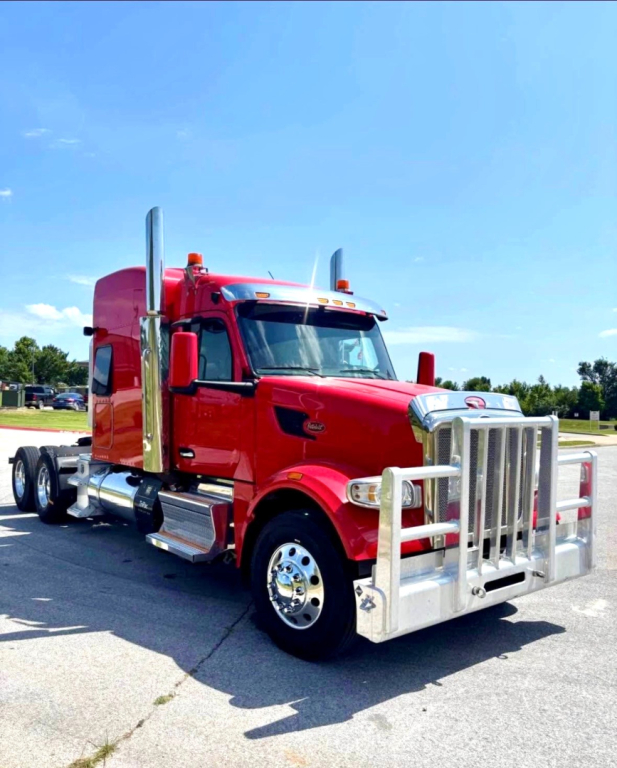
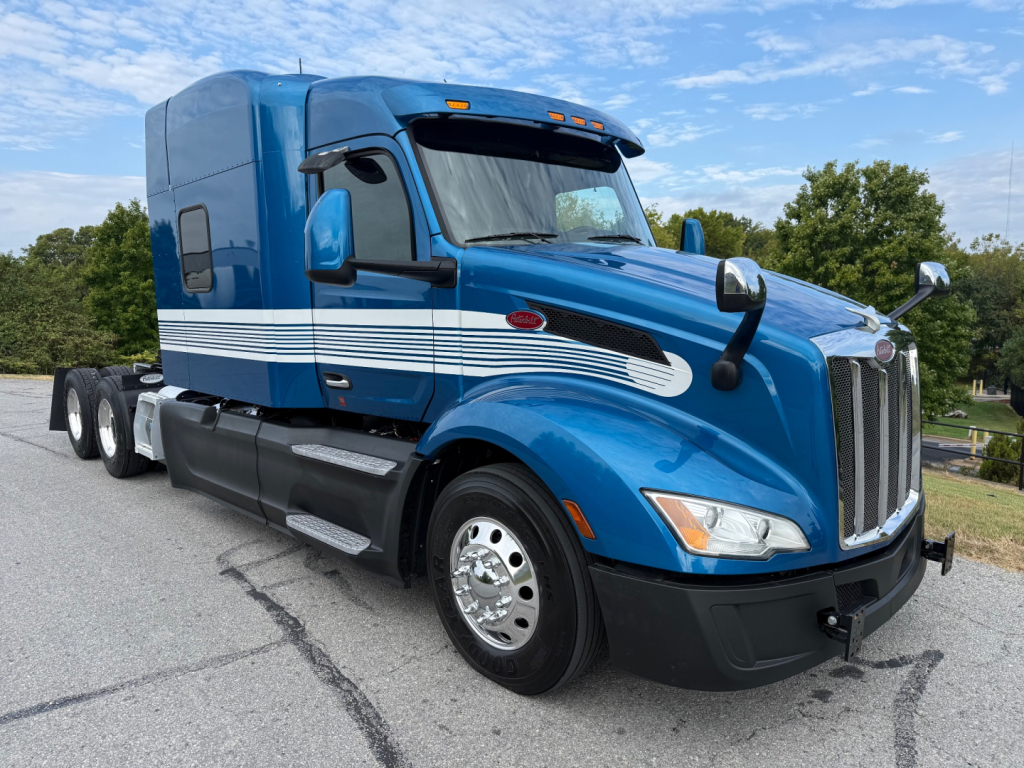
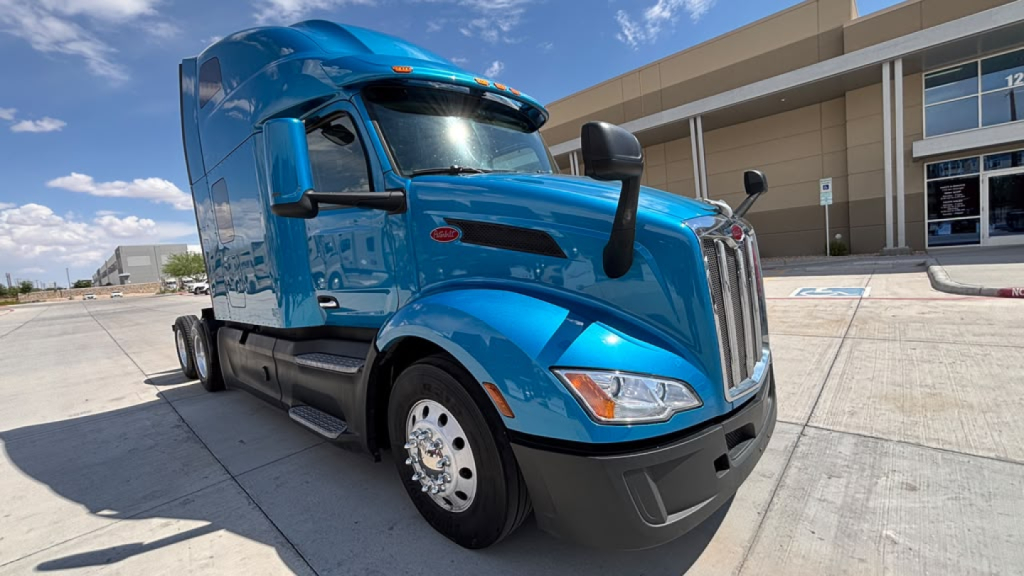
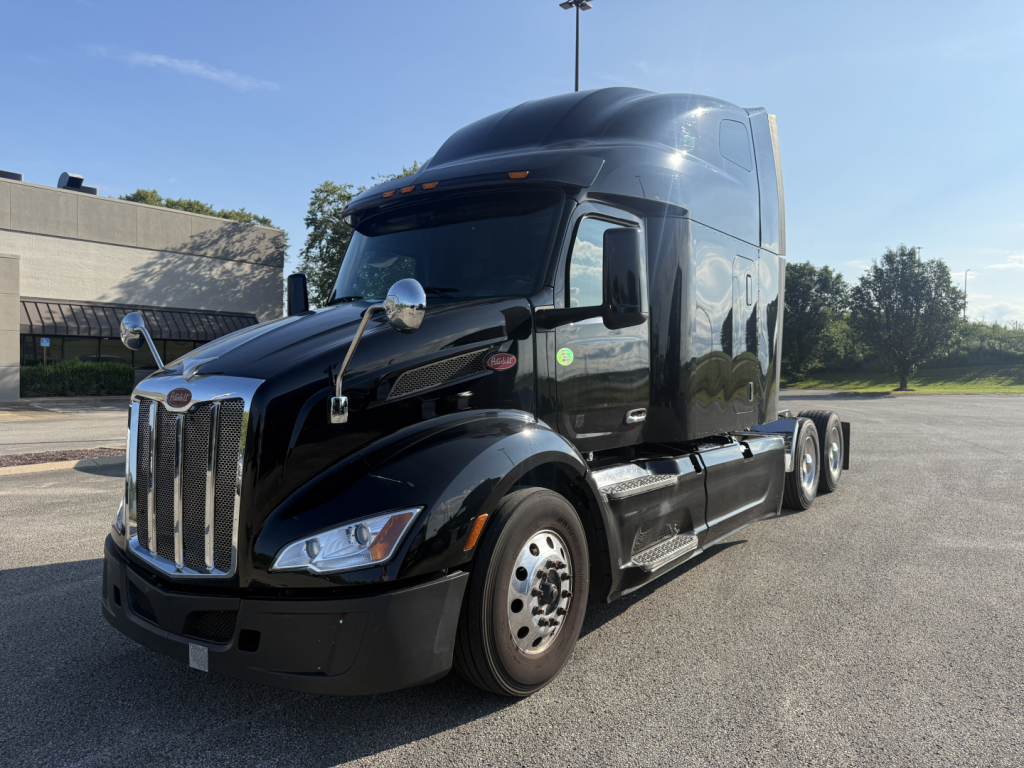
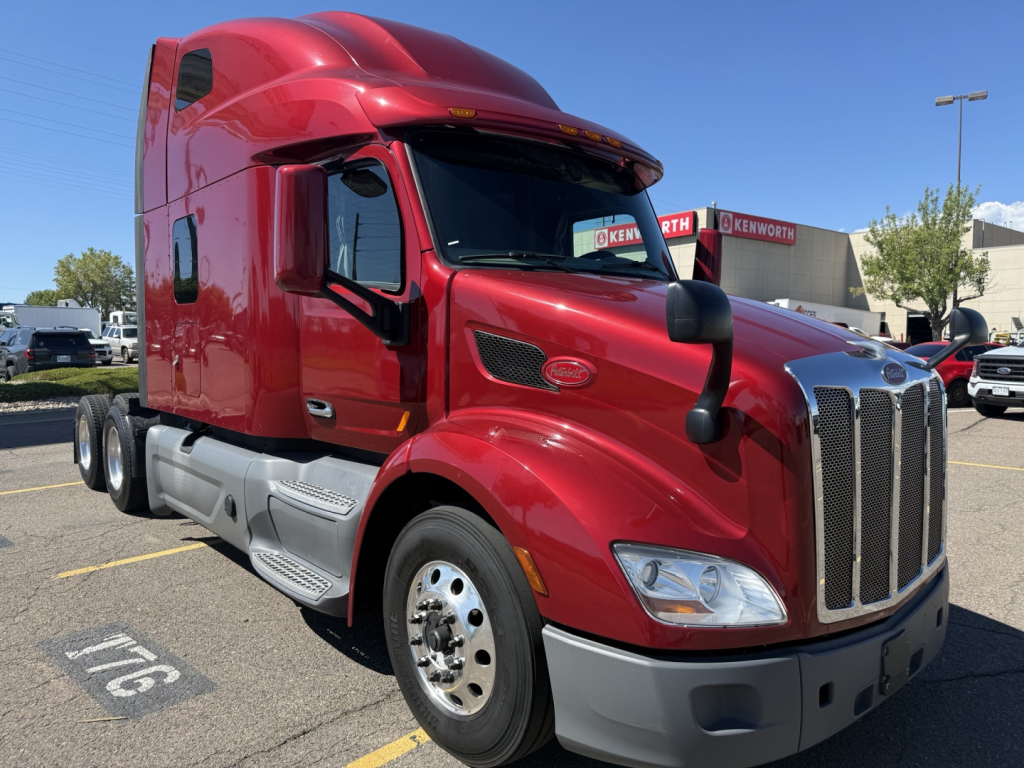
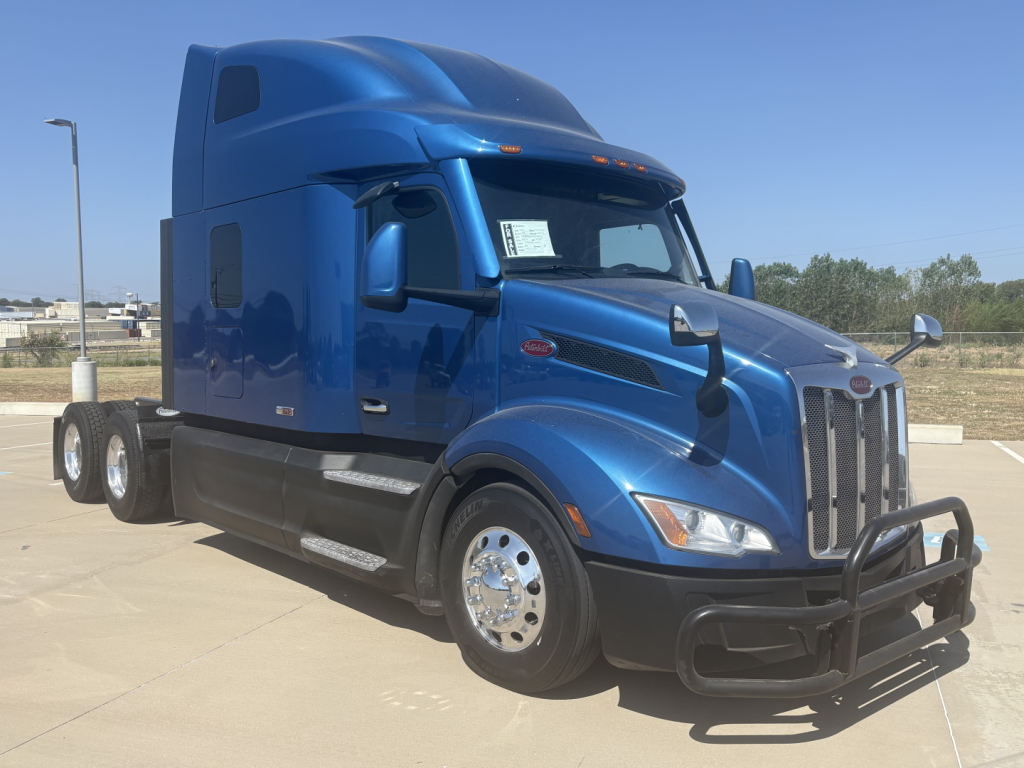
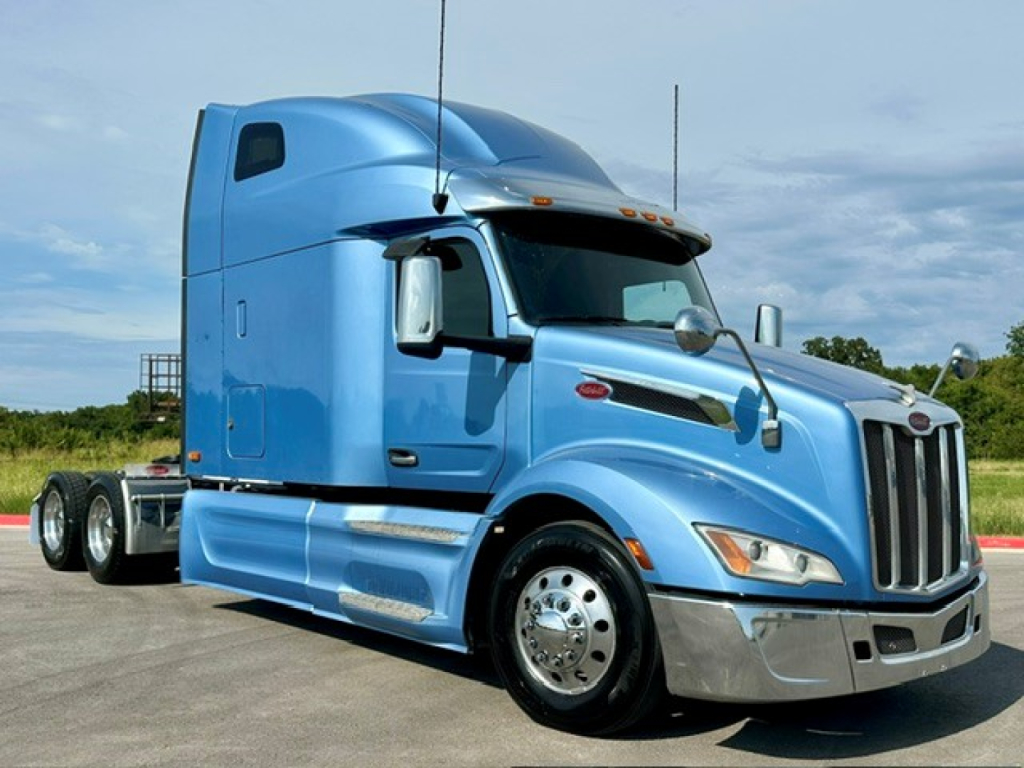
Showing 1 to 28 of 99 results
Have used peterbilt conventional sleeper truck to sell? List it here to reach thousands of buyers.
Used Peterbilt Conventional Sleeper Trucks
The biggest buying decision usually starts with sleeper size and powertrain. Common used Peterbilt sleeper setups range from 48-inch flat-top sleepers to 80-inch high-roof or UltraLoft sleepers with upper bunks, refrigerators, bunk heaters, inverters, shore power, and idle-management systems. On the engine side, late-model trucks often carry the Cummins X15 or PACCAR MX-13 in the 450 to 455 horsepower range. Transmission choice matters just as much. Many newer units are spec'd with Eaton Endurant or similar automated manuals for fuel efficiency and easier driver onboarding, while older trucks may have 13-speed or 18-speed manuals that appeal to buyers who run heavy freight, mountain lanes, or prefer tighter driver control.
Rear axle ratio, wheelbase, and suspension tell you how the truck was intended to work. Ratios such as 2.64 or 2.93 are common in fuel-mileage highway specs, especially when paired with overdrive automated transmissions. A 3.42 ratio points more toward heavier pulling or mixed terrain. Wheelbases in the 230-inch to 260-inch range are typical depending on sleeper length, tank size, and fifth wheel placement. Most used Peterbilt conventional sleepers in this class ride on air suspension with 40,000-pound rears, dual aluminum tanks, aerodynamic fairings, and air-slide fifth wheels. Buyers comparing used units should pay close attention to brake type, tire profile, axle locking spec, and sleeper equipment, because those details affect both resale value and the truck's fit for a specific lane.
For used-truck evaluation, focus on emissions history, service records, and signs of previous duty cycle. A highway-spec Peterbilt that spent its life in linehaul service can present very differently from a sleeper truck that handled heavier regional or vocational assignments. Check engine hours against miles, verify transmission calibration and clutch history on automated units, inspect the fairings and cab extenders for repair work, and confirm that comfort systems such as APUs, EPUs, bunk HVAC, and refrigerator systems still operate properly. Peterbilt conventional sleepers remain popular because they combine a strong brand reputation with driver-friendly interiors and proven highway performance, but the right truck depends on how closely the original spec matches the freight, terrain, and operating speeds you run today.
Frequently Asked Questions about Used Peterbilt Conventional Sleeper Trucks
What is the difference between a Peterbilt 579, 386, and 567 sleeper truck?
The Peterbilt 579 is primarily a modern aerodynamic highway tractor designed for fuel-efficient over-the-road service. The 386 is an older conventional highway model that many buyers still value for its straightforward spec and classic Peterbilt feel. The 567 sleeper is more vocational in origin, but sleeper-equipped UltraCab versions can be used where a buyer wants a heavier-duty platform with sleeper accommodations. The best choice depends on whether fuel economy, simplicity, driver comfort, or heavier-duty application is the priority.
What engine and transmission combinations are common in used Peterbilt conventional sleeper trucks?
Many late-model used Peterbilt sleepers are equipped with Cummins X15 or PACCAR MX-13 engines in the 450-horsepower class. Automated manual transmissions such as the Eaton Endurant are common in newer highway specs because they support fuel economy and reduce driver fatigue. Older used trucks may carry manual 13-speed or 18-speed transmissions, which can be desirable for specialized freight, steep grades, or fleets that prefer greater gear control. Matching the transmission to your route profile is just as important as choosing the engine.
What sleeper size should a buyer look for in a used Peterbilt sleeper tractor?
A 48-inch sleeper is usually enough for regional work, shorter overnights, or operations that prioritize lower weight and a shorter wheelbase. An 80-inch high-roof or UltraLoft sleeper is more common for team operations, long-haul service, or any application where driver comfort and onboard living space matter. Larger sleepers often include an upper bunk, refrigerator, inverter, bunk heater, and idle-reduction equipment, which can improve driver retention and lower hotel and idling costs.
How do axle ratio and wheelbase affect a used Peterbilt sleeper truck’s performance?
Axle ratio directly affects cruising rpm, startability, and fuel economy. A lower numerical ratio such as 2.64 or 2.93 is generally optimized for highway speed and fuel mileage, while a higher numerical ratio such as 3.42 provides stronger pulling power in heavier or hillier service. Wheelbase affects turning radius, trailer gap, ride quality, and room for tanks and sleeper equipment. A buyer should evaluate ratio and wheelbase together based on trailer type, average gross weight, terrain, and target road speed.
What should buyers inspect first on a used Peterbilt conventional sleeper?
Start with maintenance records, emissions system history, engine hours, and any evidence of major drivetrain work. Then inspect the sleeper systems, including HVAC, APU or EPU components, inverter, refrigerator, and bunk accessories, because these items can be expensive to repair and matter directly to uptime and driver comfort. It is also smart to check fairings, cab mounts, fifth wheel travel, suspension wear, brake condition, and tire pattern for clues about alignment, loading practices, and how the truck was previously operated.