
Used 2005 Peterbilt Conventional Sleeper Trucks For Sale
Have used 2005 peterbilt conventional sleeper truck to sell? List it here to reach thousands of buyers.
Used 2005 Peterbilt Conventional Sleeper Trucks
Engine and drivetrain choice usually drives the buying decision. Common 2005 Peterbilt sleeper specs include Caterpillar C13 or C15, Cummins ISX, and Detroit Series 60 power, paired with Eaton Fuller 10-speed, 13-speed, or 18-speed manual transmissions, with some automated manuals and full automatics in certain applications. Rear axle ratings are commonly 38,000 to 46,000 pounds, with ratios like 3.36, 3.55, and 3.70 showing up often depending on the truck's intended lane and gross combination weight. Buyers should match axle ratio, transmission top gear, and tire size to expected cruise speed and load profile, especially if the truck will spend most of its time on open interstate miles.
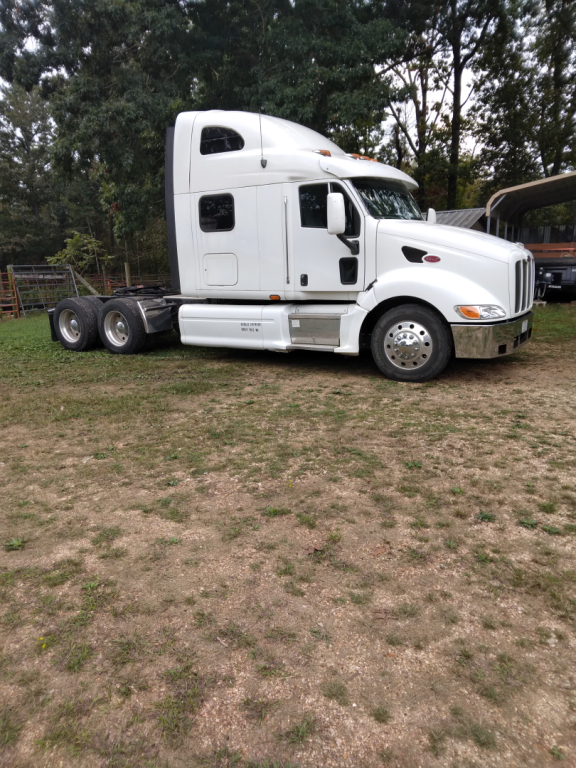
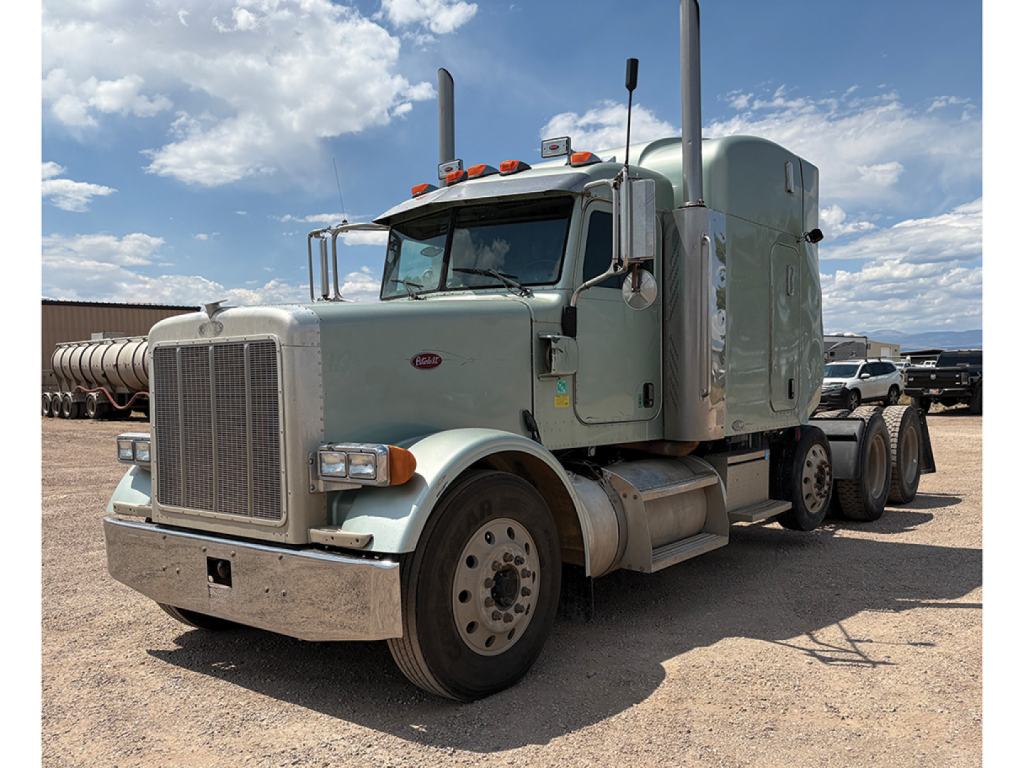
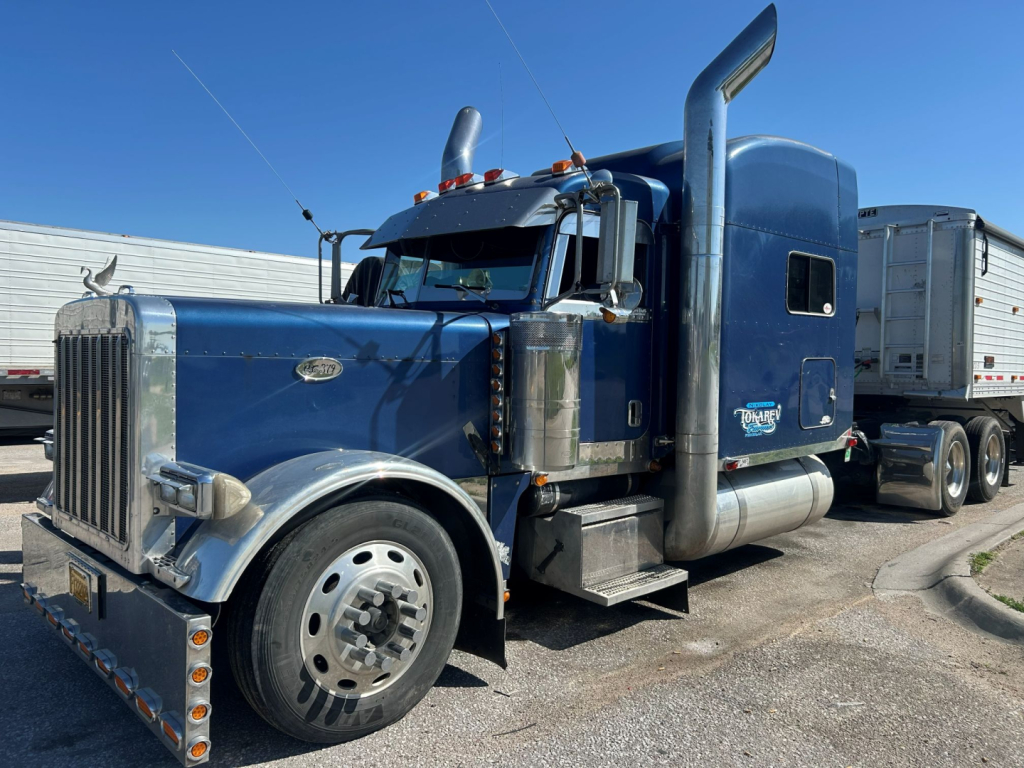
Sleeper configuration is just as important as horsepower. A 2005 Peterbilt conventional sleeper may have a mid-roof or stand-up sleeper, often in the 36-inch to 70-inch range, and some units include larger Unibilt sleeper setups with cabinets, bunk storage, and space for inverter or fridge installation. Wheelbase, fuel capacity, and fairing package all affect practicality. A shorter wheelbase can help with maneuverability and weight distribution, while a longer wheelbase may suit larger sleepers, bigger tanks, headache racks, or specialized trailer spacing requirements. Check fifth wheel travel, frame condition, suspension type, and kingpin setting compatibility if the truck will be switching between trailer types.
Condition matters more than mileage on a 2005 truck. Service records, engine rebuild history, clutch and transmission work, suspension wear, and evidence of proper cooling-system maintenance are often more important than the odometer alone. Buyers should inspect for frame corrosion, cab and sleeper mount wear, air leaks, steer axle component play, differential noise, and signs of prior modifications. On a used 2005 Peterbilt conventional sleeper, a clean driveline spec, documented maintenance, and a sleeper layout that matches the job usually separate a dependable revenue truck from a project.
Frequently Asked Questions about Used 2005 Peterbilt Conventional Sleeper Trucks
What are the most common 2005 Peterbilt conventional sleeper models?
The most common 2005 Peterbilt conventional sleeper models include the 379, 385, 386, and 387. The 379 is the classic long-hood owner-operator platform, while the 387 is more aerodynamic and often spec'd for fuel-conscious highway service. The 385 and 386 fall between those two layouts depending on vocation, hood style, and sleeper configuration. Exact equipment varies widely because many Peterbilts were custom-ordered with different engines, wheelbases, axle ratios, and sleepers.
What engines are commonly found in a 2005 Peterbilt sleeper truck?
Typical engine options in a 2005 Peterbilt conventional sleeper include the Caterpillar C13, Caterpillar C15, Cummins ISX, and Detroit Series 60. The best choice depends on your service area, mechanic support, parts preference, and target application. Buyers should verify horsepower rating, torque setting, ECM history, rebuild documentation, and cooling-system condition instead of relying only on engine make.
Is a 2005 Peterbilt conventional sleeper good for over-the-road use?
Yes, many 2005 Peterbilt sleeper trucks were built specifically for over-the-road freight and can still be strong road tractors when properly maintained. The right truck for OTR work usually has the correct sleeper size, fuel capacity, rear axle ratio, and transmission for sustained highway speeds. Ride quality, cab insulation, bunk layout, and maintenance history also matter because these trucks are often evaluated not just as tractors, but as working living space.
What should I inspect first on a used 2005 Peterbilt sleeper?
Start with the engine records, transmission condition, clutch life, rear axle health, and frame condition. Then inspect the suspension, steering components, brake system, air system leaks, and signs of corrosion around crossmembers, cab mounts, and sleeper mounts. It is also smart to check the fifth wheel operation, tire wear pattern, electrical accessories in the sleeper, and any evidence of past engine or emissions-related modifications.
Are 2005 Peterbilt sleeper trucks available with different sleeper sizes?
Yes, 2005 Peterbilt conventional sleepers were offered in several sleeper lengths and roof heights, including compact sleepers for regional work and larger stand-up sleepers for long-haul use. The sleeper size affects wheelbase, fuel tank capacity, storage space, and overall truck weight. Buyers should choose sleeper dimensions based on dispatch pattern, time away from home, and the need for cabinets, bunk heater systems, refrigerator space, or additional interior room.