
New Mack Conventional Sleeper Trucks For Sale
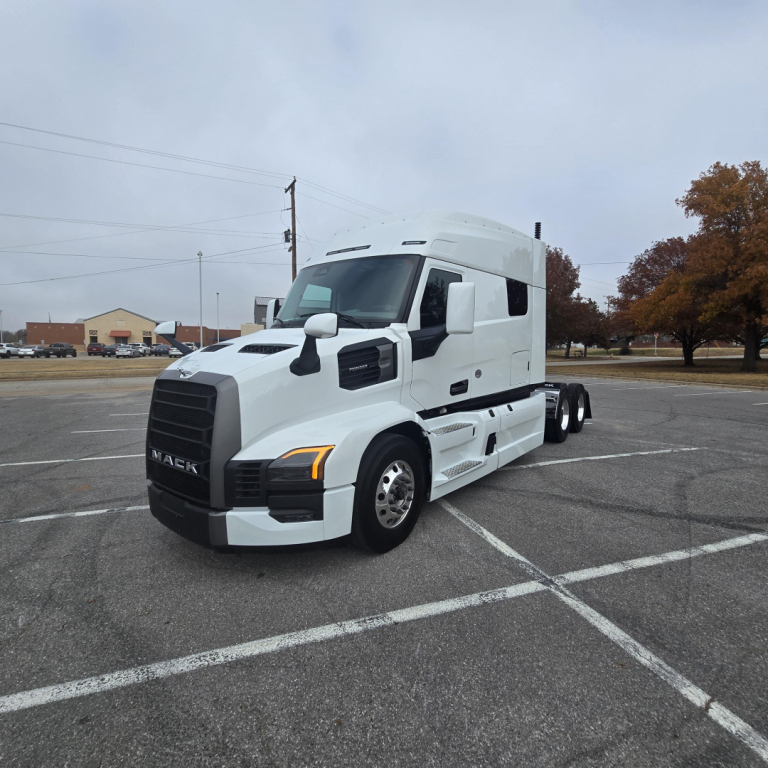
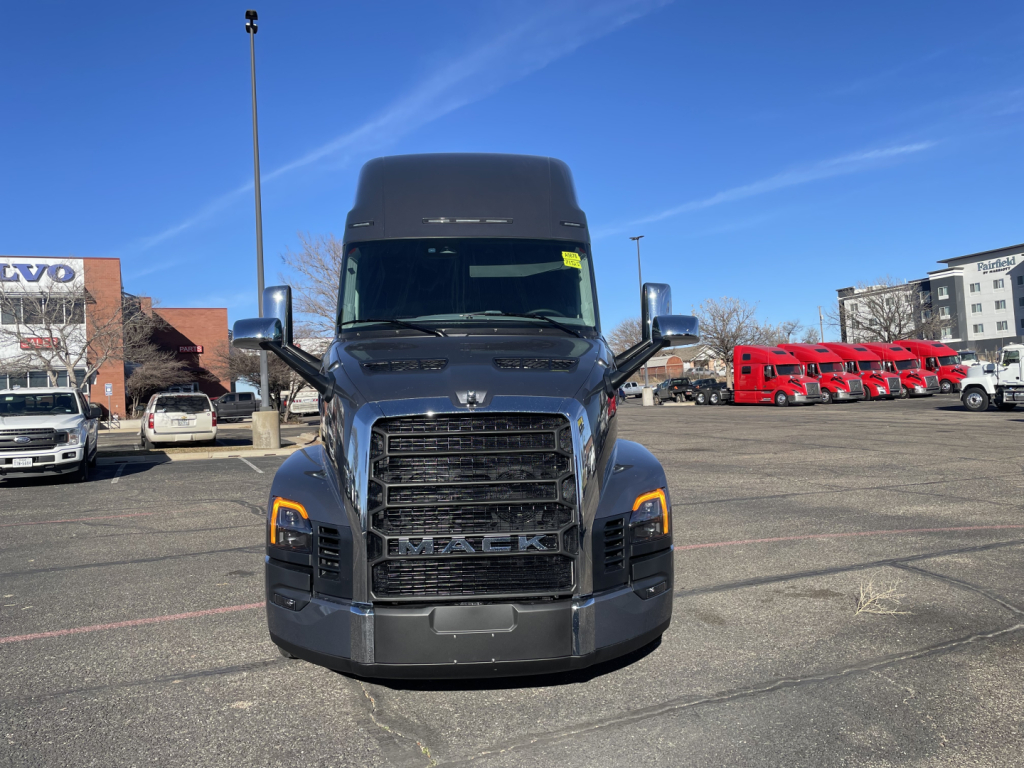
Shop new Mack conventional sleeper trucks with MP13 power, Mack mDRIVE transmissions, aero cabs, and long-haul sleeper options.
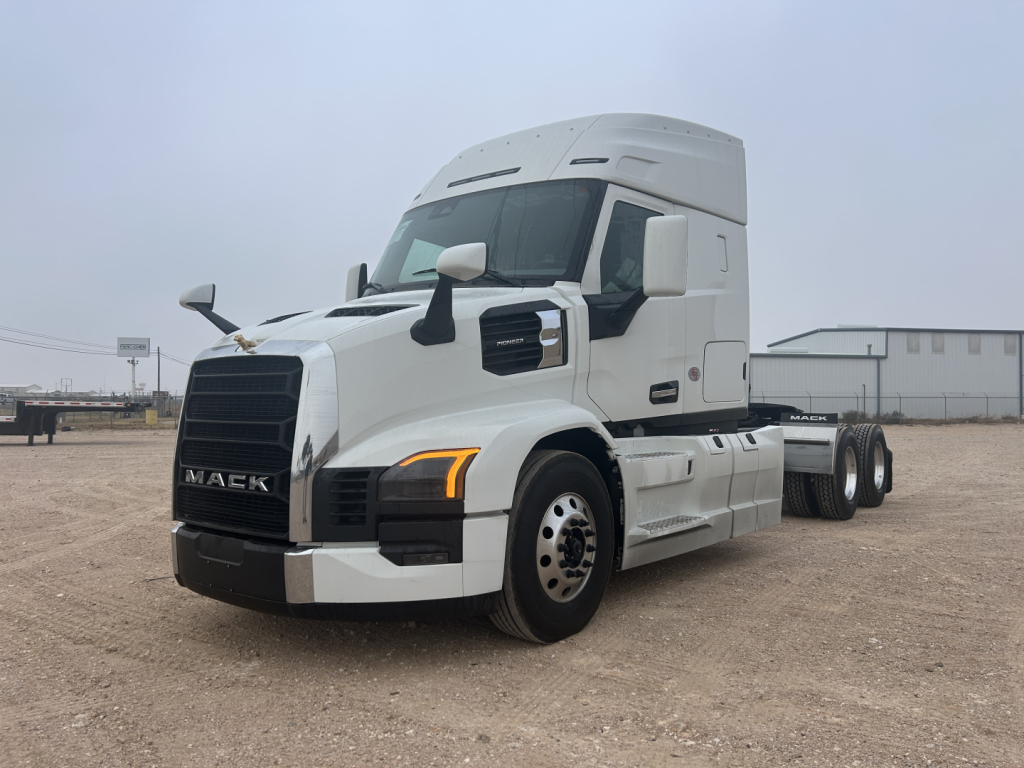
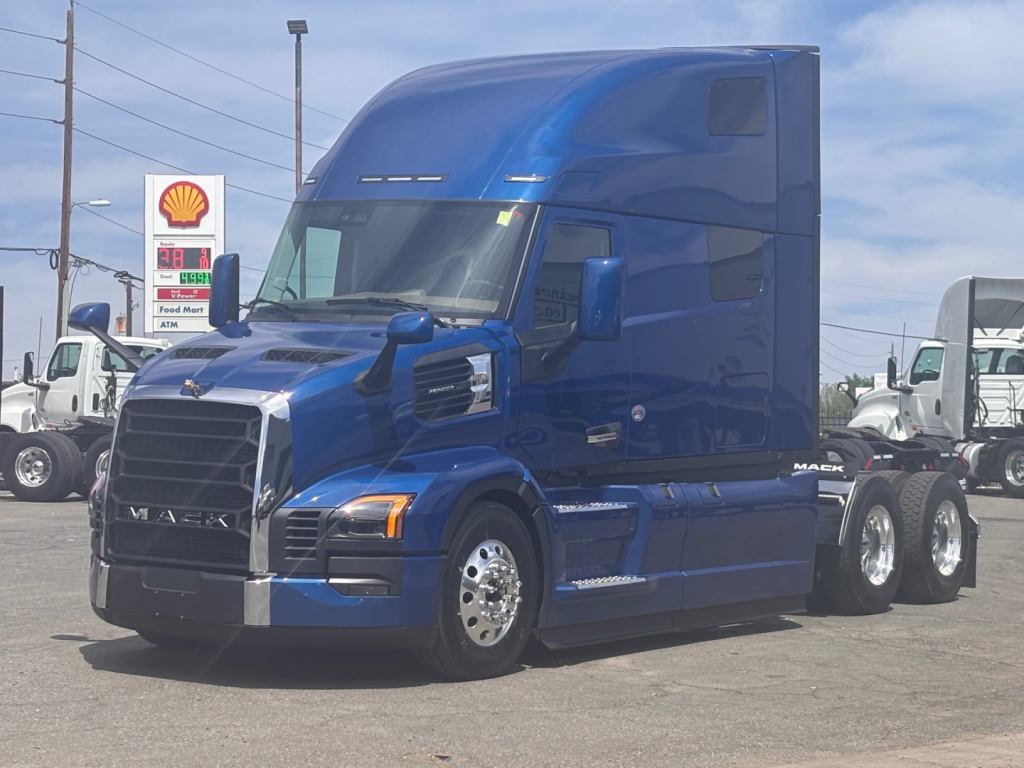
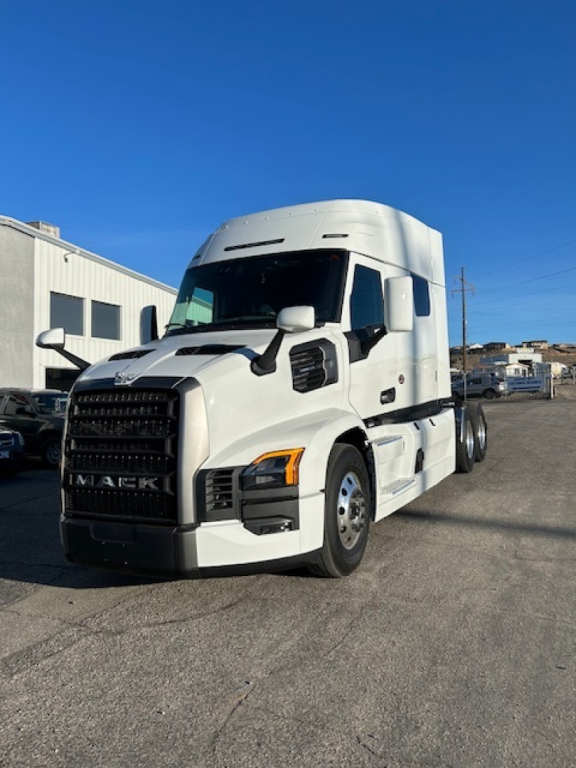
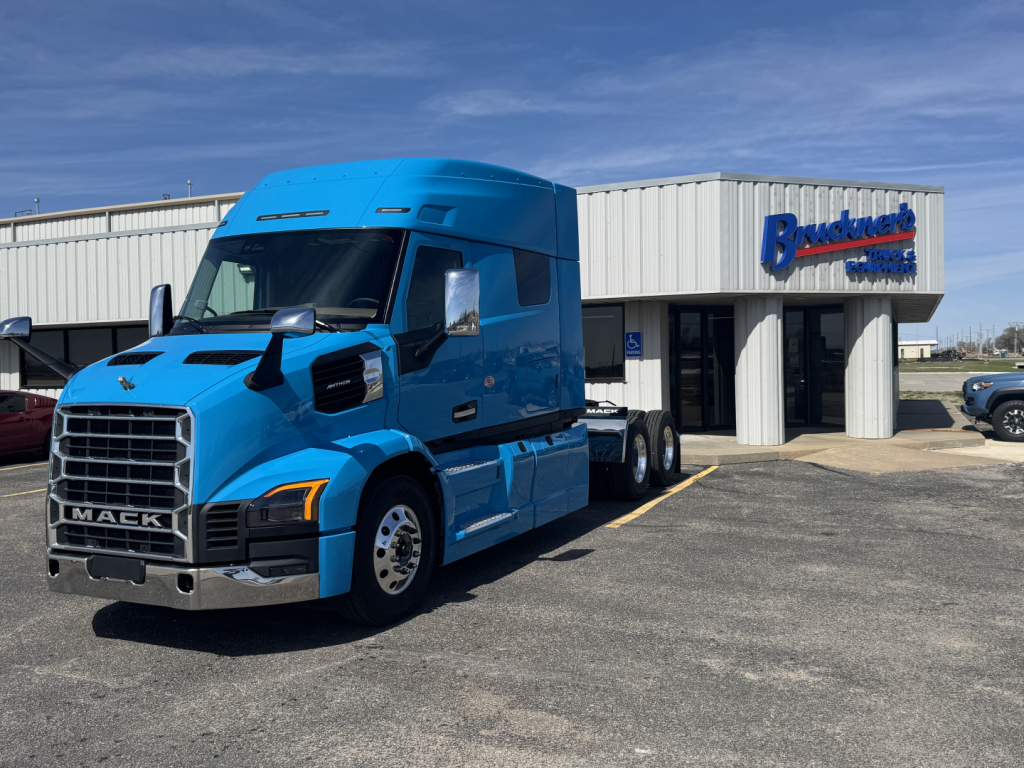
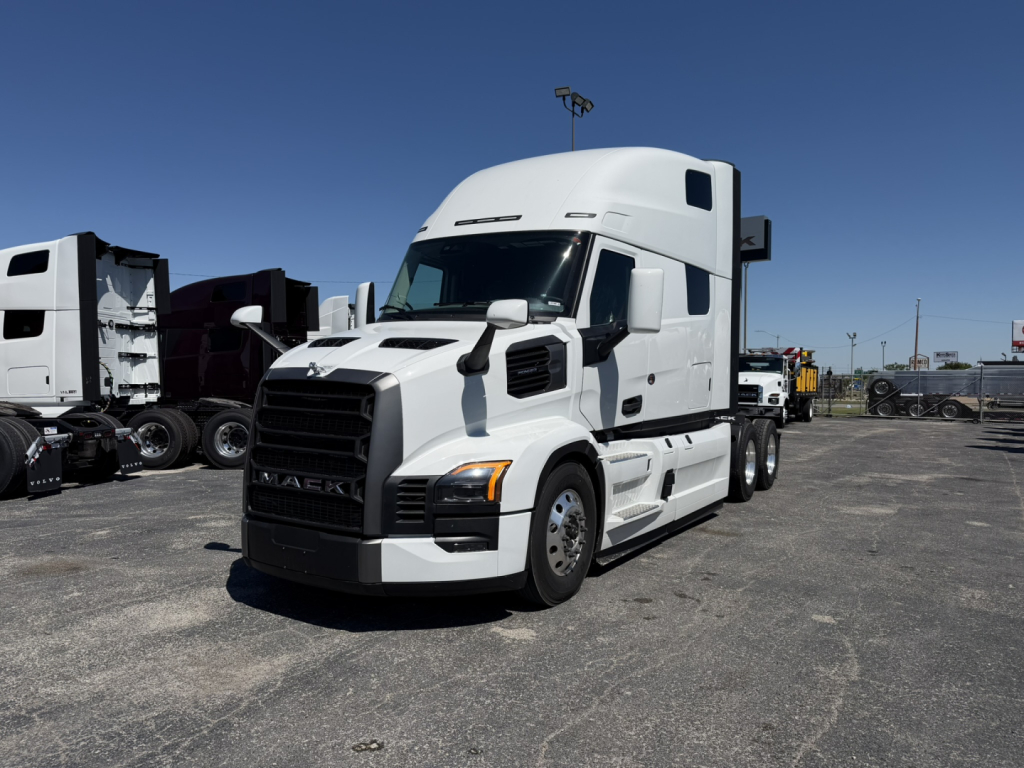
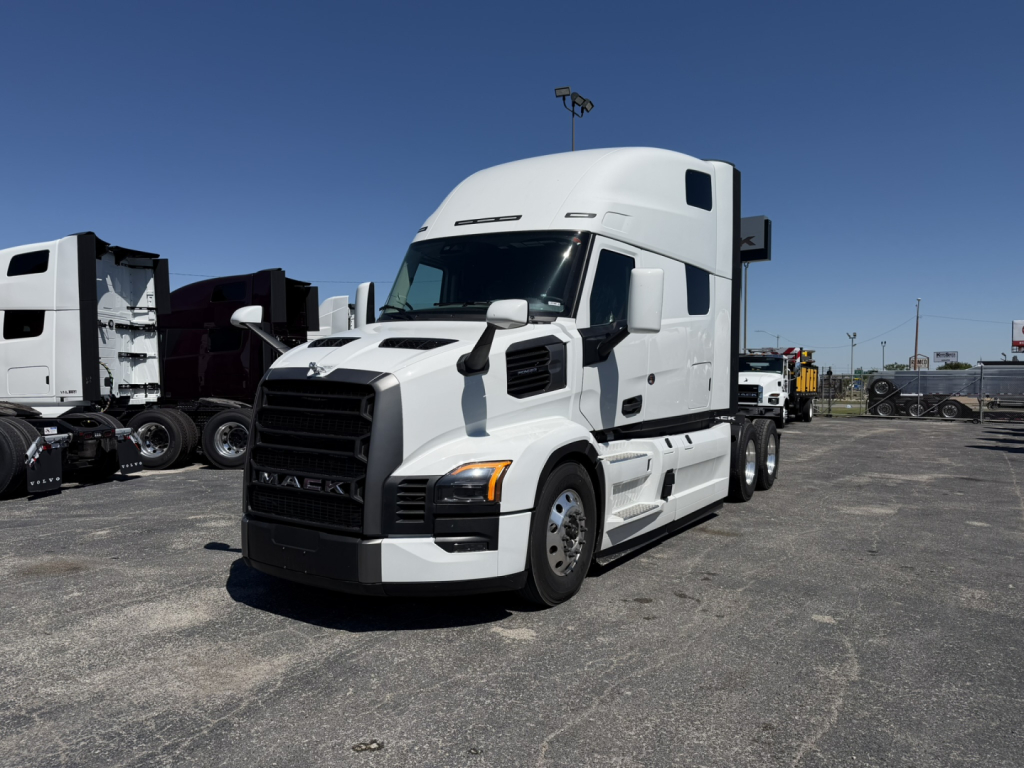
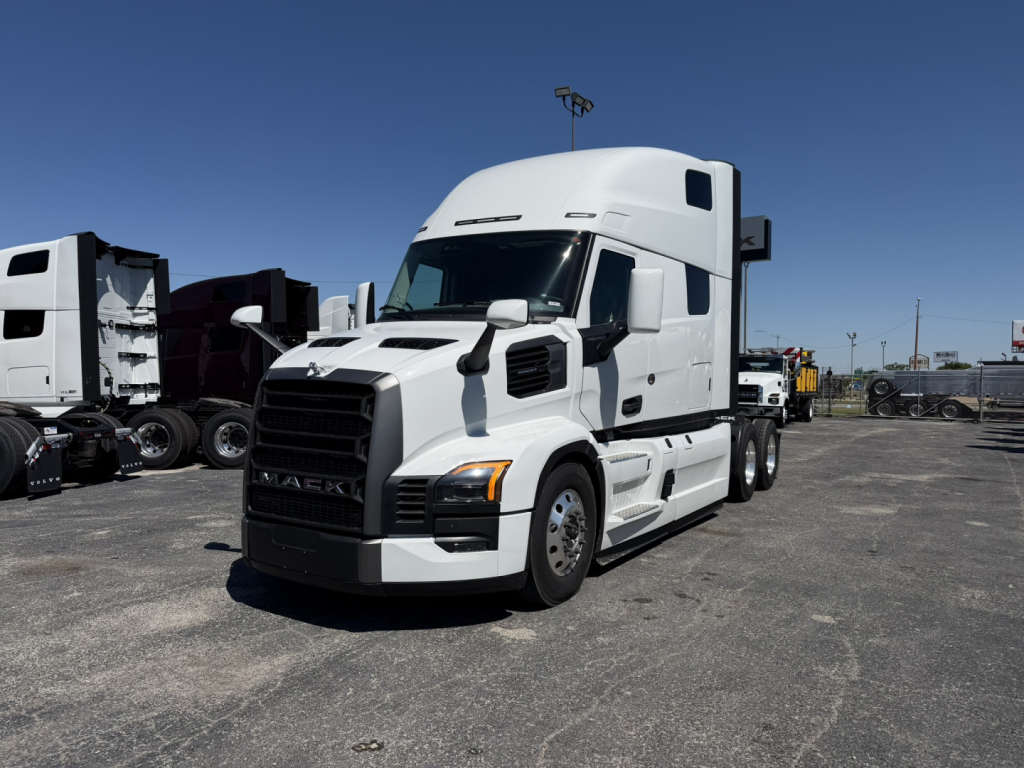
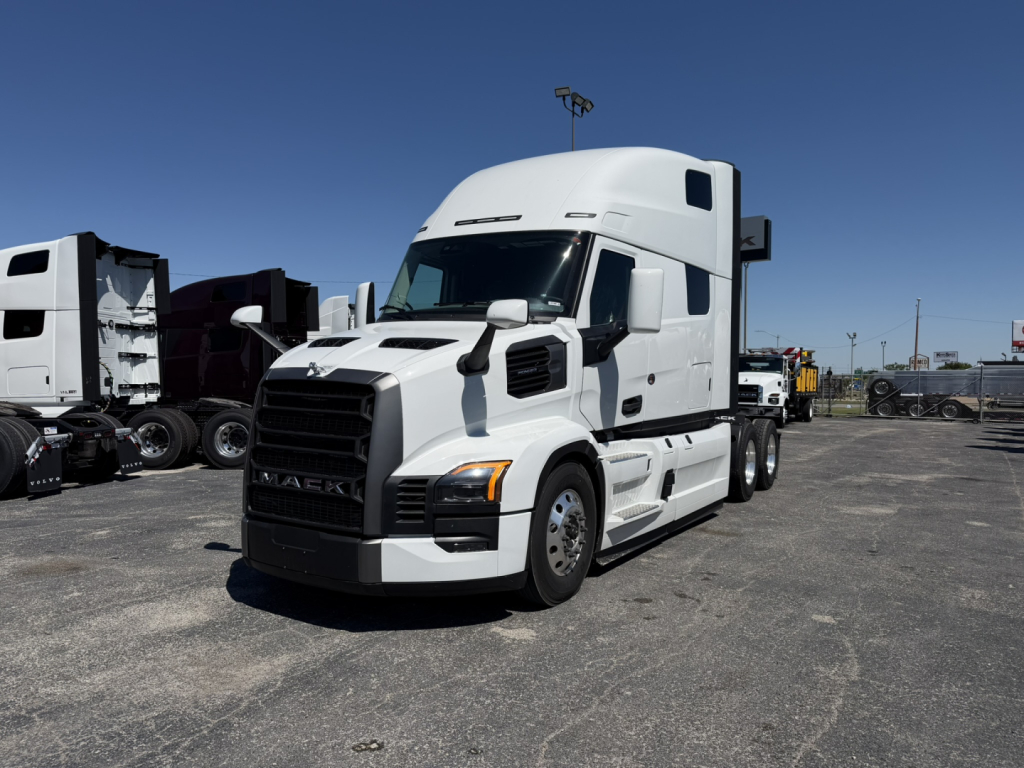
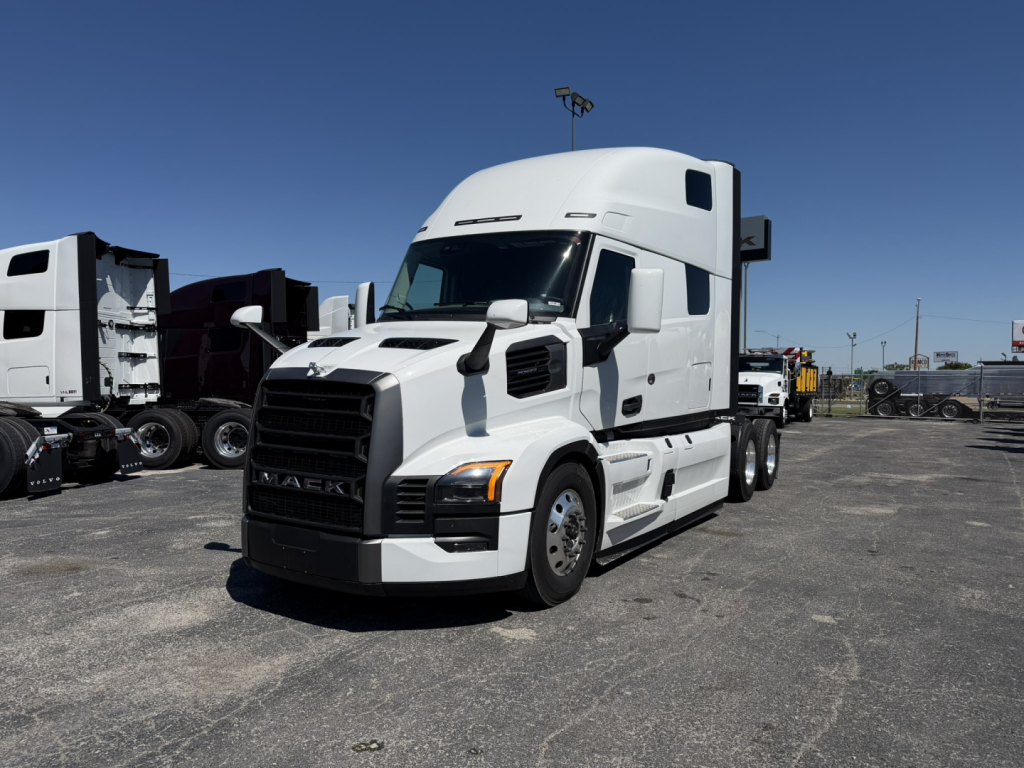
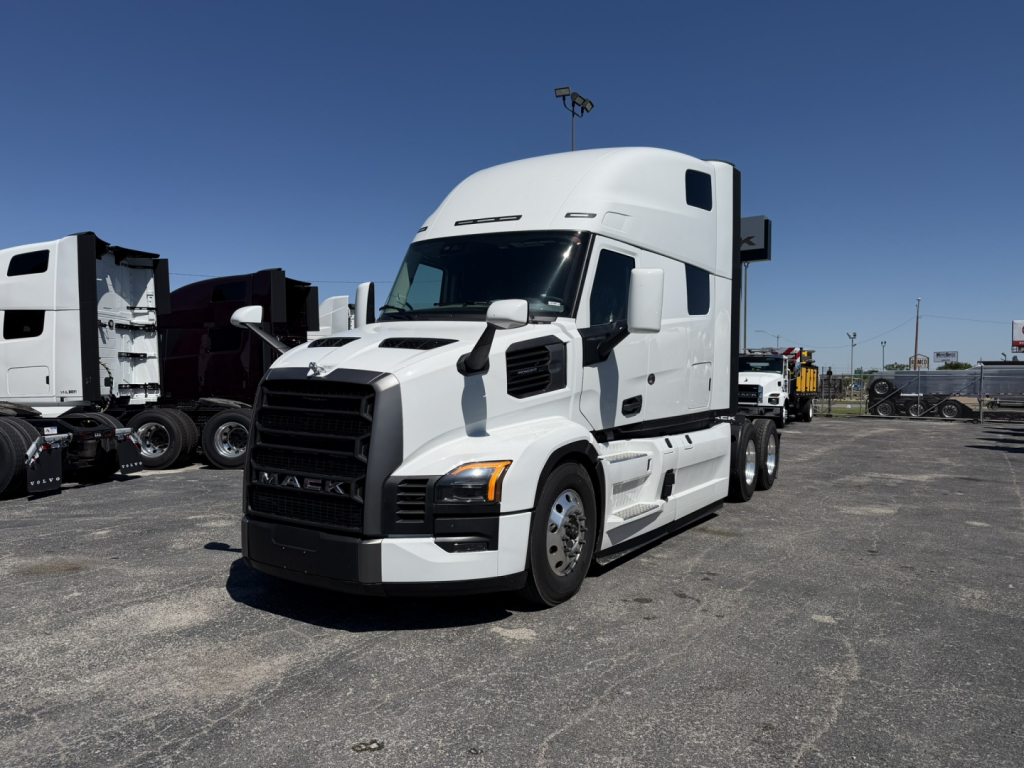
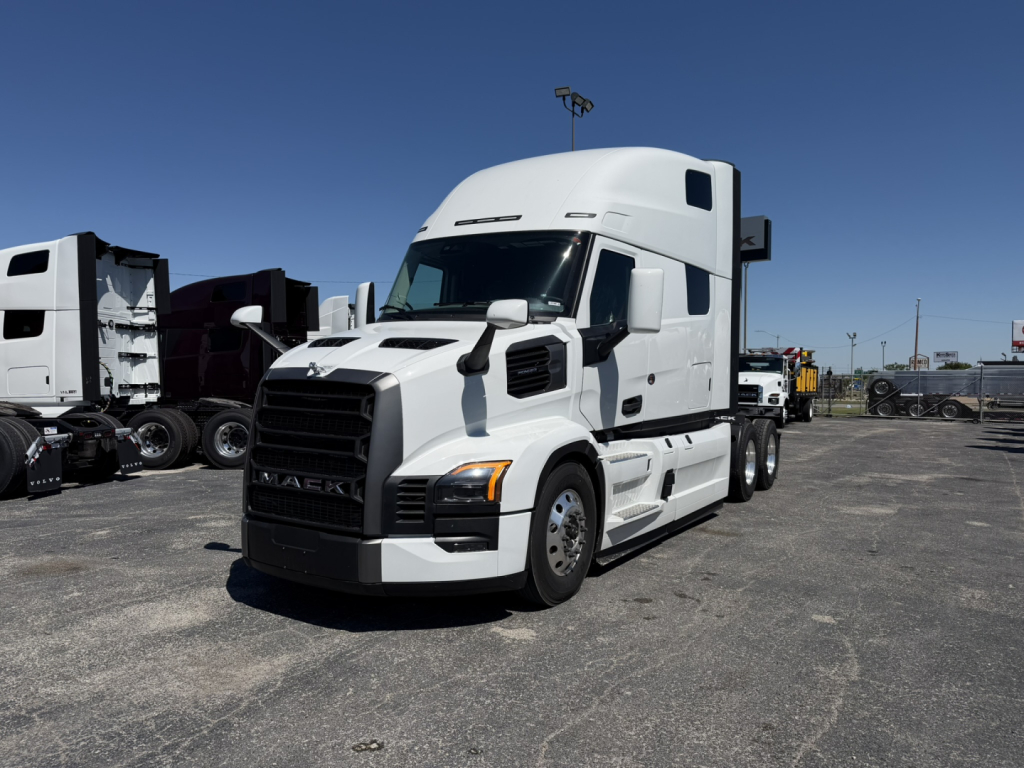
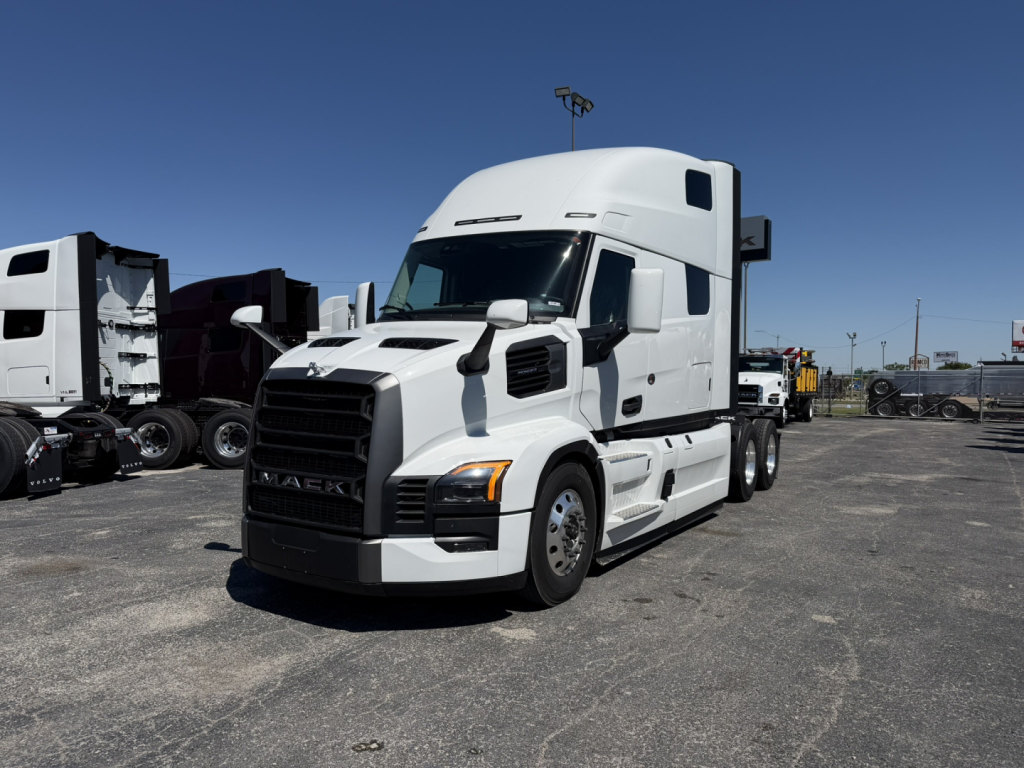
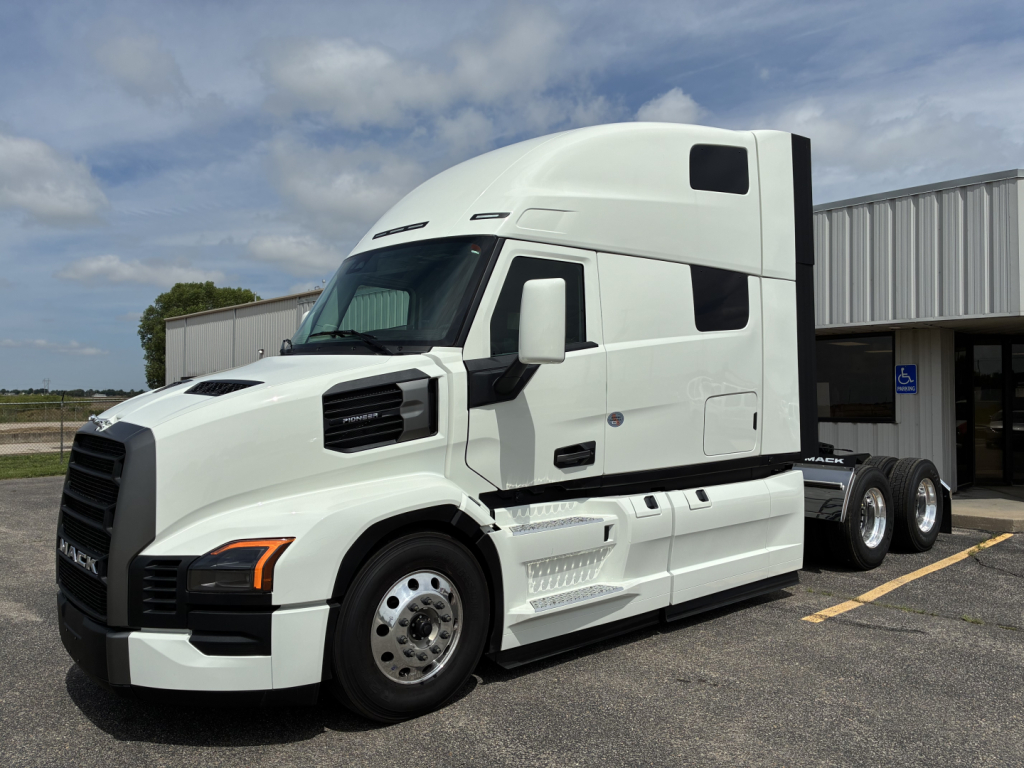
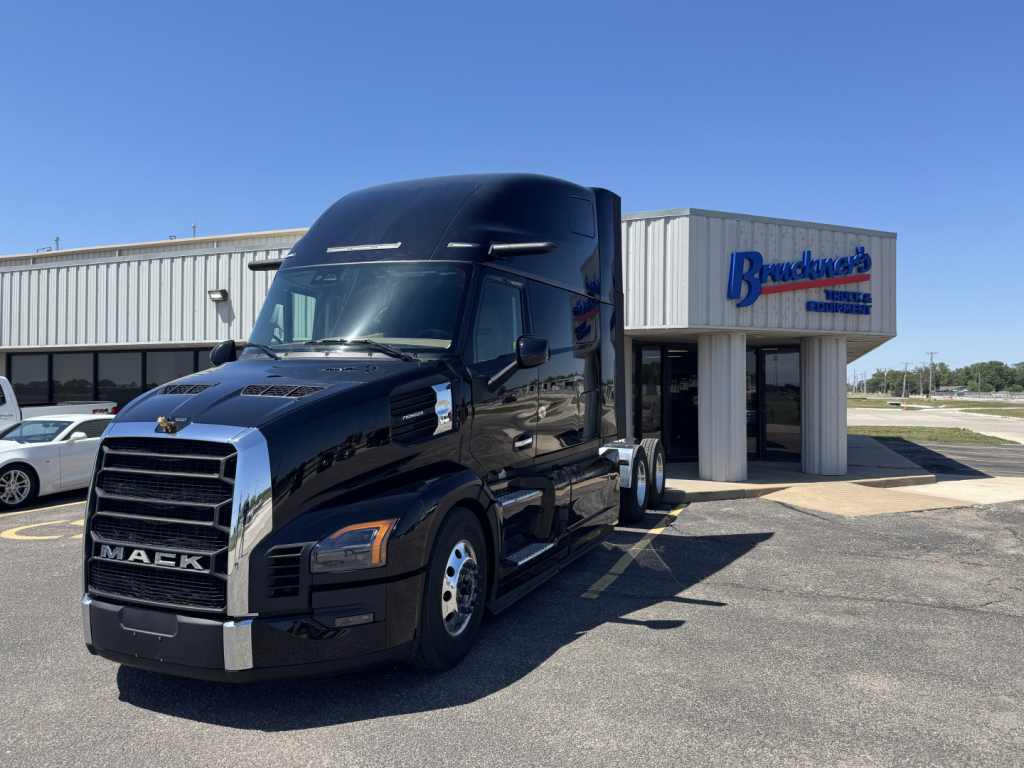
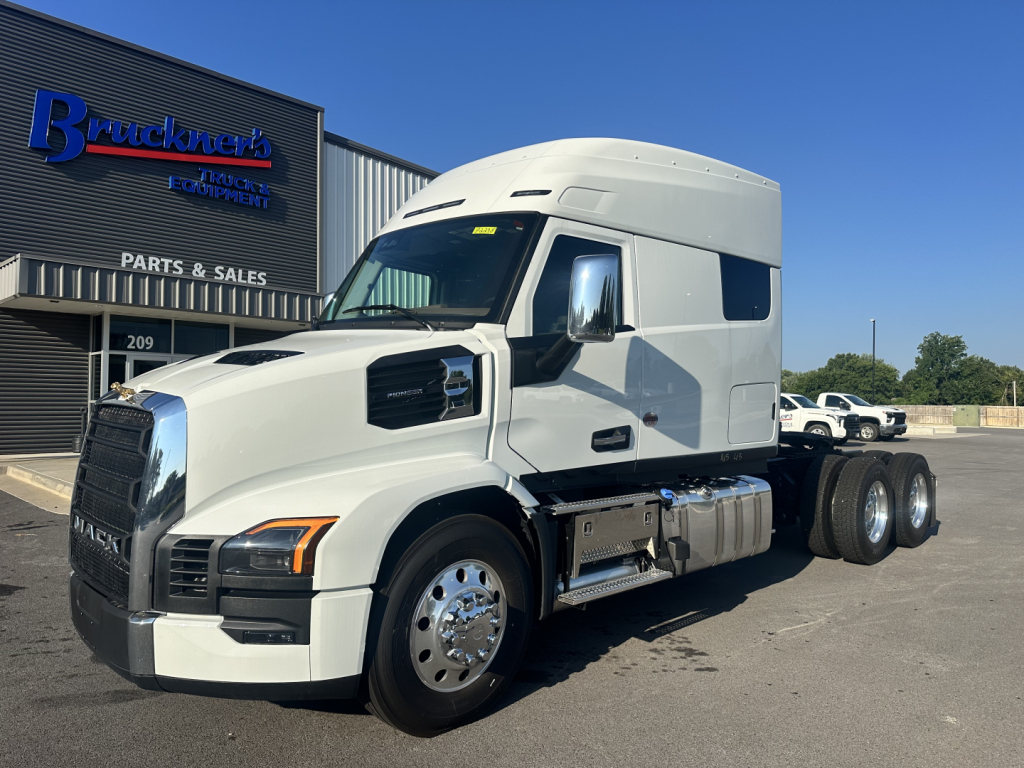
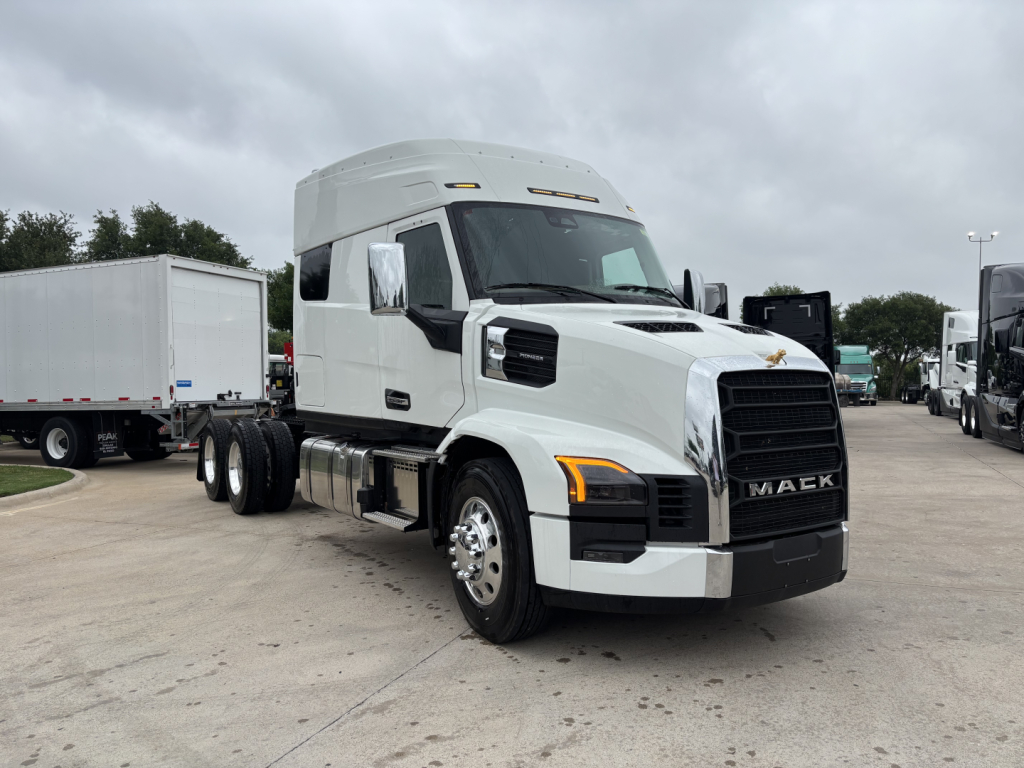
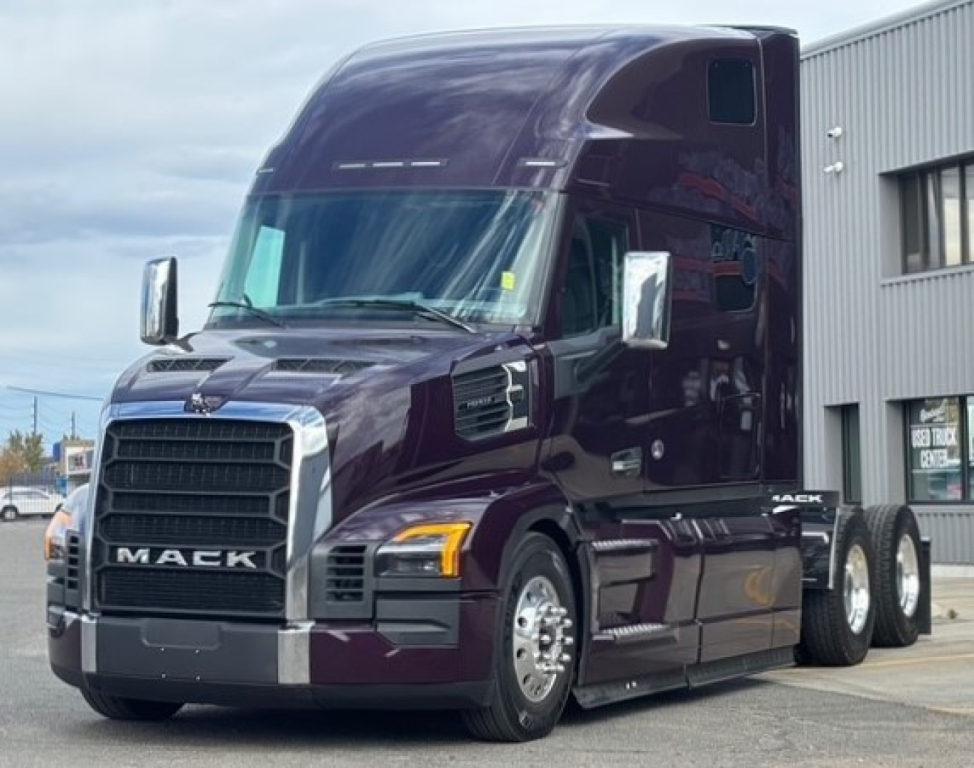
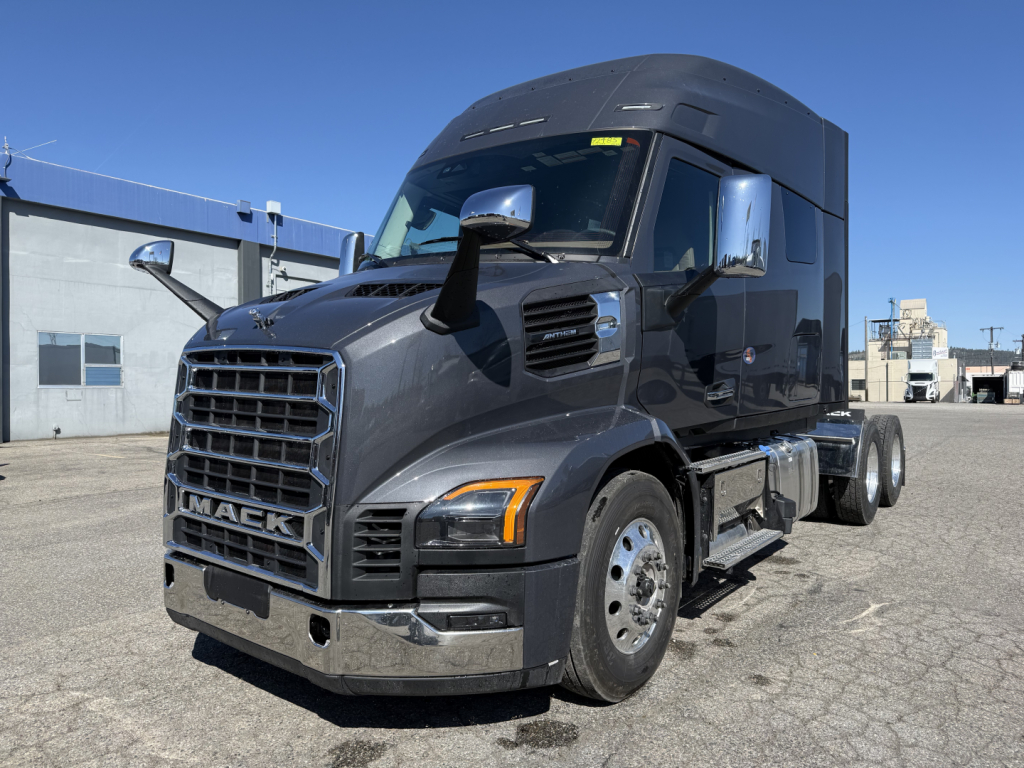
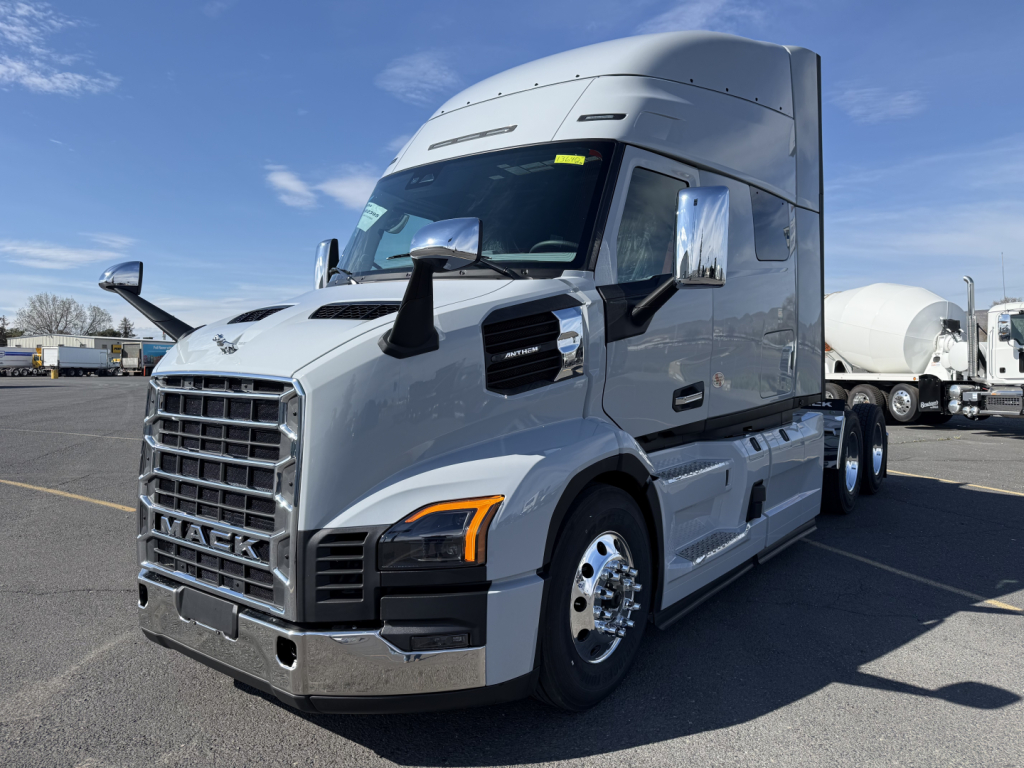

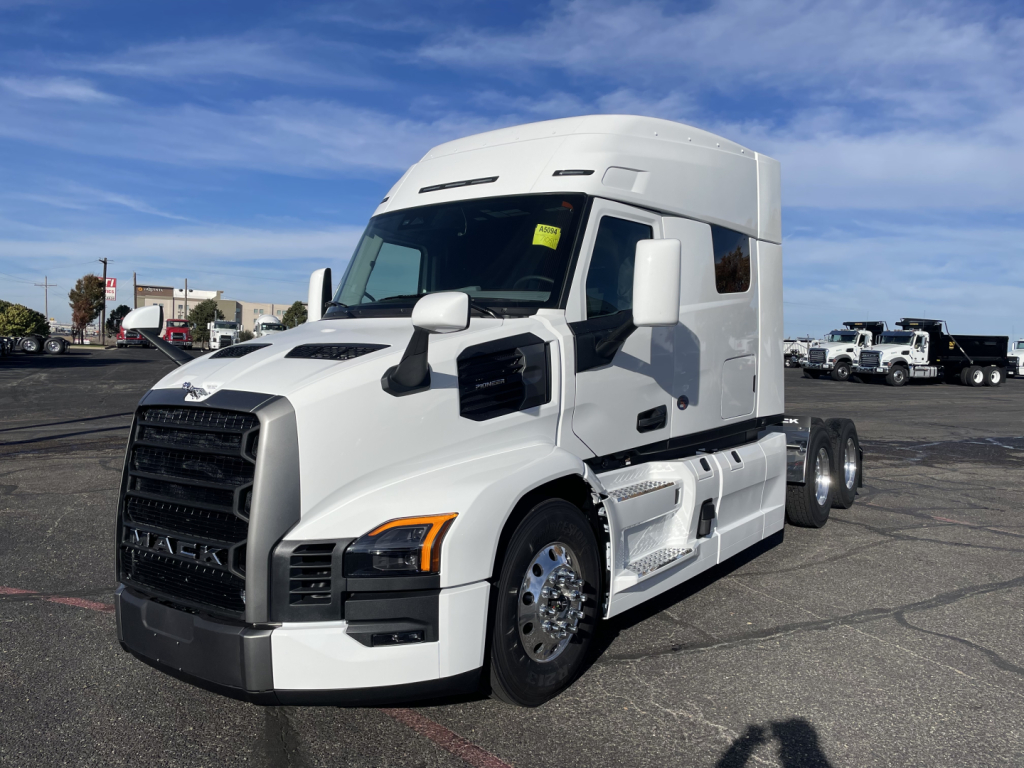

Showing 25 to 48 of 64 results
Have new mack conventional sleeper truck to sell? List it here to reach thousands of buyers.
New Mack Conventional Sleeper Trucks
The main buying decision is usually how you want to balance fuel mileage against gradeability and cruise speed. Rear axle ratios such as 2.47, 2.79, 2.85, and 3.08 each push the truck toward a different operating profile. Lower numerical ratios generally favor highway efficiency in flatter lanes, while deeper ratios can make more sense for heavier average weights, hill country, or fleets that want stronger pull in varied terrain. Mack’s MP13 is a familiar choice for linehaul work because it offers broad torque, clean integration with the mDRIVE, and a spec range that can be tailored to either fuel-focused fleets or owner-operators wanting more power in reserve. All-disc brake setups are increasingly common in this class and are worth paying attention to for stopping consistency, maintenance planning, and driver confidence.
Sleeper layout matters as much as drivetrain if the truck is going to stay out for multiple nights. A 76-inch high-roof sleeper typically gives the most standing room and storage, while a mid-roof can be a smart compromise for fleets that want lighter weight, a lower profile, or easier access to certain routes and terminals. Many new Mack sleepers in this category are equipped with integrated parking heaters and coolers, refrigerator prep or full refrigerator packages, inverters, premium bunk systems, upgraded seating, and more advanced sleeper control panels. Those are not cosmetic add-ons. They directly affect idle reduction, driver retention, rest quality, and how practical the truck is for team or solo long-haul use.
Safety and driver-assist content has become a major part of the new Mack sleeper value proposition. Buyers should compare available systems such as lane support, backup cameras, steering assist features, airbags, and differential lock configurations along with the cab trim level. For fleet managers, the better spec question is not just engine horsepower. It is how the truck’s axle ratio, transmission calibration, brake package, fuel capacity, sleeper size, and driver-assist equipment fit the lanes it will actually run. A well-matched new Mack conventional sleeper can lower operating cost per mile, improve driver acceptance, and deliver the durability buyers expect from a highway tractor designed for serious mileage.
Frequently Asked Questions about New Mack Conventional Sleeper Trucks
What engine and transmission are most common in new Mack conventional sleeper trucks?
Most new Mack conventional sleeper trucks are commonly spec'd with the Mack MP13 engine and the Mack mDRIVE automated manual transmission. In this category, horsepower often falls between 445 and 515 hp, with 12-speed overdrive and some 13-speed configurations available. That combination is popular because it gives strong linehaul performance, integrated shift logic, and a spec range that can be tuned for fuel economy, heavier gross weights, or more demanding terrain.
What is the difference between a mid-roof and high-roof Mack sleeper?
A mid-roof sleeper generally offers a lower overall cab height and can be a good fit for fleets focused on weight control, aerodynamics, or regional operations with occasional overnight runs. A high-roof sleeper provides more interior standing room, overhead space, and storage, which matters for long-haul drivers spending multiple nights in the truck. The right choice depends on how long the truck stays out, how much onboard storage is needed, and how much value you place on driver comfort and living space.
Which rear axle ratio is best for a new Mack sleeper truck?
The best rear axle ratio depends on the freight, terrain, cruise speed target, and tire size. Ratios like 2.47 are often chosen for fuel-efficient highway applications, while 2.79 or 2.85 can provide a strong middle ground between economy and pulling power. A 3.08 ratio may make more sense in routes with hills, heavier average loads, or duty cycles that need stronger launch and grade performance. The ratio should be matched to the engine rating and transmission programming rather than chosen in isolation.
Are disc brakes worth it on a new conventional sleeper tractor?
Disc brakes are increasingly common on new highway tractors because they offer strong and consistent stopping performance, especially in repeated braking situations. They can also simplify certain maintenance routines and improve brake feel for the driver. For fleets, the value comes down to total maintenance strategy, technician familiarity, and the type of routes the trucks run, but many buyers see all-disc brake specs as a premium feature on modern sleeper tractors.
What sleeper features matter most for long-haul use?
The most important sleeper features are the ones that improve rest quality and reduce unnecessary idling. Integrated parking heaters and coolers, an inverter, refrigerator, quality mattress or bunk design, practical cabinet space, and an easy-to-use sleeper control panel all have real operational value. Those features help drivers stay compliant, comfortable, and productive on multi-day runs, and they can also support retention in fleets where the truck cab serves as a work space and living space.