
Conventional Daycab Trucks For Sale in Texas
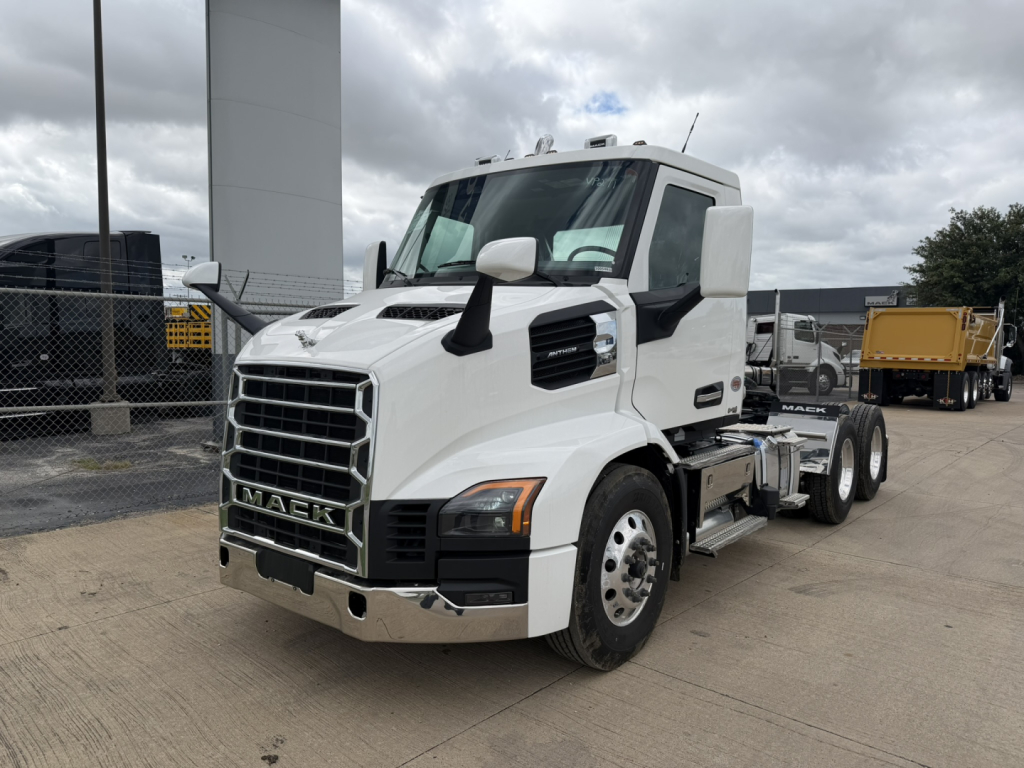
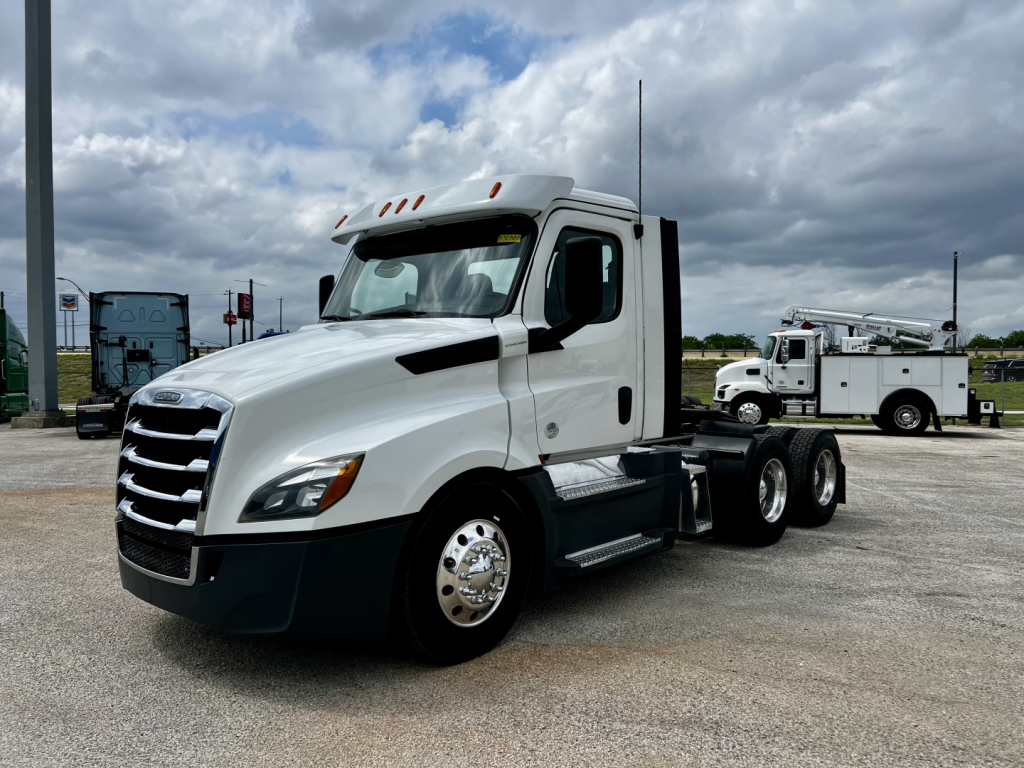
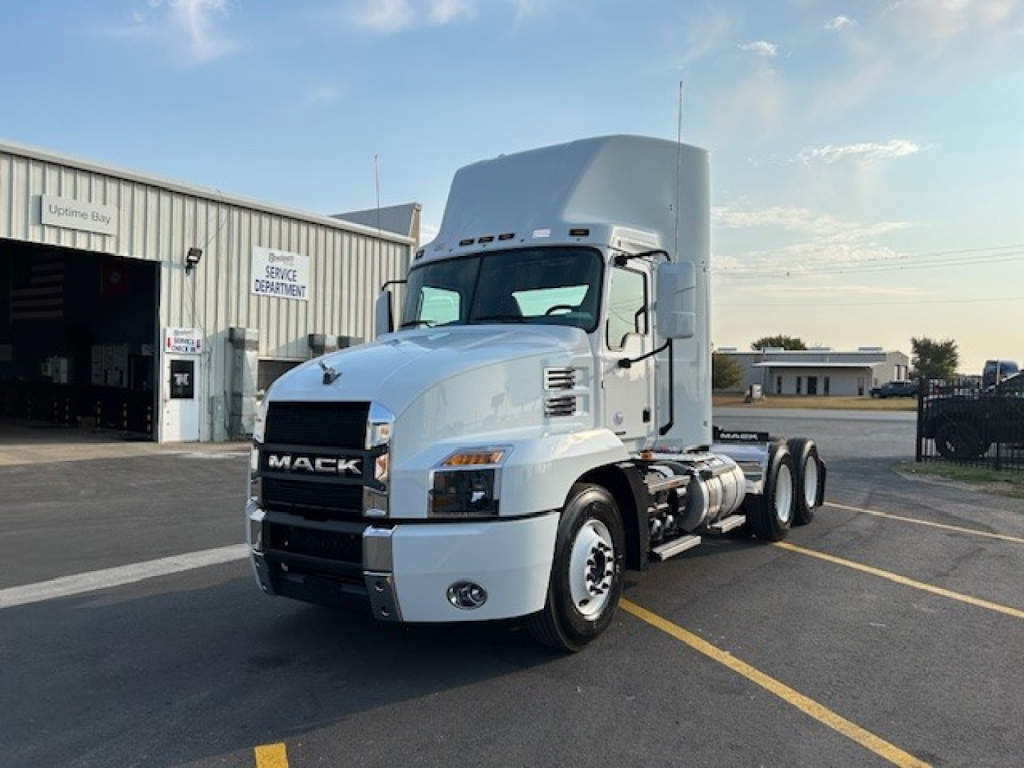
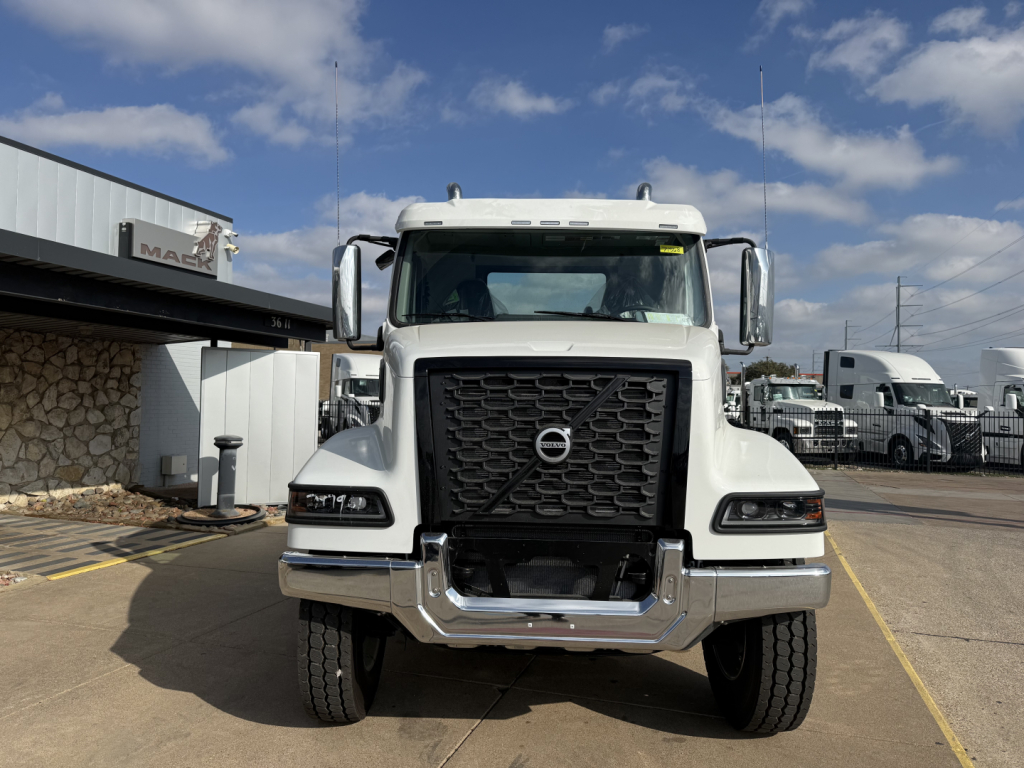
Shop conventional daycab trucks in Texas. Compare tandem axle specs, wheelbases, engines, transmissions, and regional haul configurations.
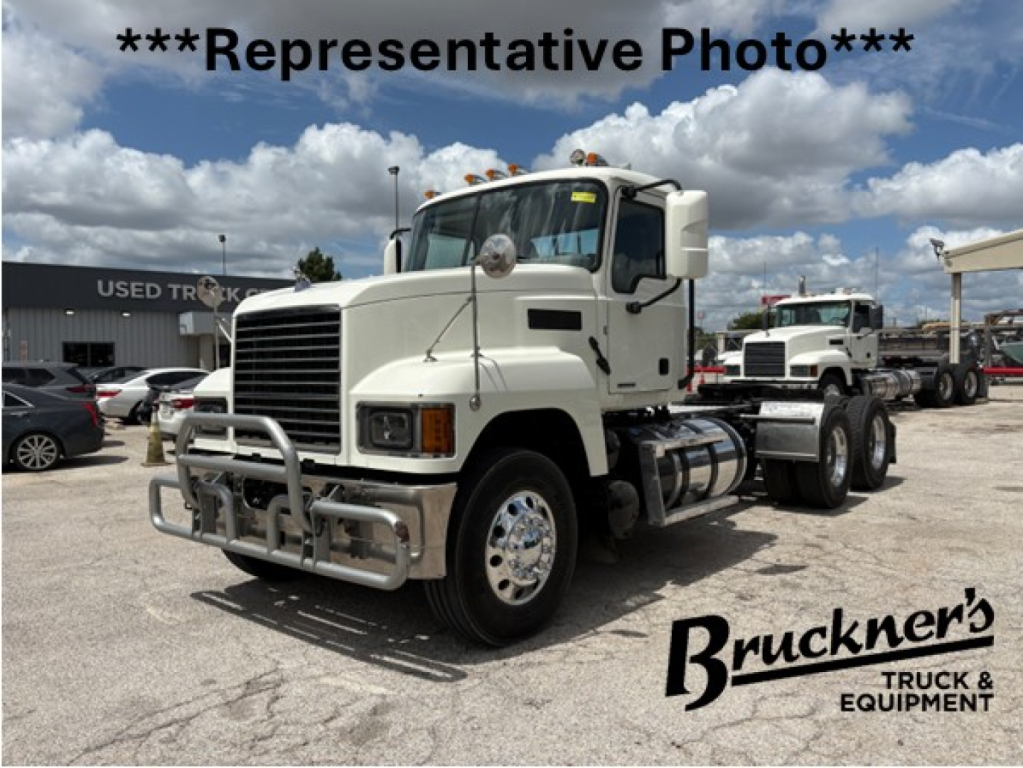
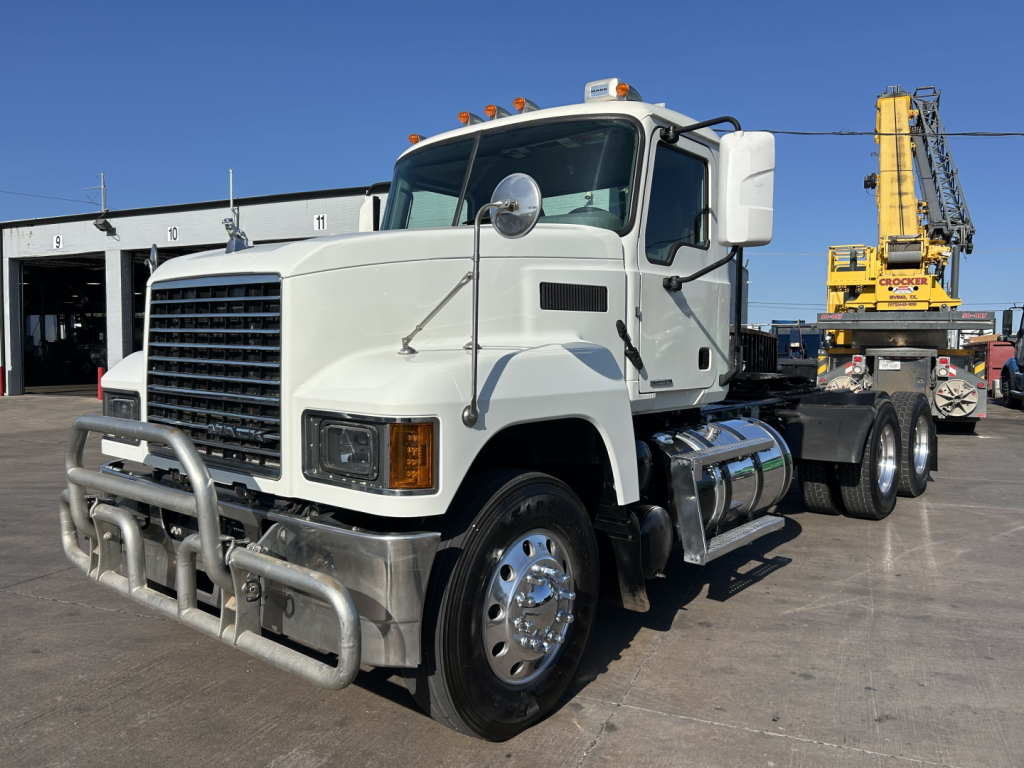
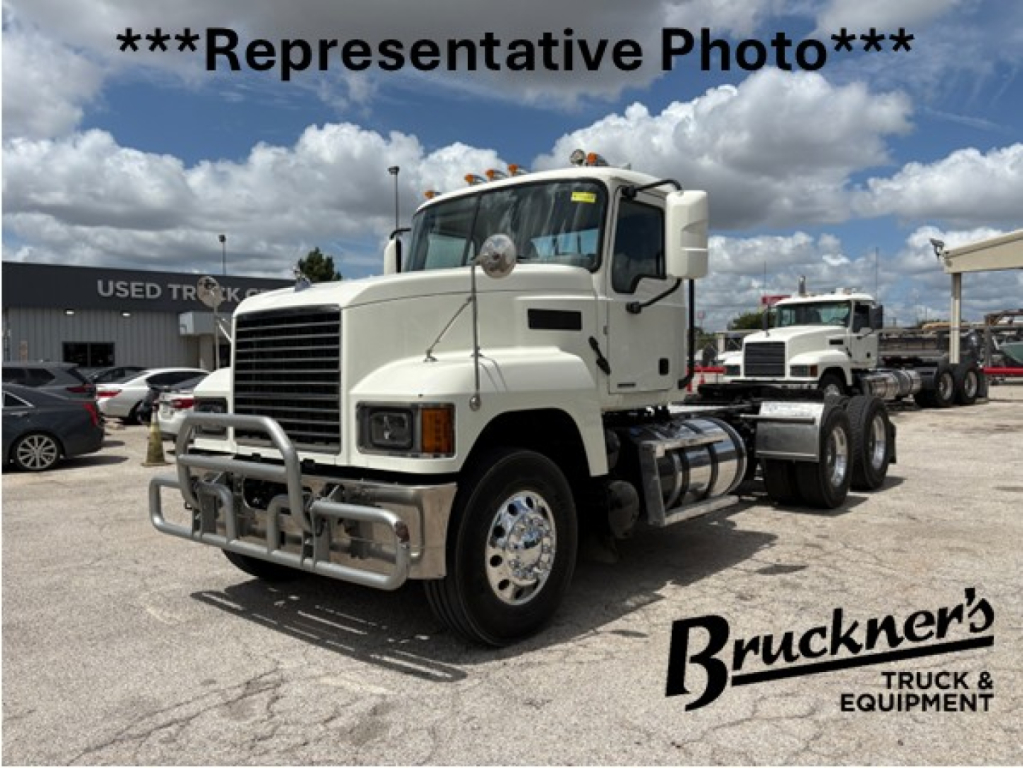
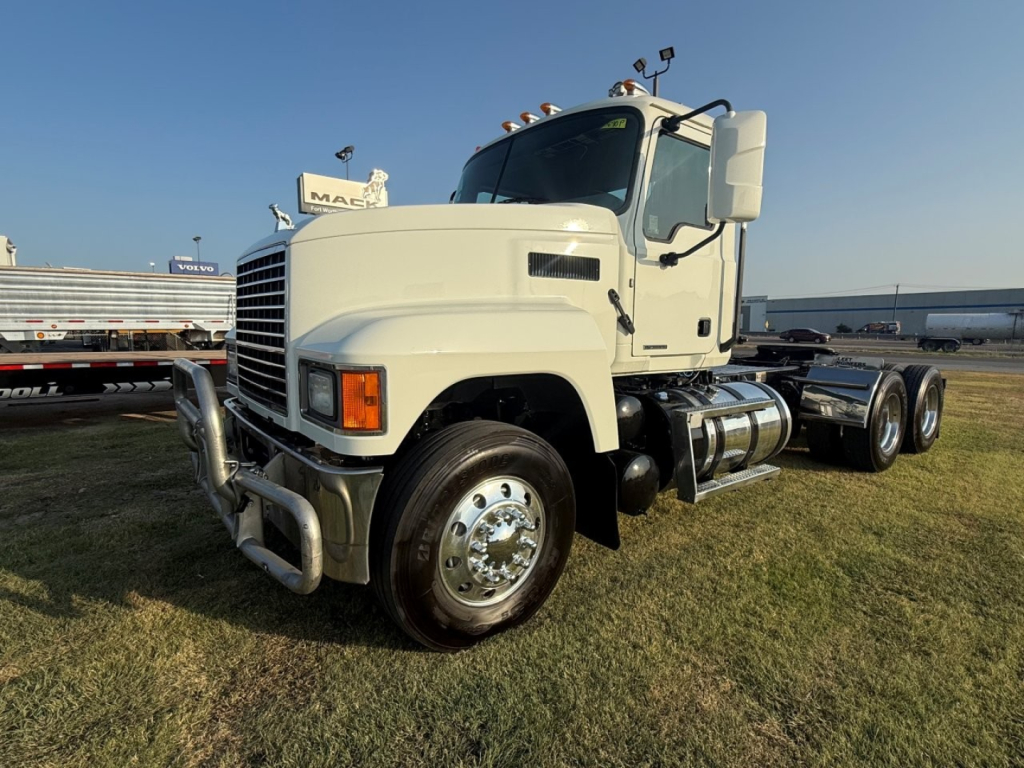
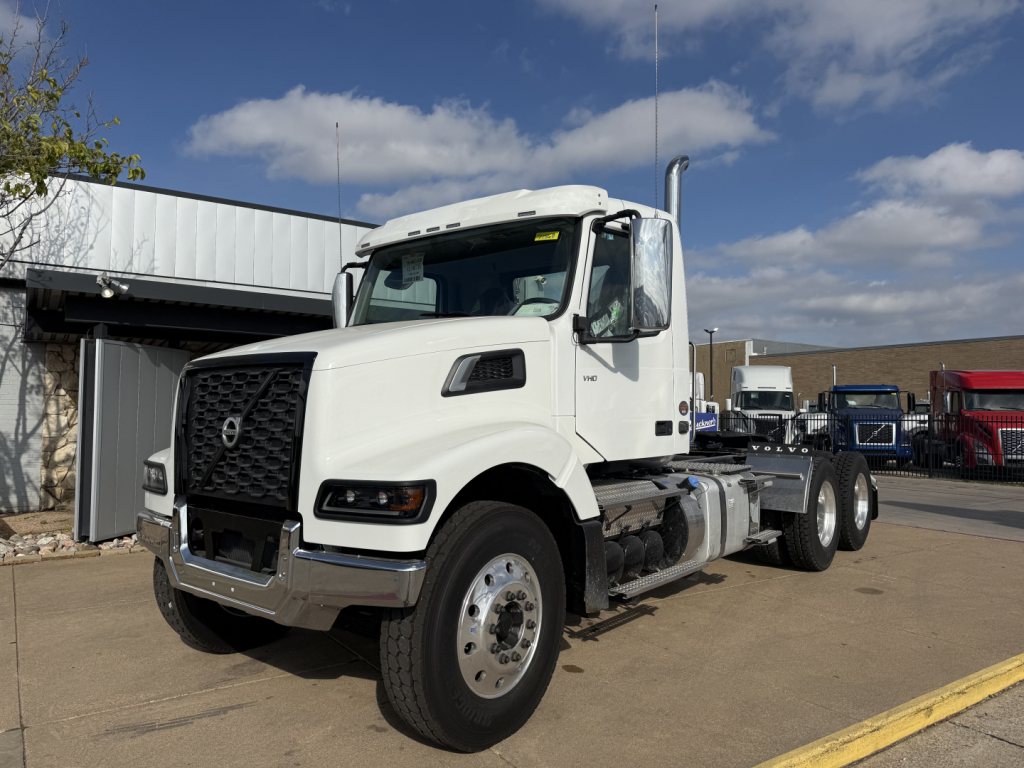
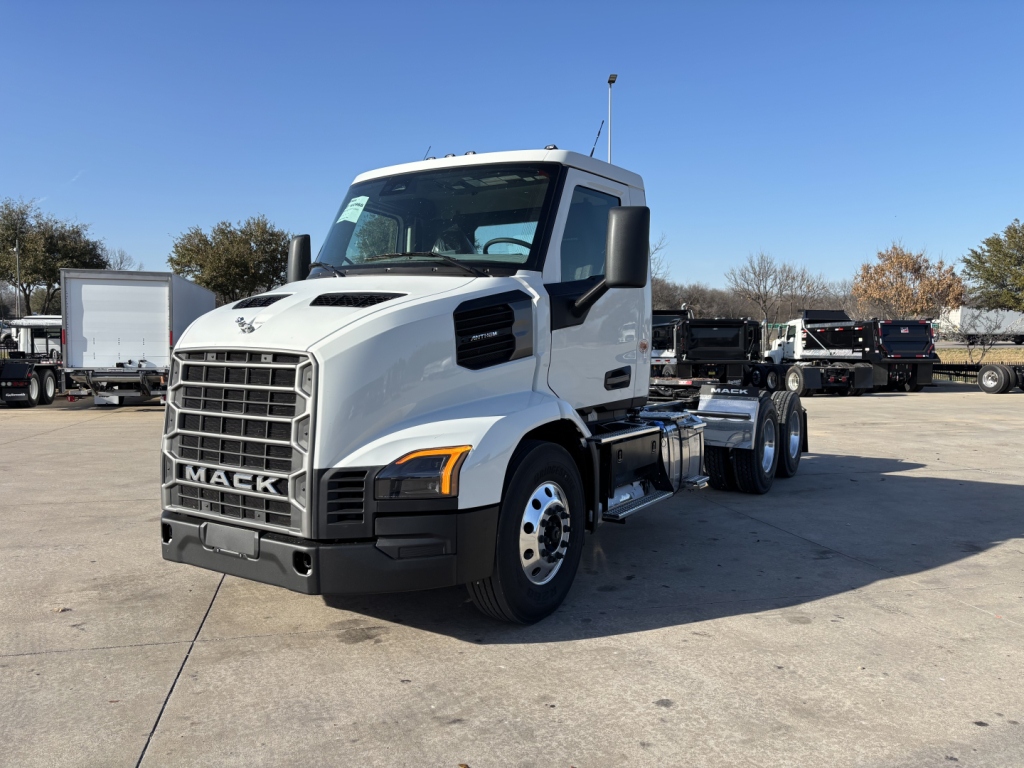
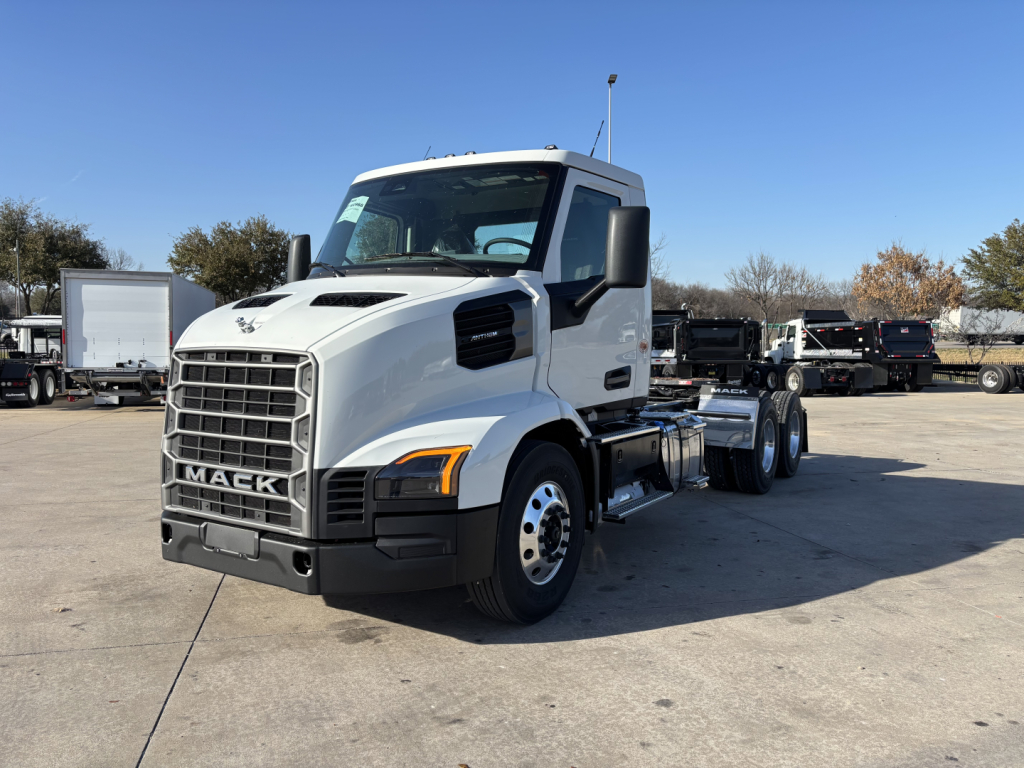
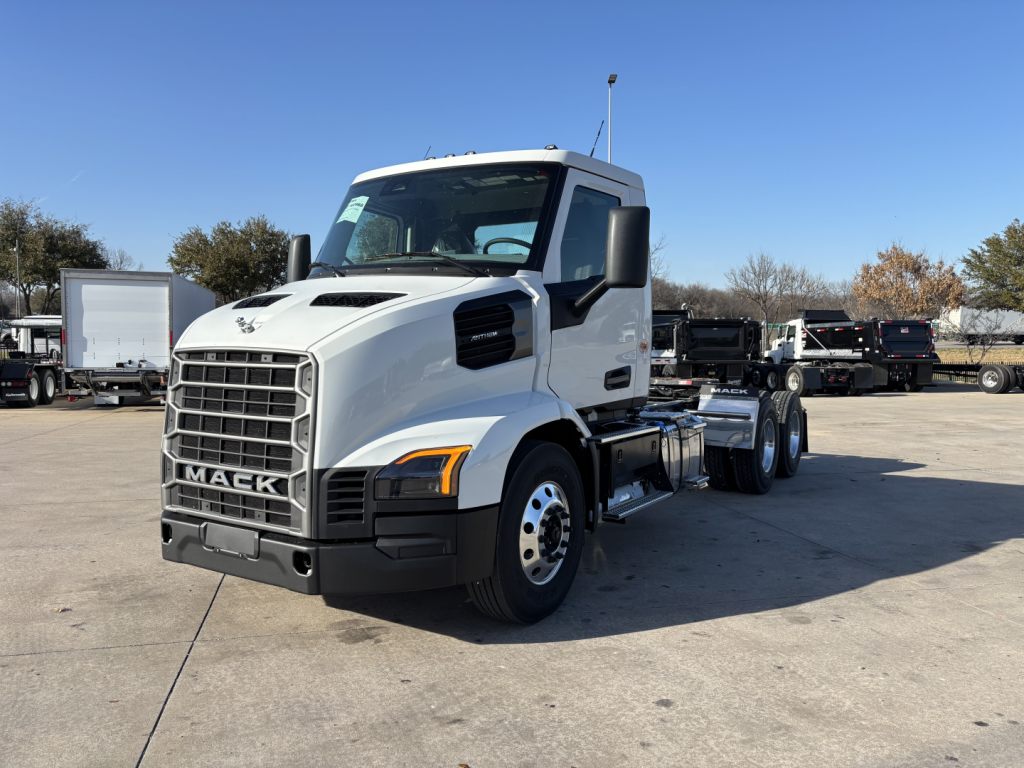
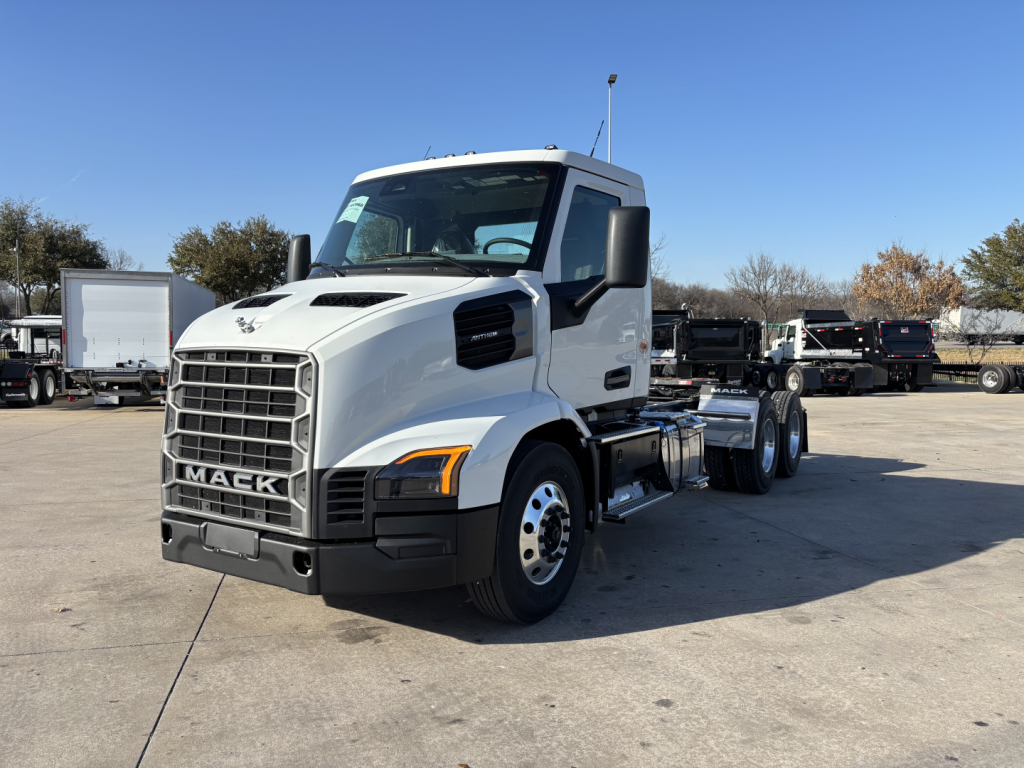
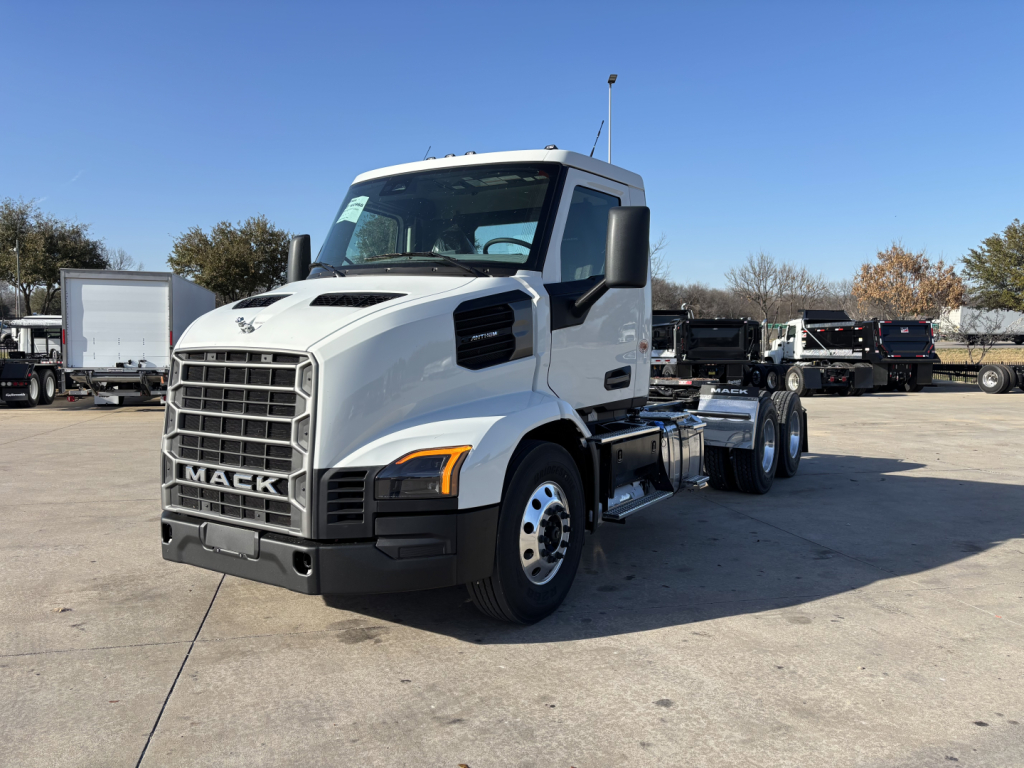
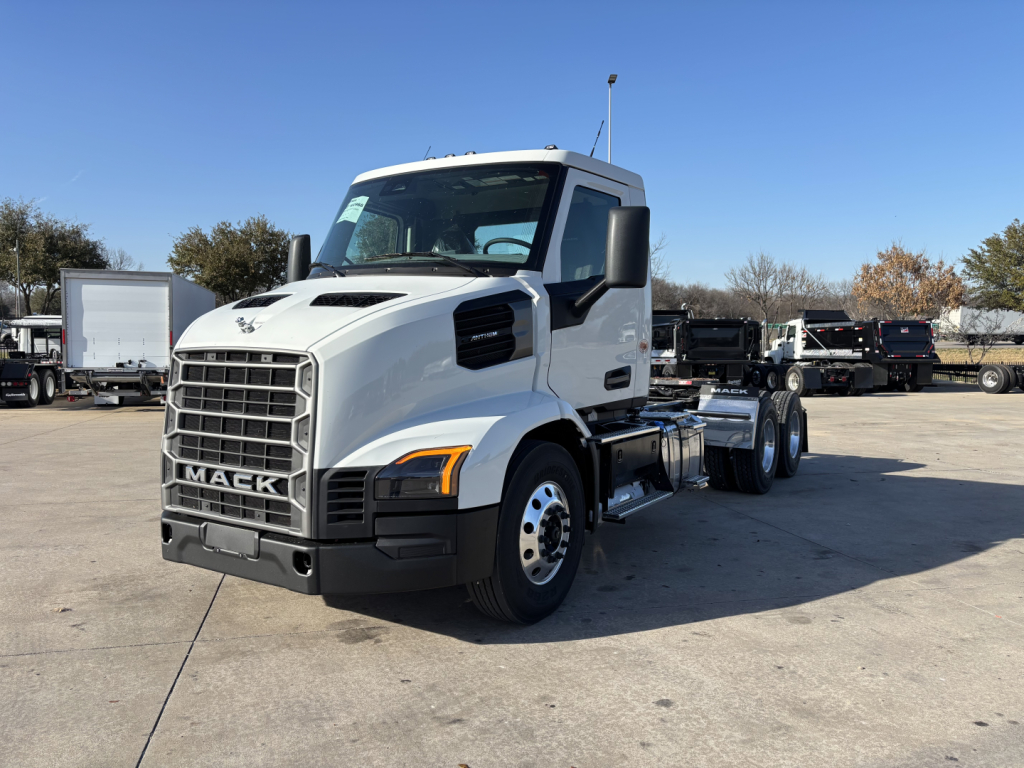
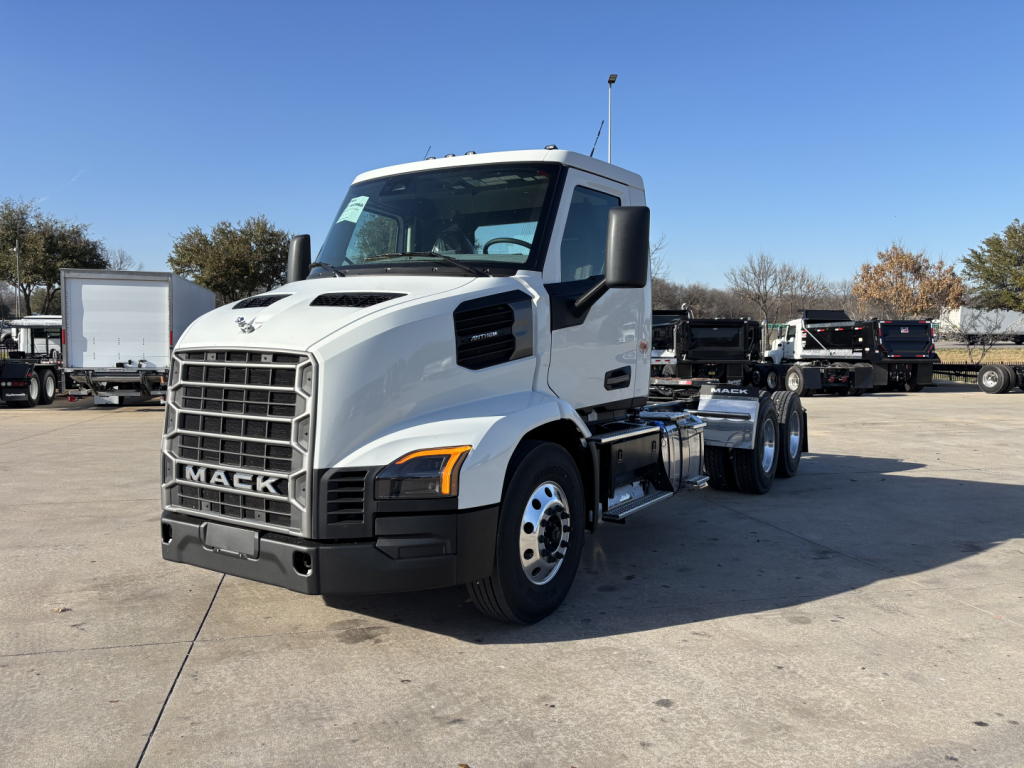
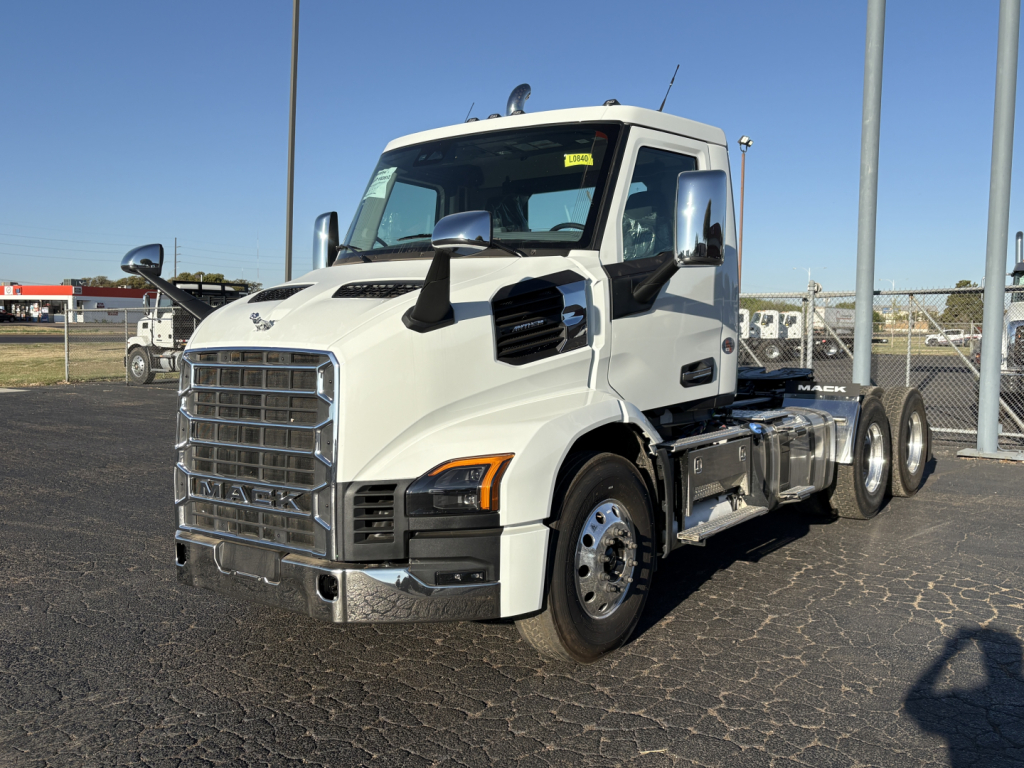
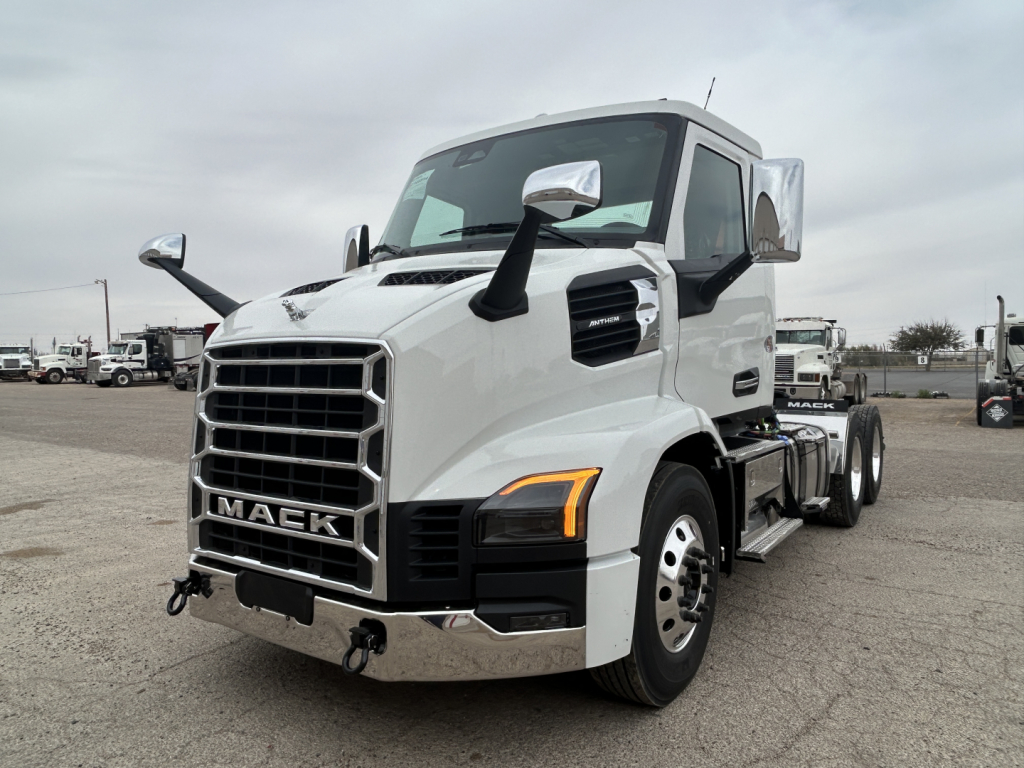
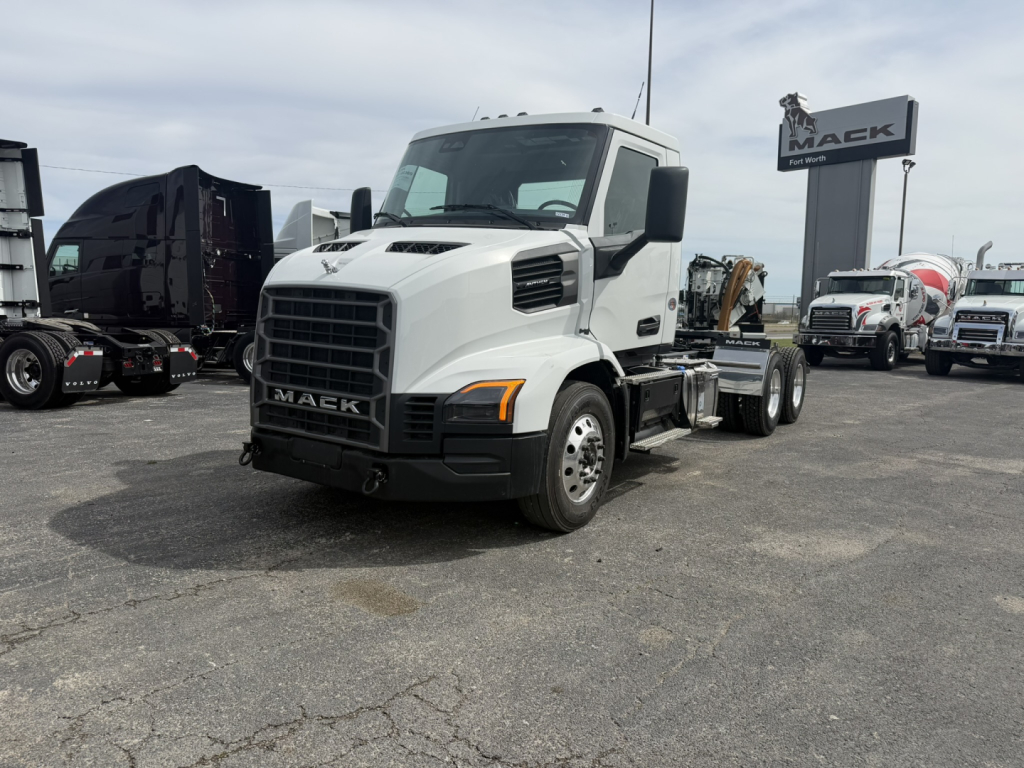
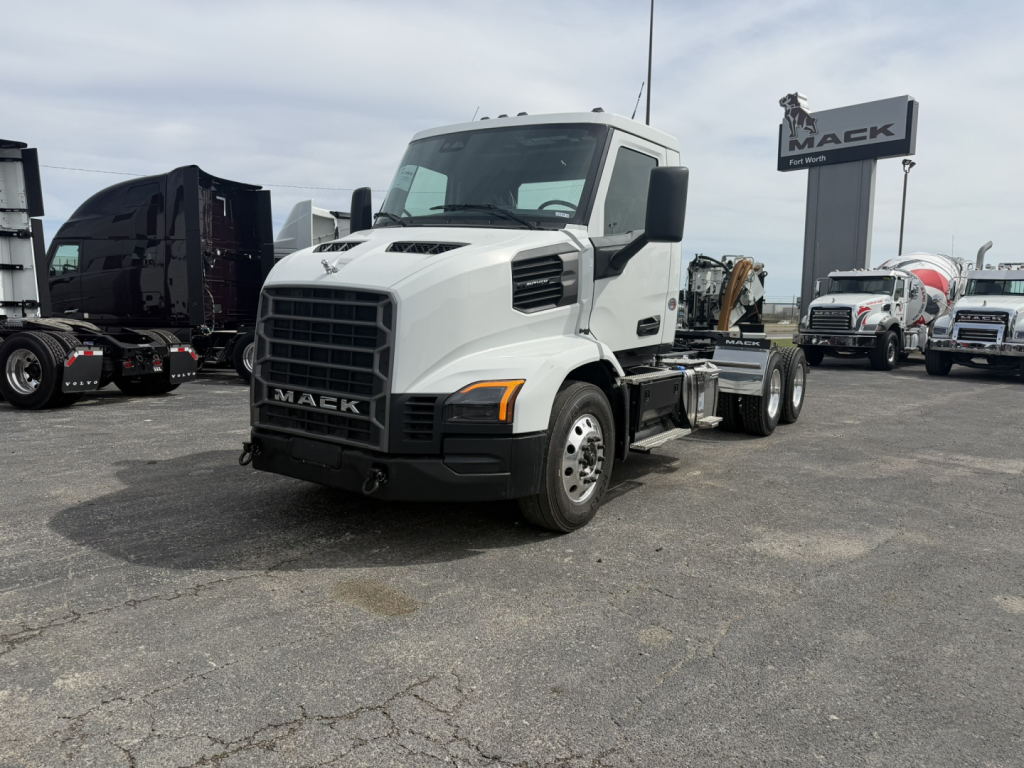
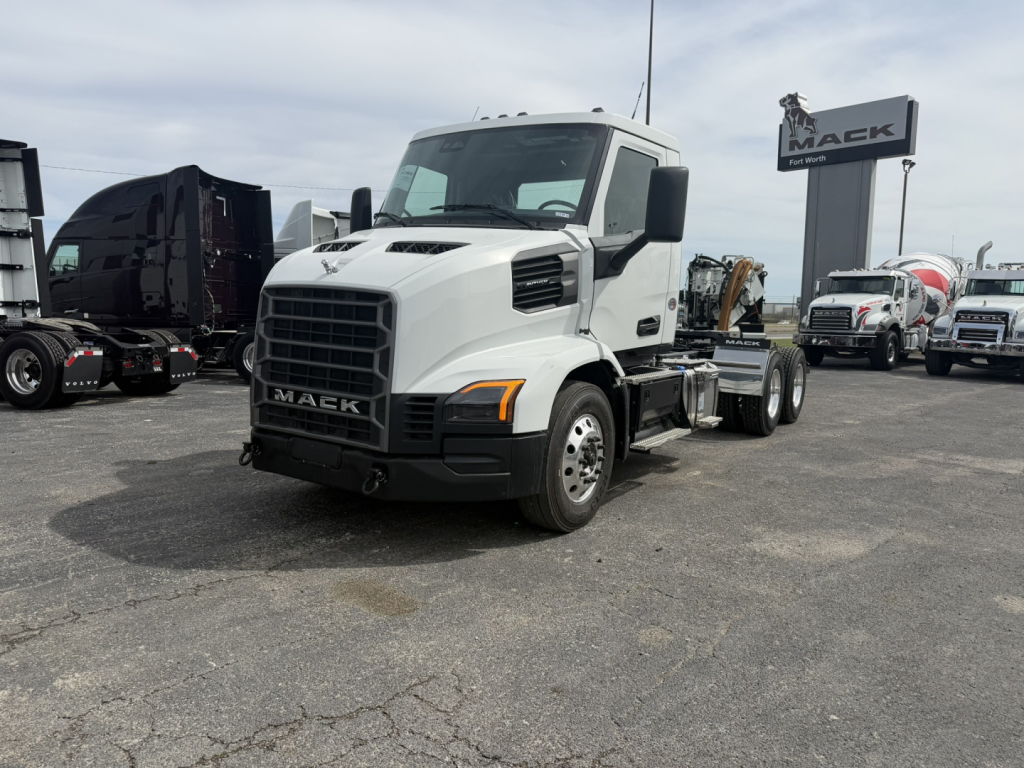
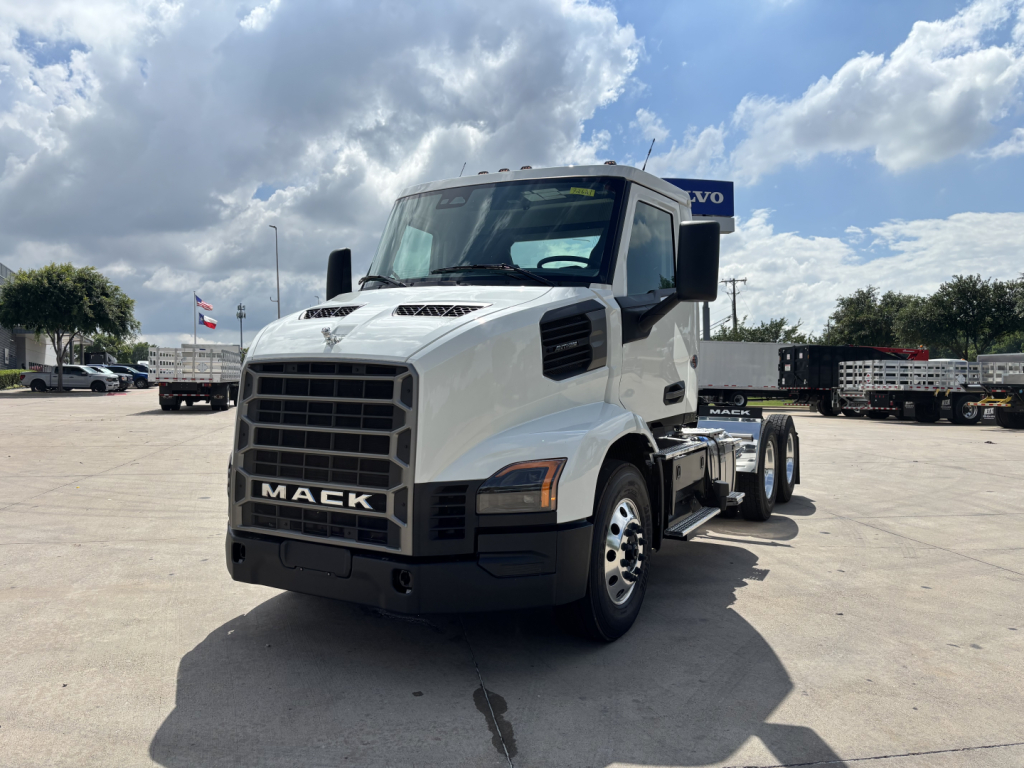
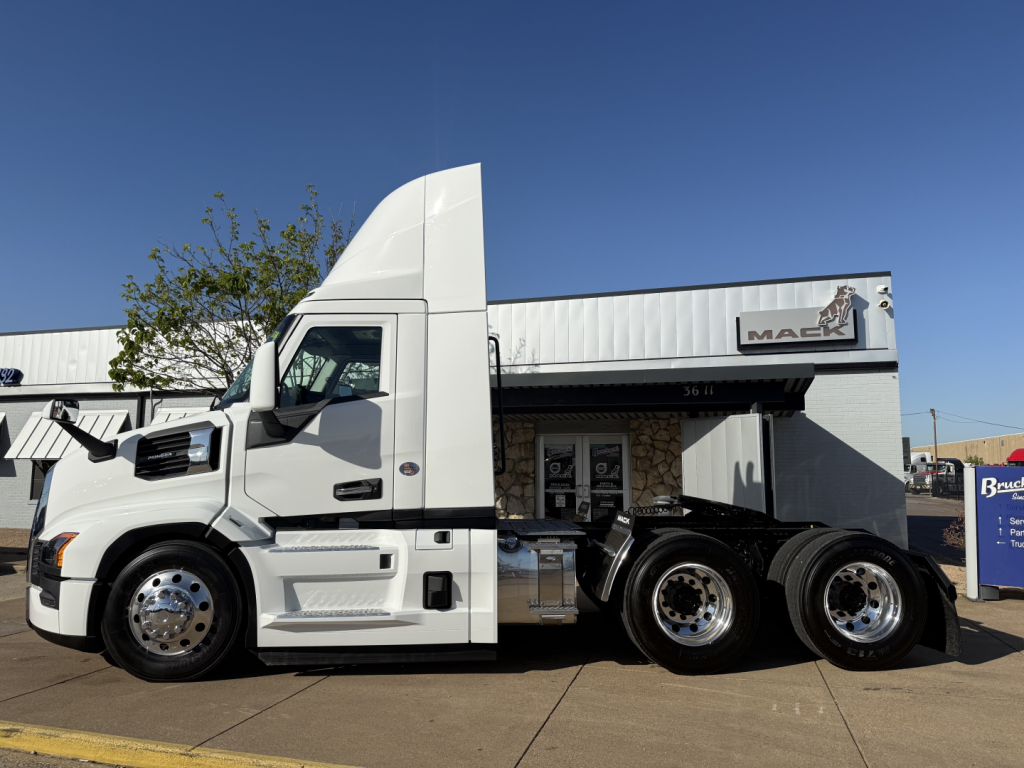
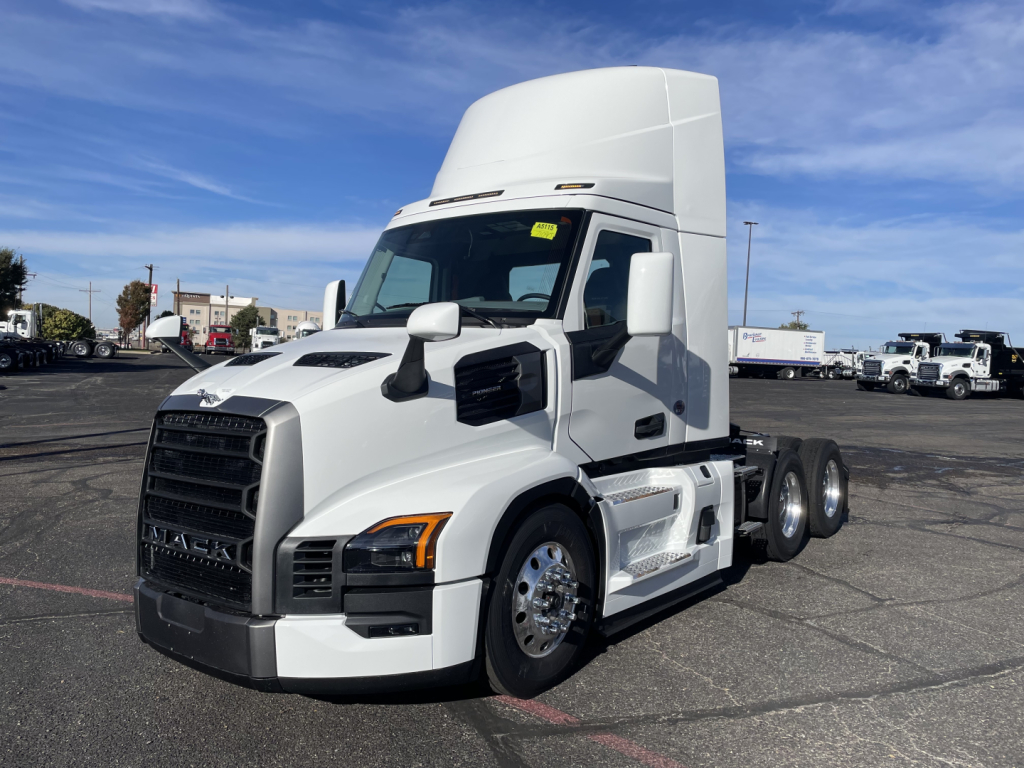
Showing 57 to 84 of 111 results
Have conventional daycab truck to sell? List it here to reach thousands of buyers.
Conventional Daycab Trucks in Texas
Most conventional daycabs in this class are tandem axle tractors with front axles in the 12,000 to 14,600 pound range, 40,000 pound rears, and GVWRs that commonly land in the low-50,000 pound range. Wheelbases often fall around 177 to 215 inches, with shorter specs favoring tighter urban turns and port work, while longer wheelbases can improve ride quality, frame room, and trailer clearance. Air ride rear suspension is common for driver comfort and load stability, and an air sliding fifth wheel adds flexibility when adjusting kingpin settings for different trailer lengths and axle spreads. Dual fuel tanks in the 75 to 80 gallon range per side are also common on regional specs where range matters but sleeper-level capacity is not necessary.
Texas buyers should pay close attention to engine horsepower, rear axle ratio, and transmission type because those three decisions shape fuel economy, startability, and road speed. Current daycab specs often run from roughly 400 to 445 horsepower in highway tractors, paired with 10, 12, or 13-speed automated manuals. A 3.25 rear ratio is a common regional highway spec that supports efficient cruise speeds without giving up too much pulling power for typical van, reefer, and general freight duty. For heavier vocational or stop-and-go applications, some buyers lean toward different ratios, heavier front axles, or transmission programming that improves low-speed control. Engine brakes, collision mitigation, adaptive cruise, and disc brakes are increasingly common and can make a meaningful difference in safety, driver acceptance, and maintenance planning.
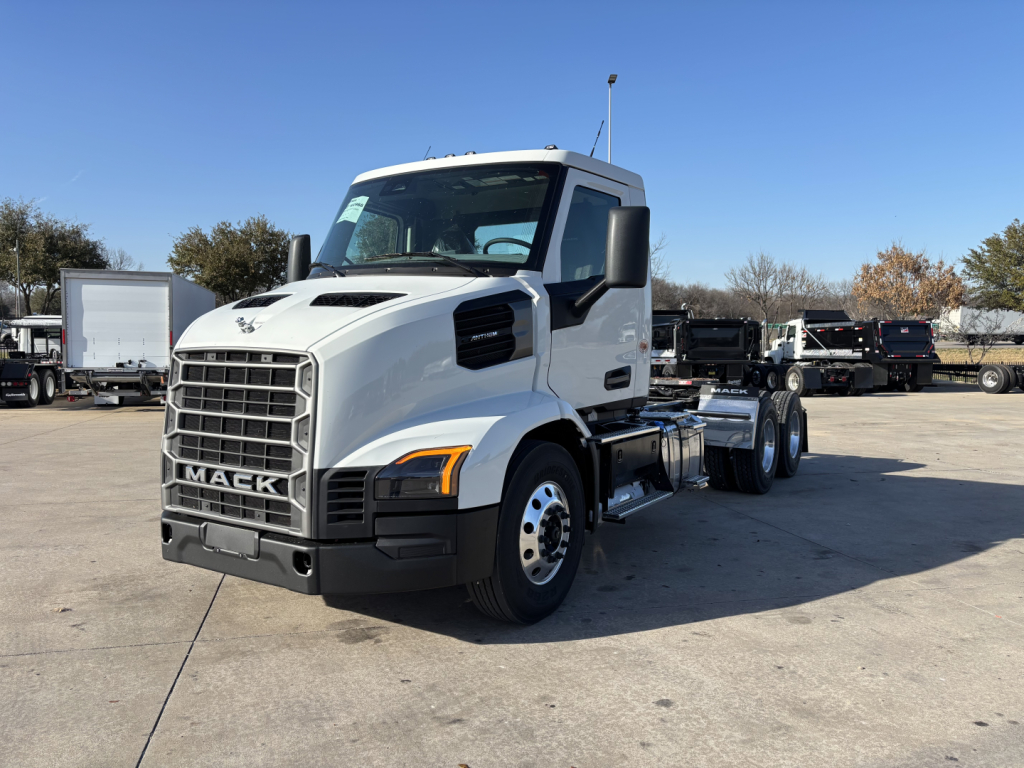
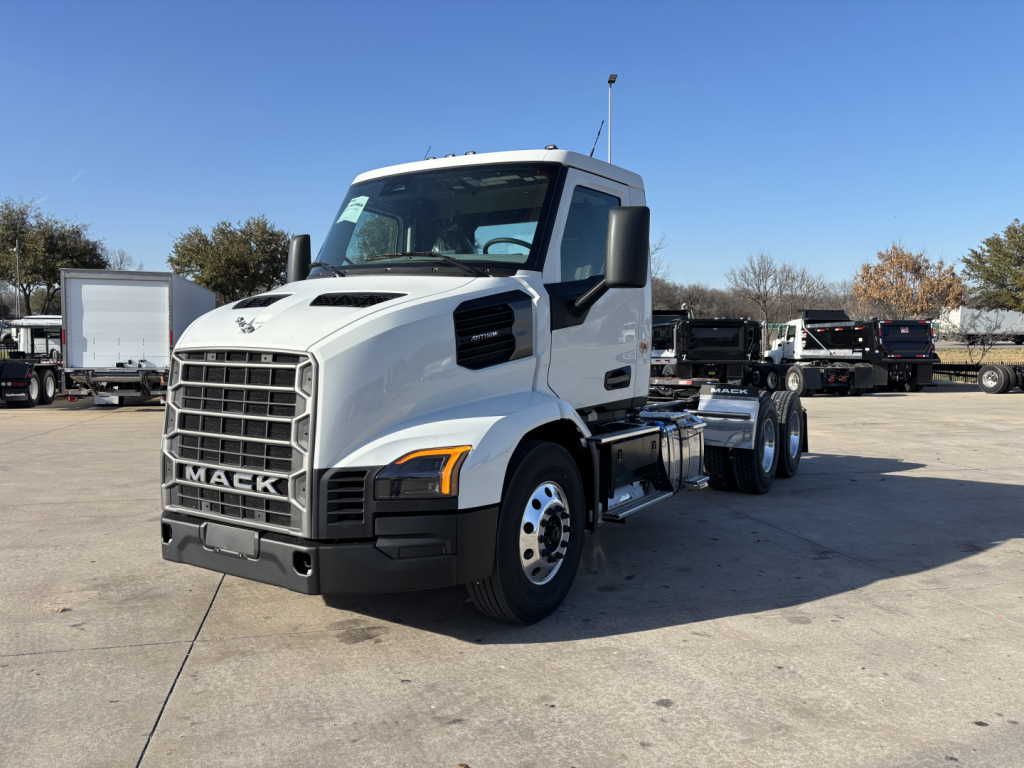
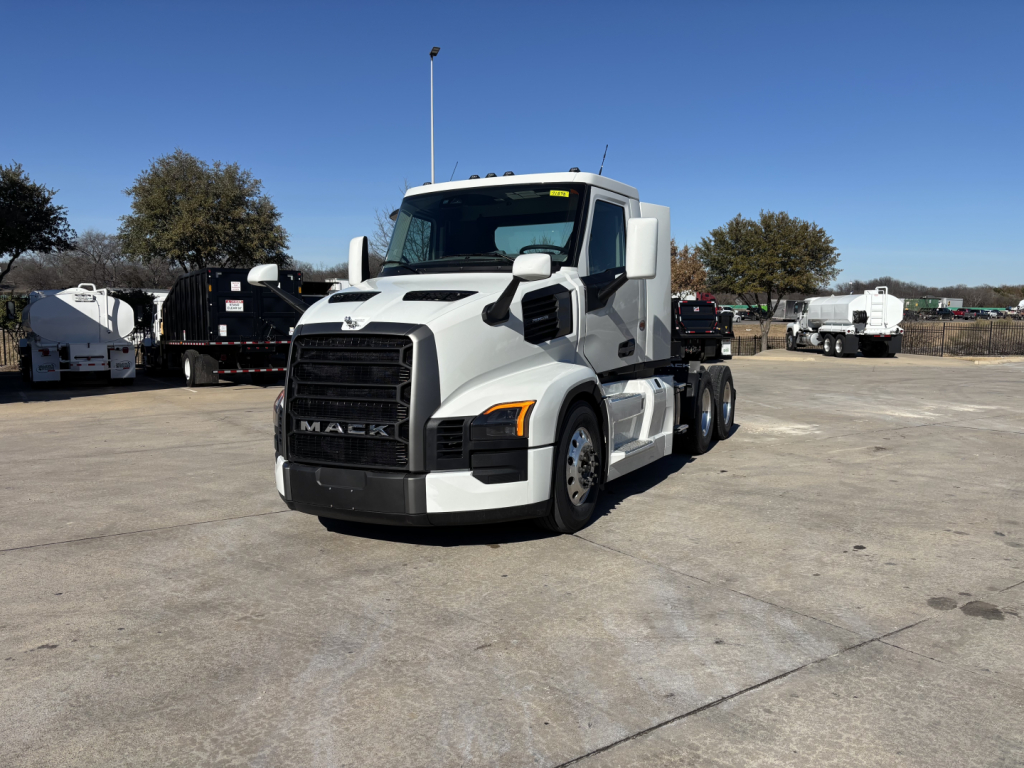
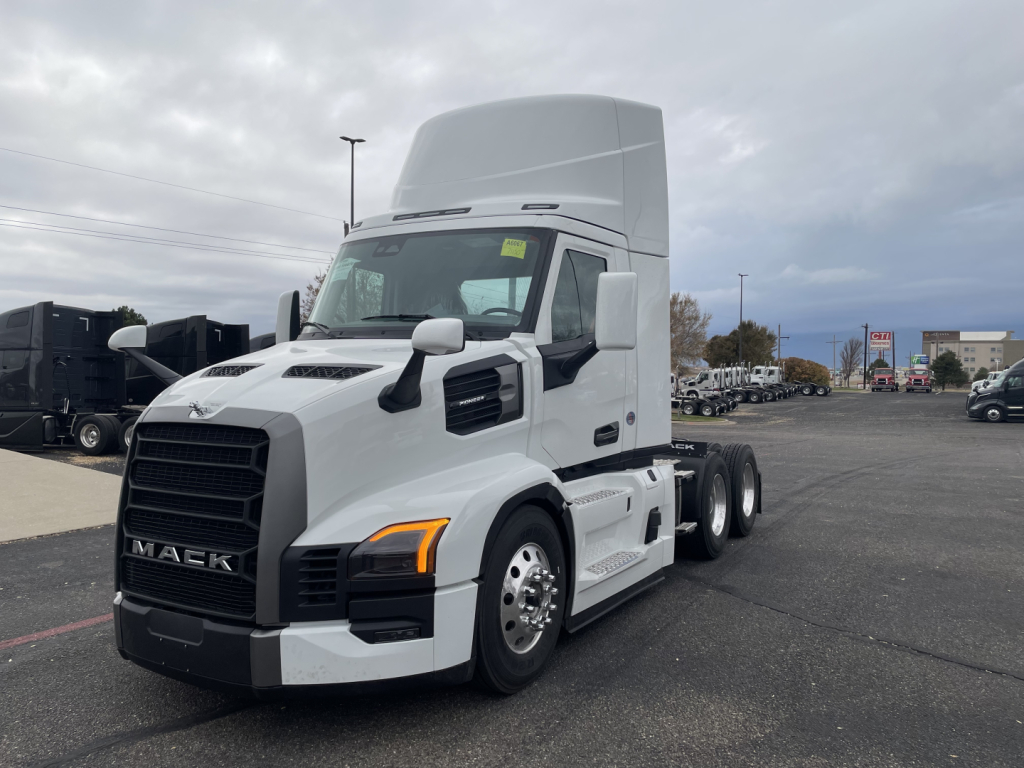
A good conventional daycab spec is the one that matches the work, not the one with the longest option sheet. For drop-and-hook freight, focus on wheelbase, fifth wheel travel, fuel capacity, and cab comfort. For port or city use, turning radius, visibility, and durable interior trim matter more than long-haul amenities. For bulk, tanker, or heavy regional applications, look closely at frame rating, suspension spec, front axle capacity, and transmission calibration. Popular models in this category include the International LT, Mack Anthem, Kenworth T series, Peterbilt 579 daycab, Freightliner Cascadia daycab, and Volvo VNL daycab. Across brands, the main buying question stays the same: how well the truck’s axle, engine, transmission, and chassis spec fit the trailer, terrain, and daily duty cycle.
Frequently Asked Questions about Conventional Daycab Trucks in Texas
What is a conventional daycab truck used for?
A conventional daycab truck is primarily used for regional hauling, local freight, drayage, dedicated routes, and vocational tractor work where the driver does not need a sleeper berth. The conventional hood design provides easier engine access than many cabover layouts, and the day cab configuration reduces weight and overall length. That combination makes these trucks a strong fit for operations that need highway capability, frequent trailer changes, and better maneuverability than a sleeper tractor.
What wheelbase is best for a conventional daycab in Texas?
The best wheelbase depends on trailer length, fifth wheel position, and how much urban maneuvering the truck will do. A shorter wheelbase, such as the high-170s to mid-180s, is often preferred for ports, tight yards, and city delivery because it improves turning radius. A longer wheelbase, around 200 inches or more, can provide a smoother ride, additional frame space for equipment, and better trailer clearance on certain specs. Buyers should confirm bridge law needs, kingpin settings, and swing clearance before deciding.
Are automated manual transmissions common in conventional daycab trucks?
Yes. Automated manual transmissions are now common in conventional daycab trucks because they help standardize driver performance, reduce clutch wear, and improve ease of operation in traffic. Many regional tractors are spec'd with 10, 12, or 13-speed automated units from Eaton, Mack, Detroit, or PACCAR-related driveline packages. They are especially popular in fleet service where driver turnover, fuel economy consistency, and training time are important considerations.
What horsepower is typical for a tandem axle conventional daycab?
A tandem axle conventional daycab used for highway and regional freight commonly falls in the 400 to 450 horsepower range. That level is enough for dry van, reefer, and many general freight applications without moving into a heavier long-haul sleeper spec. The better measure is not horsepower alone, but how the engine rating works with torque output, rear axle ratio, transmission gearing, and average gross combination weight on the route.
What should I inspect first on a used conventional daycab truck?
Start with the powertrain and chassis match to the job, then move to condition. Confirm the engine rating, transmission model, axle capacities, suspension type, rear ratio, wheelbase, and fifth wheel configuration. After that, inspect maintenance records, engine hours, fault history, brake condition, tire wear patterns, suspension bushings, frame condition, and signs of uneven loading or trailer contact. On a regional daycab, cab entry wear, seat condition, and steering or brake feel can also tell you a lot about how the truck was used.