
International Conventional Daycab Trucks For Sale in Texas
Shop International conventional daycab trucks in Texas. Compare LT and TranStar specs, powertrains, wheelbases, axle ratings, and drivetrain options.

Have international conventional daycab truck to sell? List it here to reach thousands of buyers.
International Conventional Daycab Trucks in Texas
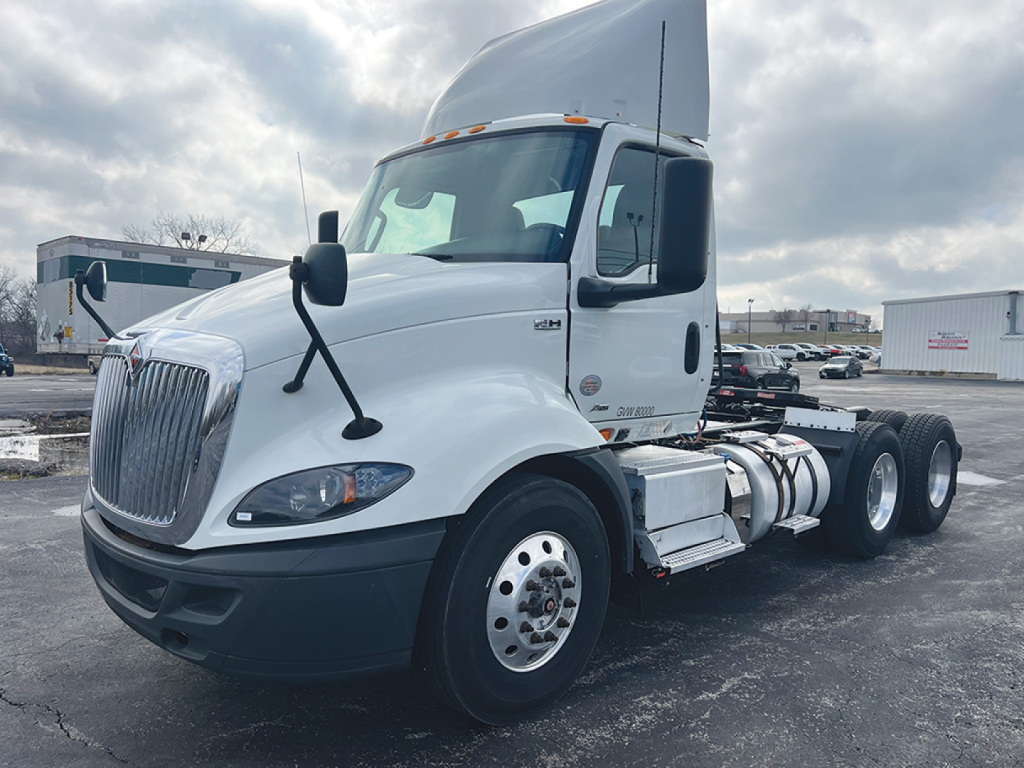
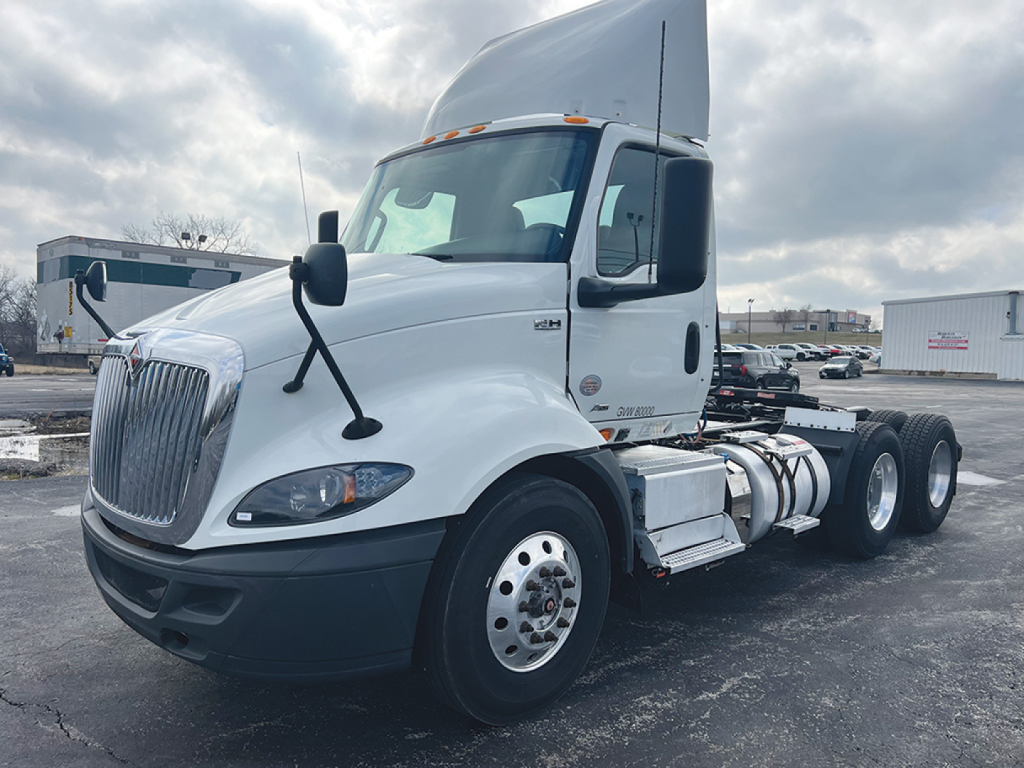
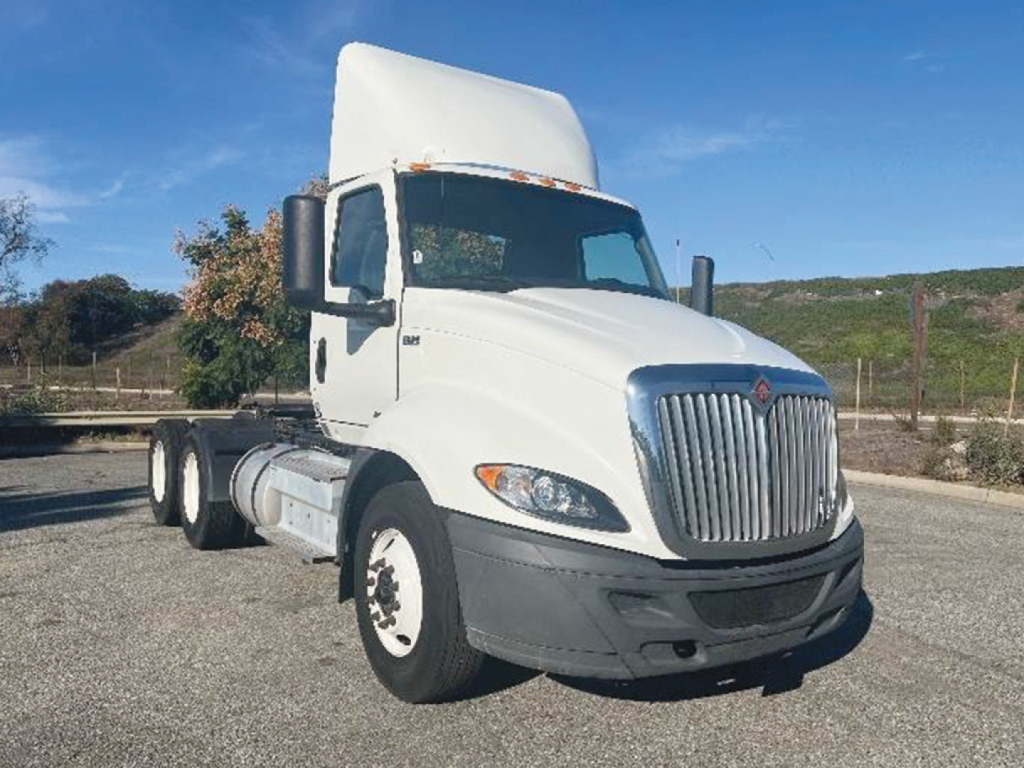
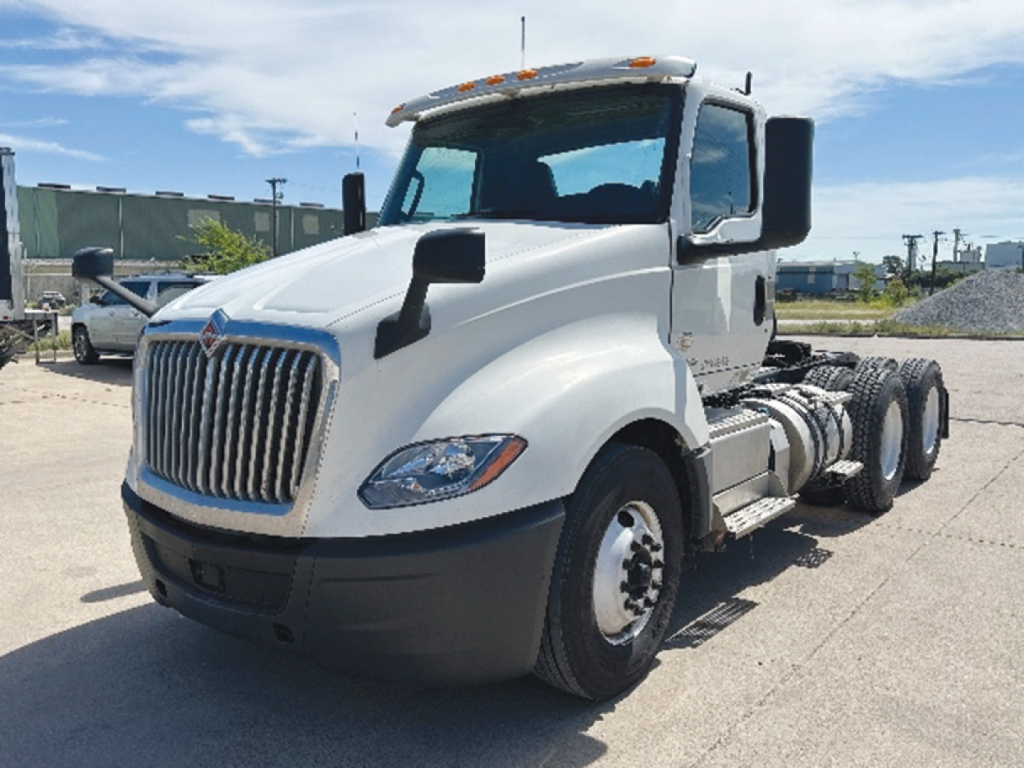
Within International's daycab lineup, the LT and earlier TranStar models are the names many buyers will recognize. These non-sleeper conventionals are typically spec'd with 12,000 to 12,350 lb front axles, 40,000 lb rears, and GVWRs around 52,000 lbs in tandem axle form. Common engines include the International A26, Navistar N13, and in some specs the Cummins X15, usually in the 400 to 430 hp range. Transmissions are often 10-speed or 12-speed automated manuals, though some trucks are equipped with manual gearboxes. Rear axle ratios such as 2.47, 2.79, and 3.25 can materially change performance. A taller ratio favors fuel economy and lower cruise rpm, while a deeper ratio can better support heavier starts, tighter route work, or more stop-and-go operation.
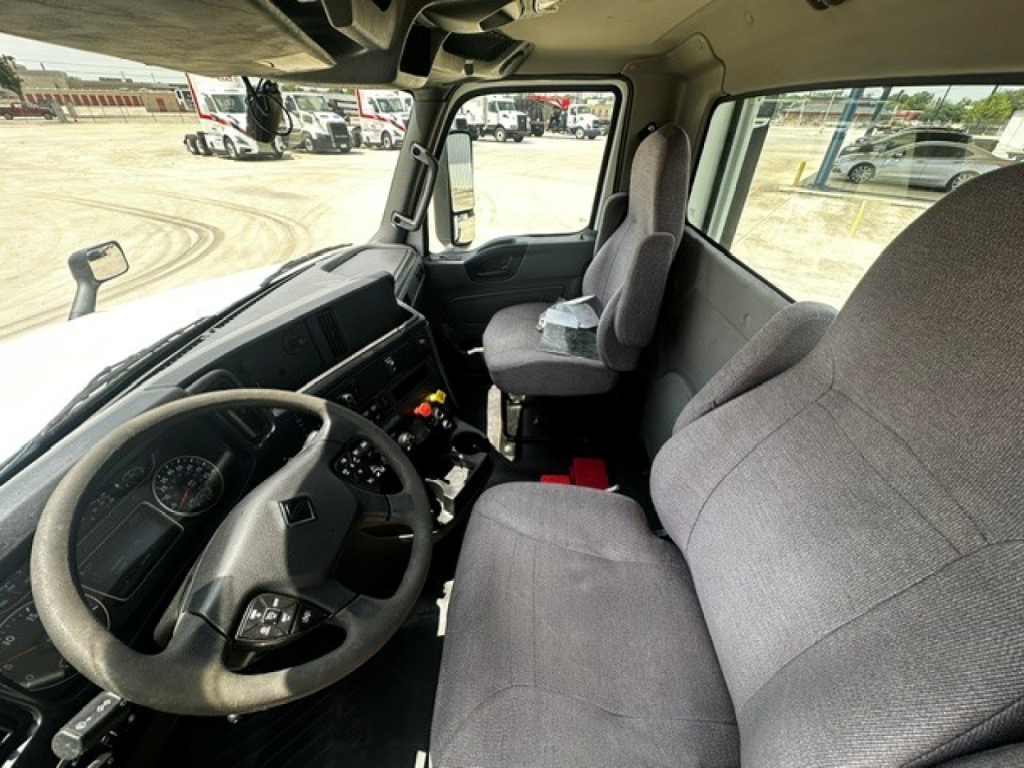
A buyer comparing International daycab trucks should look closely at wheelbase, suspension, brake type, and fuel capacity. Wheelbases in the mid-170-inch range are common and generally balance trailer swing clearance with acceptable maneuverability in yards and urban docks. Air ride suspension remains the standard choice for ride quality and trailer protection, and air slide fifth wheels add flexibility across different trailer settings. Disc brakes, engine brakes, low-profile 22.5 tires, aluminum fuel tanks, and aerodynamic equipment like cab extenders and roof fairings are all useful spec points because they affect maintenance cost, fuel burn, and daily drivability. Cab comfort matters too on a daycab. Features like air conditioning, tilt and telescoping steering, power windows, cruise control, and collision mitigation systems can make a noticeable difference on regional runs with frequent driver turnover.
For Texas operations, cooling performance, emissions history, and service access deserve extra attention. Hot-weather duty cycles put stress on A/C systems and engine cooling packages, especially in traffic-heavy metro work. Buyers should also compare engine platform support in their area, since uptime often comes down to parts availability and technician familiarity with A26, N13, or X15 service needs. If the truck will stay mostly on highway lanes pulling van or reefer freight, a lighter aero daycab with an automated transmission and faster rear ratio can be a strong fuel-economy spec. If it is headed into construction support, bulk, or heavier regional hauling, the better choice may be a truck with a deeper ratio, heavier drivetrain components, and a more versatile fifth wheel setup.
Frequently Asked Questions about International Conventional Daycab Trucks in Texas
What are the most common uses for an International conventional daycab truck?
An International conventional daycab is typically used for regional hauling, local freight movement, container drayage, dedicated contract lanes, and terminal-to-terminal work. The daycab configuration removes the sleeper to reduce weight and keep the wheelbase compact, which helps in tighter yards and city environments. In tandem axle form, these trucks are commonly paired with dry van, reefer, flatbed, and container chassis applications where the driver returns home daily or does not need overnight accommodations.
What engine and transmission options are common in International daycab trucks?
Common engine choices include the International A26, Navistar N13, and Cummins X15, generally rated around 400 to 430 horsepower in fleet daycab specs. Transmission choices often include Eaton automated manual units such as 10-speed and 12-speed models, along with some manual transmissions in older specs. For a buyer, the main decision is less about brand name alone and more about matching horsepower, torque curve, transmission type, and rear axle ratio to the route profile and trailer weight.
How important is rear axle ratio on a daycab tractor?
Rear axle ratio has a direct effect on launch feel, cruise rpm, grade performance, and fuel economy. Ratios like 2.47 or 2.79 are often chosen for highway-oriented regional work because they reduce engine speed at road speed and can help fuel efficiency. A 3.25 ratio is more versatile for mixed duty, heavier starts, and frequent stop-and-go operation. Buyers should choose ratio based on average gross weight, terrain, transmission gearing, and target road speed, not on horsepower alone.
What should I check on a used International LT or TranStar daycab?
Key inspection points include engine fault history, emissions system condition, transmission calibration and shift quality, cooling system performance, suspension wear, and brake life. On a daycab, also inspect the fifth wheel for travel and locking function, review wheelbase and slider position against your trailer fleet, and verify axle ratings and ratio tags. Interior condition, A/C output, steering play, and driver-assist systems are also worth checking because these trucks often spend long hours in regional service with multiple drivers.
Is an International daycab a good fit for Texas operations?
Yes, International daycabs are a practical fit for many Texas fleets because they are commonly spec'd for regional highway use, urban freight movement, and high-mileage dedicated routes. The key is choosing a spec that matches Texas conditions. Strong air conditioning, reliable engine cooling, the right rear ratio for interstate speeds, and enough fuel capacity for long intrastate runs are all important. Access to service support for the specific engine platform in your operating area is just as important as the truck's published horsepower or model year.