
Conventional Daycab Trucks For Sale in Nevada
Browse conventional daycab trucks for sale in Nevada. Compare tandem and single-axle specs, wheelbases, engines, transmissions, and applications.
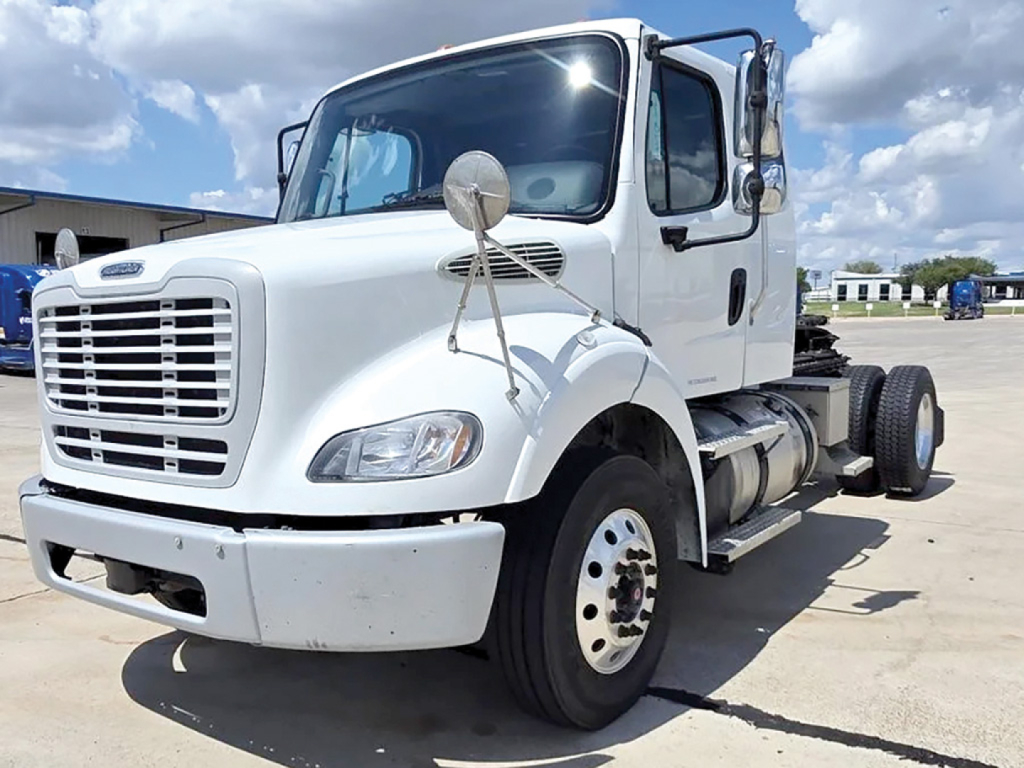
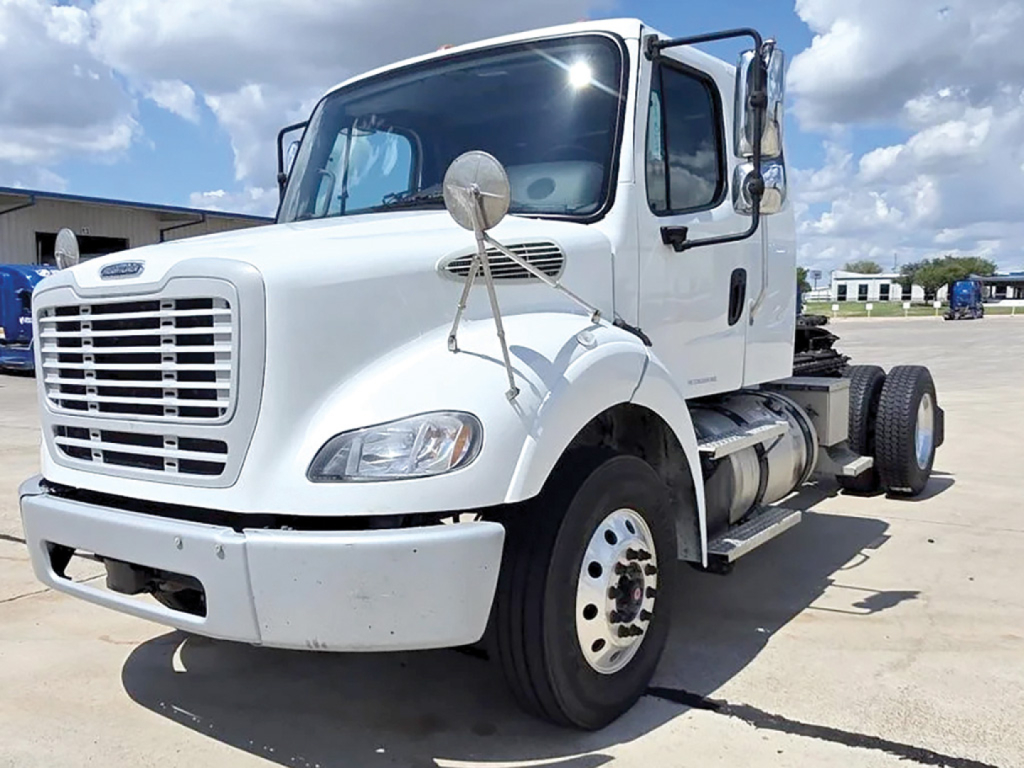
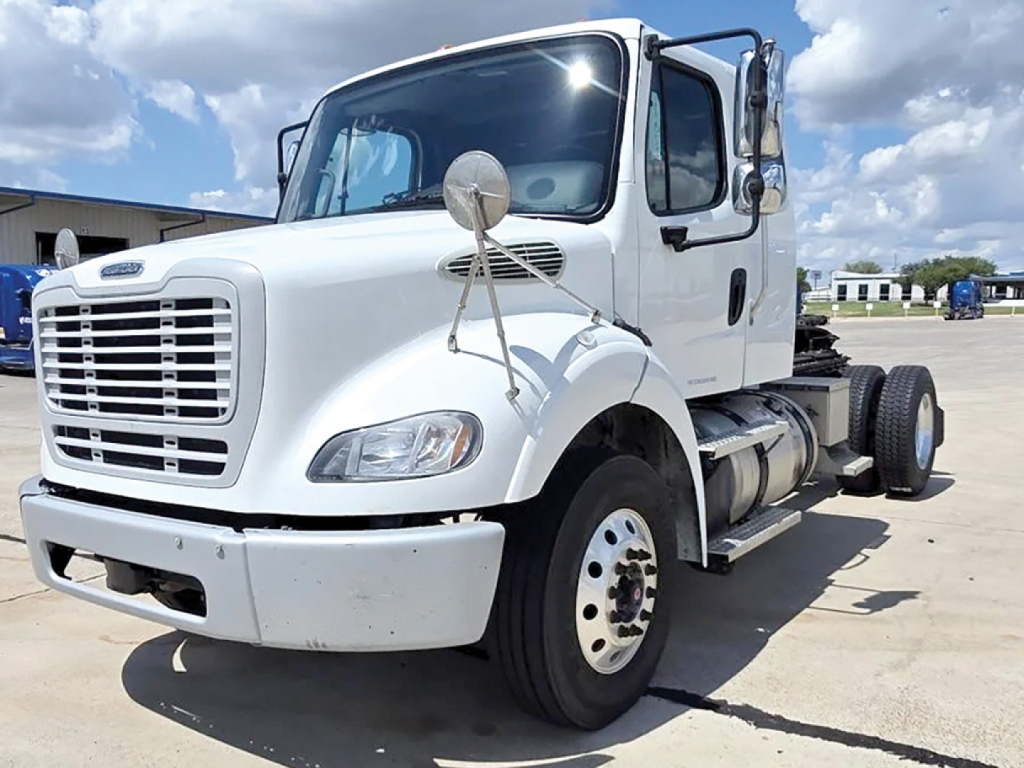
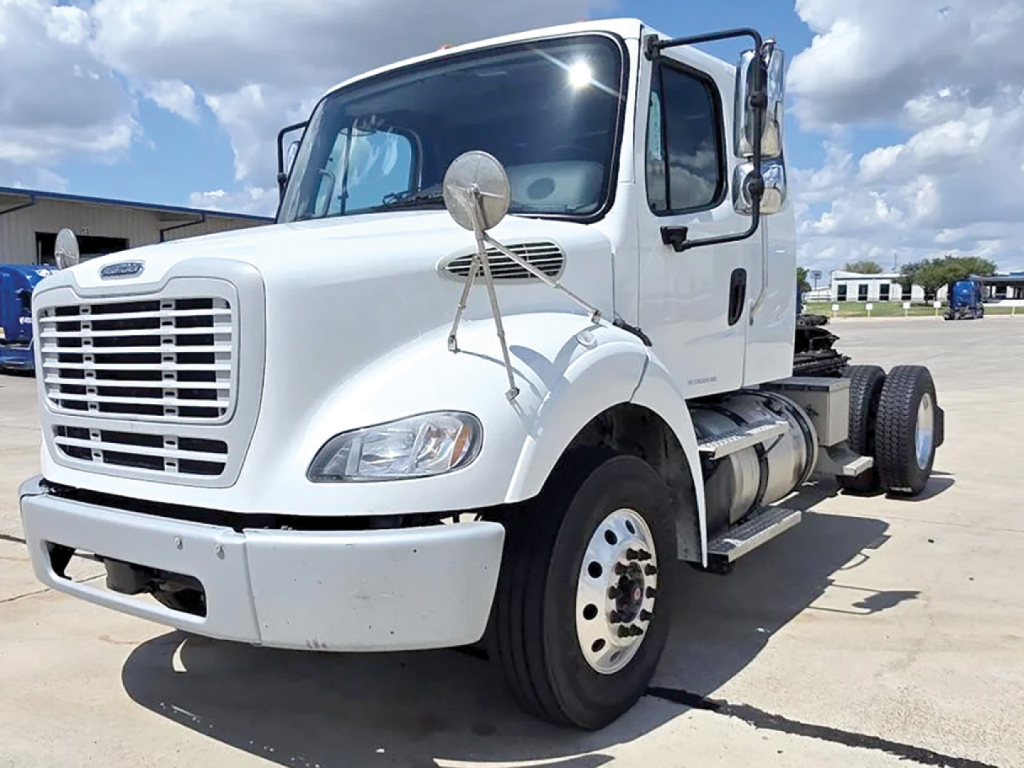
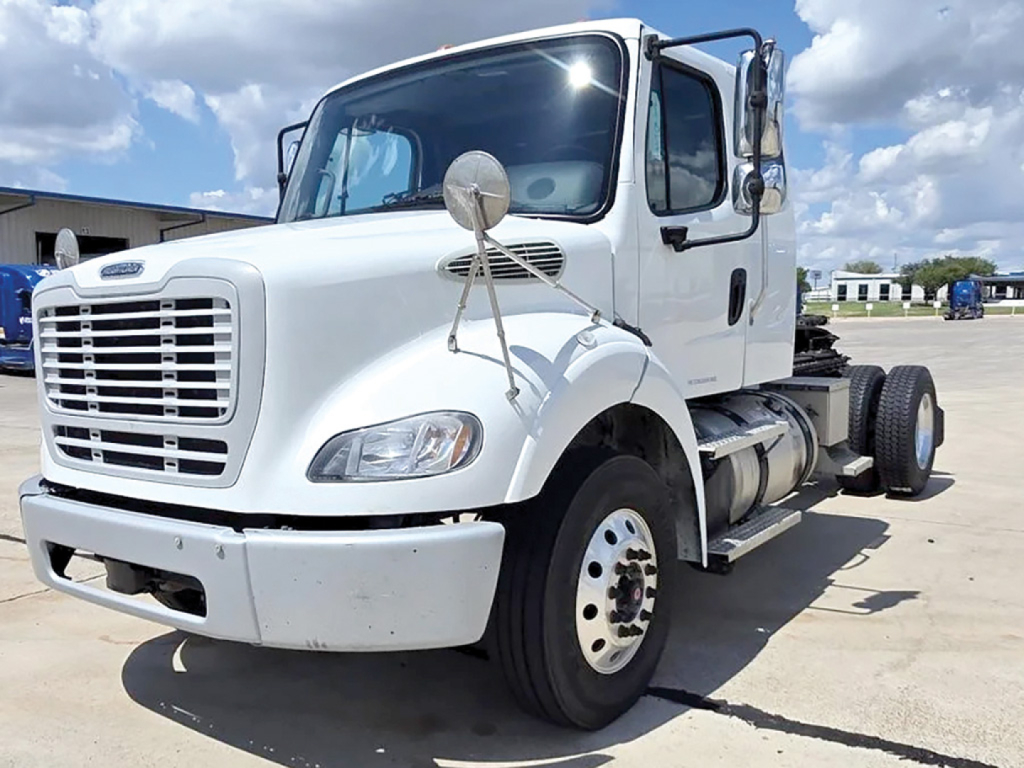

Have conventional daycab truck to sell? List it here to reach thousands of buyers.
Conventional Daycab Trucks in Nevada
The first buying decision is usually axle and application. Tandem-axle conventional daycabs are common for tractor work, including dry van, reefer, flatbed, and heavier regional freight, often with rear axle ratings around 40,000 pounds, air ride suspension, and wheelbases in the 160-inch range for a good balance of bridge compliance and maneuverability. Single-axle daycabs are a different tool. They are often spec'd for straight truck bodies, P&D routes, municipal work, and lighter regional payloads, with shorter overall operating costs and easier access in dense delivery environments. Engine ratings in this category commonly run from around 300 hp in medium-duty delivery setups to 450 hp or more in tandem-axle road tractors, with manual and automatic transmissions both widely used depending on route density and driver preference.
Powertrain specs should match the job, not just the badge on the hood. A lower numerical rear ratio such as 2.79 typically points to highway-friendly cruising and fuel economy in regional tractor service, especially when paired with a 10-speed or similar manual transmission. A deeper ratio such as 5.29 is more common on delivery and straight truck applications where startability, stop-and-go performance, and body upfit compatibility matter more than road speed. Buyers should also pay close attention to fifth wheel type, wheelbase, fuel capacity, exhaust routing, brake setup, and suspension. Features like engine brakes, air ride, cab extenders, roof fairings, and low-profile 22.5 tires can make a noticeable difference in operating cost and day-to-day drivability.
Condition and spec alignment matter more than age alone on a conventional daycab. A well-maintained non-sleeper tractor with the right horsepower, axle ratio, and frame layout will usually outperform a newer truck that is poorly matched to the route. For Nevada use, cooling system condition, A/C performance, and evidence of consistent maintenance deserve extra attention because heat, long grades, and idle time can expose weak points quickly. Review engine make, transmission model, rear axle rating, suspension type, and wheelbase against your actual freight and route profile. The best conventional daycab is the one that fits your payload, trailer combination, turning requirements, and maintenance plan without carrying unnecessary weight or complexity.
Frequently Asked Questions about Conventional Daycab Trucks in Nevada
What is a conventional daycab truck used for?
A conventional daycab truck is used for local and regional work where a sleeper berth is not necessary. Common applications include terminal-to-terminal freight, drayage, LTL pickup and delivery, flatbed and van tractor service, municipal hauling, and straight truck body applications. The conventional hood design gives better engine access and cooling capacity than many cabover configurations, while the daycab layout keeps the chassis shorter and easier to maneuver.
What is the difference between a daycab and a sleeper truck?
A daycab does not have a sleeper compartment behind the seats, so it is lighter, shorter, and generally better suited for routes that return the driver home the same day. A sleeper truck adds living space for over-the-road use, but it also increases wheelbase, curb weight, and overall length. For buyers focused on urban access, dock maneuverability, and regional efficiency, a daycab is often the better fit.
How do I choose between a single-axle and tandem-axle conventional daycab?
A single-axle daycab is typically the right choice for lighter payloads, delivery routes, straight truck bodies, and operations where lower acquisition and operating costs matter most. A tandem-axle daycab is better for heavier trailer work, higher GCWR requirements, and more demanding regional hauling. The right choice depends on your trailer type, legal weight targets, axle requirements, and how often the truck will run loaded versus empty.
What specs matter most on a conventional daycab?
The most important specs are engine horsepower and torque, transmission type, rear axle ratio, axle ratings, suspension, wheelbase, and intended body or trailer setup. Fifth wheel position, frame length, tire size, and exhaust routing also matter because they affect turning radius, trailer clearance, and upfit compatibility. Buyers should match these specs to route speed, terrain, stop frequency, and gross operating weight instead of choosing solely by make or model.
Are conventional daycab trucks a good fit for Nevada operations?
Conventional daycab trucks are often a strong fit for Nevada because they handle regional freight, warehouse distribution, and construction-related hauling well while staying manageable in urban areas like Las Vegas and Reno. Buyers should pay close attention to cooling system health, air conditioning performance, and gearing for long grades and high ambient temperatures. Trucks that are correctly spec'd for heat, highway speed, and frequent starts can deliver strong uptime in desert operating conditions.