
International Conventional Daycab Trucks For Sale in Nevada
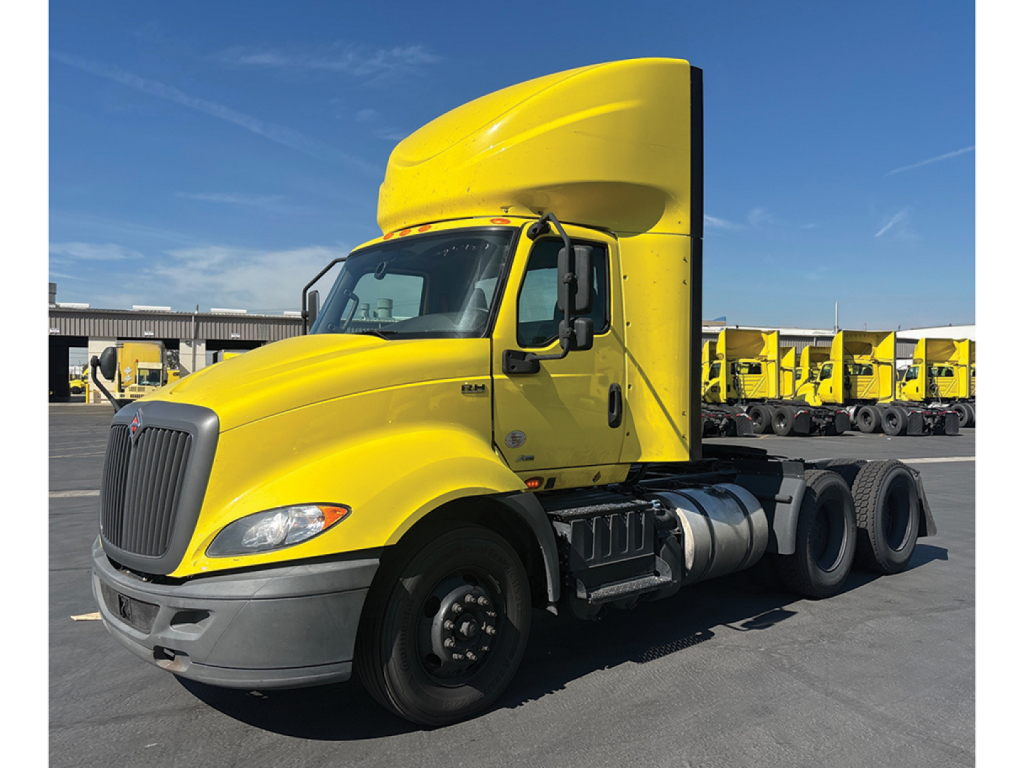
2023 International RH613
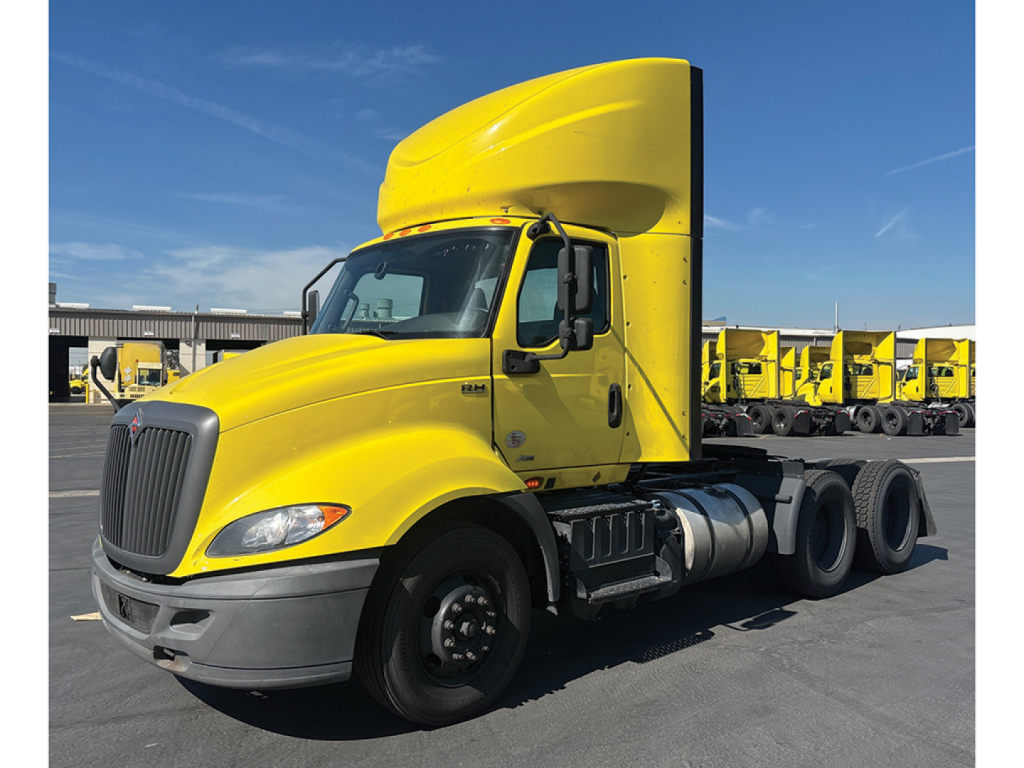
2023 International RH613
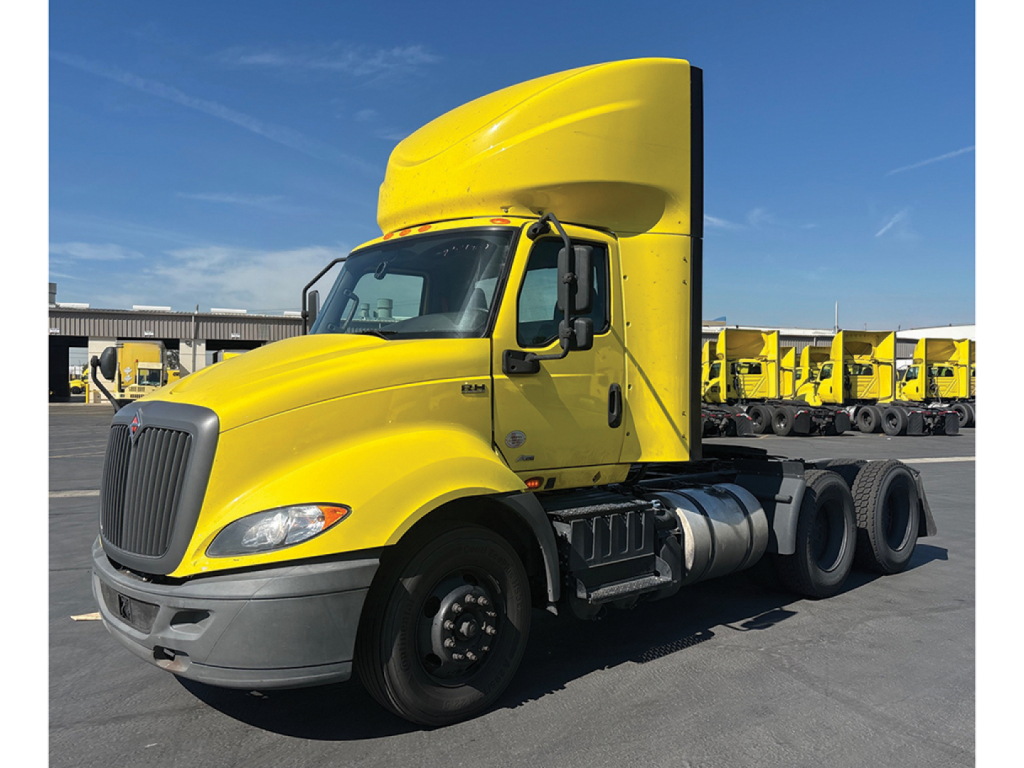
2023 International RH613
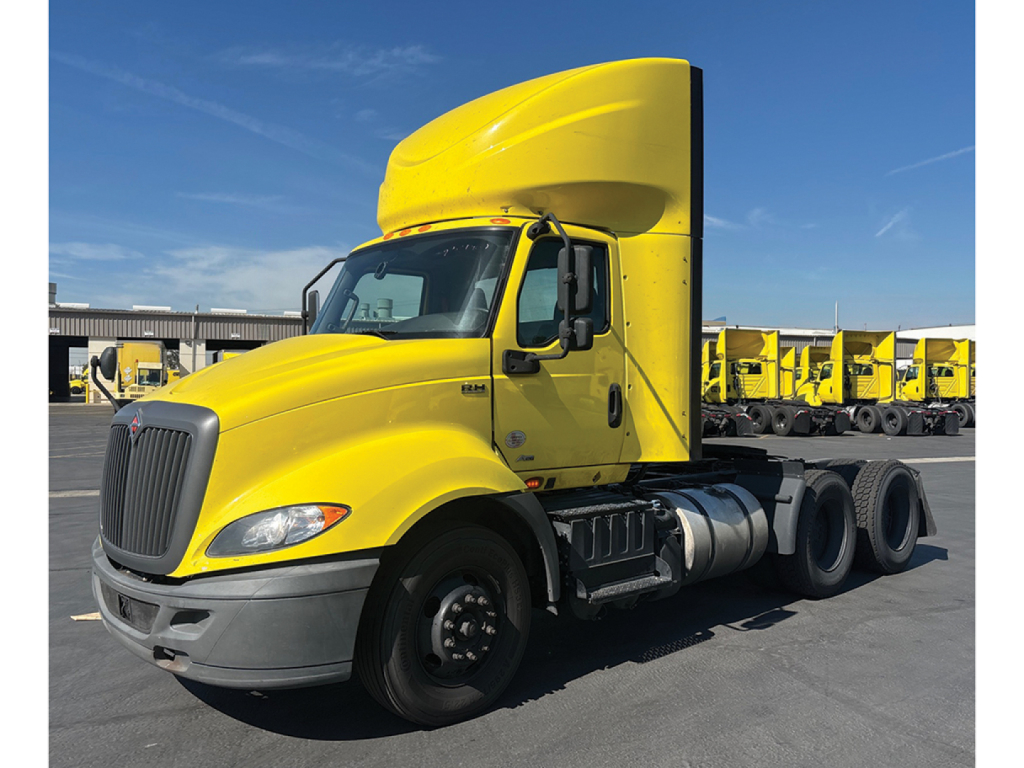
2023 International RH613
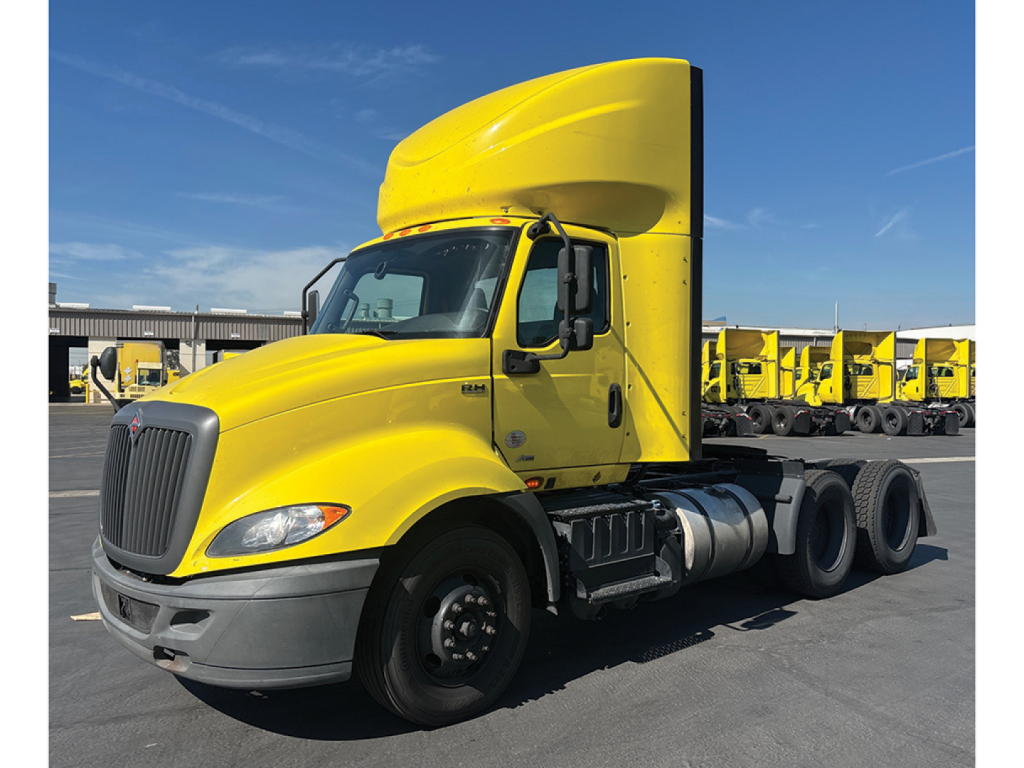
2023 International RH613
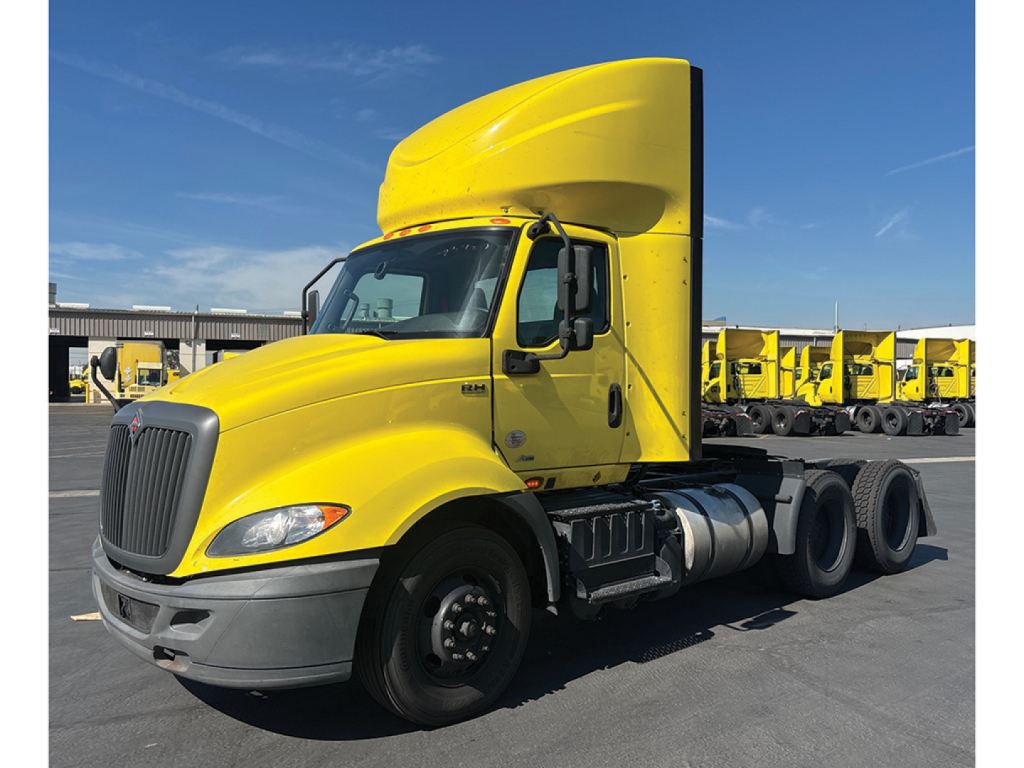
2023 International RH613
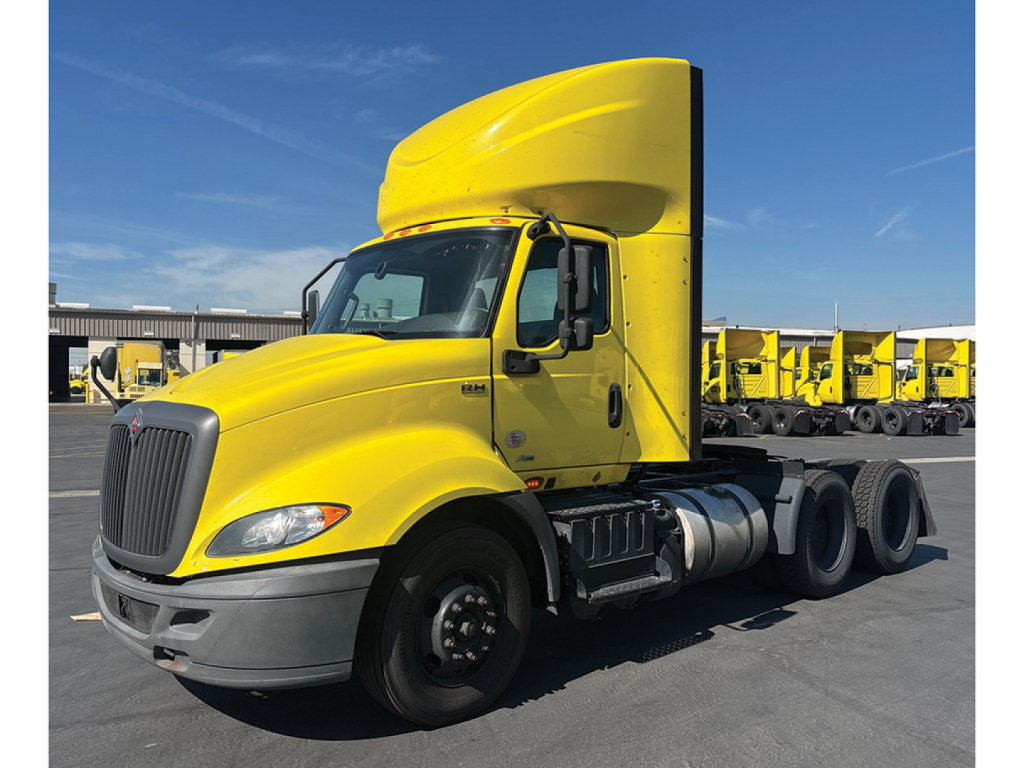
2023 International RH613
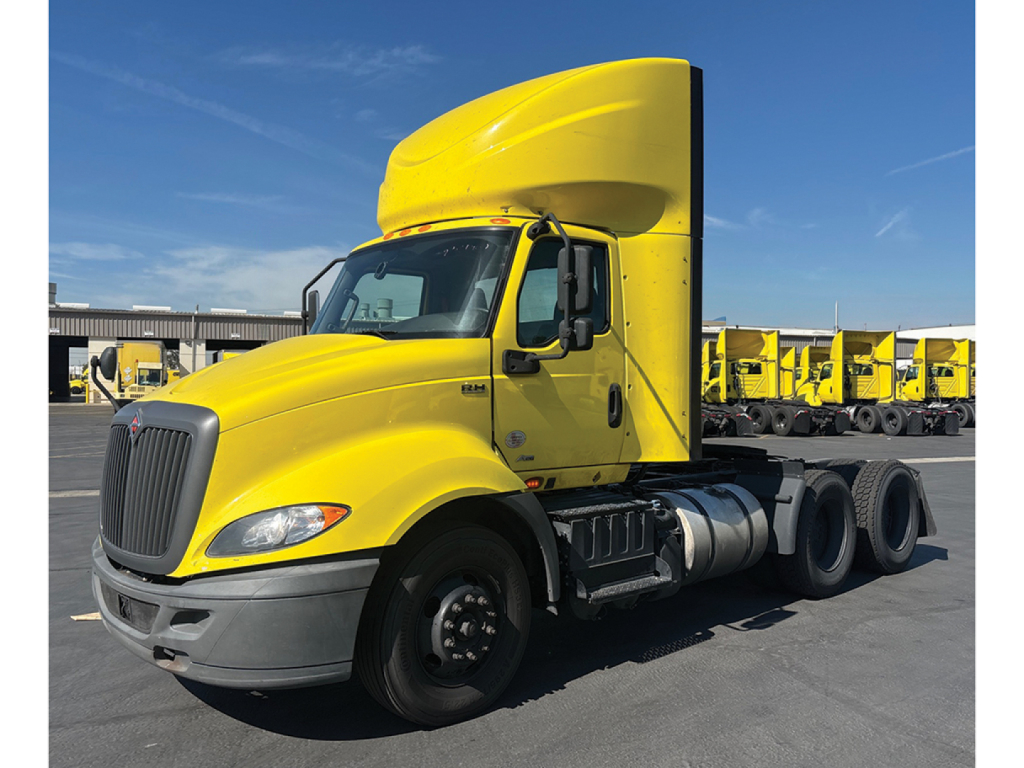
2023 International RH613
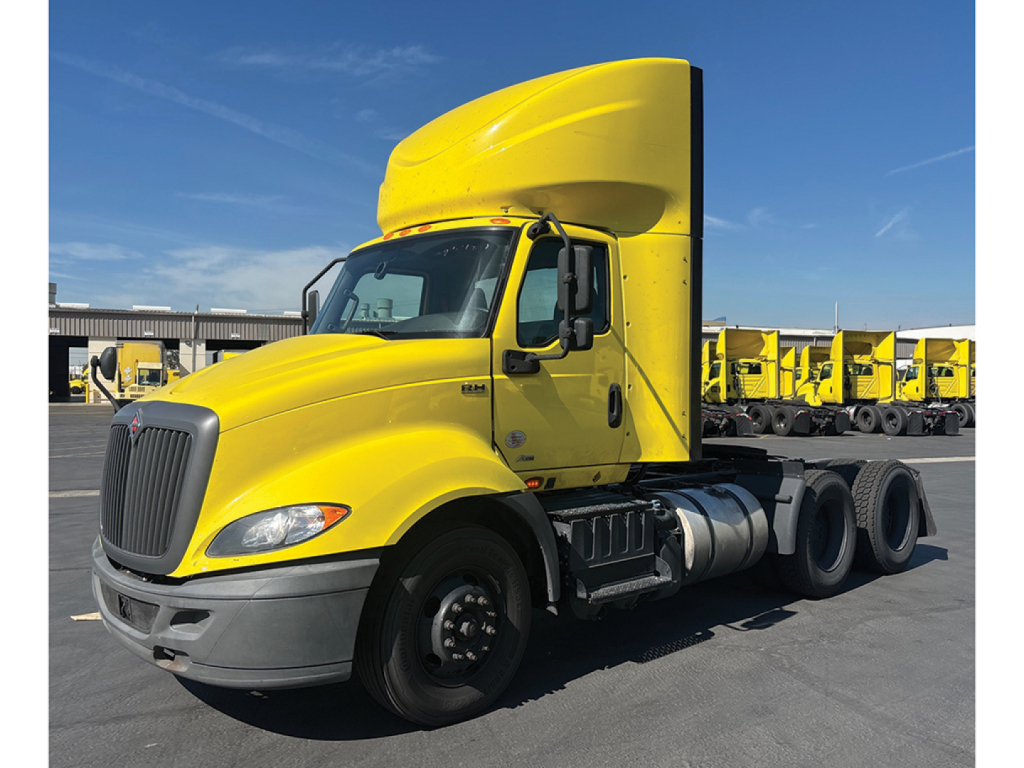
2023 International RH613
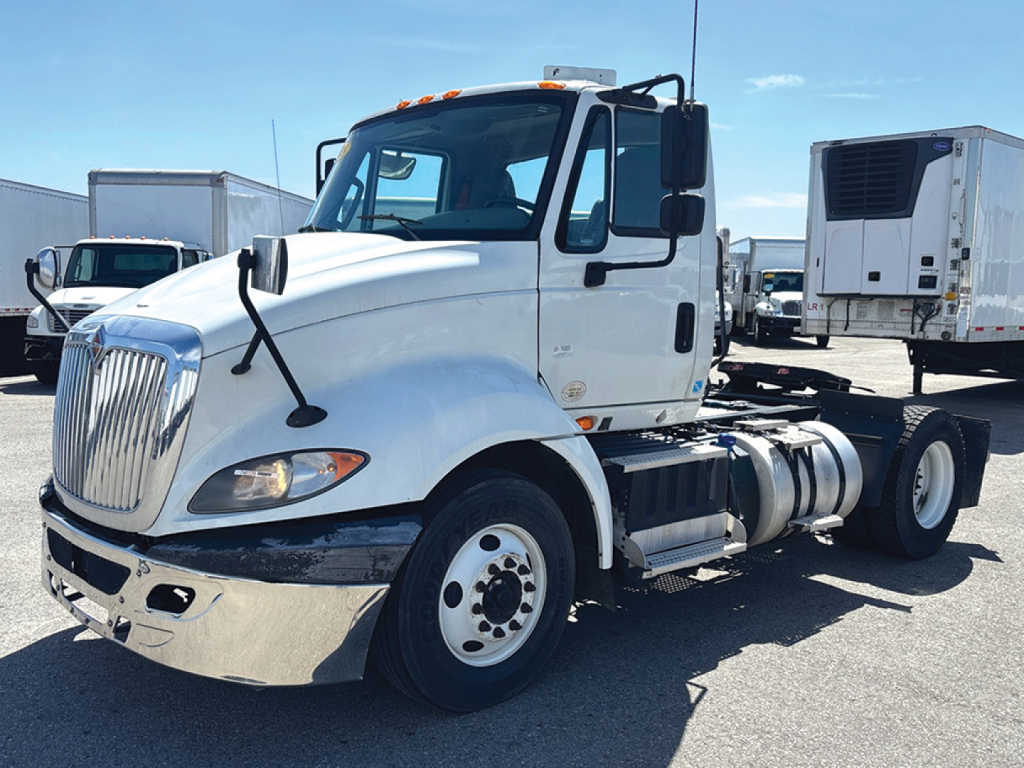
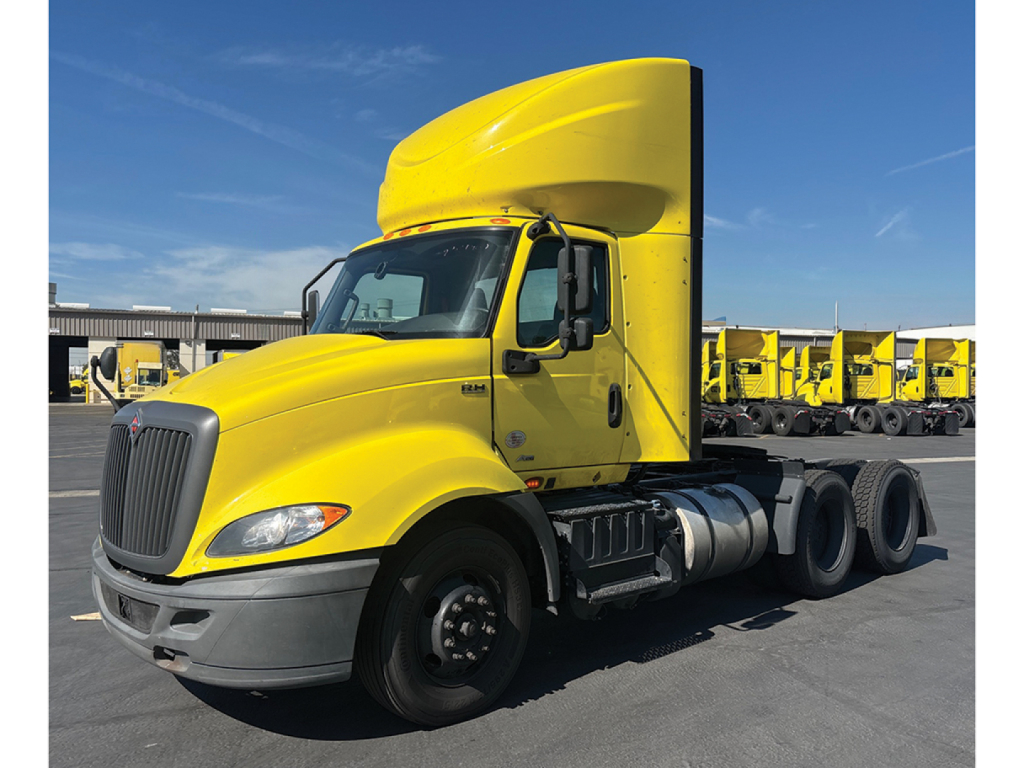
2023 International RH613
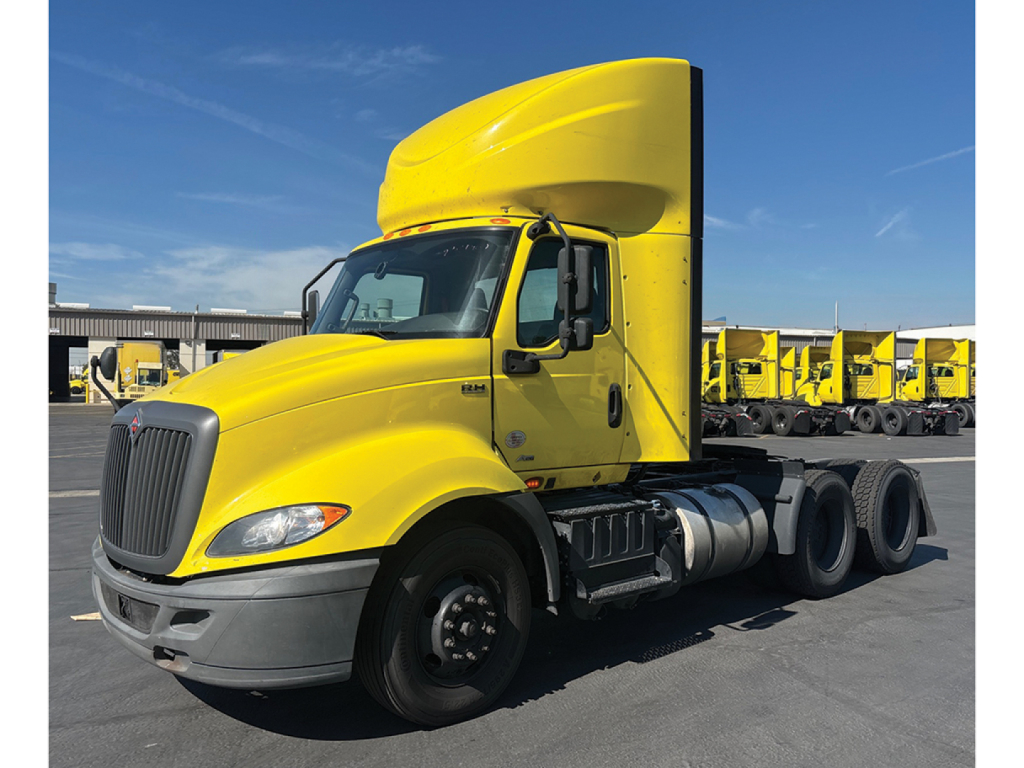
2023 International RH613
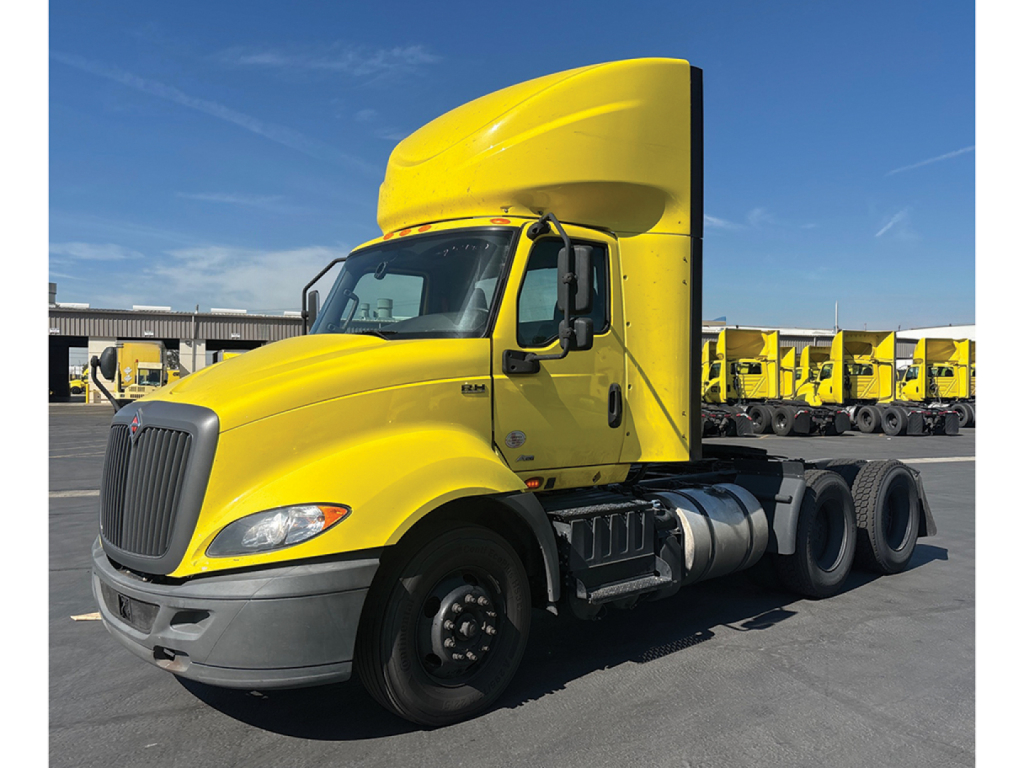
2023 International RH613
Have international conventional daycab truck to sell? List it here to reach thousands of buyers.
International Conventional Daycab Trucks in Nevada
Powertrain spec matters more than badge alone. Many International daycab trucks are equipped with Cummins X15 engines in the 400 HP range, paired with automated manual transmissions and highway-friendly rear axle ratios such as 2.79. That combination is common in fuel-conscious regional applications, especially when the truck is expected to spend most of its time at cruising speed with consistent trailer weights. If your work includes heavier starts, frequent city turns, or mountain pulls, pay close attention to rear axle rating, suspension type, engine brake performance, and whether the wheelbase and fifth wheel position fit your trailer mix. Air slide fifth wheels, 40,000 lb rear axles, and air ride suspension are typical specs that give a daycab more flexibility across freight types.
Cab and chassis details can make a real difference in daily use. International conventional daycabs commonly show up with dual aluminum fuel tanks, cab extenders, roof and side fairings, quarter fenders, and low-profile 22.5 tires on aluminum or steel wheels. Those features support fuel economy, driver comfort, and cleaner trailer gap management. Inside the cab, buyers should look at seat condition, steering wheel adjustment, HVAC performance, visibility, and driver-assistance features such as collision mitigation systems. On a fleet daycab, those practical details affect uptime and driver acceptance just as much as engine and transmission specs.
A good International daycab should be matched to lane length, trailer type, and average gross combination weight, not just purchase price. For regional dry van and reefer work, an aerodynamic LT625-style spec with a shorter wheelbase can be a strong fit. For vocational or mixed-use service, buyers may want a less aero setup, different gearing, or a heavier axle package. Also known as a day cab semi truck or non-sleeper tractor, this category is best evaluated by looking at wheelbase, axle capacity, fairing package, transmission type, and maintenance history as a complete package rather than any single headline number.
Frequently Asked Questions about International Conventional Daycab Trucks in Nevada
What is an International conventional daycab truck best used for?
An International conventional daycab truck is best suited for regional hauling, local and dedicated routes, drayage, tanker work, and other operations where the driver returns home daily. The non-sleeper layout reduces weight and often improves maneuverability compared with a sleeper tractor. That makes it a practical choice for fleets focused on efficiency, frequent stops, and shorter turn times.
What engine and transmission specs are common in International daycab tractors?
A common setup in late-model International daycabs is a Cummins X15 engine around 400 horsepower paired with an automated manual transmission. Buyers will also see highway-oriented axle ratios, often combined with 40,000 lb rear axles and air ride suspension. The right spec depends on average payload, terrain, desired cruise speed, and how often the truck starts and stops under load.
How important is wheelbase on a conventional daycab?
Wheelbase affects turning radius, trailer gap, weight distribution, and how the truck handles different trailer lengths. A shorter wheelbase generally helps in tighter yards and city work, while a longer wheelbase can improve ride quality and component packaging. Buyers should confirm that wheelbase and fifth wheel travel fit their trailer swing clearance and kingpin setting requirements.
What should buyers inspect on a used International daycab in Nevada?
In Nevada, buyers should pay close attention to cooling system condition, HVAC performance, tire wear, suspension components, and signs of heat-related stress on hoses, wiring, and aftertreatment parts. It is also smart to inspect the fifth wheel, frame condition, brake components, and any driver-assistance systems for proper operation. Service records, fault-code history, and transmission calibration status are especially valuable on fleet-operated daycabs.
Are aerodynamic features worth it on an International daycab truck?
Aerodynamic features such as roof fairings, side fairings, cab extenders, and quarter fenders can be worthwhile when the truck spends significant time at highway speed with van or reefer trailers. Those components help reduce drag and can improve fuel economy over time. If the truck is used mainly for low-speed local work or with trailer types that do not match the aero package, the benefit is usually smaller.