
2022 Conventional Daycab Trucks For Sale in Nevada
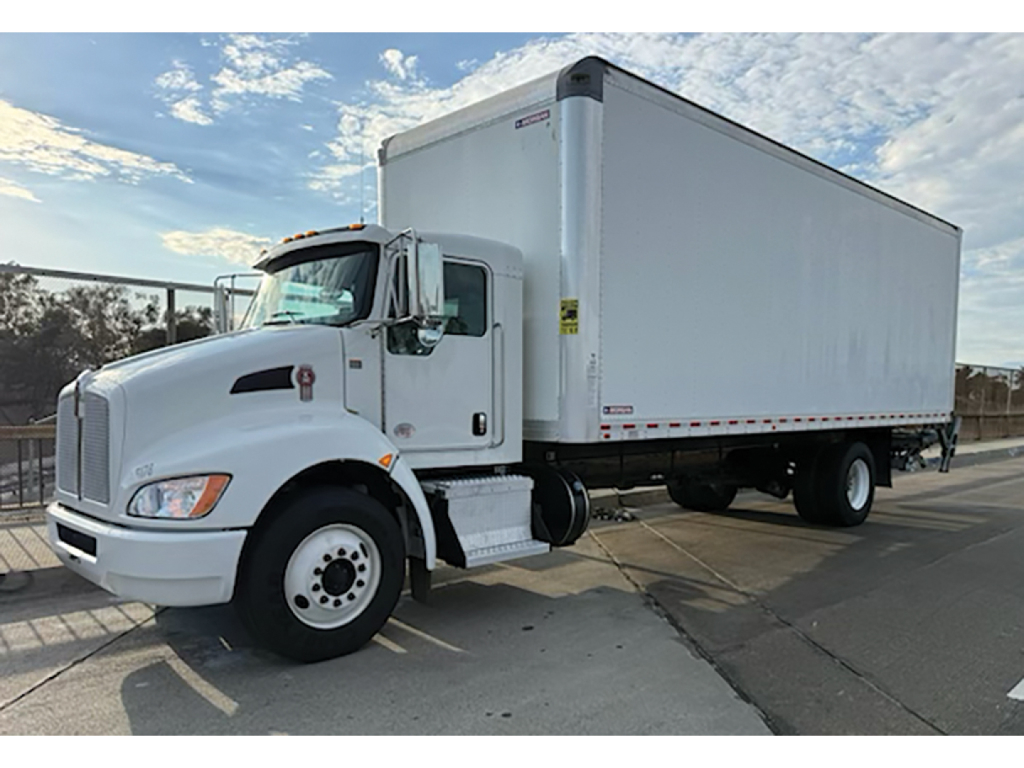
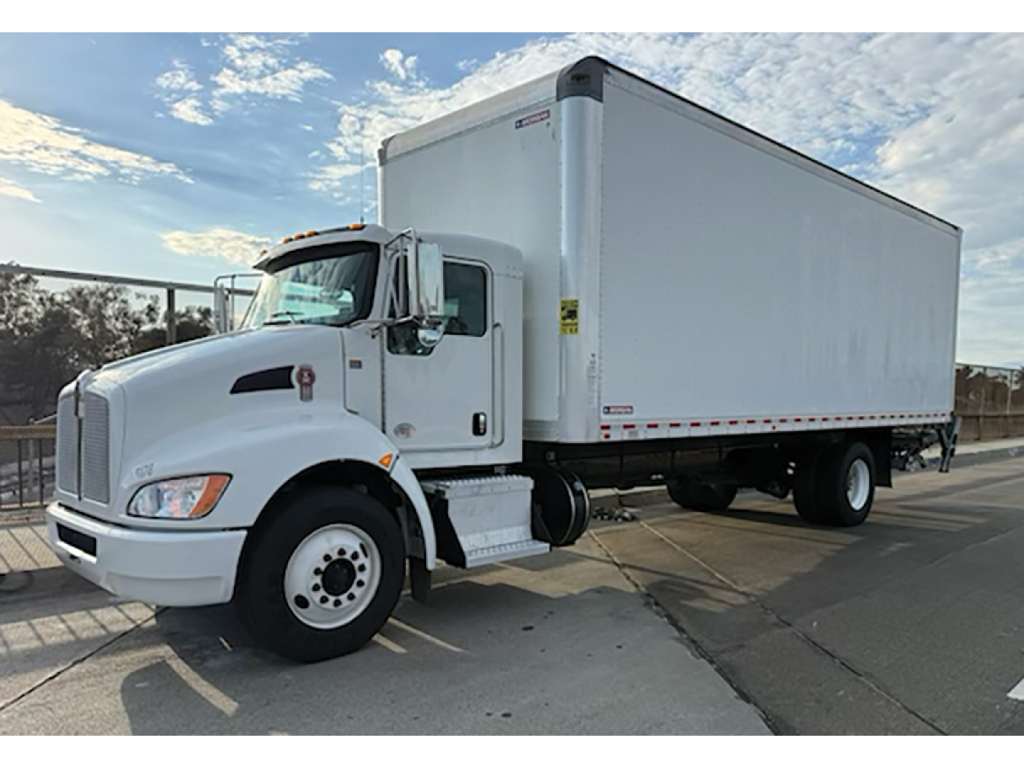
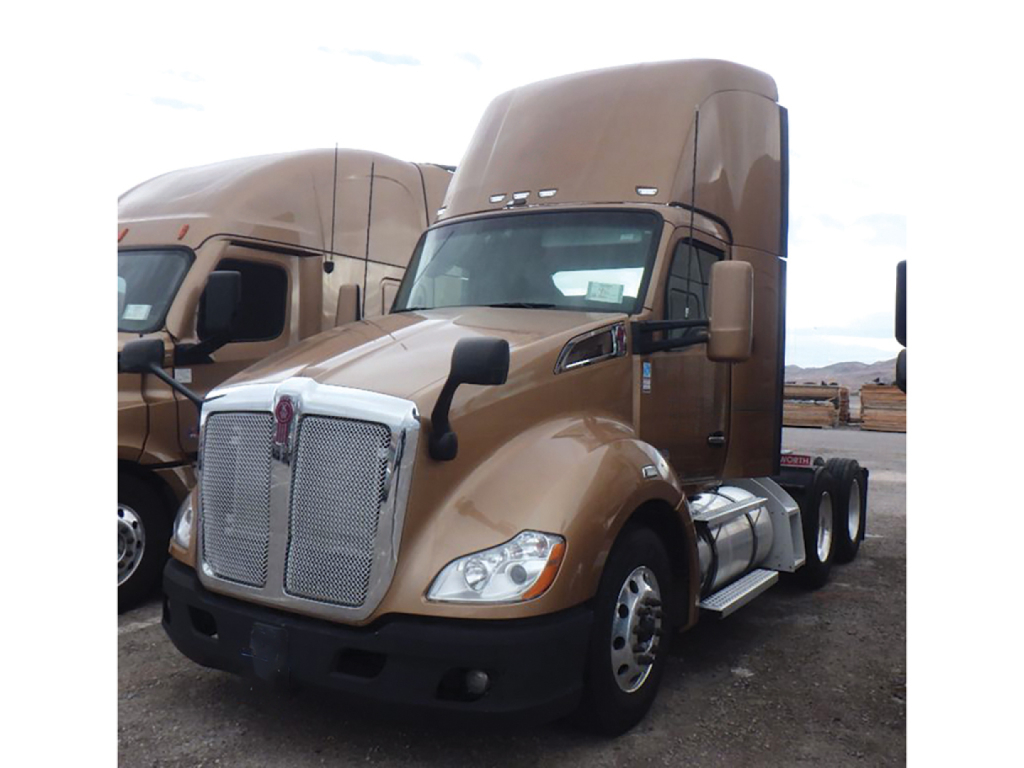
Have 2022 conventional daycab truck to sell? List it here to reach thousands of buyers.
2022 Conventional Daycab Trucks in Nevada
Most 2022 daycab conventionals in the market use aerodynamic cabs with integrated fairings, air ride suspension, and automated manual or fully automatic transmissions. Common engines fall in the medium to heavy-duty range, with horsepower often landing around 300 to 450 HP depending on intended use. A lighter regional spec may be paired with a smaller displacement engine and a single axle, while a linehaul or bulk application usually calls for a tandem axle with higher rear-end ratings, engine brake, and taller highway gearing such as 2.64 to 3.08. Wheelbase matters more than many first-time buyers expect. A shorter wheelbase improves dock approach and city maneuverability, while a longer wheelbase can help with ride quality, frame space, and certain trailer or PTO requirements.
For 2022 model year trucks, emissions systems, driver-assist technology, and transmission calibration are all worth close attention. Collision mitigation, adaptive cruise features, and disc brakes became more common in newer daycab specs, especially in fleet-maintained units. Buyers should also review fuel tank capacity, fairing configuration, and tire setup, including low-profile rubber or super singles, because those details affect range, curb weight, maintenance costs, and regional operating efficiency. In Nevada's heat and long-distance regional runs, cooling system condition, A/C performance, and service records carry real value.
A good conventional daycab should match the trailer and the route, not just the price point. Check front axle capacity, rear axle rating, suspension type, transmission model, and kingpin-to-rear-axle relationship before comparing trucks side by side. If the truck will spend its life hauling van, reefer, flatbed, tanker, or container chassis, the right gearing and fifth wheel travel can matter as much as engine horsepower. A well-specced 2022 daycab can deliver strong uptime, lower operating cost, and easier driver turnover than an older platform, especially for fleets standardizing around regional freight and short-haul tractor work.
Frequently Asked Questions about 2022 Conventional Daycab Trucks in Nevada
What is a conventional daycab truck best used for?
A conventional daycab truck is best suited for regional haul, local cartage, drayage, dedicated route work, and short-haul tractor applications where the driver returns regularly and does not need a sleeper. It offers the durability and towing capability of a highway tractor with lower empty weight and a shorter overall package than a sleeper truck. That makes it a common choice for van, reefer, flatbed, tanker, and chassis work.
What specs matter most when buying a 2022 conventional daycab?
The most important specs are axle configuration, rear axle ratio, wheelbase, engine horsepower and torque, transmission type, and fifth wheel setup. Those items determine how the truck starts under load, cruises at highway speed, turns in tight yards, and matches to your trailer fleet. Suspension type, brake configuration, fuel capacity, and driver-assist systems also matter because they affect operating cost, safety, and driver acceptance.
Is an automatic transmission a good choice in a daycab truck?
For many regional and local operations, an automated manual or automatic transmission is a strong choice because it reduces driver fatigue, helps with training and hiring, and can improve consistency in fuel economy and clutch life. It is especially useful in stop-and-go work, city delivery, and multi-driver fleets. A manual still appeals in some vocational or specialty operations, but newer daycab buyers often prioritize automation for uptime and labor flexibility.
How do I choose the right wheelbase for a conventional daycab?
Choose wheelbase based on trailer swing clearance, bridge law needs, yard access, and any frame-mounted equipment requirements. A shorter wheelbase is easier to maneuver and usually better for dense city or terminal work. A longer wheelbase may be better for ride quality, fuel capacity, PTO equipment, or applications that need more frame space. The correct choice depends on where the truck runs and what it pulls every day.
Are 2022 daycab trucks a good fit for Nevada operations?
Yes, 2022 daycab trucks are a strong fit for Nevada operations because they are commonly spec'd for regional highway use, heat exposure, and frequent terminal or warehouse stops. Buyers should pay close attention to cooling system health, air conditioning performance, tire condition, and gearing for long interstate stretches. In Nevada, a truck that combines good airflow, reliable emissions performance, and the right axle ratio can be more valuable than one with a higher horsepower number alone.