
Kenworth Conventional Daycab Trucks For Sale in Nevada
Have kenworth conventional daycab truck to sell? List it here to reach thousands of buyers.
Kenworth Conventional Daycab Trucks in Nevada
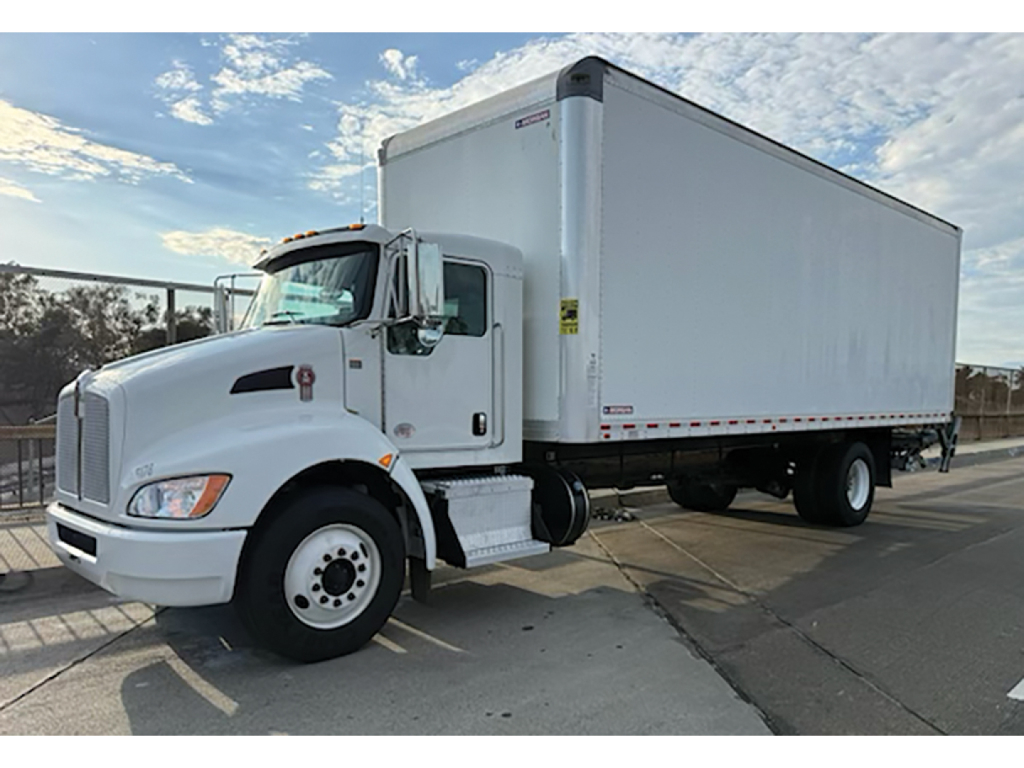
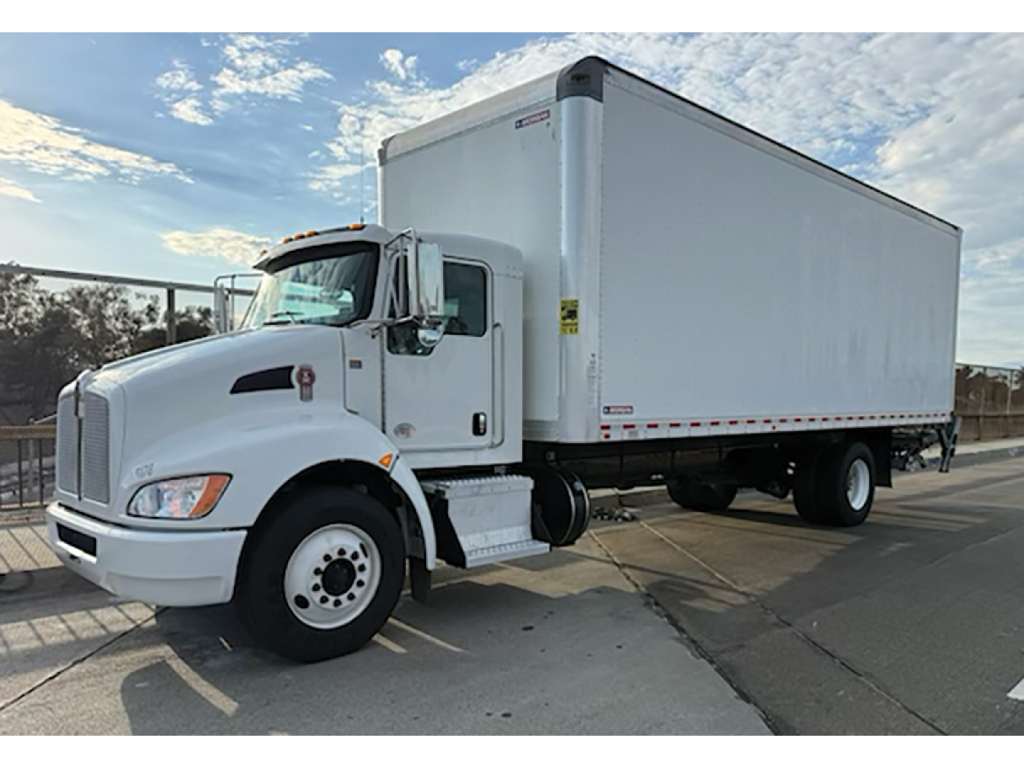
A buyer should start with the chassis and powertrain match. Kenworth daycab conventionals in this range are often spec'd with PACCAR PX-6 or PX-7 diesel engines, commonly in the 260 to 300 horsepower range, paired with Allison automatic transmissions such as the 2500RDS. That combination is popular because it simplifies driver training, performs well on urban routes, and works well with van bodies, stake bodies, dump bodies, and other vocational equipment. Rear axle ratings around 16,000 pounds, single-axle setups, and ratios like 5.29 are typical on trucks built for payload and start-stop acceleration rather than highway cruise speed. Wheelbase is a major detail if the truck already has a 24-foot to 26-foot body, liftgate, or specialized upfit, because overall length, turning radius, and bridge law considerations all come into play.
Suspension, cab spec, and body equipment affect daily usability just as much as engine rating. Air ride suspension can improve ride quality and help protect cargo, while spring suspension may appeal in simpler or heavier vocational service. Many Kenworth daycab trucks in this category include practical fleet features such as air conditioning, cruise control, tilt and telescoping steering, power windows, aluminum fuel tanks, and horizontal exhaust. On straight truck configurations, buyers should pay close attention to body condition and cargo control details such as wood floors, E-track, scuff liners or scuff plate, translucent roof panels, threshold plates, roll-up doors, and liftgates. Those items directly affect loading speed, dock compatibility, and repair costs.
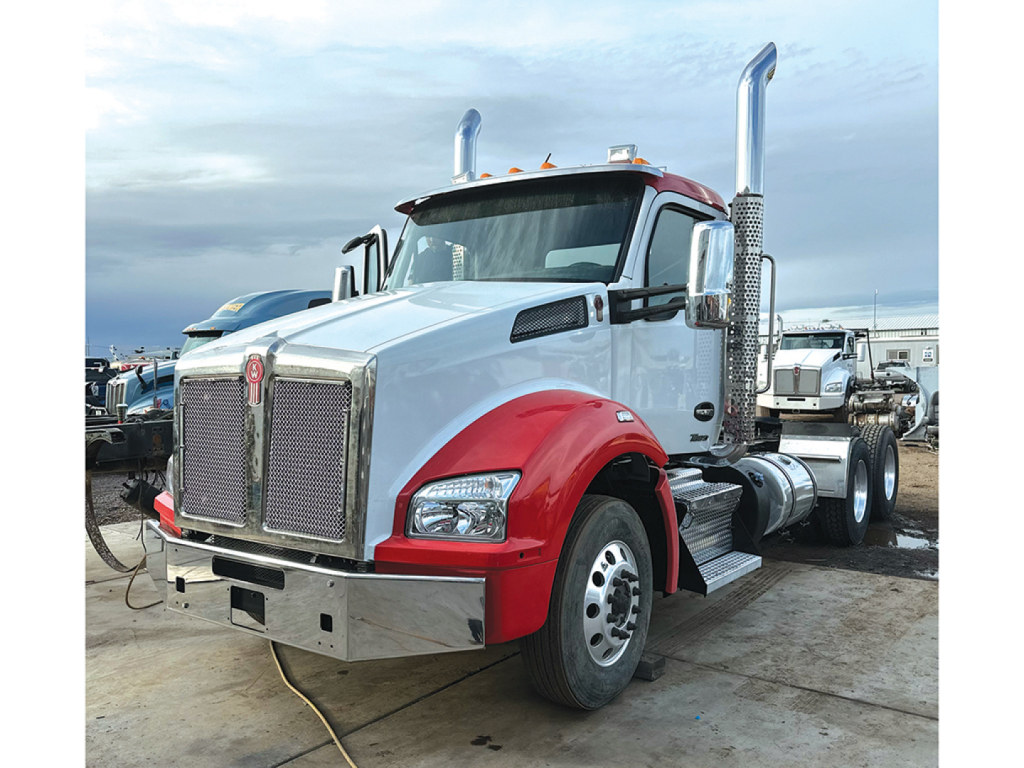
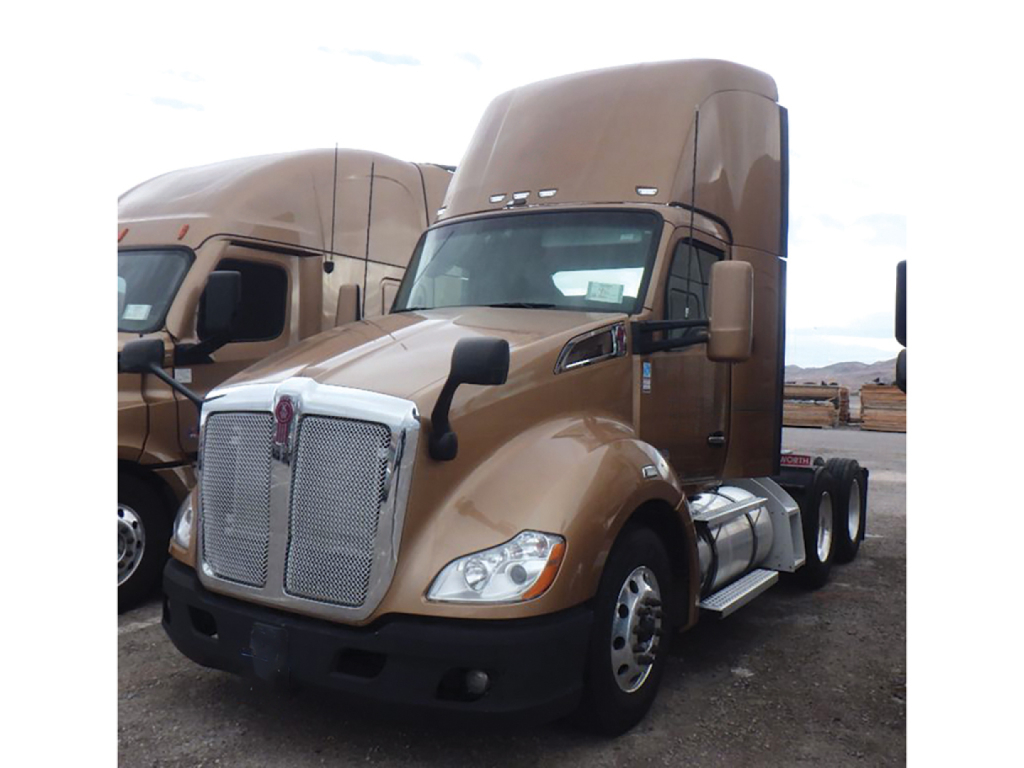
For Nevada operation, cooling system condition, tire spec, and brake performance deserve extra scrutiny because desert heat, long surface-street idle time, and mixed urban-highway use can expose weak maintenance quickly. Low-profile 22.5-inch tires are common on this class and can help with step-in height and body height, especially on delivery applications. If the truck will stay in city service, prioritize visibility, turning radius, transmission behavior, and body access. If it will see more regional mileage, look harder at axle ratio, fuel capacity, ride quality, and engine horsepower. A well-spec'd Kenworth conventional daycab should be easy to service, comfortable for multi-stop routes, and durable enough to support a wide range of medium-duty commercial applications.
Frequently Asked Questions about Kenworth Conventional Daycab Trucks in Nevada
What are Kenworth conventional daycab trucks typically used for?
Kenworth conventional daycab trucks are commonly used for local and regional commercial work that does not require overnight accommodations. Typical applications include box truck delivery, pickup and delivery, moving service, beverage distribution, municipal work, landscape supply, and other straight truck or vocational roles. The daycab layout keeps weight and overall cost down while providing easier cab access for drivers making frequent stops.
What is the difference between a Kenworth T-270 and T-280 daycab?
The T-270 and T-280 are both medium-duty Kenworth conventional platforms, but the T-280 is generally positioned for heavier-duty applications and broader vocational flexibility. Exact ratings depend on the truck's spec, including axle ratings, wheelbase, suspension, body, and engine. Buyers comparing the two should focus less on the badge alone and more on GVWR, front and rear axle capacities, frame rating, suspension type, and the body or equipment already installed.
Is an Allison automatic a good transmission choice in a Kenworth daycab?
For most city and route-delivery applications, an Allison automatic is a strong choice. It reduces driver fatigue, improves consistency in stop-and-go traffic, and is well suited for fleets with multiple drivers or frequent turnover. It also pairs well with medium-duty diesel engines in applications that involve liftgates, frequent backing, dock work, and dense urban operation. Buyers should still verify service history, fluid condition, and that the transmission rating matches the truck's intended payload and duty cycle.
What specs matter most when buying a used Kenworth conventional daycab in Nevada?
The most important specs are engine horsepower, transmission type, rear axle rating, axle ratio, suspension, wheelbase, and the condition of any installed body equipment. In Nevada, buyers should also pay close attention to cooling system performance, air conditioning, tire condition, brakes, and signs of heat-related wear. If the truck has a van body or liftgate, inspect the floor, roll-up door, cargo securement system, and gate operation closely because those components affect daily productivity and repair expense.
How do axle ratio and wheelbase affect a Kenworth daycab's performance?
Axle ratio and wheelbase have a major effect on how the truck works. A deeper ratio such as 5.29 usually favors low-speed pulling power, quicker starts under load, and urban route performance, but it can limit comfortable cruising speed and fuel economy on longer highway runs. Wheelbase affects turning radius, body fit, ride quality, and legal overall length. Buyers should match both specs to the body length, payload, and route pattern rather than choosing on engine horsepower alone.