
2005 Trucks For Sale
Explore 2005 trucks by specs, engines, transmissions, and emissions rules. Learn trade-offs for sleepers, day cabs, and vocational units.
Learn more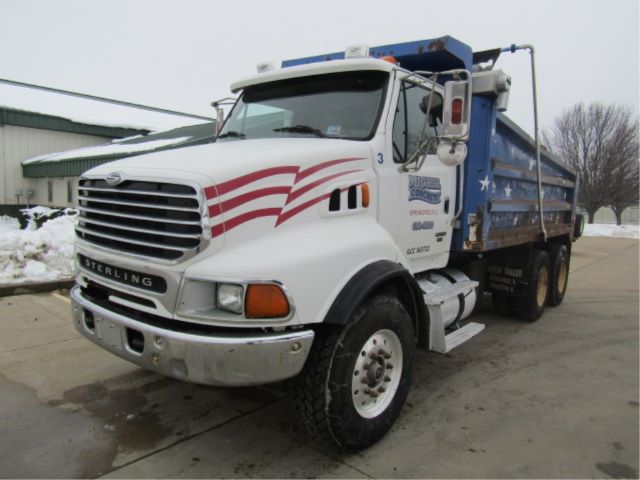

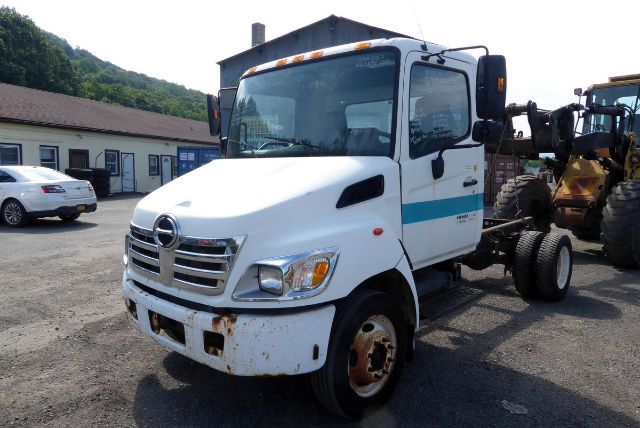
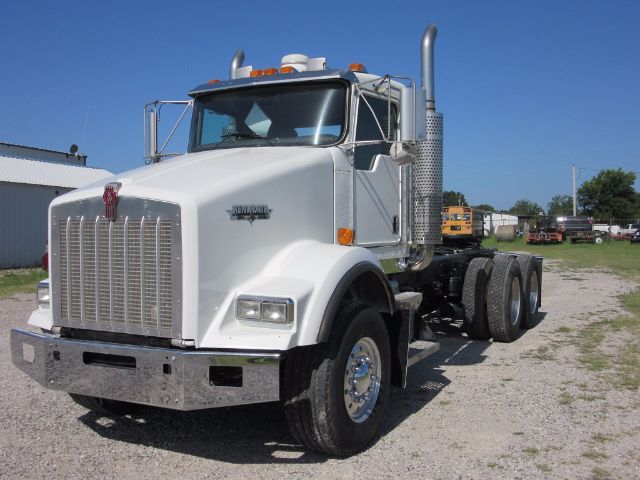
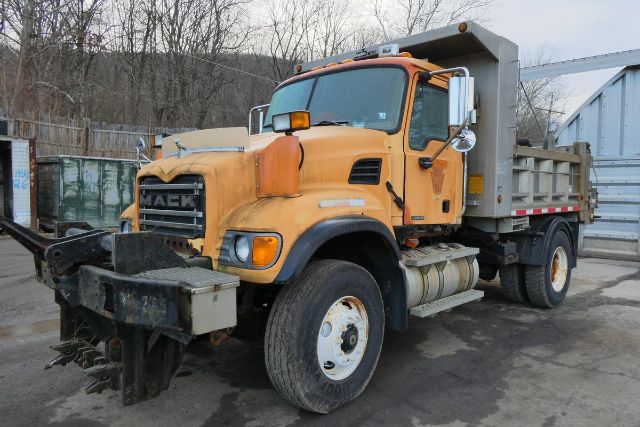
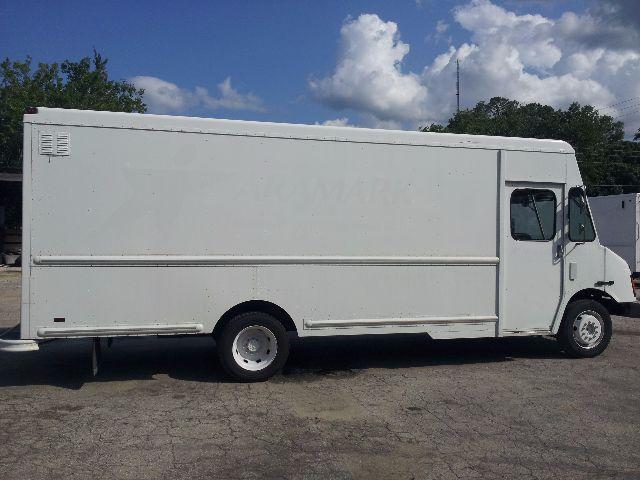
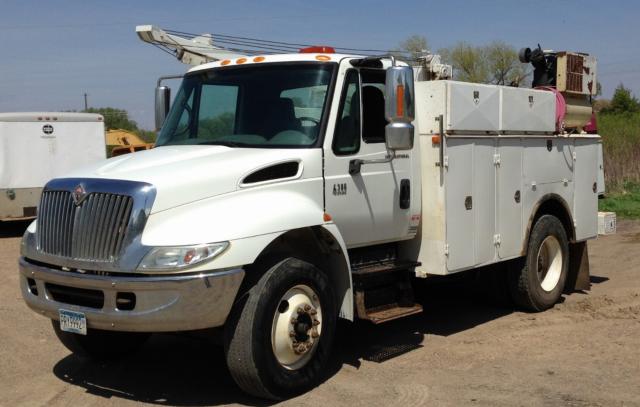
Showing 37 to 43 of 43 results
Have 2005 truck to sell? List it here to reach thousands of buyers.
About 2005 Trucks
Spec decisions matter more than the badge. Rear-axle ratios around 3.36-3.70 pair well with 22.5 tires for 65-70 mph cruise in the 1,350-1,500 rpm window; steeper 3.90-4.33 sets suit heavy or off-road work. Highway tractors commonly carry 12k front and 40k rears, with 46k rears on heavy haul and 52k-58k sets on dumps and mixers. Expect air-ride on sleepers and many day cabs, spring on vocational frames, drum brakes with ABS, and limited factory disc options. Sleeper sizes range from compact 48-60 inch boxes to 70 inch stand-ups, often with double bunks. Fuel capacity is typically 200-300 gallons in dual tanks. Aerodynamic tractors of this period trim fuel burn compared to classic long-hoods, but 2005 fuel economy expectations should be set around 5.5-7.0 mpg depending on route, gearing, and driver habits.
Trade-offs reflect age and platform quirks. EGR coolers, turbo actuators, and charge-air coolers are inspection hotspots. Caterpillar ACERT twin-turbo systems deliver strong pull but can penalize fuel economy and add heat; Cummins ISX CM870s reward strict overhead sets and clean EGR circuits; Series 60 EGR units are durable yet prone to cooler and manifold leaks if neglected. Chassis checks should include frame rail rust at suspension hangers, fifth-wheel wear, torque rod and bushing play, steering gear seepage, and hub seals. Electrical integrity matters on 2005 harnesses and bulkhead connectors. Verify ECM mileage and idle hours against the odometer, run an oil sample, pressure-test the cooling system, and request recent overhead, injector, and clutch service records.
Regulatory fit is route dependent. Many states allow 2005 diesel trucks without special aftertreatment, but California’s Truck and Bus Regulation generally requires 2010-or-newer engines for most commercial operation, making a 2005 unit non-compliant unless repowered or operating under narrow exemptions. For cold-weather fleets, look for block heaters and fuel tank insulation; for hot climates, confirm radiator, fan clutch, and A/C performance. On vocational builds, validate PTO configuration, frame reinforcements, axle ratings, and brake linings. Align gearing, tire size, and cruise speed with your lanes, then budget realistically for catch-up maintenance so the lower acquisition cost of a 2005 truck translates into predictable total cost of ownership.
Frequently Asked Questions
Are 2005 diesel trucks considered pre-emissions?
For most Class 8 highway platforms, 2005 model year engines use EGR-only without DPF or SCR. That reduces aftertreatment complexity compared to 2007 and newer. Some medium-duty models may have oxidation catalysts or earlier emissions strategies, and retrofits exist, so confirm by VIN and engine family number.
Which engines are common in 2005 highway tractors, and what should I watch for?
Typical options are Cummins ISX CM870, Detroit Series 60 EGR, and Caterpillar C15 or C13 ACERT. Inspect EGR coolers and valves for leaks or restriction, check turbo condition and boost, verify a recent overhead set, and pull an oil sample. On ACERTs, review twin-turbo history and fuel economy; on Series 60, examine exhaust manifold and cooler; on ISX, assess cam and head service records.
Can I operate a 2005 truck in California?
Generally no for standard commercial use unless the truck has a 2010-or-newer engine, a compliant repower, or qualifies for narrow exemptions. The California Truck and Bus Regulation phases out older diesel engines, and most 2005 engines without approved upgrades are not compliant. Verify with CARB by VIN and engine family before purchase.
What transmissions are typical on 2005 trucks, and how do they compare?
Manual Eaton Fuller 10, 13, and 18 speeds are most common, valued for durability and low repair cost. Early Eaton AutoShift and UltraShift automated manuals appear on some units and can reduce driver fatigue but rely on clean electrical and pneumatic systems. Allison automatics are favored on vocational trucks for smooth starts and PTO work.
How should I evaluate a 2005 truck before buying?
Start with an ECM download to confirm miles, idle hours, and fault history. Add an oil analysis, cooling system pressure test, and DOT inspection. Check frame rails, suspension bushings, fifth wheel, brake lining thickness, and tire age. Match axle ratio and tire size to your cruise speed, and confirm PTO and hydraulic specs on vocational builds.