
2005 Commercial Trucks For Sale in Florida
Find 2005 trucks for sale in Florida. Learn EGR-only pros and cons, common specs, and inspection tips for sleepers, day cabs, and vocational units.
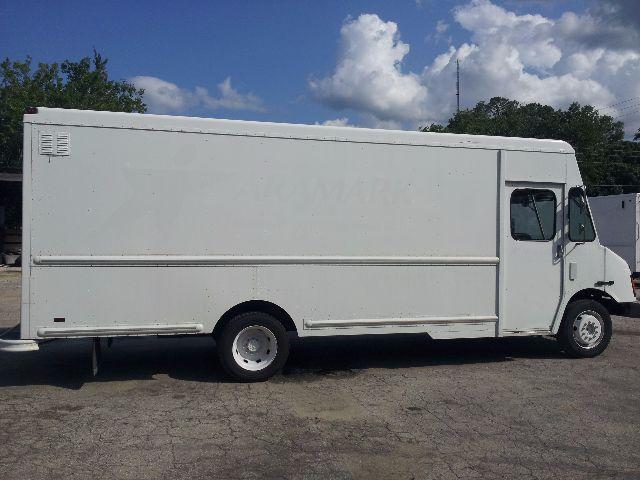
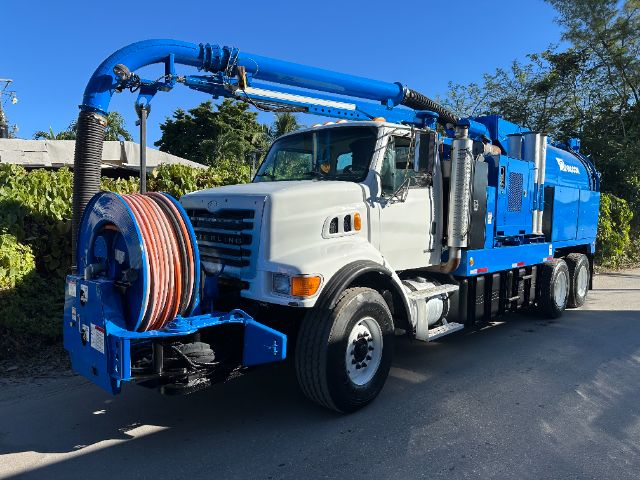
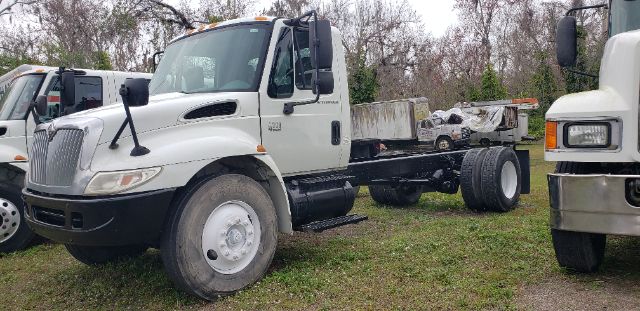
Selling a 2005 commercial truck? List your 2005 commercial truck for sale and reach thousands of commercial buyers.
2005 Commercial Trucks in Florida
Spec decisions drive operating cost more than the badge. Many 2005 highway tractors run Eaton Fuller 9-, 10-, or 13-speed manuals, with early AutoShift or UltraShift automated manuals also present. Rear tandems are commonly 40k with Meritor or Dana axles, and drum brakes dominate. For flat Florida lanes, a 3.36 to 3.55 ratio on 22.5 LP tires keeps cruise rpm efficient; heavier regional or vocational work benefits from 3.70 to 3.90 with 24.5 rubber. Suspensions range from air-ride for ride quality and freight protection to heavy mechanical sets like Hendrickson for dumps and mixers. Straight trucks in this year group often include 24 to 26 ft van bodies, reefers with pre-2008 refrigeration units, and vocational frames with PTO plumbing already in place.
Florida units often show less frame rust than northern trucks, but coastal environments can leave aluminum oxidation, fastener corrosion, and electrical connector green-outs. High heat and humidity stress A/C systems, radiators, fan clutches, alternators, and batteries. Verify idle hours since many Florida trucks idle for cab cooling, which affects engine wear differently than miles alone. On any coastal purchase, inspect for salt spray pitting on wheels and fuel tanks, and be mindful of past storm or flood exposure by checking cab insulation, harness wicking, and ECM connectors.
Value on a 2005 truck hinges on documentation and current condition more than odometer alone. Pull ECM miles and hours to calculate average speed and idle percentage, run an oil sample, and check blow-by, overhead settings, and cold-start behavior. Inspect frame rails and crossmembers for cracks, spring and torque rod bushings for play, and the fifth wheel or pintle for proper lock-up. On straight trucks, verify body condition, door seals, scuff liners, and liftgate hydraulics. Useful upgrades on this vintage include APUs or battery HVAC, automatic tire inflation, LED lighting, and modern telematics. If operations extend beyond Florida, confirm emissions compliance for destination states and ports before you commit.
Frequently Asked Questions about 2005 Commercial Trucks in Florida
Are 2005 trucks pre-emissions?
They are EGR-only and do not use DPFs or DEF. That reduces aftertreatment complexity and eliminates regens, but you still need to maintain the EGR system. Expect attention on EGR coolers and valves, charge-air piping, and cooling capacity. Oil and coolant service intervals matter more with EGR heat loads, so documented maintenance is a real advantage.
What engines and transmissions are common in 2005, and what should I watch for?
You will often see Cummins ISX CM870, Detroit Series 60 14L EGR, Cat C15 ACERT, Volvo D12, and MBE4000, paired with Eaton Fuller 9-, 10-, or 13-speed manuals or early AutoShift/UltraShift AMTs. Look for evidence of recent EGR service, turbo and CAC pressure test results, overhead set records, and clutch or AMT actuator condition. On ACERTs, verify turbo health and that factory updates were performed; on ISX and Series 60, check EGR coolers, actuators, and any history of in-frame work.
How many miles are too many for a 2005 highway tractor?
It depends on care and duty cycle. Many tractors were designed for 1 million miles between in-frames, with real-world overhauls often occurring around 700k to 900k. A 2005 with 800k miles and a recent documented in-frame can be a better buy than a lower-mile unit with unknown history. Use ECM hours to gauge average speed and idle time, review oil analysis, and inspect for blow-by, leaks, and frame or suspension wear to judge remaining life.
What should I check on a Florida-based 2005 truck?
Prioritize cooling and A/C performance, condenser and radiator fin condition, and alternator-battery health due to heat load. Inspect for coastal corrosion on aluminum tanks and wheels, fasteners, and electrical connectors. Look for signs of flood exposure such as silt in harness looms, water lines under carpets, or corrosion inside fuse panels. High idle hours are common in hot climates, so weigh hours with miles when evaluating wear.
Can I run a 2005 truck in California or port drayage?
A 2005 engine is generally not compliant with California’s Truck and Bus Regulation for unrestricted on-road use and is not permitted for most drayage operations. Some limited-use or agricultural exemptions exist but are narrow. Florida has no statewide ban on 2005 engines for on-road use, but if your routes include other states or ports, verify current rules before purchase.