
2005 Ford Commercial Trucks For Sale
Shop 2005 Ford trucks for sale, including pickups, van bodies, utility trucks, box trucks, and medium-duty work truck configurations.
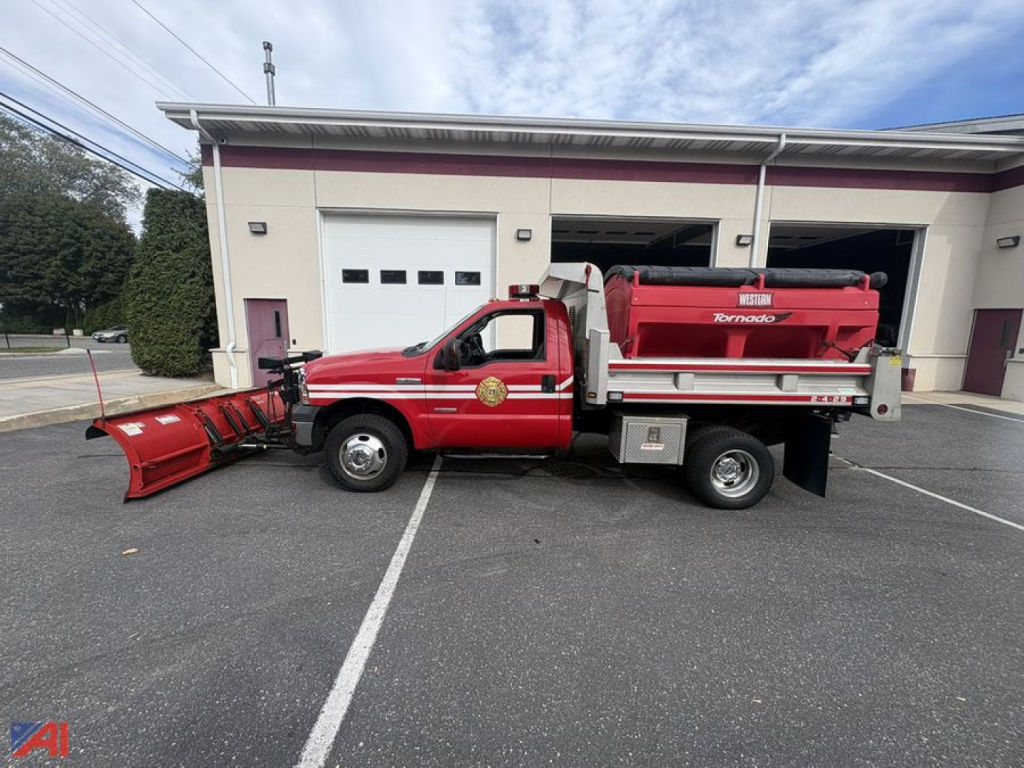
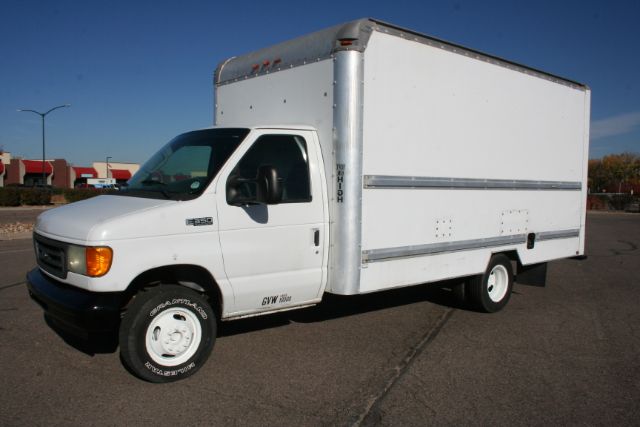
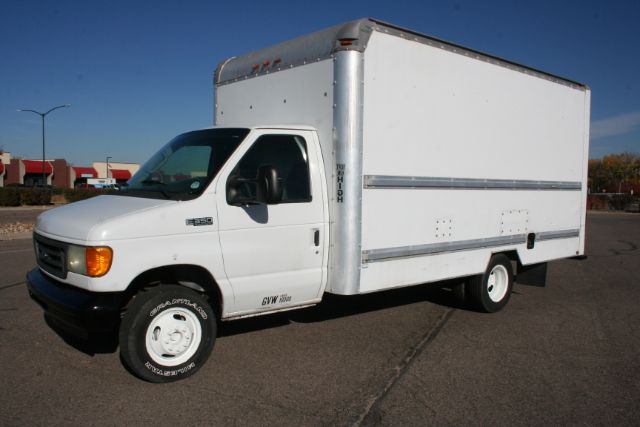
Selling a 2005 ford commercial truck? List your 2005 ford commercial truck for sale and reach thousands of commercial buyers.
2005 Ford Commercial Trucks
Powertrain choice is a major consideration on 2005 Ford trucks. Gas engines are often favored for lower upfront cost, simpler maintenance, and lighter-use regional service, especially on pickups and van chassis. Diesel-equipped units are more common where towing, PTO work, or higher mileage use is expected. Transmission type, rear axle ratio, GVWR, and 4x2 versus 4x4 setup all affect how the truck performs in real work. On utility and service body trucks, buyers should pay close attention to cab-to-axle measurement, body length, suspension rating, brake type, and whether the chassis was spec'd for concentrated loads such as compressors, cranes, generators, or fuel transfer equipment.
Body and vocational setup usually determine the truck’s real value. A 2005 Ford can appear as a service truck, mechanic truck, box truck, stake body, flatbed truck, dump truck, contractor body, or cargo van configuration. For box and van body applications, useful details include interior body dimensions, roll-up door condition, liftgate capacity, floor material, scuff liners, and E-track. On pickup-based work trucks, check bed configuration, hitch setup, fuel tank additions, tire size, and axle ratings. If the truck has a utility body, compartment layout, rust in the lower boxes, latch condition, and any onboard power or air systems deserve close inspection.
Age matters with any 2005 truck, so buyers should evaluate maintenance records and signs of chassis wear as carefully as the engine itself. Odometer reading only tells part of the story on vocational trucks that spend time idling, operating hydraulics, or running PTO-driven equipment. Look at spring packs, steering play, brake system condition, driveline vibration, frame corrosion, cab mounts, and the condition of any installed upfit. A well-matched 2005 Ford truck still makes sense for municipal work, construction support, delivery routes, farm use, and general fleet duty when the chassis, engine, and body are spec'd for the job.
Frequently Asked Questions about 2005 Ford Commercial Trucks
What are the most common 2005 Ford truck models used in commercial work?
The most common 2005 Ford commercial truck models include the F-250, F-350, F-450, and F-550 Super Duty, along with E-Series van and cutaway chassis and medium-duty F-650 or F-750 trucks. Pickup-based Super Duty models are often used for service bodies, flatbeds, plows, and towing. E-Series chassis are common under box trucks, shuttle bodies, and parcel delivery bodies. F-650 and F-750 models are more likely to be spec'd for heavier payloads, larger van bodies, dump applications, or regional straight truck work.
Is a 2005 Ford truck better with a gas engine or a diesel engine?
That depends on the application. Gas engines usually make sense for lighter annual mileage, shorter routes, and buyers who want lower purchase cost and less complex maintenance. Diesel engines are generally preferred for heavier towing, sustained load carrying, and higher-mileage operation because they deliver stronger low-end torque and are often better suited for vocational use. The right choice depends on the truck’s GVWR, body type, route profile, and whether the unit will spend much of its time hauling, towing, or idling on job sites.
What should I inspect first on a used 2005 Ford work truck?
Start with the basics that determine whether the truck can still do its intended job reliably. Check engine condition, transmission shift quality, brake performance, steering response, front suspension wear, frame rust, and tire condition. Then inspect the upfit closely. On utility trucks, look for compartment rust, damaged doors, and worn latches. On box trucks, inspect the floor, roof, roll-up door, and liftgate. Also verify wheelbase, cab-to-axle, axle ratings, and GVWR so the truck matches the body and the work you expect it to handle.
Are 2005 Ford trucks still practical for fleet or contractor use?
Yes, many are still practical if the truck has been maintained properly and the chassis is correctly matched to the application. A 2005 Ford truck can still serve well in construction support, electrical and plumbing service, landscaping, municipal work, farm use, delivery, and general contractor duty. The key is buying on condition, service history, and vocational fit rather than age alone. A clean older truck with the right body, axle setup, and maintenance record can be more useful than a newer truck that is poorly spec'd for the job.
What specs matter most when comparing 2005 Ford trucks for sale?
The most important specs are GVWR, axle configuration, engine type, transmission, wheelbase, cab-to-axle measurement, suspension, and body style. Buyers should also compare rear axle ratio, towing equipment, tire and wheel size, brake type, and any PTO or hydraulic provisions. Those details affect payload capacity, turning radius, body compatibility, and how well the truck performs in stop-and-go service, towing, off-pavement conditions, or route delivery work.