
Vanguard Trailers For Sale
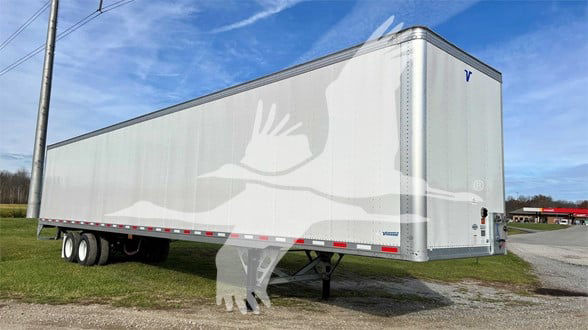
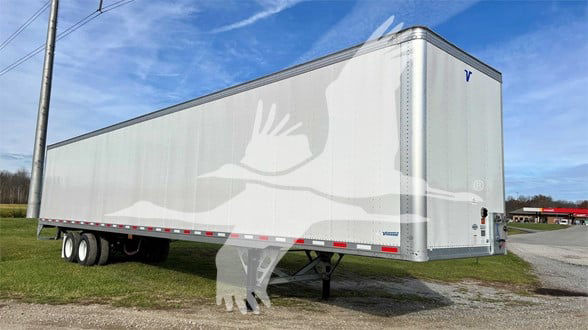
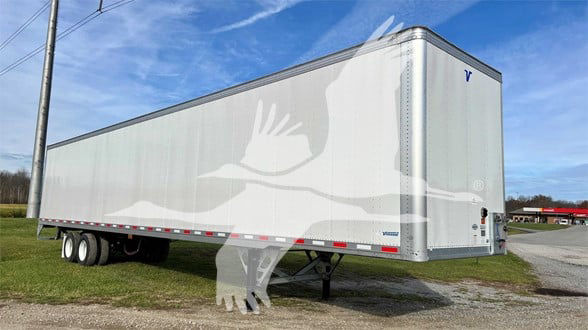
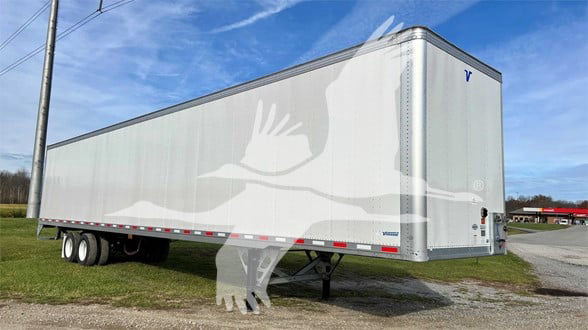
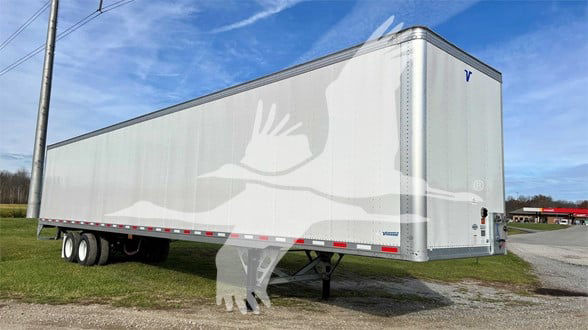
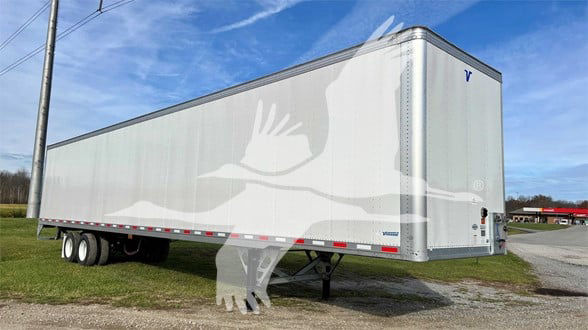
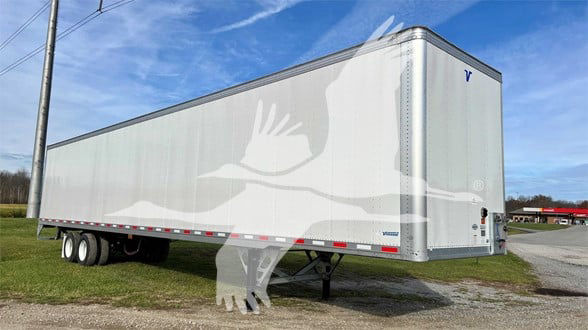
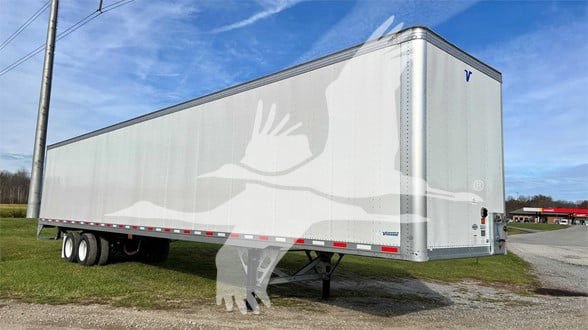
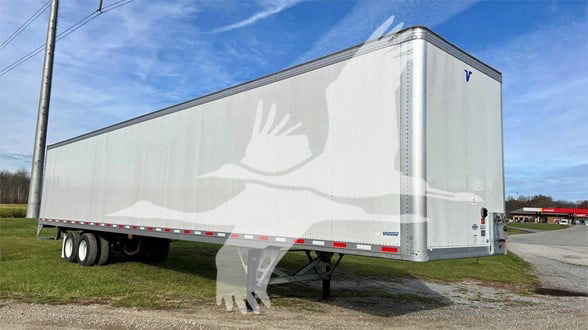
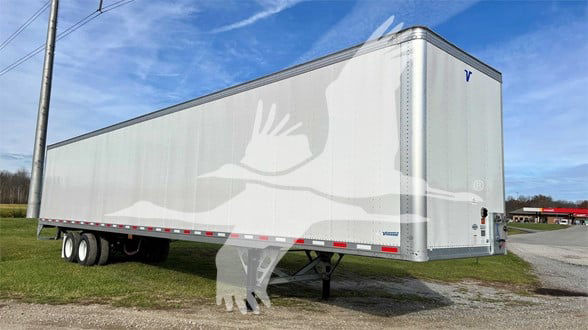
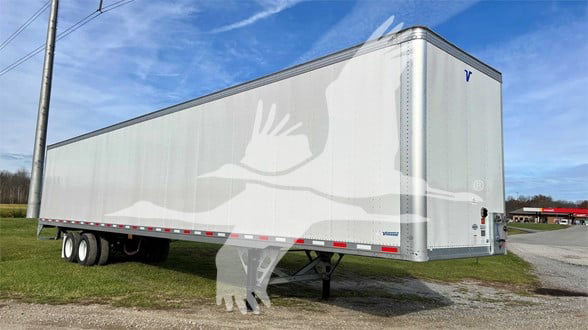
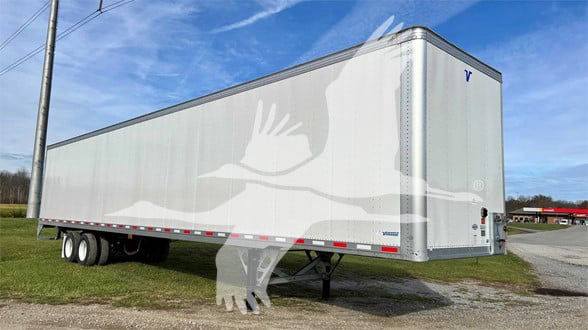
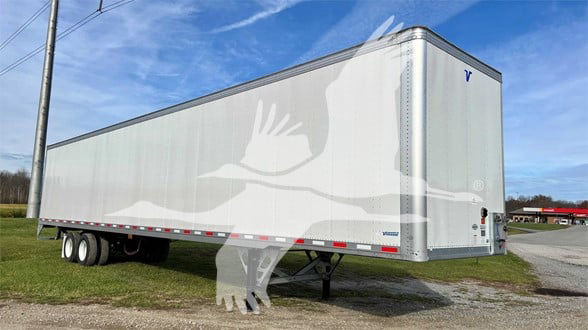
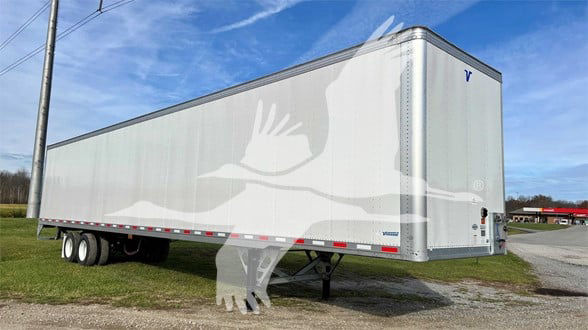
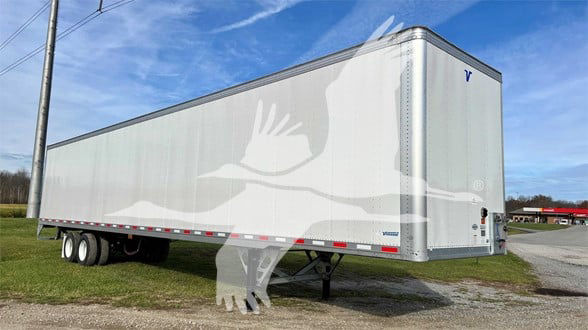
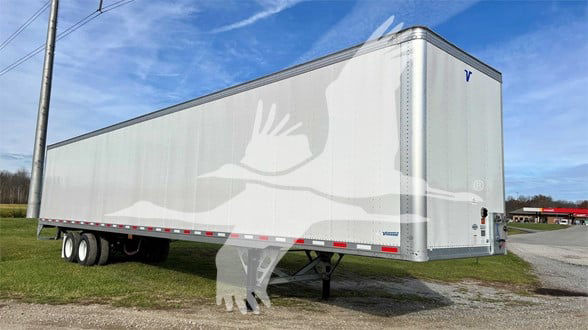
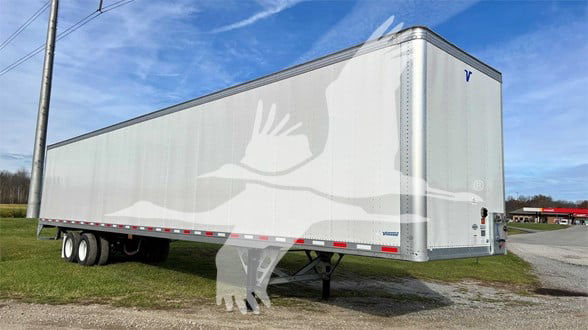
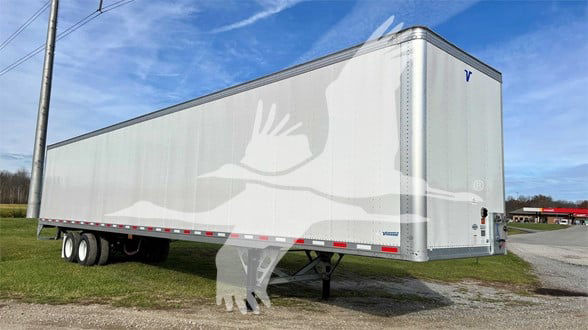
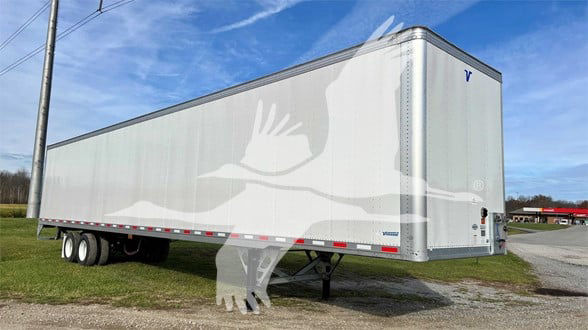
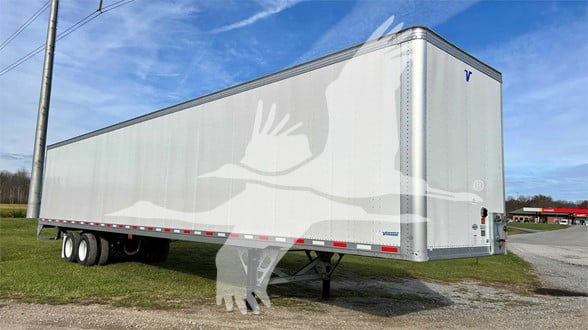
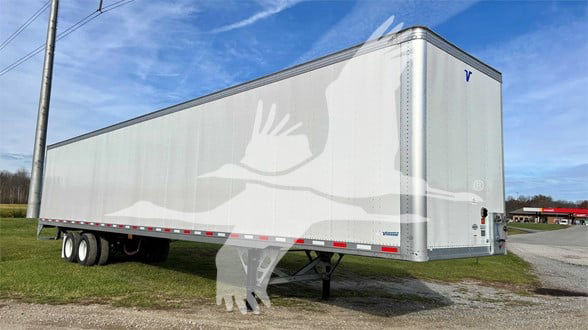
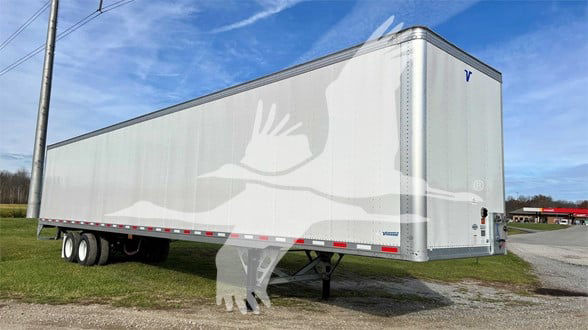
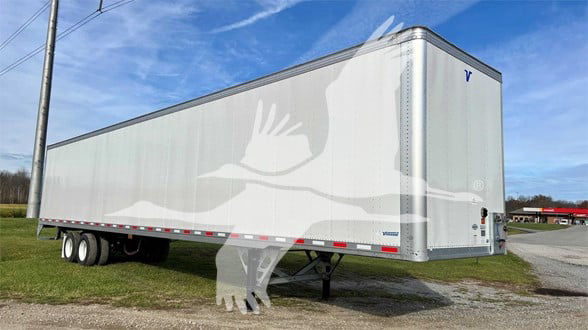
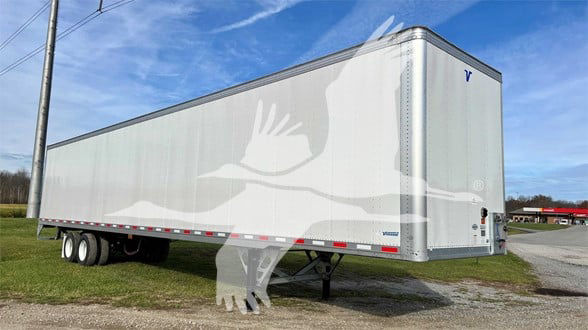
Showing 289 to 312 of 344 results
Have vanguard trailer to sell? List it here to reach thousands of buyers.
Vanguard Trailers
A common reason buyers look at Vanguard is the amount of galvanized protection built into high-wear areas. On many specs, the rear frame, bumper, threshold, and other structural components are galvanized to slow corrosion and hold appearance longer in northern climates, heavy dock use, and multi-driver fleet service. Features such as a 27-inch threshold plate, dock-lock reinforced bumper, recessed dock bumpers, and anti-snag roof bows matter if the trailer is constantly cycling through warehouses. Interior logistics posts, often on 48-inch spacing in plate vans or tighter spacing on some sheet-and-post builds, give flexibility for load bars and cargo securement. Scuff liners, nose lining, and steel or aluminum lower wall protection also help limit damage from pallets and forklift traffic.
For day-to-day operation, key checkpoints include tandem slide setting, kingpin setting, floor condition, and suspension spec. Many Vanguard vans use a 49-inch sliding tandem with 216-inch slide rails and a 36-inch kingpin setting, which are common dimensions for weight distribution and dock compatibility. Air ride suspensions from suppliers such as Hendrickson are common, and some trailers are equipped with tire inflation systems like TireMaax PRO to reduce tire-related downtime. Buyers should also pay attention to floor construction, usually 1-3/8 inch oak in this class, crossmember spacing, landing gear brand, and whether the trailer uses steel or aluminum wheels depending on tare weight goals and maintenance preferences.
If the freight mix includes high cube consumer goods, e-commerce, boxed freight, or dedicated contract freight, a Vanguard van can be a strong fit because the specs tend to favor standardization and easy fleet integration. Composite plate vans are attractive when smooth interior walls, dent resistance, and long-term sidewall appearance matter. Sheet-and-post versions remain popular when buyers want proven dry van construction with abundant securement options and straightforward panel repair. On used units, focus on rear frame corrosion, threshold and floor wear, sidewall repairs, roof condition, door seal integrity, tire system functionality, and evidence of repeated forklift impact around the lower sidewalls and front bulkhead.
Frequently Asked Questions about Vanguard Trailers
What is the difference between a Vanguard sheet-and-post dry van and a Vanguard VXP composite plate van?
A sheet-and-post dry van uses exterior skin supported by vertical posts, while a VXP composite plate van uses composite plate sidewalls with logistics posts integrated into the design. Sheet-and-post construction is familiar to many fleets and can offer dense securement options when posts are closely spaced. Composite plate construction is often chosen for a cleaner interior wall surface, strong resistance to everyday dents and scuffs, and a more uniform sidewall appearance over time. The right choice depends on freight type, repair preference, and how important interior wall durability is in dock-heavy service.
What specs are most common on Vanguard dry vans?
Many Vanguard dry vans on the market are 53 feet long, 102 inches wide, and 13 feet 6 inches tall, with about 101 inches of interior width and 110 inches of interior height. Common configurations include tandem axles, air ride suspension, sliding tandems, swing rear doors, aluminum roofs, oak floors, and galvanized rear structures. Tire sizes such as 295/75R22.5, Jost landing gear, and standard kingpin settings around 36 inches are also common on fleet-spec trailers. These are mainstream specs that work well for general dry freight and make parts, service, and trailer interchange simpler.
Are Vanguard trailers a good choice for fleets operating in corrosive climates?
Vanguard trailers are often attractive in corrosive environments because many models use galvanized components in areas that take the most abuse, including the rear frame, bumper, and threshold. That matters in regions where road salt, moisture, and frequent dock contact shorten trailer life. Galvanized protection can help reduce visible corrosion, support resale condition, and limit some long-term maintenance issues compared with painted steel in the same locations. Buyers in northern states should still inspect used trailers closely for hidden corrosion around crossmembers, fasteners, landing gear mounts, and suspension attachment points.
What should I inspect first on a used Vanguard van trailer?
Start with the floor, threshold, rear frame, doors, and lower sidewalls because those areas usually show the real story of trailer use. Check for soft floor sections, forklift damage near the nose and scuff area, rear impact repairs, and corrosion around the bumper and door frame. Then inspect the suspension, slider operation, tires, wheels, ABS function, and any tire inflation system components. On plate vans, look for sidewall damage or patchwork that could affect appearance or structural integrity. A clean-looking van is helpful, but the priority is the condition of the structure and wear components that drive maintenance cost.
Why do buyers pay attention to logistics posts and scuff liner design on Vanguard vans?
Logistics posts and scuff liners directly affect cargo securement flexibility and resistance to forklift damage. Posts provide anchor points for load bars and other restraint equipment, and spacing can make a real difference for mixed freight operations. Scuff liners protect the lower walls where pallet corners and forklift tires do the most damage. A trailer with well-designed scuff protection and practical post spacing is usually easier to keep in serviceable condition, especially in LTL, retail distribution, or high-turn warehouse applications where interior abuse is constant.