
Vanguard Utility Trailers For Sale
Shop Vanguard utility trailers, including VXP dry vans, with specs, applications, structural features, and buying points that matter.
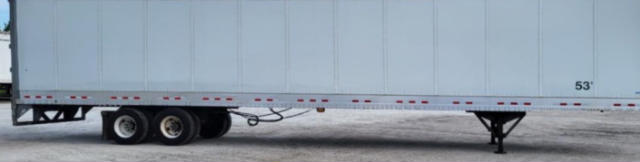
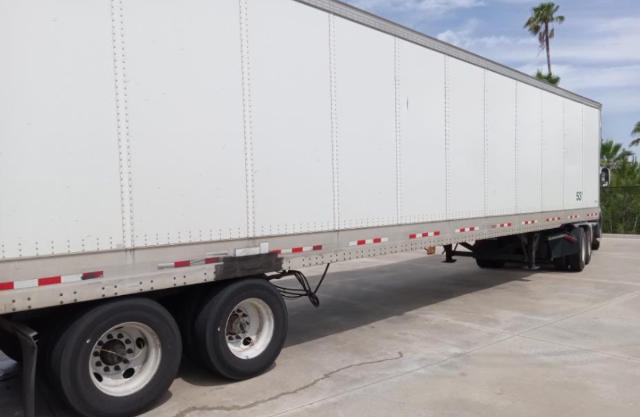
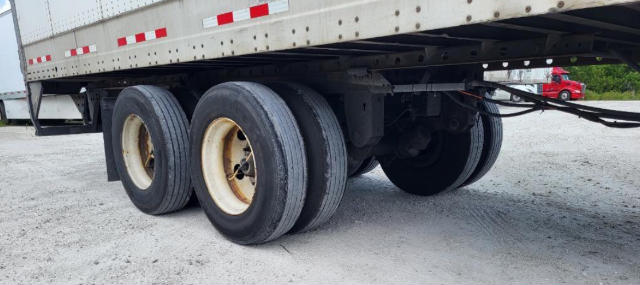
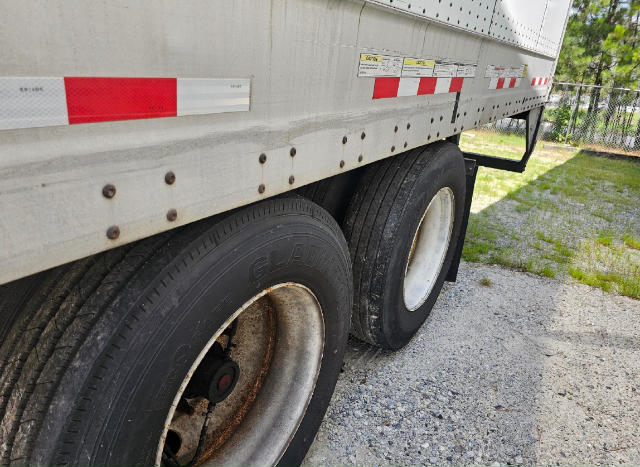
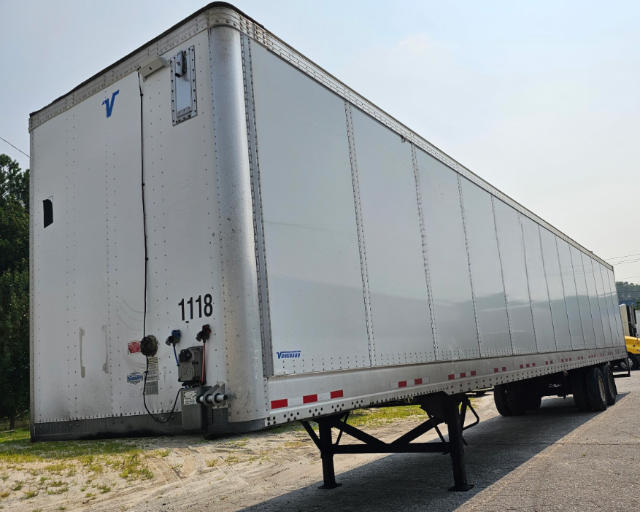
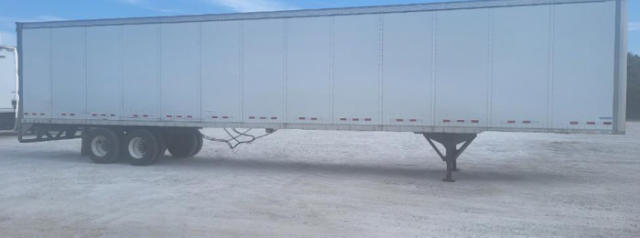
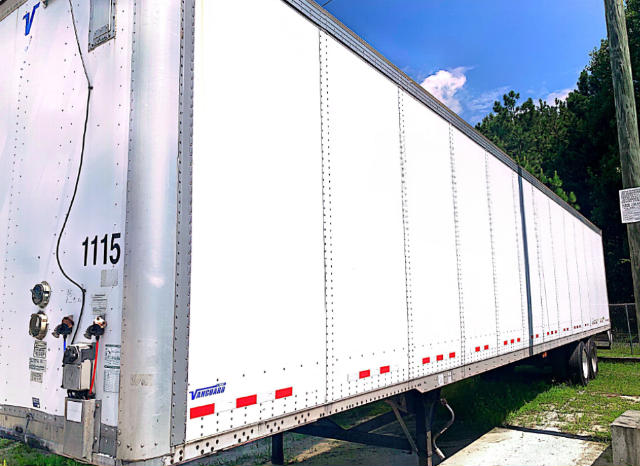
Selling a vanguard utility trailer? List your vanguard utility trailer for sale and reach thousands of commercial buyers.
Vanguard Utility Trailers
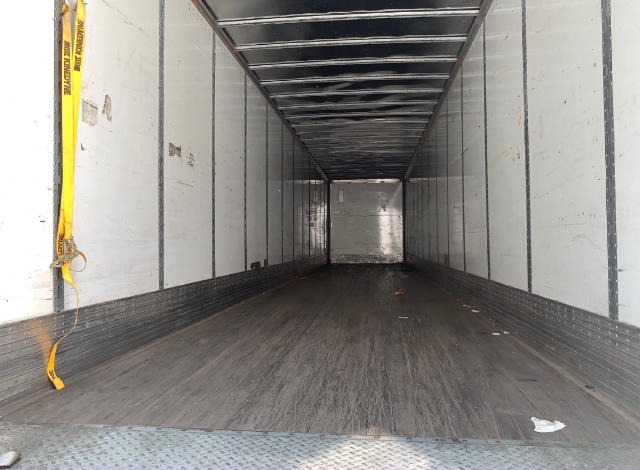
A buyer comparing Vanguard utility trailers should pay close attention to body construction, floor rating, suspension spec, and door configuration. Common decision points include overall trailer length, tandem axle spread, rear frame design, roof material, and sidewall construction. Many dry van buyers also look for hardwood flooring condition, crossmember spacing, logistic posts, duct floors for airflow-sensitive freight, and scuff liner coverage to manage forklift and pallet impact. Swing doors remain common for dock operations, while roll-up doors can matter in multi-stop urban delivery or space-restricted yards. If the trailer will stay in heavy fleet rotation, wheel-end spec, brake type, tire size, and the presence of tire inflation systems can affect both uptime and operating cost.
Weight and durability are usually the main tradeoff in this class. A lighter Vanguard van trailer can improve payload flexibility, but buyers still need to inspect the areas that see the most stress: the upper coupler, kingpin apron, slider box, tandem rails, rear sill, threshold plate, and roof bows. Dry van trailers that have spent time in grocery, retail, or LTL-style service may show concentrated wear at the nose, floor entry, and sidewall interior. Reefer-converted use, frequent dock impacts, and high-cycle drop-and-hook operations can accelerate wear on landing gear, doors, and suspension components. On used units, it is smart to verify VIN plates, door seals, ABS function, brake stroke, tire date codes, and any signs of floor soft spots or previous structural repairs.
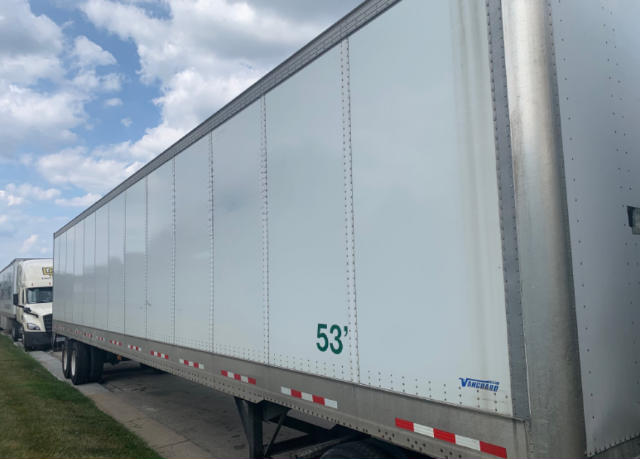
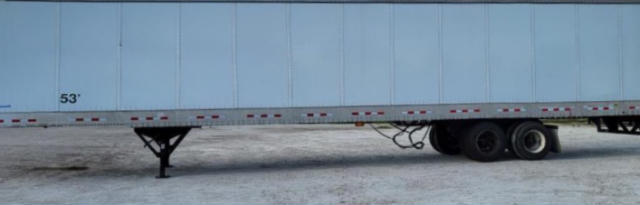
For buyers focused on lane fit, Vanguard utility trailers make sense anywhere a standard 53-foot dry van is the core tool of the operation. They are a practical match for regional distribution, long-haul van freight, dedicated contract freight, and warehouse-to-store networks. The right trailer depends on cube needs, freight density, loading method, and maintenance standards. A trailer used for light consumer goods may prioritize tare weight, while a trailer handling beverage, paper, or dense packaged freight needs stronger floor and running gear specifications. When comparing listings, the most useful approach is to balance age, maintenance history, structural condition, and spec details rather than focusing on model year alone.
Frequently Asked Questions about Vanguard Utility Trailers
What is a Vanguard utility trailer typically used for?
A Vanguard utility trailer is typically used as a dry van trailer for enclosed freight. Common applications include palletized consumer goods, retail freight, warehouse distribution, packaged products, and other dock-loaded cargo that needs protection from weather, theft, and road debris. In most operations, these trailers are used in standard van lanes where a 53-foot enclosed trailer is the primary freight tool.
What should I inspect first on a used Vanguard VXP trailer?
Start with the structural and wear-critical areas. Inspect the kingpin and upper coupler assembly, slider rails, tandem suspension mounting points, landing gear, rear frame, threshold, and door hardware. Then check floor condition, crossmembers, sidewalls, roof, brake system, ABS, tires, and wheel ends. For a dry van, interior forklift damage and floor fatigue often tell more about the trailer's real service history than cosmetics.
Are Vanguard utility trailers good for heavy freight?
They can be, but the answer depends on the trailer's floor rating, crossmember design, suspension, and overall tare-weight strategy. Some dry vans are optimized for lighter weight and higher payload flexibility, while others are better suited to repeated loading of dense freight like paper products, beverage loads, or heavy packaged goods. Buyers should confirm floor capacity, inspect for crossmember fatigue, and match the trailer's build spec to the actual freight profile.
What features matter most on a dry van trailer like a Vanguard utility trailer?
The most important features usually include floor condition, suspension type, brake configuration, tire spec, door style, and trailer weight. Buyers also pay close attention to logistic post layout, scuff liners, roof and wall construction, slider condition, and rear impact area integrity. These details affect cargo securement, loading efficiency, maintenance cost, and how well the trailer fits a specific freight lane.
How do I choose between similar Vanguard utility trailer listings?
Compare them by structural condition and specification, not just by year. A slightly older trailer with a clean floor, solid rear frame, healthy brakes, and documented maintenance can be a better value than a newer trailer with heavy dock damage or deferred repairs. It also helps to compare axle and suspension setup, door type, tire condition, and any fleet-oriented features that improve uptime, such as tire inflation systems or standardized wheel-end components.