
Vanguard Utility Trailers For Sale in Georgia
Shop Vanguard utility trailers for sale in Georgia. Compare VXP dry van specs, dimensions, swing or roll doors, and fleet-ready options.
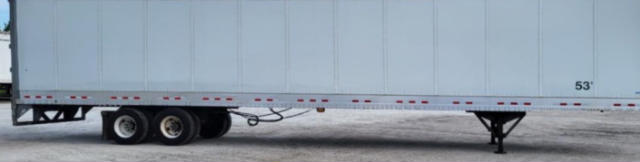
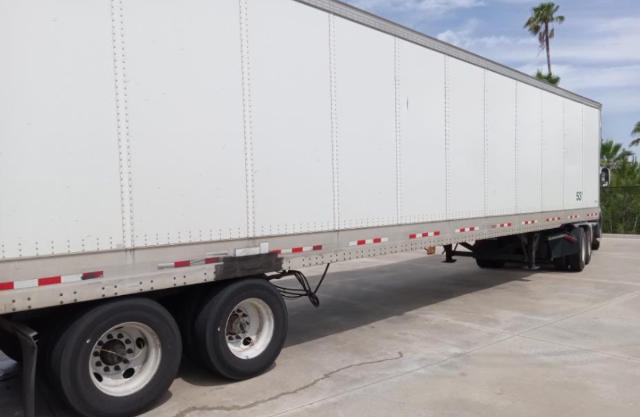
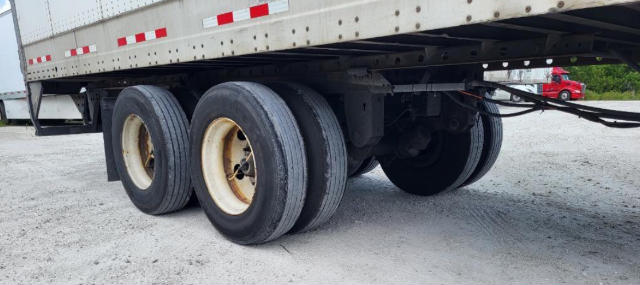
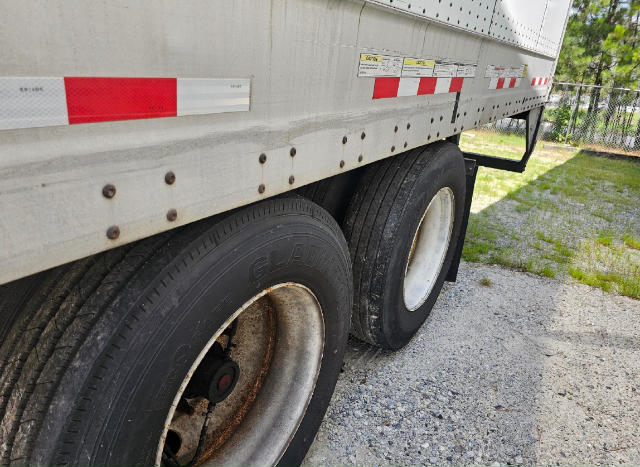
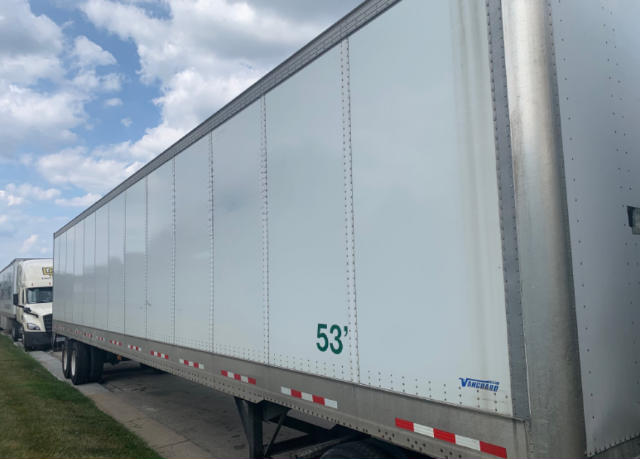
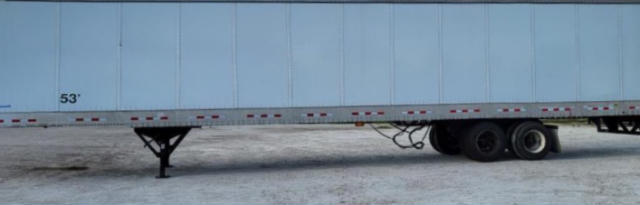
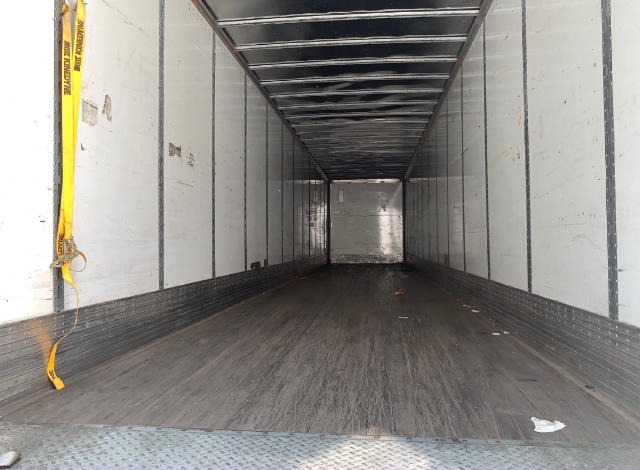
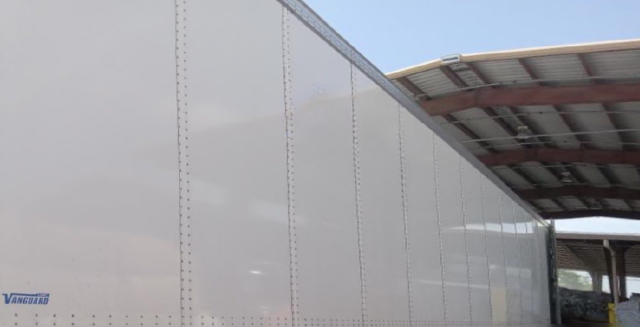
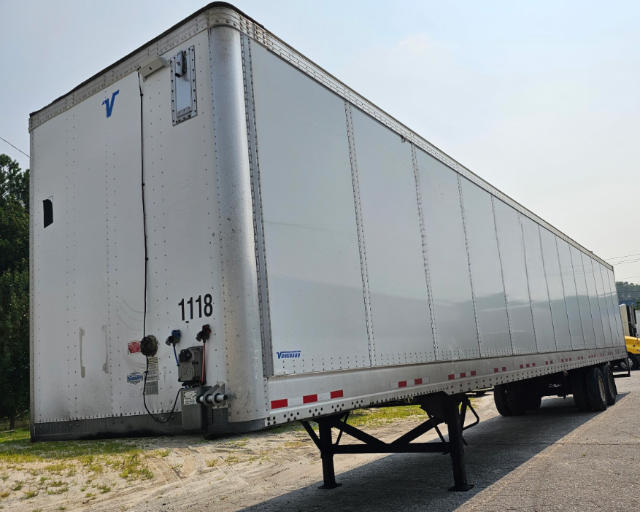
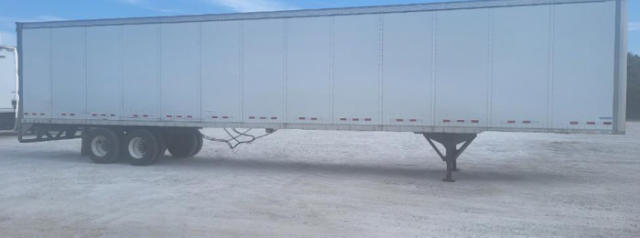
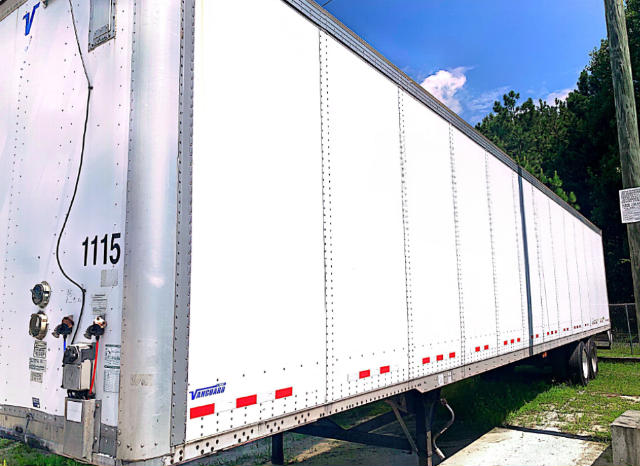
Selling a vanguard utility trailer? List your vanguard utility trailer for sale and reach thousands of commercial buyers.
Vanguard Utility Trailers in Georgia
A common point of interest in this category is the Vanguard VXP, a fleet-oriented dry van known for straightforward specs and practical serviceability. Most buyers looking at used Vanguard utility trailers compare 53-foot configurations first, then move into details like air-ride or spring ride suspension, tandem slider setup, rear frame condition, roof integrity, and floor wear. Interior specs matter just as much as the outside. Hardwood floor thickness, wall lining condition, logistics posts, scuff liners, and roof bows all influence how well a trailer handles daily loading cycles. Door choice also affects application. Swing doors are common for dock freight, while roll doors can help in certain route-delivery environments where fast access is more important than maximizing rear opening durability.
For Georgia operations, corrosion exposure, brake condition, and tire history deserve a close look, especially on trailers that have seen high-cycle regional use. Check the crossmembers, landing gear mounts, upper coupler area, and rear impact guard for repairs or fatigue. Fleets running heavy cube freight often pay attention to axle rating, wheel-end spec, and whether the trailer has automatic tire inflation systems. Buyers handling food-grade or cleaner packaged freight may also want to inspect for moisture intrusion, prior wall damage, and floor contamination. A dry van can look acceptable from ten feet away and still need significant floor, roof, or door work, so maintenance records and a careful structural inspection carry real value.
The best Vanguard utility trailer for a given operation is the one matched to freight profile, loading method, and lane length. A lighter-spec van may make sense for maximizing payload, while a heavier-duty configuration may hold up better in rough yard conditions or dense multi-stop service. For buyers comparing several used dry vans, the smartest approach is to balance age, structural condition, suspension type, and interior usability against expected annual miles. When those basics line up, a Vanguard utility trailer can be a practical dry van choice for regional or over-the-road service.
Frequently Asked Questions about Vanguard Utility Trailers in Georgia
What is a Vanguard utility trailer?
A Vanguard utility trailer is a dry van semi-trailer designed to haul enclosed freight. In most cases, buyers are looking at 53-foot vans used for palletized freight, retail goods, consumer products, and other cargo that needs weather protection and secure transport. The term utility in this context refers to a general-purpose enclosed trailer, not a small light-duty utility trailer.
What should I inspect first on a used Vanguard VXP trailer?
Start with the structural and wear items that are expensive to correct. Inspect the floor for rot, delamination, or forklift damage, then check the roof, sidewalls, rear frame, crossmembers, and upper coupler area. After that, review suspension components, brake condition, tire wear patterns, wheel ends, landing gear, lights, and door operation. A clean exterior does not tell you much if the floor, frame, or rear structure is compromised.
Are Vanguard utility trailers good for Georgia regional freight?
Yes, they are commonly suited to Georgia regional freight because dry vans work well for distribution, warehouse transfers, consumer goods, and port-connected freight that must stay enclosed. The right setup depends on your lanes and loading environment. Regional operators often focus on door type, suspension, floor condition, and tire spec because those directly affect uptime in frequent-stop service.
What features matter most on a dry van trailer like a Vanguard utility model?
The most important features usually include trailer length, interior height, suspension type, tandem slider configuration, floor construction, door style, and overall tare weight. Buyers also pay attention to scuff liners, logistics posts, roof condition, and tire inflation systems if the trailer is intended for higher-mile fleet use. Those features affect payload, loading efficiency, service life, and maintenance cost.
Is a swing-door or roll-door Vanguard utility trailer better?
It depends on the freight and stop pattern. Swing doors are common on dock freight and usually offer a straightforward rear opening with durable hardware. Roll doors can be useful in route-delivery or tight access situations where quick entry and exit matter. The tradeoff is that door design can affect opening clearance, maintenance needs, and suitability for certain dock operations.