
Utility Trailers For Sale
Browse utility trailers for sale, including dry van and refrigerated models with common specs, dimensions, construction options, and fleet-ready features.
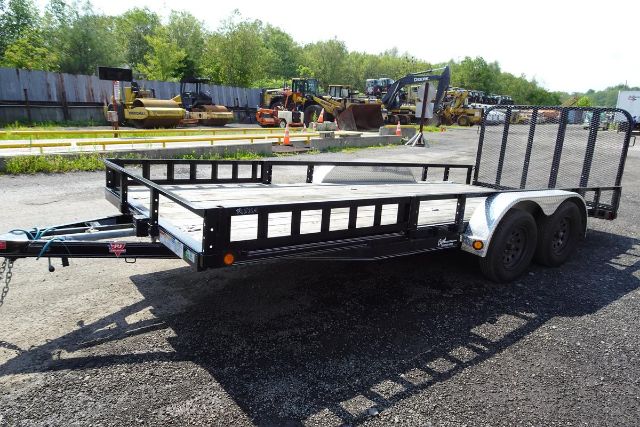
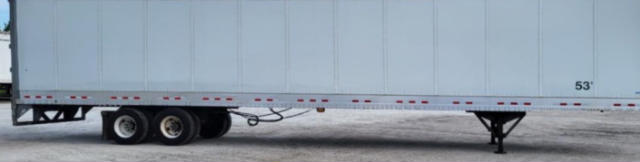
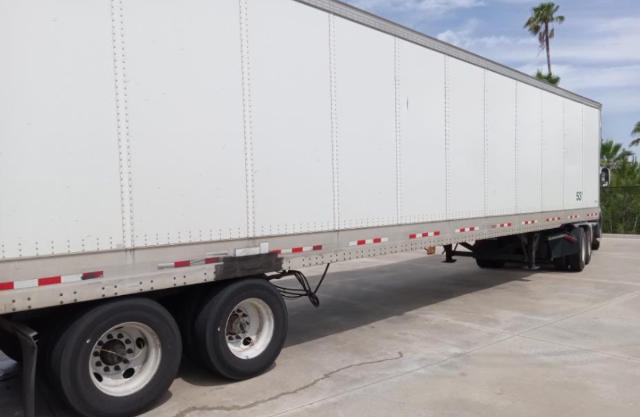
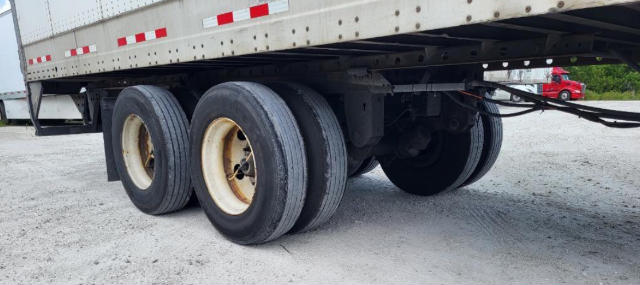
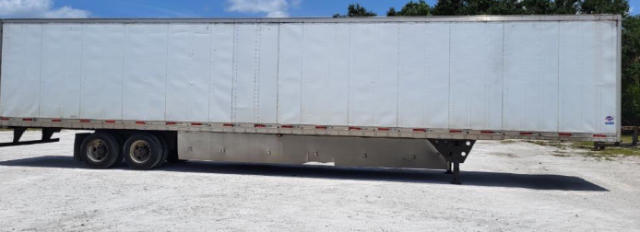
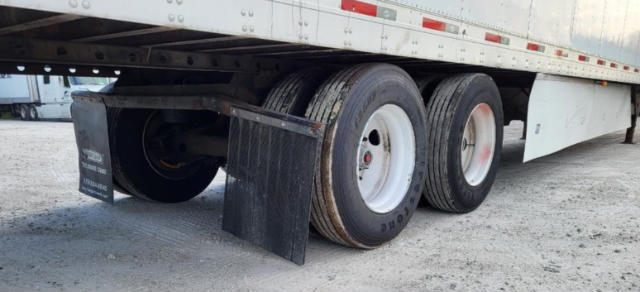

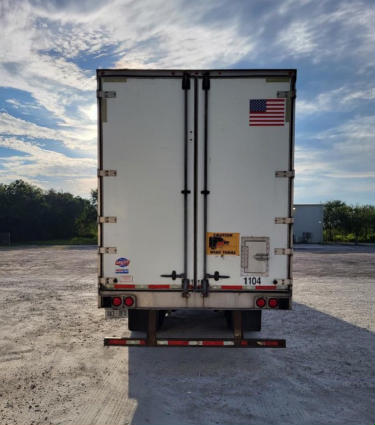
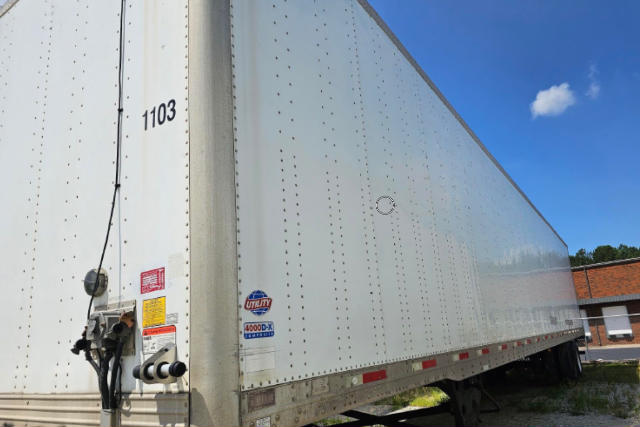
Selling a utility trailer? List your utility trailer for sale and reach thousands of commercial buyers.
Utility Trailers
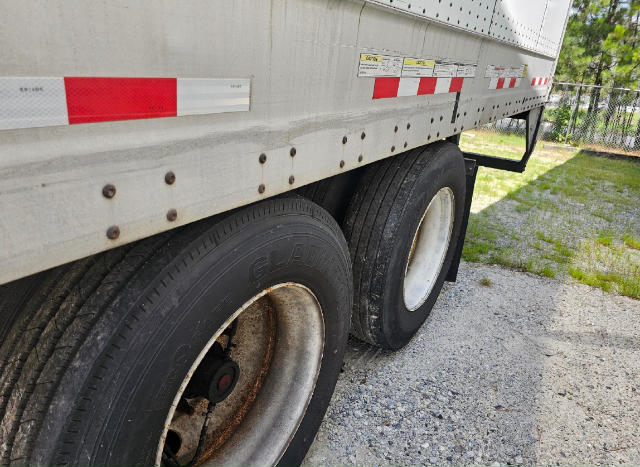
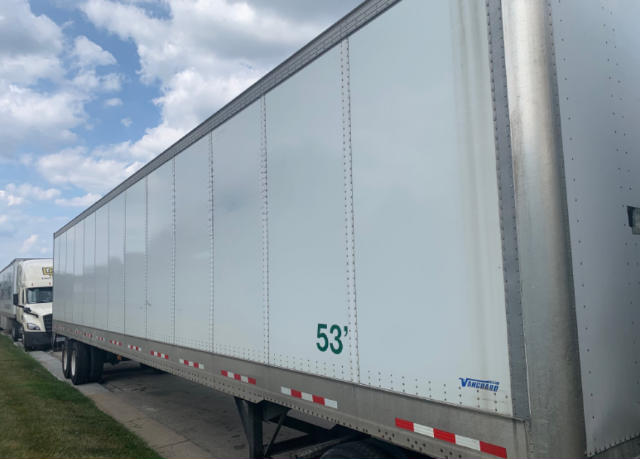
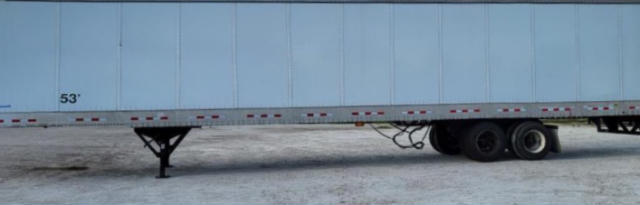
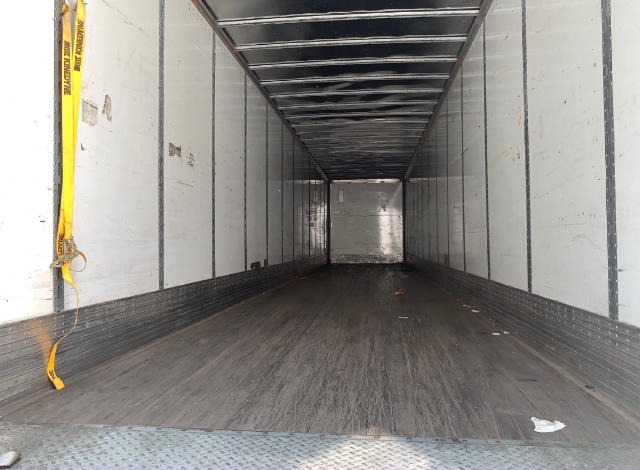
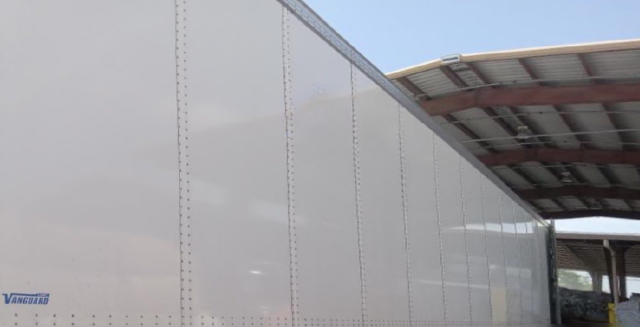
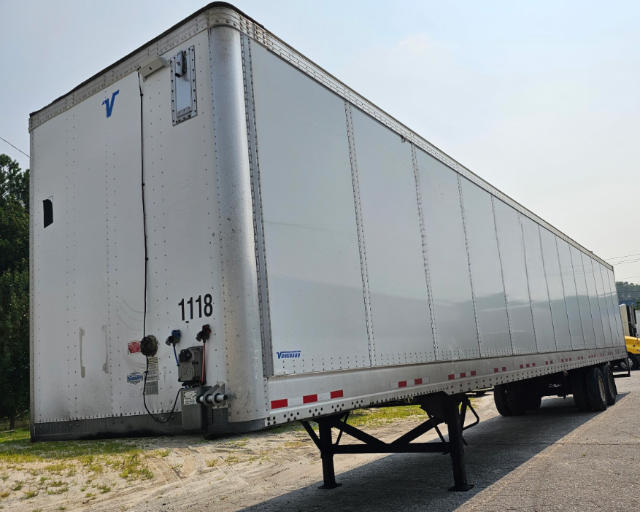
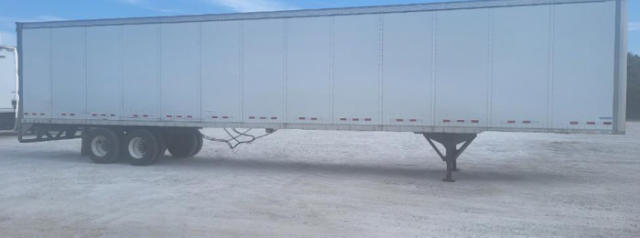
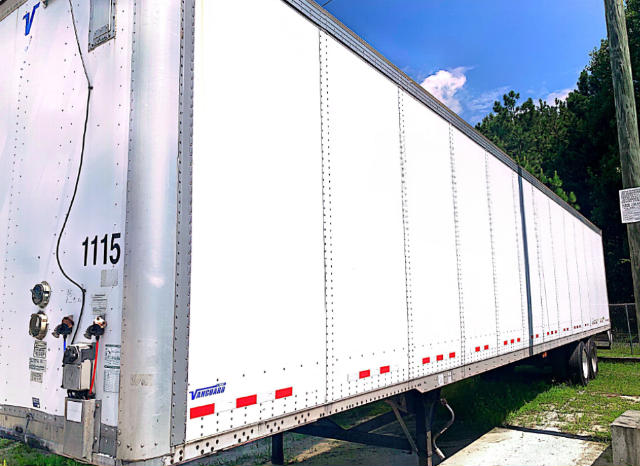
Construction details matter more than decals. Many buyers look closely at composite versus sheet-and-post wall design, roof construction, floor rating, rear frame condition, and the condition of the crossmembers in older units. Composite-sided vans are popular because they balance weight, durability, and repairability in fleet service. Standard dimensions are typically 53 feet long with a width around 102 inches, tandem axle configuration, swing doors or roll-up rear doors depending on application, and logistics posts for load securement. Suspension type, wheelbase spread, tire size, brake setup, and the presence of a tire inflation system can all affect maintenance cost and resale value.
If the trailer will stay in regional freight, city delivery, or high-cycle warehouse work, pay attention to door hardware, scuff liners, threshold wear, and signs of repeated dock impact. For long-haul use, roof condition, aerodynamic spec, and overall tare weight deserve more attention because they influence uptime and operating cost over thousands of highway miles. Buyers comparing used utility trailers should also check for FMCSA inspection readiness, ABS function, air leaks, slider operation, and kingpin wear. Floor life is especially important in van trailers that have seen forklift traffic, concentrated pallet loads, or beverage service.
A good utility trailer fit comes down to freight profile and service environment. General dry freight operations may favor a straightforward composite dry van with a strong floor and clean rear frame, while cold chain work depends on reefer unit hours, insulation integrity, air chute condition, and door seal performance. Utility-branded vans have a long fleet presence, so parts support, repair familiarity, and resale market recognition are usually strong. For many buyers, that makes this category appealing not just for initial purchase price, but for lifecycle cost, downtime control, and flexibility across multiple freight contracts.
Frequently Asked Questions about Utility Trailers
What is a utility trailer in the trucking market?
In the trucking market, utility trailer usually refers to a van-style semi-trailer used for dry freight or refrigerated freight, often associated with Utility Trailer Manufacturing equipment such as dry vans and reefers. These trailers are designed for dock loading, palletized freight, and high-cube over-the-road hauling. The term can describe the brand as well as the general van trailer class shown in many fleet listings.
What should I check first on a used Utility 4000D-X Composite trailer?
Start with the floor, rear frame, roof, and sidewall condition because those areas tell you how the trailer was worked and how expensive future repairs may be. Then inspect the kingpin, landing gear, suspension, brakes, tires, ABS system, and slider if equipped. On composite vans, buyers also want to look for sidewall damage, previous patch work, and evidence of moisture intrusion or separation around repairs.
Are composite dry van trailers better than sheet-and-post trailers?
Composite dry vans are popular because they usually offer a good mix of lighter weight, smooth exterior appearance, and durability in fleet service. Sheet-and-post designs can still be a solid choice and may be preferred in some operations for familiarity or repair practices. The better trailer is usually the one with the right floor rating, cleaner structural condition, and lower repair exposure for the freight it will carry.
How long does a utility trailer typically last in fleet service?
A van trailer can remain productive for many years if the structure, floor, running gear, and rear frame are maintained properly. Lifecycle depends heavily on application. Long-haul general freight may be easier on a trailer than dense urban delivery, beverage hauling, or heavy forklift traffic. Buyers should judge remaining life by actual structural condition, maintenance history, and component wear instead of model year alone.
What matters most when buying a used reefer utility trailer?
The refrigeration unit condition is only part of the evaluation. Buyers should also verify insulation performance, interior lining condition, door seals, floor type, evaporator area cleanliness, air chute integrity, and reefer unit hours. A reefer trailer with a sound box but poor thermal integrity can become expensive quickly because temperature control problems often come from the trailer body as much as the unit itself.