
Utility Trailers For Sale in Georgia
Browse utility trailers for sale in Georgia, including dry van models with common specs, construction details, and fleet-focused buying tips.
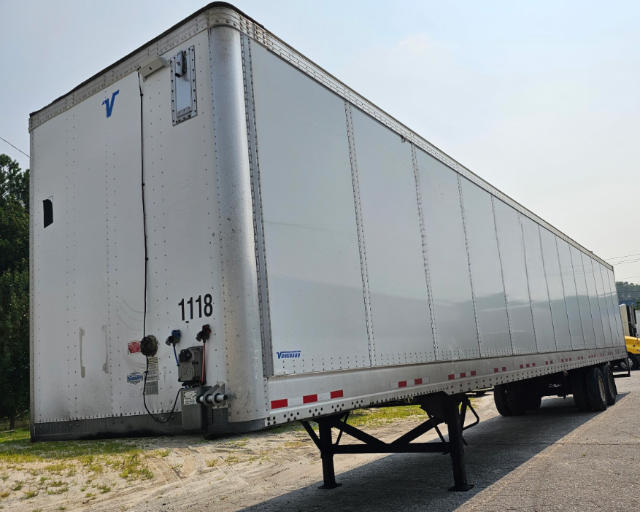
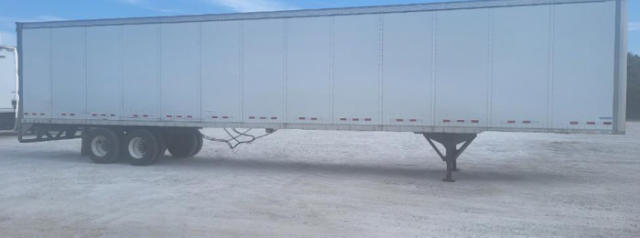
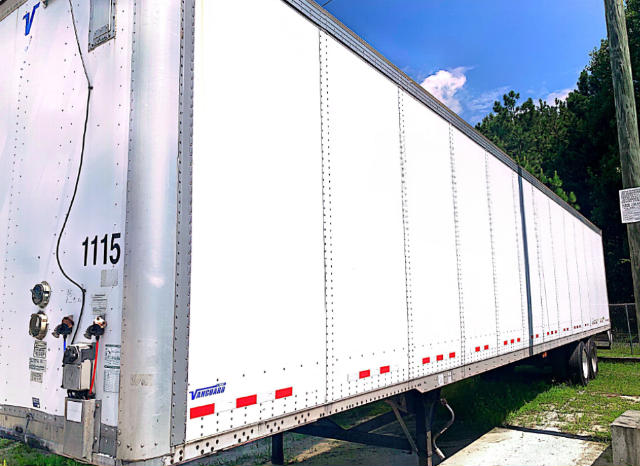
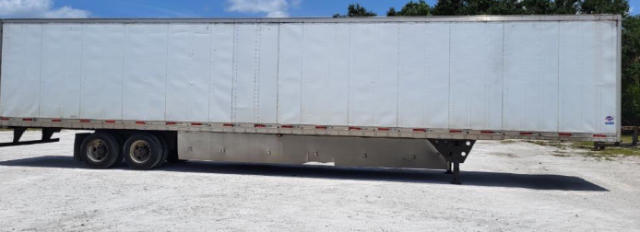

Selling a utility trailer? List your utility trailer for sale and reach thousands of commercial buyers.
Utility Trailers in Georgia
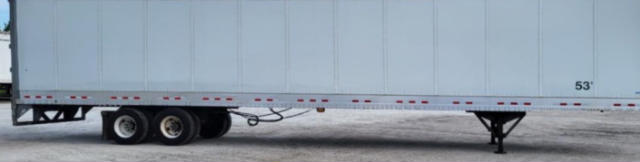
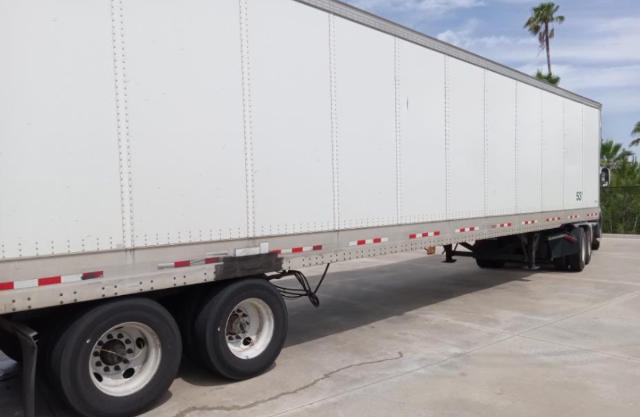
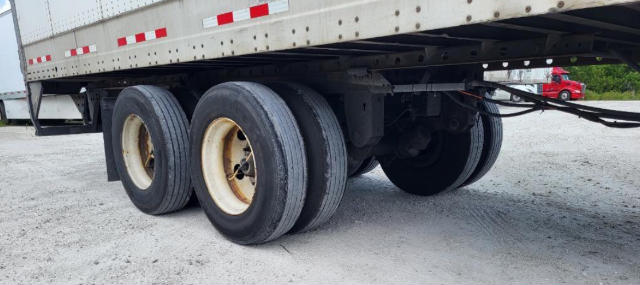
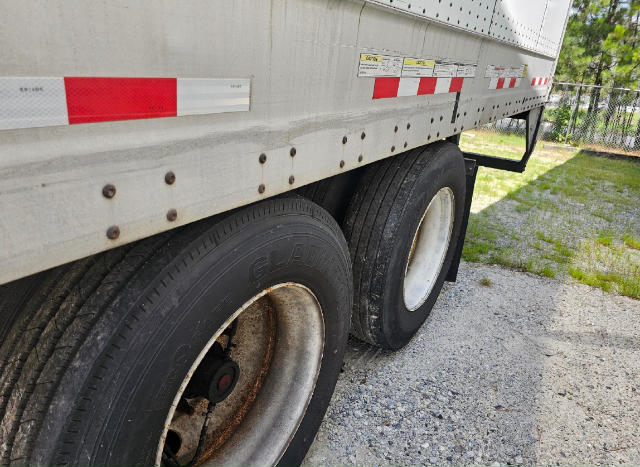
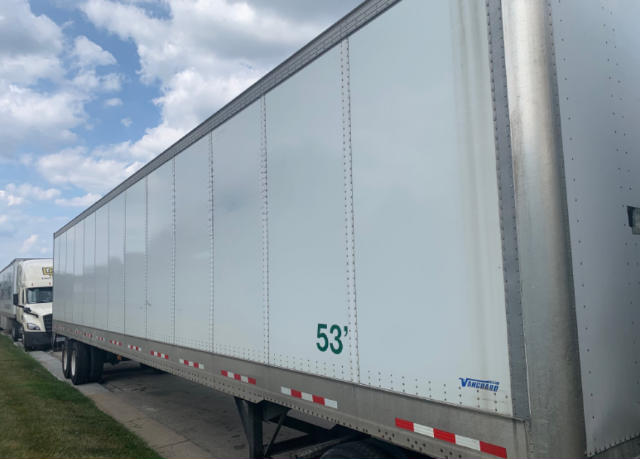
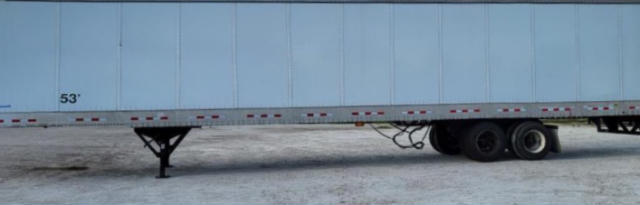
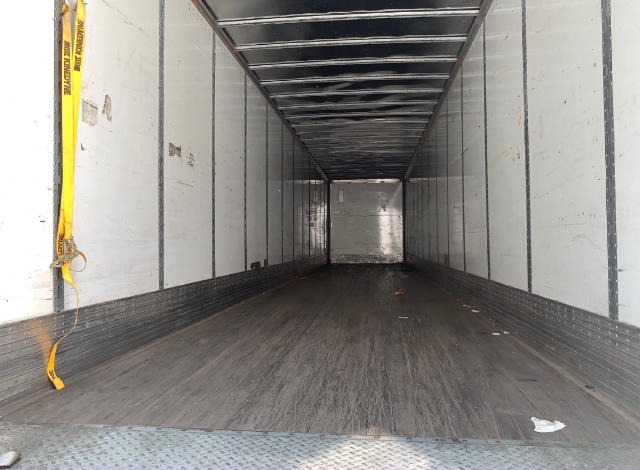
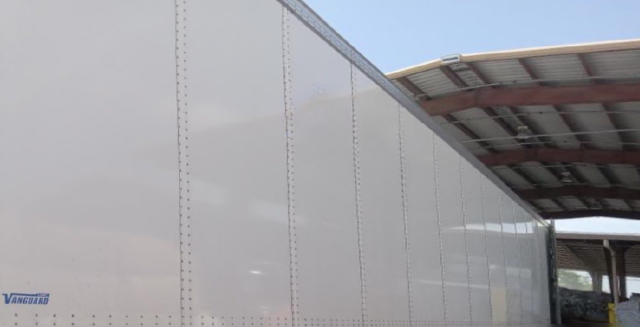
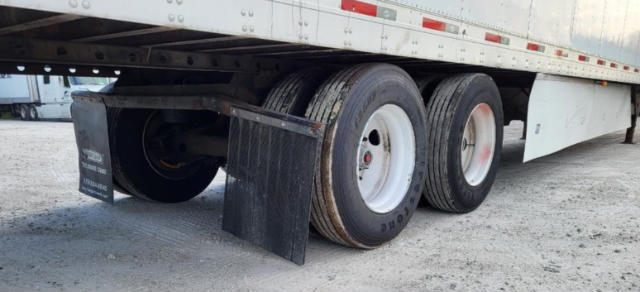
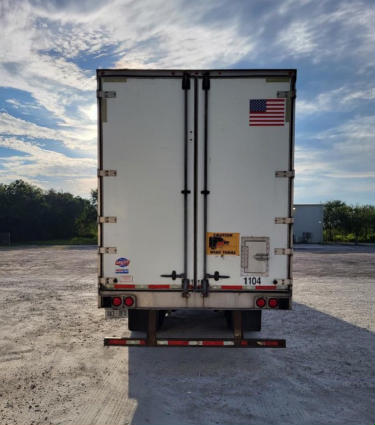
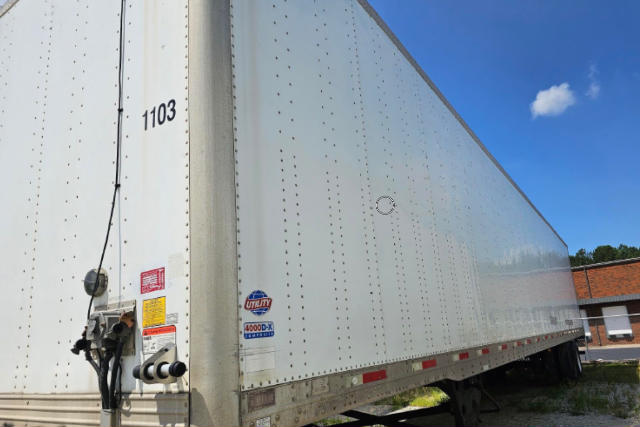
Construction details drive long-term cost. Composite sidewall dry vans are popular because they resist punctures well, stay relatively light, and hold up in mixed fleet service. Key checkpoints include roof condition, front wall repairs, floor wear from forklift traffic, crossmember integrity, and door frame alignment. A standard spec in this category is a tandem axle 53-foot trailer with swing doors, logistics posts, scuff liner protection, hardwood or laminated flooring, and a slider suspension to help with bridge law and axle spread compliance. Buyers also pay attention to suspension type, wheelbase setting, brake configuration, tire condition, and whether the trailer has fleet-friendly features such as tire inflation systems, LED lighting, and aerodynamic side skirts.
Georgia buyers should think about freight mix and operating density. Heavy dock cycles in metro Atlanta put real value on solid rear frame structure, dependable roll-up or swing door hardware, and floors that are still tight under repeated pallet jack and forklift traffic. For carriers running longer interstate lanes, lighter tare weight and good aero equipment can matter more than cosmetic appearance. If the trailer will handle food-grade or retail freight, interior condition becomes a bigger factor, including wall liner damage, moisture intrusion, odors, and evidence of previous patching. Trailer age matters, but service records, prior fleet use, and visible structural condition usually tell the better story.
The best utility trailer for sale is usually the one that matches freight requirements without adding unnecessary maintenance exposure. Confirm inside height, door opening dimensions, landing gear condition, VIN plate data, ABS status, and current DOT inspection items before purchase. On used dry vans, a clean undercarriage, even tire wear, straight rails, and a floor that has not been heavily plated can be more important than paint. For many buyers, a proven fleet-spec dry van from Utility, Vanguard, or a similar builder remains the practical choice for general freight hauling across Georgia and the broader Southeast.
Frequently Asked Questions about Utility Trailers in Georgia
What is a utility trailer in the commercial trailer market?
In many heavy-duty truck marketplaces, a utility trailer listing often refers to an enclosed dry van trailer rather than a small consumer-grade utility trailer. These trailers are typically 53-foot vans used for palletized freight, retail loads, packaged goods, and general dry freight. The term can also reflect the manufacturer name Utility Trailer Manufacturing, which is why buyers should confirm body type, length, and trailer specs in each listing.
What should I inspect first on a used Utility or dry van trailer?
Start with the structural items that affect safety and long-term cost. Check the frame rails, crossmembers, suspension, slider assembly, landing gear, brake system, ABS function, tire wear, and wheel ends. Then inspect the floor for soft spots, patchwork, or heavy forklift damage, followed by the roof, front wall, rear frame, and doors for leaks, cracks, or signs of impact repair. Cosmetic wear is common on fleet trailers, but structural damage and water intrusion are much more expensive problems.
Are composite dry van trailers a good choice for Georgia freight?
Composite dry van trailers are a strong choice for many Georgia operations because they offer a good mix of low weight, durability, and cargo protection. They work well in regional distribution, warehouse-to-store lanes, and general over-the-road freight moving through the Southeast. Buyers should still inspect for sidewall damage, moisture intrusion, and previous repairs, but a well-maintained composite trailer can be a practical and efficient fleet asset.
What specs matter most when buying a used 53-foot dry van trailer?
The most important specs usually include overall length, inside height, door opening dimensions, axle spread, suspension type, brake type, floor construction, and tare weight. Buyers should also review logistics posts, scuff liners, roof material, door style, and any aerodynamic equipment or tire inflation systems. These details affect payload, dock compatibility, maintenance cost, and how well the trailer fits specific freight lanes.
Is trailer age more important than maintenance history?
Maintenance history and actual condition usually matter more than model year alone. A slightly older fleet trailer with documented service, sound structure, and a solid floor can be a better buy than a newer trailer with hidden damage or deferred maintenance. The best assessment comes from combining age, prior use, inspection records, tire and brake condition, and a careful physical walk-around of the trailer.