
Utility Utility Trailers For Sale in Georgia
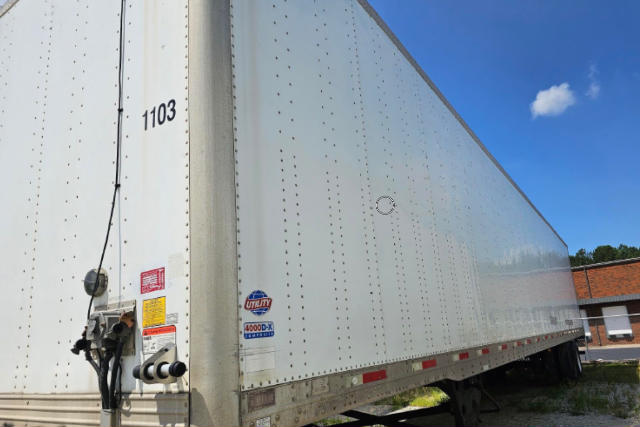
Browse Utility trailers for sale in Georgia, including 4000 D-X Composite dry vans known for light weight, durability, and fleet-ready specs.
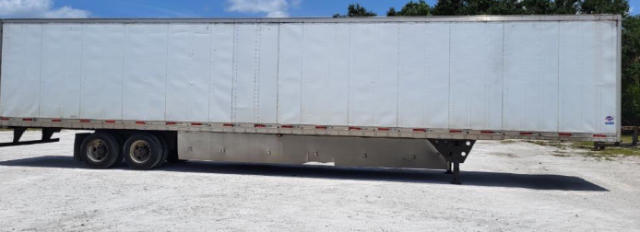
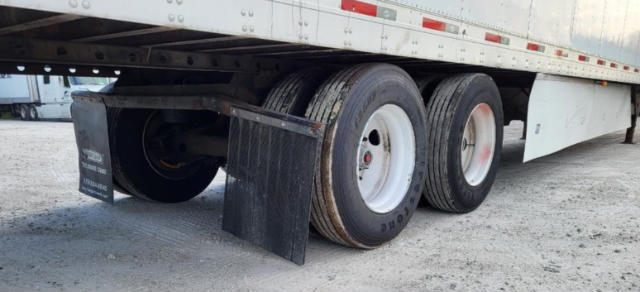
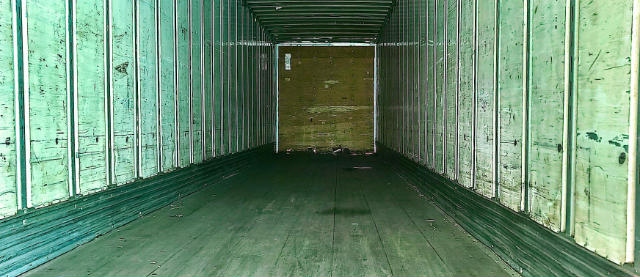
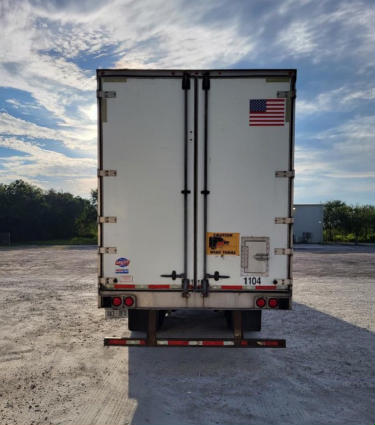
Selling a utility utility trailer? List your utility utility trailer for sale and reach thousands of commercial buyers.
Utility Utility Trailers in Georgia
A buyer comparing Utility trailers should pay close attention to body construction, floor rating, rear frame condition, and suspension spec. The 4000 D-X Composite is known for composite sidewall construction that helps reduce weight while holding up well in dock service. Common specs in this class include 53-foot overall length, tandem sliding suspension, swing or roll-up doors, logistics posts, and aluminum roof construction. Floor condition is a major checkpoint on any used dry van, particularly in foodservice, retail, and package freight. Look for patching, rot around fasteners, forklift wear, and crossmember issues. Tire condition, brake life, wheel-end service history, and slider rail wear also deserve close inspection.
For Georgia operators, corrosion exposure is usually less severe than in northern road salt markets, but humidity, heavy rain, and dense urban dock work can still shorten component life. Trailer buyers in this region often look at roof integrity, door seals, scuff liners, and ICC bumper condition because these affect cargo claims and DOT compliance. If the trailer will run frequent Atlanta-area distribution or Southeast regional lanes, suspension alignment, ABS function, and trailer tracking matter just as much as cosmetic condition. A clean van body with poor alignment can cost more in tires and downtime than a rougher trailer with a solid undercarriage.
Utility has long been a recognized name in dry van and refrigerated trailer manufacturing, and that brand familiarity helps when it comes to parts access, shop knowledge, and resale value. The right trailer depends on freight type and loading pattern. A shipper moving palletized consumer goods may prioritize interior cube, logistics tracks, and door reliability, while a carrier hauling heavier concentrated loads may focus more on floor strength, gross vehicle weight rating, and suspension durability. When evaluating this equipment class, the best buys are usually the trailers with documented maintenance, straight frames, sound floors, and evidence of consistent fleet-level care rather than just fresh paint or low advertised price.
Frequently Asked Questions about Utility Utility Trailers in Georgia
What is a Utility 4000 D-X Composite trailer used for?
A Utility 4000 D-X Composite is a dry van trailer commonly used for general freight, retail distribution, packaged goods, and palletized cargo that needs protection from weather and theft. Its lighter composite construction helps carriers maximize payload while maintaining the durability needed for repeated dock loading and unloading.
What should I inspect first on a used Utility dry van trailer?
Start with the floor, roof, rear frame, suspension, brakes, and tires. Floor damage from forklift traffic is one of the most expensive issues on a used dry van, and rear frame wear from dock impact is also common. After that, inspect the slider rails, crossmembers, door seals, ABS operation, and signs of water intrusion along the roof line and sidewalls.
Are Utility trailers a good choice for fleet and owner-operator use?
Utility trailers are widely accepted in both fleet and independent operations because they have a strong reputation for light weight, dependable construction, and broad service familiarity. That makes them easier to maintain, easier to place into common van freight service, and generally easier to resell than less common brands.
Why does trailer weight matter when buying a dry van?
Trailer tare weight affects payload capacity and operating flexibility. A lighter dry van can allow more legal payload on weight-sensitive loads, which is important for carriers running high-volume freight or trying to maximize revenue per trip. Weight should still be balanced against floor rating, structural condition, and the type of freight being hauled.
What features are common on Utility dry van trailers in Georgia?
Common features include 53-foot lengths, tandem sliding suspensions, swing doors, aluminum roofs, logistics posts, scuff liners, and standard ABS brake systems. In Georgia service, buyers often place extra value on weather-tight roofs, solid door seals, good trailer tracking, and clean undercarriages suited for regional freight, port dray segments, and distribution-center work.