
Utility Utility Trailers For Sale
Browse Utility trailers for sale, including popular 4000D-X reefer and dry van models known for durability, payload efficiency, and fleet appeal.
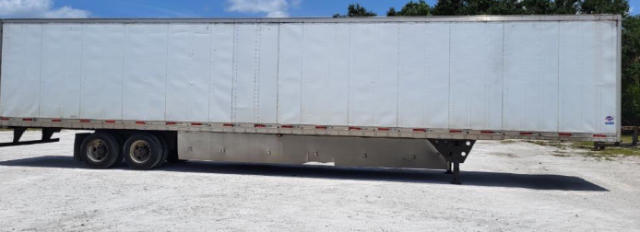
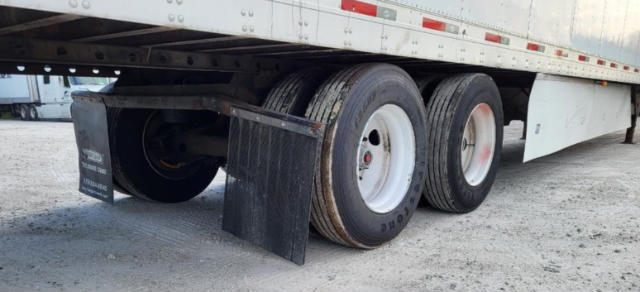

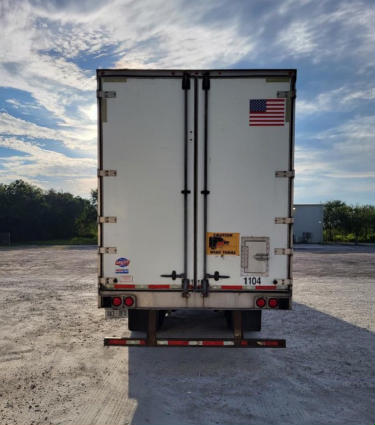
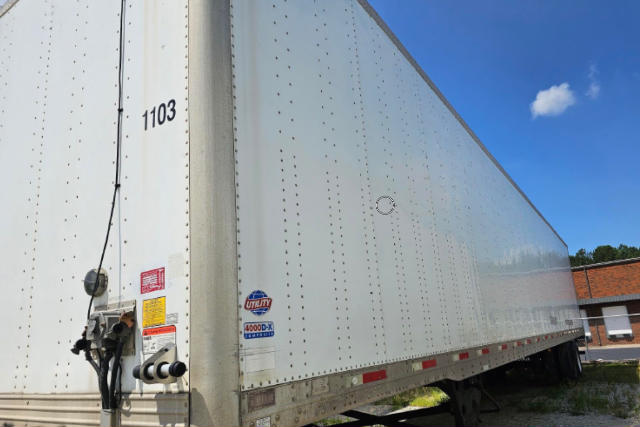
Selling a utility utility trailer? List your utility utility trailer for sale and reach thousands of commercial buyers.
Utility Utility Trailers
The 4000D-X Composite dry van is a common Utility trailer configuration and a frequent target for used trailer buyers moving general freight, retail loads, packaged goods, and palletized LTL. These trailers typically feature composite sidewall construction, galvanized steel subcomponents in key corrosion-prone areas, and logistics-ready interiors with scuff liners, hardwood or laminated floors, and rows of logistics posts for decking and load securement flexibility. Common specs to compare include trailer length, interior height, rear door style, floor rating, suspension type, wheel material, tire condition, and whether the trailer has fleet maintenance history. Buyers should also check roof condition, front wall integrity, crossmember repairs, slider operation, and signs of impact around the rear frame and threshold.
If the listing is for a refrigerated Utility trailer rather than a dry van, many of the same buying principles apply, but insulation package, reefer hours, air chute condition, and door seal performance become more important. Utility reefers are common in grocery, foodservice, produce, and pharmaceutical lanes, and many are spec'd with duct floors, multi-temp capability, and heavy-duty rear frames for constant dock work. On any Utility trailer, tandem slider condition, kingpin wear, brake life, ABS function, and tire wear pattern tell you a lot about how the trailer was maintained. A trailer with even tire wear, straight rails, solid lining, and clean suspension components is usually a better indicator of value than cosmetic appearance alone.
A used Utility trailer often appeals to buyers because it is easy to place into regular over-the-road service and easy to remarket later. Fleet buyers tend to like the consistent spec patterns, while smaller operators value the balance of durability, low empty weight, and straightforward parts sourcing. If you are sorting through multiple Utility trailers for sale, focus on the exact body type, age, prior application, and maintenance records first. Those factors will matter more than paint or branding when the goal is dependable service, strong resale, and predictable operating cost.
Frequently Asked Questions about Utility Utility Trailers
What is the Utility 4000D-X Composite trailer known for?
The Utility 4000D-X Composite is best known as a lightweight dry van trailer with durable composite sidewalls and strong fleet acceptance in general freight service. Buyers often look at this model for its balance of payload efficiency, structural durability, and broad parts and service support. It is a common choice in large fleets, which also helps the used market because many units follow standardized maintenance schedules and familiar specifications.
What should I inspect first on a used Utility trailer?
Start with the structure and running gear before focusing on cosmetics. Check the roof, front wall, rear frame, floor condition, crossmembers, and sidewall integrity, then inspect the tandem slider, suspension, brakes, hubs, tires, and kingpin area. On dry vans, scuff liner damage and floor wear can reveal how the trailer was loaded. On refrigerated models, reefer hours, insulation performance, door seals, and evaporator condition are critical.
Are Utility trailers good for fleet and owner-operator use?
Utility trailers are widely used by both fleets and independent operators because they are common, serviceable, and accepted across a broad range of freight applications. Fleet buyers typically value spec consistency and maintenance familiarity, while owner-operators often value resale strength and the ability to get parts and repairs without much downtime. That combination makes Utility a practical used-trailer brand in many regional and over-the-road operations.
How do I compare one Utility trailer listing to another?
Compare the trailer body type first, because a dry van and a reefer serve very different applications and have different cost structures. After that, look at model year, length, interior height, floor rating, suspension, wheel and tire condition, brake life, and any repair history. Maintenance records, prior fleet ownership, and evidence of structural repairs usually tell you more about long-term value than a clean exterior alone.