
2014 Utility Utility Trailers For Sale
Shop 2014 Utility trailers, including 4000 D-X Composite models, with specs buyers compare most: construction, reefer setup, suspension, doors, and floors.
Selling a 2014 utility utility trailer? List your 2014 utility utility trailer for sale and reach thousands of commercial buyers.
2014 Utility Utility Trailers
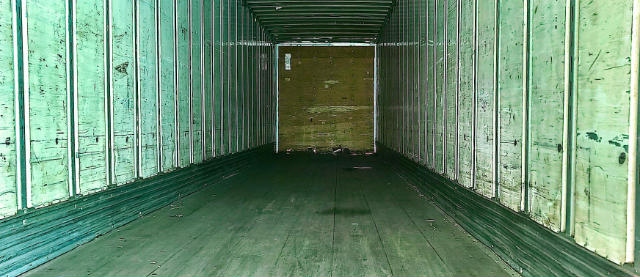
On used 2014 Utility trailers, the first decision is usually dry van versus refrigerated configuration. A dry van buyer will typically focus on interior width and height, rear door condition, floor rating, logistics posts, scuff liner wear, roof bow condition, and signs of sidewall damage from forklifts or shifting freight. Reefer buyers need to go deeper by checking the insulation package, air chute, reefer bulkhead, drain condition, and the refrigeration unit's hours, service records, and pull-down performance. Utility reefers from this era are often found in grocery, foodservice, and temperature-controlled lanes where door seal condition, floor integrity, and unit maintenance history have a direct effect on cargo claims and operating cost.
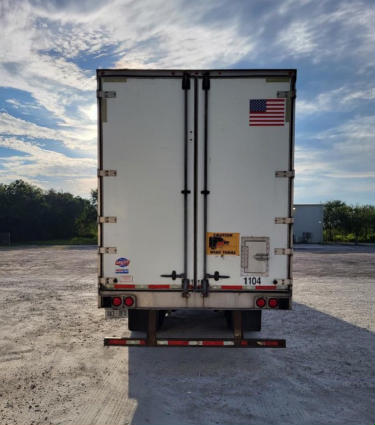
Suspension, axle spec, and wheel-end condition are also key on a 2014 trailer. Many buyers compare air ride versus spring ride based on cargo sensitivity and maintenance preference. It is smart to inspect brakes, drums or discs if equipped, tire wear pattern, slider operation, crossmember condition, and any evidence of frame corrosion around the suspension hangers. On van and reefer applications alike, the rear frame, threshold, ICC bumper, and tandem slide rails deserve close attention because these are high-contact areas in dock work and daily fleet use. Trailer tracking, door alignment, and uneven tire wear can also reveal prior impact damage or hard service.
A 2014 Utility trailer can still be a solid value if the structure is straight and the spec matches the freight. Buyers moving general palletized freight may prioritize low weight and cube, while regional food or beverage work may call for heavier floor ratings, better lining protection, and a reefer-ready or insulated setup. Utility remains a familiar name across North America, so replacement parts, service knowledge, and resale recognition are usually strong advantages. The best purchase decisions in this category come from matching trailer condition, body type, and maintenance history to the lane, dock environment, and loading pattern the trailer will actually see.
Frequently Asked Questions about 2014 Utility Utility Trailers
What should I inspect first on a used 2014 Utility trailer?
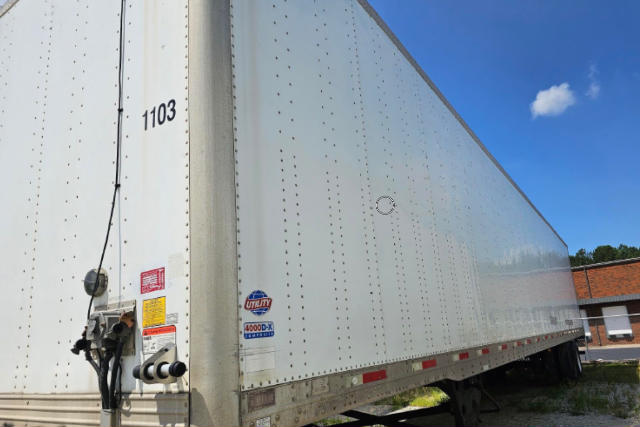
Start with the structure and the high-wear areas. Check the sidewalls, roof, floor, rear frame, threshold, doors, tandem slider, suspension mounts, and crossmembers for damage, repairs, corrosion, or misalignment. On a Utility 4000 D-X Composite, panel condition and evidence of prior wall repairs matter because cosmetic damage can hide harder service. Uneven tire wear, poor door fit, and a trailer that does not sit square can point to frame or suspension issues.
Is the 2014 Utility 4000 D-X Composite a good choice for fleet freight?
It can be a very practical fleet trailer when condition is right. The 4000 D-X Composite line is known for a balance of low tare weight, useful cubic capacity, and widespread service familiarity. That makes it attractive for palletized freight, route freight, and general van applications. Buyers should still verify floor rating, interior wear, and repair history so the trailer matches the actual forklift traffic and load profile.
What is most important on a 2014 Utility reefer trailer?
Reefer buyers should focus on both the trailer body and the refrigeration system. Inspect the insulated body for wall damage, soft spots, moisture intrusion, door seal wear, and bulkhead condition. Then review reefer engine hours, maintenance records, alarm history, fuel system condition, and temperature pull-down performance. A reefer trailer with a sound body but poor unit history can become expensive quickly.
How do I know if a 2014 Utility trailer has been worked hard?
Heavy service usually shows up in a few predictable places. Look for deep forklift gouges in the floor, bent scuff liners, patched sidewalls, dock impact damage at the rear frame, cracked threshold areas, worn tandem slide components, and corrosion around suspension hangers. Multiple small repairs are not unusual on a used trailer, but repeated structural repair or poor alignment is a stronger warning sign than normal cosmetic wear.