
2018 Utility Trailers For Sale in Georgia
Shop 2018 Utility trailers in Georgia. Compare reefer and dry van specs, axle setups, liner options, and fleet-ready features for regional freight.
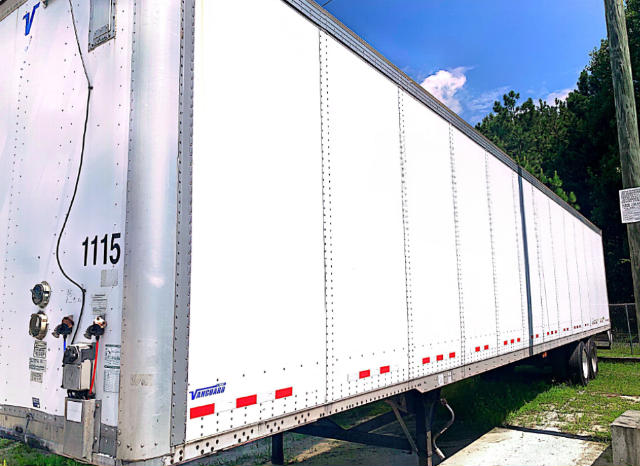
Selling a 2018 utility trailer? List your 2018 utility trailer for sale and reach thousands of commercial buyers.
2018 Utility Trailers in Georgia
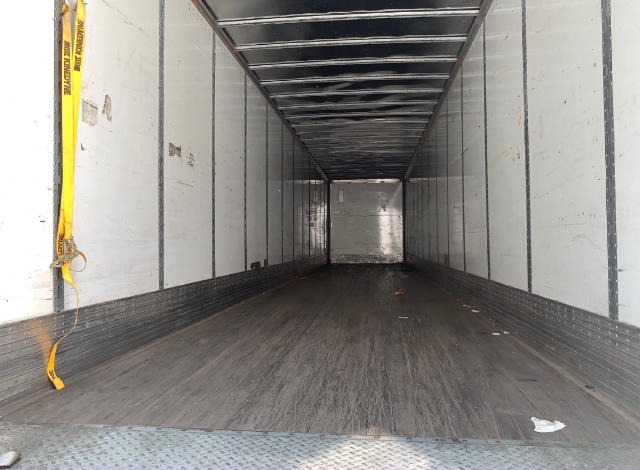
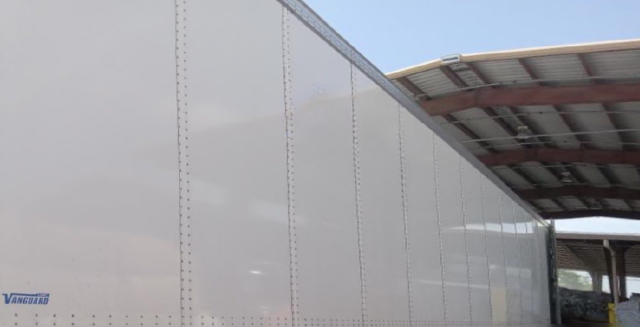
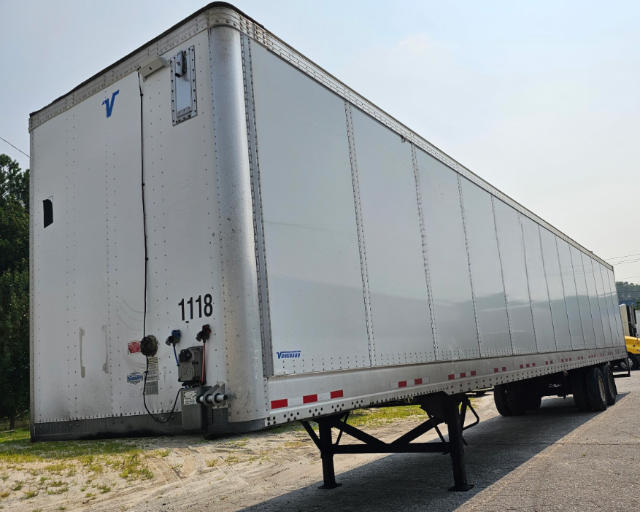
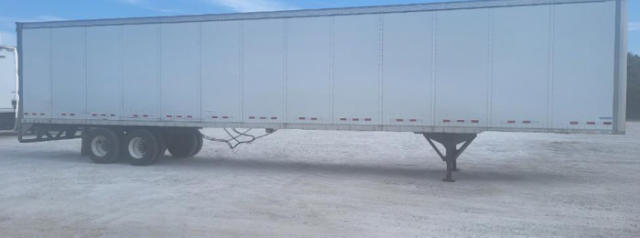
For dry van applications, a 2018 Utility trailer often appeals to buyers who want a modern composite or plate trailer without paying late-model pricing. Common checkpoints include scuff liner height, logistics posts, roof condition, rear frame and crossmember corrosion, swing door hardware, and the condition of the floor at the threshold and forklift travel lanes. Fleet dry vans from this period may also have slider suspensions, aerodynamic side skirts, tire inflation systems, or aluminum wheels. If the trailer will be loaded hard at docks every day, floor type and rear impact area condition matter more than cosmetic appearance.
For refrigerated service, 2018 remains a practical age range for regional grocery, produce, and foodservice work, especially if maintenance records are available. Buyers should verify reefer hours, unit make and model, evaporator condition, chute setup, and the integrity of the insulation, floor channels, and door seals. Utility reefers are known for strong fleet acceptance, but the trailer’s value depends heavily on refrigeration performance, not just the trailer shell. In Georgia, reefer buyers should pay attention to cooling recovery in hot and humid conditions, along with air leaks around doors and bulkheads that can drive up fuel use and temperature variance.
A 2018 model year also sits in a useful middle ground for fleets and owner-operators who want ELD-era equipment without stepping into the highest acquisition cost bracket. In Georgia, these trailers are often used in port freight, distribution center lanes, produce movement, retail replenishment, and general over-the-road van work. The smartest comparison points are tare weight, repair history, DOT readiness, and how closely the trailer matches your freight profile. A lighter dry van may help cube out consumer freight efficiently, while a reefer with a well-documented unit and clean interior can support higher-value temperature-controlled loads with less onboarding risk.
Frequently Asked Questions about 2018 Utility Trailers in Georgia
What should I check first on a 2018 Utility trailer?
Start with the trailer type and exact spec. Confirm whether it is a dry van or reefer, then review VIN data, interior dimensions, axle configuration, suspension type, floor condition, and any fleet options such as side skirts or tire inflation systems. On a reefer, reefer unit hours and service records are critical. On a dry van, focus on floor wear, rear frame condition, roof integrity, and wall damage from forklifts or shifting freight.
Is a 2018 Utility trailer a good age for fleet or owner-operator use?
Yes, a 2018 trailer is often a strong value point because it is new enough to have modern fleet specs and broad serviceability, but old enough to avoid the premium attached to newer model years. Condition matters more than age alone. A clean 2018 trailer with documented maintenance, solid structural components, and current DOT-ready running gear can be a better buy than a newer trailer with deferred repairs.
What is the difference between a 2018 Utility dry van and a 2018 Utility reefer?
A dry van is built for general freight that does not require temperature control, while a reefer includes insulated walls, an insulated floor and roof structure, and a refrigeration unit. Reefer buyers need to inspect unit hours, service history, temperature pull-down, door seals, and interior liner condition. Dry van buyers should focus more on floor rating, wall construction, logistics track or posts, and signs of repeated dock and forklift damage.
Are 2018 Utility trailers good for Georgia freight lanes?
They can be a strong fit for Georgia operations because the state supports a wide mix of freight including retail distribution, food and beverage, produce, port-related freight, and long regional runs. Dry vans are common for general freight moving through Atlanta and surrounding distribution corridors. Reefers are especially relevant for foodservice and perishable freight, but buyers in Georgia should pay extra attention to cooling performance and insulation integrity due to hot summer conditions.
What affects the resale value of a 2018 Utility trailer the most?
The biggest value drivers are body type, maintenance history, structural condition, and major component spec. For dry vans, buyers look closely at floor condition, sidewall integrity, roof damage, rear frame repairs, and tire and brake life. For reefers, resale value depends heavily on the refrigeration unit, including hours, service records, and operating performance. Clean titles, fleet maintenance documentation, and standard specs that fit common freight also help support stronger resale.