
2018 Utility Trailers For Sale
Shop 2018 Utility trailers for sale, including common specs, reefer and dry van configurations, maintenance points, and buyer tips.
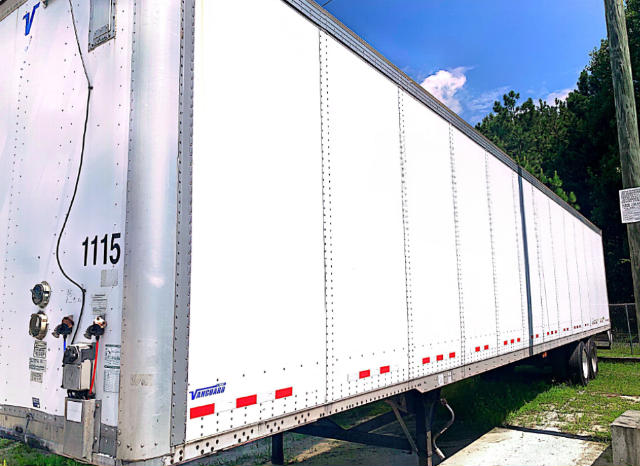
Selling a 2018 utility trailer? List your 2018 utility trailer for sale and reach thousands of commercial buyers.
2018 Utility Trailers
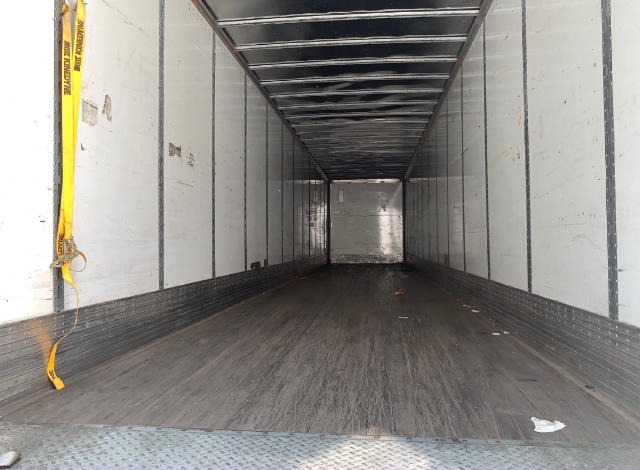
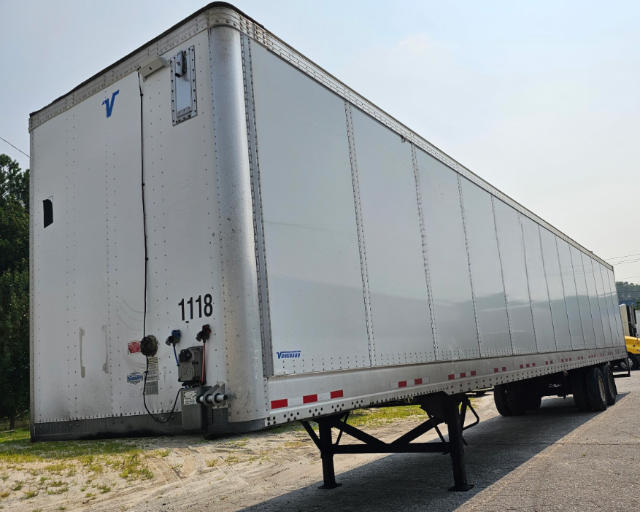
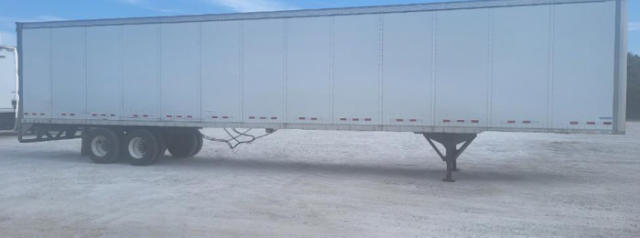
For dry van models, common specs include 53-foot lengths, air ride suspension, swing doors, logistics posts, scuff liners, aluminum roofs, and wood or composite flooring rated for forklift traffic. Utility’s dry van platforms are widely used in general freight, palletized goods, retail distribution, and dedicated contract hauling. If you are looking at a reefer version from 2018, pay close attention to the refrigeration unit hours, chute condition, fuel tank, evaporator performance, and the state of the insulated walls and floor. A sound reefer body with clean seals and a healthy unit can still be a productive regional or long-haul asset, but deferred maintenance in refrigeration equipment gets expensive fast.
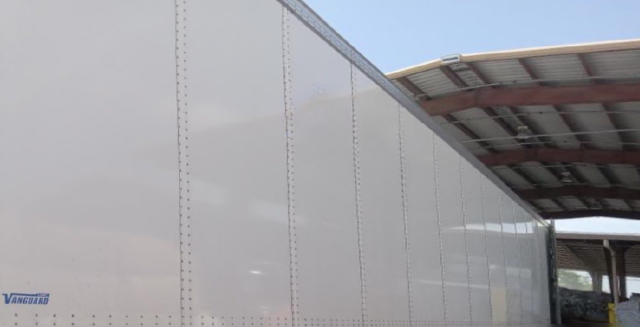
Running gear matters just as much as the box. Many 2018 Utility trailers were spec’d with tandem sliding axles, air brakes, aluminum wheels, and tire inflation systems, though exact equipment varies by original fleet order. Check kingpin settings, crossmember condition, slider operation, brake wear, wheel-end service history, and signs of corrosion around the rear frame and underride guard. On higher-mileage fleet trailers, buyers should also inspect side panels for patches, delamination or impact repairs, and look closely at the threshold plate and rear sill where repeated dock contact can show up first.
A 2018 Utility trailer can make sense for fleets that want a recognized brand with broad parts support and familiar maintenance practices. Utility trailers generally hold value well because they are common in large fleet service and most shops know how to work on them. The best choice comes down to application: dry vans for general freight, reefers for temperature-sensitive loads, and platform configurations for more specialized cargo. When comparing listings, focus on prior use, maintenance records, structural condition, and spec match before making the decision on price alone.
Frequently Asked Questions about 2018 Utility Trailers
What should I inspect first on a used 2018 Utility trailer?
Start with the structure and the running gear. Check the floor for forklift damage, soft spots, and patched areas, then inspect the roof, sidewalls, rear frame, and door opening for leaks, impact damage, or corrosion. After that, move to the suspension, brakes, tires, slider rails, and wheel ends. On reefer models, refrigeration unit condition and hours are just as important as the trailer body.
Are 2018 Utility trailers good for fleet use?
Yes. A 2018 Utility trailer is a common fleet-age asset because it can still offer useful service life while costing less than a late-model replacement. Utility trailers are widely supported for parts and service, and many technicians are familiar with their construction. For fleet buyers, the key is making sure the trailer’s current condition matches its mileage, freight history, and maintenance record.
What are common configurations for a 2018 Utility trailer?
The most common configurations are 53-foot dry vans and refrigerated trailers with tandem sliding axles and air ride suspension. Dry vans may include logistics posts, scuff liners, and swing or roll doors. Reefer units may include insulated ducting, fuel tanks, and electric standby depending on prior application. Some Utility-branded equipment also appears in flatbed or platform use, but van and reefer listings are the most common in this model year.
How do I know if a 2018 Utility reefer trailer is still worth buying?
The answer depends on both the trailer body and the refrigeration unit. A reefer can still be a strong buy if the insulated box is sound, the doors seal properly, the floor is intact, and the unit has documented service history with acceptable engine hours. Poor insulation, damaged lining, air leaks, and neglected unit maintenance can quickly erase any upfront savings, so a reefer inspection should be more detailed than a standard dry van check.
Do 2018 Utility trailers hold their resale value?
They generally hold value well compared with lesser-known brands because Utility has a strong presence in fleet operations and a large service network. Resale value is influenced most by trailer type, structural condition, mileage exposure, maintenance history, and regional demand. Clean dry vans with solid floors and straight bodies, along with reefers that have healthy units and good maintenance records, typically attract the strongest buyer interest.