
2019 Utility Trailers For Sale in Georgia
Browse 2019 Utility trailers in Georgia. Compare reefer and dry van specs, dimensions, axle setups, liner options, and fleet-ready features.
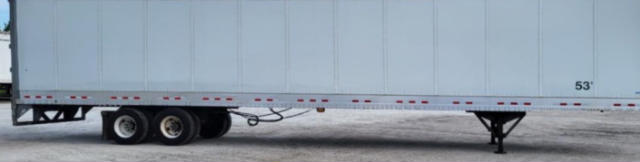
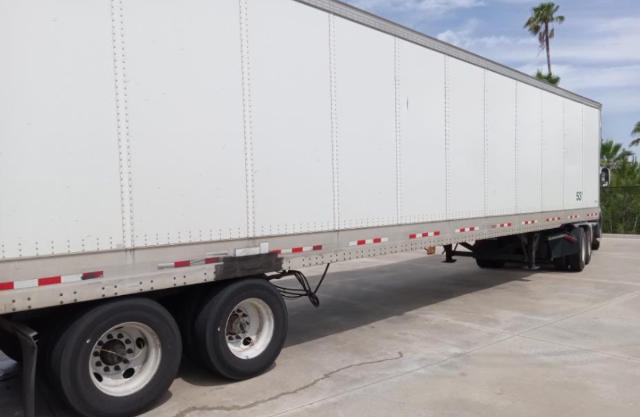
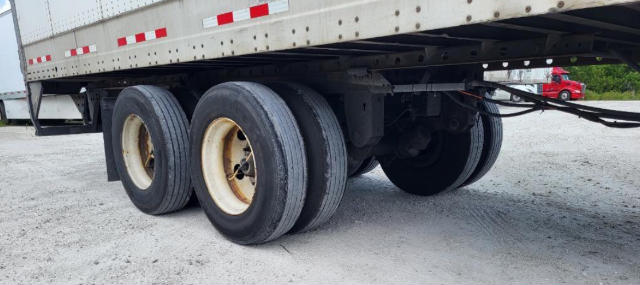
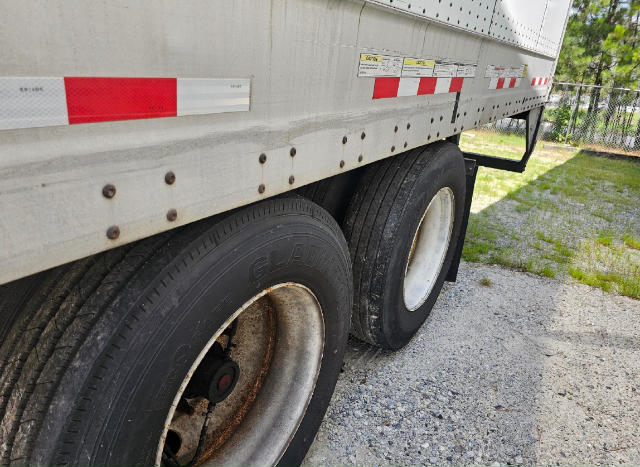
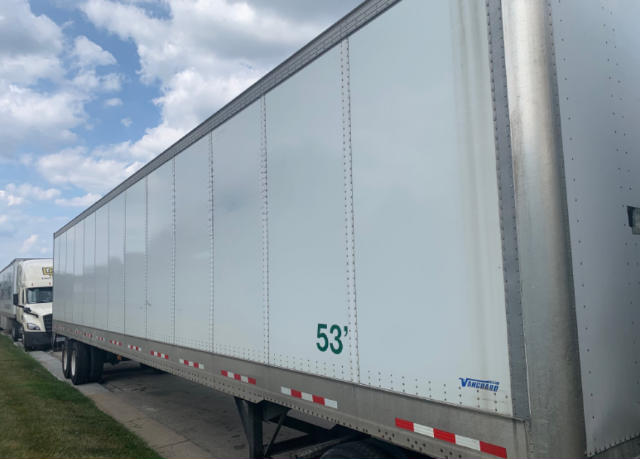
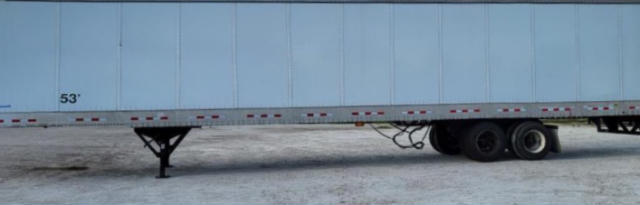
Selling a 2019 utility trailer? List your 2019 utility trailer for sale and reach thousands of commercial buyers.
2019 Utility Trailers in Georgia
Utility is well known for dry van and refrigerated trailer designs that emphasize light weight, durability, and repairability. On dry vans, common decision points include wall construction, logistics post spacing, scuff liner height, and floor rating for forklift traffic. On refrigerated models, insulation performance, reefer hours, air chute condition, and the state of the evaporator and bulkhead are as important as the trailer chassis itself. Fleet buyers often focus on tire inflation systems, aluminum wheels, disc or drum brake spec, slider operation, and whether the trailer has been maintained on a documented PM schedule. A 2019 model can still offer modern fleet features while remaining simple to service across a broad dealer and parts network.
Georgia buyers should also think about application before comparing listings. A trailer running Atlanta-area distribution will need different priorities than one handling produce, poultry, or export freight moving through Savannah. Dry freight operations may value low tare weight and strong interior logistics options for load securement. Cold chain work puts more value on reefer unit history, fuel tank condition, door closure integrity, and floor channel cleanliness. If the trailer will be dropped regularly at customer yards, check landing gear condition, crossmember integrity, and kingpin apron wear. If it will stay in highway service, suspension condition, alignment-related tire wear, and brake life become bigger factors.
The best 2019 Utility trailers usually stand out through spec discipline and maintenance history rather than cosmetics alone. Look for signs of straight frame geometry, even tire wear, smooth slider travel, solid lights and wiring, and clean DOT inspection history if available. On vans and reefers alike, a careful review of VIN specs, axle ratings, door type, lining package, and any recent brake or suspension work will tell you more than paint and decals. For buyers comparing multiple late-model trailers, a 2019 Utility unit can be a practical middle ground between acquisition cost, service life, and resale appeal.
Frequently Asked Questions about 2019 Utility Trailers in Georgia
What should I inspect first on a used 2019 Utility trailer?
Start with the structural and wear items that are expensive to correct. Check the roof for patches or impact damage, inspect the floor for soft spots and forklift wear, and look closely at the rear frame, hinges, and door seals. Underneath, review crossmembers, suspension components, brake condition, slider rails, and kingpin apron wear. Uneven tire wear can point to alignment or suspension issues, and wall repairs inside the box can indicate prior cargo damage or impact history.
Are 2019 Utility trailers typically dry vans or refrigerated trailers?
Utility is best known for both dry van and refrigerated trailer production, so a 2019 model could fall into either class depending on the listing. Dry vans are generally chosen for general freight, retail, and distribution work. Refrigerated trailers, often called reefers, are used for temperature-controlled freight such as food and pharmaceuticals. The right choice depends on cargo type, insulation needs, and the added maintenance that comes with a reefer unit.
What specs matter most when comparing 2019 Utility dry vans?
The most important dry van specs are overall length, axle configuration, wall construction, floor rating, rear door type, and interior logistics setup. Buyers should also check scuff liner height, roof material, suspension type, wheel spec, and brake setup. If the trailer is used in heavy dock and forklift service, floor condition and crossmember spacing deserve extra attention because they directly affect durability and future repair cost.
What adds value on a 2019 Utility reefer trailer?
On a reefer, value comes from both the trailer and the refrigeration system. Buyers typically place the most value on reefer hours, maintenance records, unit performance, insulation integrity, and door seal condition. Features like a clean insulated interior, sound bulkhead and air chute, good floor channel condition, and well-maintained fuel and electrical systems also matter. A reefer with documented service history is usually easier to evaluate than one that only looks clean cosmetically.
Is a 2019 Utility trailer a good fit for regional freight in Georgia?
Yes, a 2019 Utility trailer can fit Georgia regional freight well if the spec matches the application. For Atlanta distribution, buyers often prioritize dock durability, light weight, and dependable brakes and suspension. For Savannah port work or agricultural freight, corrosion exposure, landing gear condition, and chassis integrity become more important. The best fit comes from matching trailer condition and configuration to the route density, freight type, and loading cycle.