
Vanguard Trailers For Sale in Nevada
Shop Vanguard trailers for sale in Nevada. Compare 53-foot dry van specs, interior height, suspension, door styles, and fleet-ready options.
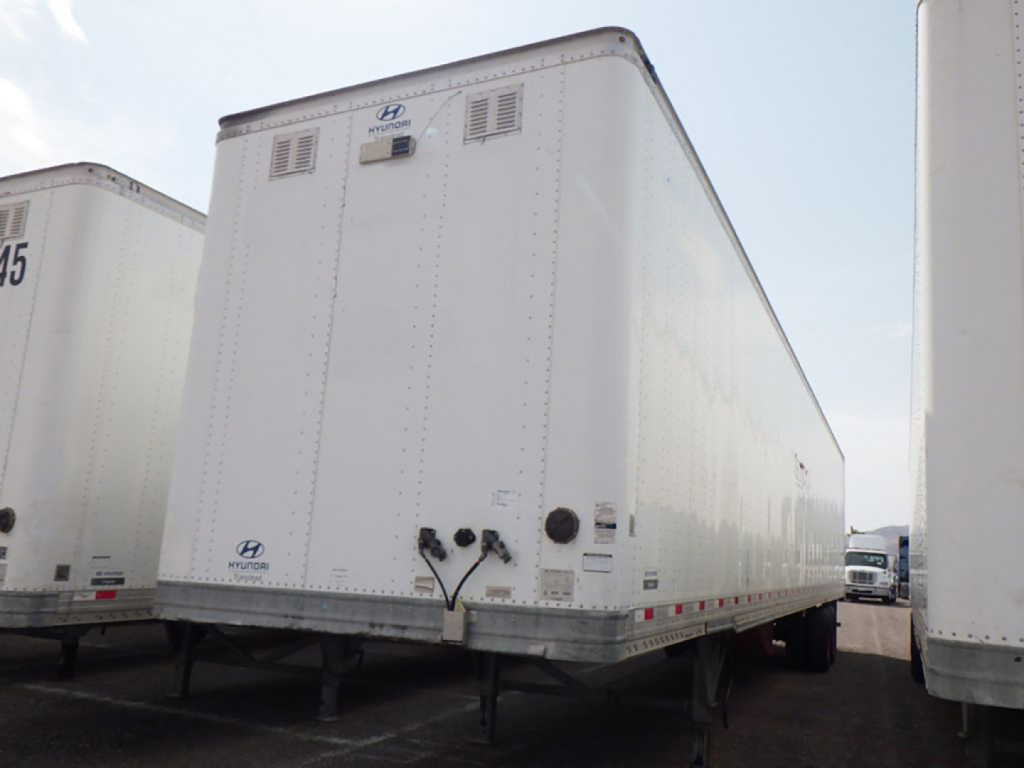
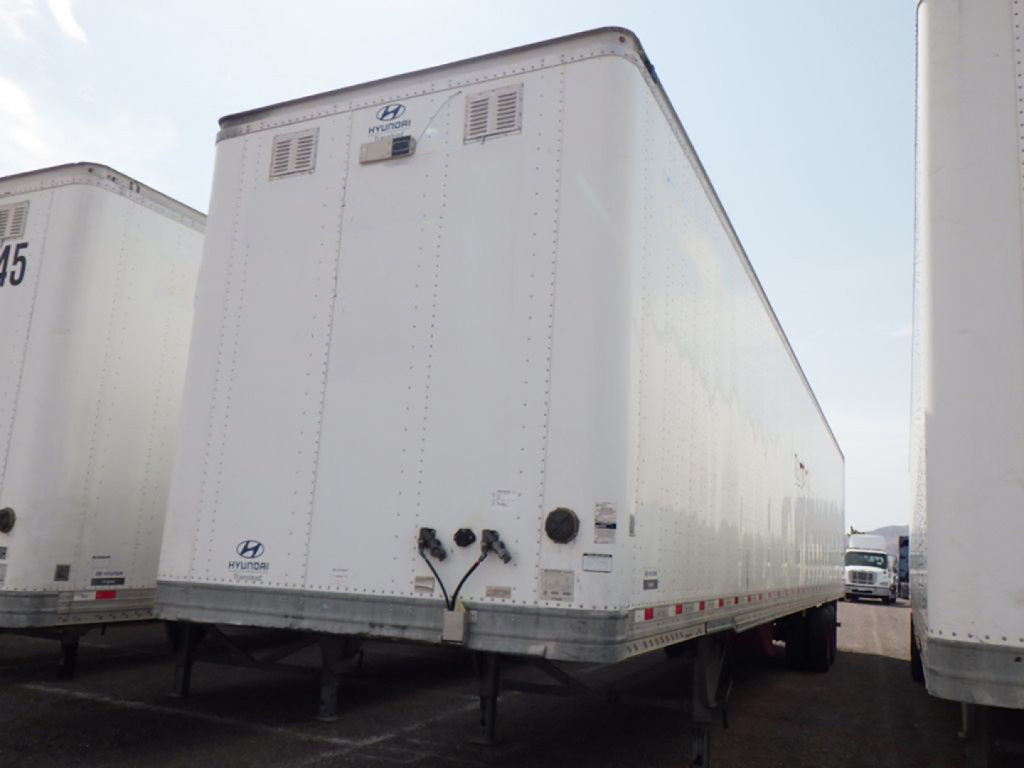
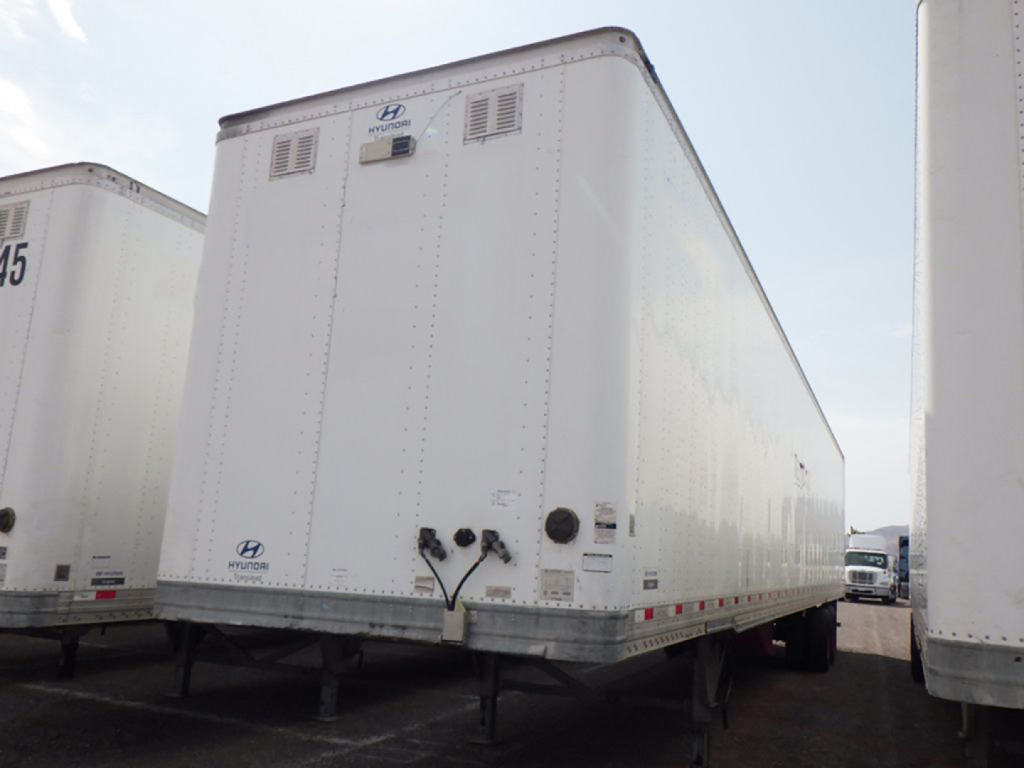
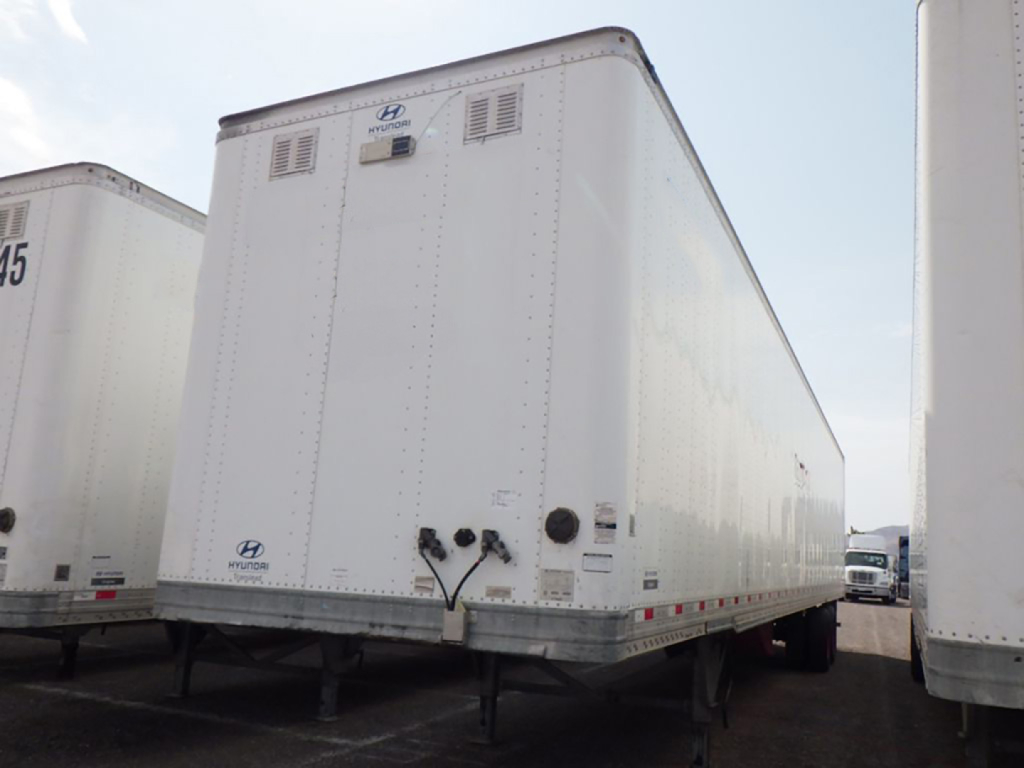
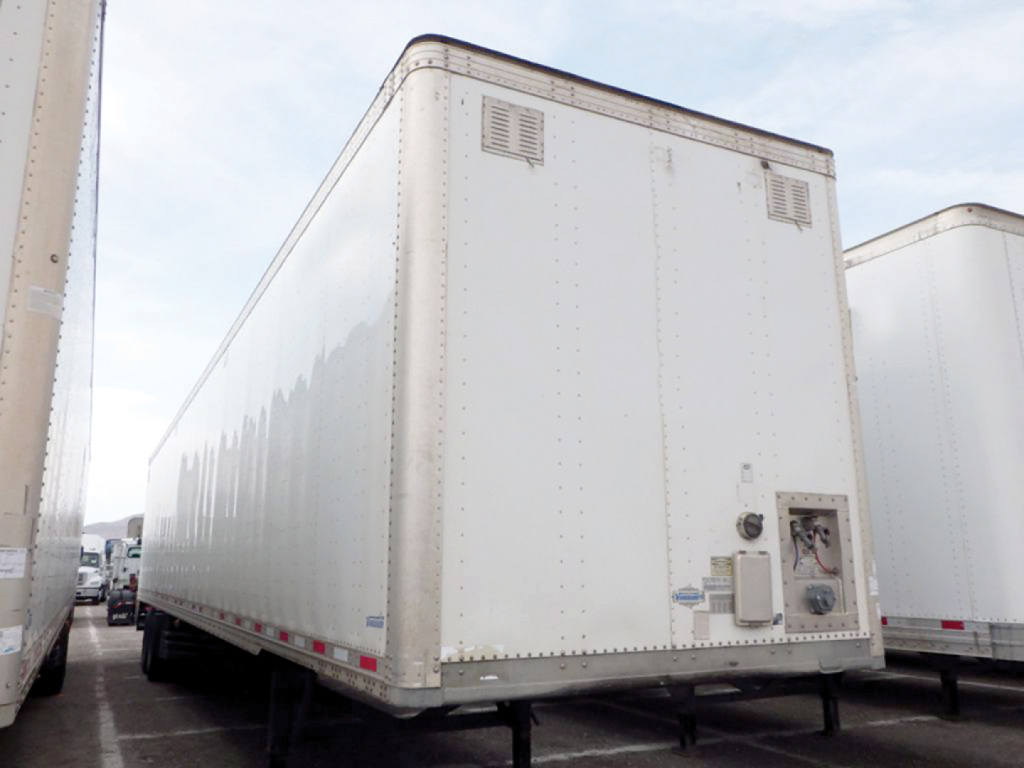
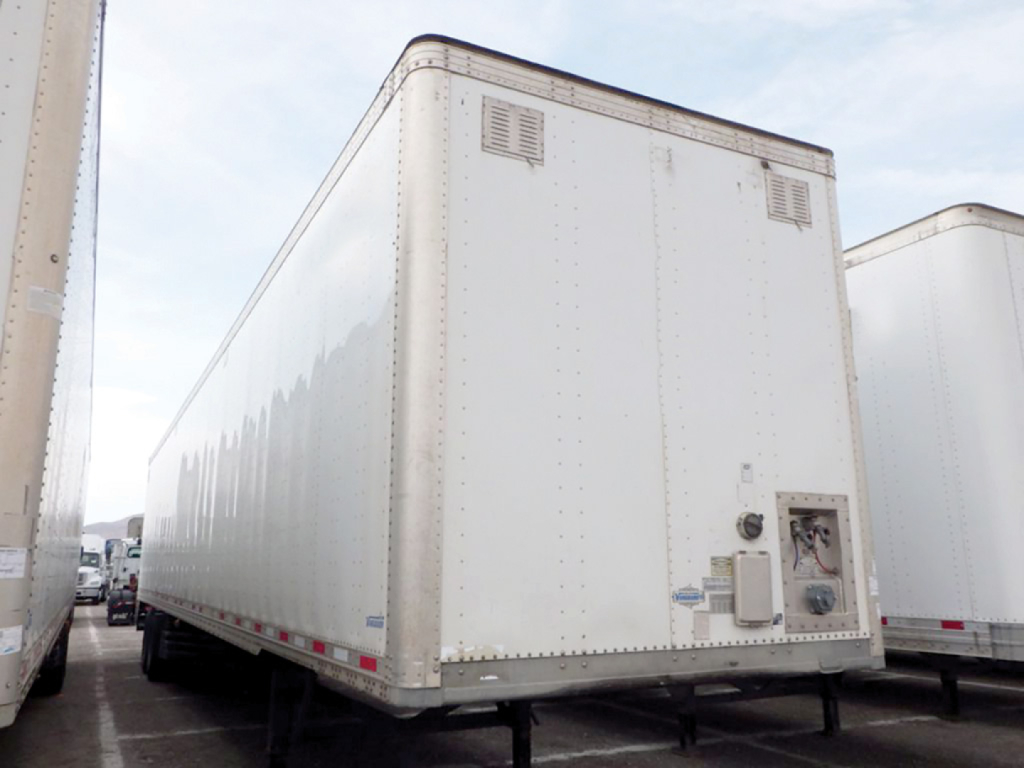
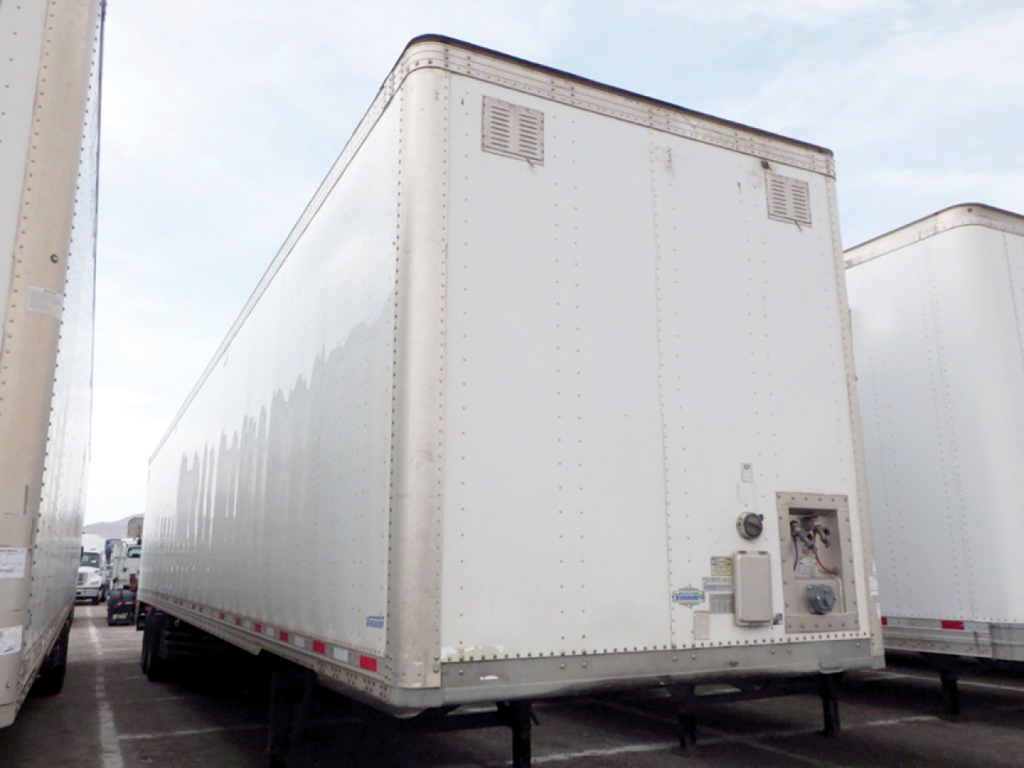
Selling a vanguard trailer? List your vanguard trailer for sale and reach thousands of commercial buyers.
Vanguard Trailers in Nevada
On used Vanguard dry vans, interior configuration often tells you more than the year model. Plywood lining, scuff plates, threshold plates, and wood floors are common because they hold up well in high-cycle freight service. E-track and logistics post setups add flexibility for partial loads and mixed freight, while front and rear vents can help with airflow on sensitive but non-refrigerated cargo. Door style is another practical decision. Swing doors are simple and durable, while roll-up doors can be a better fit for frequent dock stops and urban delivery work where rear door clearance is limited.
Running gear and rear frame details are just as important as the box. Air ride suspension remains the preferred setup for ride quality and cargo protection, especially for consumer goods and higher-value dry freight. Sliding tandems help with bridge law compliance and axle spread adjustments across western and multistate lanes. Features such as air lift front axles, tire inflation systems, low-profile 22.5 tires, disc wheels, galvanized rear frames, side skirts, and undertray systems can all affect operating cost, maintenance planning, and resale appeal. In Nevada, where long highway miles, heat, and terminal-to-terminal freight are common, buyers should pay close attention to tire condition, suspension wear, floor integrity, roof condition, and door seal performance.
A Vanguard trailer is usually evaluated as a fleet-spec van first, which is a good thing for buyers who want straightforward serviceability and predictable parts support. The key is matching the trailer to the freight profile. Higher inside height and clean interior walls matter for cube-intensive freight. Better securement options matter for mixed LTL or dedicated retail loads. Aerodynamic equipment and tire systems matter more on long regional or over-the-road routes. If the trailer will spend most of its time in Nevada and the surrounding Southwest, sun exposure, dry climate aging, and heavy interstate use should all be part of the inspection checklist alongside brakes, kingpin area condition, crossmembers, and tandem slide operation.
Frequently Asked Questions about Vanguard Trailers in Nevada
What are the most common Vanguard trailer specs buyers look for?
The most common Vanguard dry van configuration is a 53-foot by 102-inch trailer with air ride suspension and a sliding tandem. Buyers usually compare interior height, door type, floor material, wall lining, and cargo securement equipment first. Interior height can have a direct effect on cube utilization, while options such as E-track, scuff liners, and tire inflation systems can make a noticeable difference in day-to-day freight handling and operating cost.
Are Vanguard trailers a good fit for general dry freight?
Yes. Vanguard dry vans are widely used for palletized freight, consumer goods, retail distribution, and other non-temperature-controlled cargo. They are generally spec'd for mainstream fleet use, which makes them practical for carriers that want standard dimensions, familiar maintenance points, and broad compatibility with docks and shipper requirements. The best fit depends on the trailer's interior condition and securement setup as much as the badge on the nose.
What should I inspect on a used Vanguard trailer in Nevada?
In Nevada, buyers should pay close attention to roof condition, door seals, floor wear, suspension components, and tire health because heat and long highway runs can accelerate wear in those areas. Check the rear frame for damage, inspect crossmembers and threshold areas for fatigue, and verify that the tandem slide works smoothly. It is also smart to inspect the kingpin and upper coupler area, brake condition, ABS function, and any aerodynamic equipment such as side skirts or undertray systems.
Is a roll-up door or swing door better on a Vanguard dry van?
It depends on the route and freight cycle. Roll-up doors are convenient for frequent dock stops and city work because they reduce rear clearance issues and can speed up loading access. Swing doors are often preferred for full dock-height loading, simpler repairs, and maximum rear opening usability. Buyers should choose based on stop frequency, dock layout, and how often the trailer is loaded in tight spaces.
Do features like side skirts and tire inflation systems matter on a dry van trailer?
They can matter a great deal on high-mileage operations. Side skirts can improve fuel economy on linehaul routes, while automatic tire inflation systems help maintain proper tire pressure and can reduce irregular wear, roadside failures, and fuel waste. These features may not be essential for every operation, but they are valuable on regional and over-the-road lanes where utilization is high and maintenance control affects total trailer cost.