
Vanguard Trailers For Sale in Indiana
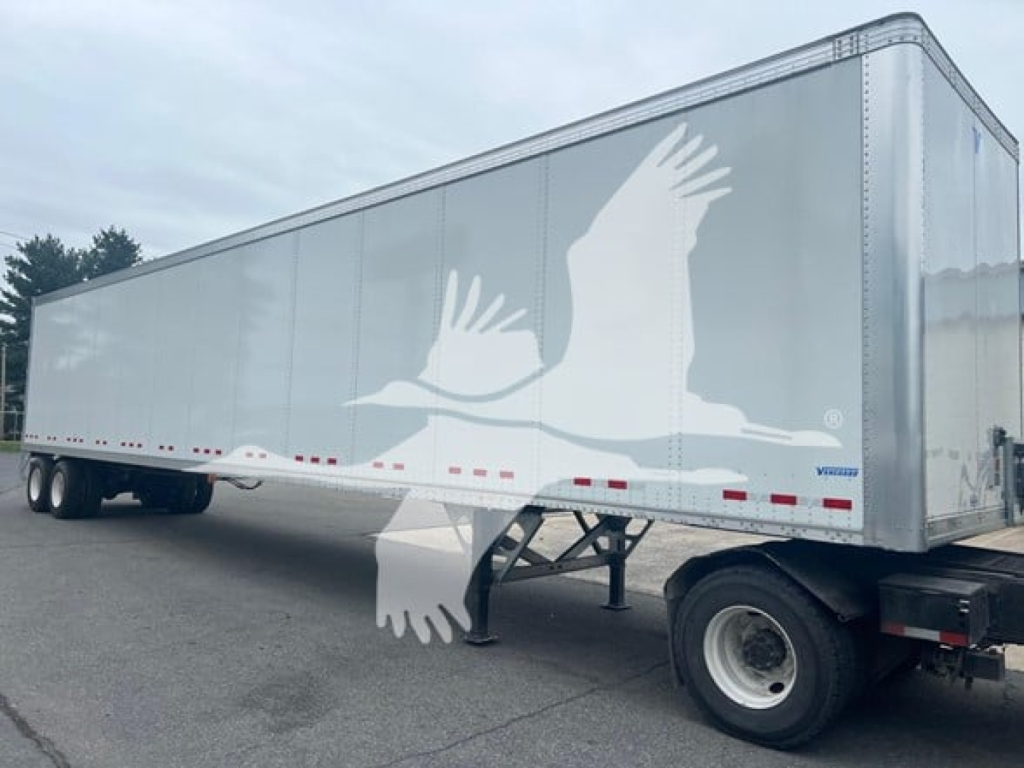
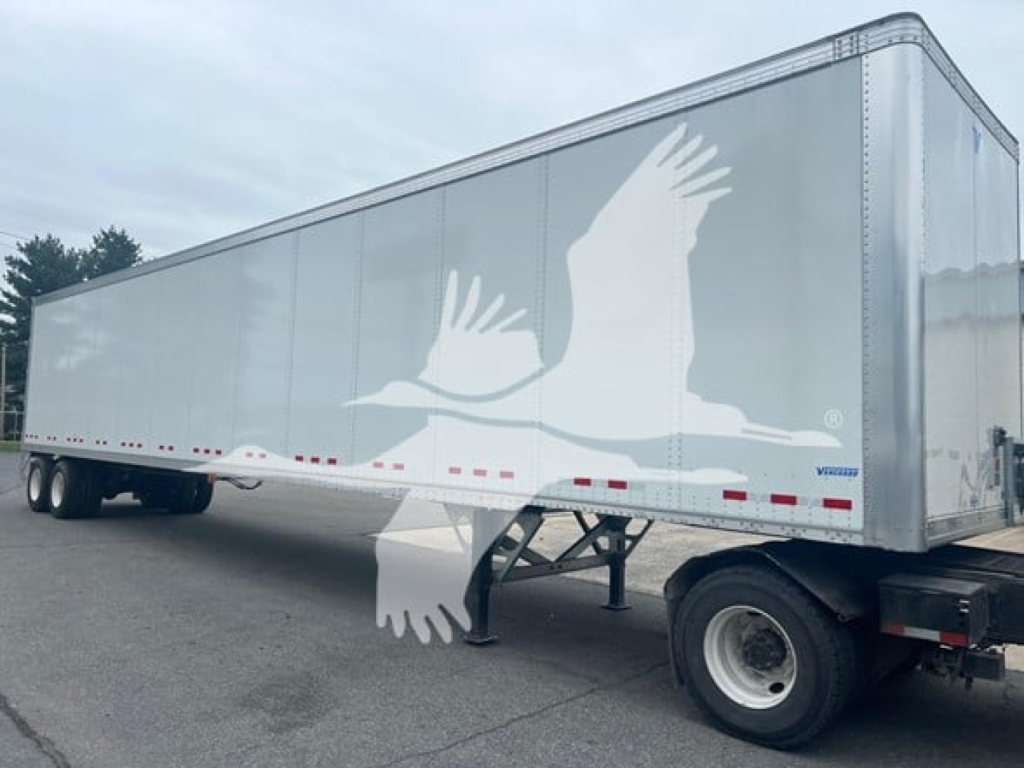
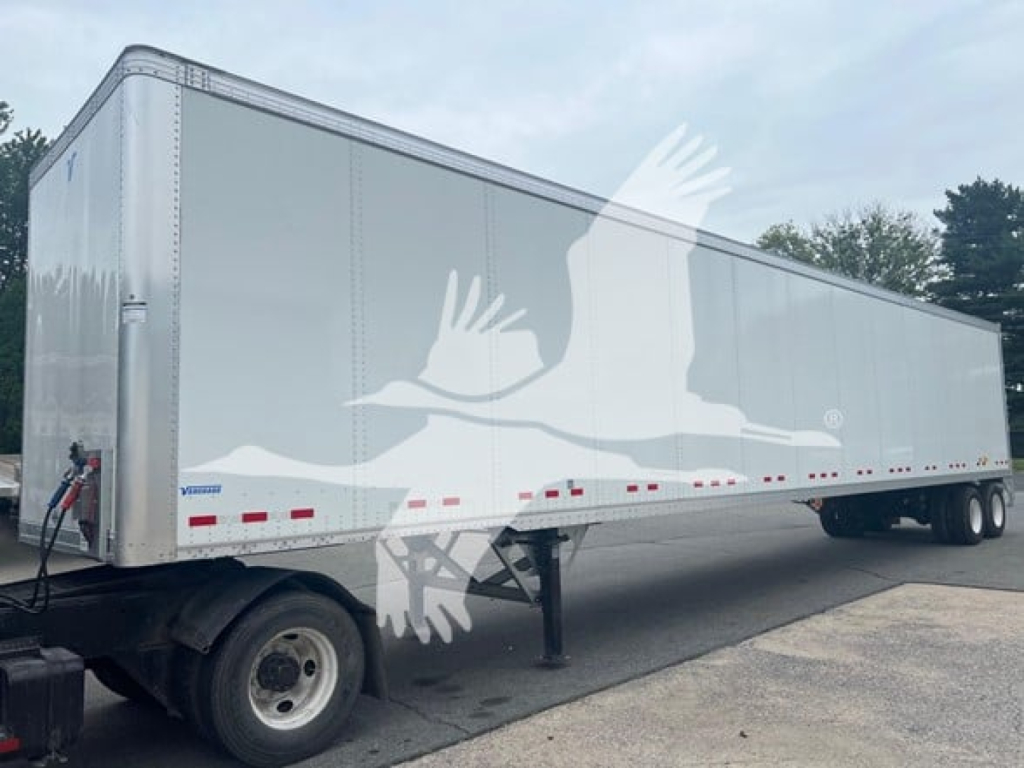
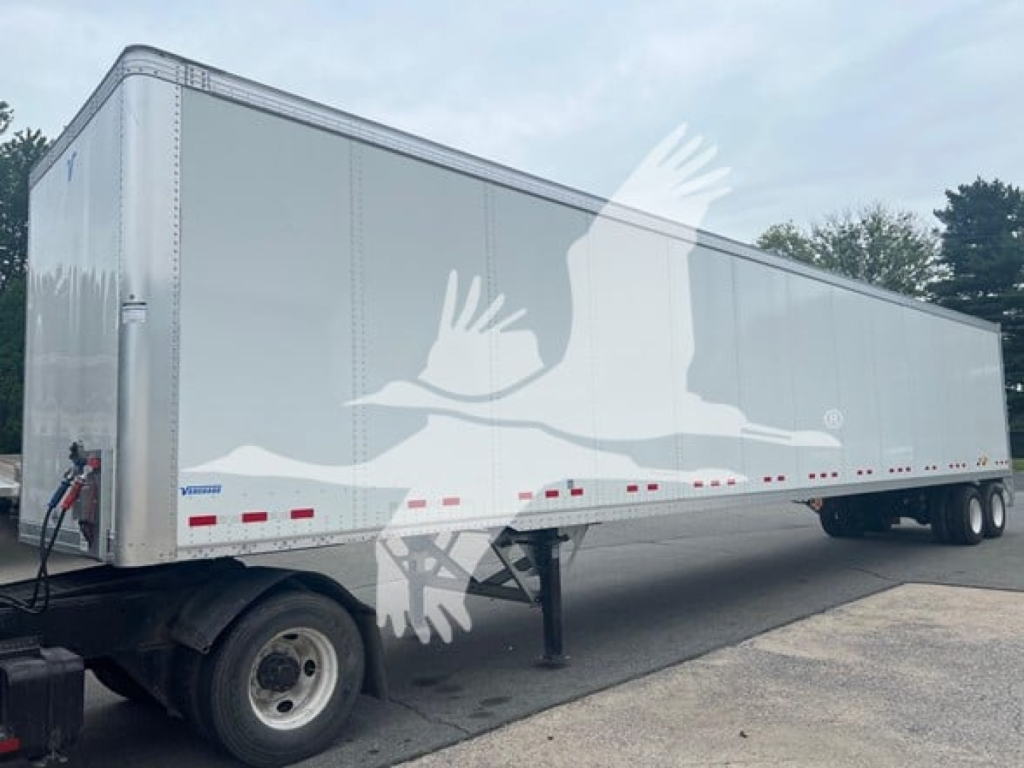
Shop Vanguard trailers for sale in Indiana, including dry van models with composite or aluminum side construction and fleet-ready specs.
Learn more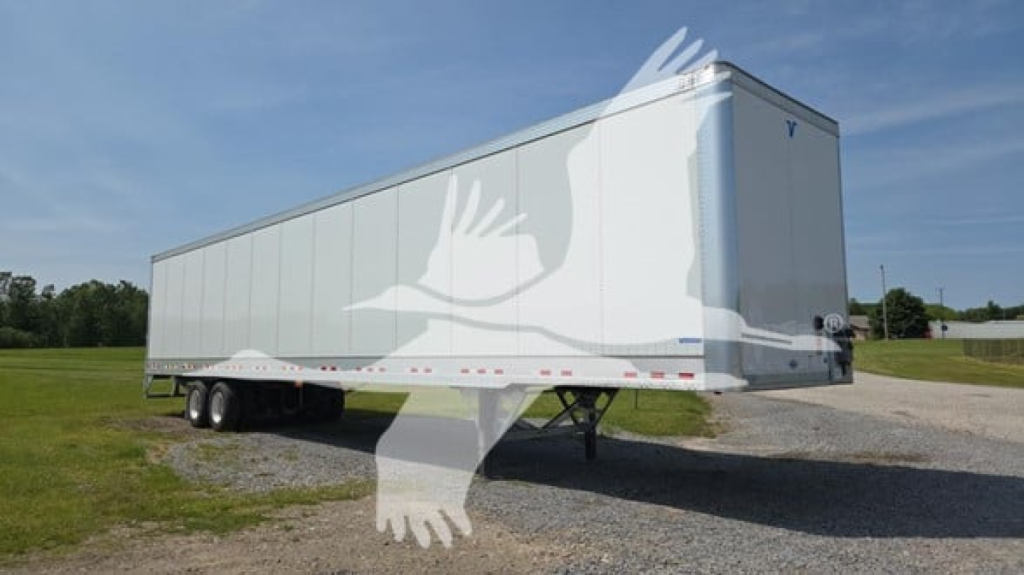
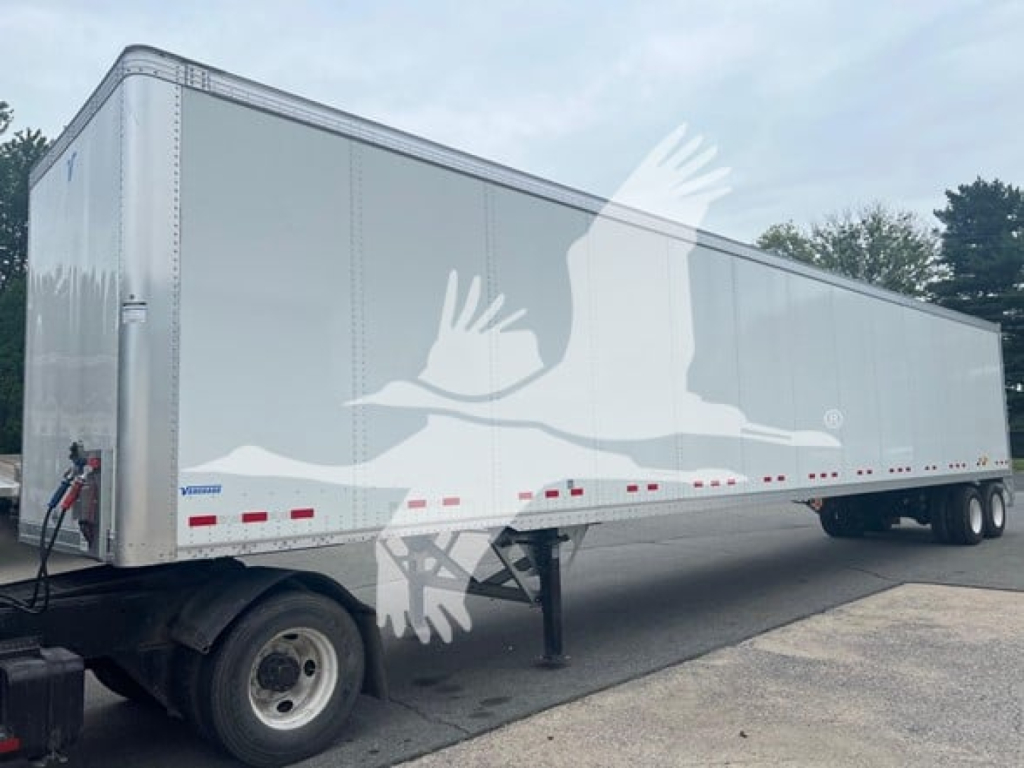
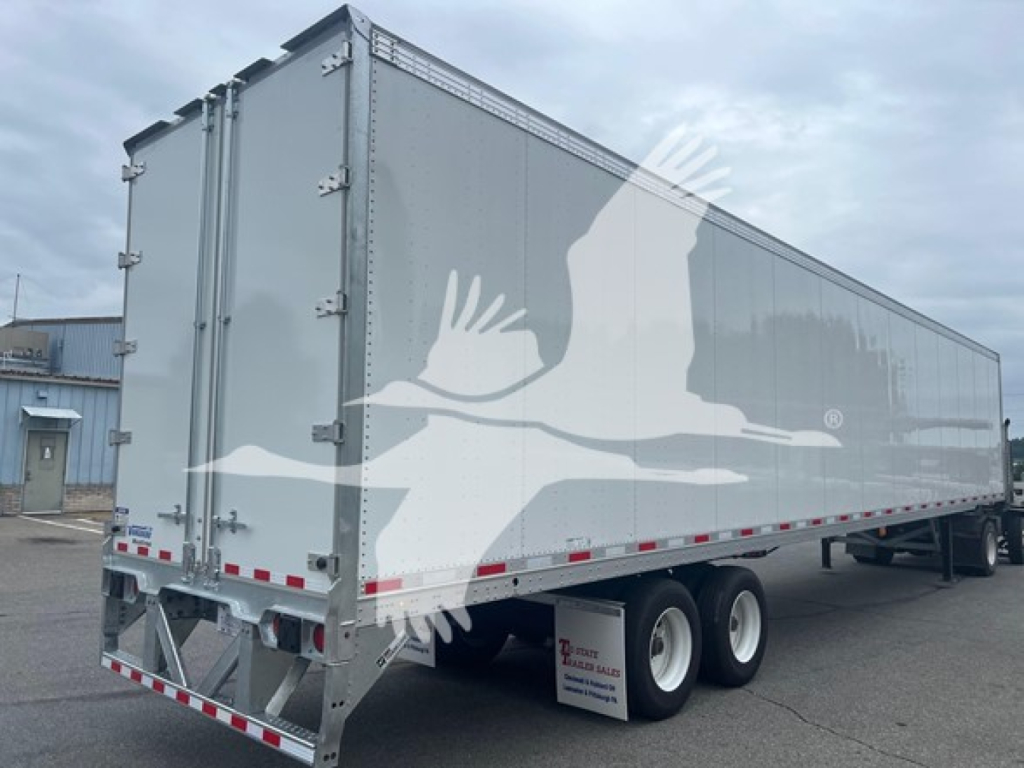
Have vanguard trailer to sell? List it here to reach thousands of buyers.
About Vanguard Trailers in Indiana
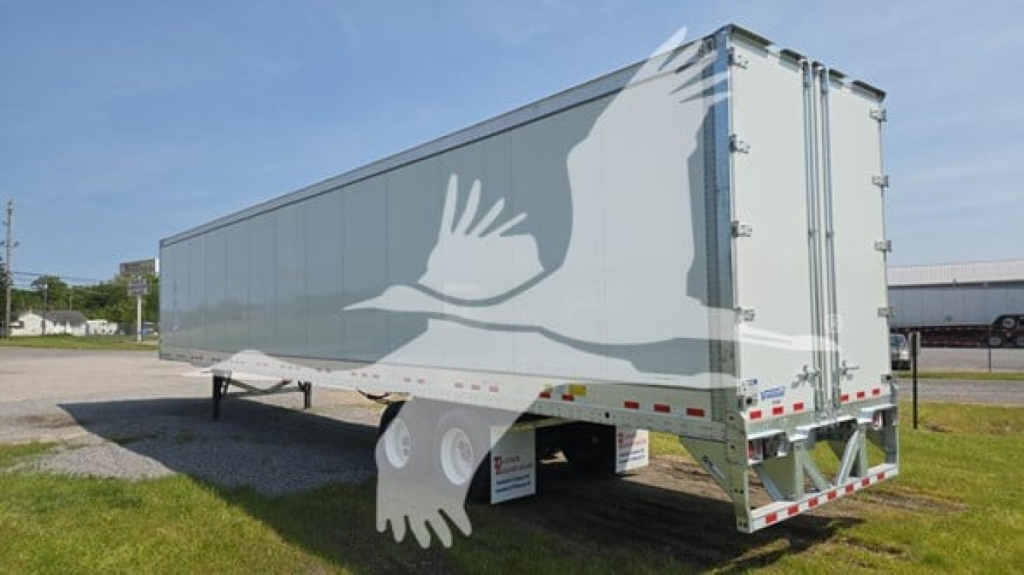
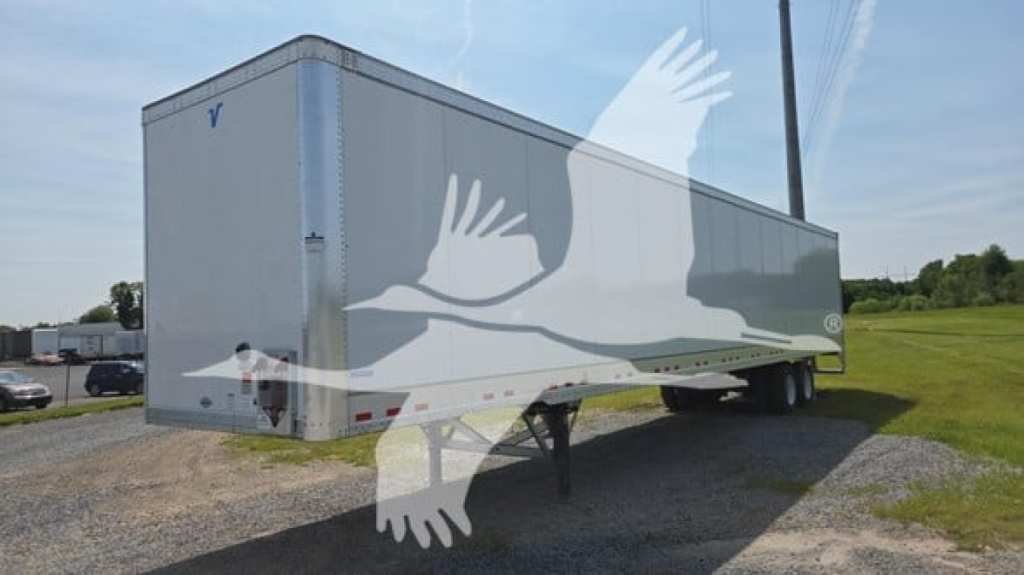
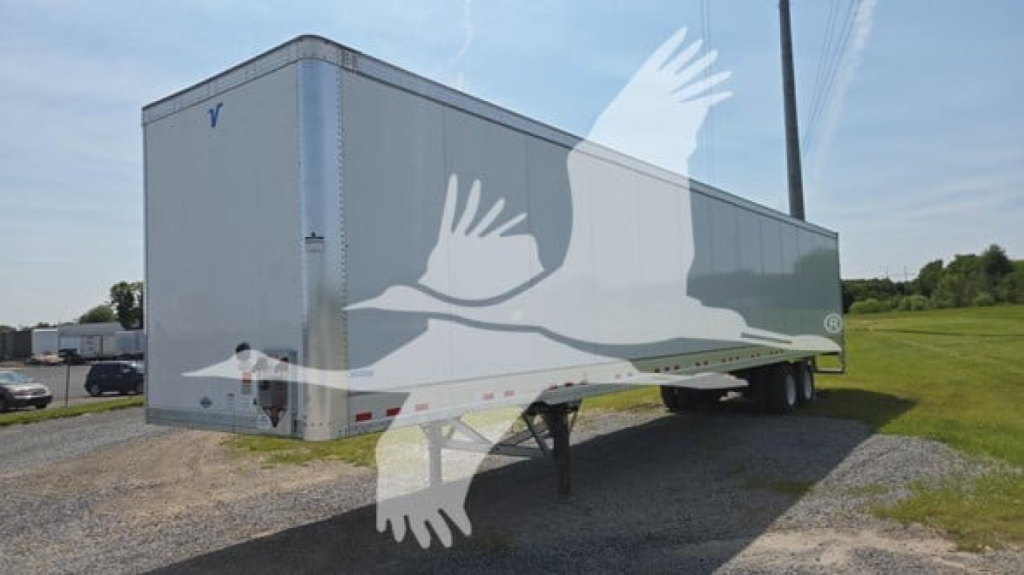
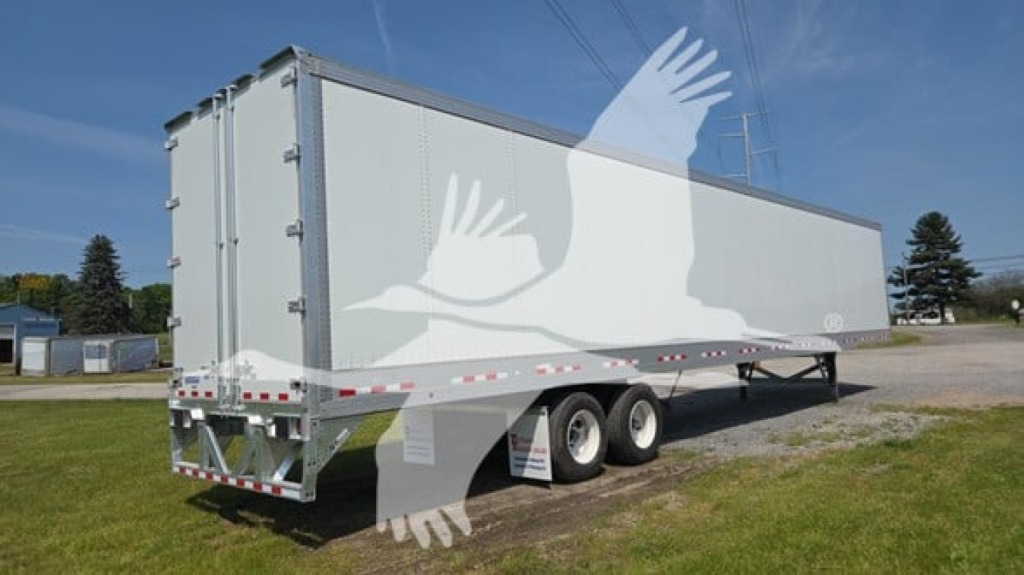
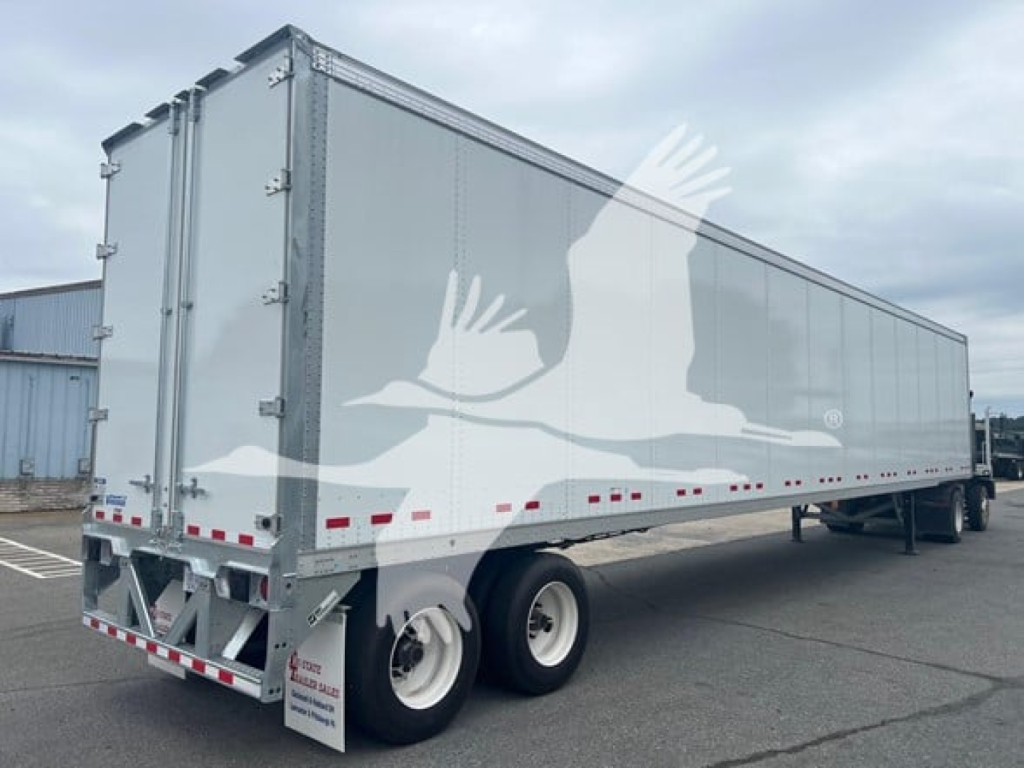
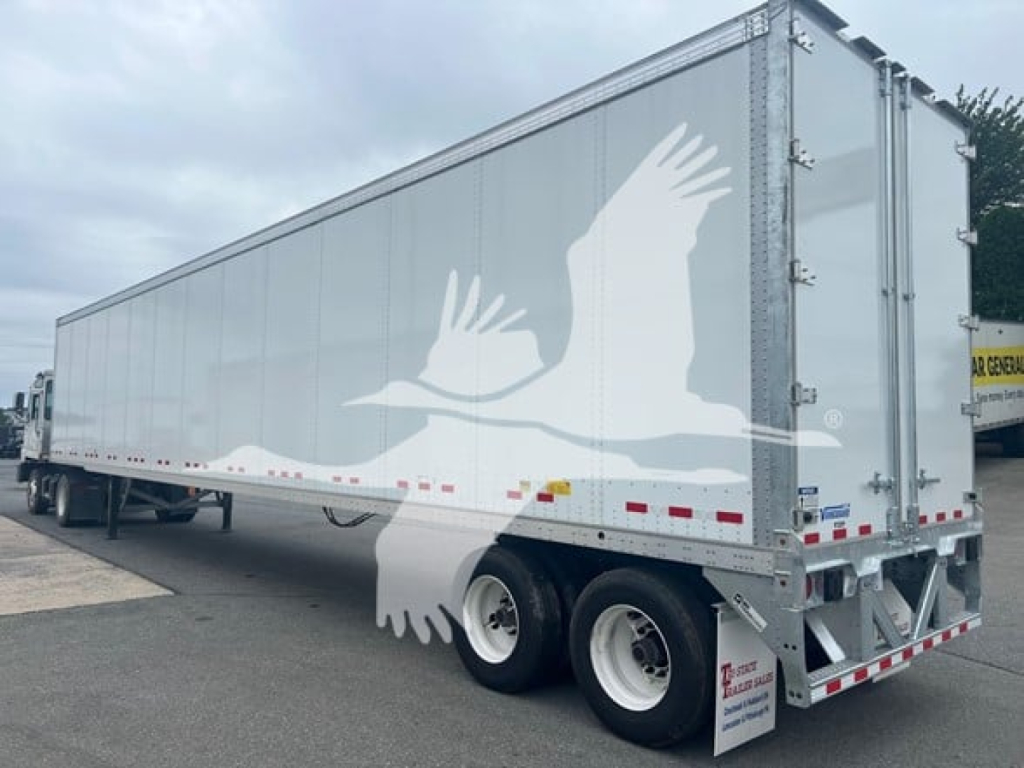
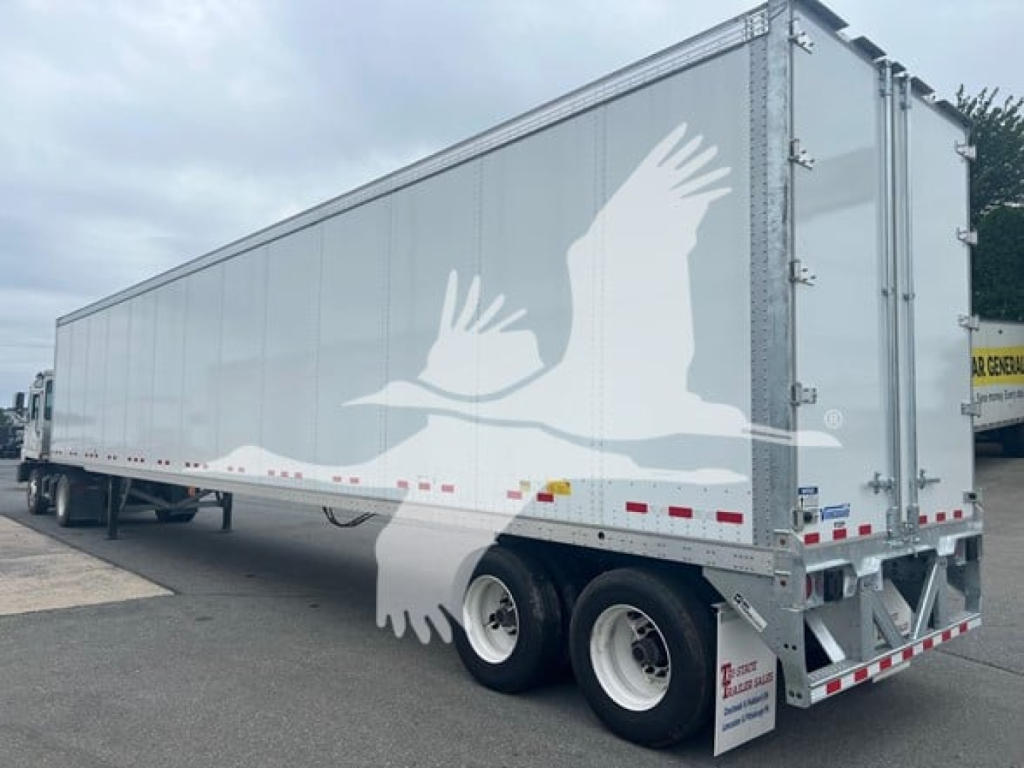
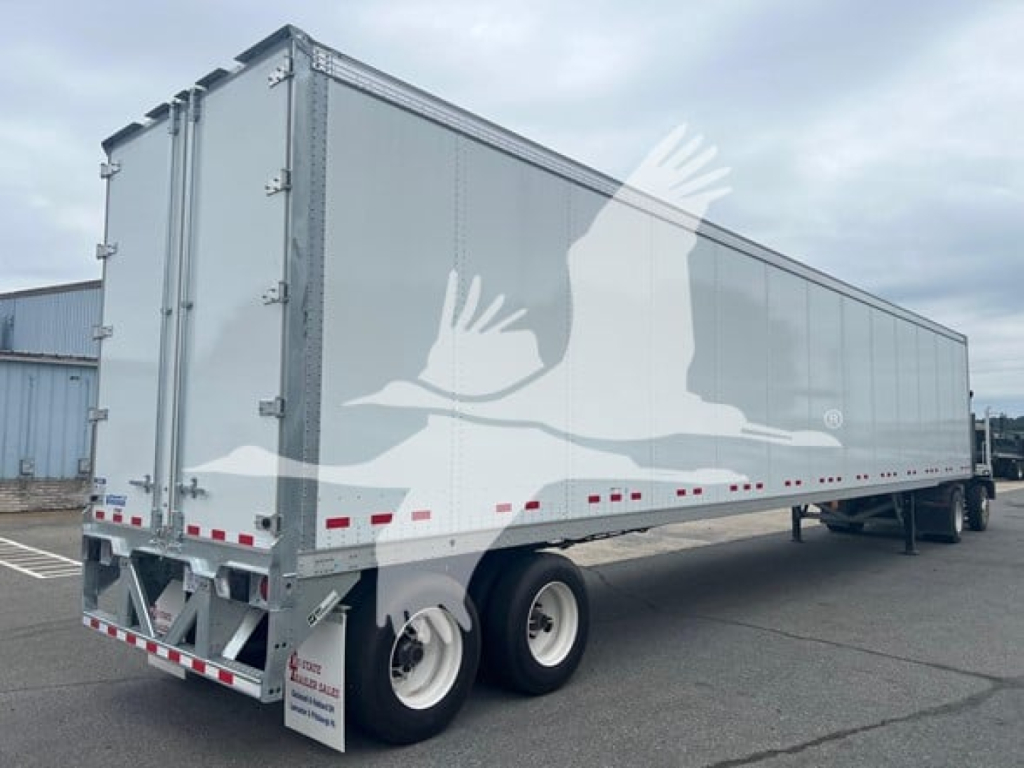
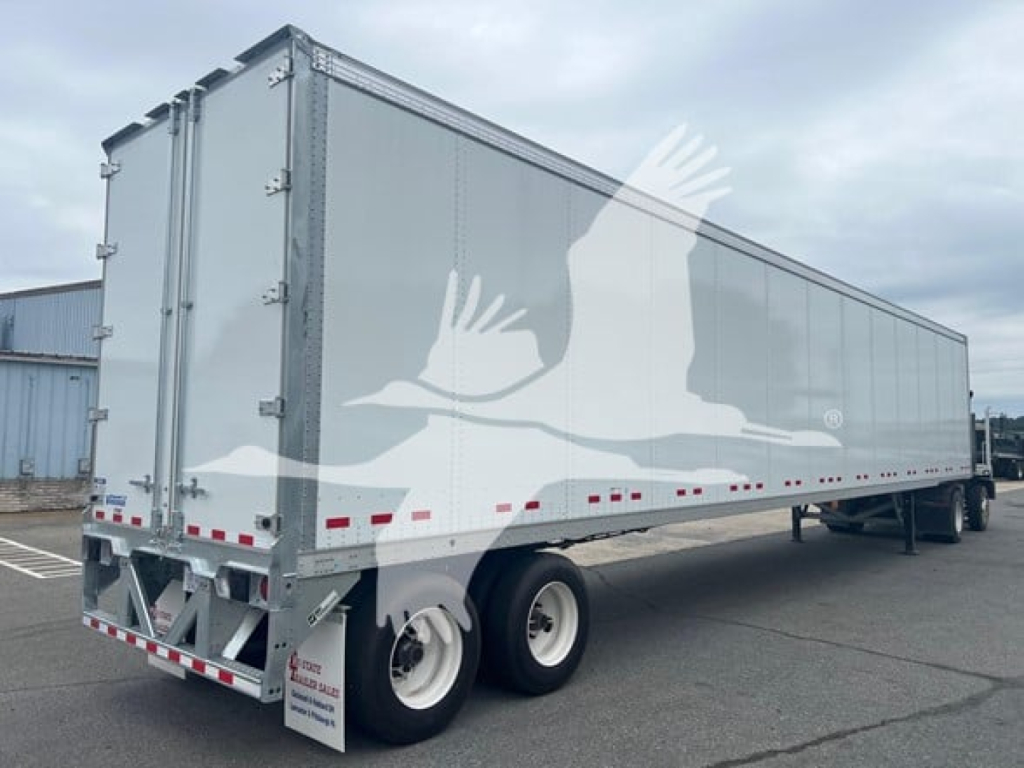
Two of the most common Vanguard van constructions are composite plate side designs and traditional sheet-and-post aluminum designs. A plate van such as the VXP style is built for operators who want smoother interior walls and a sidewall package that holds up well in high-cycle dock use. A sheet-and-post trailer such as a MaxCube-style van is a familiar fleet spec that can be easier to repair after side damage and is often selected for general freight lanes. Buyers should compare post spacing, side lining, scuff protection, and interior width carefully. Features like Series A logistics posts, steel scuff liners, full-height nose liners, and galvanized rear frames all affect cargo securement, dock durability, and long-term trailer life.
Floor and suspension specs are just as important as wall construction. Many Vanguard dry vans use a 1 3/8-inch oak floor, 12-inch crossmember spacing, Jost two-speed landing gear, and Hendrickson air ride suspension. That combination fits a broad range of palletized freight and helps reduce cargo shock compared with spring ride setups. Tire size, wheel type, and tire inflation systems also deserve attention, especially for fleets trying to control roadside calls and irregular tire wear. A system such as Hendrickson TireMaax PRO can be a meaningful advantage on long-haul or drop-and-hook operations where trailers spend time away from the shop.
The best way to evaluate a Vanguard trailer is to match the build to the freight. A buyer hauling dense boxed freight may prioritize floor durability, threshold plate condition, and tandem slider function. A shipper moving consumer goods may care more about interior cube, smooth side lining, door opening dimensions, and logistics post spacing for load bars and straps. Galvanized rear frames, reinforced dock bumpers, composite swing doors, anti-snag roof bows, and ABS brake specs are all worth reviewing because they affect uptime in daily terminal service. Vanguard dry van trailers tend to appeal to buyers who want a mainstream van platform with fleet-friendly dimensions, proven running gear, and specs that fit common dock, warehouse, and routing requirements.
Frequently Asked Questions
What types of Vanguard trailers are most common in this category?
The most common Vanguard trailers in this category are 53-foot dry van trailers, including composite plate vans and sheet-and-post aluminum vans. Both are designed for enclosed freight, dock loading, and general over-the-road or regional service. Composite plate sidewalls are often chosen for a cleaner interior wall profile and strong dock-duty durability, while sheet-and-post construction remains popular for general freight fleets that value familiar repair methods and broad serviceability.
What should I look at first when comparing Vanguard dry van trailers?
Start with sidewall construction, suspension, tandem slider setup, and interior dimensions. A buyer should verify inside height, inside width, door opening, kingpin setting, and slide rail length because those specs affect load compatibility and legal axle placement. After that, review floor thickness, crossmember spacing, scuff liners, logistics post spacing, rear frame material, and tire inflation systems. Those details have a direct impact on cargo securement, dock abuse resistance, and maintenance cost over time.
Are Vanguard composite plate vans better than sheet-and-post vans?
Neither is automatically better. The right choice depends on freight, damage exposure, and repair preference. Composite plate vans are often attractive for fleets that want a smooth-sided interior and a strong sidewall package for high-frequency loading. Sheet-and-post vans are a proven design for general freight and can be easier for some shops to repair after side impact damage. Buyers should base the decision on operating conditions, repair network, and the type of loading they do every day.
Why does sliding tandem and kingpin setting matter on a Vanguard trailer?
Sliding tandem position and kingpin setting matter because they affect bridge law compliance, axle balance, and how easily the trailer can be adjusted for different state requirements or load distributions. A common setup such as a 36-inch kingpin with a 49-inch sliding tandem gives the driver and fleet more flexibility when scaling loads. For buyers running multi-state lanes or hauling variable-weight freight, that flexibility can reduce rework at the scale and improve dispatch efficiency.
What freight is a Vanguard dry van trailer best suited for?
A Vanguard dry van is typically suited for palletized consumer goods, packaged food, paper products, retail freight, and other non-temperature-controlled cargo that needs enclosed protection from weather and road debris. The category is especially common in warehouse distribution and drop-and-hook service. Buyers hauling high-cycle dock freight should pay close attention to rear frame galvanizing, door hardware, scuff liners, floor construction, and cargo control features because those are the areas that see the most daily wear.