
2026 Vanguard Trailers For Sale
Shop 2026 Vanguard trailers for sale. Compare dry van specs, construction, suspension, securement features, and fleet-ready options.
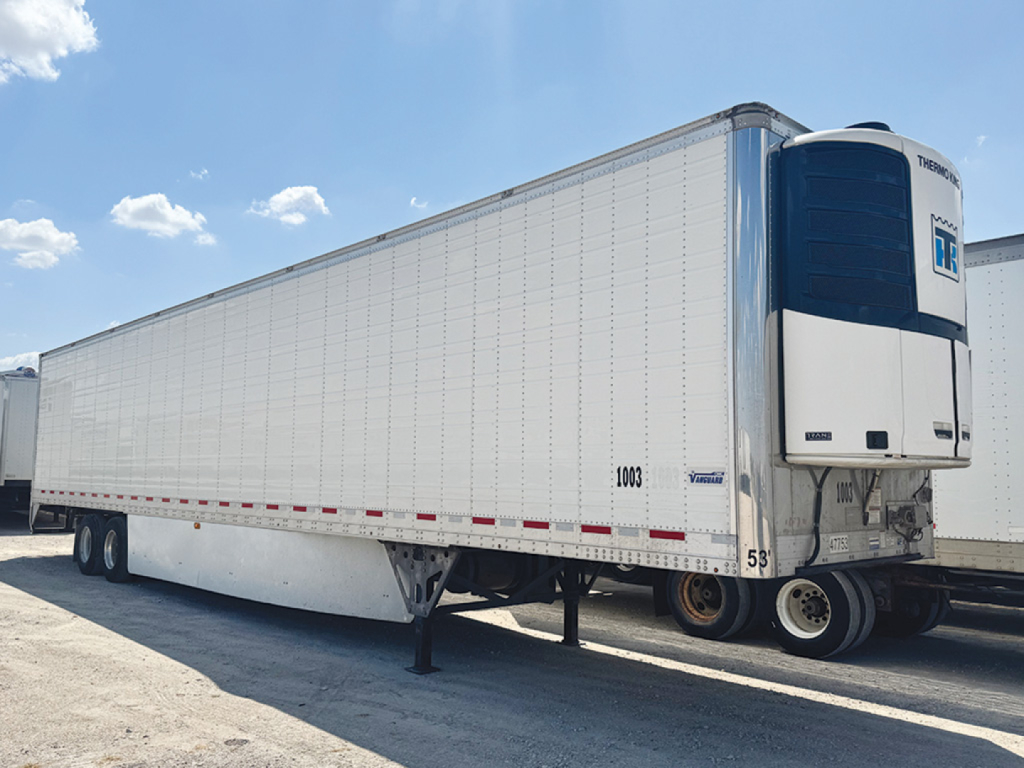
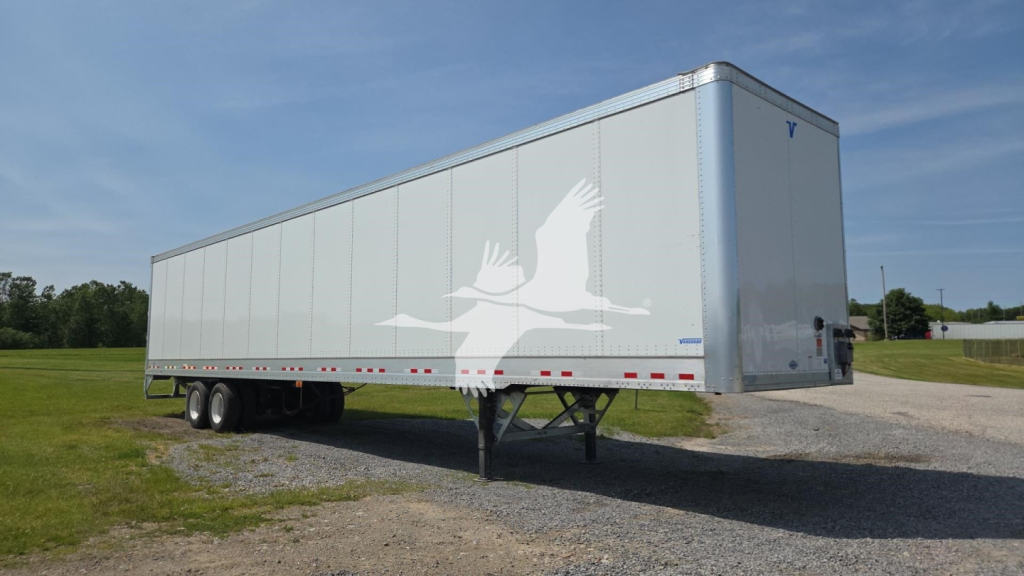
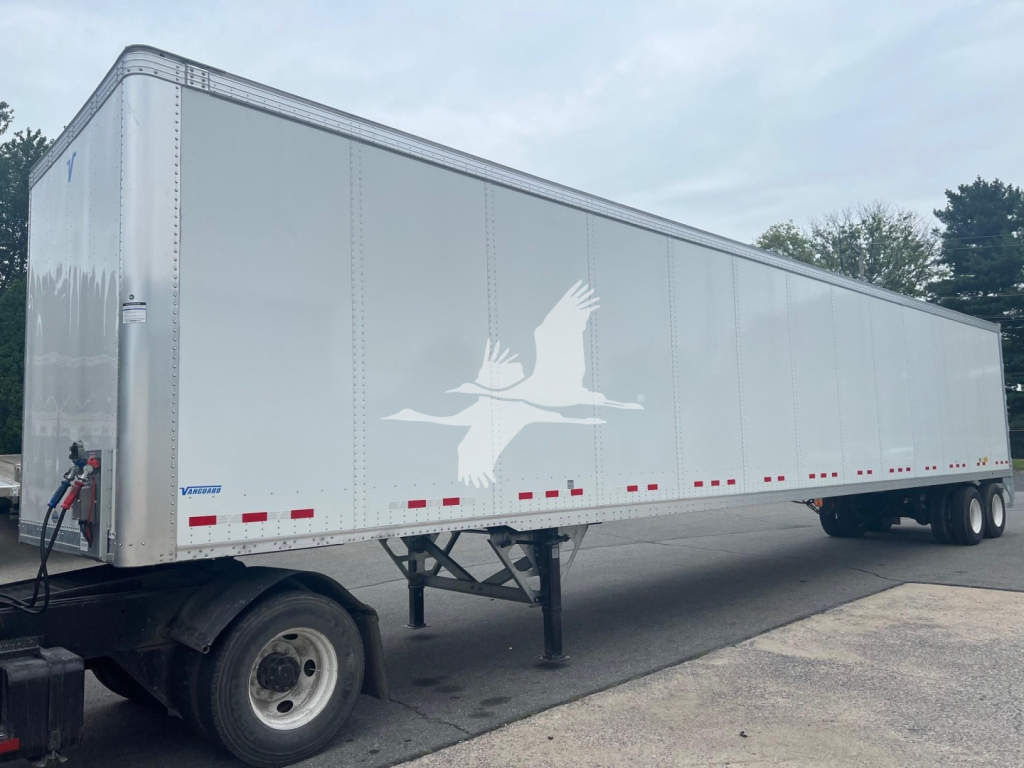
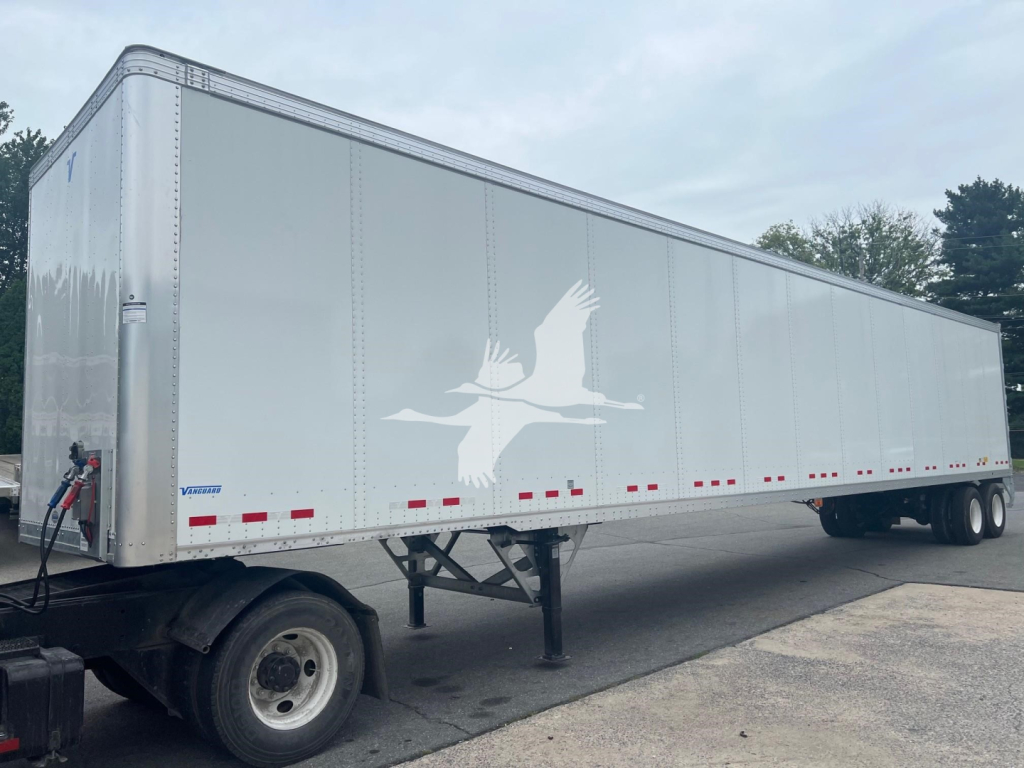
Have 2026 vanguard trailer to sell? List it here to reach thousands of buyers.
2026 Vanguard Trailers
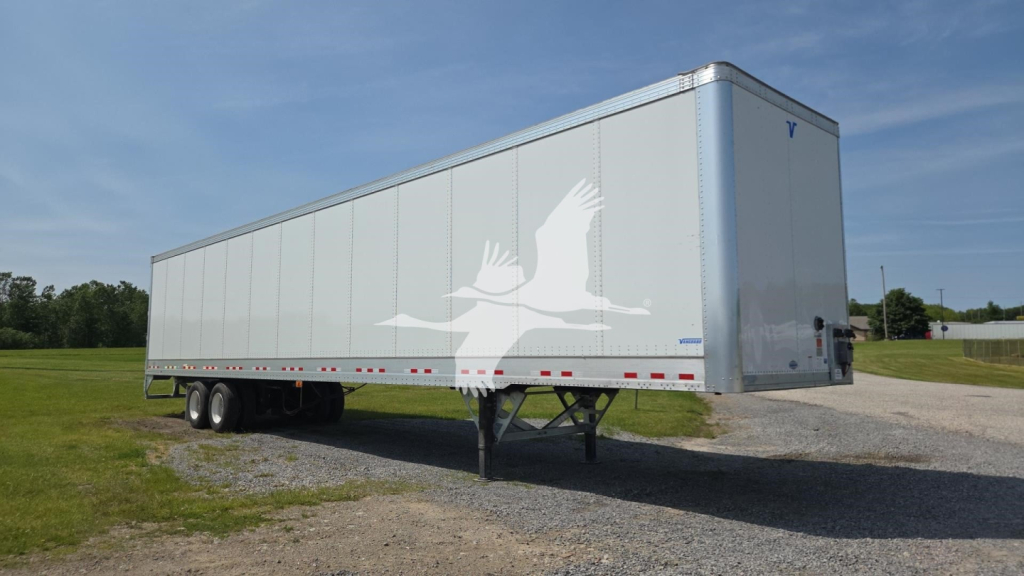
Construction details are where Vanguard trailers usually separate themselves. Buyers will often compare composite plate sidewalls versus sheet-and-post designs based on their freight mix, dock environment, and maintenance philosophy. Plate vans can offer a clean interior wall and solid side impact performance, while sheet-and-post configurations are popular for balancing strength, lower tare weight, and practical repair costs. Galvanized rear frames, galvanized thresholds, anti-snag liners, scuff plates, and recessed or closely spaced logistics posts are common features worth checking closely. A heavy-duty threshold section, full-height nose lining, and quality floor package such as oak or apitong are especially relevant for fleets loading with forklifts every day.
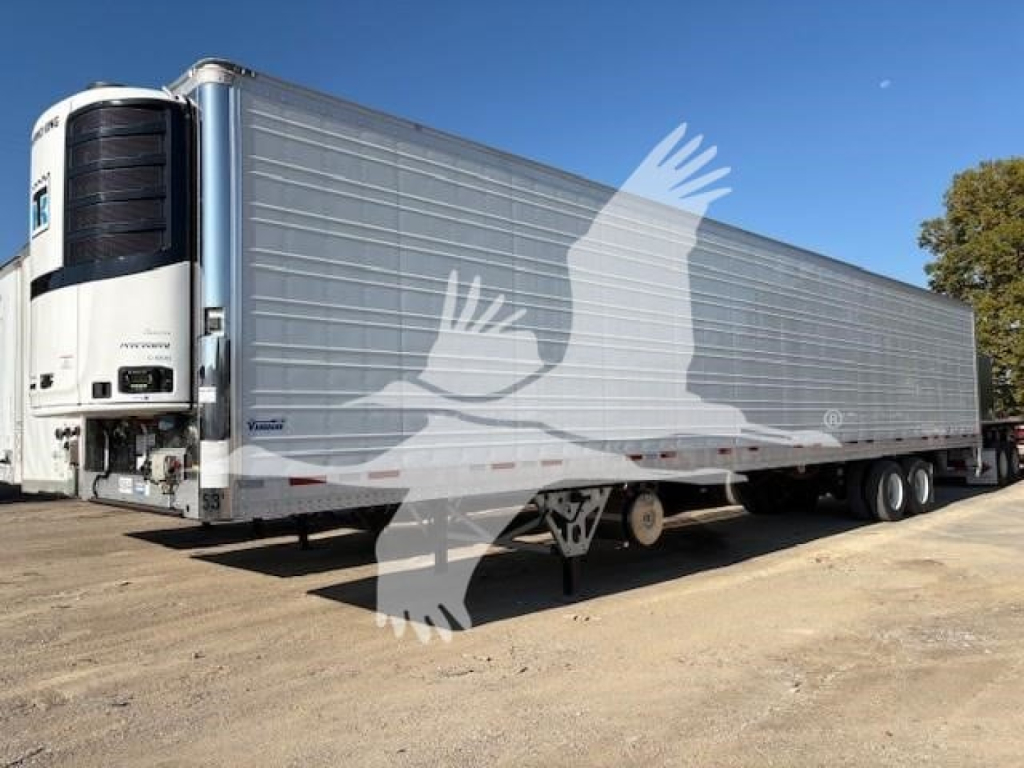
Running gear spec is just as important as body construction. Most Vanguard vans in this class are tandem axle trailers with air ride suspension and a sliding tandem, often set up for broad bridge law compliance and easier dock positioning. Common wheel and tire packages include 22.5-inch rubber, with steel or aluminum wheel options depending on tare weight targets and cost control. Many late-model units are equipped with tire inflation systems, Jost two-speed landing gear, Bendix ABS, dock-lock-ready reinforced bumpers, and swing doors. Kingpin setting, tandem slide length, crossmember spacing, and roof bow design all affect how the trailer performs in regional versus long-haul service, especially when the trailer sees a mix of heavy palletized freight and drop-and-hook use.
For buyers comparing 2026 Vanguard trailers, the right choice usually comes down to application and lifecycle cost more than headline price. A fleet hauling dense freight may prioritize floor rating, threshold durability, and lining protection. A shipper handling lighter cube freight may care more about interior height, securement flexibility, and tare weight. In northern climates and heavy dock operations, galvanized components and bolt-together rear impact structures can reduce corrosion-related downtime and simplify repairs. If the goal is a dry van that fits standard freight, common trailer dimensions, and familiar maintenance practices, Vanguard remains a practical option in the over-the-road van market.
Frequently Asked Questions about 2026 Vanguard Trailers
What types of trailers are most common from Vanguard in this category?
The most common Vanguard trailers in this category are 53-foot dry van trailers, including plate vans and sheet-and-post dry vans. These trailers are built for general freight, retail freight, distribution work, and drop-and-hook operations. Most are 102 inches wide with tandem axles, air ride suspension, sliding tandems, swing doors, wood floors, and logistics posts for flexible cargo securement.
What is the difference between a Vanguard plate van and a sheet-and-post van?
A plate van uses composite or laminated sidewall panels that create a smoother interior wall and solid sidewall construction, while a sheet-and-post van uses exterior sheets supported by vertical posts. Plate vans are often chosen for clean wall surfaces and durable day-to-day freight handling. Sheet-and-post vans remain popular because they can offer good strength, competitive tare weight, and straightforward panel repair depending on the damage and the fleet's maintenance setup.
Which specs matter most when buying a 2026 Vanguard dry van trailer?
The most important specs are interior height, floor construction, suspension type, tandem slide length, kingpin setting, rear frame material, and cargo securement layout. Buyers should also verify threshold design, scuff liner package, roof structure, tire size, wheel type, and whether the trailer has a tire inflation system. These details directly affect payload efficiency, forklift durability, bridge compliance, repair cost, and how well the trailer fits a specific freight lane.
Are Vanguard dry vans a good fit for heavy forklift loading and dock work?
They can be, provided the trailer is spec'd correctly. Buyers should look for a strong wood floor package, heavy-duty threshold protection, galvanized rear frame components, dock-lock reinforcement, steel scuff protection, and a practical lining system. Those features help the trailer handle repeated forklift traffic, pallet impact, and hard dock contact more effectively over time.
Why do buyers pay attention to galvanized components on Vanguard trailers?
Galvanized components help resist corrosion, especially on rear frames, thresholds, and other areas exposed to road spray, deicing chemicals, and constant dock contact. For fleets operating in northern states or keeping trailers for longer trade cycles, galvanized construction can improve appearance, reduce structural rust issues, and lower maintenance expense over the life of the trailer.