
Vanguard Trailers For Sale in New York
Browse Vanguard trailers including dry van and heated van models with aluminum construction, air ride, sliding tandems, and fleet-ready specs.
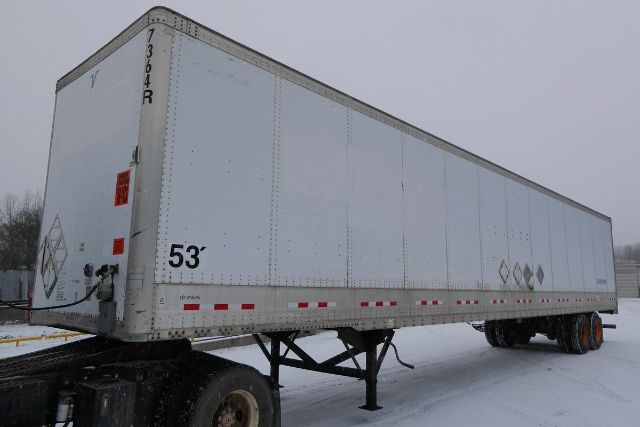
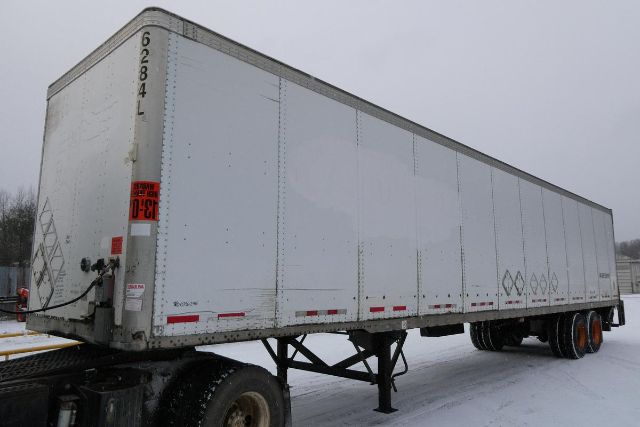
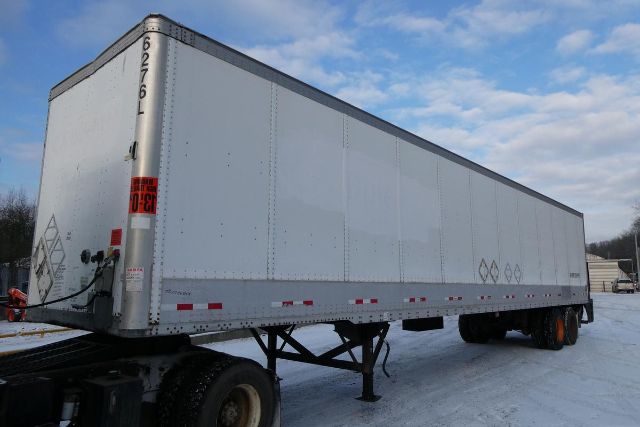
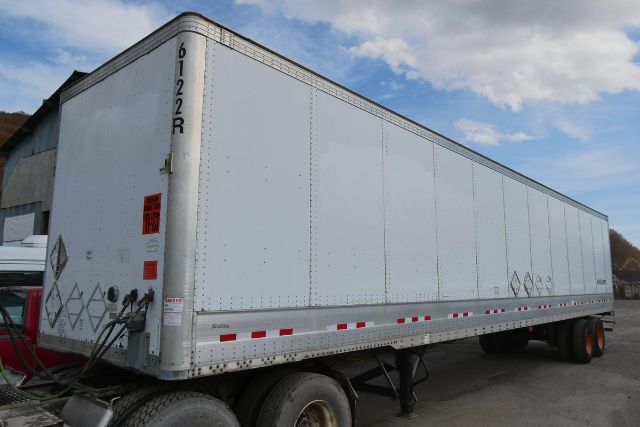
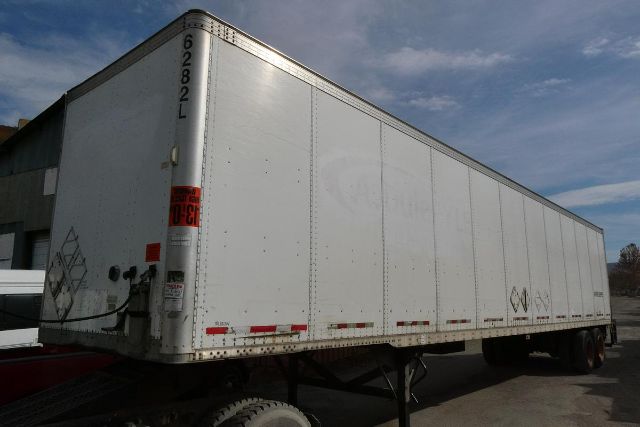
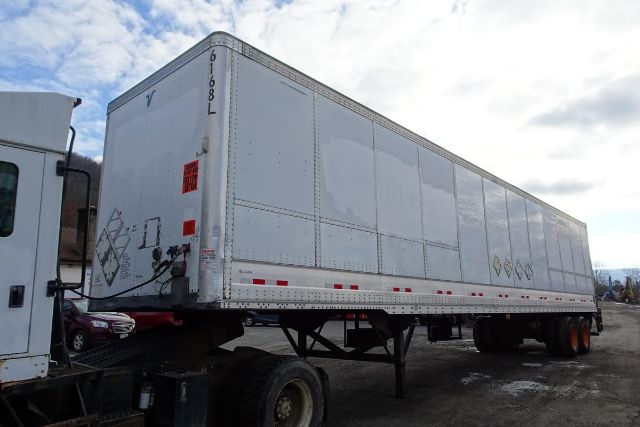
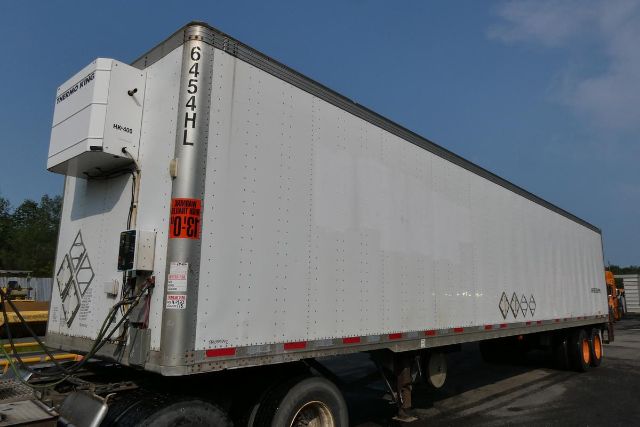
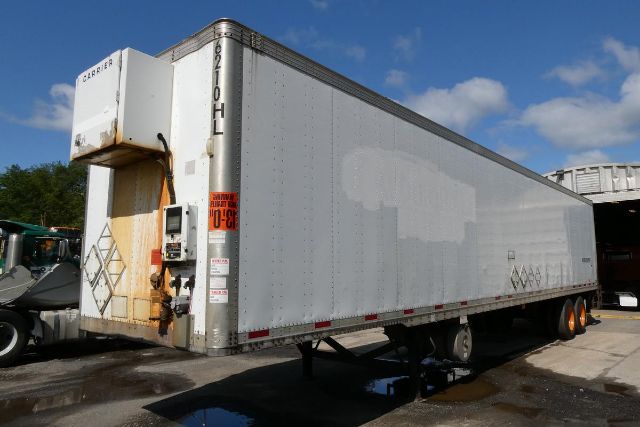
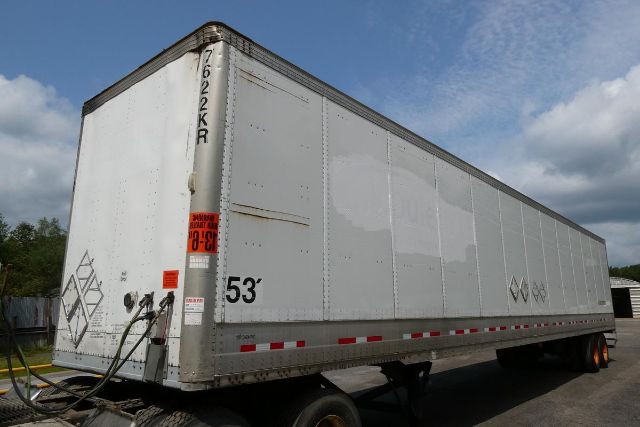
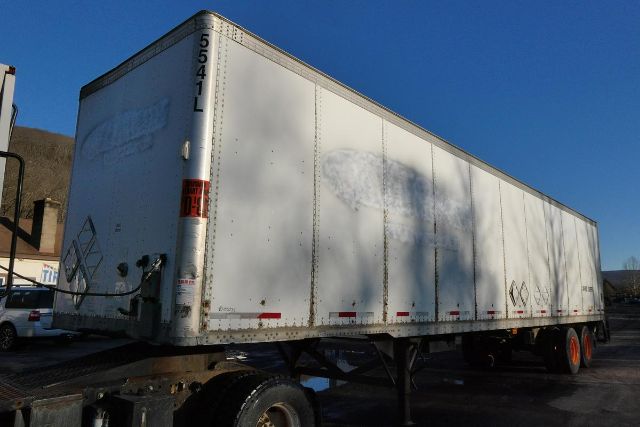
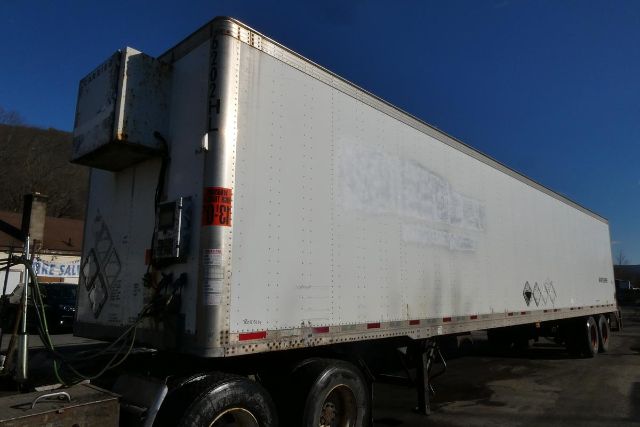
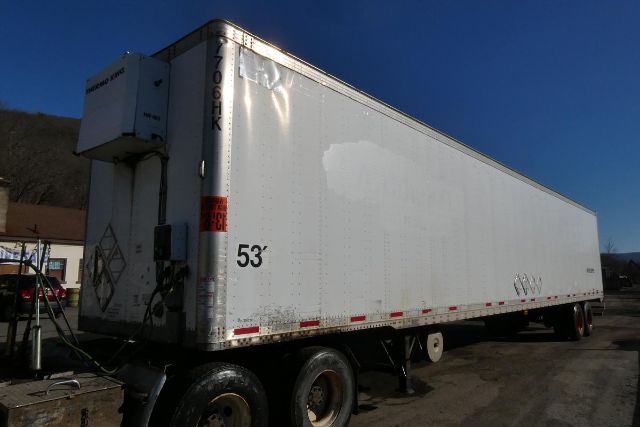
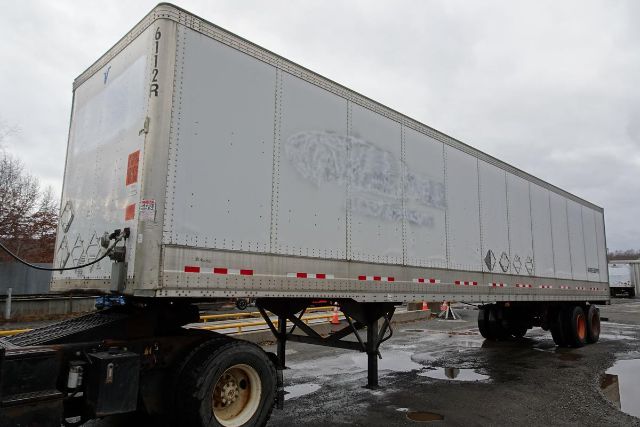
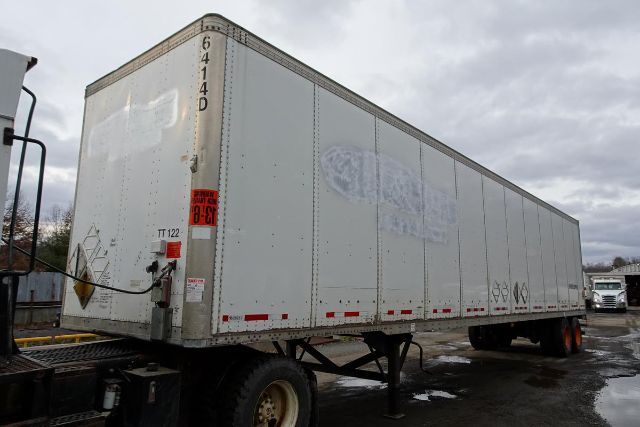
Selling a vanguard trailer? List your vanguard trailer for sale and reach thousands of commercial buyers.
Vanguard Trailers in New York
A typical Vanguard van trailer will have tandem axles, air ride suspension, air brakes, 11R22.5 or low-profile 22.5 tires, and a GVWR around 68,000 pounds. Aluminum roofs and sidewall construction help keep empty weight competitive, while plywood lining, scuff liners, threshold plates, and E-track are common freight-control features. Many fleet-spec units also include tire inflation systems, which can help with tire life and roadside reliability. If the trailer has a sliding tandem, confirm the slide rail condition, locking pin operation, and kingpin area wear, especially if it has spent time in regional service with frequent dock work and axle repositioning.
Application matters with Vanguard trailers because specs can vary from standard dry freight to more specialized delivery work. Some units are equipped with tuckaway liftgates in the 4,000-pound range for route delivery, while others are fitted with heater packages from Carrier or Thermo King for freeze protection on temperature-sensitive freight. In the Northeast, heated van trailers can be a practical choice for protecting products that cannot tolerate cold weather but do not require full refrigerated service. Buyers should inspect heater hours, burner operation, fuel system condition, and liftgate electrical and hydraulic function if those options are part of the trailer's value.
For a buyer sorting through multiple Vanguard trailer listings, the smartest comparison points are structural condition and spec match. Look closely at crossmembers, floor fastener integrity, roof bows, front corners, rear sills, door hardware, and signs of sidewall cracking or previous repairs. Check whether the trailer is lined, vented, equipped with logistics track, or set up for urban delivery versus long-haul freight. A well-maintained Vanguard van can be a cost-effective freight box with solid payload capacity and common replacement parts, but condition at the rear frame, suspension, floor, and tandem slide will usually tell you more than model year alone.
Frequently Asked Questions about Vanguard Trailers in New York
What types of Vanguard trailers are most common on the used market?
The most common Vanguard trailers on the used market are dry van and heated van trailers, especially VIP4000 and VXP models. Most are 48-foot or 53-foot tandem axle vans with 102-inch width, aluminum construction, air ride suspension, and sliding tandems. Many were built for fleet service, so buyers often find practical specs such as wood floors, roll-up doors, scuff liners, E-track, and tire inflation systems.
Are Vanguard trailers considered lightweight?
Many Vanguard van trailers are considered competitive on tare weight because aluminum is used extensively in the body and roof structure. Actual empty weight still depends on length and options. A 48-foot trailer with a heater unit and liftgate will weigh more than a standard 53-foot fleet dry van spec'd without those additions. Buyers focused on payload should compare dry weight against the trailer's floor design, liftgate equipment, lining, and suspension setup.
What should I inspect first on a used Vanguard dry van or heated van?
Start with the floor, rear frame, tandem slide, suspension, and kingpin area. The floor should be checked for rot, delamination, soft spots, and damaged fasteners. The rear sill, door frame, and threshold take heavy abuse in dock service and often reveal the trailer's true condition. On heated units, inspect the heater for operating condition, hours, and fuel system integrity. If the trailer has a liftgate, confirm platform condition, cylinder performance, and electrical operation.
Is a heated Vanguard trailer the same as a refrigerated trailer?
No. A heated trailer is designed to protect freight from freezing or low ambient temperatures, but it does not provide the active cooling performance of a refrigerated trailer. Heated Vanguard vans are often used for products that need cold-weather protection in winter but do not require precise temperature control year-round. If the freight needs both heating and refrigeration capability, a reefer trailer is the more appropriate choice.
Why does a sliding tandem matter on a Vanguard trailer?
A sliding tandem lets the operator shift axle position to help manage bridge law compliance, dock access, and weight distribution between tractor and trailer axles. In regional and Northeast operation, this can be especially important because of varying state bridge requirements and tighter delivery environments. Buyers should make sure the tandem slider moves freely, the pins engage correctly, and the rails are not excessively worn or damaged.