
2009 Vanguard Trailers For Sale in New York
Shop 2009 Vanguard trailers for sale, including dry van models known for aluminum construction, sliding tandems, air ride, and fleet-ready specs.
Selling a 2009 vanguard trailer? List your 2009 vanguard trailer for sale and reach thousands of commercial buyers.
2009 Vanguard Trailers in New York
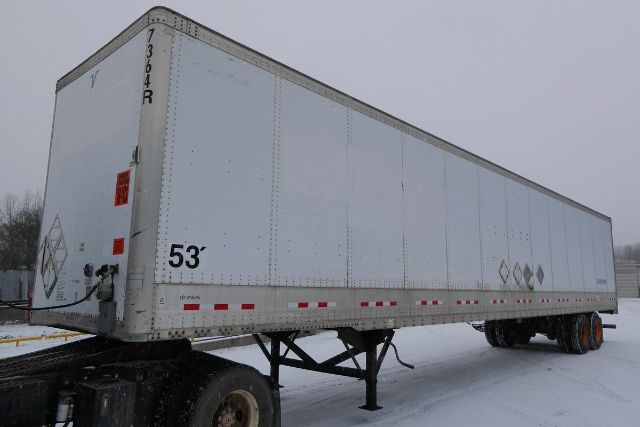
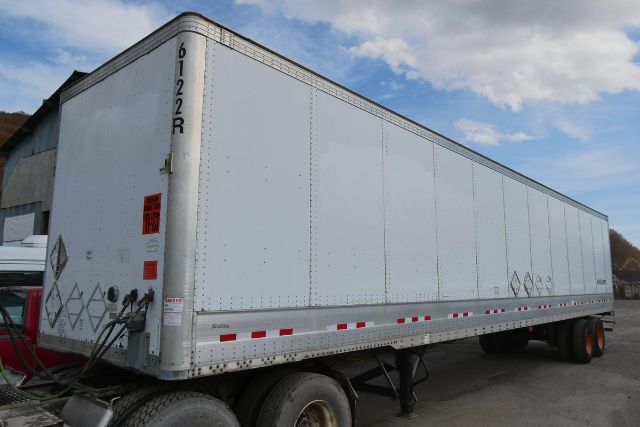
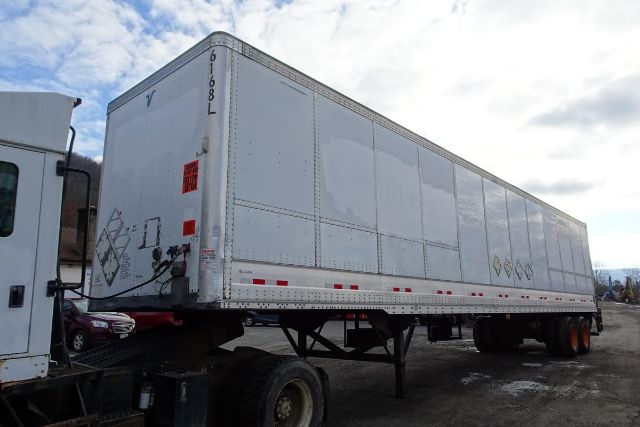
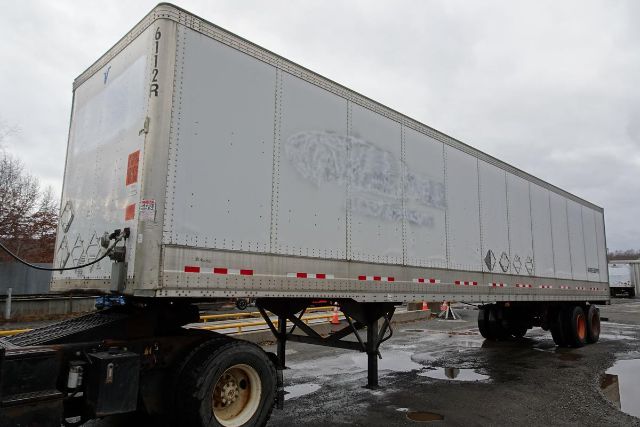
On many Vanguard van trailers from this era, common features include sliding tandem axles, air ride suspension, air brakes, wood or wood-over-steel flooring, and 11R22.5 rubber on hub-piloted steel wheels. Aluminum roofs and mixed aluminum-steel body construction are common because they help control empty weight while keeping the trailer durable enough for high-cycle fleet service. Buyers should pay close attention to inside height, rear door opening, and floor condition. A van with a solid floor, clean crossmembers, and straight sidewalls will usually matter more than cosmetic wear. Roll-up doors, translucent roof panels, scuff liners, and tire inflation systems are all useful features depending on the freight profile.
A key decision with a used 2009 Vanguard trailer is application fit. For dock-to-dock freight, a standard dry van setup may be all that is needed. For route delivery, beverage work, or LTL-style unloading, liftgate-equipped trailers can be more valuable, but the gate, hydraulic system, and platform structure need close inspection. Sliding tandems are especially important if the trailer will run in states with strict bridge formula enforcement or in operations that regularly adjust kingpin-to-rear-axle measurement for legal loading. Check tandem slider rail condition, locking pin engagement, suspension bushings, brake wear, and the fifth wheel plate area for damage or excessive wear.
Because these trailers are now well into the used market, condition and maintenance history should drive the buying decision more than model name alone. Inspect the roof, front wall, rear frame, floor fasteners, and door frame for corrosion, leaks, and impact damage. On northeastern trailers, pay extra attention to rust around the rear sill, crossmember ends, brake components, and slider box structure due to winter road treatment exposure. A well-kept 2009 Vanguard dry van can still be a cost-effective trailer for general freight, warehouse transfer, local delivery, or regional linehaul if the structure is sound and the running gear has been maintained properly.
Frequently Asked Questions about 2009 Vanguard Trailers in New York
What are the most common specs on a 2009 Vanguard trailer?
Most 2009 Vanguard trailers on the used market are dry van trailers with sliding tandem axles, air ride suspension, air brakes, and aluminum or aluminum-steel construction. Common wheel and tire setups include 11R22.5 tires on 10-bolt hub-piloted steel wheels. Floor construction is often wood over steel or a similar fleet-duty arrangement. Lengths can vary, but 48-foot and 53-foot configurations are the most common points of comparison in this trailer class.
Is a 2009 Vanguard trailer a good choice for Northeast freight operations?
It can be, especially if the trailer has a sound frame, solid floor, and a functional tandem slider. In New York and the Northeast, buyers should closely inspect for corrosion caused by road salt and winter exposure. Areas that deserve extra attention include the rear frame, crossmembers, brake hardware, slider rails, and suspension mounting points. Legal axle placement and maneuverability also matter more in dense urban and regional freight operations, so sliding tandem function is especially important.
What should I inspect first on a used Vanguard dry van trailer?
Start with the floor, roof, rear frame, and tandem slider system because those items directly affect serviceability and repair cost. A weak floor, leaking roof, or damaged rear structure can quickly turn a low-priced trailer into an expensive one. After that, inspect brake condition, suspension wear, tire age and match, wheel condition, and signs of impact damage at the nose, sidewalls, and door frame. If the trailer has a liftgate, inspect the cylinders, hoses, platform, and controls under load if possible.
Are liftgate-equipped Vanguard trailers worth considering?
Yes, if the freight operation actually needs self-unloading capability. A liftgate can add flexibility for city delivery, retail freight, and routes without dock access, but it also adds weight, maintenance points, and repair expense. On an older trailer, the gate's operating condition matters as much as the trailer itself. Buyers should verify lift capacity, platform condition, hydraulic performance, and whether the gate has any leaks, structural cracking, or electrical issues.
How important is trailer weight on a 2009 Vanguard van?
Trailer weight matters because lower tare weight leaves more available payload and can improve freight flexibility across a fleet. Vanguard built a strong reputation around practical lightweight van specifications, often using aluminum components to keep empty weight in check. That said, tare weight should not outweigh structural condition in the buying decision. A slightly heavier trailer with a sound floor, clean frame, and well-maintained running gear is usually the better long-term buy than a lighter trailer with deferred maintenance.