
2015 Vanguard Trailers For Sale
Shop 2015 Vanguard trailers for sale, including common 53-foot dry van specs, air ride suspensions, sliding tandems, and cargo-ready features.
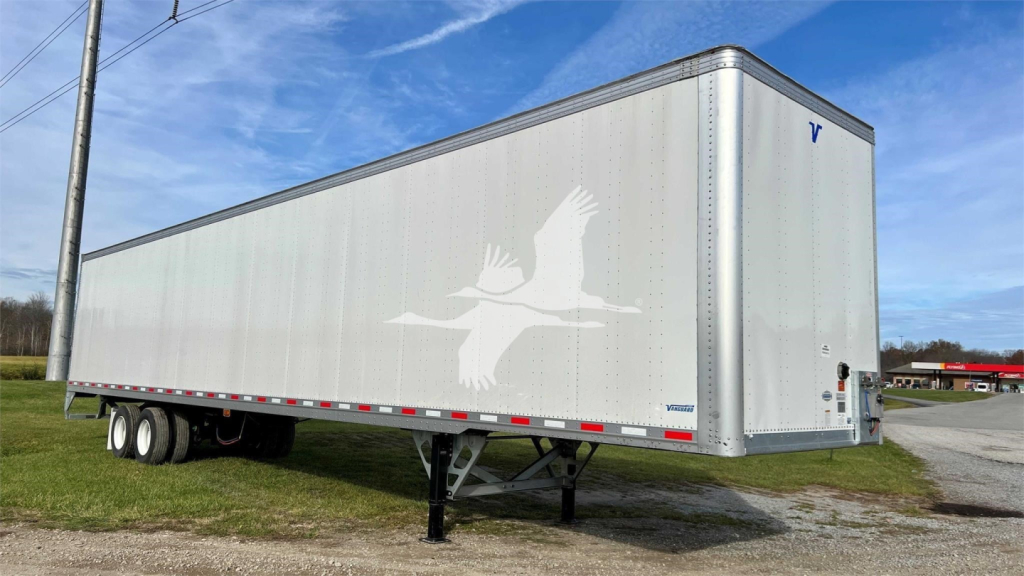
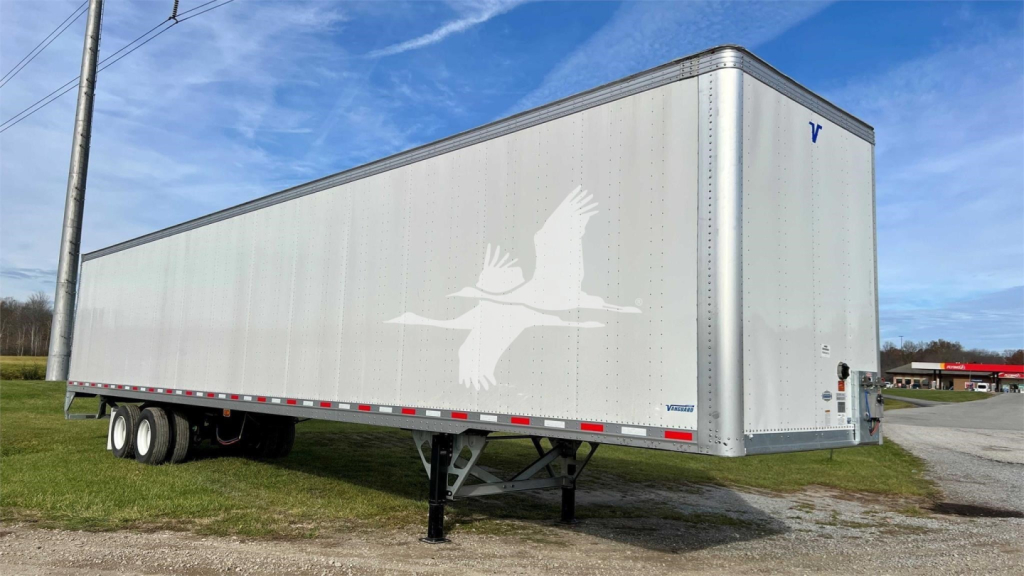
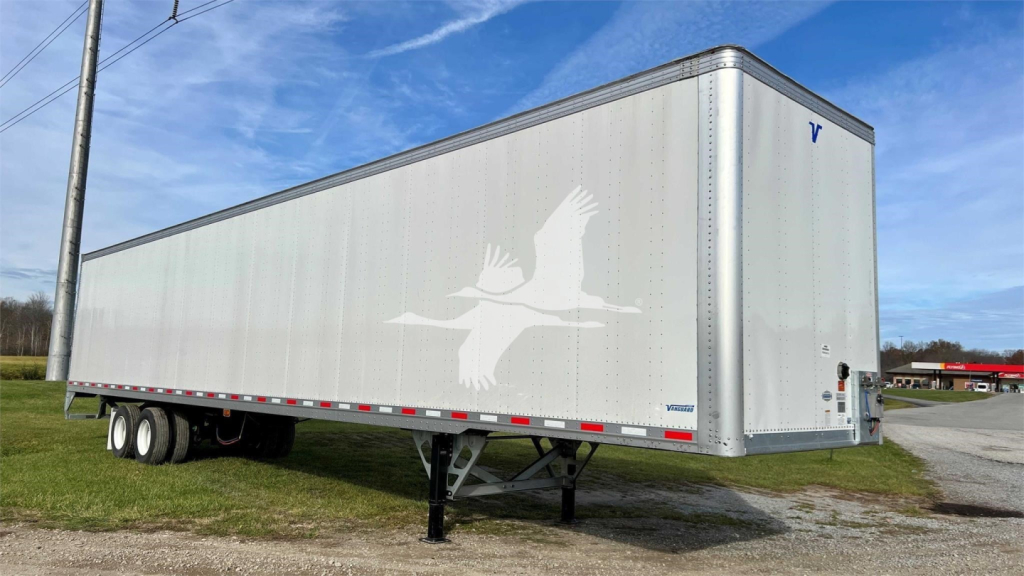
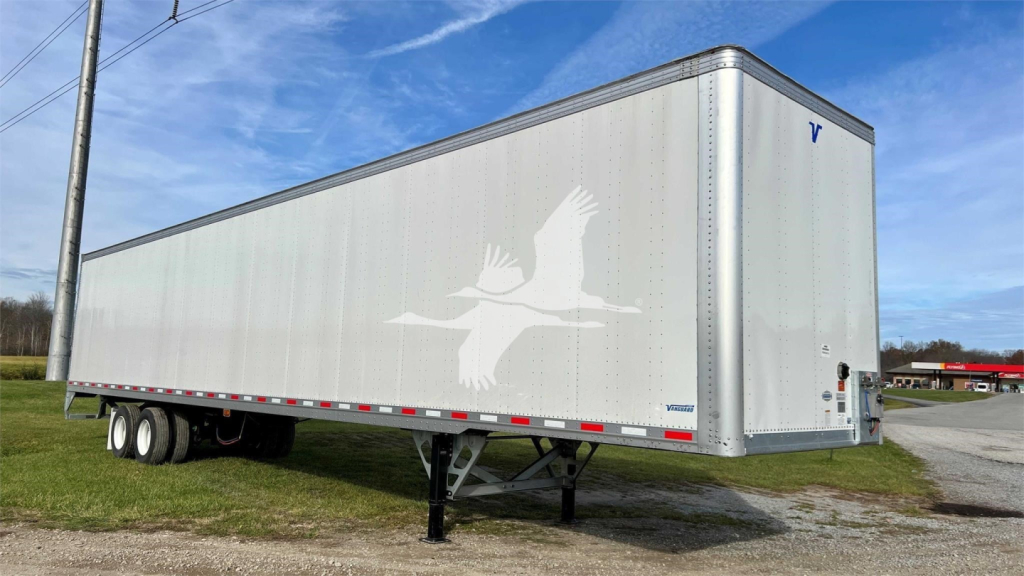
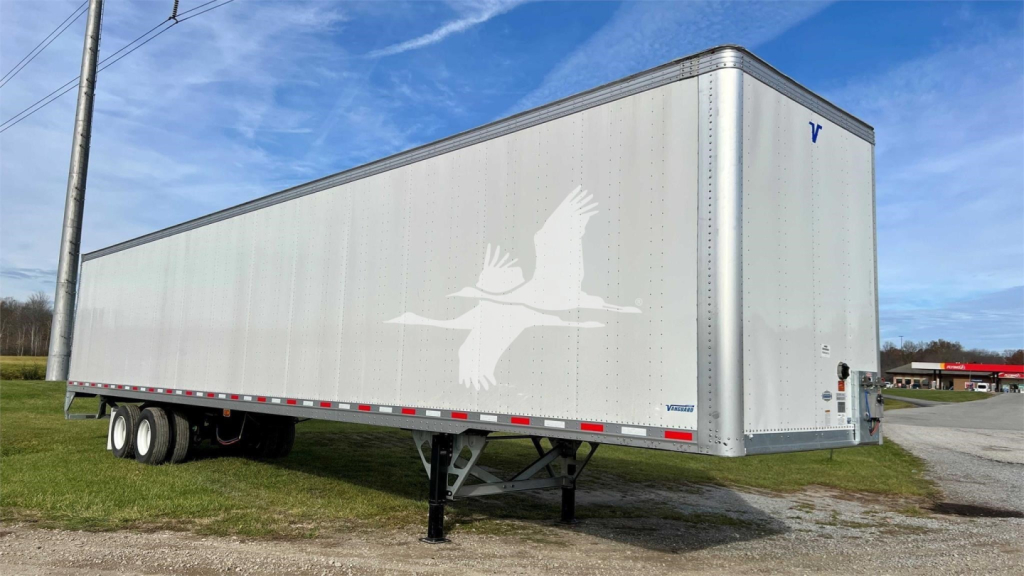
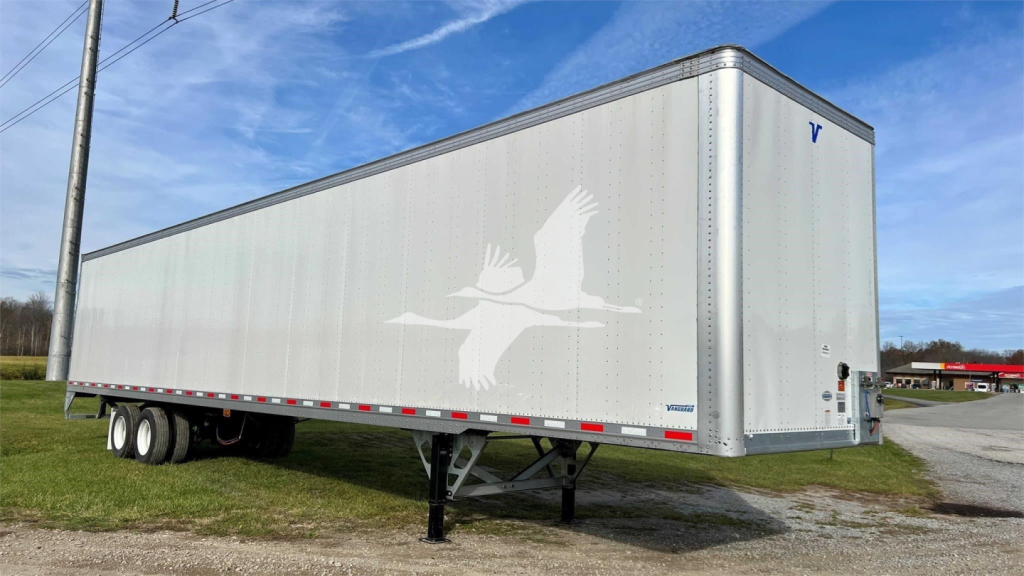
Looking for the easiest place to sell your 2015 vanguard trailer? List it here to reach thousands of buyers.
2015 Vanguard Trailers
The big buying decision on a 2015 Vanguard is often sidewall construction and door configuration. A VXP-style plate or composite van is built around durability and dock work, with composite plate sides, logistics posts, and a strong lower wall design that holds up well in distribution service. Swing doors are common and still preferred in many fleets for full rear access and simpler maintenance. Some Vanguard dry vans in the broader lineup also appear with roll-up doors, E-track, vents, and tire inflation systems, but the 2015 buyer should confirm exactly how the trailer was originally spec'd and whether it matches the intended route. Regional LTL, drop-and-hook, and high-touch dock freight can each favor a different door, lining, and cargo-control setup.
Suspension, axle position, and floor condition deserve close attention on a used 2015 trailer. Air ride with a sliding tandem remains the standard because it gives better cargo protection and more flexibility for bridge law and weight distribution. Check kingpin setting, slider rail condition, suspension wear points, brake type, wheel-end history, and tire size compatibility with the rest of your fleet. On the body side, buyers should look hard at crossmember condition, roof bows, front wall integrity, rear frame rust, door hardware, and floor fastener retention. A trailer of this age can still be a productive dry van if the structure is straight, the rear frame is solid, and the floor and lining have not been abused by forklifts.
For many operations, a 2015 Vanguard trailer hits a practical balance between acquisition cost and usable spec. It is old enough to price below late-model fleet turn-ins, but modern enough to offer the dimensions, cargo systems, and air ride running gear most shippers expect from a standard van trailer, also known as a dry freight trailer or enclosed van trailer. Buyers comparing multiple listings should focus less on paint and more on inside height, sidewall type, tandem slide length, door opening, and maintenance history. Those details determine how well the trailer fits your freight, your docks, and your long-term cost per mile.
Frequently Asked Questions about 2015 Vanguard Trailers
What are the most common specs on a 2015 Vanguard dry van trailer?
A typical 2015 Vanguard dry van is a 53-foot by 102-inch trailer with 13-foot 6-inch overall height, tandem axles, air ride suspension, and a sliding tandem. Many are equipped with wood floors, swing doors, scuff liners, threshold plates, logistics posts, and aluminum roofs. Exact specs vary by model and original fleet order, so inside height, door type, and sidewall construction should always be verified from the trailer itself.
Is a 2015 Vanguard trailer still a good choice for general freight?
A 2015 Vanguard trailer can still be a solid general freight trailer if the structure and running gear have been maintained correctly. Age alone is less important than floor condition, rear frame integrity, suspension wear, brake history, tire condition, and evidence of cargo damage inside the box. For palletized dry freight, retail loads, and regular dock service, a well-kept 2015 van can still deliver dependable service at a lower acquisition cost than newer equipment.
What should I inspect first on a used 2015 Vanguard trailer?
Start with the floor, rear frame, suspension, slider assembly, and roof. Those areas usually tell you more about the trailer's real condition than the exterior panels. Look for forklift damage, soft spots or excessive floor wear, cracks around crossmembers, corrosion at the rear sill and door frame, worn slider components, and leaks or impact damage at the roof and front wall. Also confirm that the doors seal properly and that the logistics posts, scuff liner, and threshold plate are still serviceable.
What is the difference between a plate or composite Vanguard van and an aluminum van?
Plate or composite sidewall vans are generally chosen for toughness in frequent dock service and high-contact freight environments. They tend to resist sidewall damage better from shifting freight and repeated loading activity. Aluminum vans can offer weight advantages depending on spec, but the tradeoff is often in repair style and sidewall durability. The better choice depends on your freight profile, loading practices, and how much abuse the trailer sees in daily operation.
Why does a sliding tandem matter on a 2015 Vanguard trailer?
A sliding tandem gives the driver flexibility to adjust axle position for bridge law compliance, state regulations, and proper weight distribution between tractor and trailer axles. It also helps match loading patterns across different freight types and customers. On a used trailer, the slider should move correctly, lock securely, and show no major damage or excessive wear on the rails, pins, or suspension mounting points.