
Van Trailers For Sale in Pennsylvania
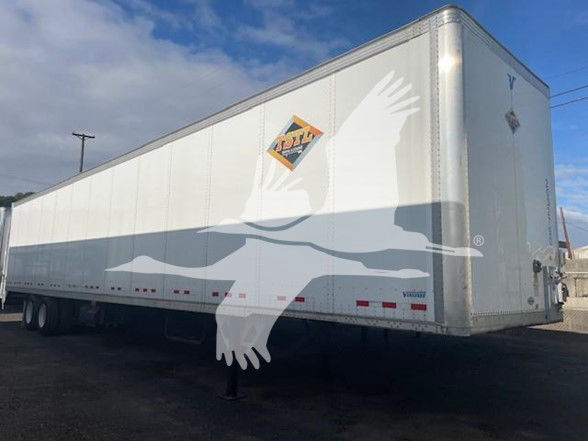
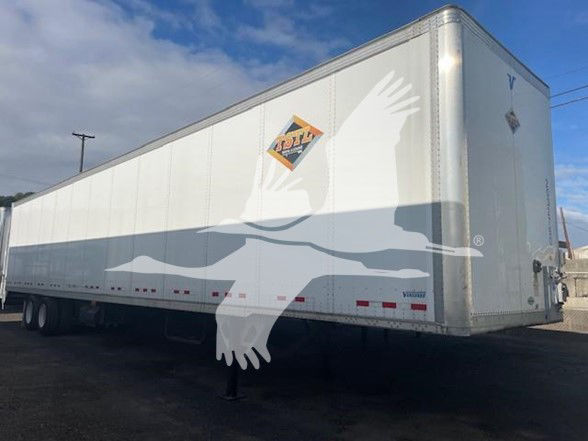
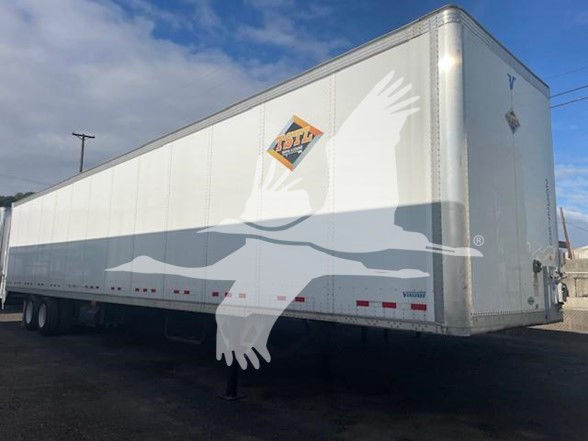
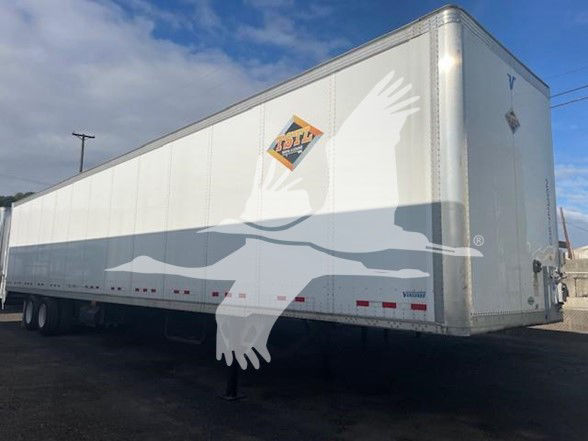
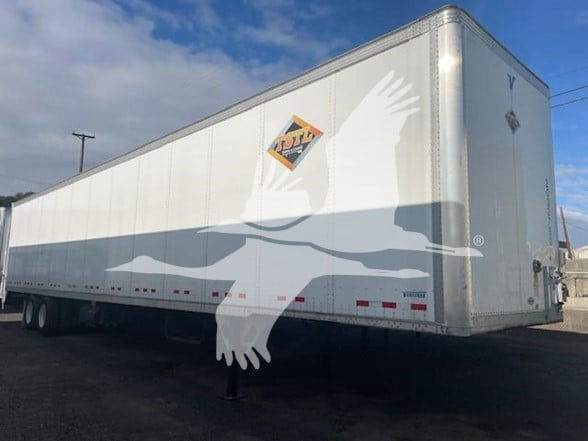
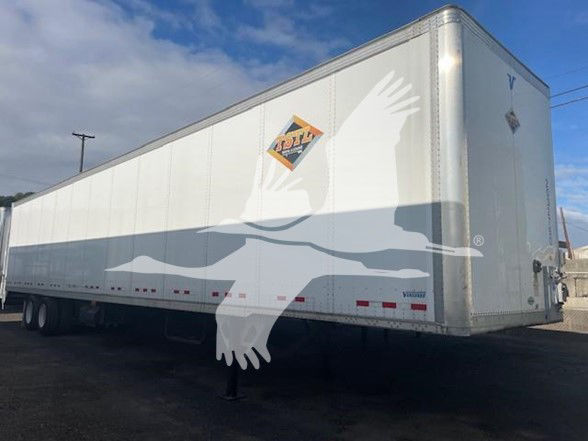
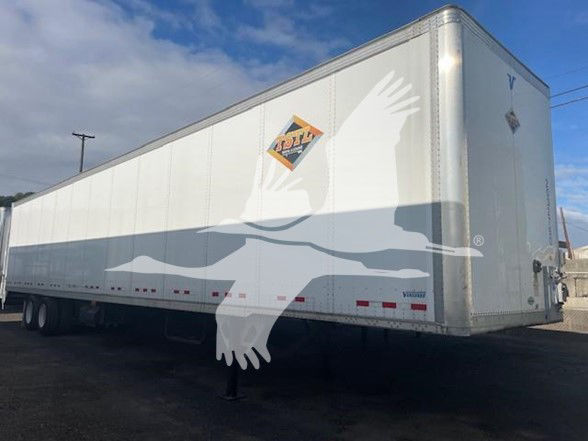
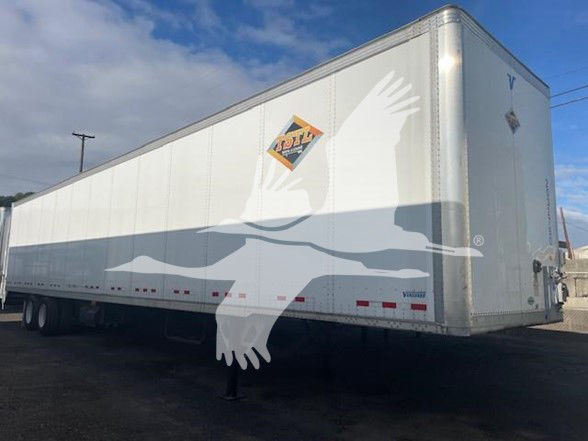
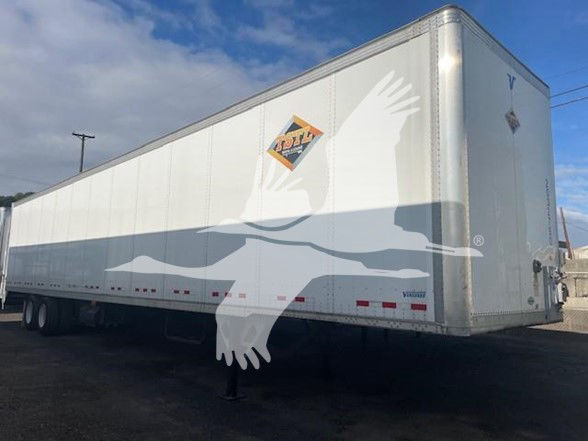
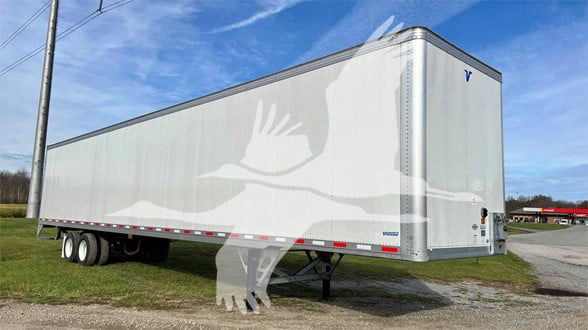
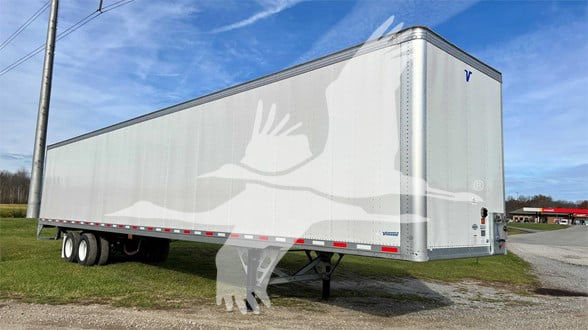
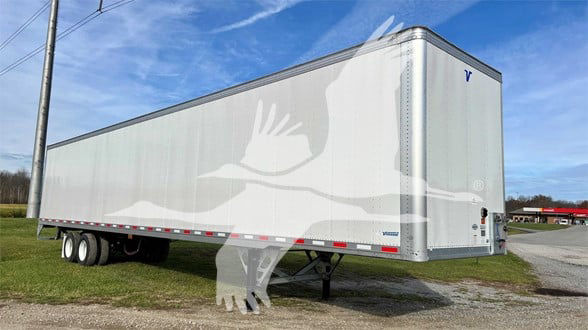
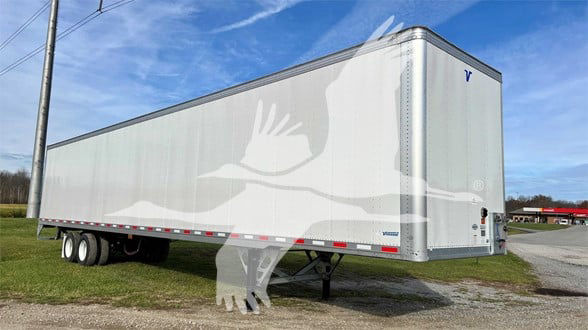
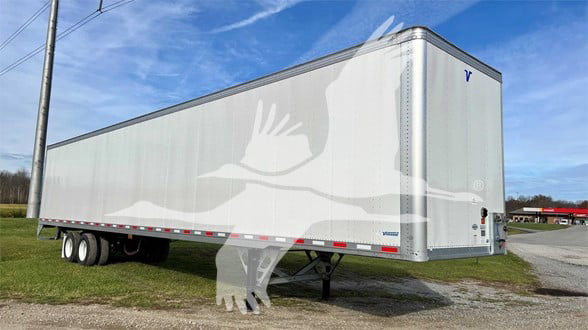
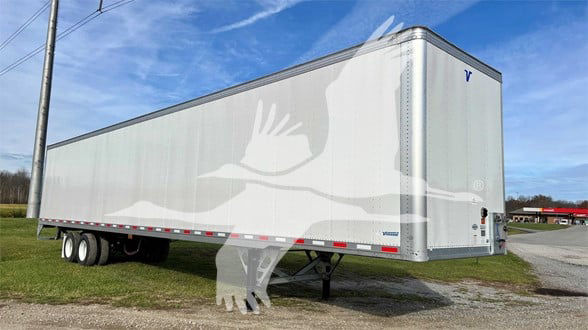
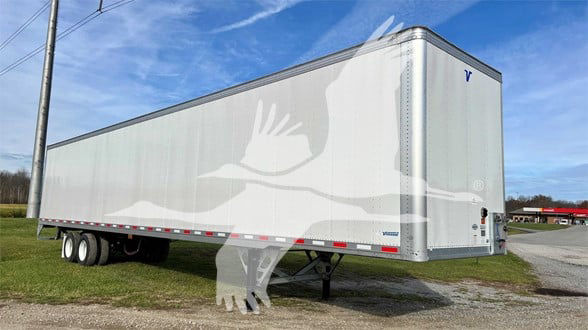
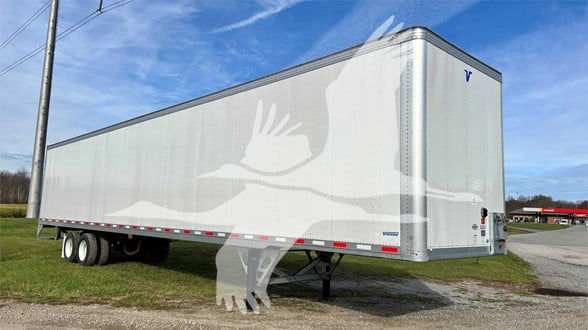
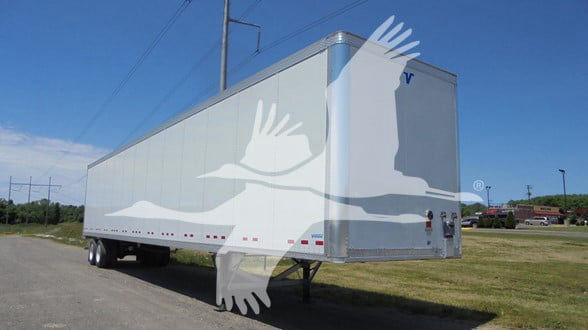
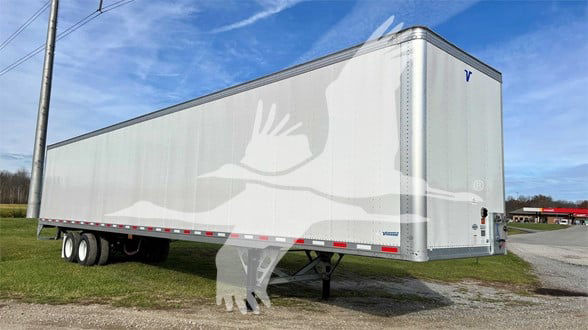
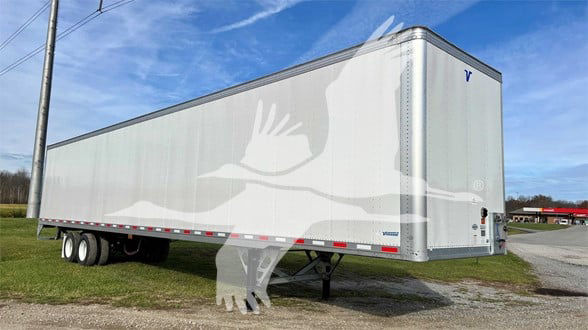
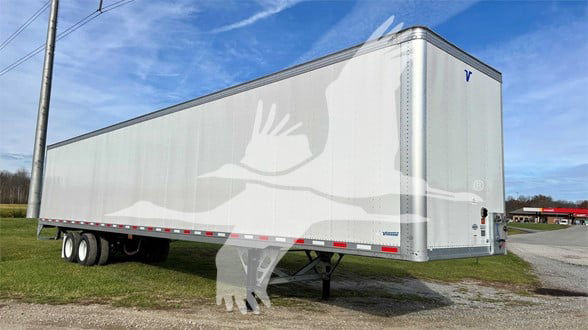
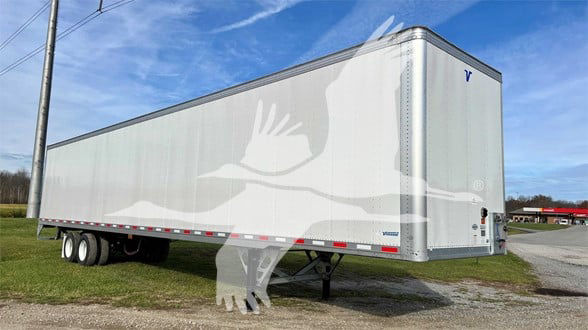
Showing 49 to 72 of 269 results
Have van trailer to sell? List it here to reach thousands of buyers.
Van Trailers in Pennsylvania
A lot of van trailer decisions come down to dock compatibility and cargo handling. Swing doors are common on fleet dry vans and are simple, durable, and easy to repair, but roll-up doors can be a better fit for city delivery, tight docks, and operations making frequent stops. Inside the box, logistics posts, E-track, scuff liners, and threshold plates are worth close attention if the trailer will handle mixed freight or high forklift traffic. A plywood or composite-lined interior helps protect sidewalls from shifting pallets, while hardwood floors remain the standard because they hold up well under repeated forklift loading. Front and rear vents can help with airflow and reduce moisture buildup on certain loads, especially during seasonal temperature swings common in the Northeast.
Running gear and structural spec matter just as much as the box. Air ride suspension is preferred by many fleets for ride quality and cargo protection, and a sliding tandem gives more flexibility for bridge law compliance and axle adjustments. Common setups include 295/75R22.5 tires, steel or aluminum disc wheels, galvanized rear frames, and two-speed landing gear. On newer dry vans, buyers may also see tire inflation systems, side skirts, air lift front axles, and higher-efficiency aerodynamic packages. Kingpin setting, crossmember spacing, roof bow spacing, and rear frame design are important if the trailer will stay in heavy dock rotation or haul dense freight. Closer crossmember centers and reinforced floor systems generally pay off in forklift-intensive applications.
For Pennsylvania buyers, corrosion resistance and winter durability deserve extra scrutiny. Road salt, freeze-thaw cycles, and rough yard conditions can shorten the life of rear frames, fasteners, floors, and door hardware if the trailer was not spec'd for tough regional service. Check for galvanization, sidewall condition, floor wear, roof repairs, suspension bushing condition, and signs of impact around the nose, threshold, and rear corners. A dry van that looks similar on paper can perform very differently based on prior freight mix, maintenance history, and interior wear. The right van trailer is the one that matches your freight profile, dock environment, and route demands without forcing compromises on payload, durability, or loading efficiency.
Frequently Asked Questions about Van Trailers in Pennsylvania
What is the most common van trailer size and configuration?
The standard dry van trailer in most fleets is 53 feet long, 102 inches wide, tandem axle, and 13 feet 6 inches tall. Most are built with a wood floor, air ride or spring suspension, and either swing or roll-up rear doors. This configuration handles standard palletized freight efficiently and matches dock and warehouse expectations across most shipping networks.
Should I choose swing doors or a roll-up door on a van trailer?
Swing doors are usually lighter, simpler, and easier to maintain, which is why they are common in over-the-road and distribution fleet service. Roll-up doors reduce the chance of door damage at tight docks and can be more convenient for frequent-stop operations, but they may reduce rear opening clearance slightly and add maintenance over time. The best choice depends on dock layout, stop frequency, and the type of freight being loaded.
Why is air ride suspension preferred on many dry van trailers?
Air ride suspension helps protect freight by reducing vibration and road shock compared with harsher ride characteristics. It is especially useful for retail freight, packaged goods, paper products, and other loads sensitive to shifting or damage. Air ride also remains a common fleet standard because many shippers and carriers prefer it for consistent handling and cargo protection.
What interior features matter most in a used van trailer?
The most important interior features are floor condition, wall lining, scuff protection, and cargo securement options such as logistics posts or E-track. A sound hardwood floor is critical if forklifts will load the trailer regularly. Scuff liners, threshold plates, and lined walls help reduce damage from pallets and repeated dock work, which can significantly extend service life in mixed freight applications.
What should Pennsylvania buyers inspect closely on a van trailer?
Pennsylvania buyers should pay close attention to corrosion, rear frame condition, door seals, floor wear, suspension components, and roof integrity. Winter road salt and seasonal weather can accelerate rust on metal components and fasteners, especially around the rear frame, landing gear, and suspension. It is also smart to inspect the nose, corners, and threshold area for impact damage from heavy dock use or forklift traffic.