
2019 Van Trailers For Sale in Pennsylvania
Browse 2019 van trailers for sale in Pennsylvania. Compare 53-foot dry van specs, air-ride tandems, doors, floors, and lining options.
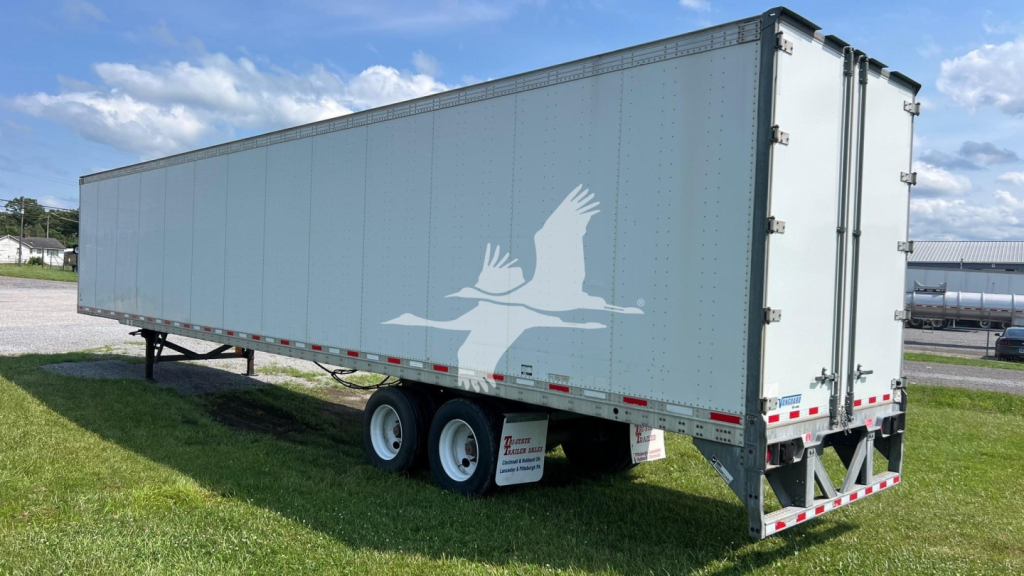
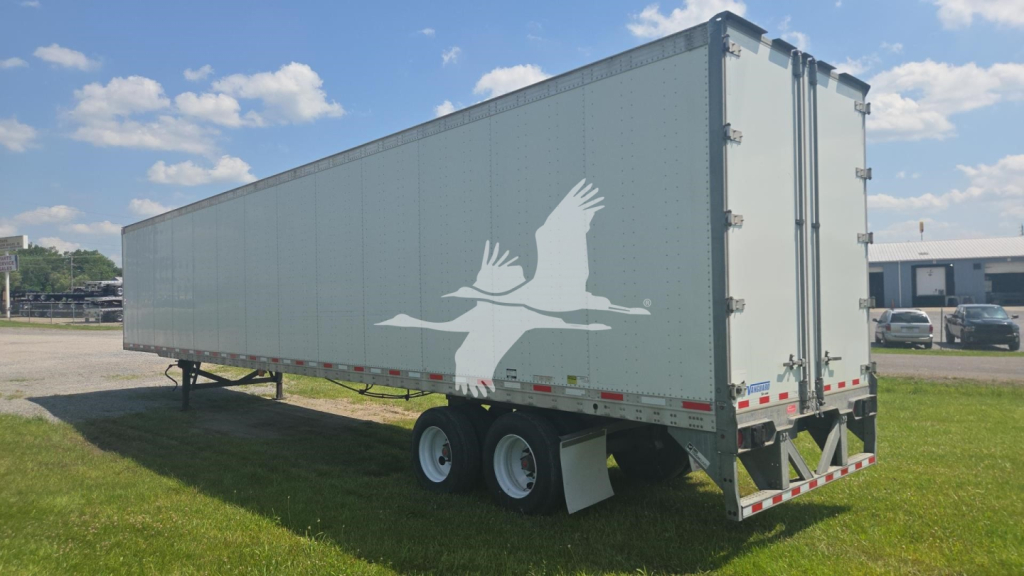
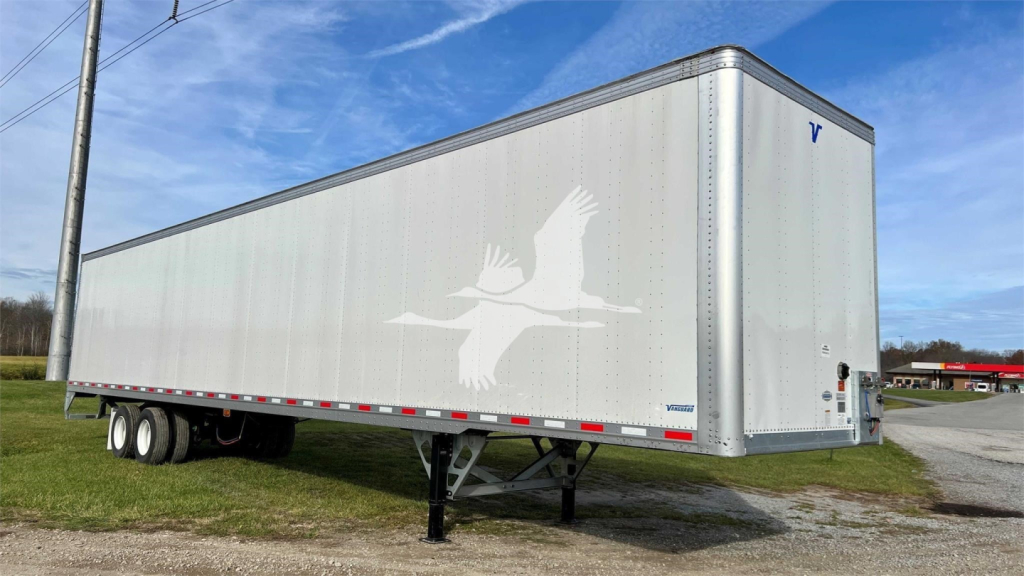
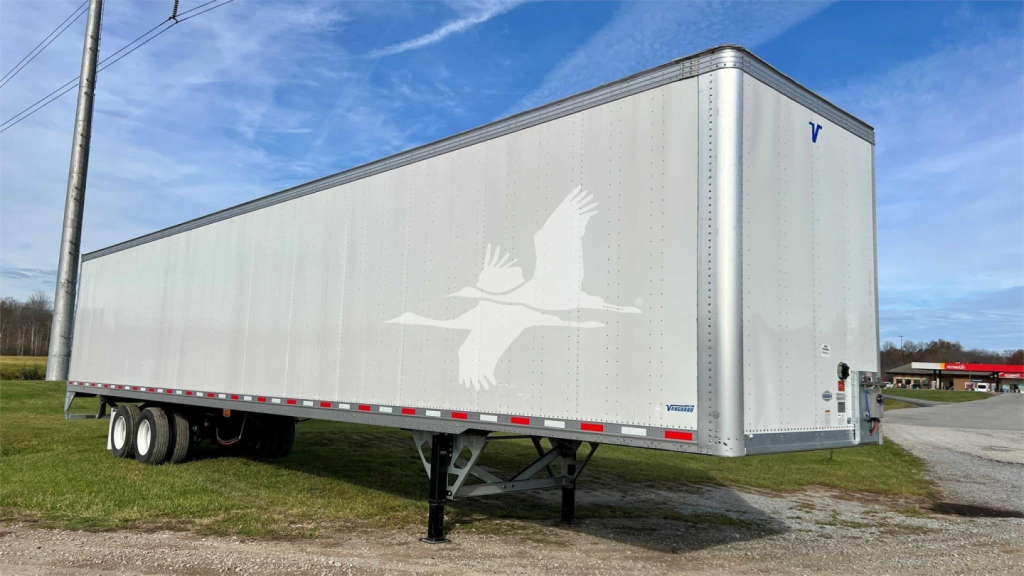
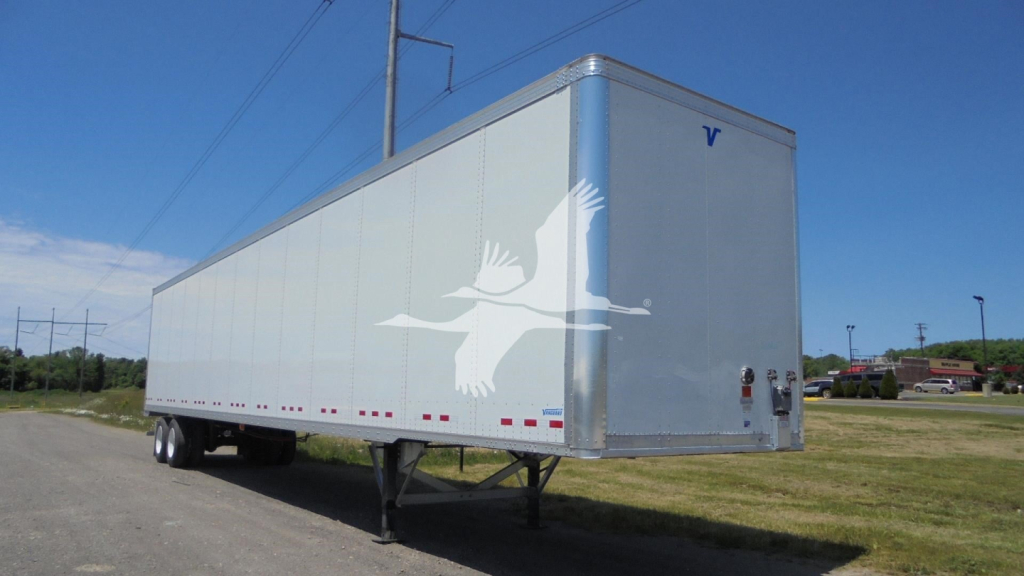
Have 2019 van trailer to sell? List it here to reach thousands of buyers.
2019 Van Trailers in Pennsylvania
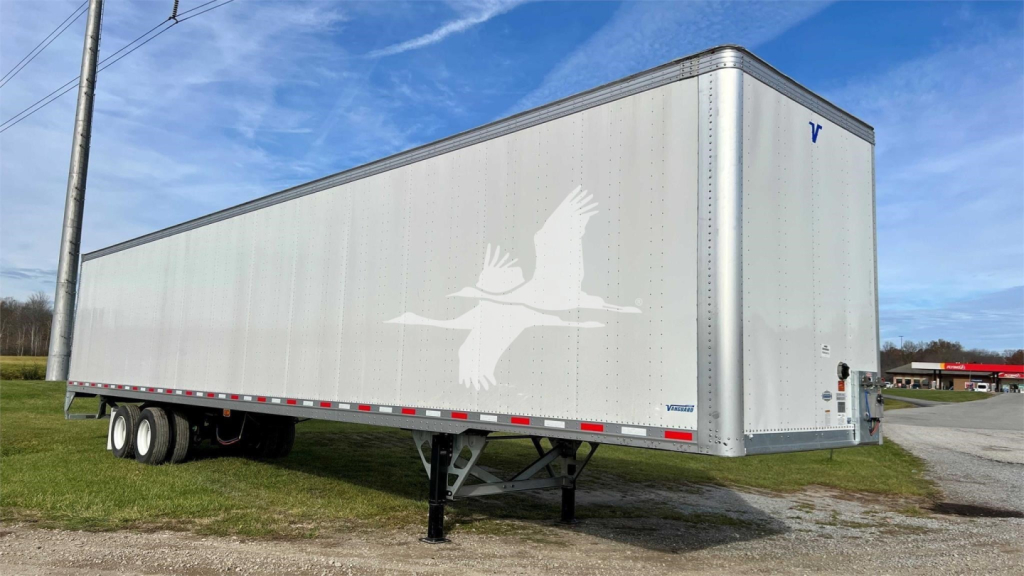
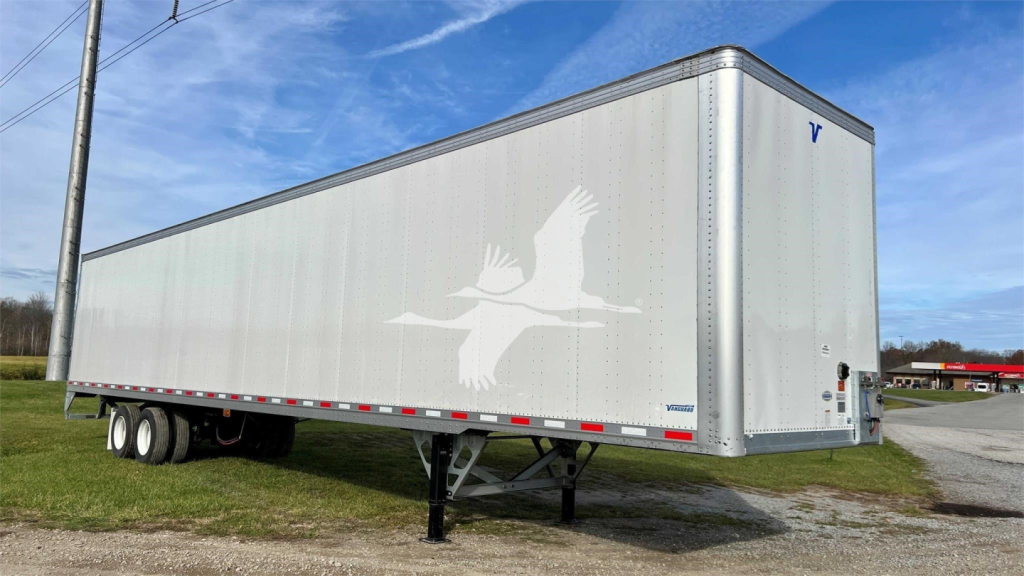
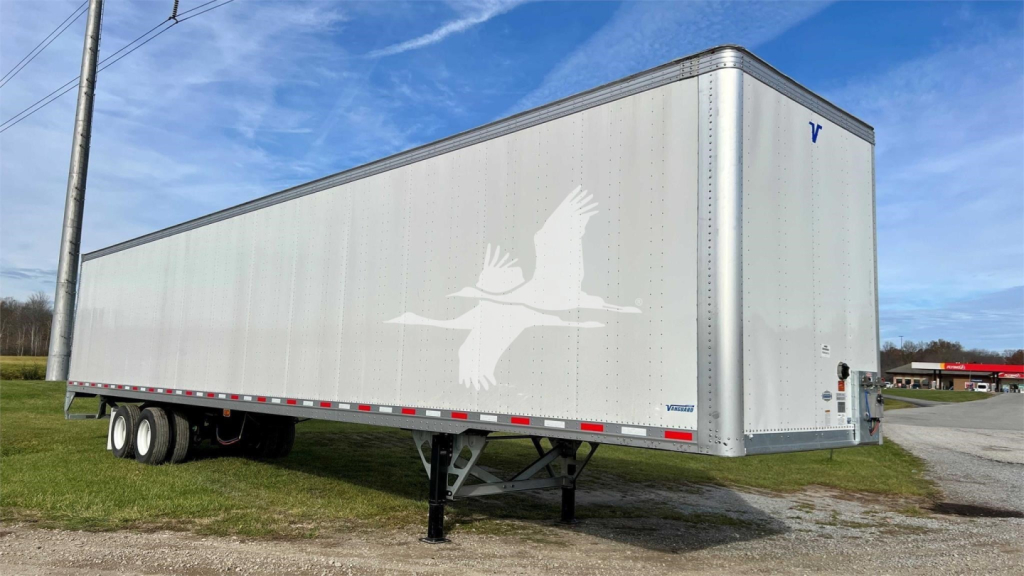
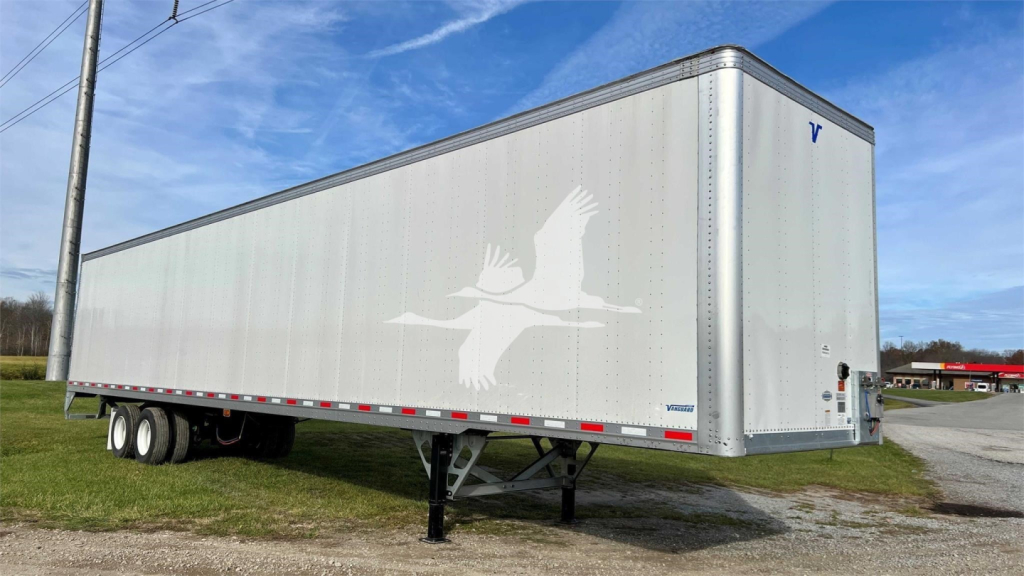
The biggest spec decision is usually body style and interior setup. Plate vans and composite sidewall vans are common for general dry freight, retail, packaged goods, and palletized distribution. Sheet-and-post construction remains a practical choice when repairability and familiar body architecture matter. Inside the trailer, pay close attention to scuff liners, side lining, nose lining, and logistics post spacing if the trailer will handle mixed freight or frequent load securement. Floor condition is especially important on used dry vans. Many buyers prefer a 1 3/8-inch laminated hardwood or oak floor with tight fastener retention and minimal gouging from forklifts. Door opening height, interior width, and interior height also affect cube efficiency, especially for shippers moving high-volume palletized freight.
Running gear and dimensions deserve a close look because they directly affect lane flexibility and maintenance cost. A typical 2019 van trailer in this category will have tandem axles, 295/75R22.5 tires, 49-inch sliding tandem settings, and a 36-inch kingpin setting, though exact specs vary by manufacturer. Air-ride suspension is common and remains the preferred setup for freight protection and dock consistency. Buyers operating in Pennsylvania and across the Northeast should inspect slider rails, suspension components, bushings, brakes, wheel ends, and the extent of winter-related corrosion on landing gear bracing and rear frame hardware. Galvanized components can add value in this region because road treatment chemicals are hard on steel over time.
For many operations, a 2019 dry van trailer hits the sweet spot between service life and acquisition cost. It is new enough to align with many shipper expectations, but old enough that spec differences from one trailer to the next can create real value. Look beyond the basic year and brand and compare actual trailer configuration: swing doors versus roll-up doors, air-ride versus spring ride, plate versus sheet-and-post, floor thickness, logistics track layout, and tandem slider length. A well-maintained 2019 van trailer can serve regional distribution, warehouse transfer, dedicated contract freight, and general over-the-road dry freight with low complication if the structure, floor, suspension, and rear frame are still sound.
Frequently Asked Questions about 2019 Van Trailers in Pennsylvania
What are the most common specs on a 2019 van trailer?
Most 2019 van trailers are 53 feet long, 102 inches wide, and 13 feet 6 inches tall, with tandem axles and a dry freight body. Common specs include swing rear doors, air-ride suspension, a sliding tandem, 295/75R22.5 tires, hardwood flooring, and either composite plate or sheet-and-post side construction. Interior dimensions and body materials vary by make and model, so buyers should verify door opening height, inside width, floor rating, and kingpin setting before matching a trailer to a lane or customer requirement.
Is a 2019 dry van trailer a good age for fleet use?
Yes, for many buyers a 2019 trailer is in a useful middle range. It is late-model enough to offer current freight-friendly specs and broad acceptance in commercial service, but it may cost substantially less than a new unit. Condition matters more than age alone. A clean 2019 trailer with a solid floor, straight rails, good doors, and well-maintained running gear can be a better value than a newer trailer with heavy dock damage or deferred maintenance.
What should I inspect first on a used van trailer in Pennsylvania?
Start with corrosion-prone and high-wear areas. In Pennsylvania, buyers should closely inspect the rear frame, bumper, door frame, roof seams, landing gear, suspension, slider assembly, and crossmembers for rust, cracking, or impact damage. Then check the floor for forklift wear, soft spots, and fastener pull-through. Door seals, hinges, and threshold condition also matter because water intrusion can quickly damage freight and interior components.
What is the difference between plate vans and sheet-and-post vans?
A plate van uses larger side panels, often composite or laminated construction, while a sheet-and-post van uses side sheets supported by vertical posts. Plate vans are often valued for smooth interior walls and strong general freight performance. Sheet-and-post vans remain popular because they are familiar, serviceable, and practical in many fleets. The better choice depends on the freight mix, repair preferences, trailer weight targets, and how the trailer will be loaded and unloaded.
Why does air-ride suspension matter on a van trailer?
Air-ride suspension helps reduce shock transfer to the trailer body and cargo, which is important for palletized consumer goods, packaged freight, and sensitive loads. It also supports more consistent dock height and can improve trailer stability in normal highway use. For a buyer comparing used van trailers, air-ride is often a preferred spec because it aligns with general freight applications and broad shipper expectations.