
2019 Van Trailers For Sale
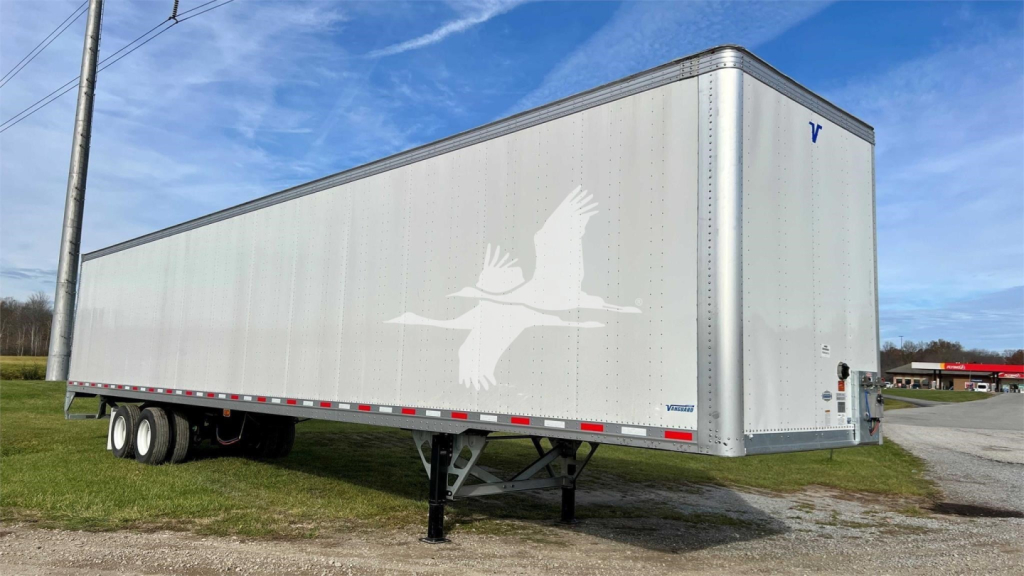
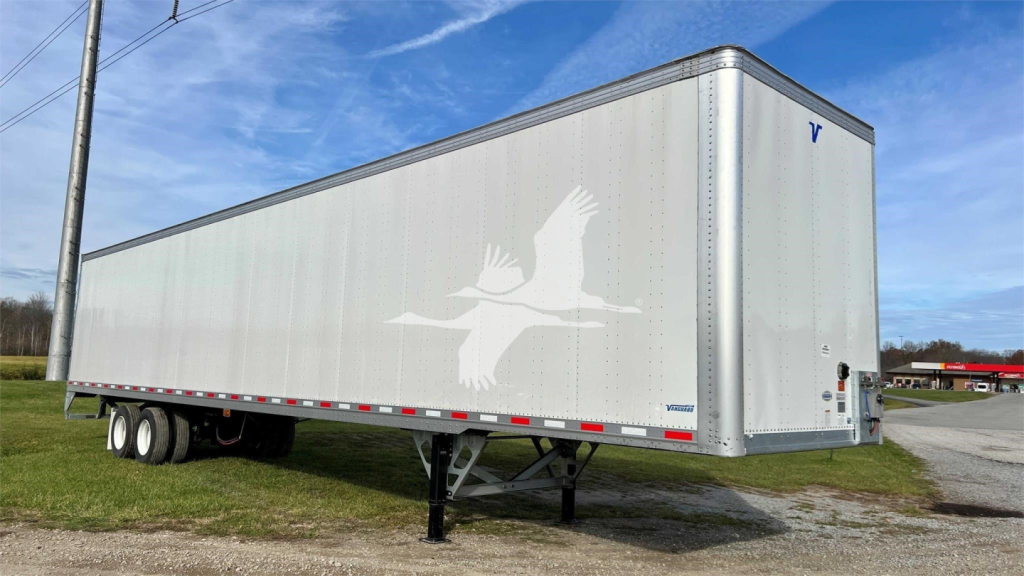
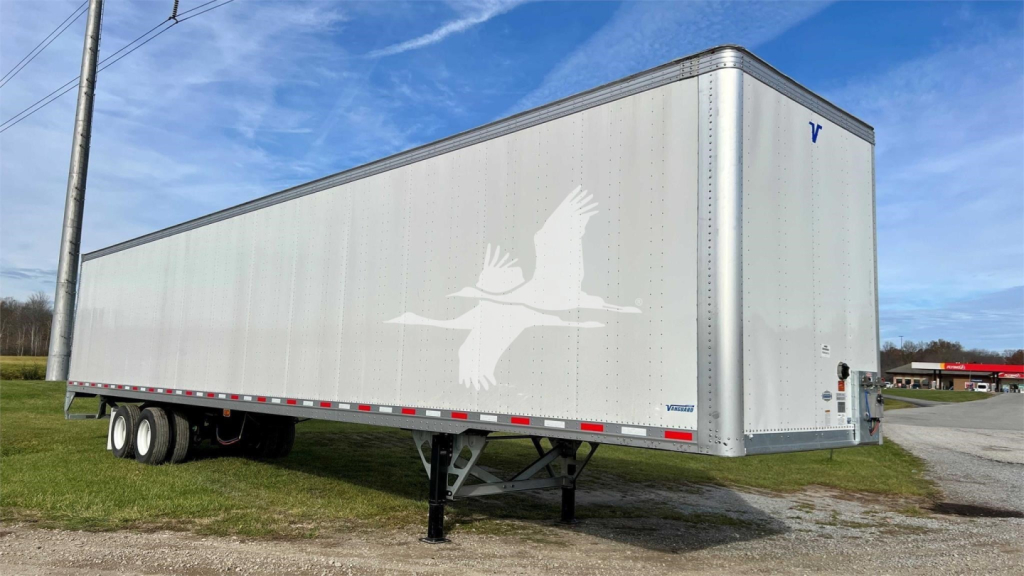
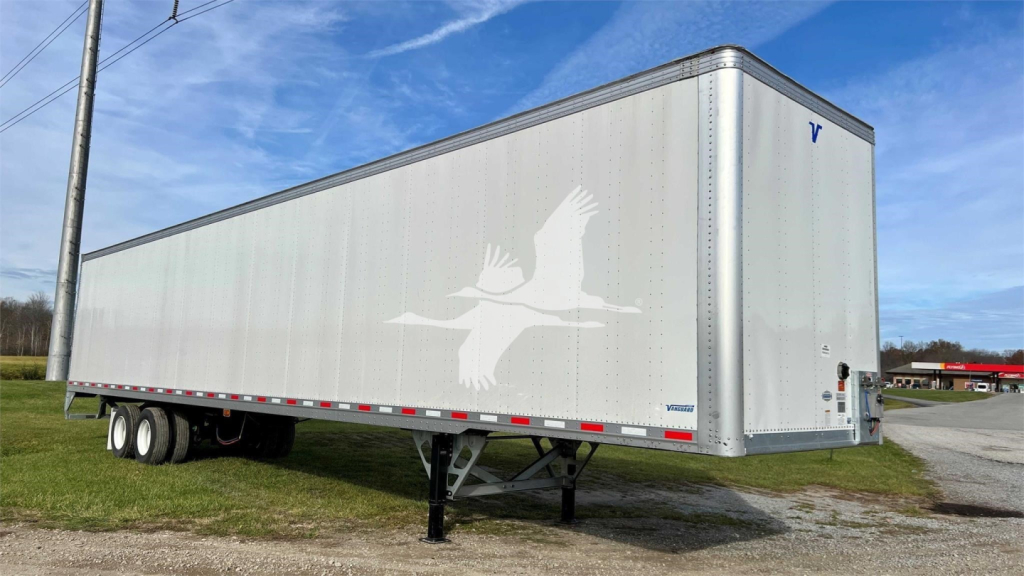
Shop 2019 van trailers for dry freight hauling. Compare 53-foot specs, swing or roll doors, air ride, sliders, and interior options.
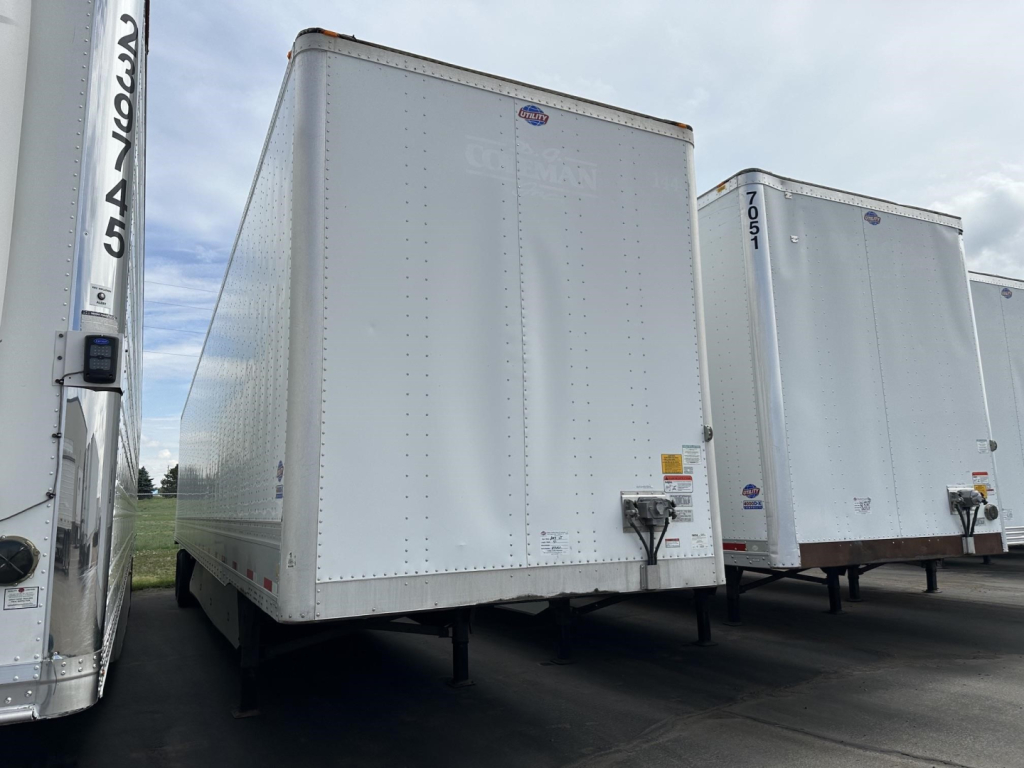
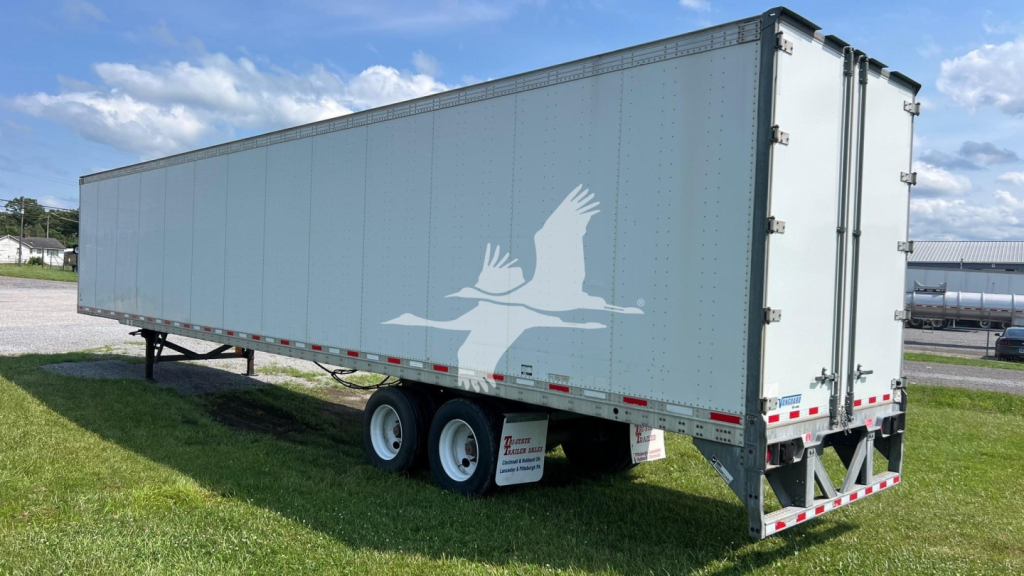
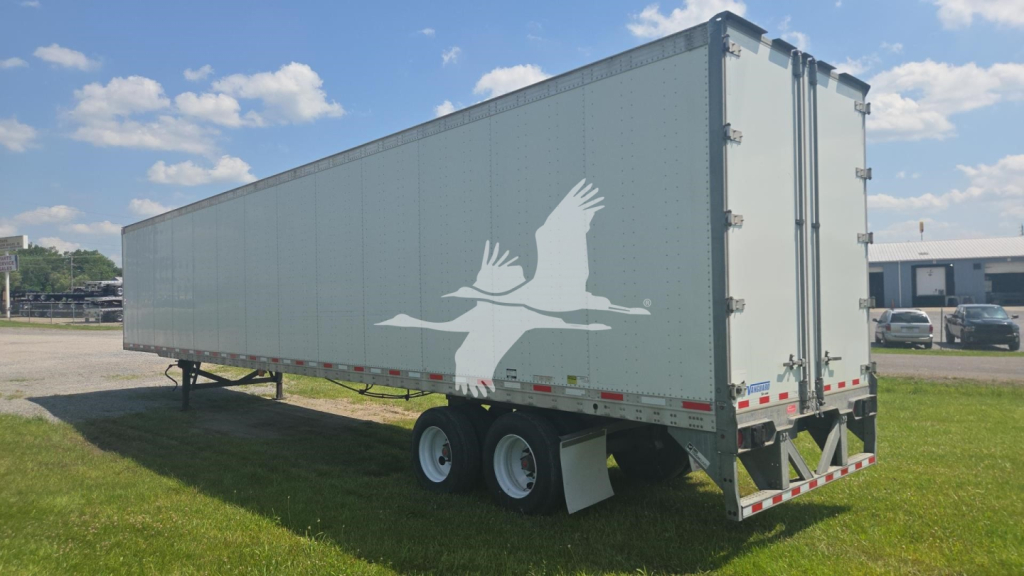
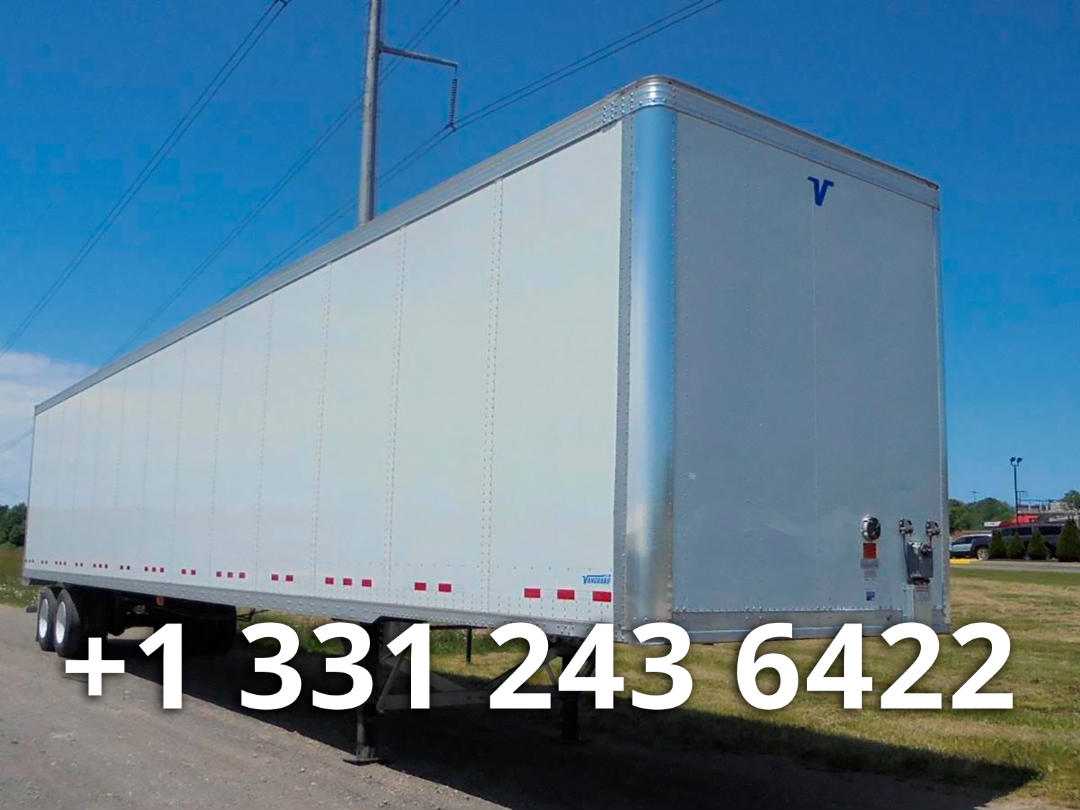
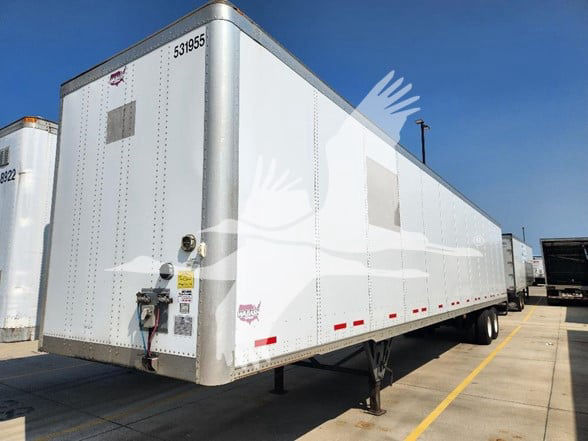
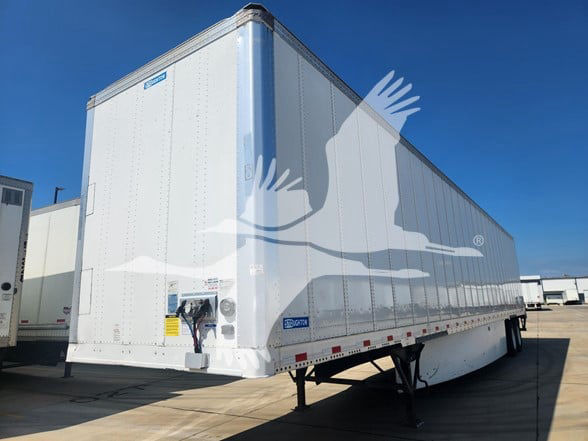
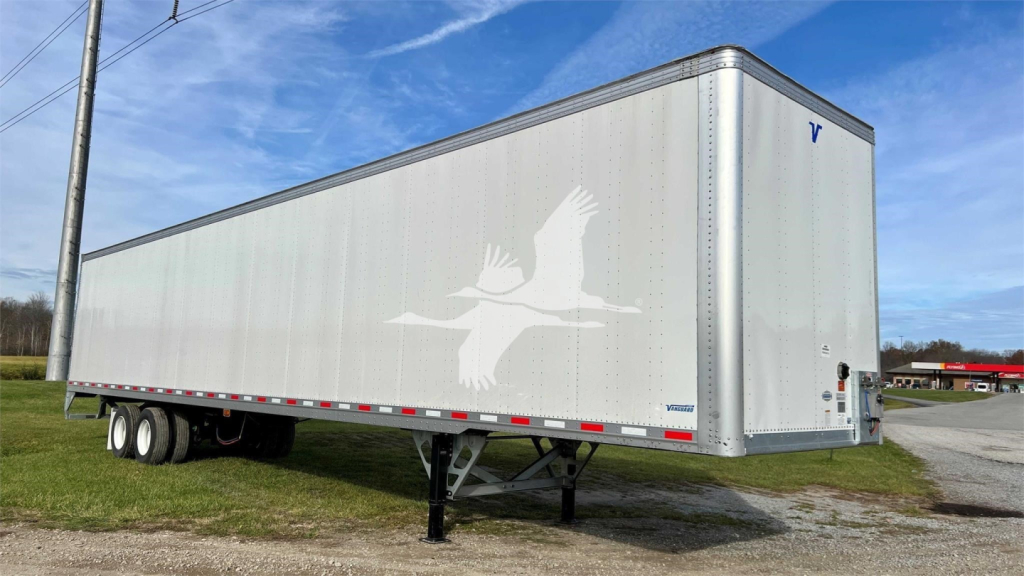
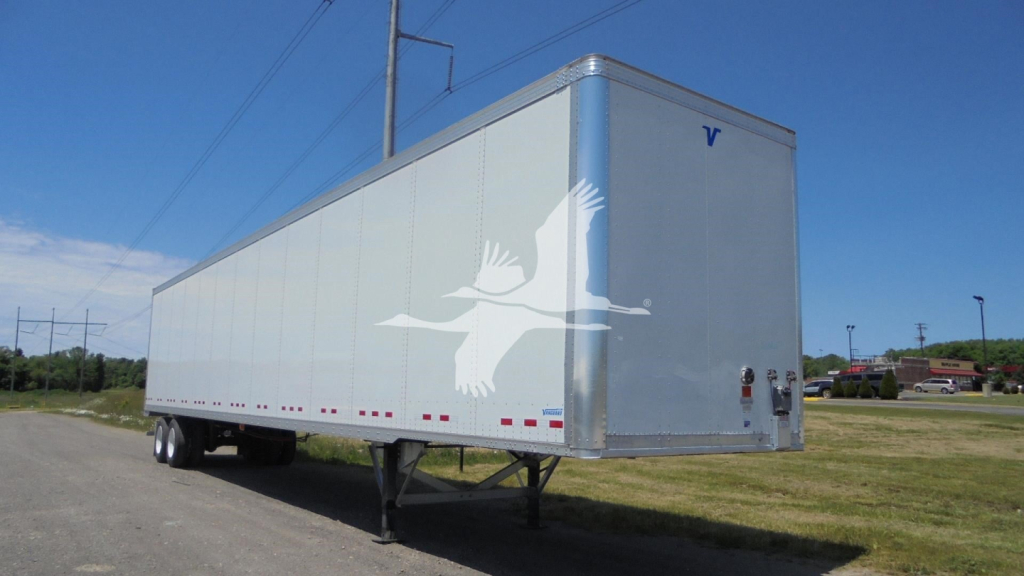
Have 2019 van trailer to sell? List it here to reach thousands of buyers.
2019 Van Trailers
The details that matter most are usually inside the box and underneath the trailer. Interior height, rear door opening, floor condition, crossmember spacing, and scuff liner setup all affect what freight you can load and how long the trailer will stay productive. Hardwood floors remain common in van trailers, but floor rating is what matters if the trailer will see heavy concentrated forklift traffic. Aluminum roofs, galvanized or composite side panels, and stainless rear frames are common durability features. Buyers should also check logistics-focused options such as logistic posts, rows of E-track, duct floors for air circulation, and nose design if cube efficiency and loading pattern are important.
Running gear and maintenance history often separate a strong 2019 van trailer from an average one. Look closely at tire size, wheel type, brake configuration, hub and seal condition, suspension wear, and the condition of the slider rails and locking pins. Many 2019 dry vans were spec'd with air ride because it protects freight better and helps with dock approach consistency, though spring ride units are still seen in some operations. Swing doors are still the standard for full rear opening and dock access, while roll doors can make sense in certain route or urban delivery applications at the cost of some interior clearance and door maintenance complexity.
If the trailer will move in a fleet with strict loading standards, pay attention to tare weight, axle spacing, kingpin setting, and overall trailer height. A lighter trailer can improve payload, but buyers should balance weight savings against floor life and sidewall durability. Roof condition, water intrusion, patch history, and rear frame alignment are worth checking on any used van trailer because dry freight service depends on keeping cargo clean and secure. A good 2019 van trailer should match the freight mix, loading environment, and maintenance discipline of the operation, not just the purchase price.
Frequently Asked Questions about 2019 Van Trailers
What is the most common configuration for a 2019 van trailer?
The most common 2019 van trailer configuration is a 53-foot by 102-inch dry van with tandem axles, a sliding tandem, air ride suspension, and swing rear doors. Many are built to a 13-foot 6-inch overall height, with interior dimensions designed for standard palletized freight and dock-high loading. This setup fits the broadest range of over-the-road and regional freight applications.
What should buyers inspect first on a used 2019 dry van trailer?
Start with the floor, roof, rear frame, and slider assembly. Floor wear from forklift traffic can be expensive to correct, and roof leaks can damage freight and point to deferred maintenance. The rear frame and door area should be square and seal properly, while the tandem slider should move freely and lock securely. After that, inspect suspension components, brakes, tires, hubs, and signs of sidewall repairs or patchwork.
Is air ride better than spring ride on a van trailer?
Air ride is preferred in many dry van applications because it reduces shock to freight and generally provides a smoother ride for packaged goods, consumer products, and other damage-sensitive loads. It is also common in fleet specs, so parts and service familiarity are strong. Spring ride can be simpler and sometimes less expensive to maintain, but it usually delivers a harsher ride and may be less desirable for higher-value freight.
How important is trailer weight on a 2019 van trailer?
Trailer weight matters when the operation regularly hauls dense freight or cubes out close to legal limits. A lighter van trailer can improve net payload, but the lightest trailer is not always the best long-term value if it gives up floor strength, sidewall durability, or roof life. Buyers should compare tare weight alongside floor rating, trailer construction, and expected freight type rather than treating weight as a stand-alone advantage.
What door type is best for a van trailer?
Swing doors are the standard choice for most dry van trailers because they provide a full rear opening, simple dock access, and fewer restrictions on loading height at the rear. Roll doors are useful in some route delivery or tight urban applications because they do not swing outward, but they can reduce usable rear opening clearance and introduce additional maintenance points. The right choice depends on the loading environment and the type of freight being handled.