
Utility Van Trailers For Sale in Pennsylvania
Shop Utility van trailers for sale in Pennsylvania. Compare 53-foot dry vans, air ride suspensions, slider tandems, door types, and interior specs.
Have utility van trailer to sell? List it here to reach thousands of buyers.
Utility Van Trailers in Pennsylvania
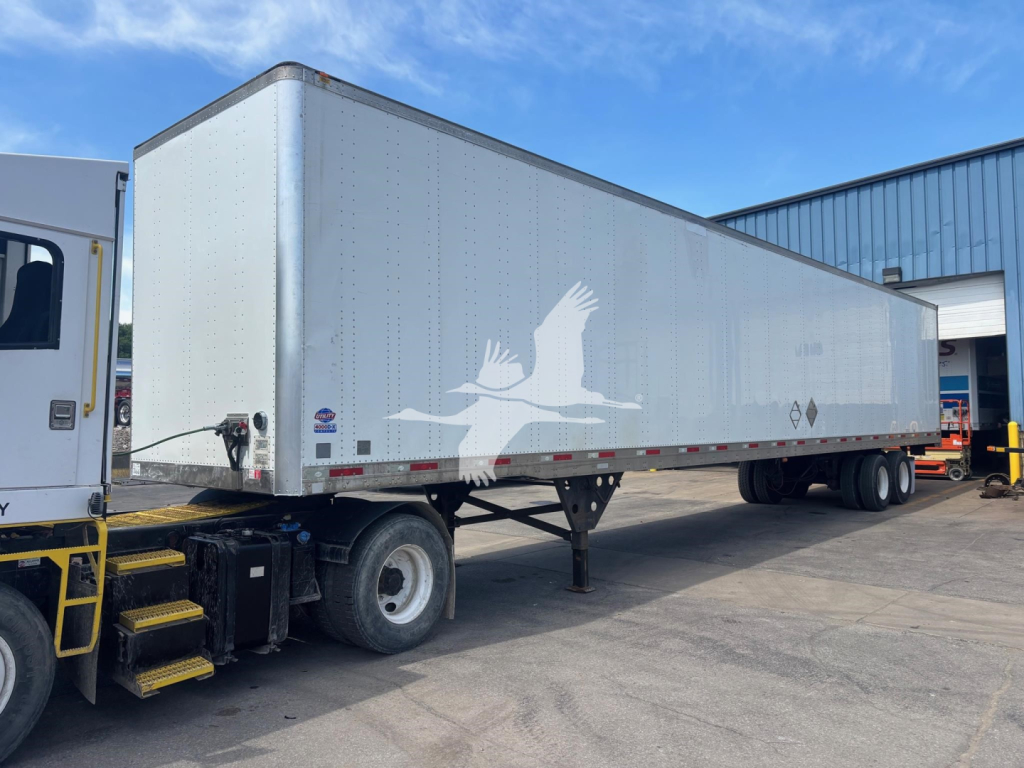
For most buyers, the important decisions start with the body and interior. Utility dry vans are commonly built with sheet-and-post side construction, aluminum roofs, wood floors, and logistics posts on 24-inch spacing. Many trailers also have horizontal E-track, scuff liners, and roll-up or swing rear doors depending on loading style. Roll-up doors can help in tight docks and urban delivery settings where door swing clearance matters. Swing doors are simpler, lighter in some specs, and often preferred for full dock loading. Interior height, door opening height, and inside width matter if you are loading pallets to the ceiling, using load bars, or trying to maximize cubic capacity.
Under the trailer, look closely at suspension type, kingpin setting, crossmember spacing, rear frame material, brakes, tires, and wheel condition. Air ride is popular on Utility vans because it helps protect fragile freight and is widely accepted by shippers handling packaged consumer goods and palletized products. A 36-inch kingpin setting and sliding tandem are common on fleet-style dry vans, but buyers should confirm axle spread and slider travel against the lanes they run. In Pennsylvania and throughout the Northeast, corrosion resistance also matters, so stainless rear frames, roof condition, floor wear, and undercarriage rust deserve careful inspection. Tire size, brake lining percentage, and landing gear condition can quickly affect put-in-service cost.
A Utility van trailer is also known as a dry van trailer or enclosed van trailer, and it is best suited for freight that needs weather protection but not temperature control. It is not the right tool for freight requiring refrigeration, side loading, or overhead crane access, but for standard dock freight it remains one of the most versatile trailer categories on the road. Buyers comparing listings should focus on age, maintenance history, floor integrity, door type, interior logistics equipment, suspension, and any signs of prior heavy forklift damage. A clean, straight dry van with solid floors and good running gear can stay productive for years in regional or over-the-road service.
Frequently Asked Questions about Utility Van Trailers in Pennsylvania
What are the most common specs on a Utility van trailer?
The most common Utility dry van spec is a 53-foot trailer with a 102-inch exterior width and 13-foot 6-inch overall height. Many are equipped with tandem axles, air ride suspension, sliding tandems, wood floors, aluminum roofs, and either swing or roll-up rear doors. Interior features often include logistics posts, scuff liners, and E-track for load securement.
Is air ride important on a dry van trailer?
Air ride is a strong advantage for many dry van applications because it helps reduce cargo shock and vibration. Shippers moving palletized consumer goods, paper products, packaged foods, and other damage-sensitive freight often prefer it. It also tends to be a common fleet requirement, which can help a trailer fit more lanes and customers.
Should I choose swing doors or a roll-up door on a Utility van trailer?
The right door depends on how the trailer will be loaded. Swing doors are common on long-haul and dock-to-dock freight because they provide a full rear opening and simple hardware. Roll-up doors are useful in tighter delivery environments where there is limited room behind the trailer, but they can reduce interior clearance near the roof and add maintenance points.
What should I inspect first on a used Utility dry van?
Start with the floor, roof, sidewalls, rear frame, suspension, brakes, tires, and door operation. Check for soft spots in the wood floor, patched roof areas, forklift damage at the lower sidewalls, worn scuff liners, and corrosion around the rear structure. Buyers should also verify slider operation, landing gear condition, kingpin wear, and brake and tire remaining life because those items can quickly add to operating cost.
What freight is a Utility van trailer best suited for?
A Utility van trailer is best for dry freight that needs full weather protection and secure enclosed transport. Typical loads include boxed goods, palletized retail freight, paper, packaged foods, household products, and general warehouse freight. It is a versatile trailer category for dock loading, regional distribution, and over-the-road work, but it is not designed for refrigerated cargo or freight requiring open-deck access.