
2018 Van Trailers For Sale in Pennsylvania
Browse 2018 van trailers for sale in Pennsylvania. Compare 53-foot dry vans, air-ride sliders, swing doors, flooring, and trailer specs.
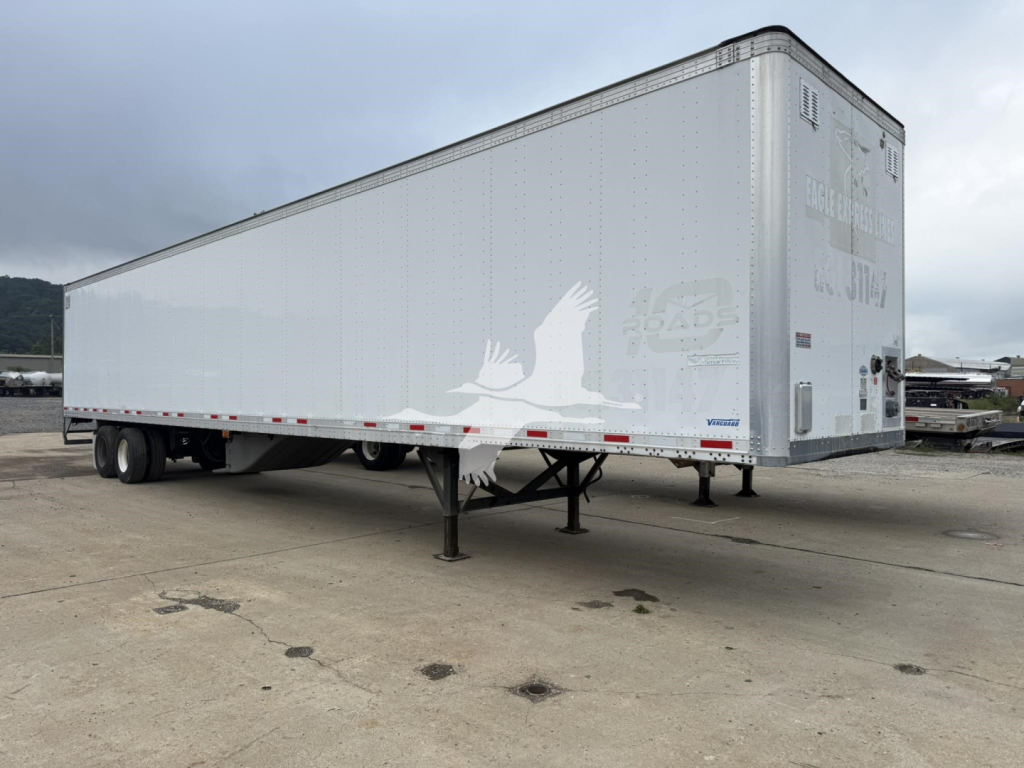
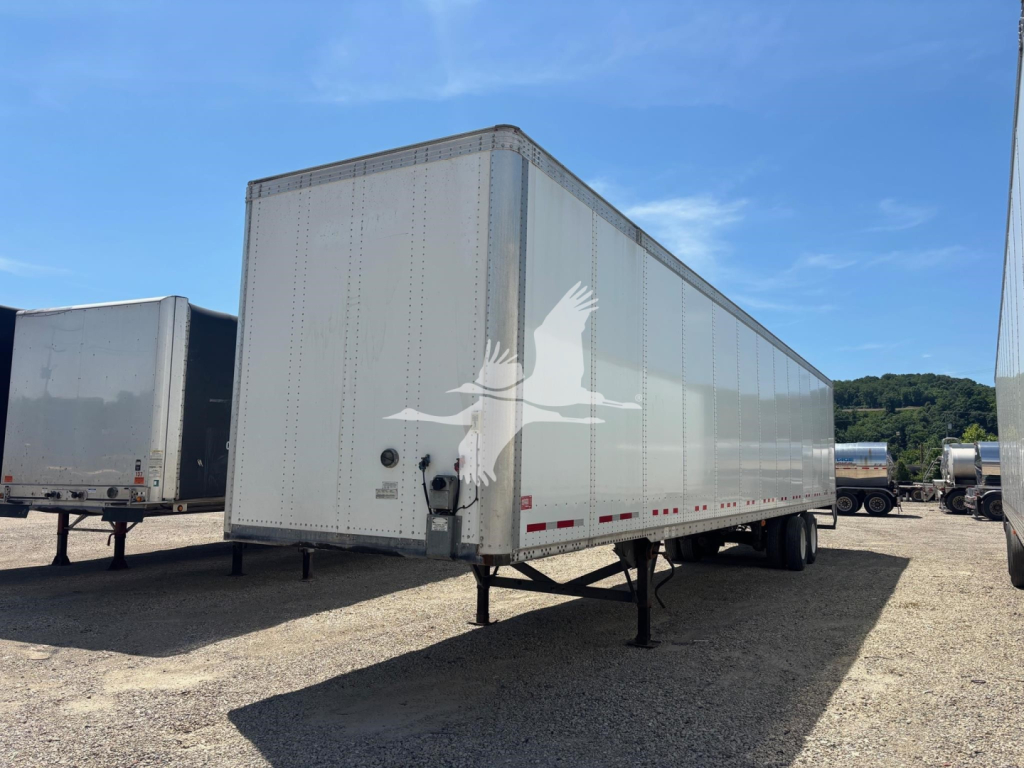
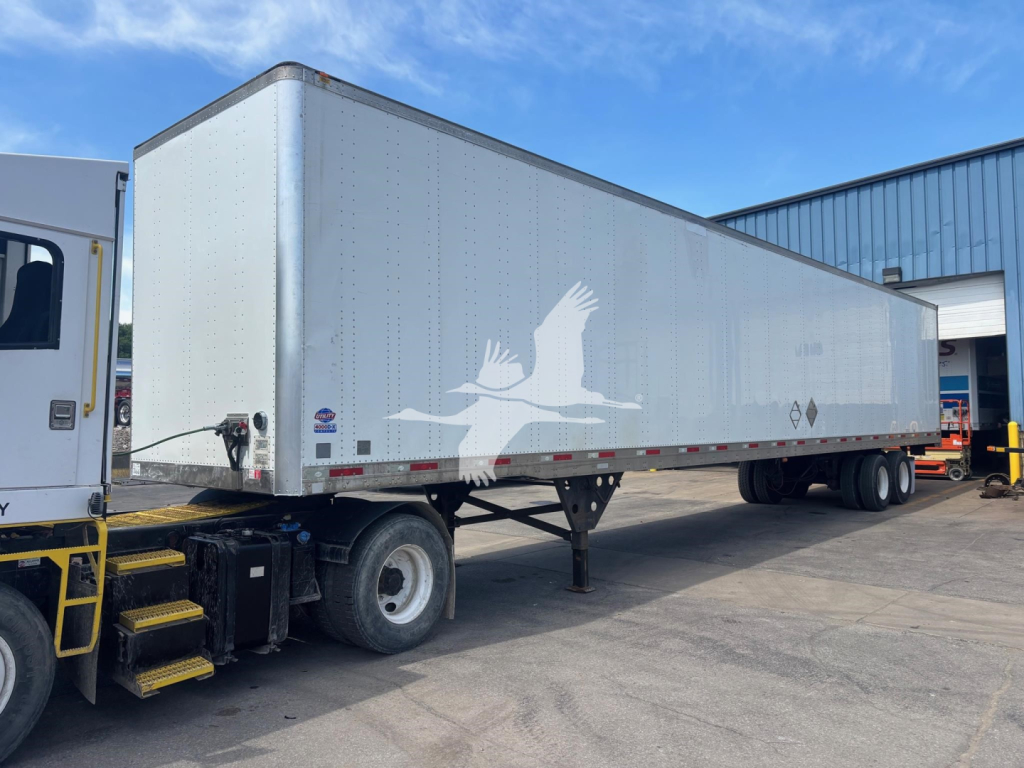
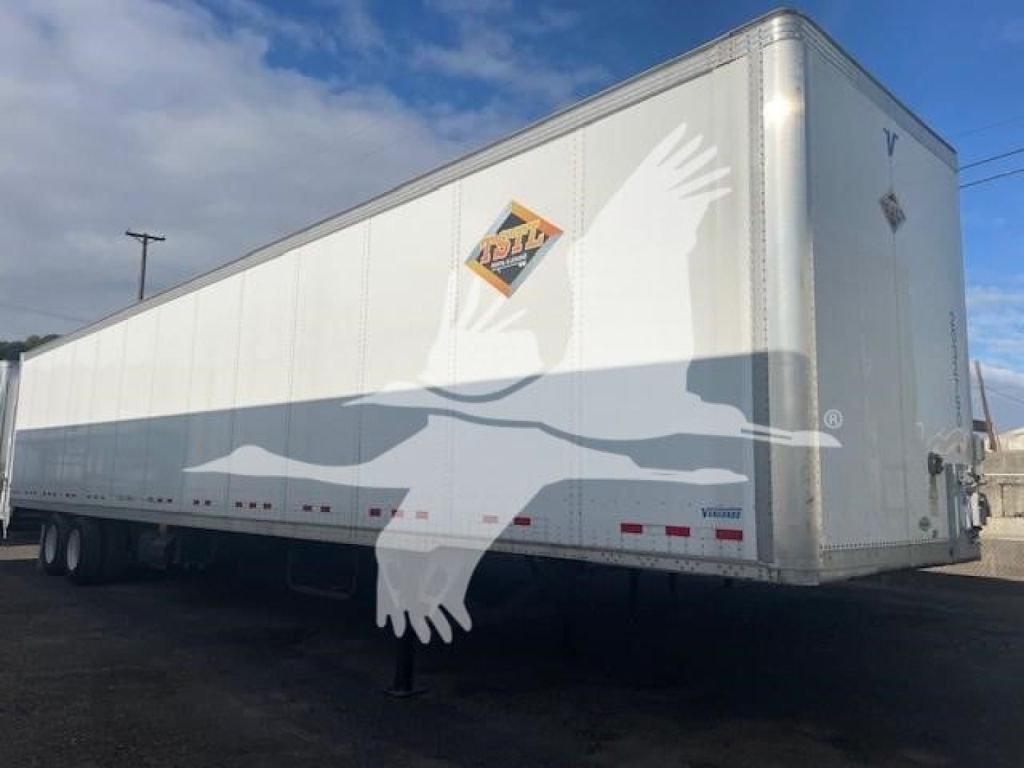
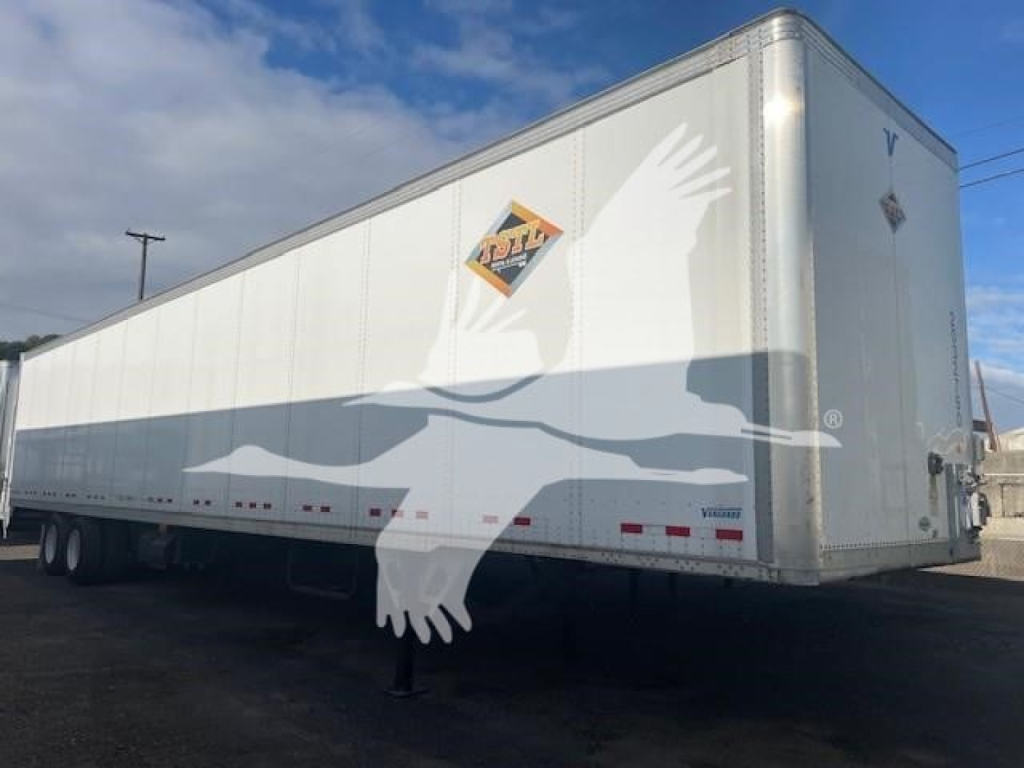
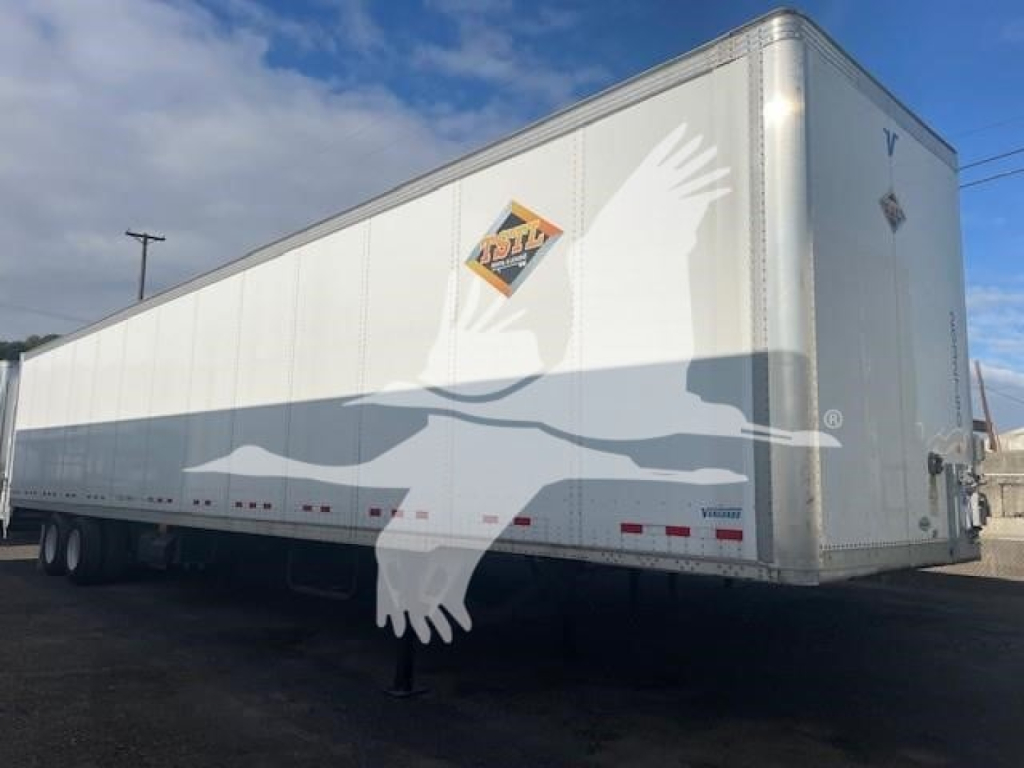
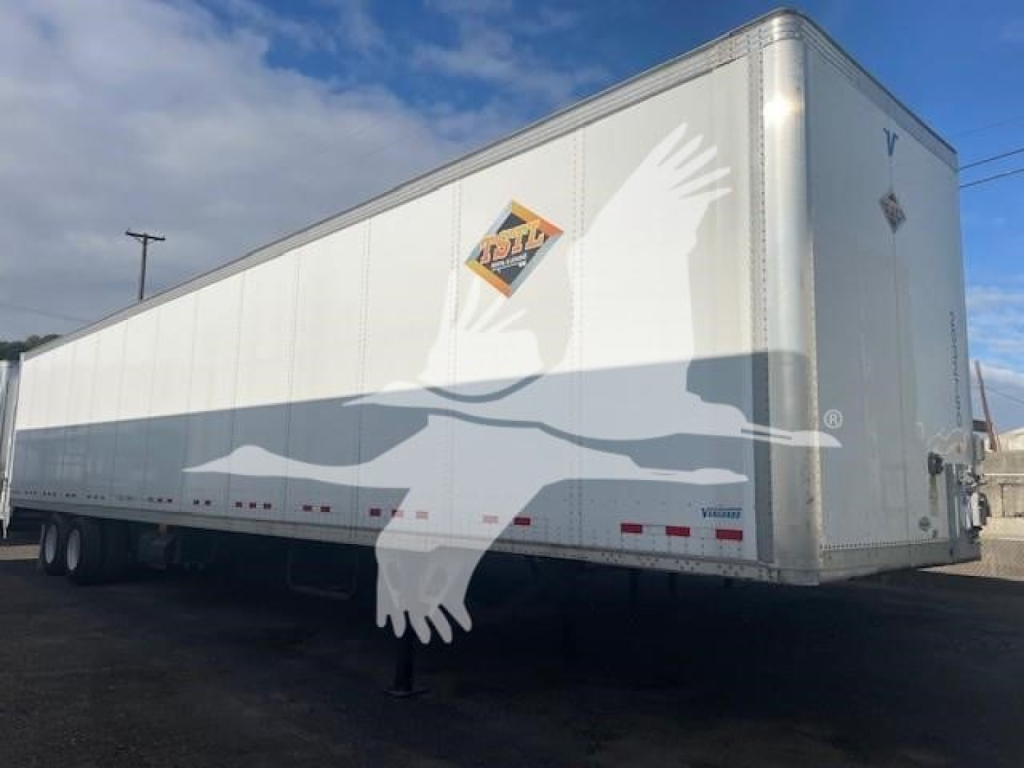
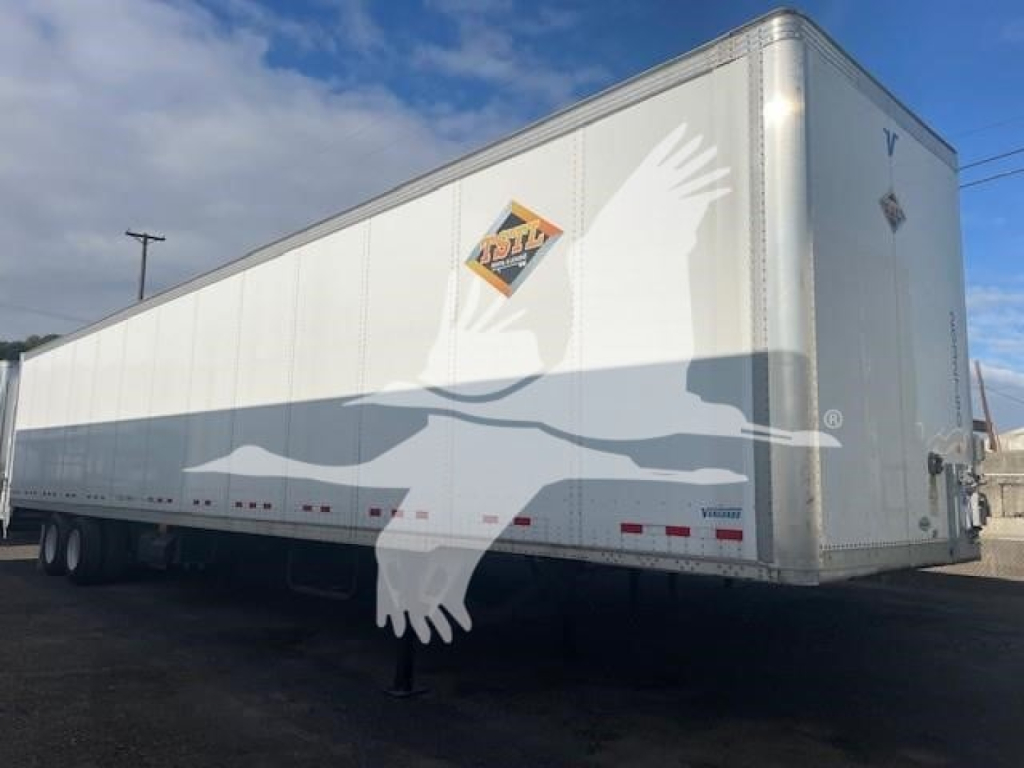
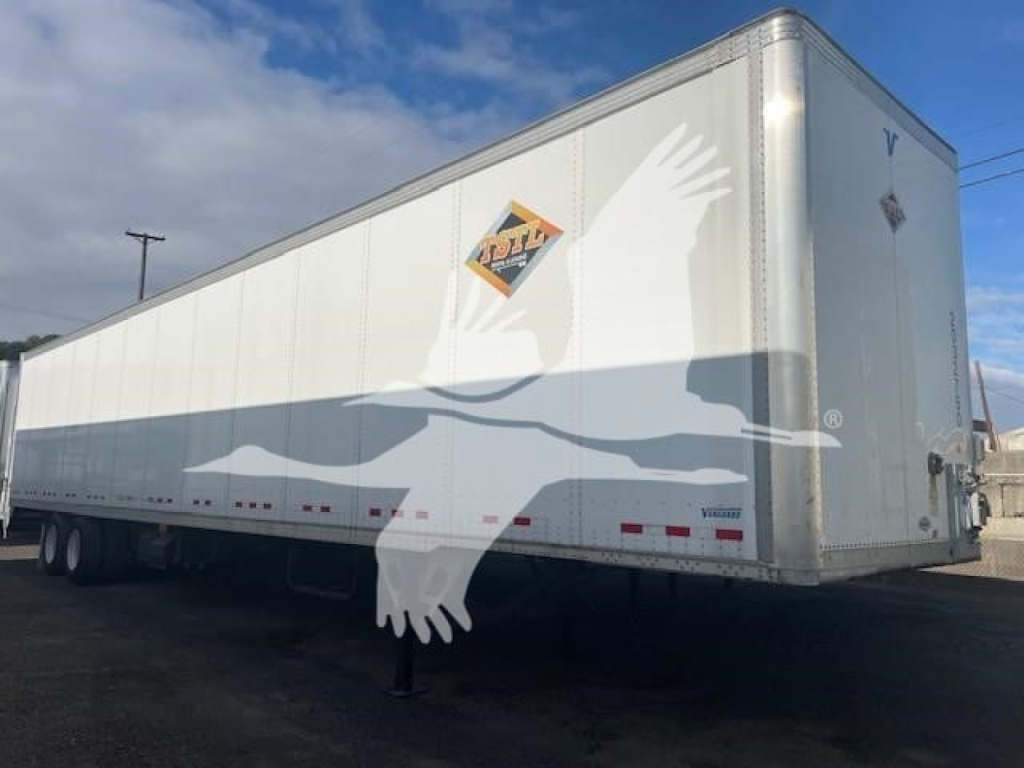
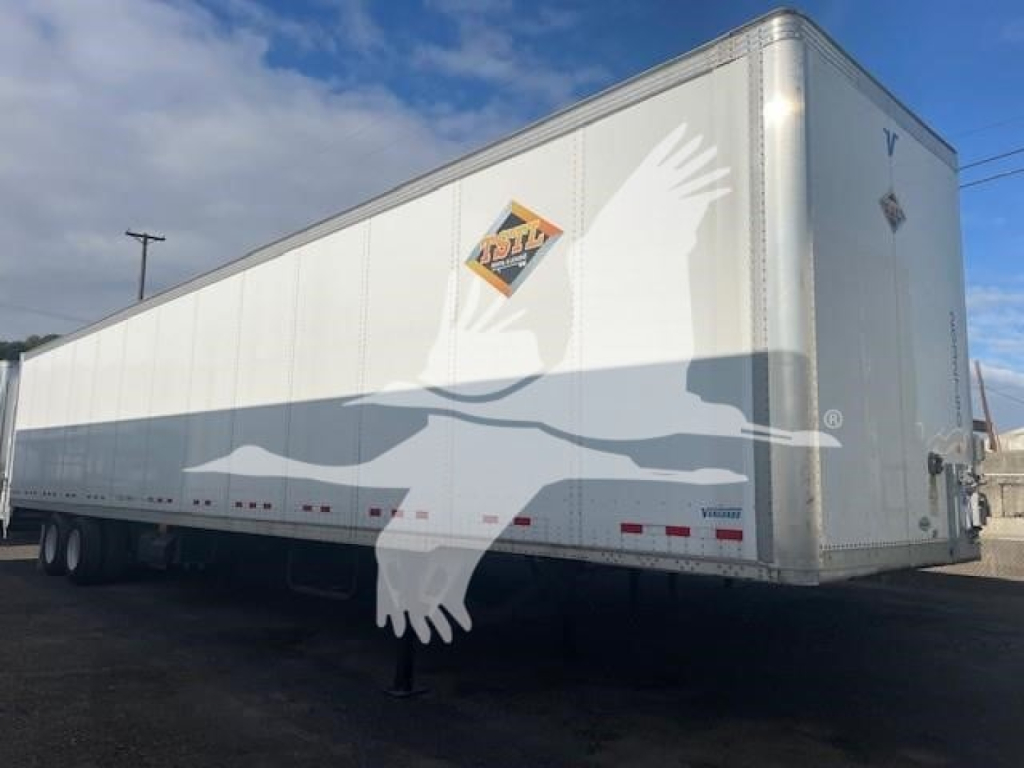
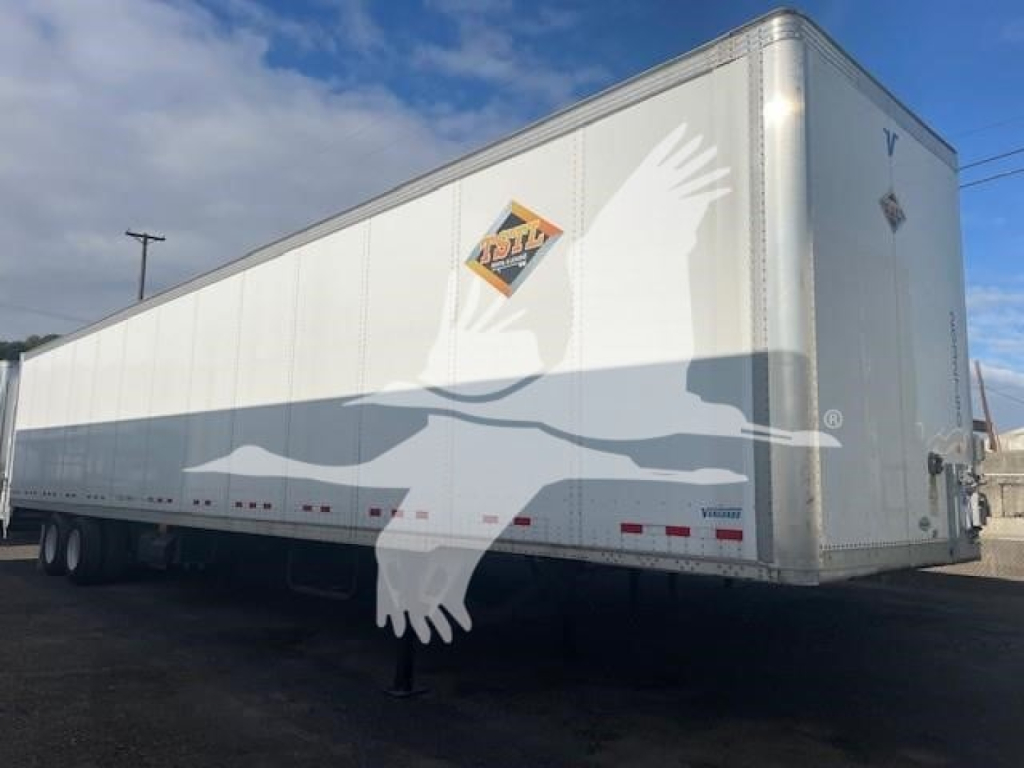
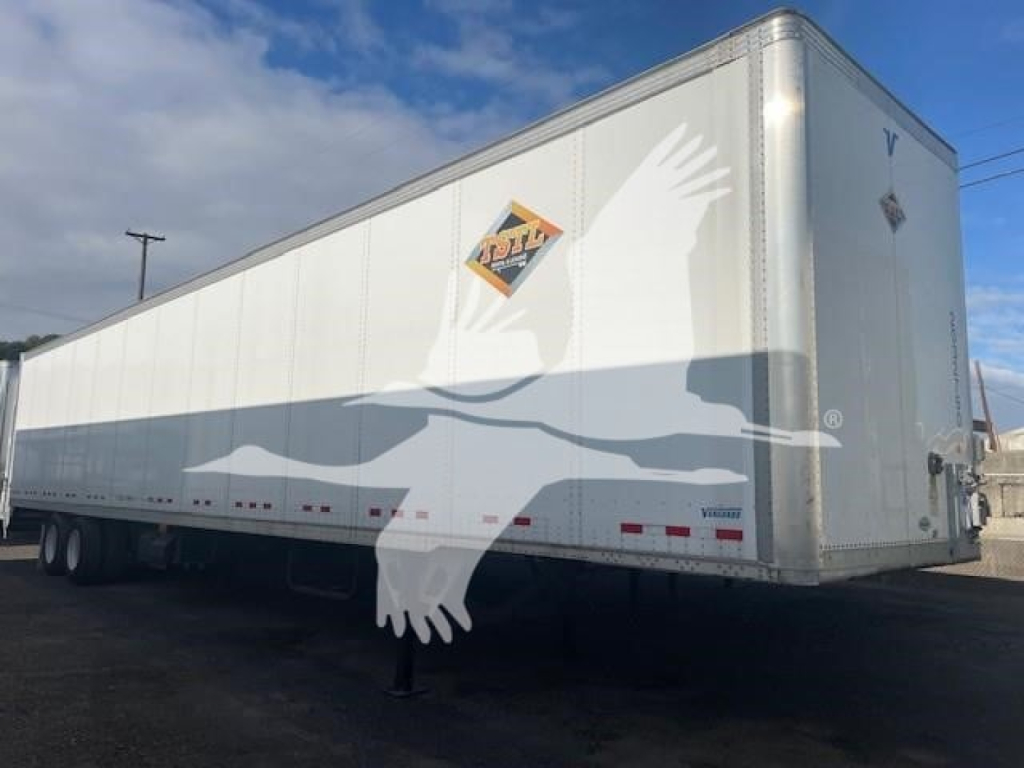
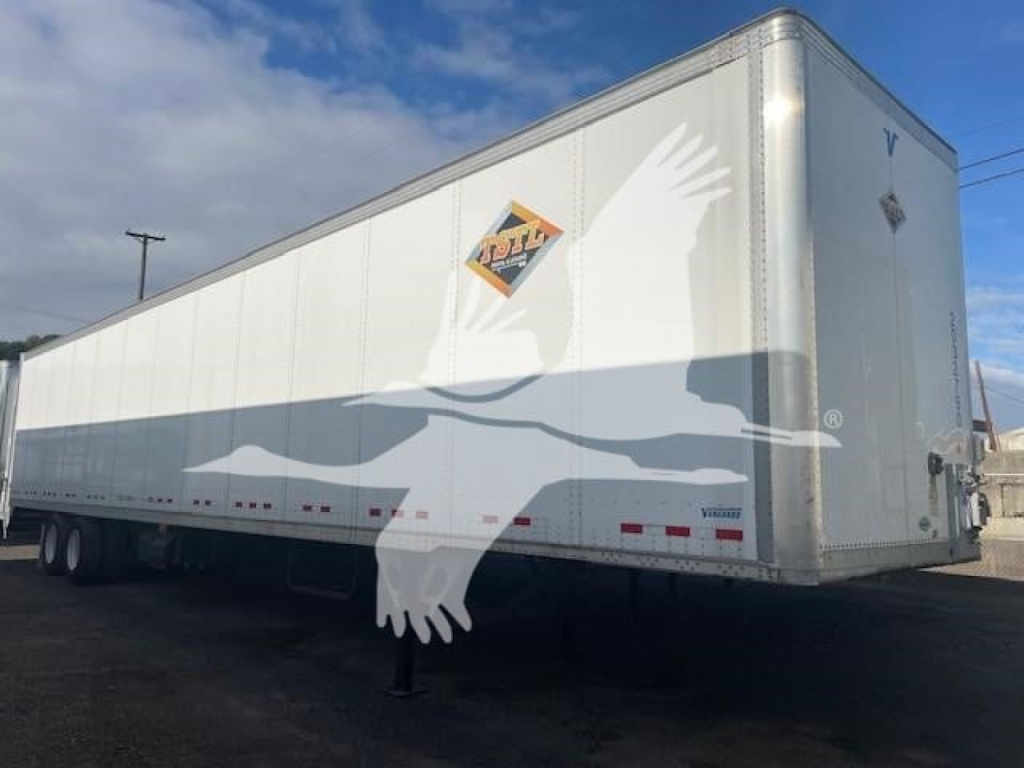
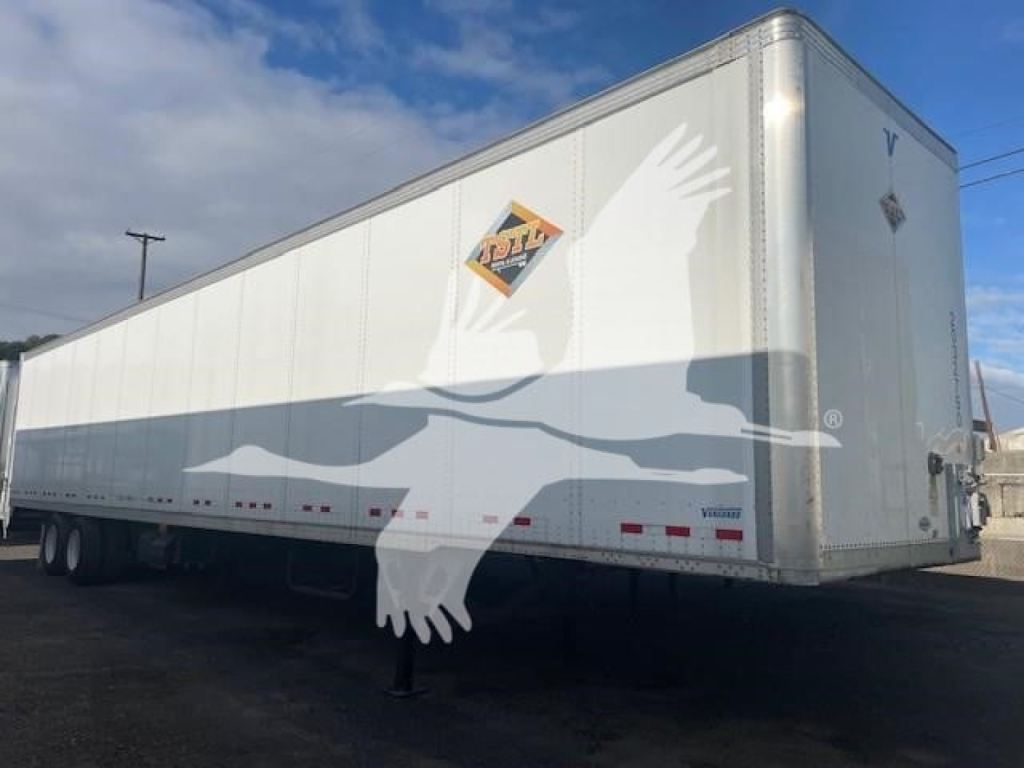
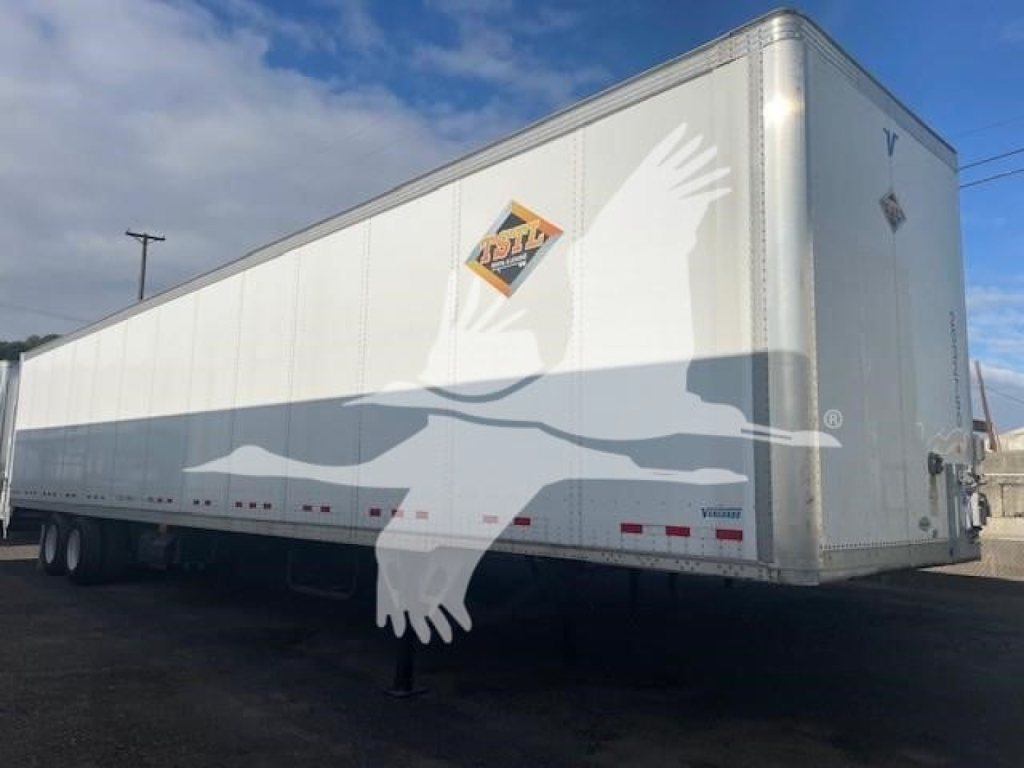
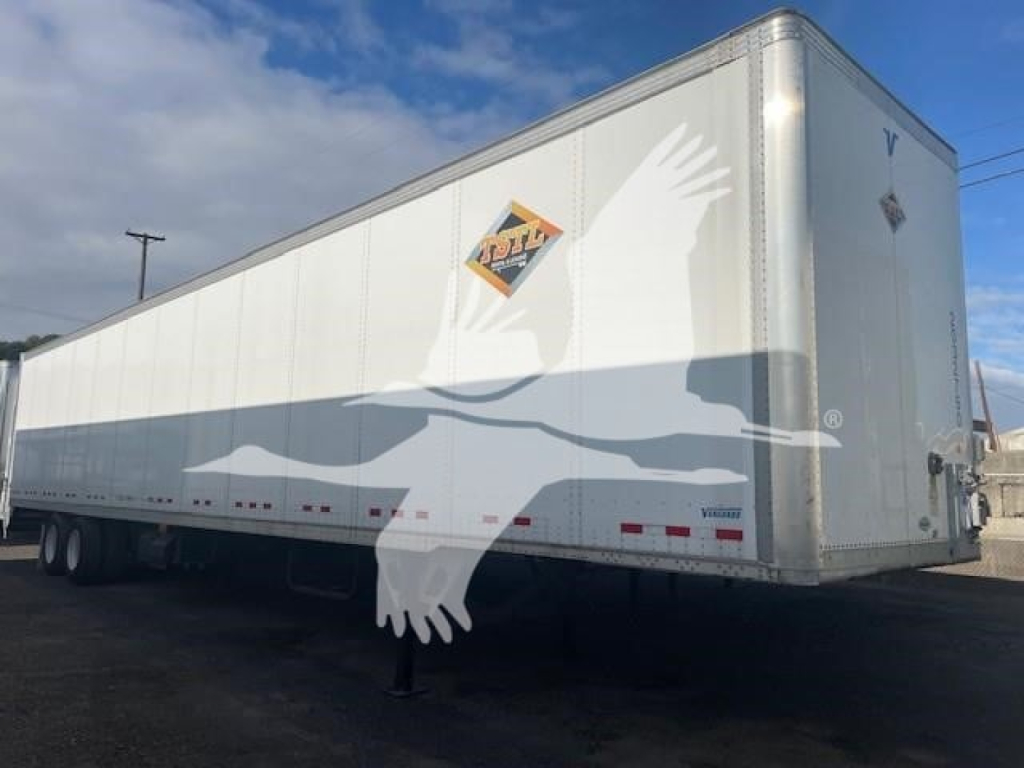
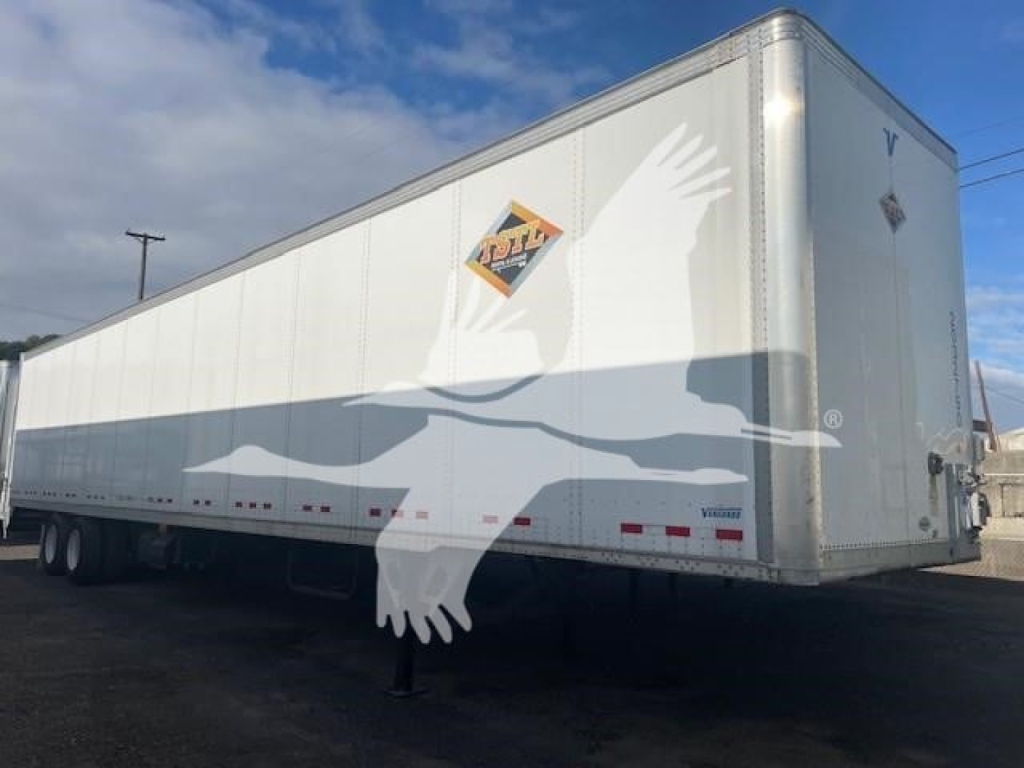
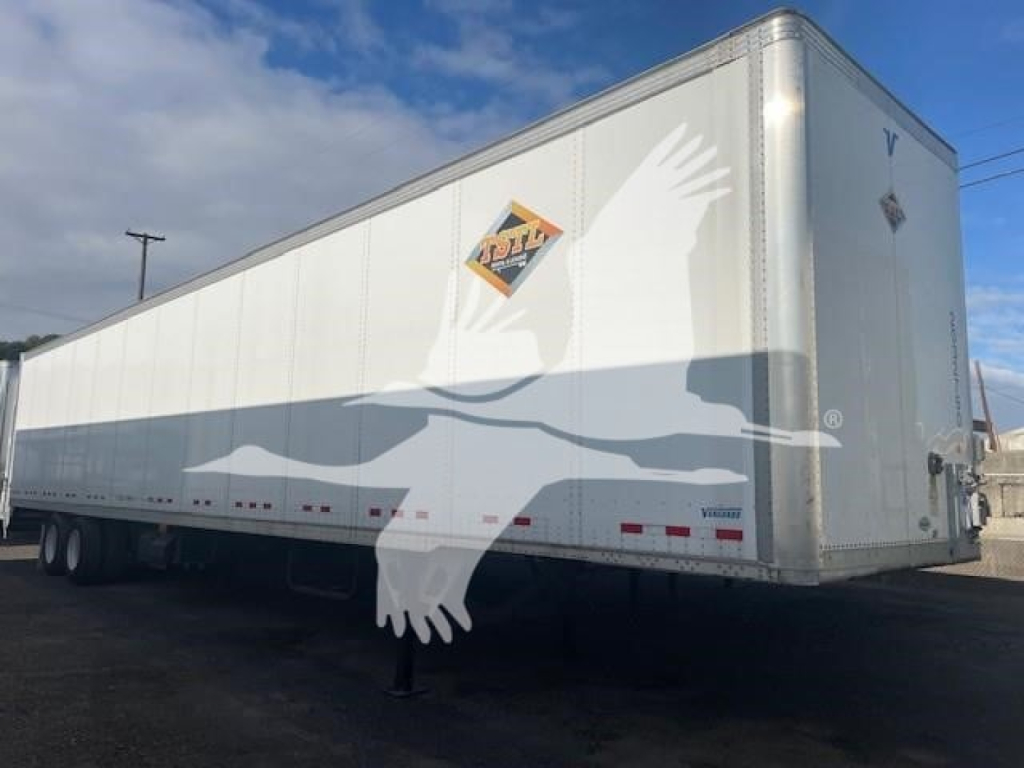
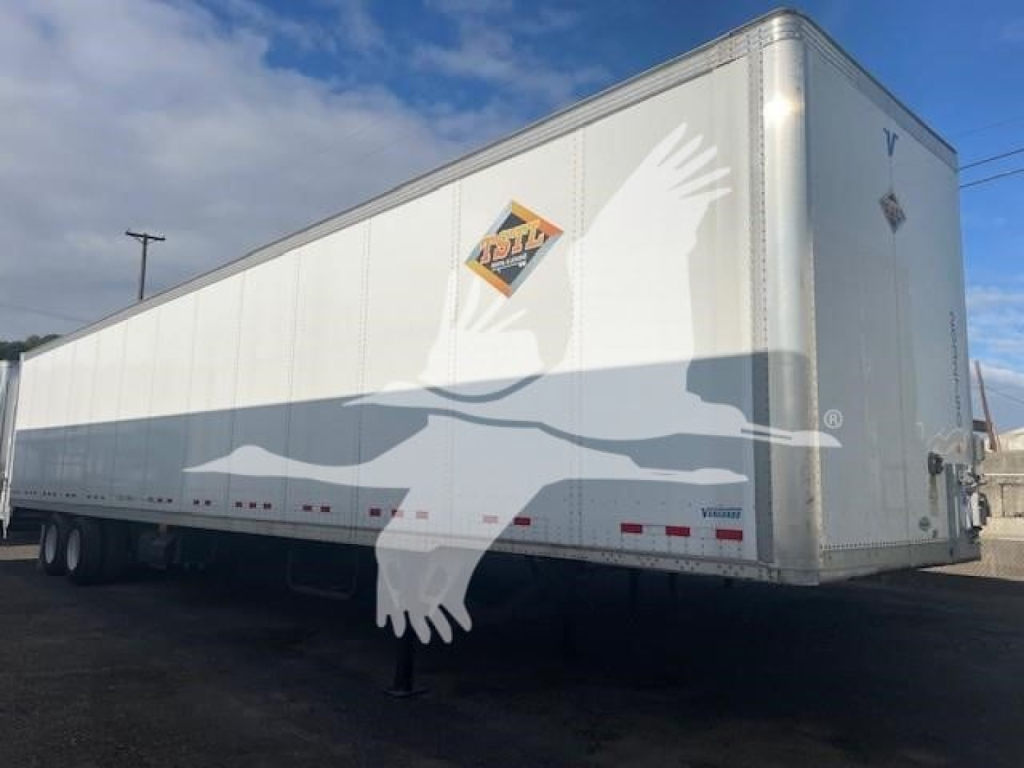
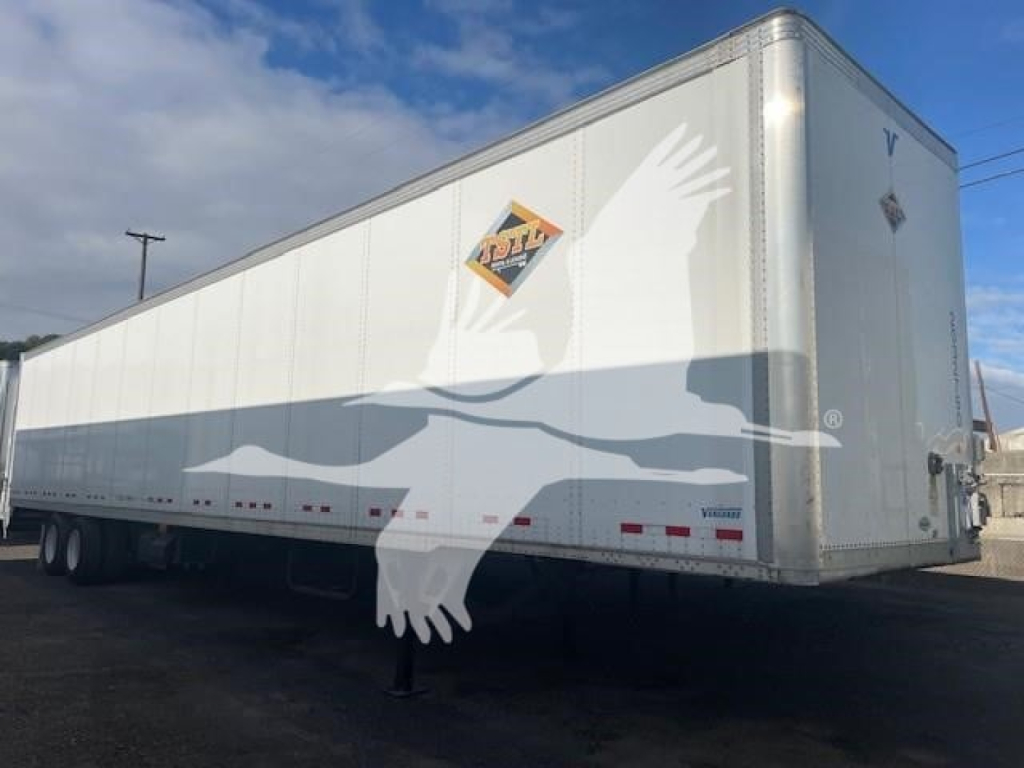
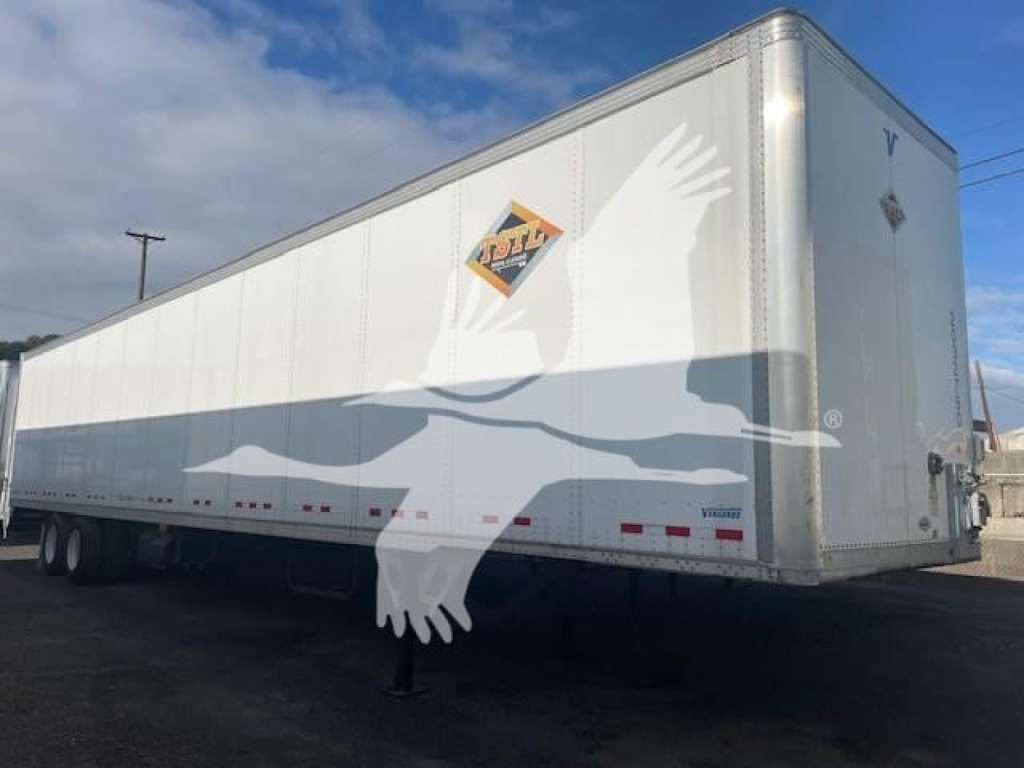
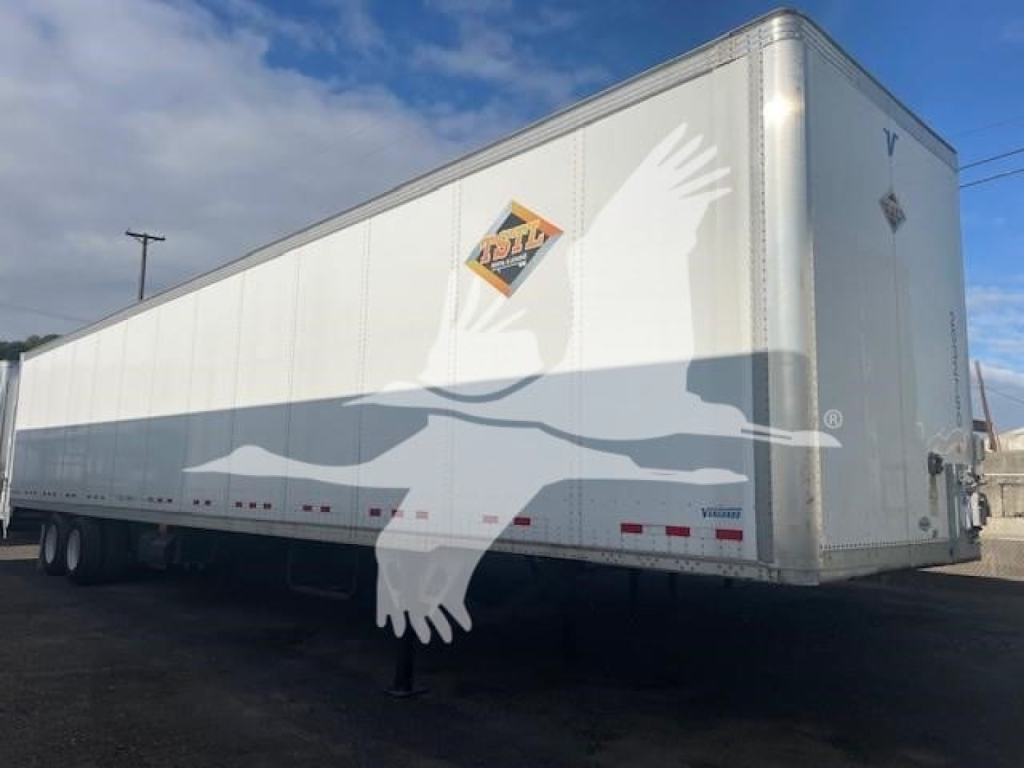
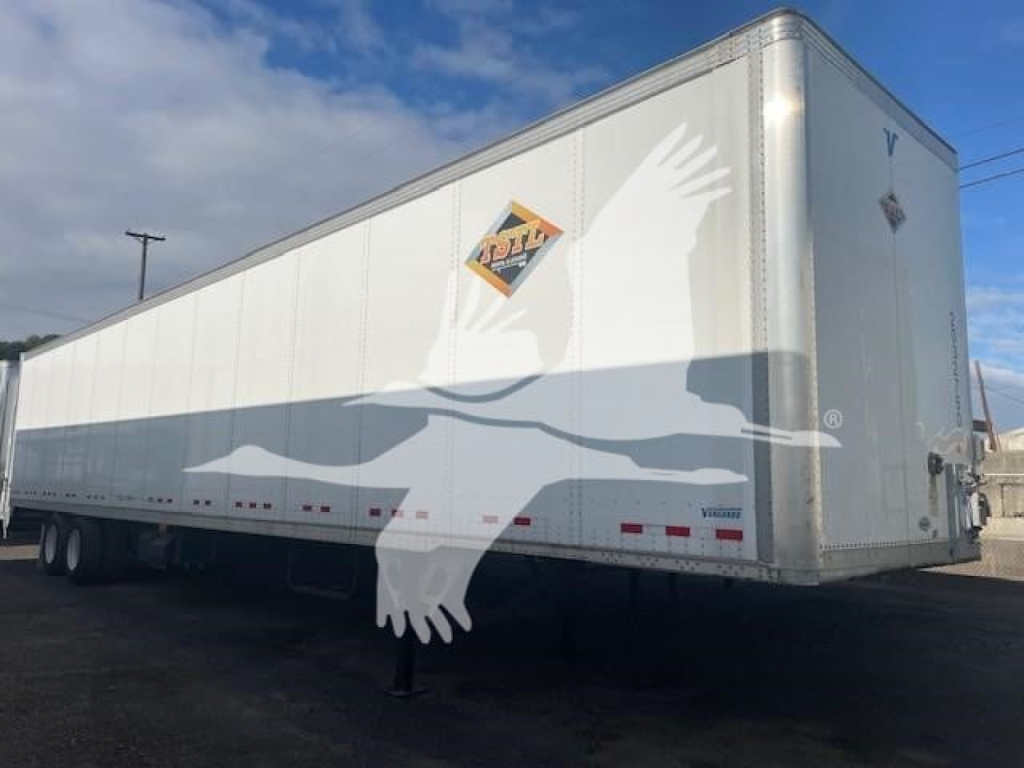
Have 2018 van trailer to sell? List it here to reach thousands of buyers.
2018 Van Trailers in Pennsylvania
Construction details make a real difference on a used van trailer. Many 2018 models use plate or composite sidewalls, galvanized rear frames, galvanized threshold components, aluminum roofs, and hardwood flooring such as 1 3/8-inch oak. Buyers should pay close attention to floor fastener condition, crossmember spacing, rear frame corrosion, roof bow integrity, and the condition of the swing doors and hinges. Interior specs like scuff liners, logistics posts, nose lining, and internal bulkheads also affect day-to-day usability, especially if the trailer will handle mixed freight, load bars, or frequent forklift loading.
A typical 2018 dry van trailer, also known as a box trailer or enclosed van trailer, is built for dock-high freight operations and general commodity hauling. Common specs include a kingpin setting around 36 inches, tire sizes like 295/75R22.5, and 49-inch slider settings with long slide rails. In Pennsylvania, that slider flexibility can help carriers balance axle weights on dense freight and stay compliant across state routes, turnpikes, and multi-state Northeast lanes. Swing doors remain a common choice for fleet work because they are durable, straightforward to service, and familiar at most shipping and receiving points.
When comparing listings, the best value usually comes from matching trailer build to freight profile instead of shopping by price alone. Plate vans can be a strong fit for higher abuse operations, while sheet-and-post designs may work well in lighter general freight service. Check for dock-lock compatible bumpers, landing gear condition, brake and ABS service history, tire wear across the slider range, and signs of sidewall repairs from yard damage. A well-maintained 2018 van trailer can still deliver solid cube, dependable weather protection, and low-cost freight capacity for regional or over-the-road service.
Frequently Asked Questions about 2018 Van Trailers in Pennsylvania
What are the most common specs on a 2018 van trailer?
Most 2018 van trailers on the market are 53 feet long, 102 inches wide, and 13 feet 6 inches tall with tandem axles. Common features include air-ride suspension, a sliding tandem, swing rear doors, aluminum roofs, hardwood floors, and standard 295/75R22.5 tires. Many also include logistics posts, scuff liners, and galvanized rear frame components for durability in fleet service.
Is a 2018 dry van trailer still a good buy for freight hauling?
Yes, a 2018 dry van can still be a strong value if the structure and running gear have been maintained properly. Buyers should focus less on age alone and more on floor condition, suspension wear, roof and sidewall integrity, door alignment, brake condition, and corrosion around the rear frame and threshold. A sound trailer from this model year can remain productive in regional and over-the-road service for many years.
What should I inspect first on a used 2018 van trailer?
Start with the floor, rear frame, roof, doors, and suspension. Check for soft or damaged floorboards, cracked crossmembers, rust around the rear sill and bumper area, leaking roof seams, hinge wear, and uneven tire wear that may indicate alignment or suspension issues. Also review slider operation, landing gear function, ABS status, and any visible repairs to side panels or nose structure.
Why does a sliding tandem matter on a van trailer in Pennsylvania?
A sliding tandem helps adjust axle distribution for bridge law compliance and freight balance, which is especially useful on dense palletized loads. In Pennsylvania and throughout the Northeast, where routes, customer yards, and weight distribution needs can vary from load to load, a functional slider adds flexibility and can help reduce operational headaches. It also improves trailer positioning at certain docks and in tighter delivery environments.
What is the difference between a plate van and a sheet-and-post van?
A plate van uses stronger side panels that generally hold up better in tougher fleet environments with more dock contact and forklift traffic. A sheet-and-post van uses side sheets supported by posts and can be a practical option for standard dry freight applications. The better choice depends on how the trailer will be loaded, how rough the operating environment is, and how important sidewall durability is to the fleet.