
2018 Van Trailers For Sale
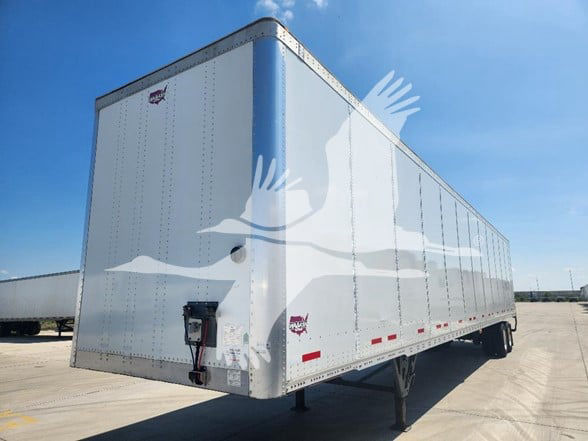
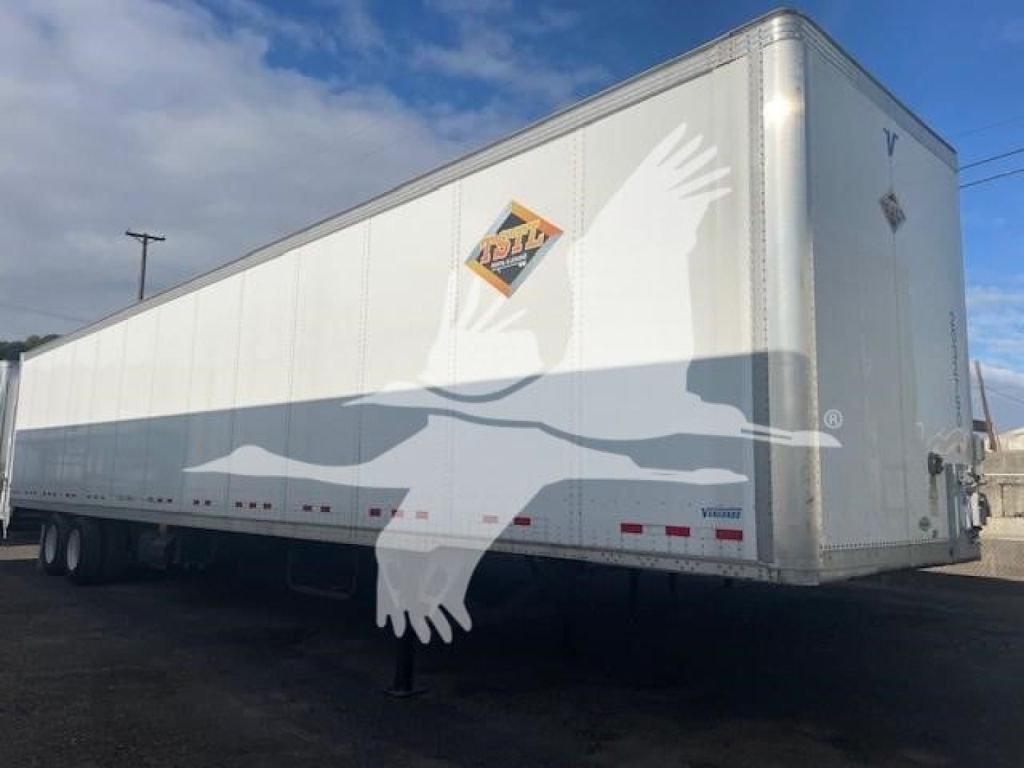
Shop 2018 van trailers for sale, including 53-foot dry vans with swing or roll-up doors, air-ride suspensions, logistics posts, and fleet-ready specs.
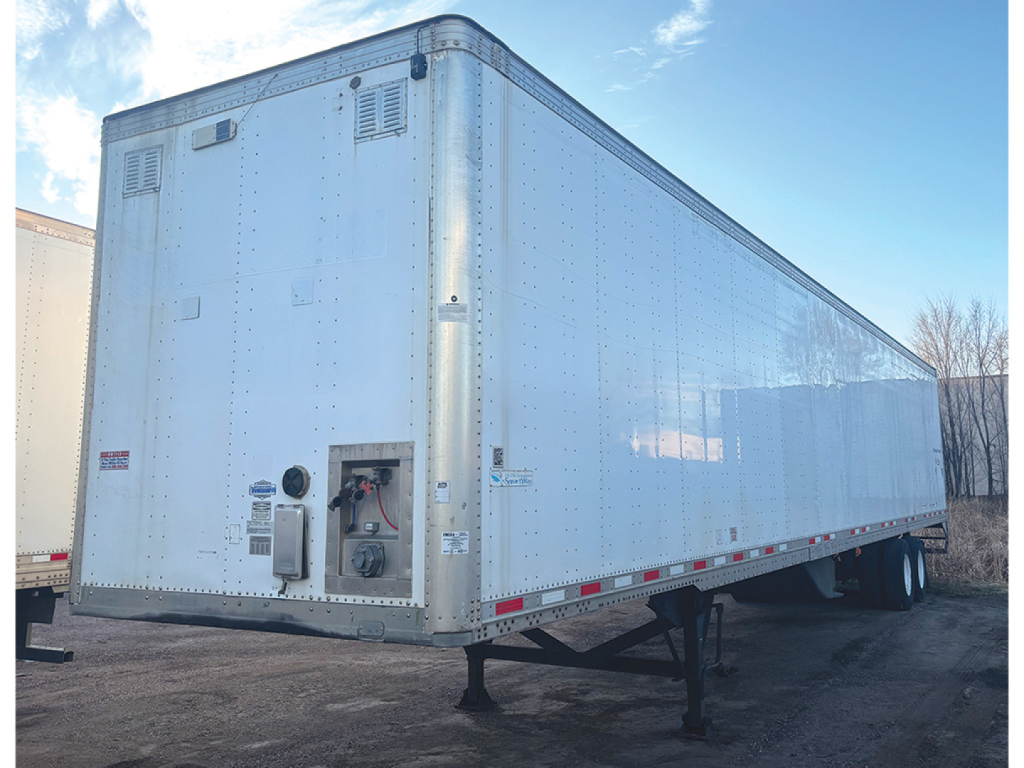
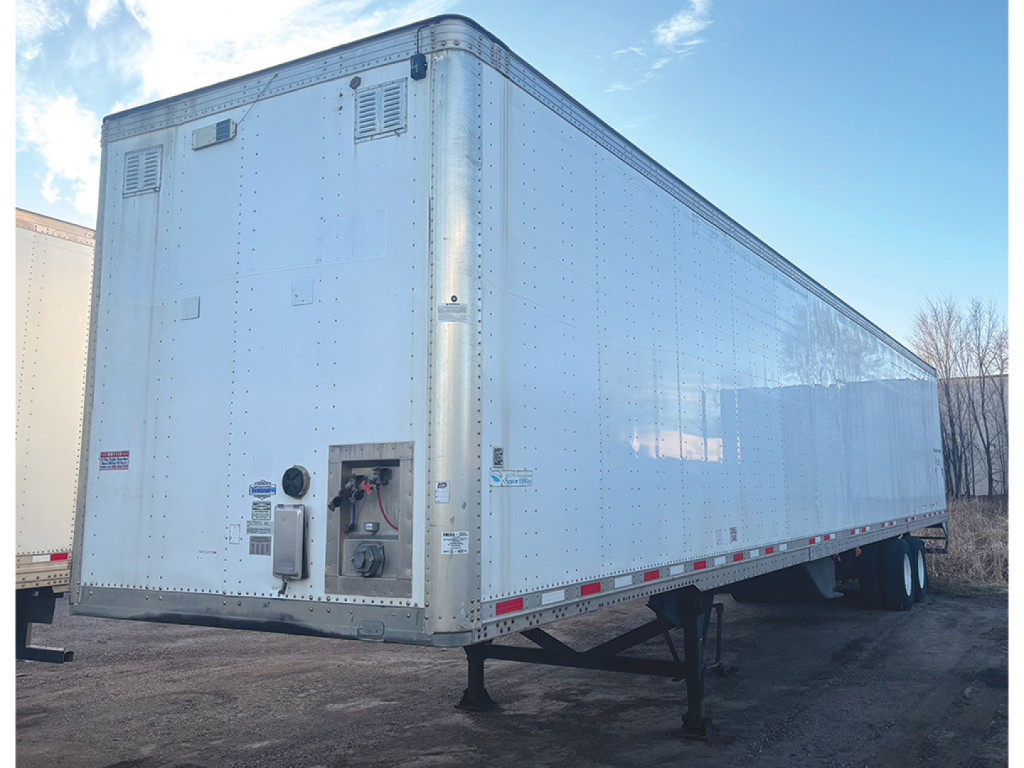
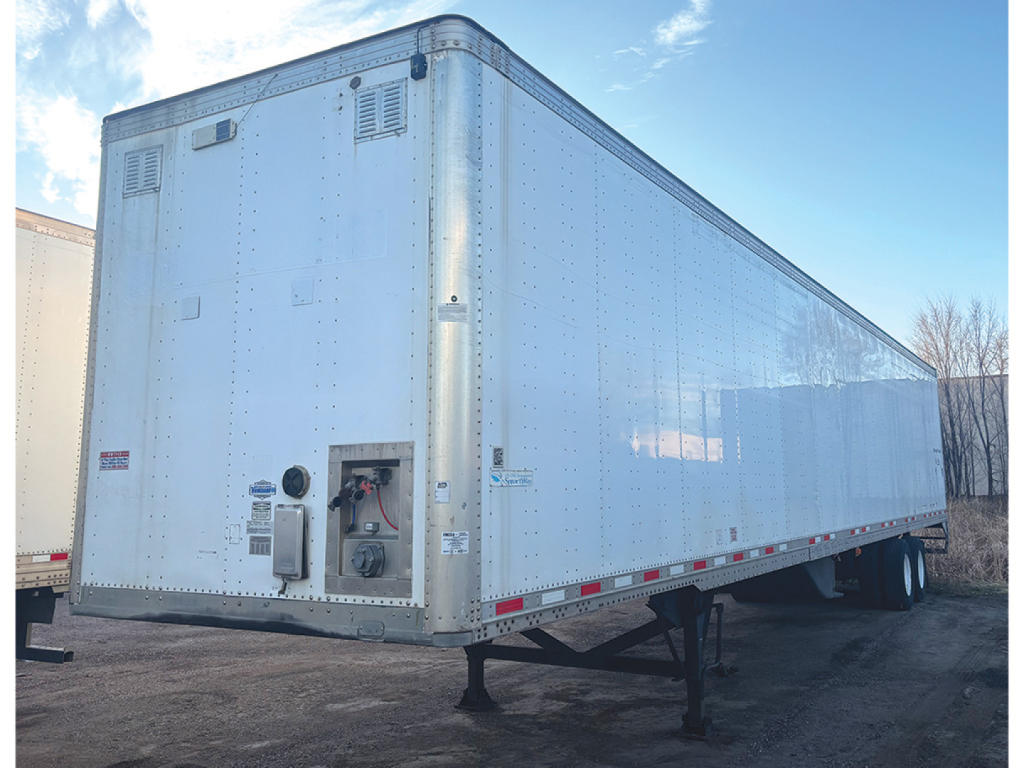
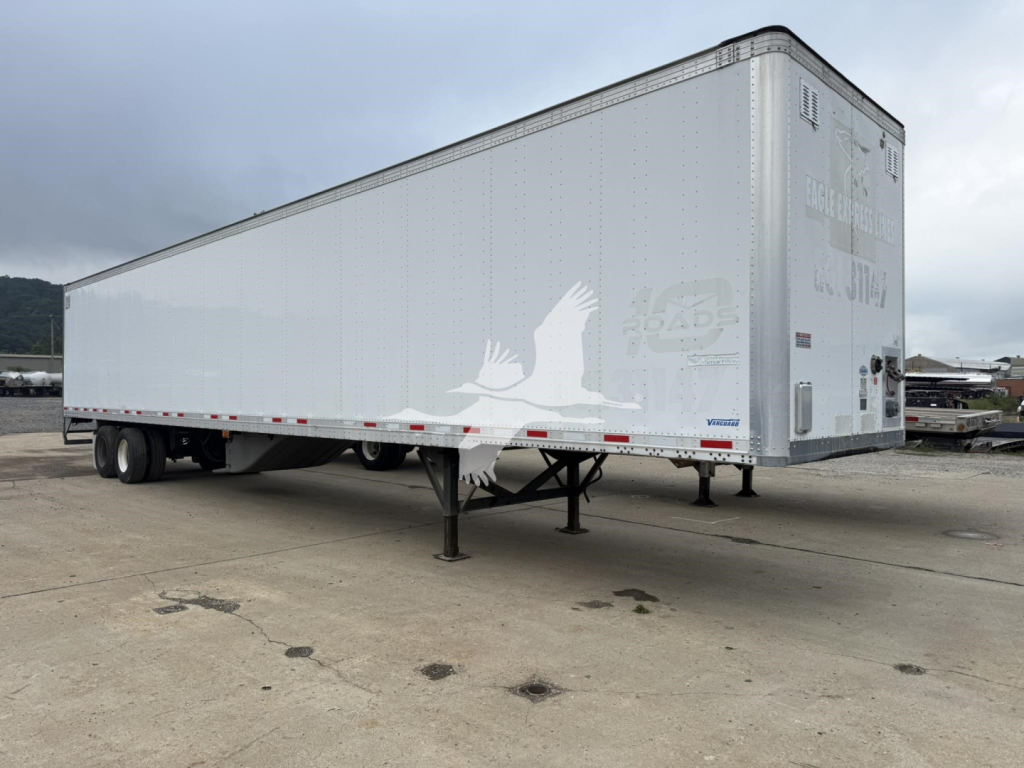
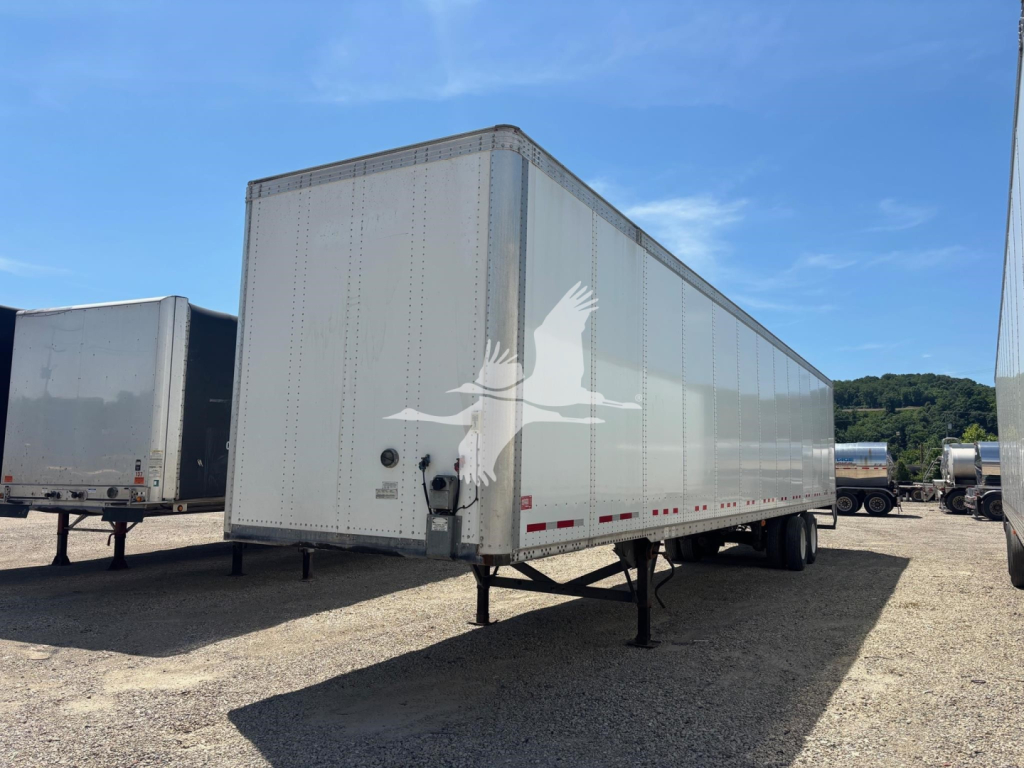
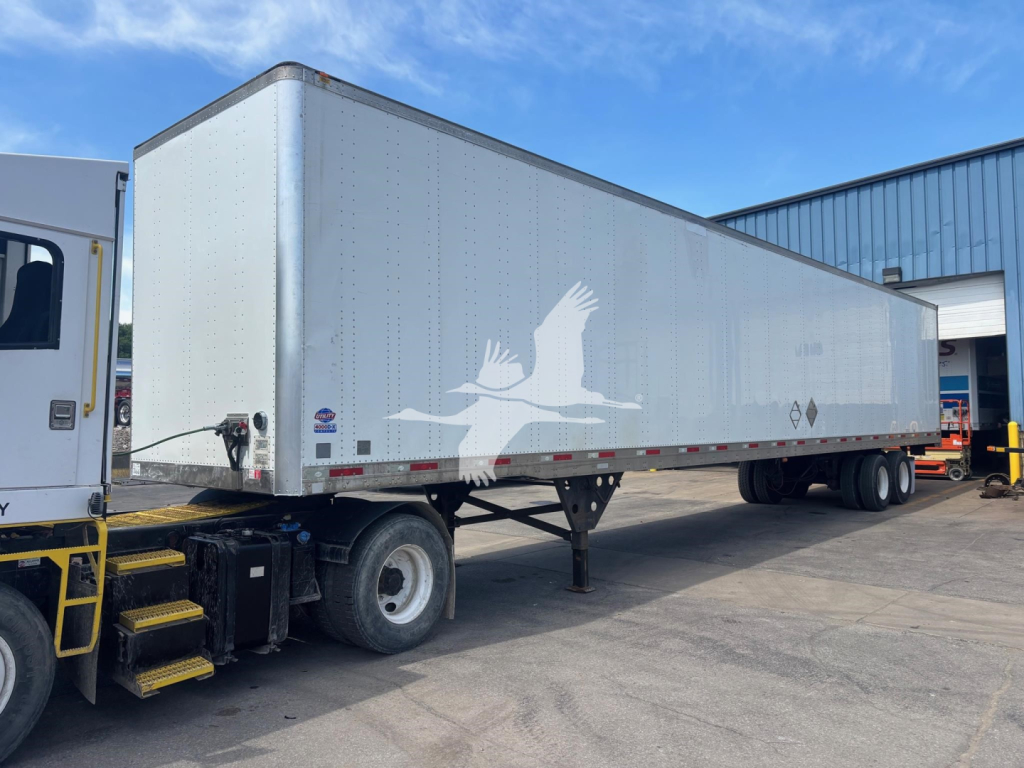
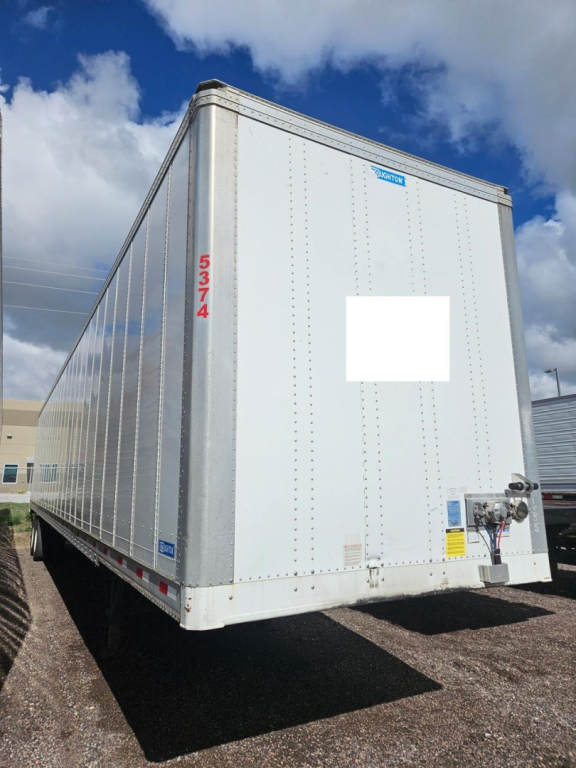
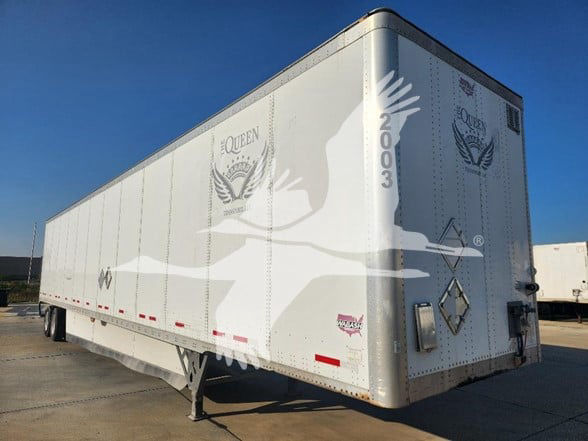
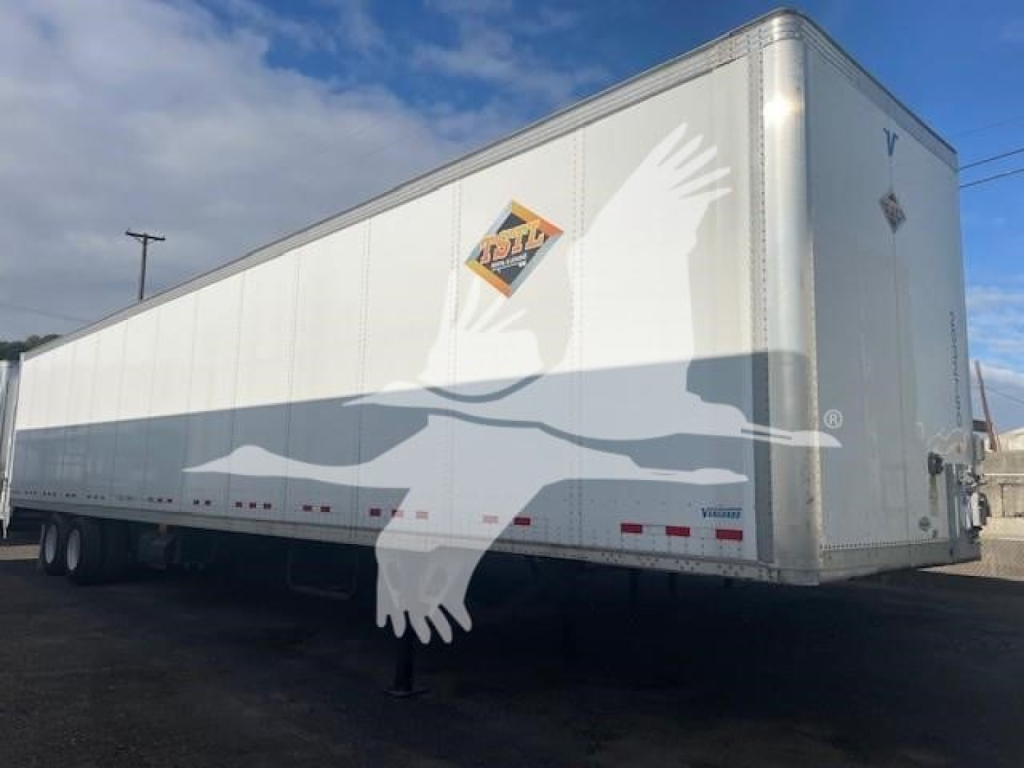
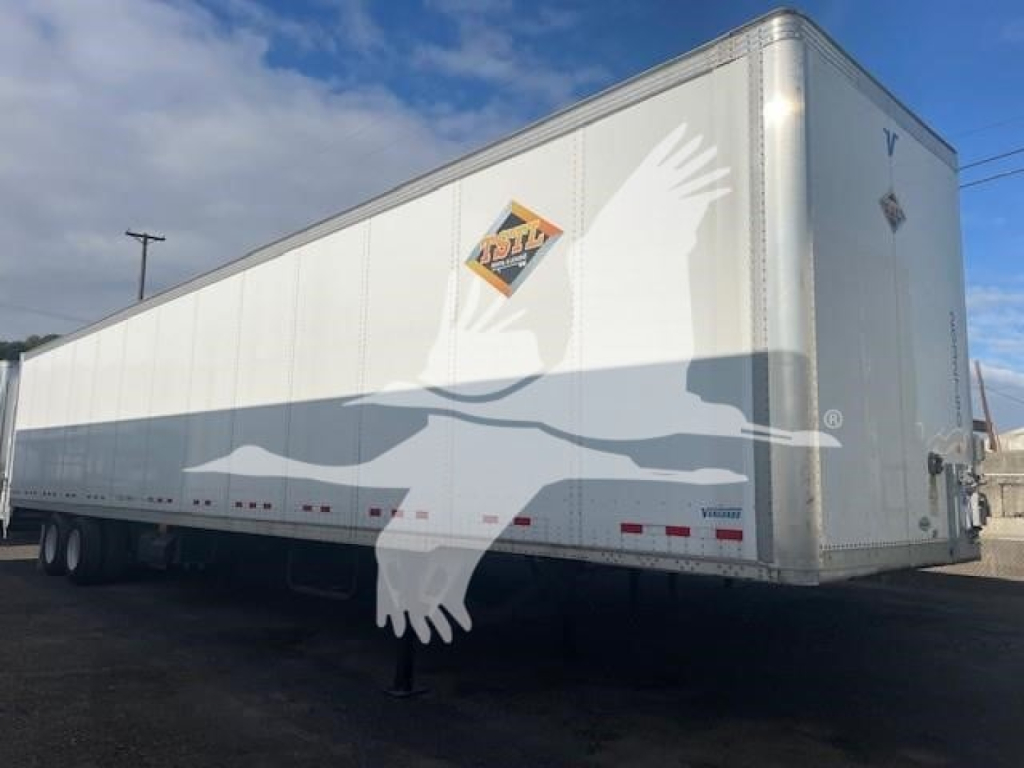
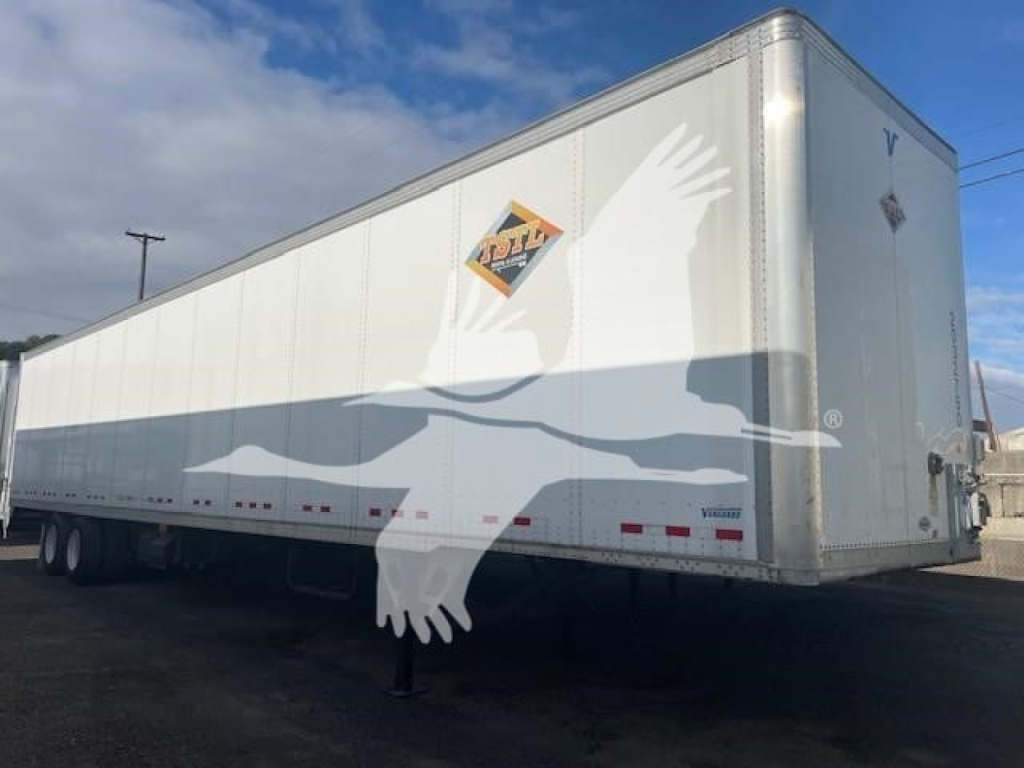
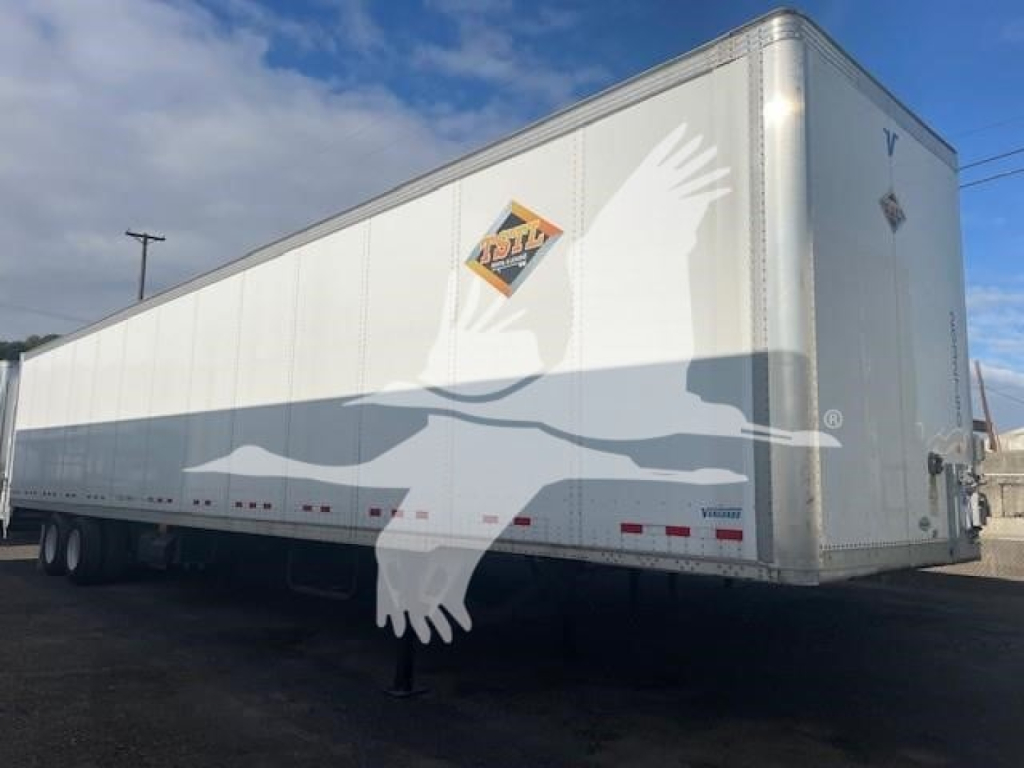
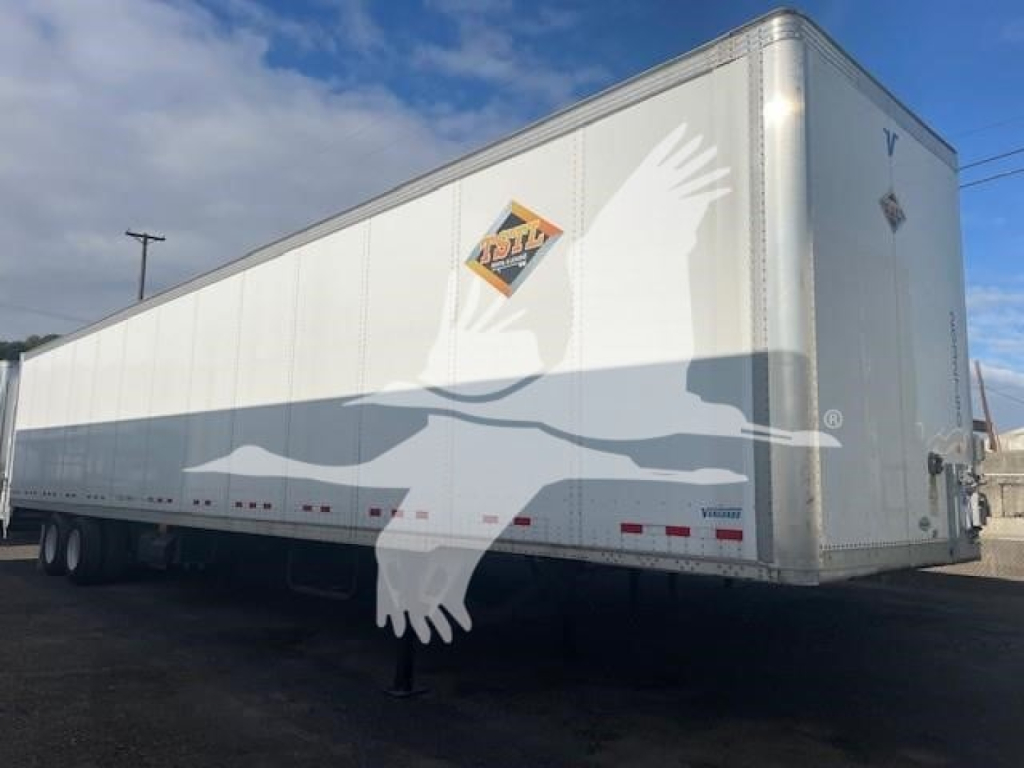
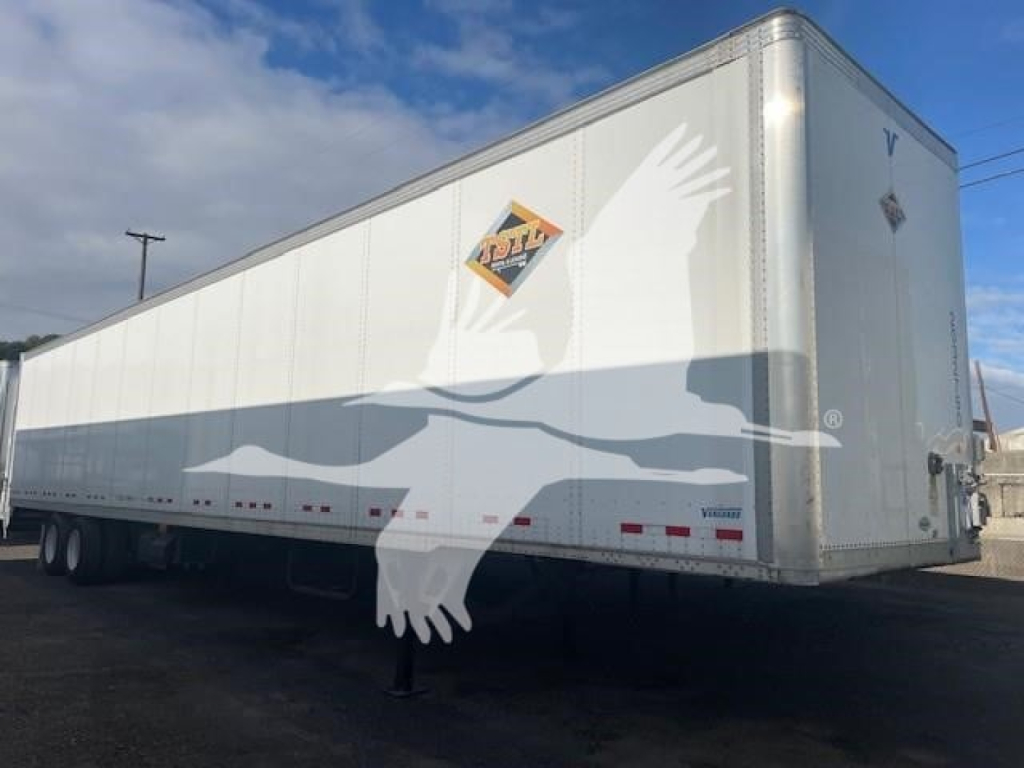
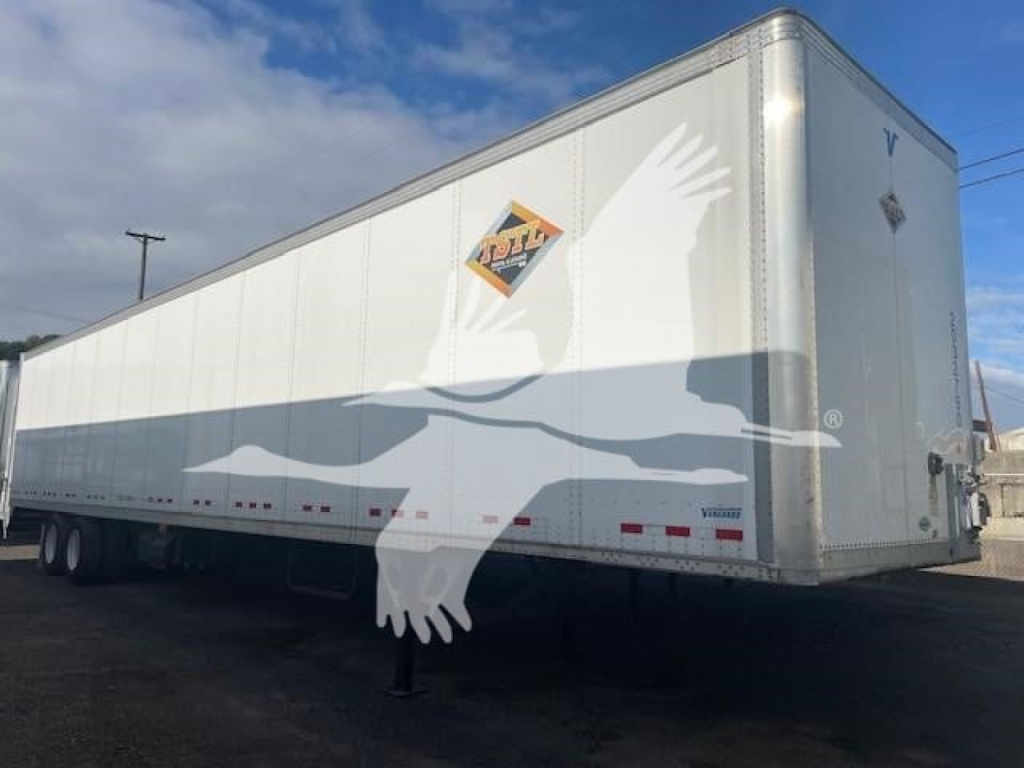
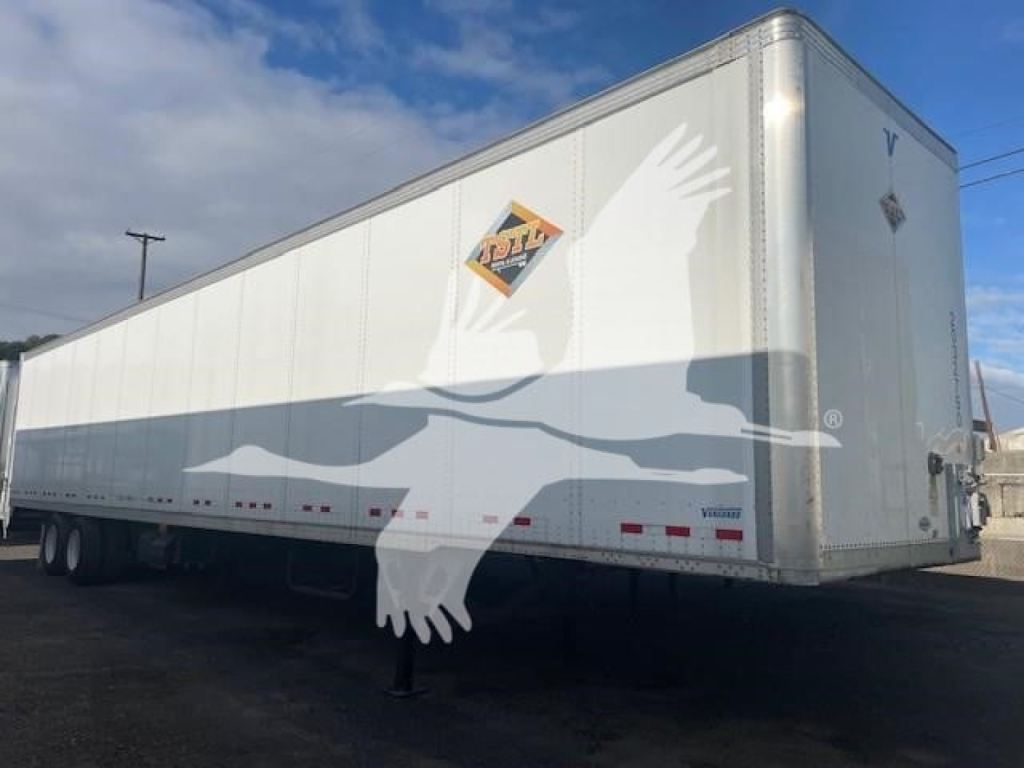
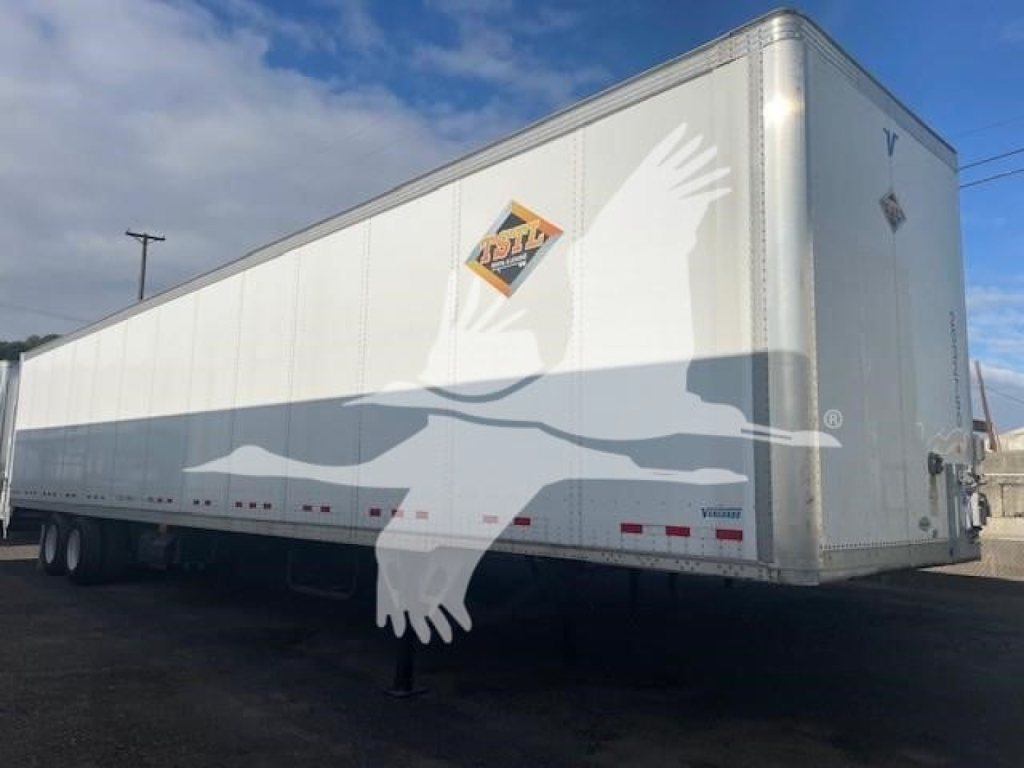
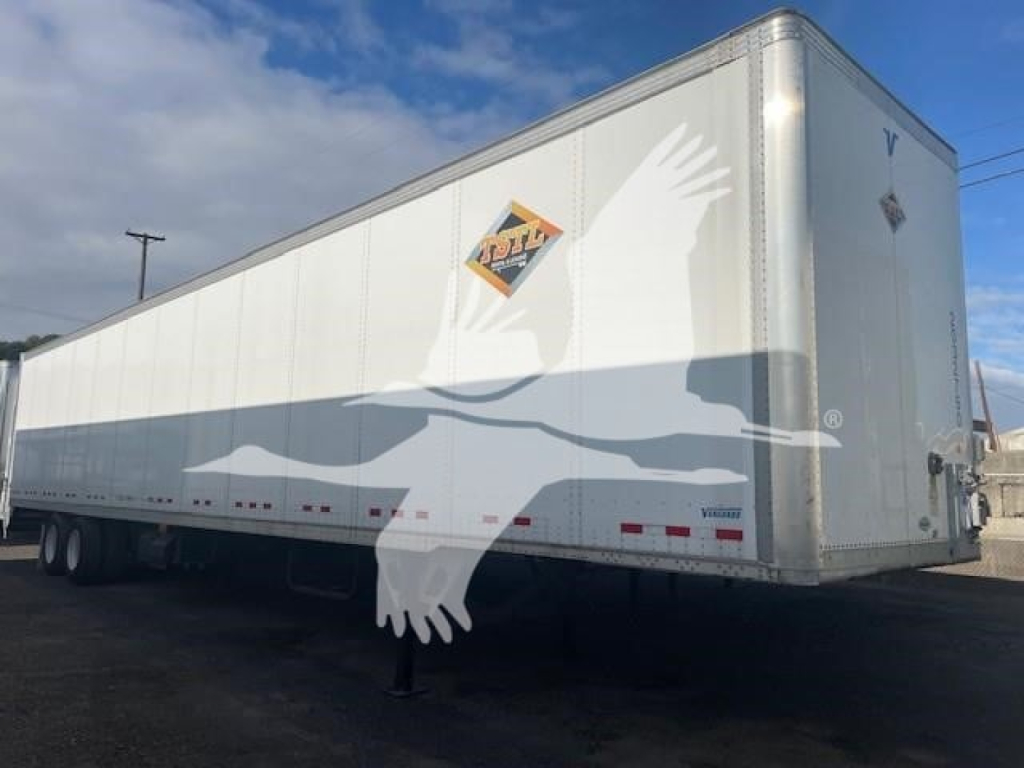
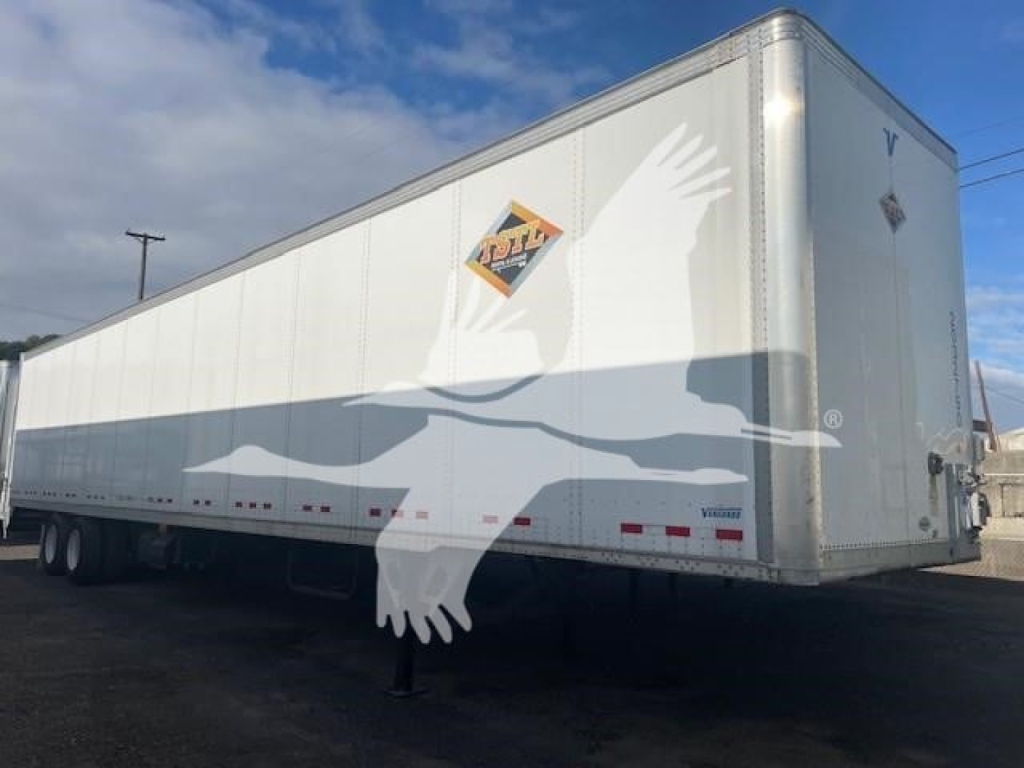
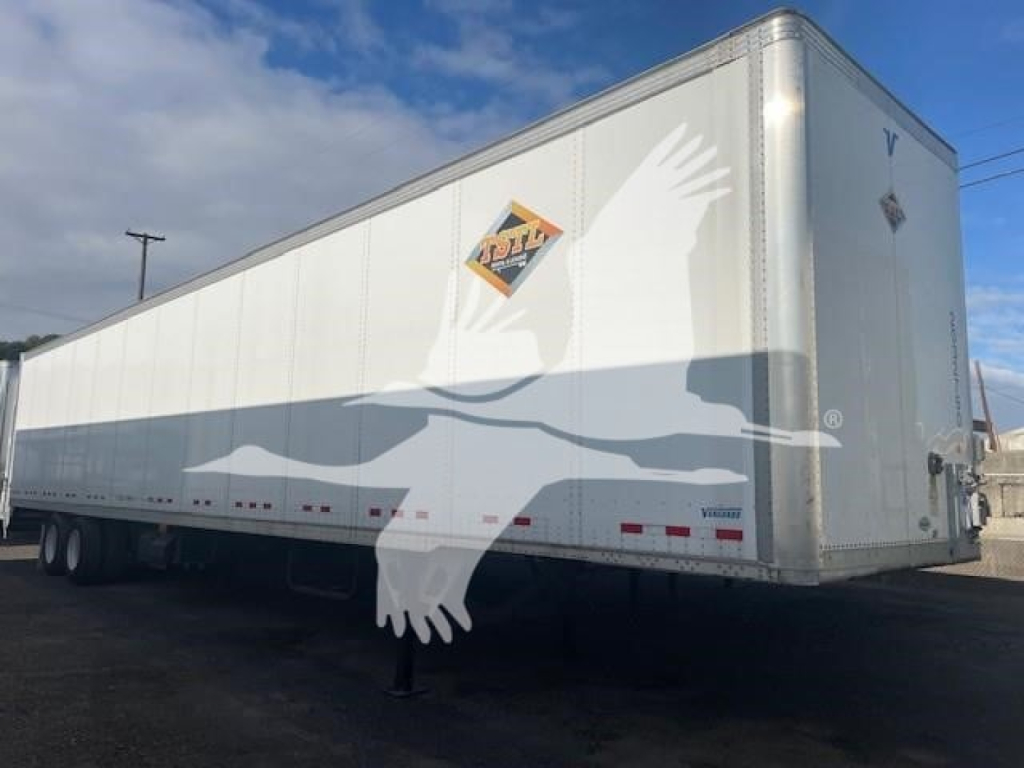
Showing 1 to 24 of 47 results
Have 2018 van trailer to sell? List it here to reach thousands of buyers.
2018 Van Trailers
Dry van trailers, also known as enclosed van trailers or box trailers, are built for general freight that needs weather protection and cargo security. Common applications include palletized consumer goods, packaged food, paper products, retail freight, and drop-and-hook linehaul. Many 2018 units include fleet-friendly features such as 24-inch logistics post spacing, E-track or other cargo securement systems, scuff liners, side skirts, and tire inflation systems. Buyers running cube-sensitive freight should verify inside height, roof bow condition, and wall liner construction, especially if load consistency matters more than maximum payload.
Suspension, axle configuration, and rear door style have a direct effect on daily use. Air-ride with a slider tandem remains the most common setup because it helps with dock approach, cargo protection, and bridge law adjustment. Spring ride may still appear on older-spec trailers and can work for certain operations, but it is less common in later fleet van specs. Swing doors are generally preferred in standard dock environments because they are simple and durable, while roll-up doors can be useful in multi-stop delivery work where rear access speed matters, though they typically add weight and slightly reduce rear opening clearance. Tire size, wheel type, brake specification, and the presence of systems like PSI or similar automatic tire inflation should also be part of the comparison.
Body construction details matter more than many first-time buyers expect. Aluminum roof skins, composite or plywood wall liners, galvanized rear structures, high base rails, and wear bands can all affect long-term durability and repair cost. A good 2018 van trailer should be evaluated for water intrusion, rivet or fastener issues, roof patch history, crossmember condition, and tandem slide operation. Buyers working in California or other fuel-sensitive lanes may place added value on side skirts and low rolling resistance tire setups, while fleets focused on warehouse freight may prioritize logistics post spacing, scuff protection, and floor rating. The best choice is usually the trailer that matches freight type, dock environment, and maintenance tolerance, not just the lowest purchase price.
Frequently Asked Questions about 2018 Van Trailers
What are the most common specs on a 2018 van trailer?
Most 2018 van trailers on the market are 53 feet long, 102 inches wide, and built as dry vans for general freight. Common specs include sliding tandem axles, air-ride suspension, wood floors, aluminum or composite wall construction, and either swing or roll-up rear doors. Many fleet-spec units also include 24-inch logistics post spacing, scuff liners, side skirts, and automatic tire inflation systems.
Is a 2018 dry van trailer a good value for fleet or owner-operator use?
A 2018 dry van can be a strong value because it often offers newer safety and efficiency features while avoiding the higher pricing of late-model trailers. For fleet use, this model year is often modern enough to match current dock and freight requirements. For an owner-operator or small carrier, the key is condition rather than age alone, especially floor wear, door alignment, roof condition, suspension type, and tandem slide function.
Should I choose swing doors or a roll-up door on a van trailer?
Swing doors are usually the standard choice for dock freight because they are durable, lighter, and provide a full rear opening. Roll-up doors can be useful for route work or frequent stop applications because they are fast to open and close, but they add weight and can reduce opening height. The right choice depends on the type of freight, delivery frequency, and how often the trailer backs to a standard loading dock.
What should I inspect first on a used 2018 van trailer?
Start with the floor, rear frame, and roof because these areas often show the most expensive wear. Check for soft spots in the floor, threshold plate damage, rear sill and door frame repairs, roof patches, and signs of water intrusion. After that, inspect crossmembers, suspension components, brake condition, tire wear, wheel ends, and the operation of the tandem slider. Cargo control features such as logistics posts, E-track, and scuff liners should also match the freight you plan to haul.
Are side skirts and tire inflation systems worth having on a van trailer?
For many operations, yes. Side skirts can improve fuel economy on highway lanes, especially in long-haul service, and they are common on later fleet van specifications. Automatic tire inflation systems help maintain proper tire pressure, which can reduce irregular tire wear, support fuel efficiency, and lower roadside service risk. Their value depends on annual miles, lane profile, and how disciplined the maintenance program is.