
Wabash Van Trailers For Sale in Pennsylvania
Have wabash van trailer to sell? List it here to reach thousands of buyers.
Wabash Van Trailers in Pennsylvania
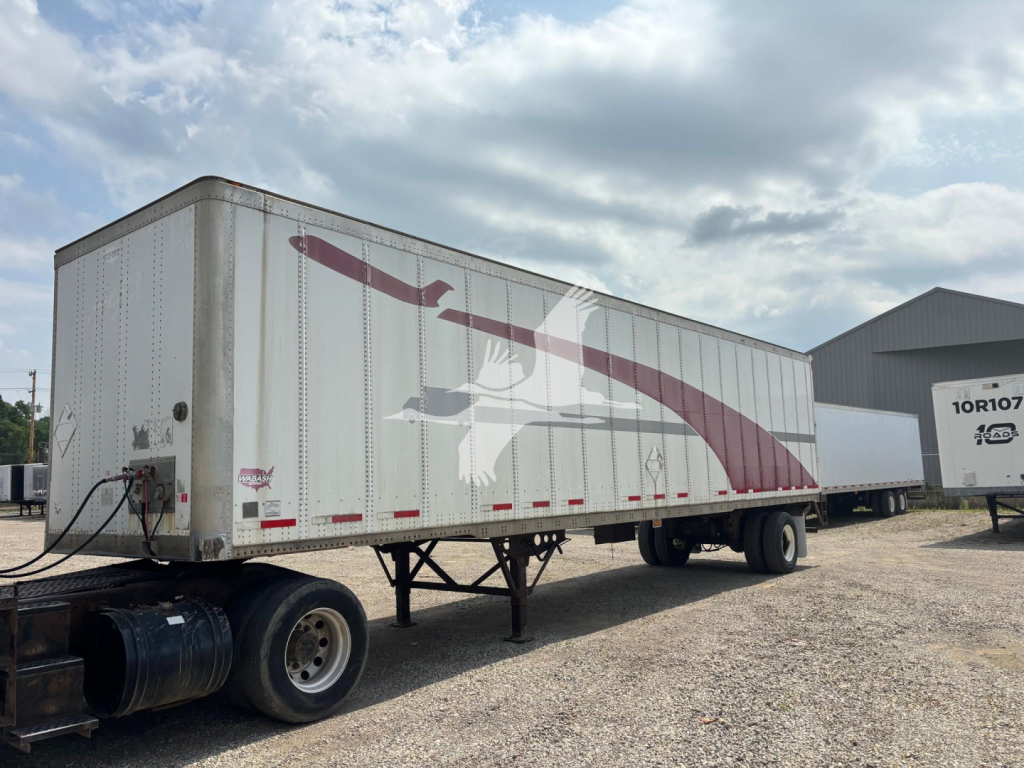
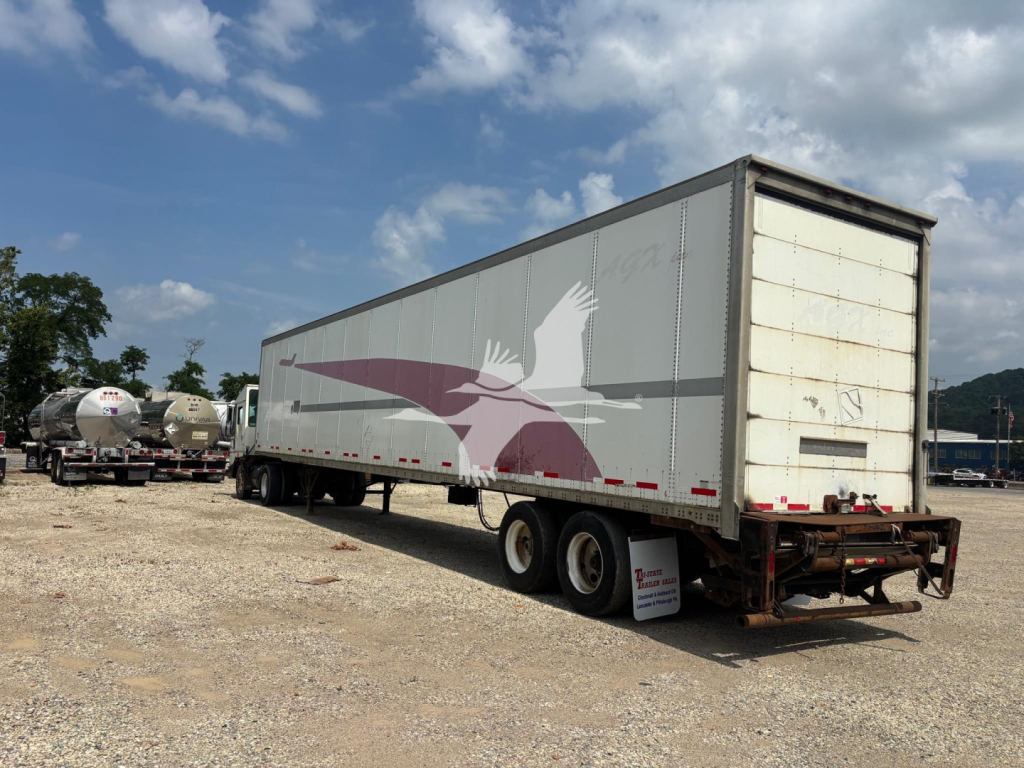
One of the best-known Wabash designs is the Duraplate van, which uses a composite plate sidewall bonded to a steel core. That construction is popular because it balances durability, lighter tare weight, and repairability in high-cycle fleet service. A smooth interior wall can also matter for shippers that want cleaner freight contact and easier load securement with logistics posts or straps. On older Wabash dry vans, condition of the sidewalls, roof bows, rear frame, floor rating, and crossmember integrity deserves close attention, especially if the trailer has seen heavy forklift traffic or repeated dock impact. Floor composition, tire condition, brake spec, and ICC bumper condition are all worth verifying before putting a van into regular regional or over-the-road work.
Suspension and axle position are especially important in Pennsylvania, where routes can range from urban distribution around Pittsburgh and Philadelphia to long interstate runs with frequent dock stops and rough secondary roads. Air-ride tandems are usually preferred for ride quality and cargo protection, while spring ride can still make sense for buyers focused on lower upfront cost and simpler upkeep. A slider tandem adds flexibility for bridge law compliance and dock balance, which matters on multi-state lanes and mixed freight operations. Buyers should also confirm door type, rear opening condition, and seal quality. Swing doors remain the standard on many Wabash van trailers because they are simple, durable, and familiar across warehouse networks.
When comparing used Wabash van trailers, age alone does not tell the whole story. A newer plate van with low mileage may command a premium, but an older unit with a sound floor, straight frame, dry roof, and documented brake and tire service can still be a productive trailer. Common buyer checkpoints include inside height, floor rating for forklift use, current DOT compliance items, ABS function, and evidence of prior sidewall or rear frame repair. For fleets hauling standard dry freight, a properly spec'd Wabash van remains one of the most practical trailer types on the road because it is easy to match to common shipper requirements, straightforward to maintain, and widely accepted in regional and national freight networks.
Frequently Asked Questions about Wabash Van Trailers in Pennsylvania
What are the most common specs on a Wabash van trailer?
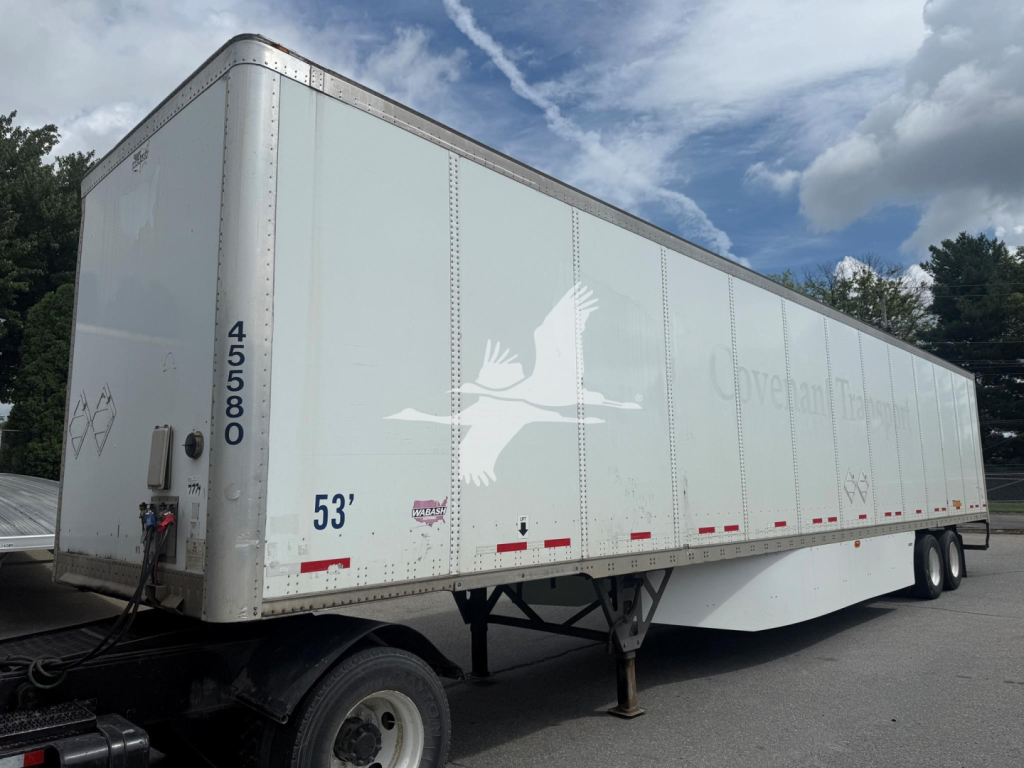
The most common Wabash van trailer configuration is a 53-foot by 102-inch dry van with tandem axles, a sliding suspension, and swing doors. Many buyers also look for air-ride suspension, hardwood or laminated flooring rated for forklift traffic, and logistics-ready interiors. Duraplate sidewalls are especially common on Wabash trailers because they are well known in fleet service and general freight applications.
What is the difference between a Wabash Duraplate van and a standard dry van?
A Wabash Duraplate van is a type of dry van that uses Wabash's composite plate sidewall design rather than a more conventional sheet-and-post construction. Buyers often choose Duraplate models for their balance of structural strength, lower tare weight, and smooth interior wall surface. In practical use, that can mean better resistance to day-to-day freight damage and a trailer spec that is widely accepted in high-mileage fleet operations.
Is air-ride or spring ride better on a used Wabash van trailer?
Air-ride is generally preferred for cargo protection, ride quality, and broader shipper acceptance, especially for retail freight, packaged goods, and long regional runs. Spring ride can still be a workable option for tougher freight or for buyers who want a lower purchase price and simpler suspension design. The better choice depends on the freight mix, expected lane conditions, and how important ride-sensitive cargo handling is to the operation.
What should I inspect first on a used Wabash van trailer?
Start with the floor, sidewalls, roof, rear frame, brakes, tires, and suspension. The floor should be checked for rot, delamination, patches, and forklift damage. The sidewalls and rear structure should be inspected for repairs, tears, bowing, and impact damage, while the roof should be checked for leaks or patchwork that could affect cargo protection. It is also smart to confirm tandem slider operation, ABS status, door seal condition, and overall DOT-ready maintenance items.
Why does a tandem slider matter on a van trailer in Pennsylvania?
A tandem slider gives the trailer more flexibility for axle weight distribution and bridge law compliance, which is useful for operations that cross state lines or haul different pallet counts and load positions. In Pennsylvania and surrounding states, that adjustability can help a driver balance legal axle weights without reworking the freight. It also helps with dock spacing and handling characteristics depending on how the trailer is loaded.