
2024 Van Trailers For Sale in Pennsylvania
Shop 2024 van trailers in Pennsylvania. Compare dry van specs, plate vs sheet-and-post construction, air-ride sliders, doors, and floor options.
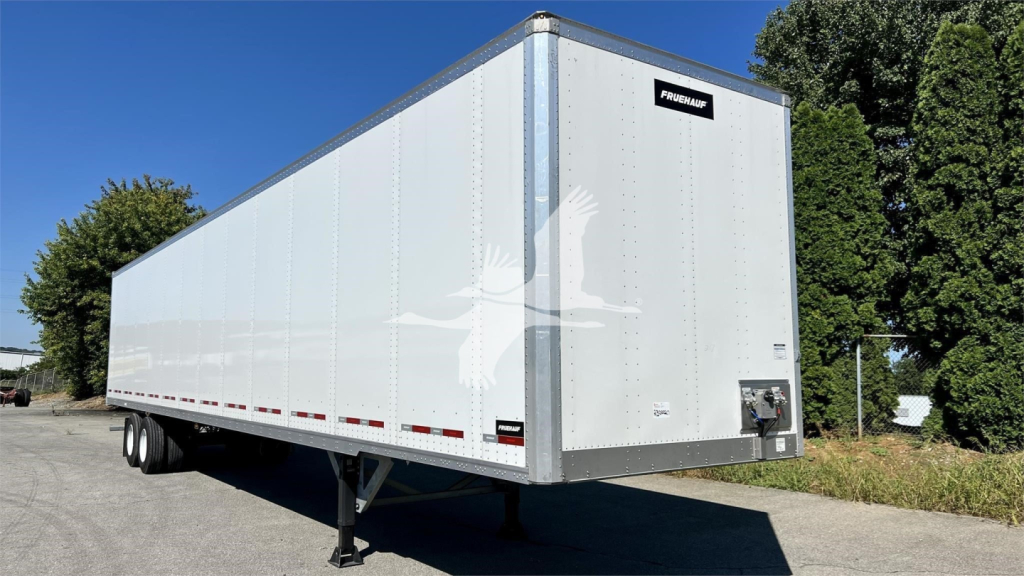
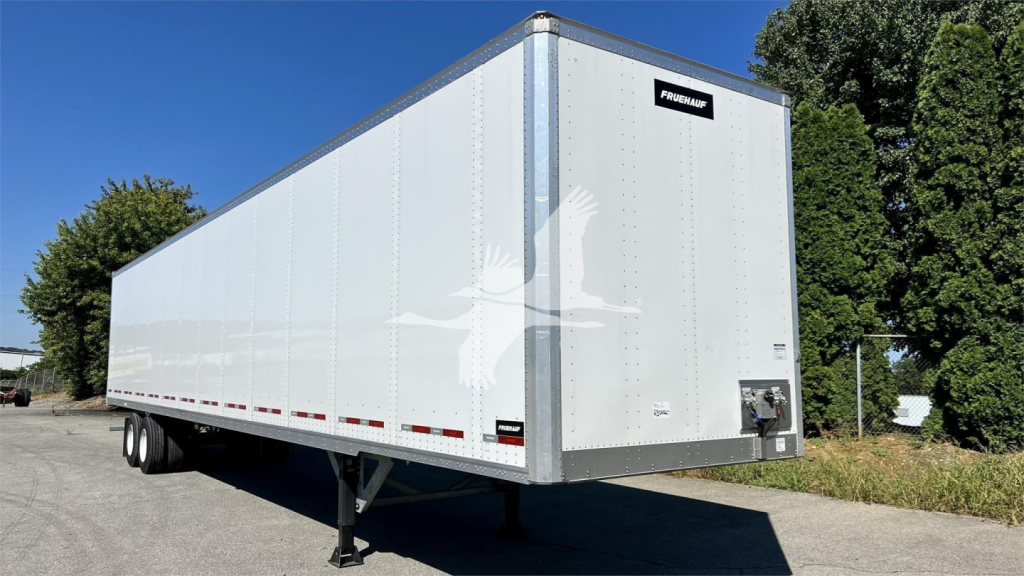
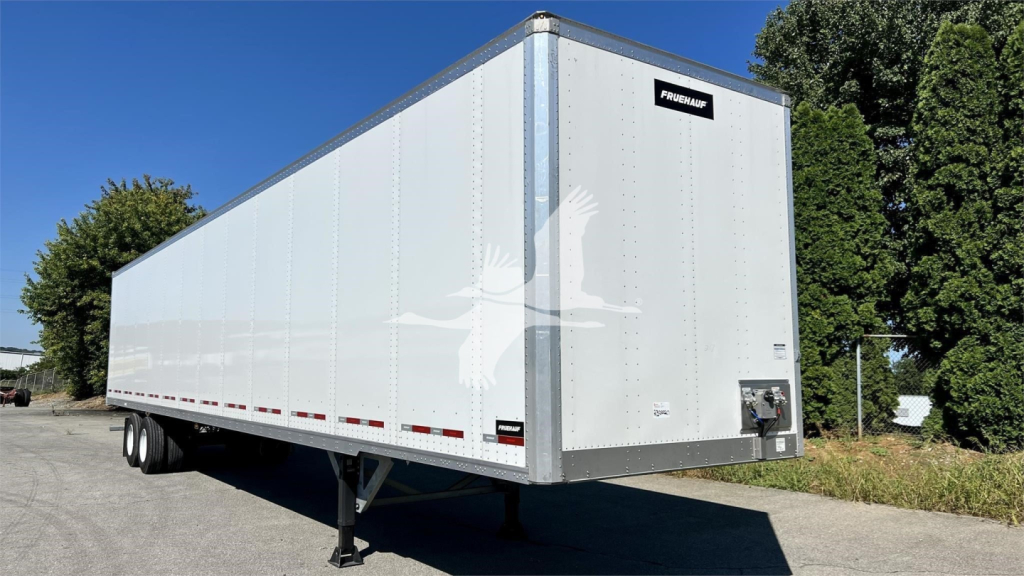
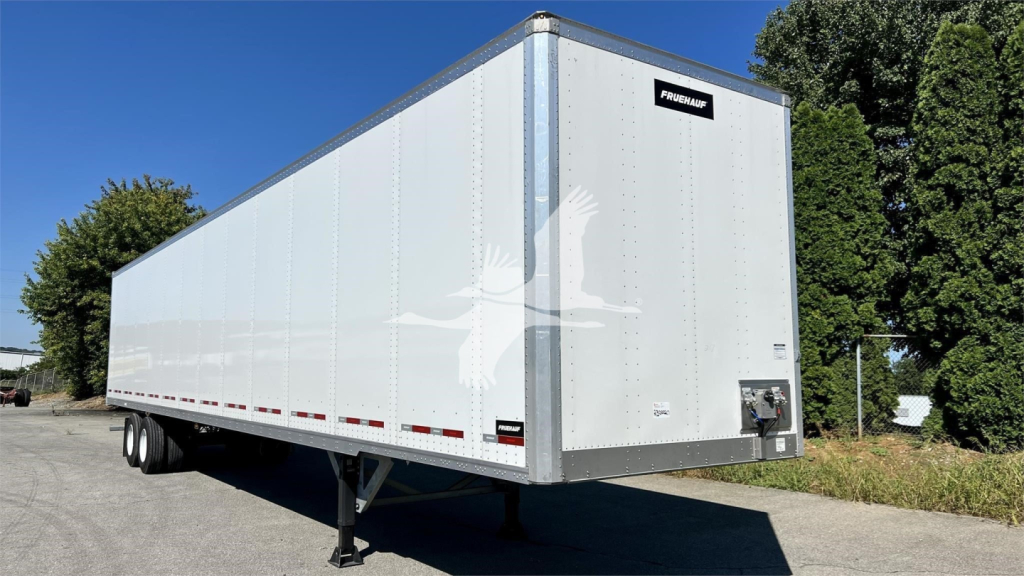
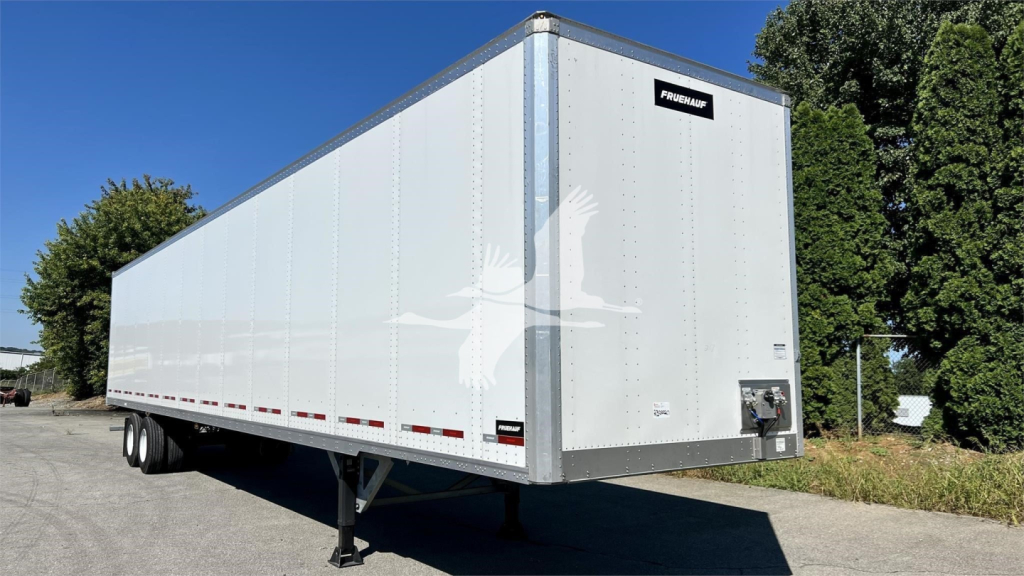
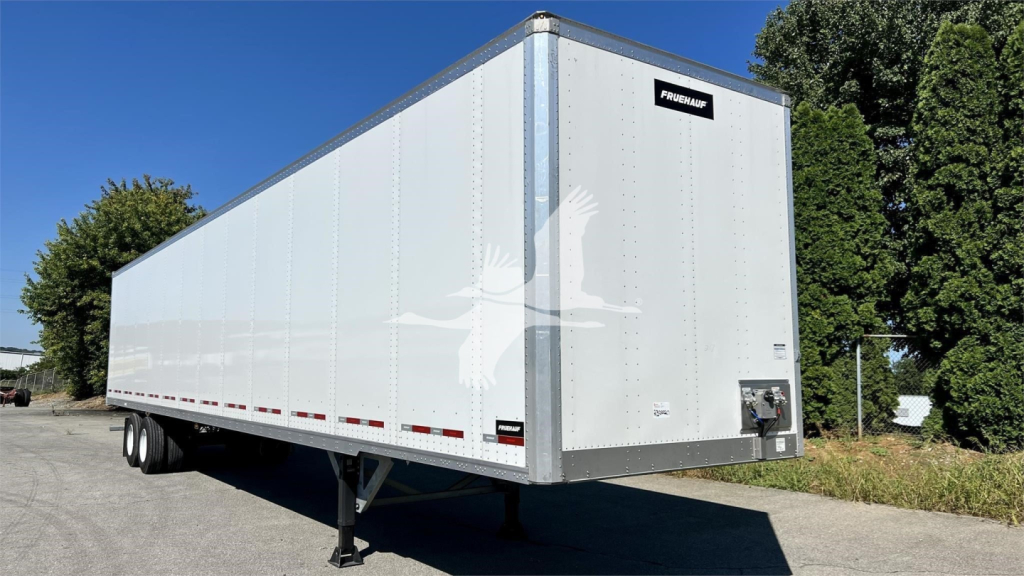
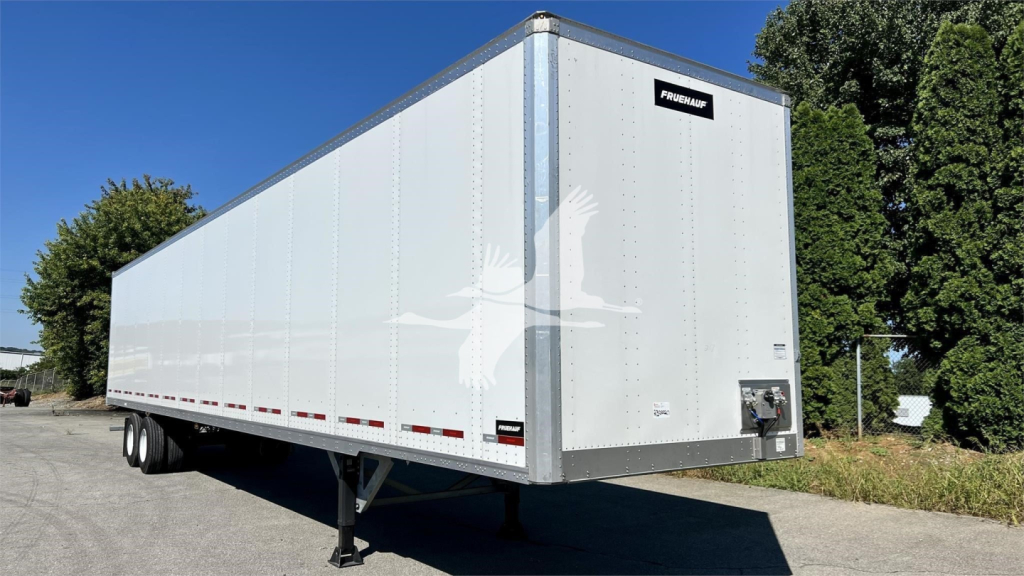
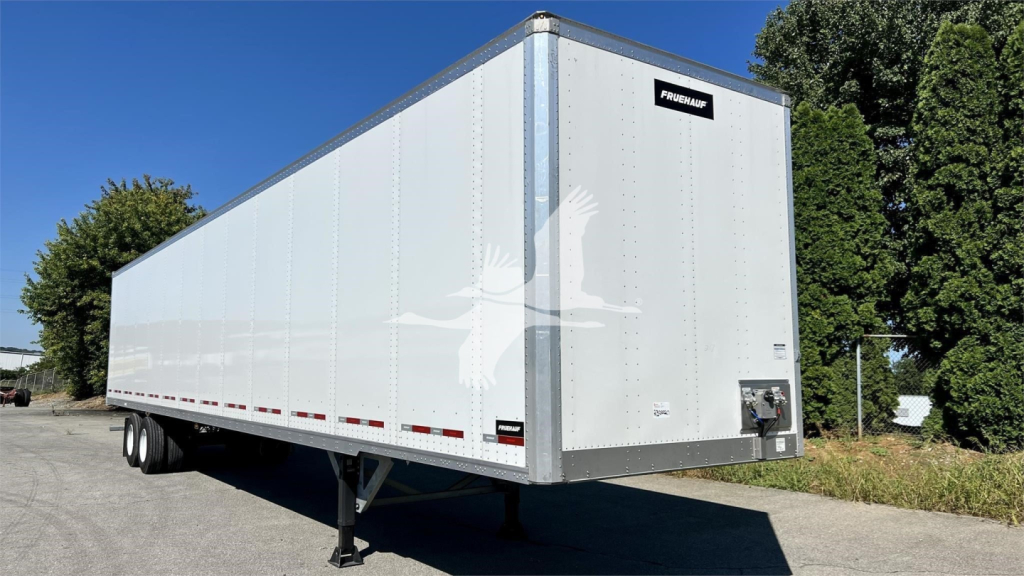
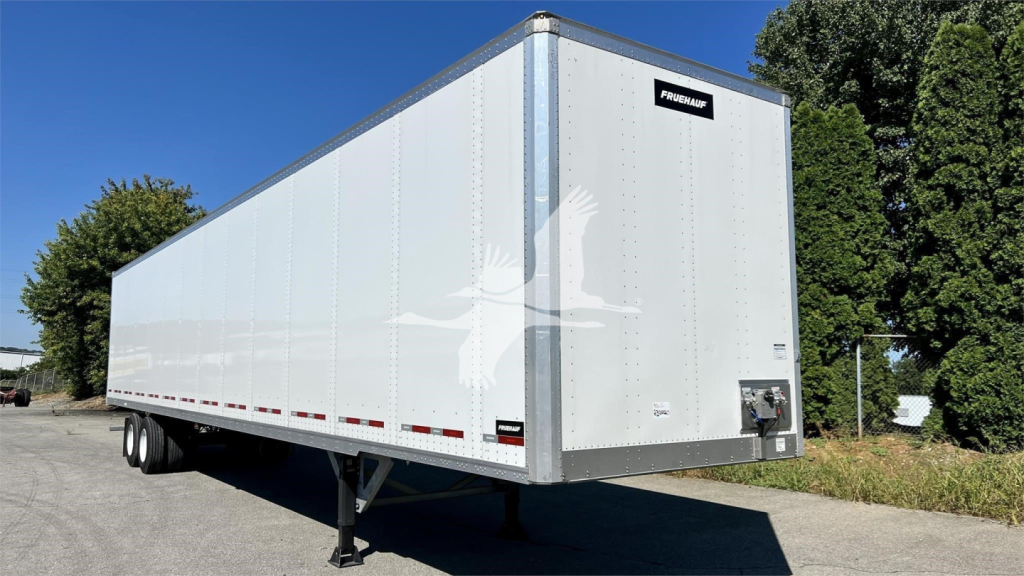
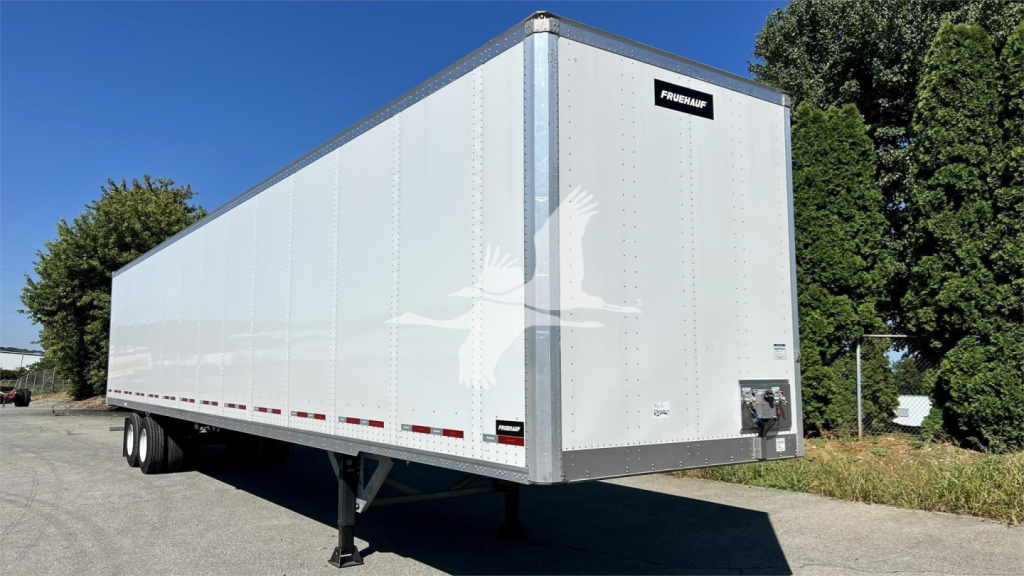
Have 2024 van trailer to sell? List it here to reach thousands of buyers.
2024 Van Trailers in Pennsylvania
Pennsylvania buyers usually pay close attention to suspension, corrosion resistance, and axle configuration because the trailer has to handle Northeast weather, tight docks, and turnpike compliance. Tandem axle air-ride with a 49-inch sliding tandem is a very common spec because it helps with bridge laws, weight distribution, and smoother ride quality for palletized freight. Galvanized rear frames, reinforced bumpers for dock-lock systems, recessed dock bumpers, and anti-snag roof bows are worthwhile details for fleets that cycle trailers through heavy warehouse use. Common undercarriage specs include a 36-inch kingpin setting, 12-inch crossmember centers, two-speed landing gear, 295/75R22.5 tires, and ABS. Tire inflation systems such as Hendrickson TireMaax can also matter for uptime and tire life.
Cargo protection and trailer life often come down to the interior package. A 1 3/8-inch oak floor remains standard for many dry vans because it handles forklifts well and stands up to repeated loading. Logistics posts on 48-inch centers support load bars and straps for mixed freight, while scuff liners, nose lining, and internal bulkheads help protect the sidewalls and front of the trailer from forklift and pallet damage. Buyers hauling heavier packaged goods, beverages, paper, retail freight, or LTL freight should look closely at floor attachment, threshold plate design, door opening width, and side lining materials. A wide, durable rear opening and strong threshold plate make a difference when trailers spend their life backed to busy docks.
The best 2024 van trailer spec depends on freight profile more than brand preference. A fleet focused on high-volume retail and general dry freight may prioritize low maintenance, logistics-ready interiors, and corrosion-resistant rear structures. A buyer hauling denser freight may focus more on floor durability, crossmember spacing, and the tradeoff between tare weight and sidewall strength. In Pennsylvania, where trailers often see year-round weather exposure and mixed highway-to-urban duty cycles, a well-specced dry van with air ride, sliding tandems, galvanized rear components, and a durable interior package is usually the most practical fit for long service life and strong resale.
Frequently Asked Questions about 2024 Van Trailers in Pennsylvania
What is the difference between a plate van and a sheet-and-post van?
A plate van uses large side panels, often composite or laminated, to create a smoother and generally more impact-resistant sidewall. A sheet-and-post van uses aluminum skin supported by vertical posts, which can lower tare weight and is widely used in general freight service. Plate vans are often preferred in harder dock environments or operations where sidewall durability matters more, while sheet-and-post trailers can be attractive when weight savings and traditional repairability are priorities.
Why do so many 2024 van trailers have a 49-inch sliding tandem?
A 49-inch sliding tandem is common because it gives the operator flexibility to meet bridge law requirements, improve axle weight distribution, and adapt to different loading patterns. In states like Pennsylvania and throughout the Northeast, that adjustability is valuable when freight density changes from load to load or when the trailer runs across multiple jurisdictions. It also helps position the trailer for dock use and tractor compatibility without giving up standard dry van capacity.
What specs matter most when buying a dry van trailer for Pennsylvania service?
Corrosion resistance, suspension type, floor construction, and dock durability are usually near the top of the list. Pennsylvania buyers often look for air-ride suspension, galvanized rear frames and bumpers, durable oak flooring, strong scuff protection, and dependable ABS. Because trailers may see road salt, frequent dock contact, and mixed highway and city operation, details like anti-snag roof bows, dock-lock reinforcement, and quality landing gear can have a real effect on maintenance cost and trailer longevity.
Are swing doors or roll-up doors better on a van trailer?
Swing doors are generally lighter, simpler, and easier to seal well, which is why they are common on long-haul dry vans. Roll-up doors can be useful in routes with tight docks or frequent stop-and-go unloading because they do not need rear door clearance to open fully. The tradeoff is that roll-up doors can reduce interior rear opening height slightly and may add maintenance points. The right choice depends on the type of dock access and how often the trailer is loaded and unloaded.
What freight is a 2024 van trailer best suited for?
A 2024 dry van trailer is built for palletized, boxed, and non-temperature-controlled freight. Common applications include retail goods, consumer packaged products, paper, dry food products, e-commerce shipments, automotive parts, and general LTL freight. The enclosed body protects cargo from weather and theft better than an open trailer, and common interior features such as logistics posts, scuff liners, and hardwood floors make the van trailer one of the most versatile trailer types in commercial freight.