
2024 Van Trailers For Sale
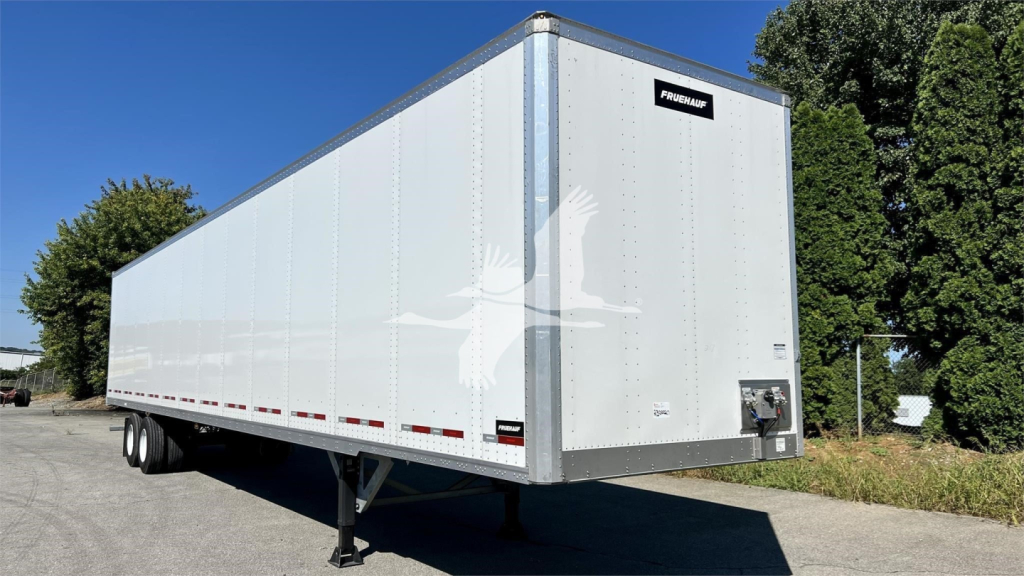
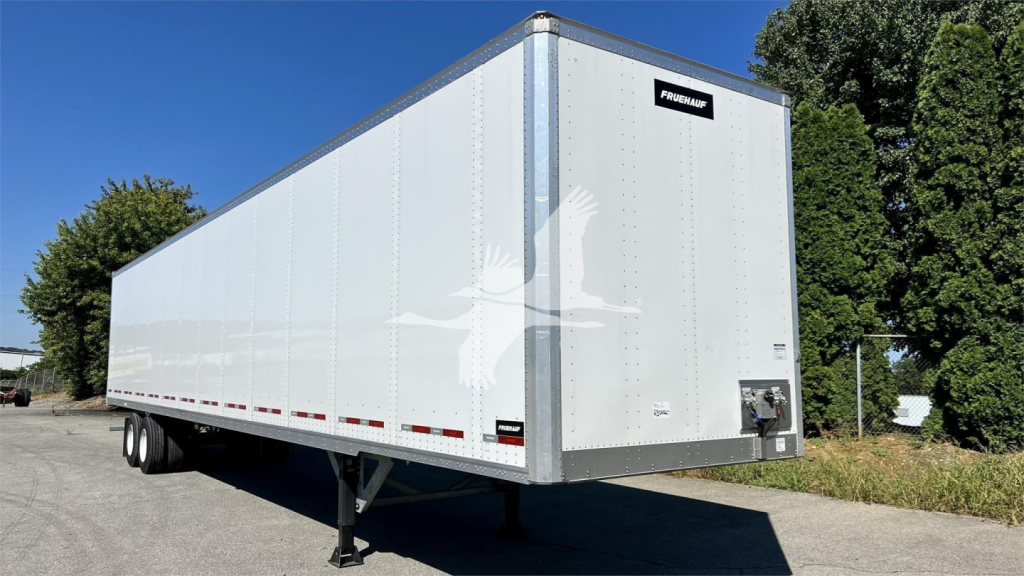
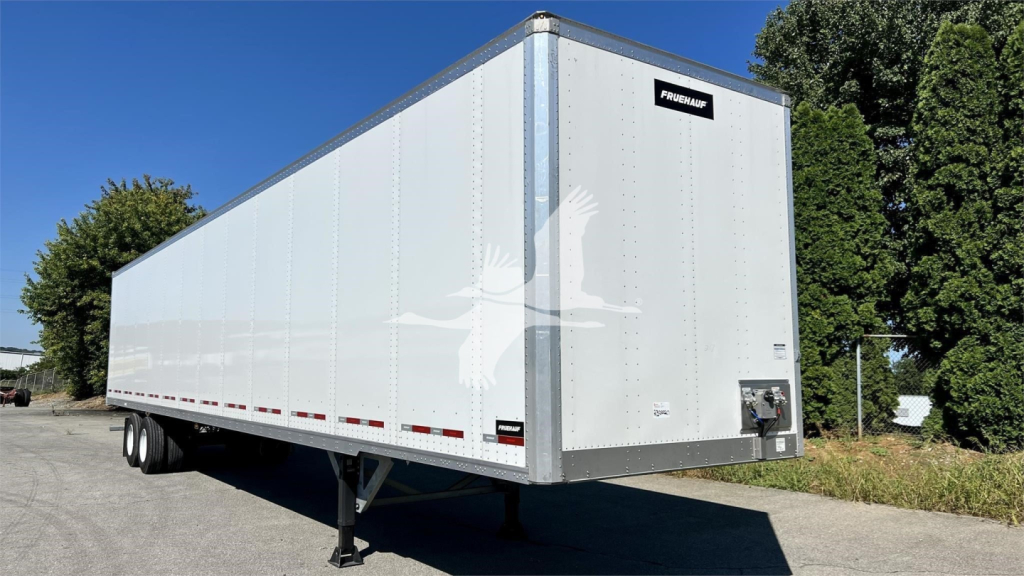
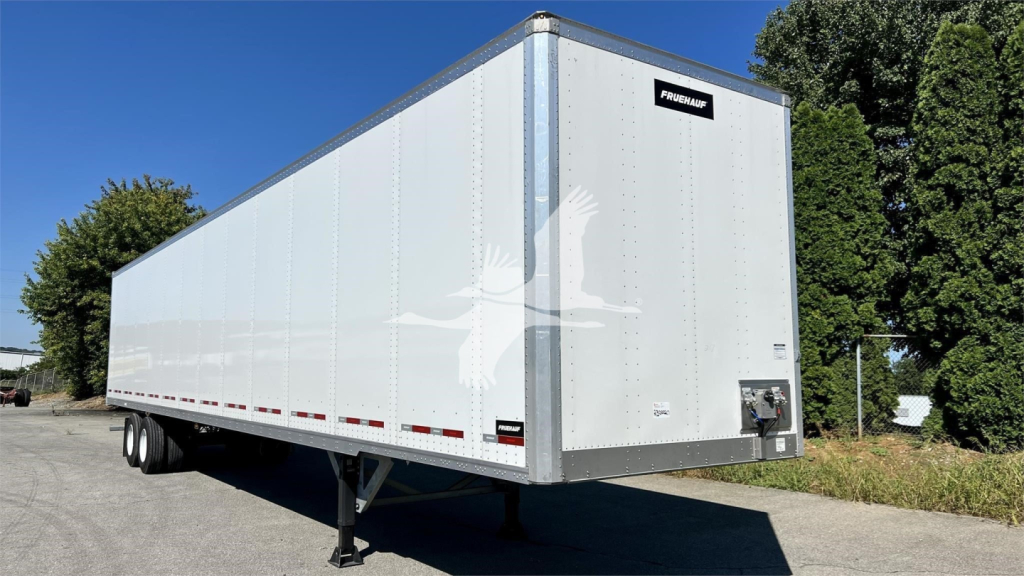
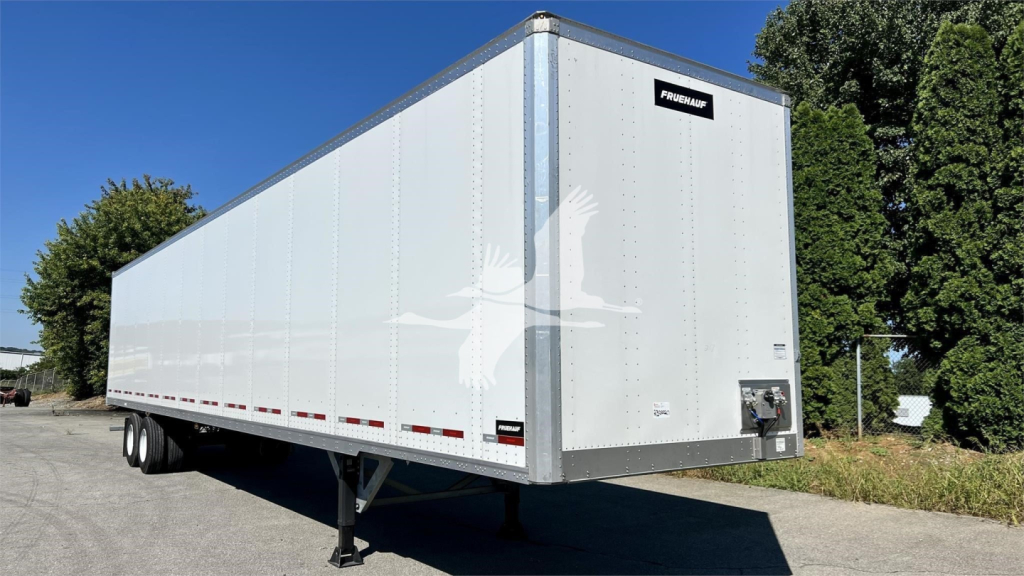
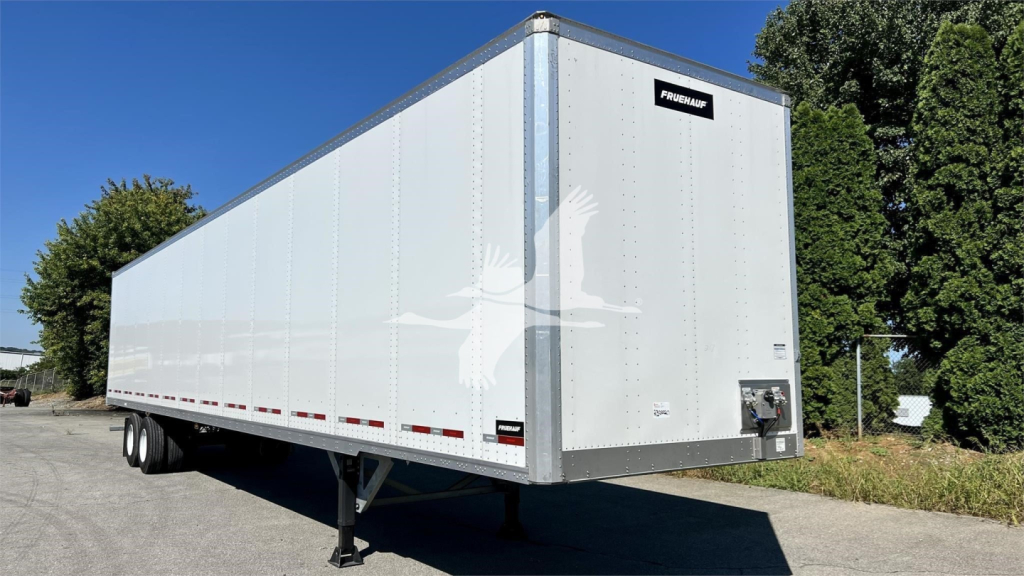
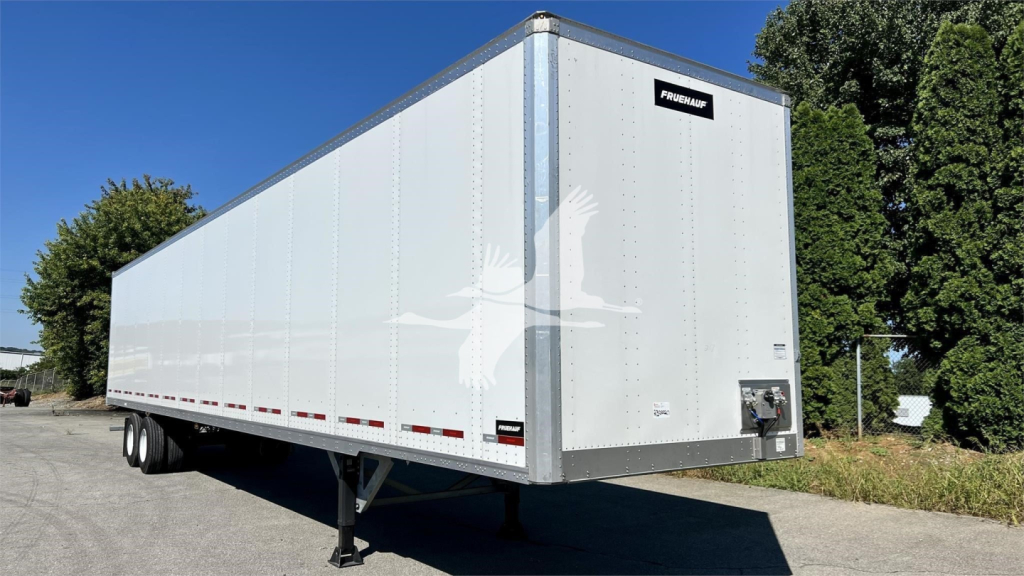
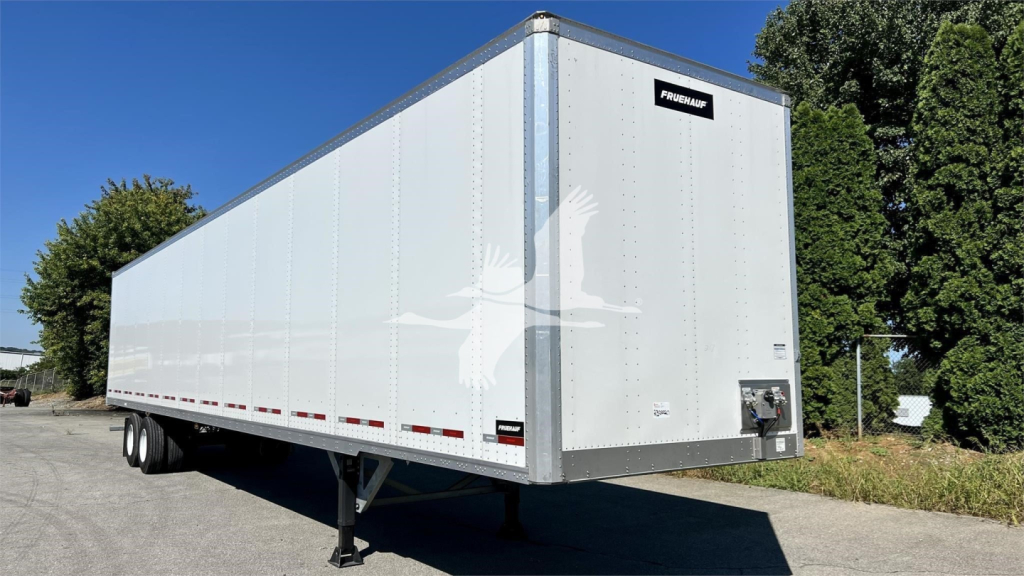
Shop 2024 van trailers for sale, including 53-foot dry vans with air ride, sliding tandems, logistics posts, swing doors, and fuel-saving specs.
Have 2024 van trailer to sell? List it here to reach thousands of buyers.
2024 Van Trailers
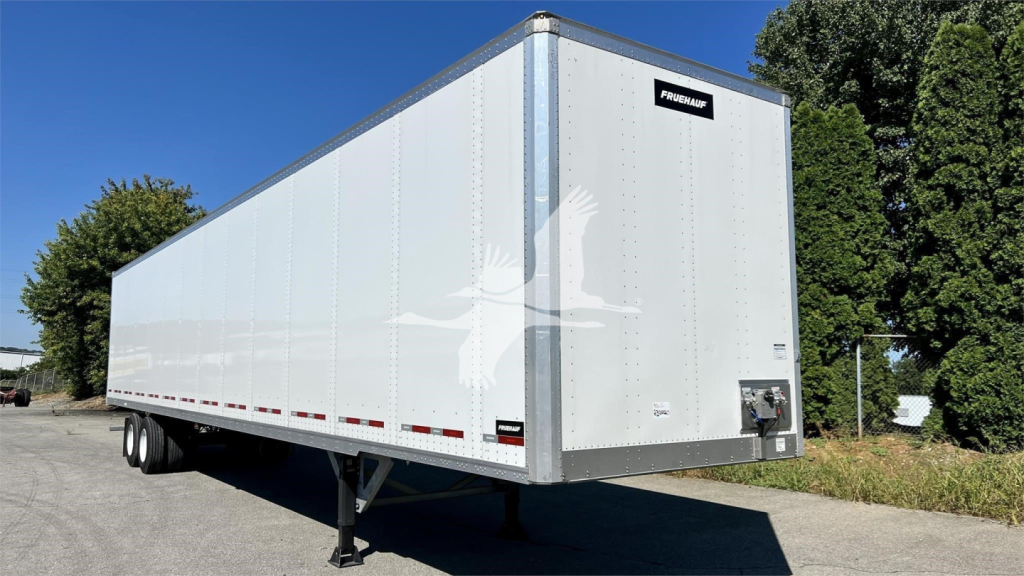
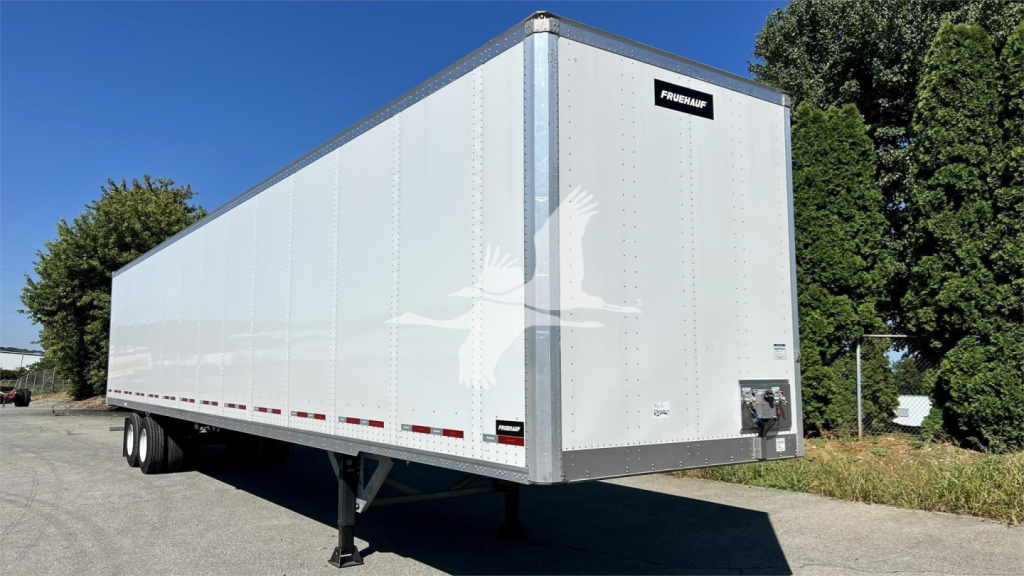
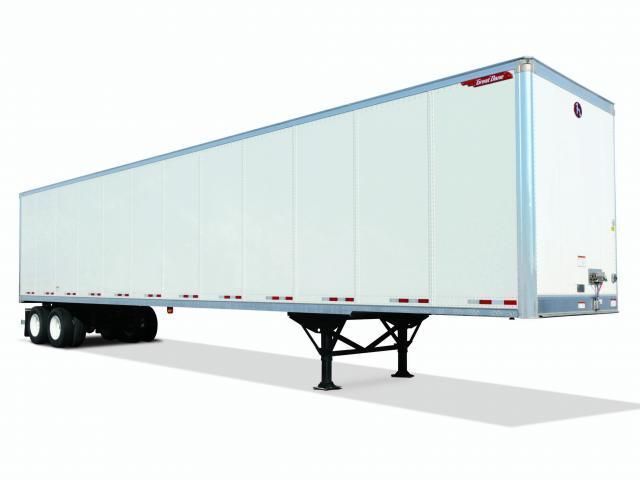
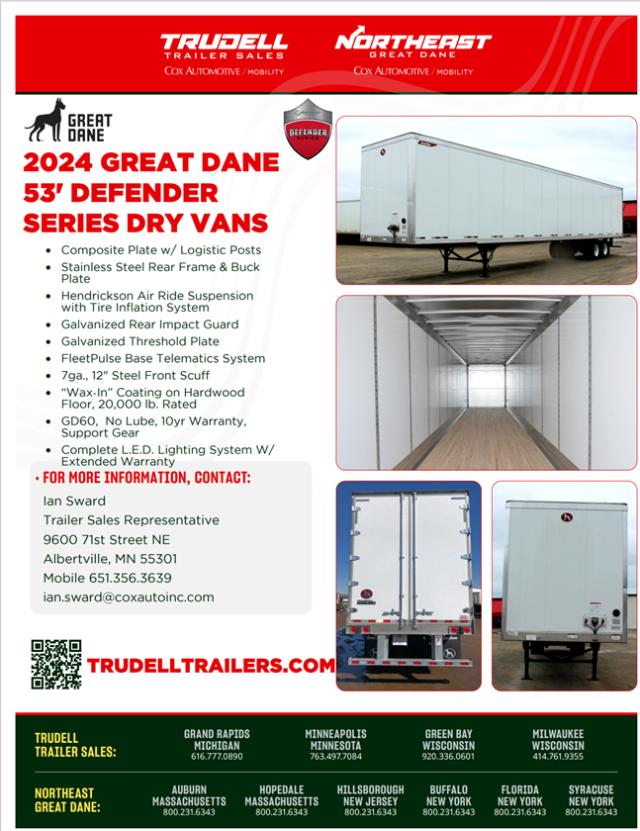
Spec decisions matter more than brand decals on a dry van. Sidewall construction, lining, and scuff protection directly affect service life in forklift-heavy operations. Composite or aluminum lining, aluminum scuff plates, threshold plates, and high rub rails are common on fleet-spec units because they reduce wall and door area damage. Wood floors are still widely preferred for cargo securement flexibility and forklift durability, while aluminum roofs help control tare weight and resist corrosion. Buyers comparing 2024 van trailers should also pay close attention to rear frame construction, stainless steel door frames, swing door hardware, and the overall condition of the floor, crossmembers, and roof bows.
Running gear and trailer configuration drive operating cost. Air ride suspension is the dominant setup for dry vans because it protects freight, improves ride quality, and helps with dock consistency. Sliding tandems give carriers flexibility for bridge law compliance, axle spacing, and weight distribution across different states and customer docks. Low profile 22.5 tires, aluminum or steel disc wheels, and automatic tire inflation systems are common on modern fleet trailers built to cut maintenance events and improve fuel economy. Some 2024 van trailers also include side skirts or other aerodynamic packages, which can make a measurable difference for fleets running steady highway miles.
The best 2024 van trailer for a buyer depends on lane mix, freight type, and how hard the trailer will be used at the dock. A shipper with frequent pallet jack loading may prioritize a clean threshold, straight rear frame, and sound floor. A high-cycle fleet may want logistics posts, venting, durable lining, and tire inflation systems to reduce downtime. Regional operators should verify tandem slide range, kingpin setting, suspension specification, and door configuration before purchase. A well-matched dry van trailer holds value because it can move almost any non-temperature-controlled freight, and that broad usability is exactly why van trailers remain the backbone of the trailer market.
Frequently Asked Questions about 2024 Van Trailers
What is the standard size for a 2024 van trailer?
The most common 2024 van trailer is 53 feet long, 102 inches wide, and 13 feet 6 inches high. That size is the standard for general freight in most over-the-road and regional applications because it maximizes cubic capacity while remaining compatible with standard docks, warehouse systems, and common route requirements.
What should I inspect first on a used or late-model van trailer?
Start with the floor, rear frame, doors, roof, and suspension. On a dry van, forklift traffic and dock contact create the most wear, so buyers should look for floor delamination, soft spots, threshold damage, rear sill repairs, sidewall impact damage, and door alignment issues. Then inspect crossmembers, tandem slide operation, air ride components, brakes, tires, and any tire inflation system for proper condition and serviceability.
Are air ride and sliding tandems important on a van trailer?
Yes. Air ride suspension is preferred on most van trailers because it cushions freight better than spring ride and is widely accepted in general freight service. Sliding tandems are just as important for many operations because they help meet bridge law requirements, improve axle weight distribution, and allow the trailer to adapt to different states, customers, and loading patterns.
What floor and lining specs are best for dry freight?
A wood floor remains the most common choice because it handles repeated forklift traffic well and gives operators flexible cargo securement options. For the interior walls, composite or aluminum lining paired with aluminum scuff plates is a strong fleet specification because it protects the trailer from pallet and forklift damage. The right combination depends on how often the trailer sees heavy dock use and how rough the loading environment is.
Do aerodynamic options on a van trailer really matter?
They can matter quite a bit on highway lanes. Side skirts and similar aero components help reduce drag, which can improve fuel economy when the trailer runs steady interstate miles. The payoff is greatest for fleets with high annual mileage, consistent speeds, and tractors already spec'd for fuel efficiency. In short-haul or rough terminal service, buyers may place more value on durability and maintenance simplicity than on aero gains.