
2024 Fruehauf Van Trailers For Sale
Shop 2024 Fruehauf van trailers. Compare 53-foot dry van specs, plate side construction, air ride suspensions, flooring, and rear frame options.
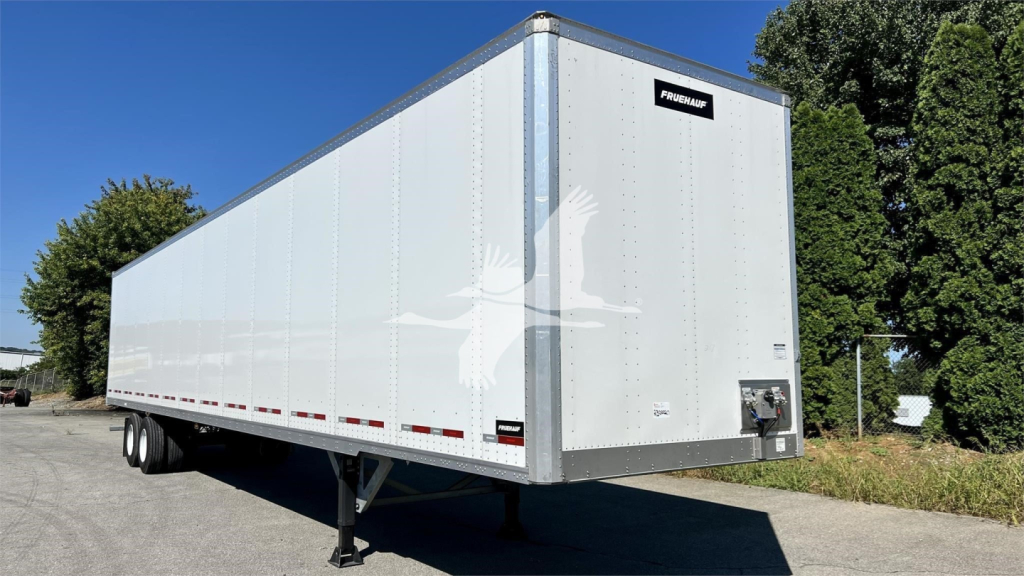
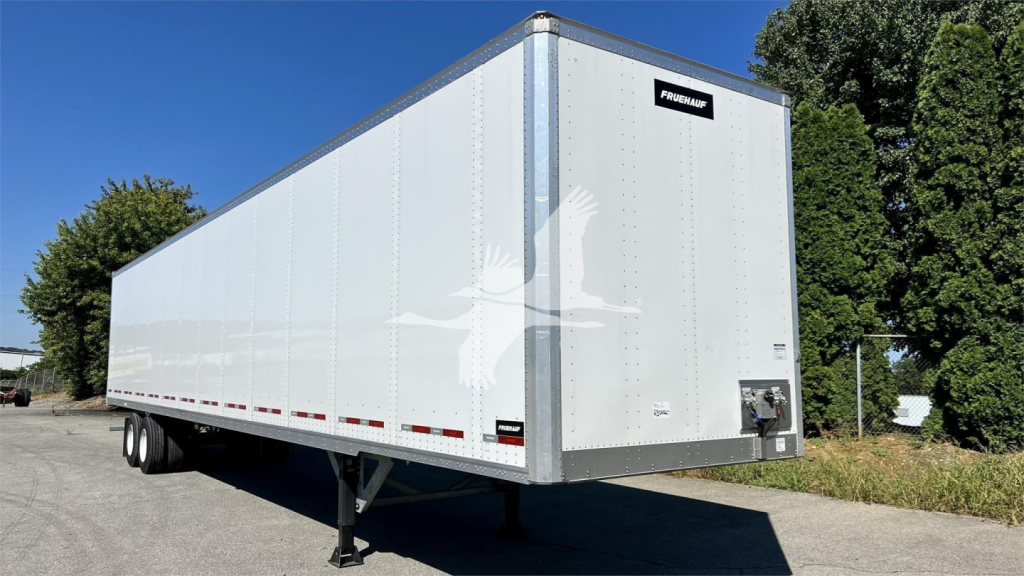
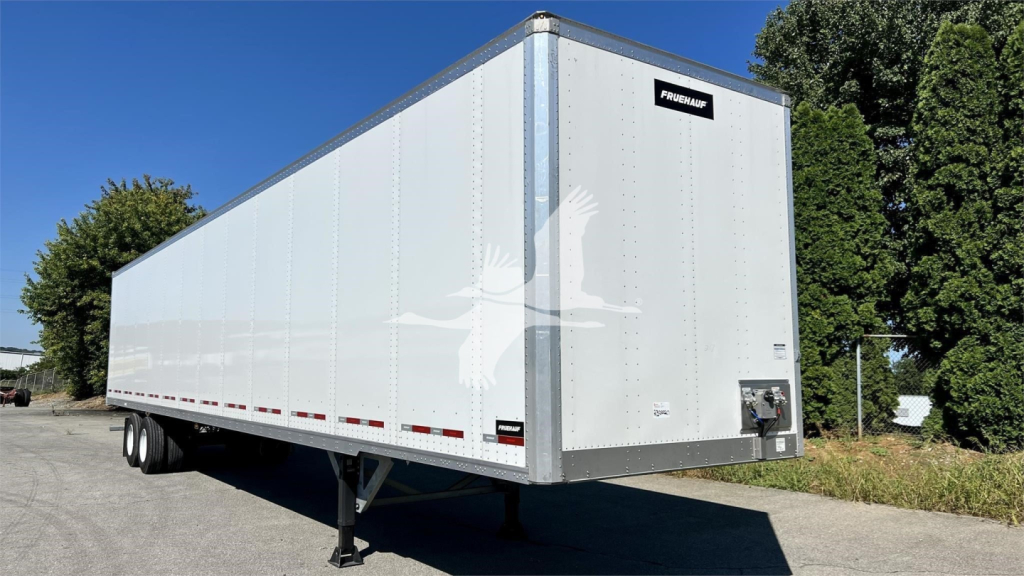
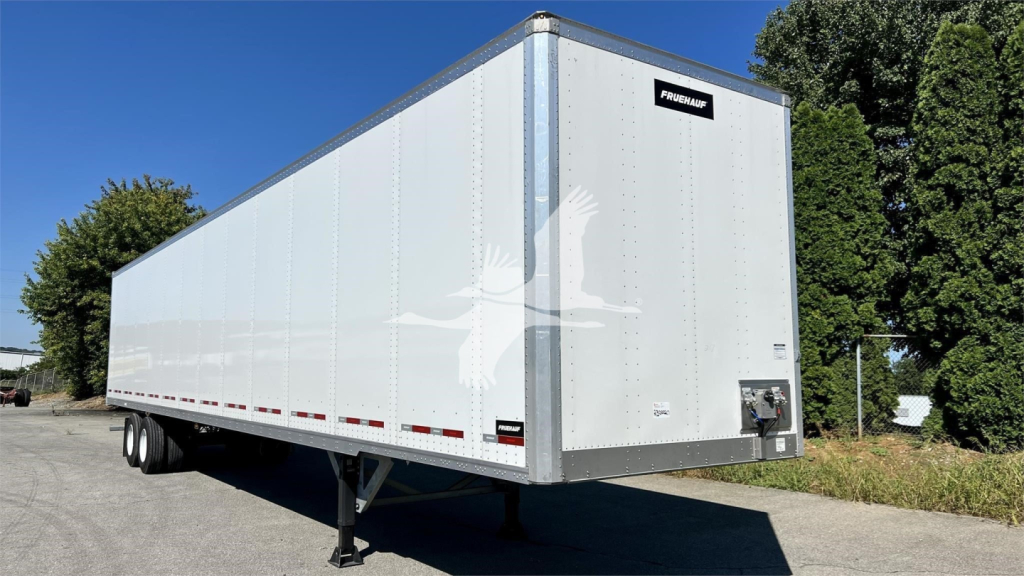
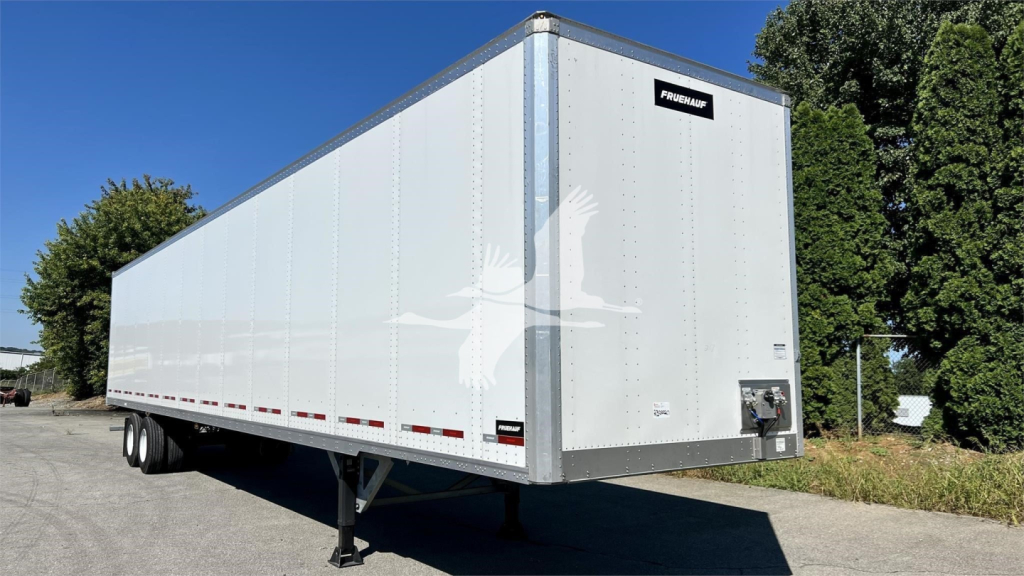
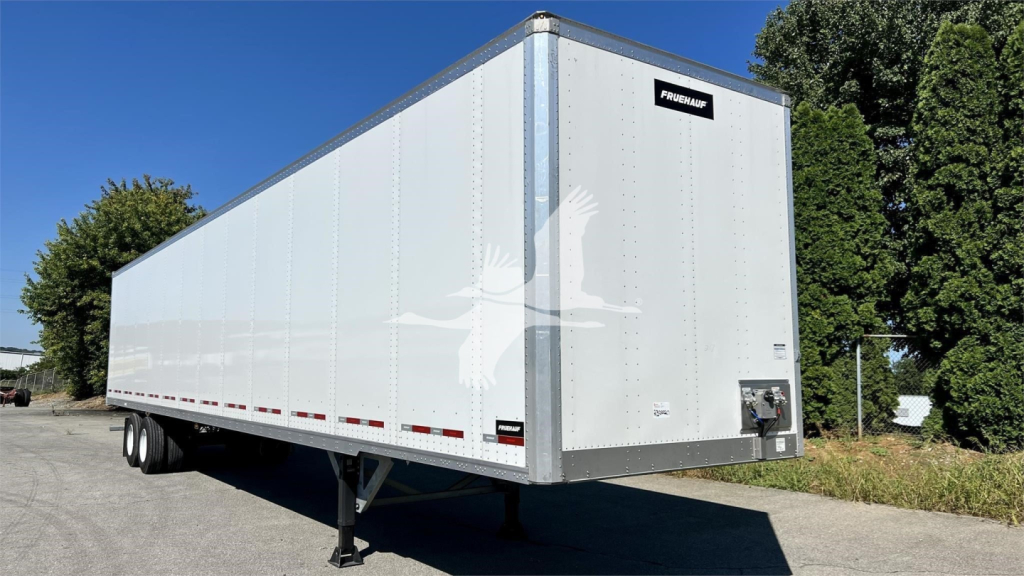
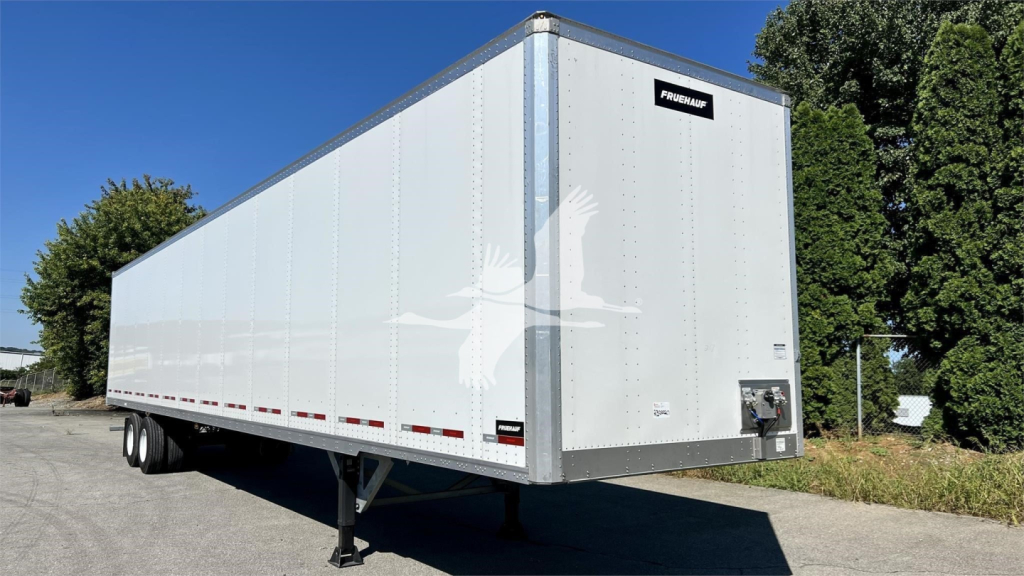
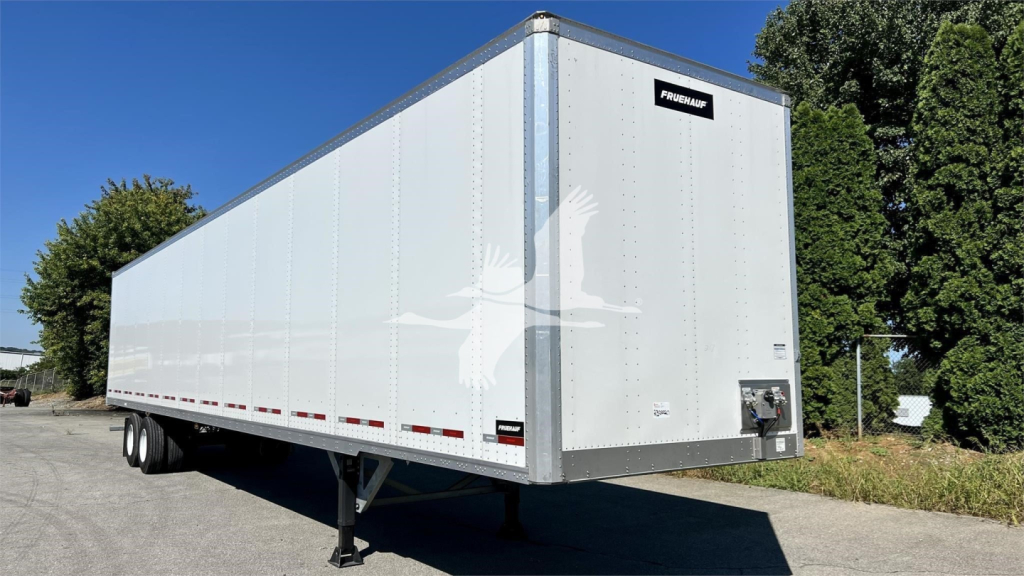
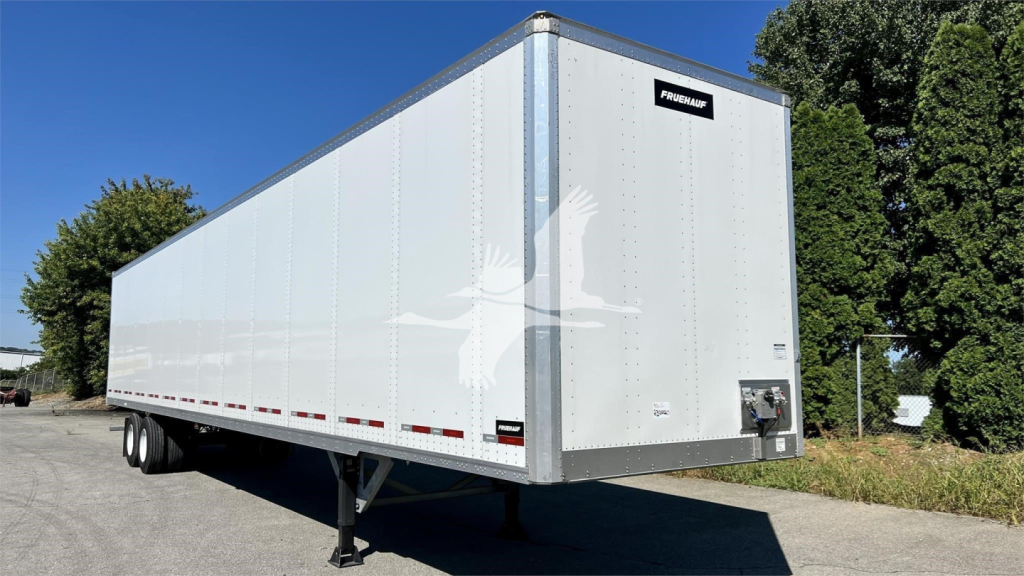
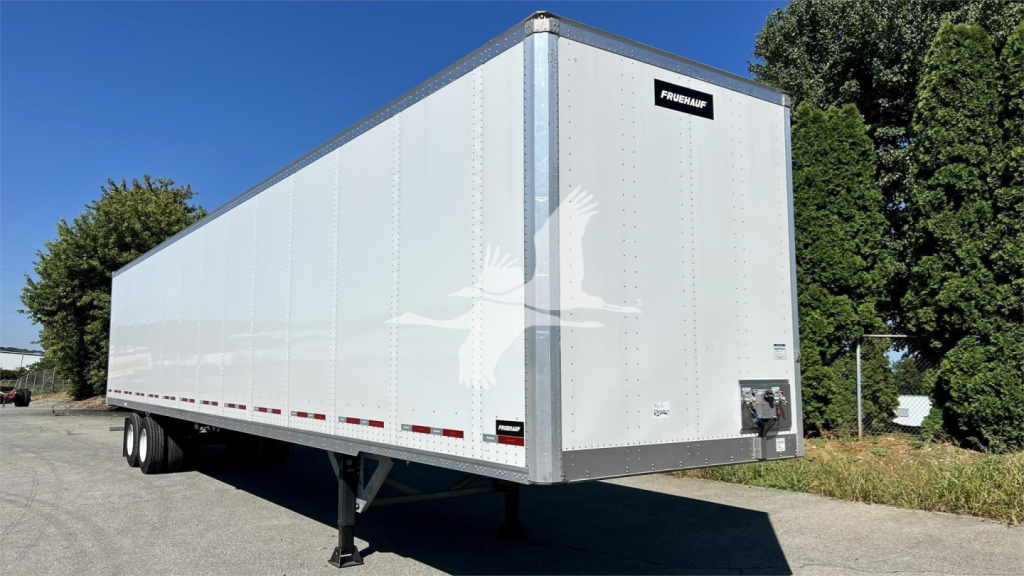
Have 2024 fruehauf van trailer to sell? List it here to reach thousands of buyers.
2024 Fruehauf Van Trailers
The spec decisions that matter most usually come down to floor structure, suspension, side protection, and crossmember spacing. Many late-model Fruehauf vans in this class use a 1 3/8-inch laminated hardwood floor with three screws per board, which is still the benchmark for forklift traffic and long-term repairability. Air ride suspensions are common, often in 40K configurations from Hendrickson or Holland, and a 49-inch suspension setting with a 36-inch kingpin setting remains a standard fleet-friendly layout. Buyers hauling heavier concentrated freight should pay attention to crossmember spacing, especially 9-inch centers in high-stress areas or throughout the trailer, while lighter cube freight operations may be comfortable with wider spacing. Landing gear brand, rear frame galvanization, and bolt-on galvanized bumpers also matter because they directly affect corrosion resistance and ease of maintenance.
Interior protection is another big differentiator in a dry van. Fruehauf plate vans commonly show logistics posts on 48-inch centers, plate lining, aluminum or steel scuff protection, HDPE front wall scuffs, and full-height nose lining. Those details make a real difference for fleets using load bars, straps, or frequent forklift entry. Swing doors remain the standard rear access setup for dock work, and anti-snag roof bows on 24-inch centers help preserve roof integrity while reducing cargo damage risk during loading. Tire size in this class is commonly 295/75R22.5 on steel wheels, and that keeps service straightforward for fleets trying to standardize trailer maintenance across a broader van pool.
For buyers comparing 2024 Fruehauf dry van trailers, the real question is not just length and age. It is how the trailer was spec'd for the freight it will carry. A rail plate van or high base rail plate van may offer advantages in dock impact resistance and sidewall durability, while a standard plate van can still be the right fit for general freight lanes. Look closely at scuff liner height, threshold plate thickness, floor design, suspension package, and rear frame finish. Those are the details that determine how well a van trailer holds up under repeated loading cycles, intermodal-adjacent service, and multi-year fleet use.
Frequently Asked Questions about 2024 Fruehauf Van Trailers
What are the common specs on a 2024 Fruehauf van trailer?
Most 2024 Fruehauf van trailers in the dry van category are 53 feet long, 102 inches wide, and 13 feet 6 inches high, with about 101 inches of inside width and roughly 110 inches of inside height. Typical fleet specs include swing rear doors, aluminum roofs, anti-snag roof bows, tandem axles, air ride suspension, 295/75R22.5 tires, steel wheels, a 36-inch kingpin setting, and a 49-inch suspension setting. Many are also equipped with laminated hardwood floors and galvanized rear components for longer service life.
What is the advantage of a plate van compared to other dry van constructions?
A plate van uses a stronger sidewall construction that is generally better suited for hard dock use, repeated forklift traffic, and fleet applications where trailers take side impacts from freight or loading equipment. On a Fruehauf, galvanized steel plate sides with a polyurethane core can provide a solid balance of durability and insulation value. For buyers focused on trailer longevity, fewer sidewall repairs, and a tougher general freight trailer, a plate van is often a strong choice.
Why does crossmember spacing matter on a van trailer?
Crossmember spacing affects floor support, trailer stiffness, and how well the trailer handles concentrated forklift loads. Tighter spacing, such as 9-inch centers in bay areas or throughout the trailer, is usually preferred for heavier freight and high-cycle loading operations because it provides better floor support and can reduce long-term structural fatigue. Wider spacing may save some weight, but buyers need to match that design to the actual cargo profile and loading pattern.
What suspension setup is typical on a 2024 Fruehauf dry van?
Air ride suspension is the standard choice on most late-model Fruehauf dry vans because it improves ride quality and helps protect freight compared with mechanical suspension. Common setups in this category include 40K-rated tandem air ride systems from suppliers such as Hendrickson and Holland. Buyers should also look at suspension features like axle alignment systems, locking functions, and maintenance access, because those details affect tire wear, trailer tracking, and operating cost over time.
What should buyers inspect first on a used 2024 Fruehauf van trailer?
Start with the floor, lower sidewall area, rear frame, suspension, and door opening. Check for forklift damage, floor soft spots, scuff liner wear, rear sill and threshold deformation, and signs of corrosion around galvanized and non-galvanized transition points. Then verify kingpin wear, bushing condition, air ride components, tire condition, and any cracking around crossmember connections. On a plate van, sidewall condition and dock impact damage are especially important because they directly affect structural integrity and repair cost.