
Trailers For Sale in Texas
Browse trailers for sale in Texas, including dry vans, reefers, flatbeds, and hopper trailers with specs that fit regional freight needs.
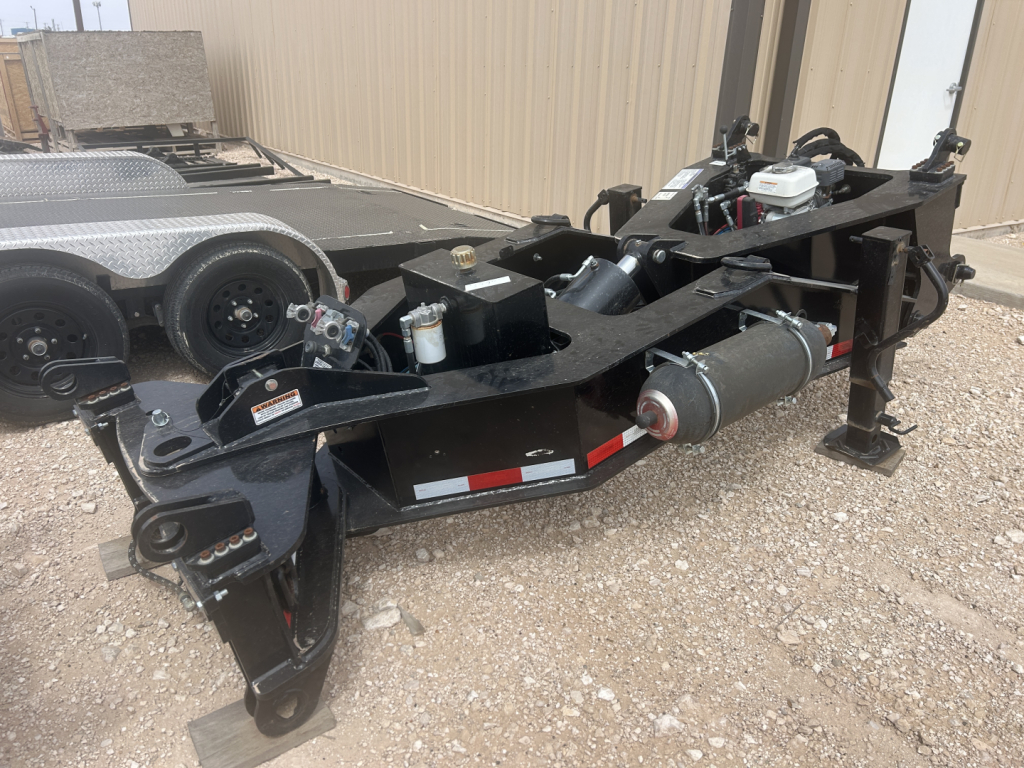
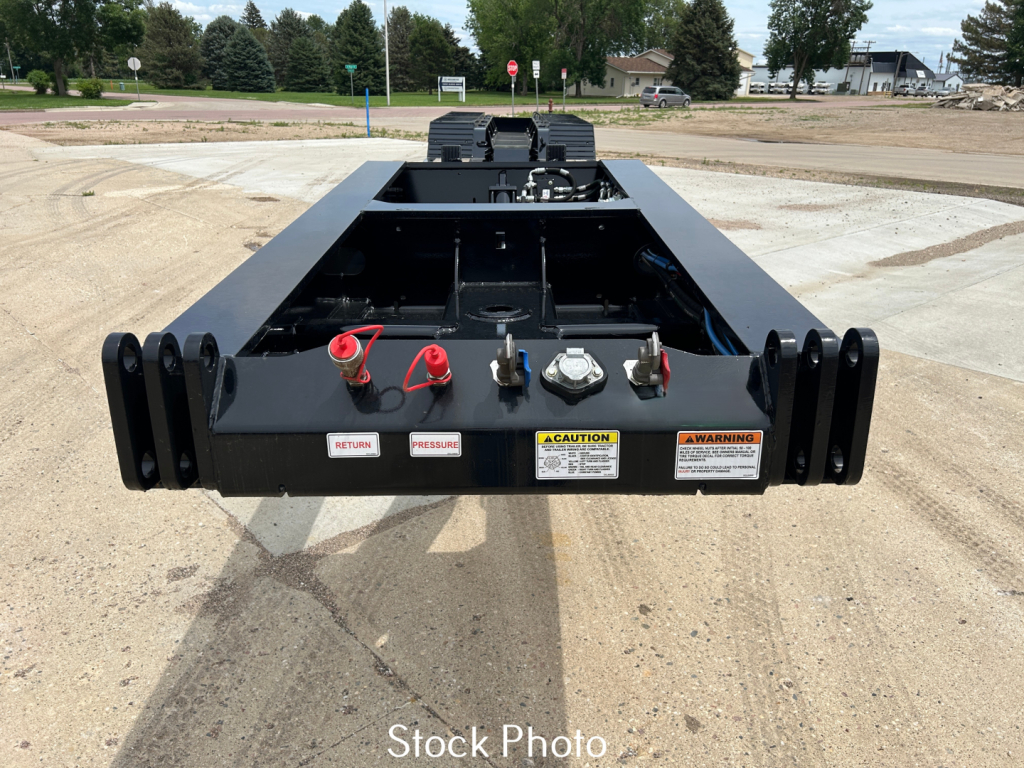
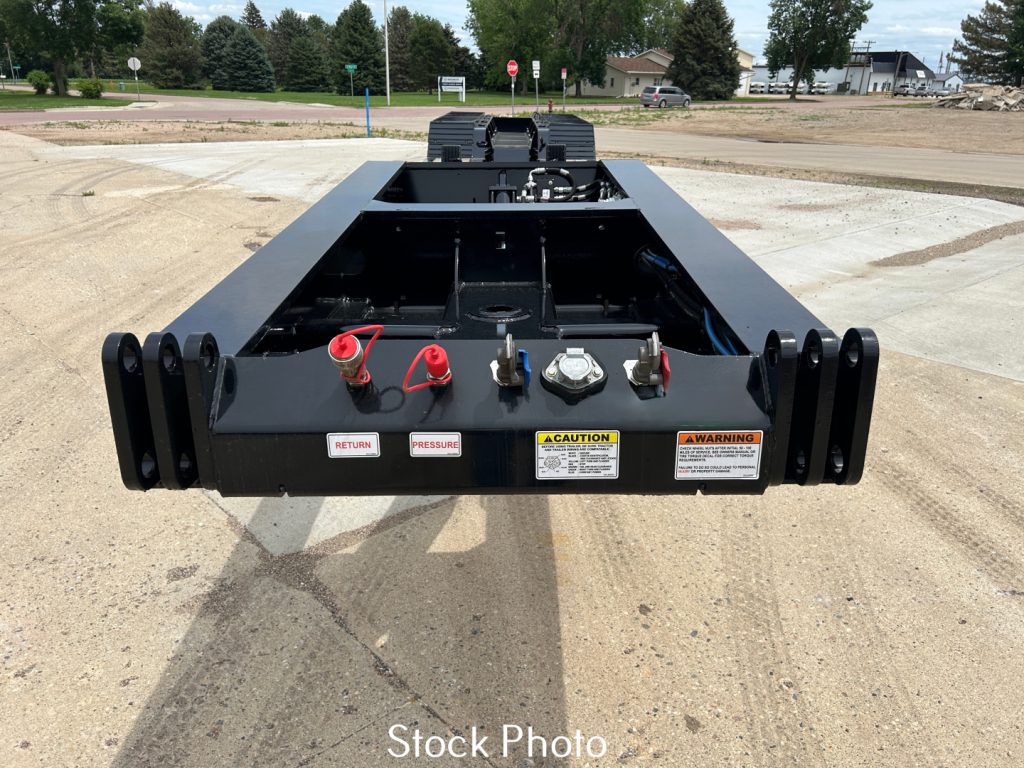
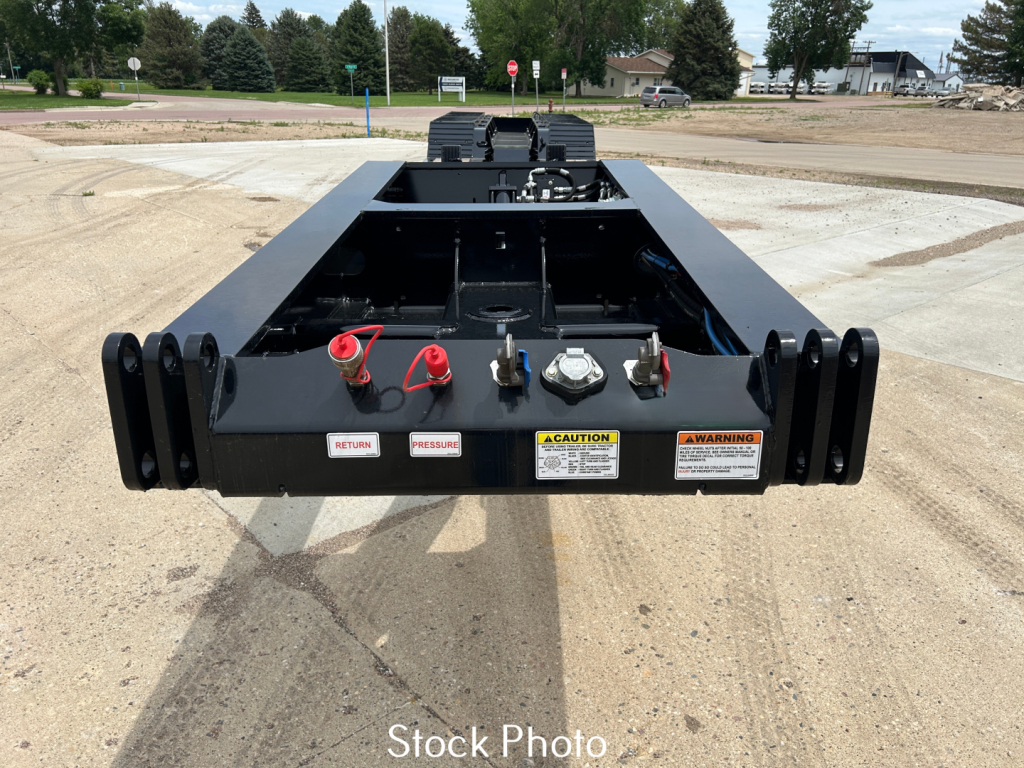
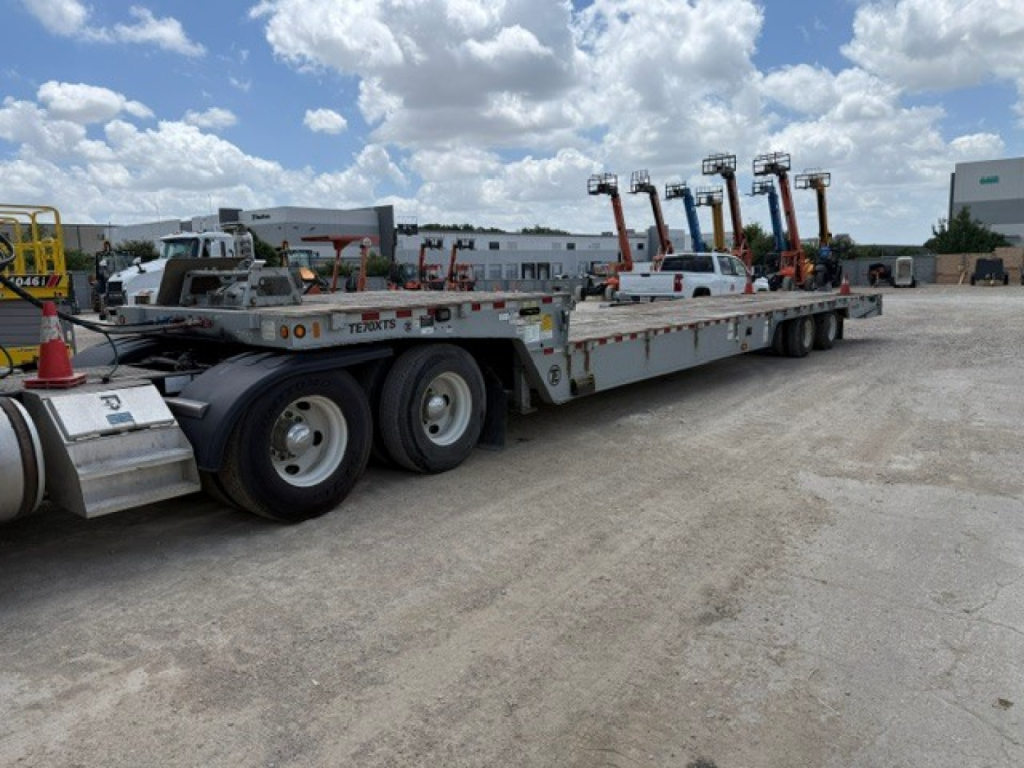
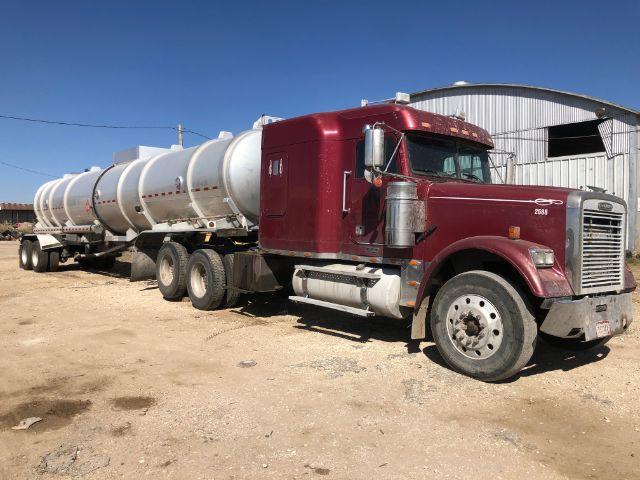
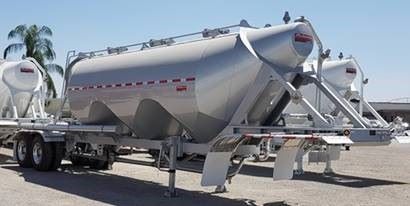
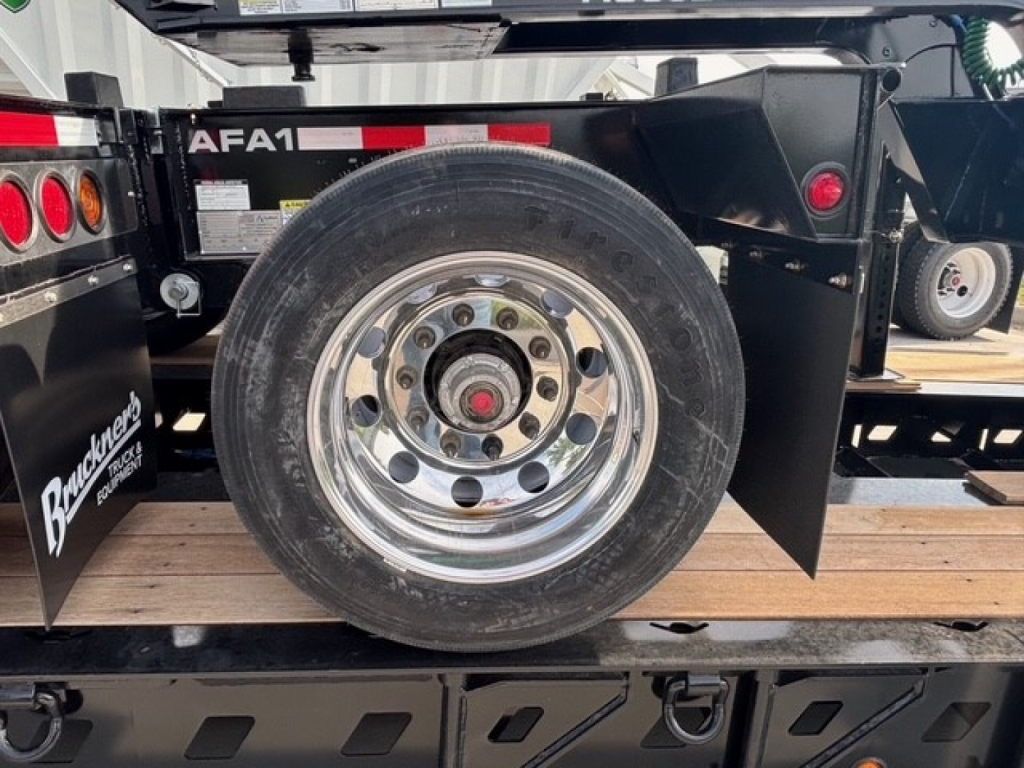
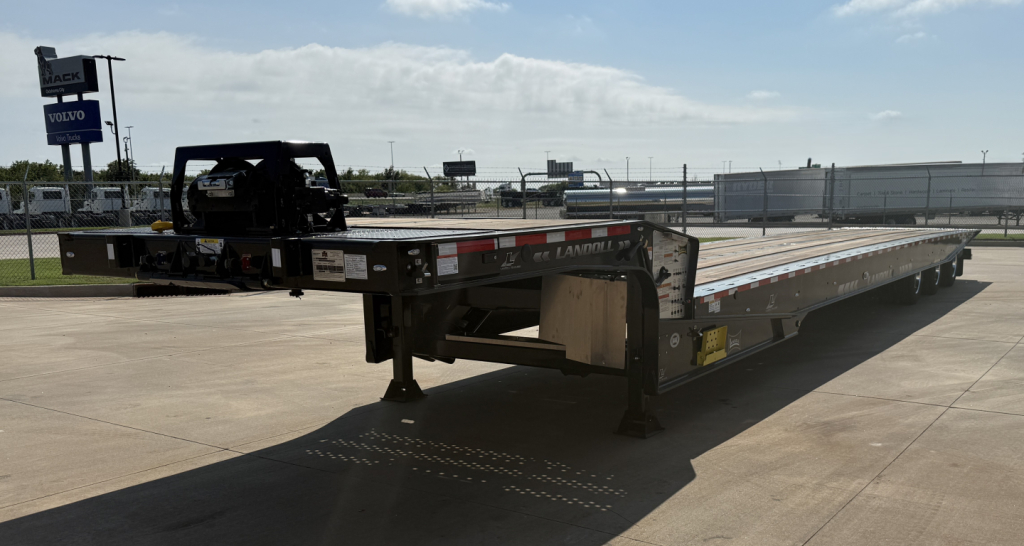
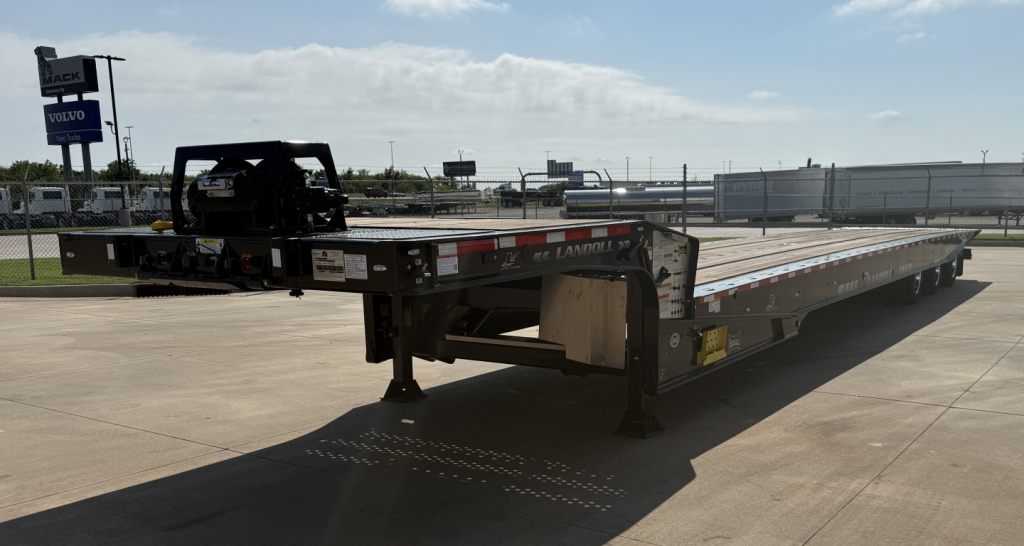
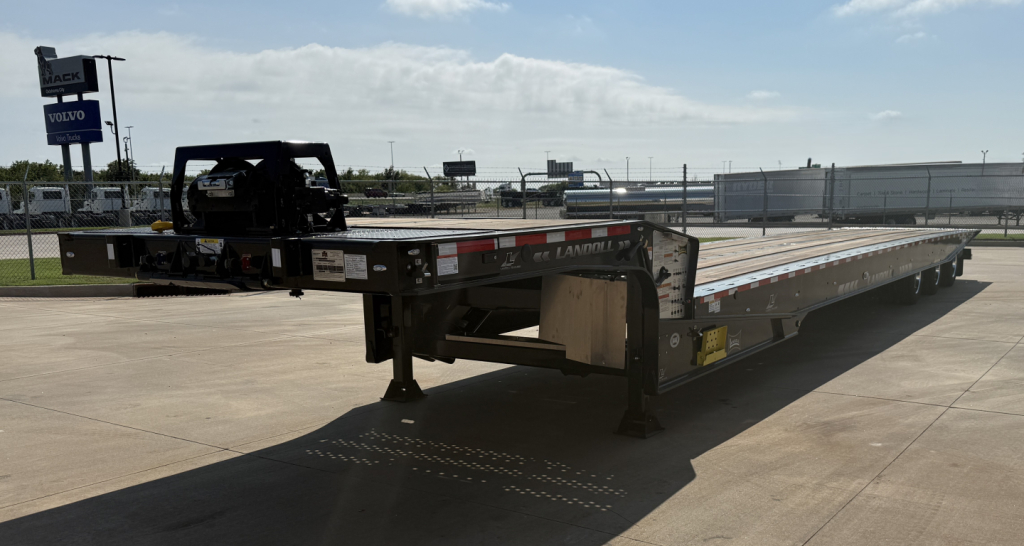
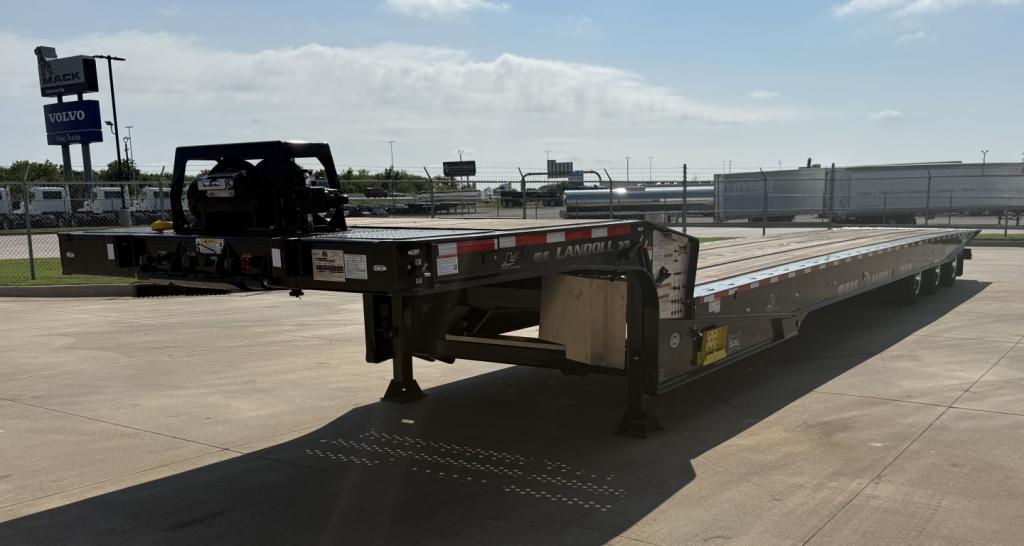
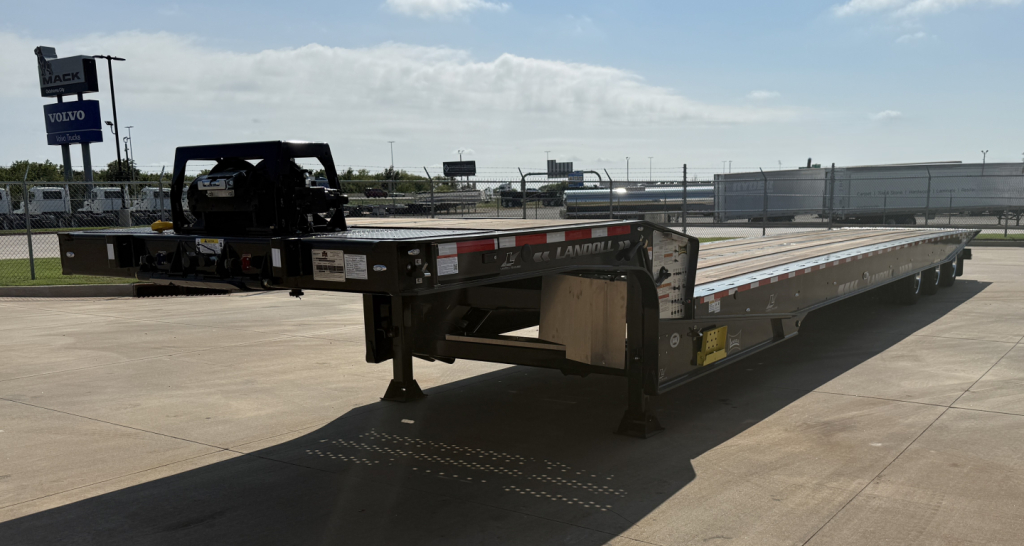
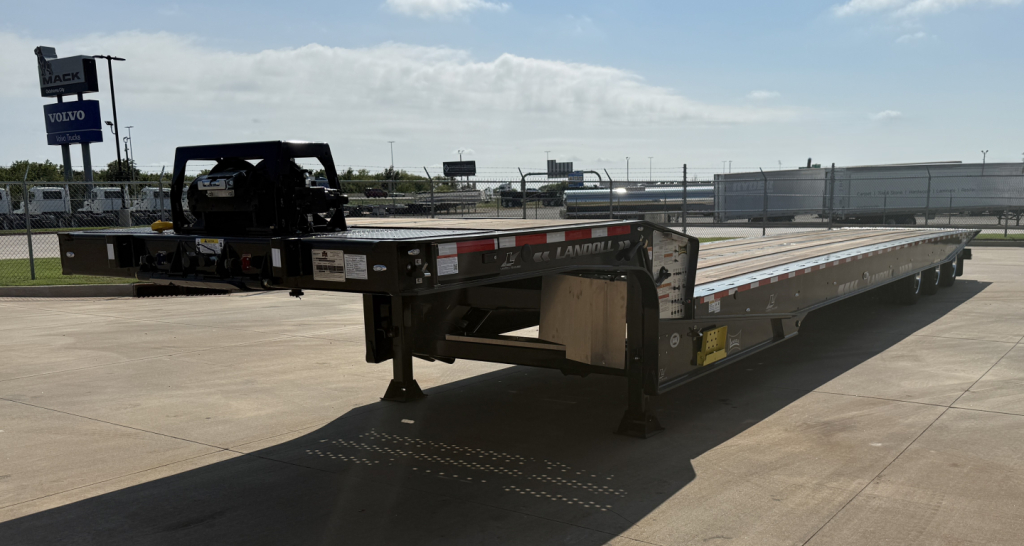
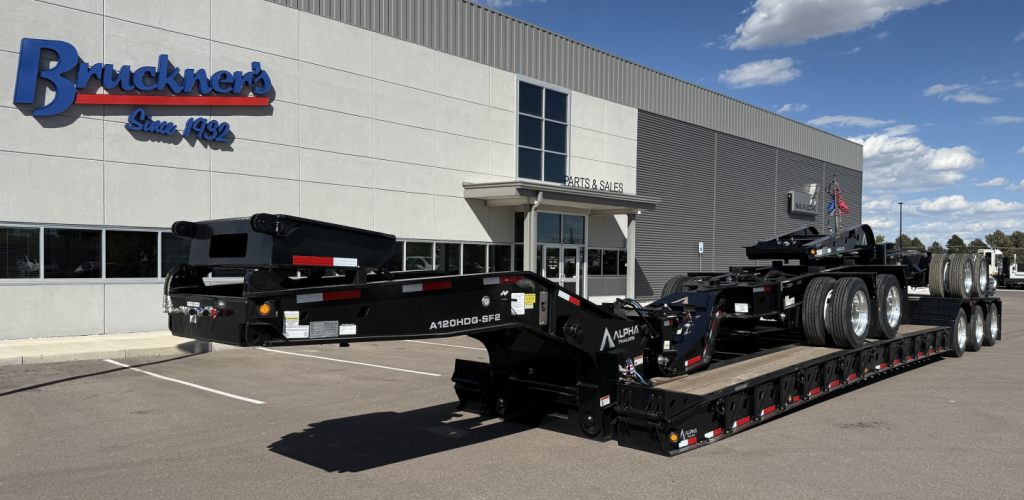
2027 Landoll 455B-53 - 55 Ton Traveling Axle
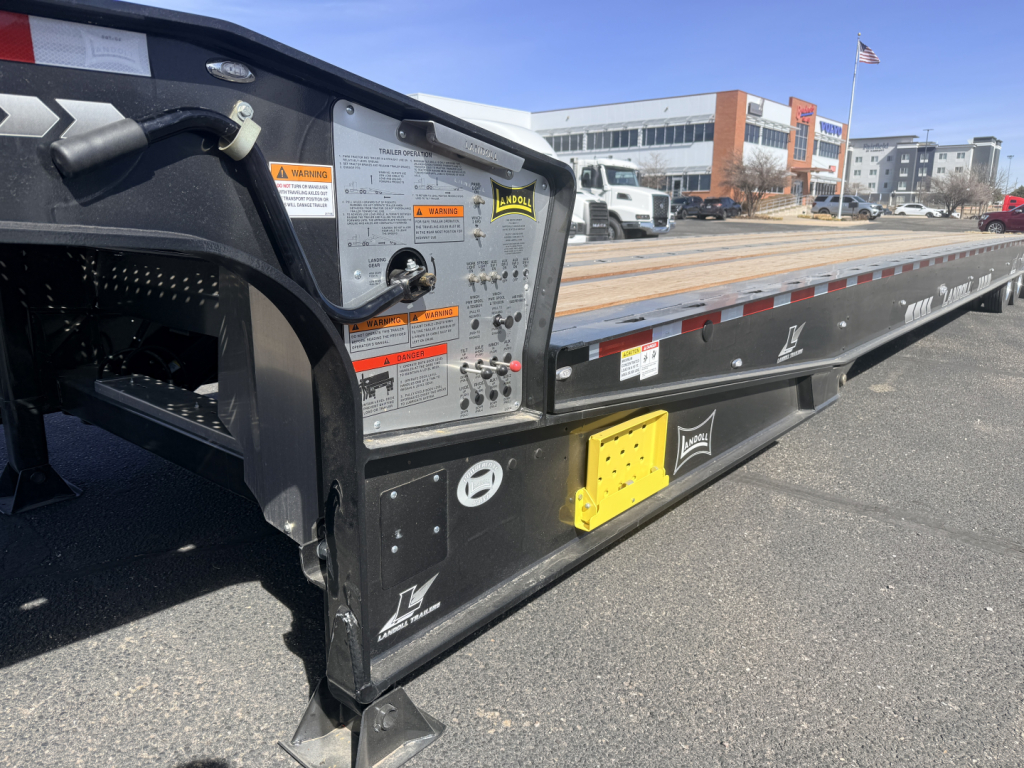
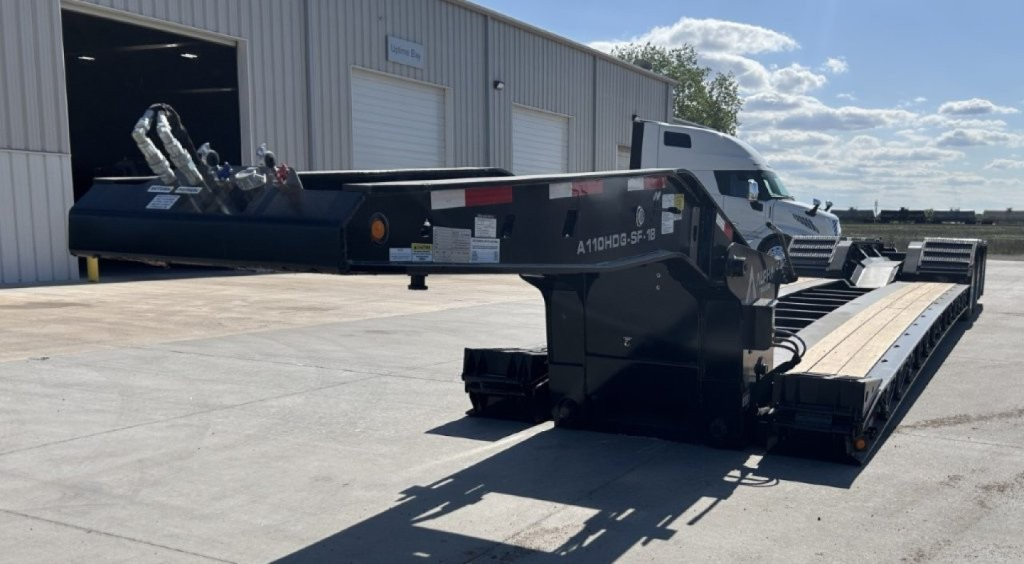
2027 Landoll 440B-53 - 40 Ton Traveling Axle
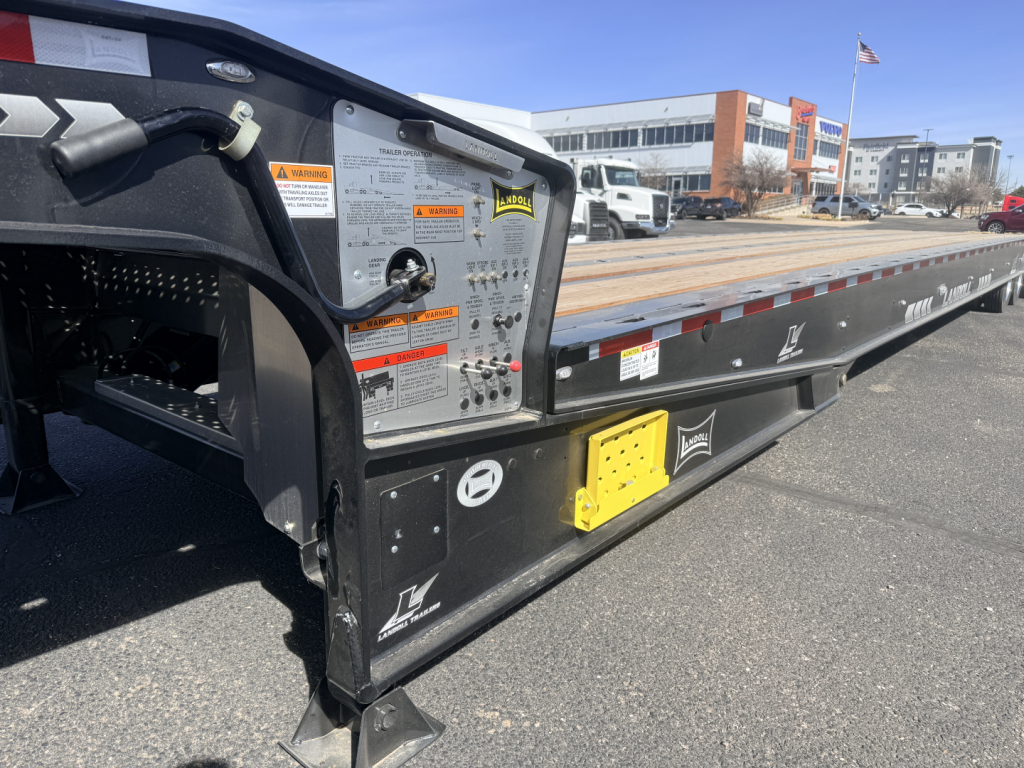
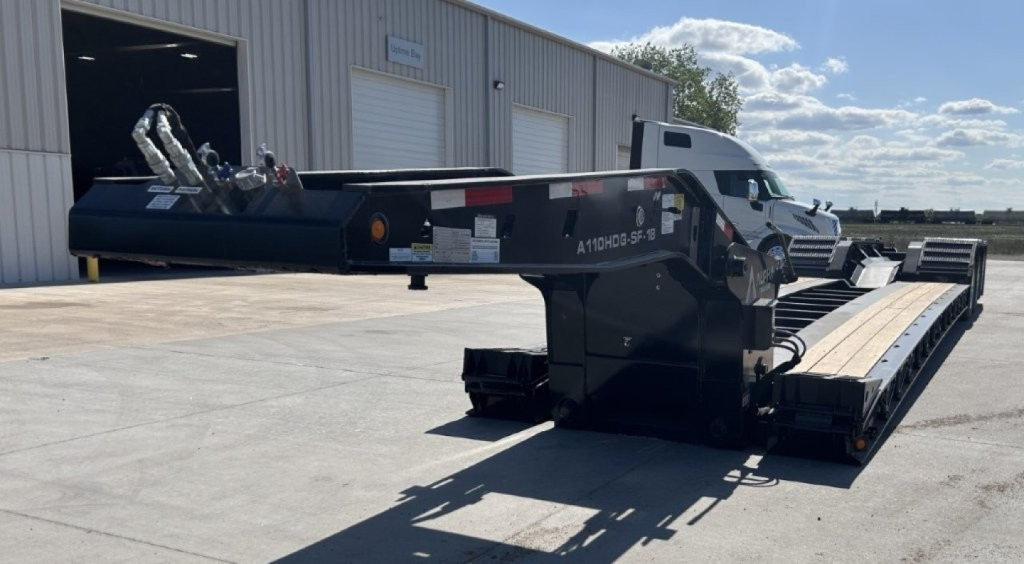
2027 Landoll 440B-53 - 40 Ton Traveling Axle
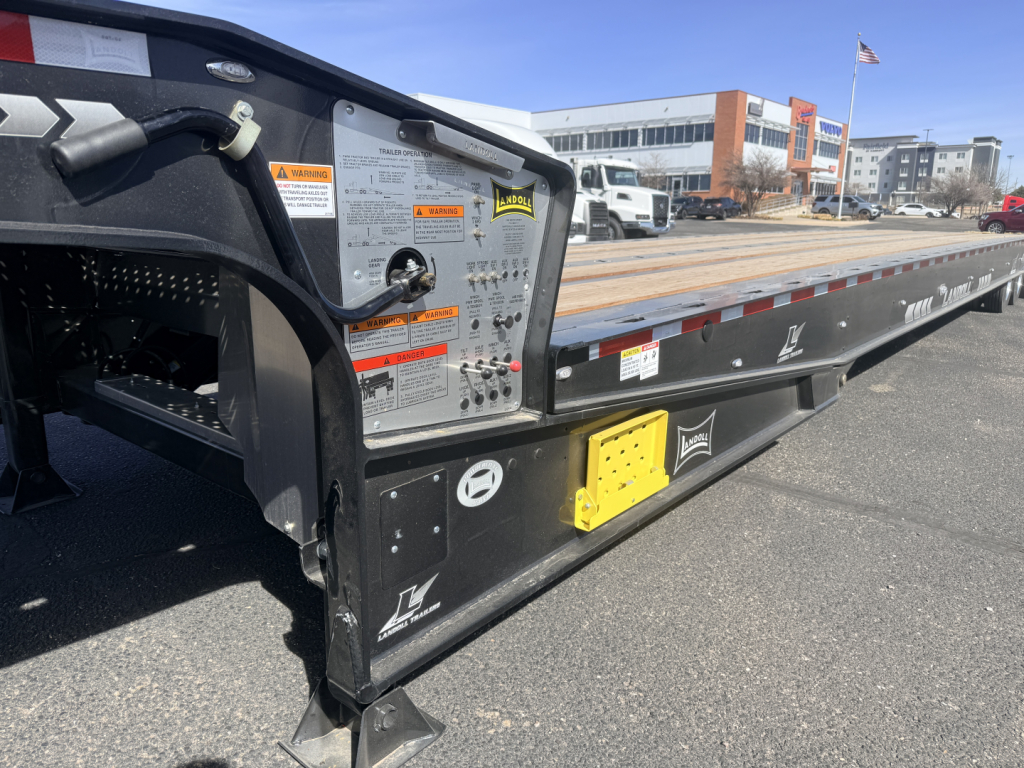
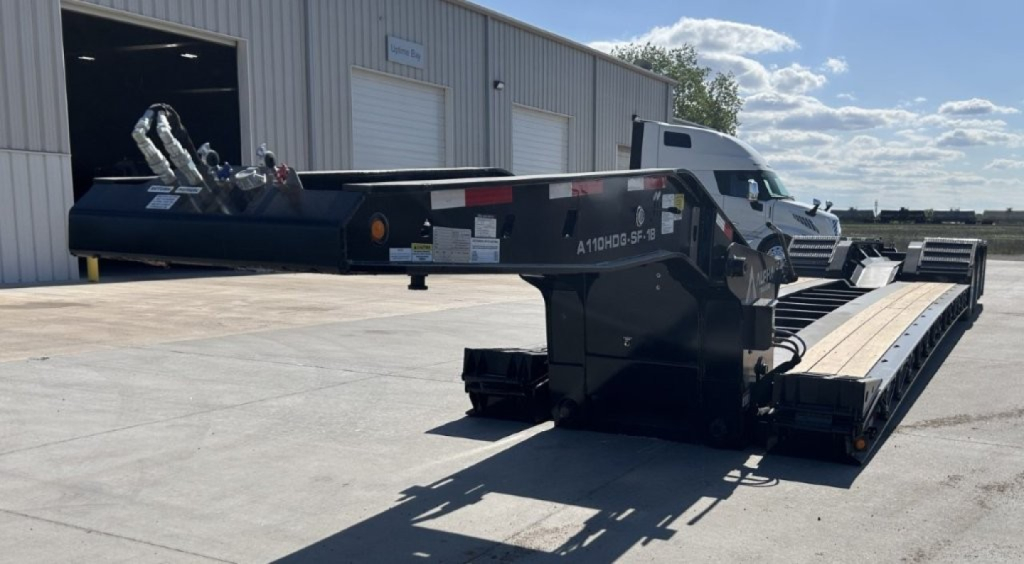
2027 Landoll 440B-53 - 40 Ton Traveling Axle
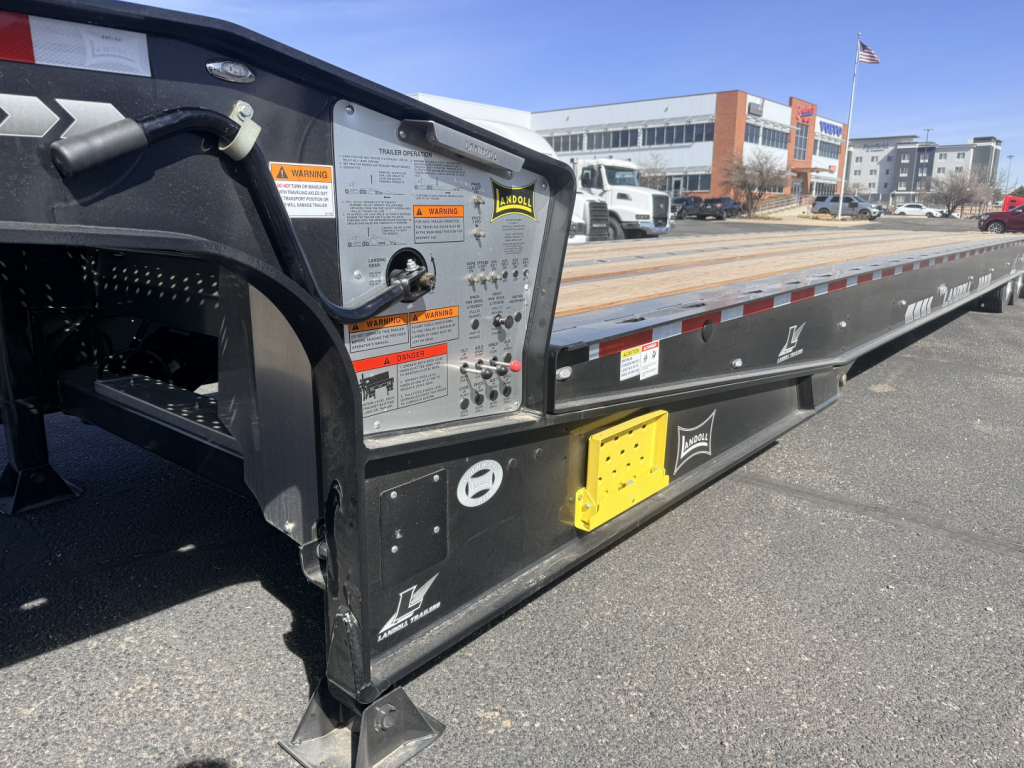
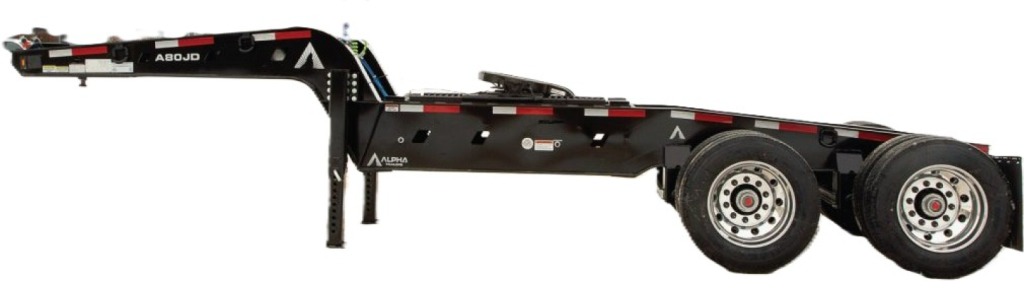
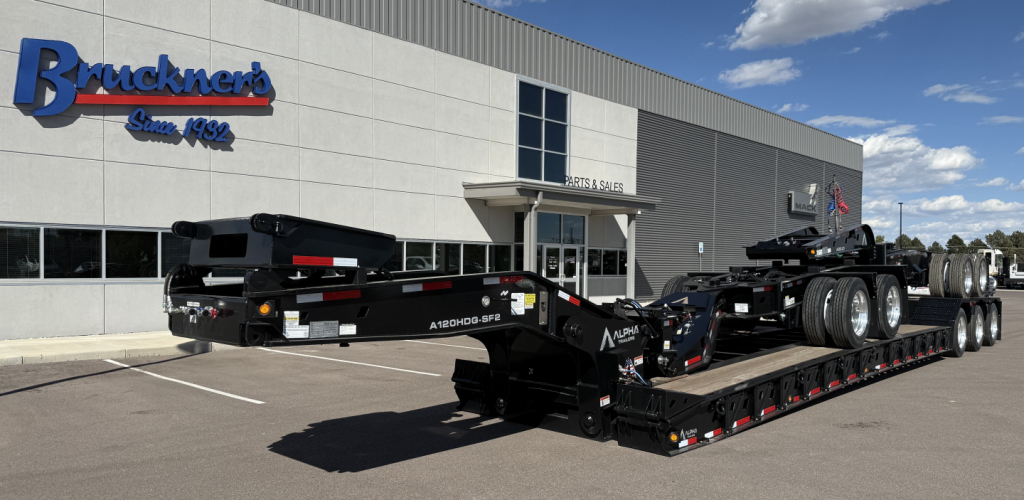
Showing 49 to 72 of 168 results
Have trailer to sell? List it here to reach thousands of buyers.
Trailers in Texas
Reefer trailers are a different decision because the box and the refrigeration unit both affect operating cost. In Texas, reefer buyers often look hard at insulation condition, unit hours, floor style, air chute setup, and door seal integrity because long summer runs and frequent stop-and-go deliveries can expose weak spots fast. Thermo King and Carrier units dominate much of the market, and a solid reefer spec usually includes air ride suspension, sliding tandems, aluminum or duct floors, and cargo control options like E-track. For food-grade or temperature-sensitive freight, the condition of the interior liner, drains, and bulkhead matters just as much as the engine on the unit.
Flatbed trailers, also known as open deck trailers, are common in Texas for steel, machinery, building materials, pipe, and oilfield-related freight. Aluminum flatbeds are popular for payload advantage, while steel and combo designs may appeal to buyers prioritizing durability in rougher service. Key details include axle configuration, spread or sliding tandem setup, crossmember spacing, coil package, nail strips, winches, and deck condition. A buyer hauling in West Texas or across energy corridors may also care more about suspension type, tire size, and frame integrity because rough access roads and heavier concentrated loads can accelerate wear.
Hopper bottom trailers fill another major need in Texas, especially for grain, feed, and bulk agricultural commodities. Common buying points include trailer length, side height, hopper capacity, door actuation, tarp system, and overall aluminum condition. Across all trailer categories, suspension type, brake system, tire inflation systems, wheel material, and signs of corrosion or prior structural repair deserve close inspection. Texas buyers also tend to weigh registration class, bridge law implications, and service support availability because a trailer that fits the freight on paper still needs to work efficiently across long distances and demanding heat.
Frequently Asked Questions about Trailers in Texas
What trailer type is most common for general freight in Texas?
The dry van is the most common trailer for general freight in Texas because it handles palletized consumer goods, retail freight, packaged products, and many dock-to-dock loads. A typical van trailer is 53 feet long, 102 inches wide, and equipped with a wood floor, logistics posts, scuff liners, and sliding tandems. Buyers should focus on inside dimensions, door configuration, floor condition, and suspension spec to make sure the trailer matches the freight and the facilities it will serve.
What should I check first on a used reefer trailer?
Start with the refrigeration unit hours, maintenance history, and proof of recent service, then inspect the trailer body for insulation problems, interior damage, floor wear, and bad door seals. On a reefer, the box and the unit work together, so air leaks, damaged liners, or poor bulkhead condition can hurt temperature control even if the unit runs well. It is also smart to review the suspension, brakes, and tire condition because reefer trailers often see heavy use in regional and multi-stop operations.
Is an aluminum flatbed better than a steel flatbed?
An aluminum flatbed usually offers better payload because it weighs less, while a steel flatbed generally brings more resistance to abuse in severe service. The better choice depends on the freight. Buyers hauling legal weight commodity freight often prefer aluminum for the weight savings, while operations dealing with concentrated machinery loads, jobsite damage, or harsher road conditions may lean toward steel or a combo trailer. Frame condition, deck wear, crossmember spacing, and tie-down equipment matter more than material alone.
Why do sliding tandems matter on many trailers?
Sliding tandems help balance axle weights, adapt to different state bridge requirements, and improve dock approach flexibility. On dry vans and reefers, a common setup is a sliding tandem with a long rail, which gives the operator more adjustment options for different freight and loading patterns. Buyers should inspect the slider rails, locking pins, and suspension components closely because worn tandem systems can create alignment issues, tire wear, and downtime.
What features add value on a modern trailer?
Features that often add value include air ride suspension, tire inflation systems, galvanized rear frames, quality landing gear, LED lighting, logistics posts or E-track, and well-maintained brakes and wheel ends. On specialty trailers, value can also come from coil packages, roll tarps, vibrators, hopper door controls, or side skirts depending on the application. The best value feature set is the one that reduces operating cost and fits the freight profile without adding unnecessary complexity.